
Circular Architecture Design: The Vision Behind Circular Loop by HaengUnSiWoo Architects
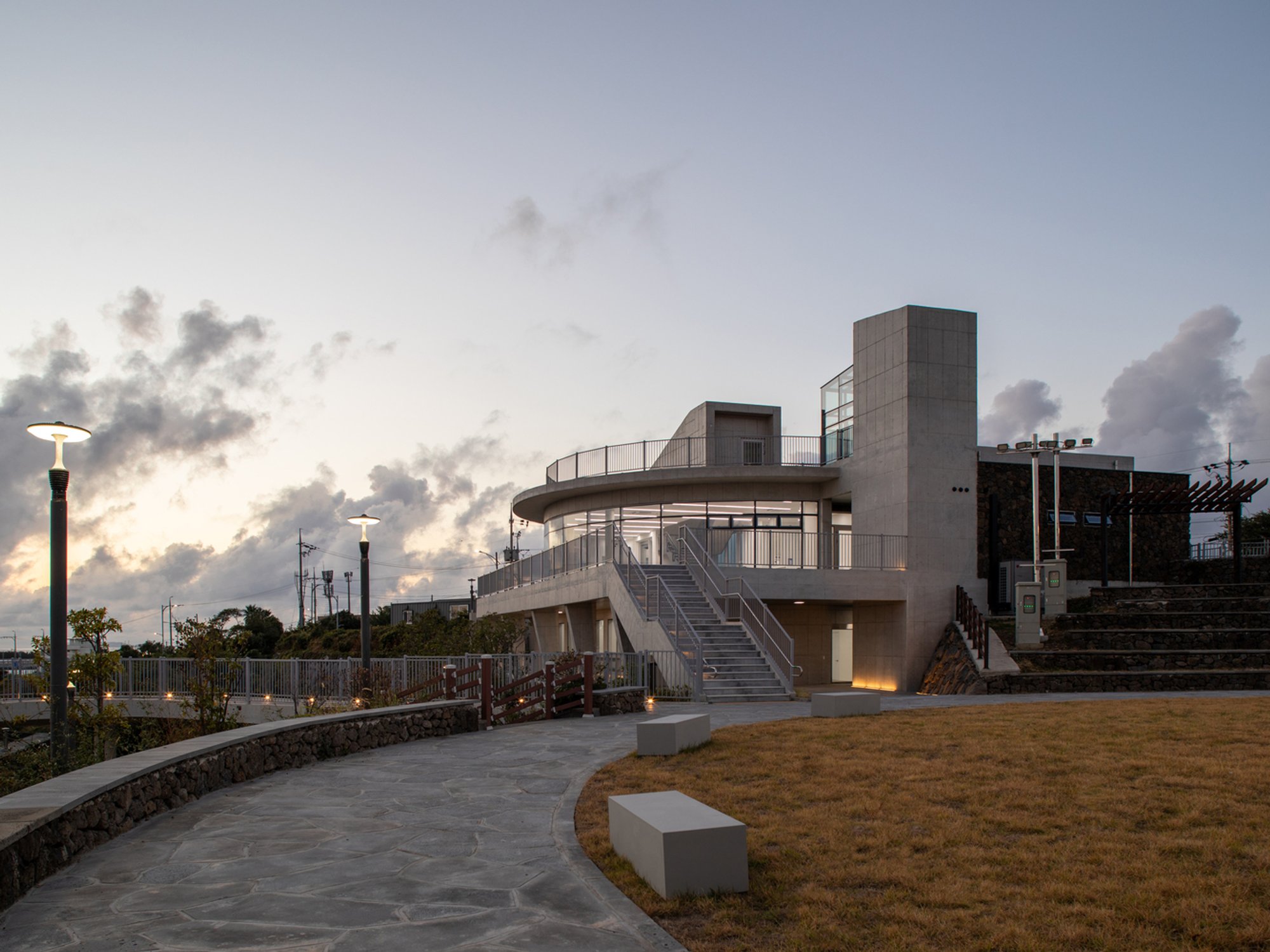
This article explores the Circular Loop by HaengUnSiWoo Architects, a project that exemplifies circular architecture design by integrating structure and landscape.

A Harmonious Integration with the Landscape
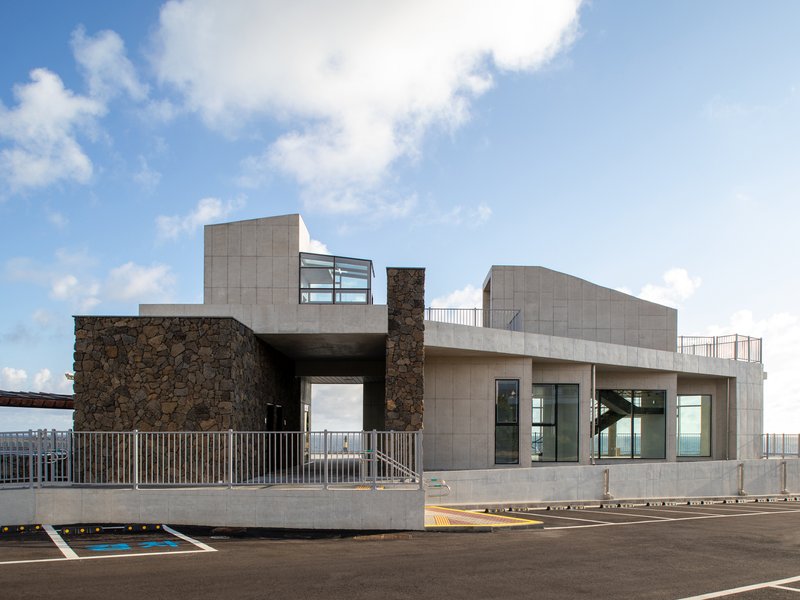
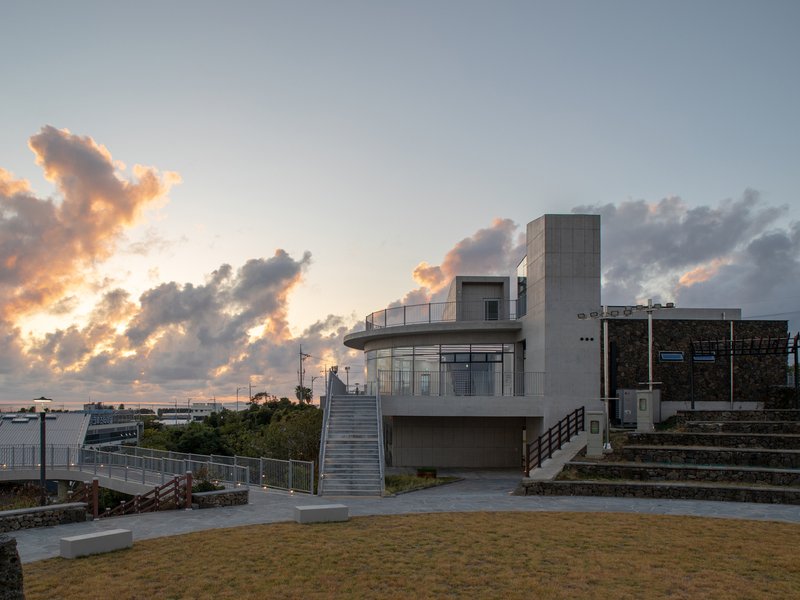
The Circular Loop, designed by HaengUnSiWoo Architects, is an eco-experience center at the Gangjeong Cruise Terminal in South Korea. This project embodies the principles of circular architecture design by creating a seamless spatial experience that integrates with the natural landscape while offering diverse perspectives and accessibility.
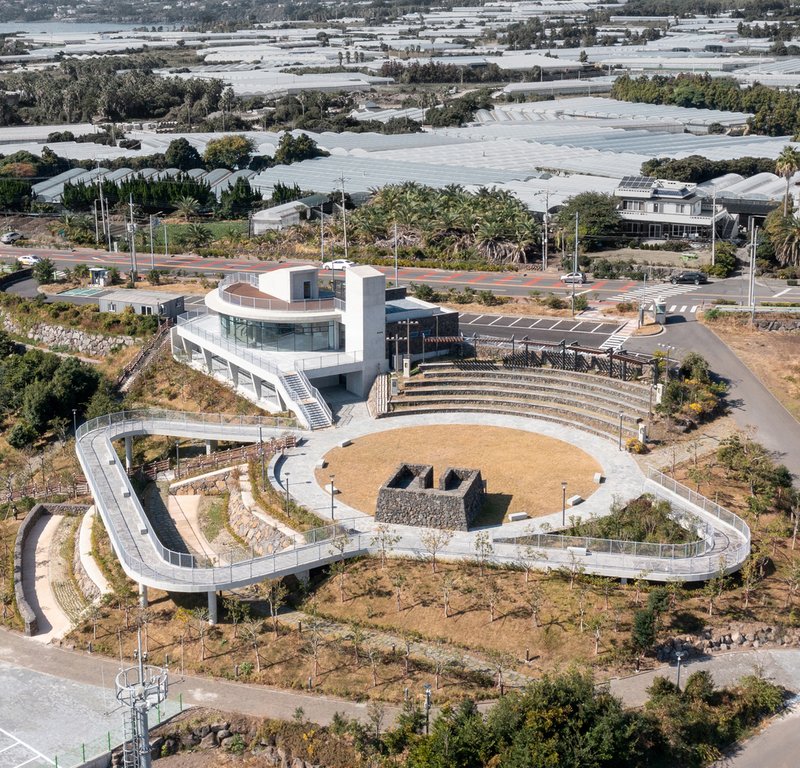
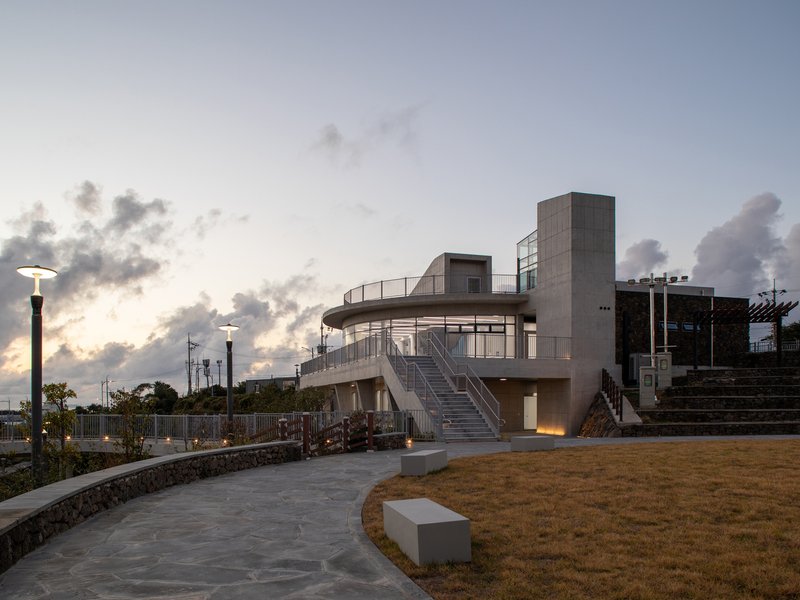
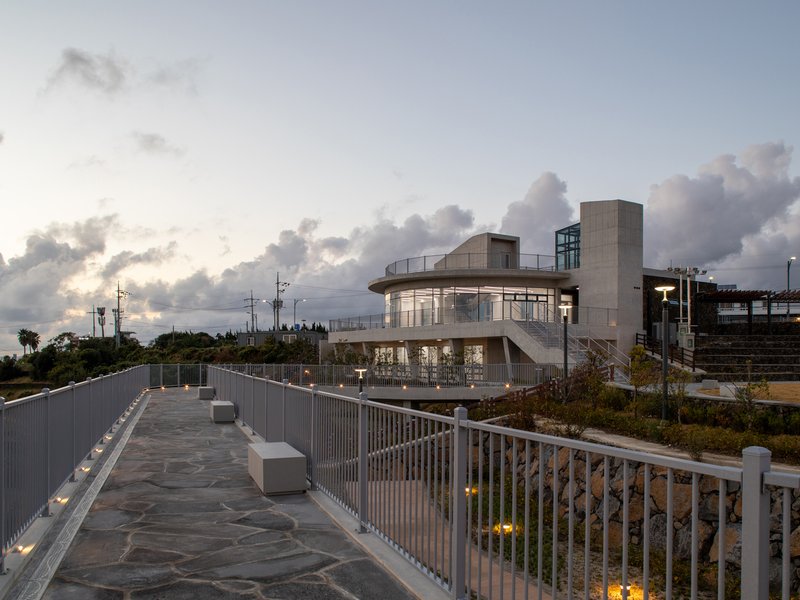
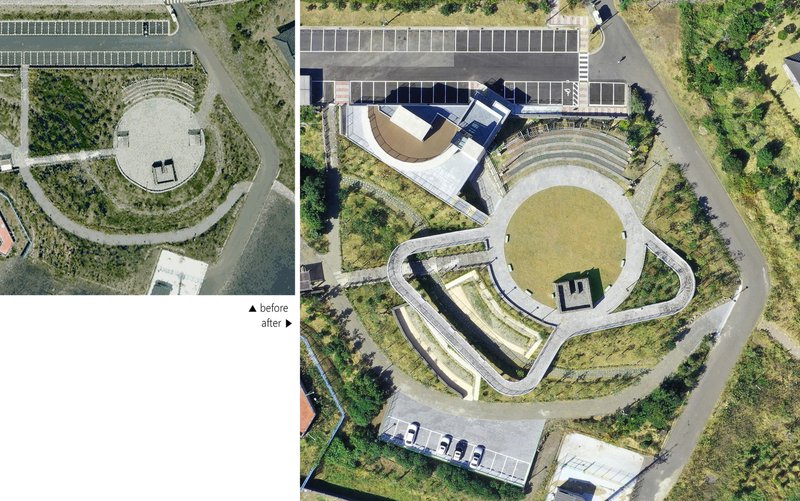
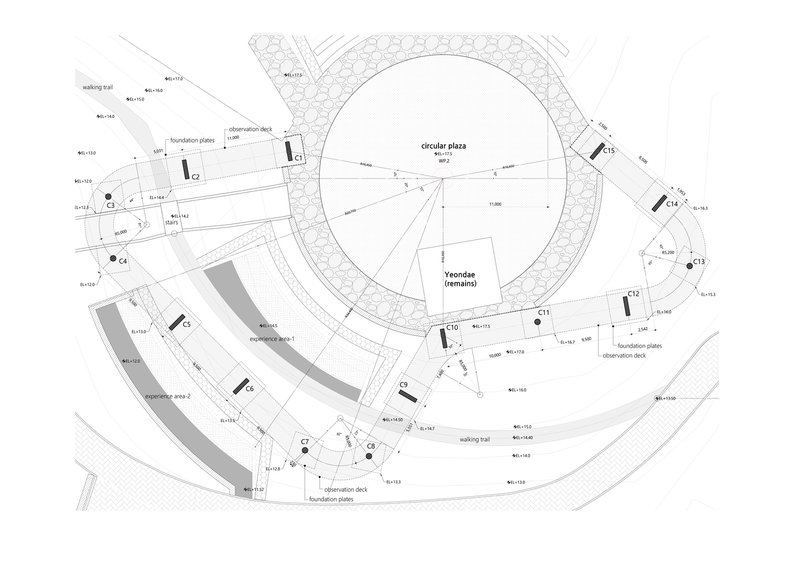
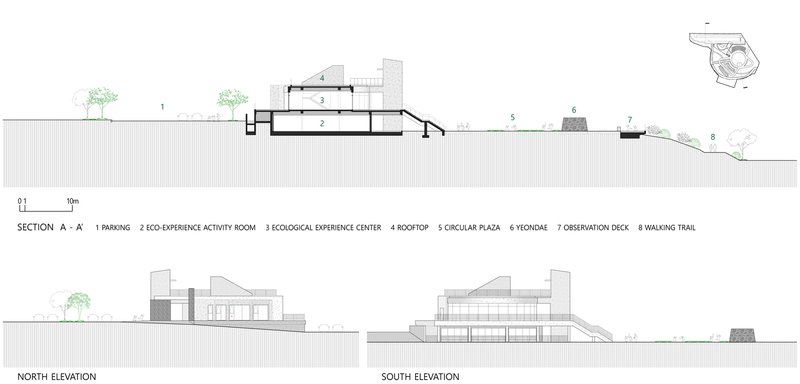
Located on a site with a significant elevation change, the design strategically overcomes the terrain’s challenges by forming a continuous loop that connects the parking lot with the circular plaza. This looping form not only enhances mobility but also symbolizes the terminal’s function as a place of arrivals and departures.
Adapting Form to Function: The Circular Concept
The observation deck was initially planned to maximize height, but due to the site’s lower elevation, an alternative approach was needed. Instead of building upwards, the architects expanded the structure horizontally, forming a loop that encircles the landscape. This fluid design maintains the site's existing character while introducing a dynamic spatial experience.
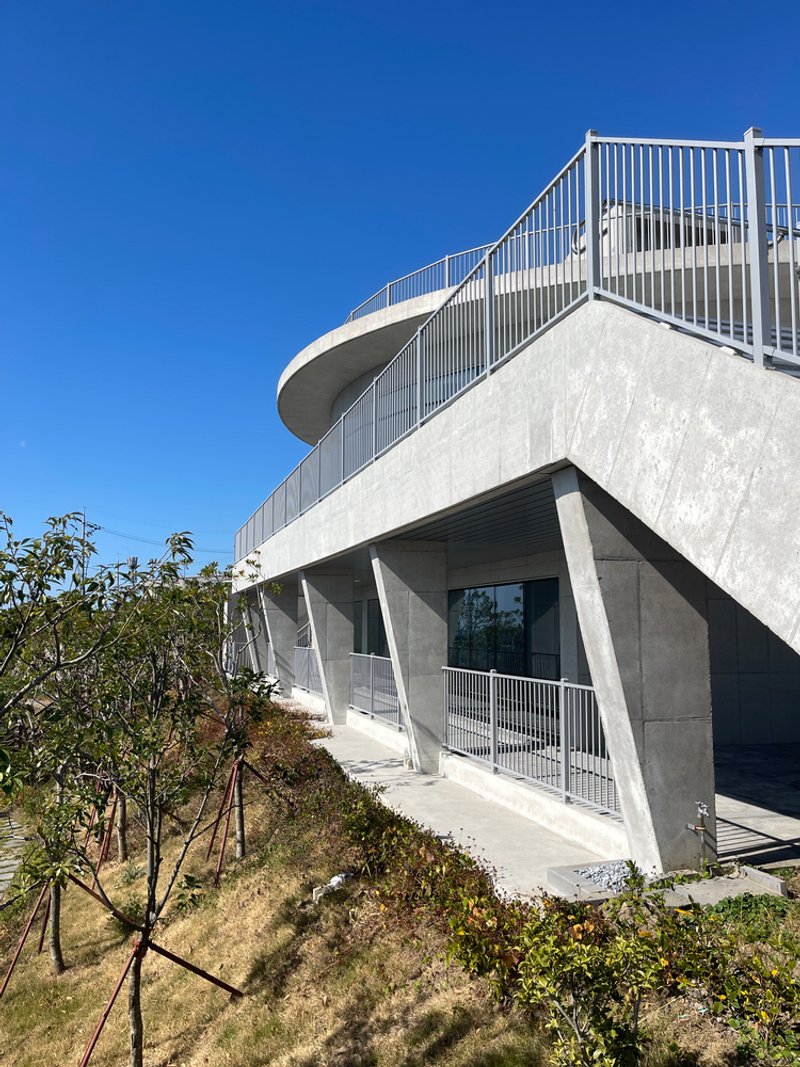
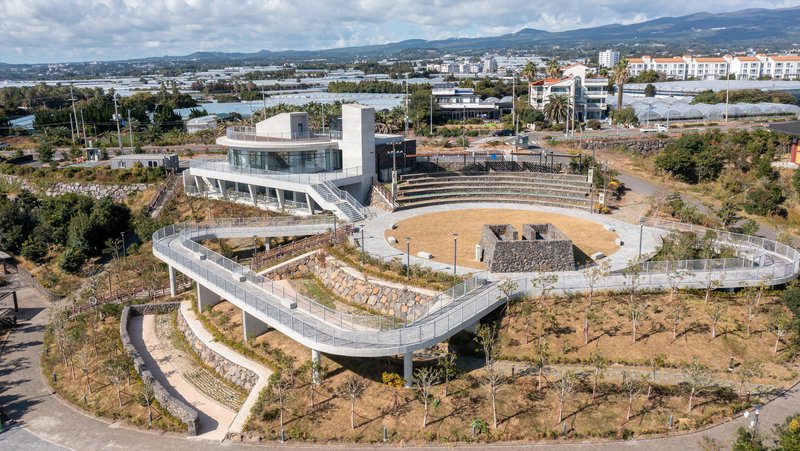
This circular form ensures equal accessibility from multiple directions, allowing visitors to approach from various pathways. The structure’s surface materials, including black basalt stone, create a seamless aesthetic that merges old and new elements into a linear flow.
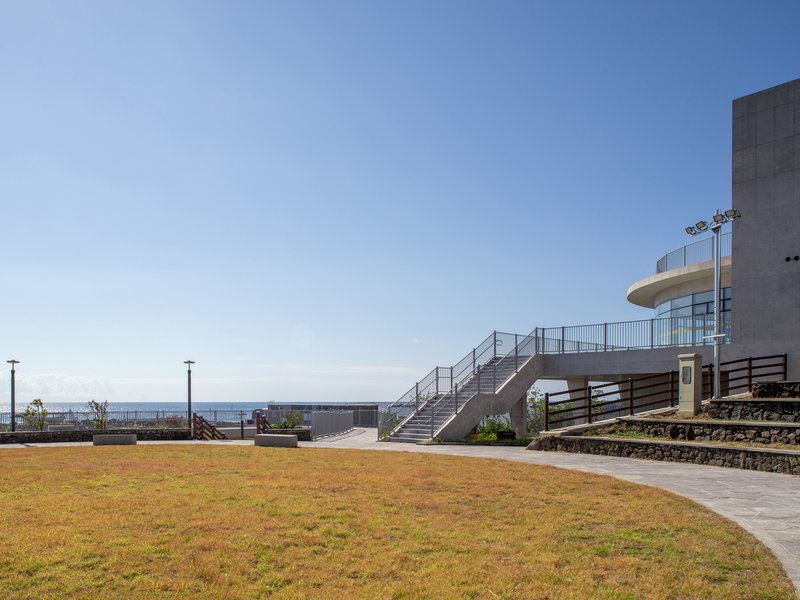
Designing for Experience and Accessibility
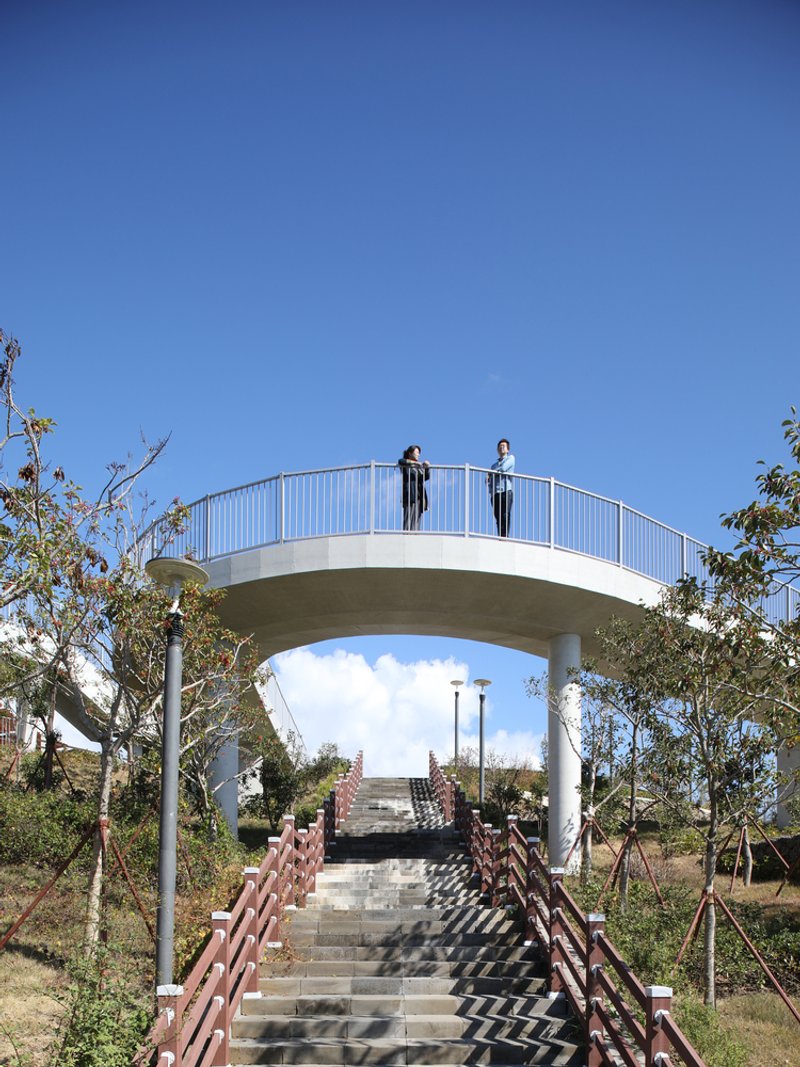
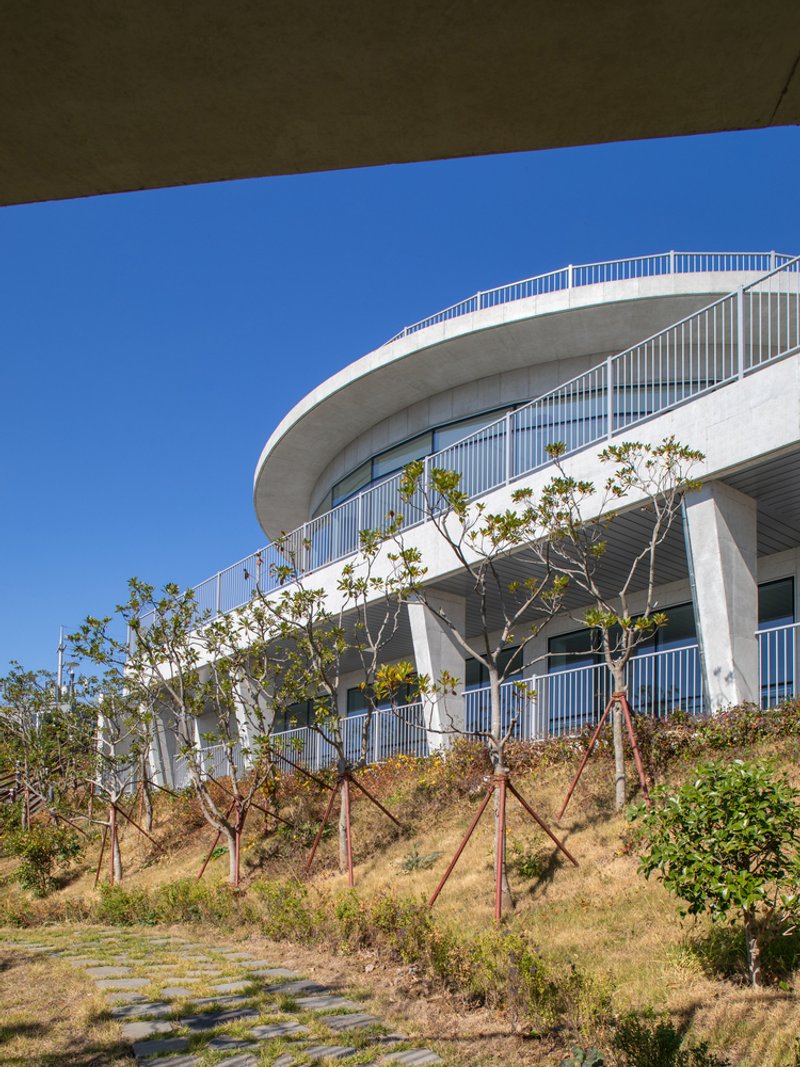
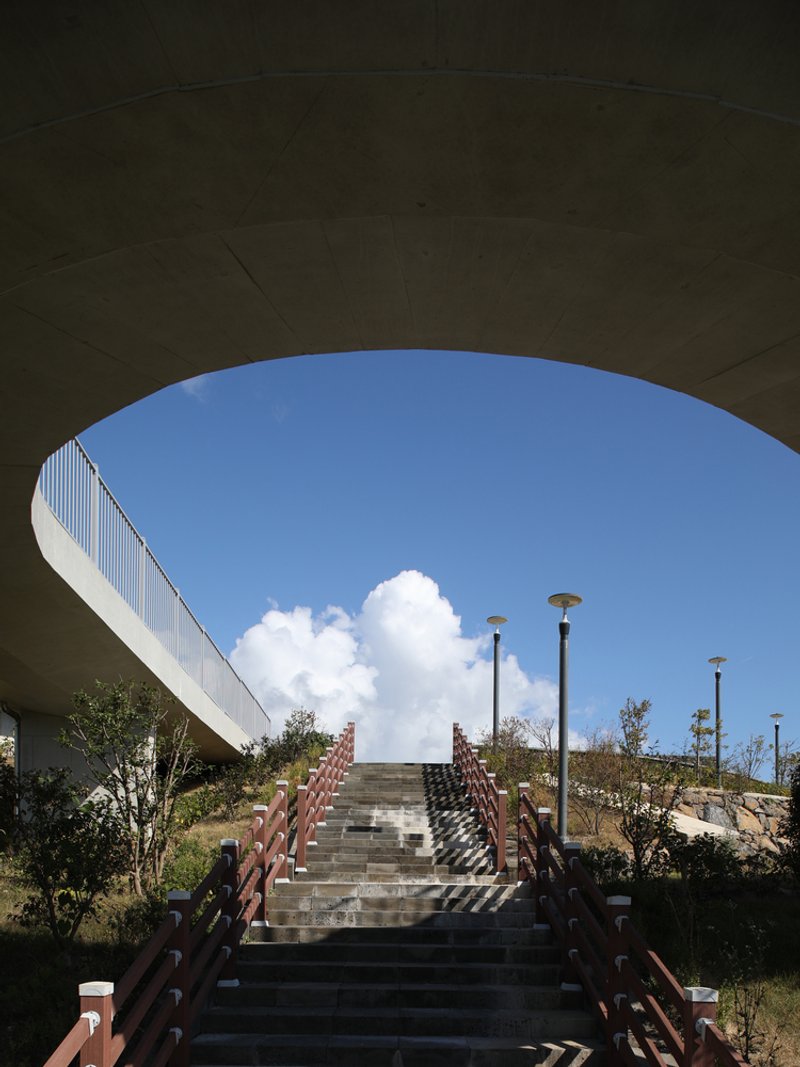
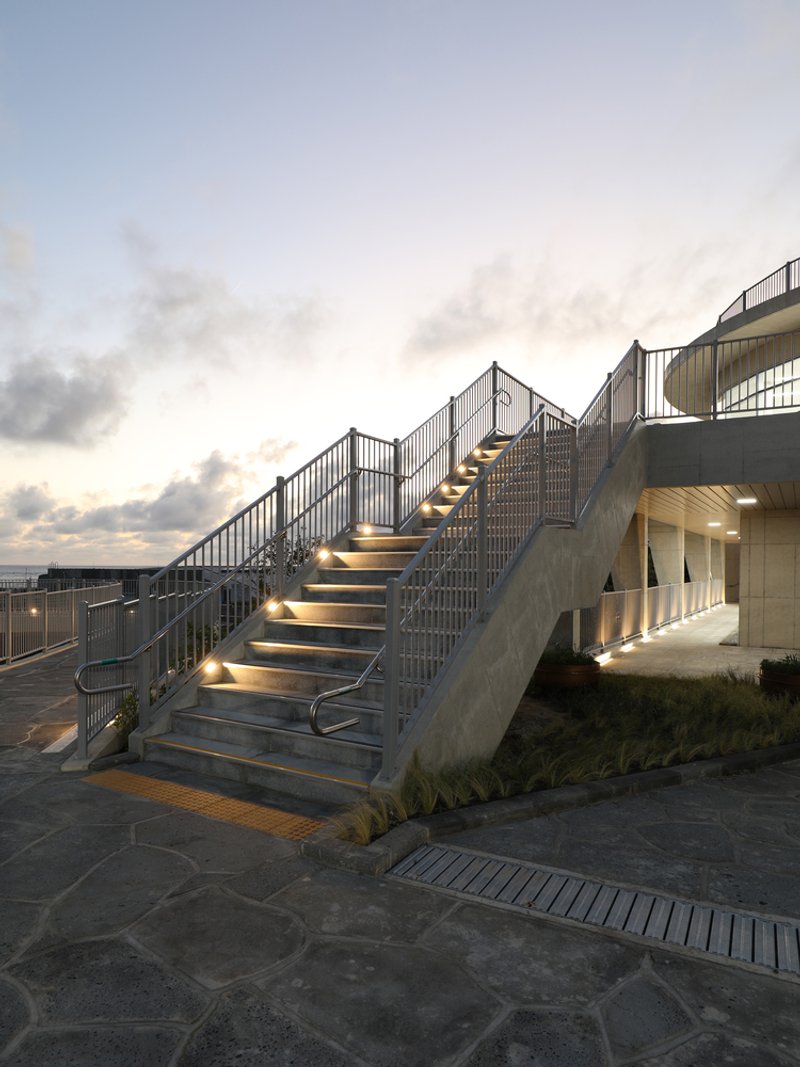
Different sections of the loop serve unique functions. Some areas act as observation platforms offering panoramic views, while others connect directly to walking trails, creating a layered experience where visitors encounter shifting perspectives of the environment. The deck’s level remains consistent, but its interaction with the terrain varies—sometimes appearing elevated, at times merging with the ground, and at others blending seamlessly into the plaza.
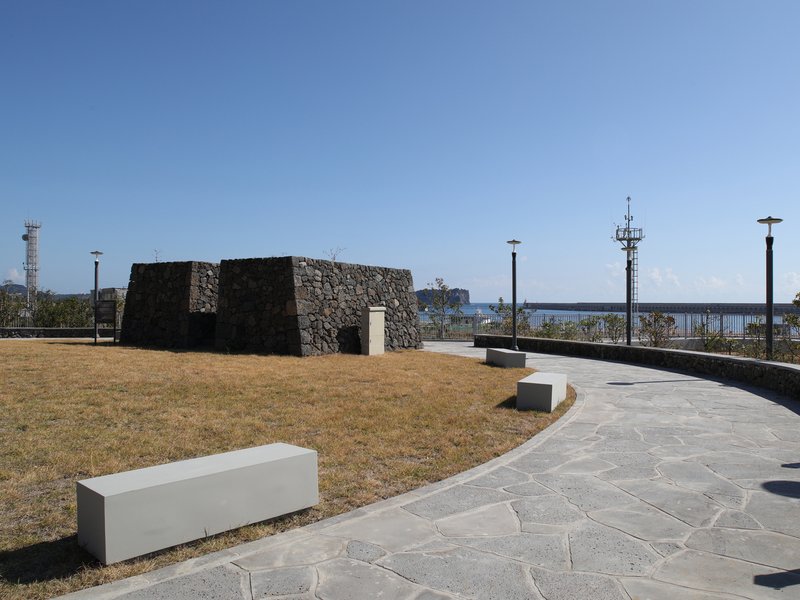
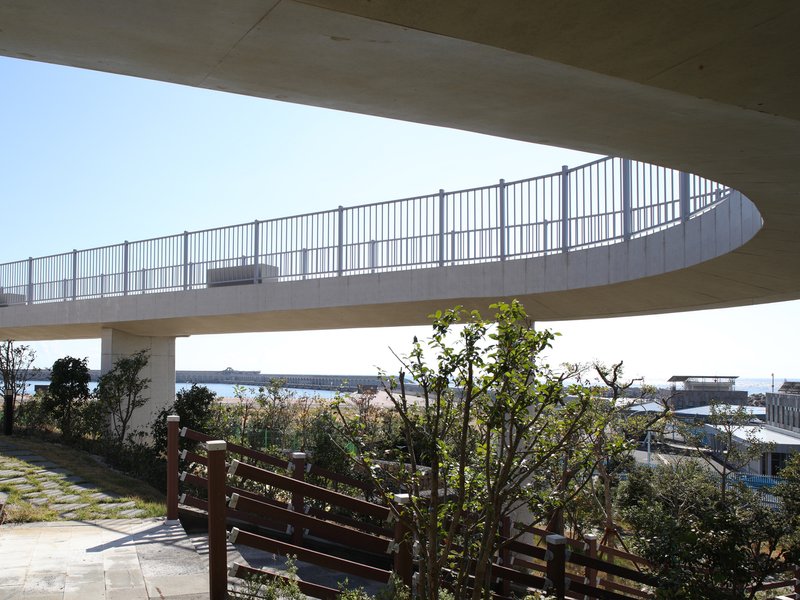
The design also enhances public engagement with the landscape. By reconfiguring the site’s material palette, the contrast between the black basalt stone and green lawn helps highlight Yeondae, the site’s historical remains. Previously overshadowed, this element now stands out, drawing attention to the region’s cultural heritage.
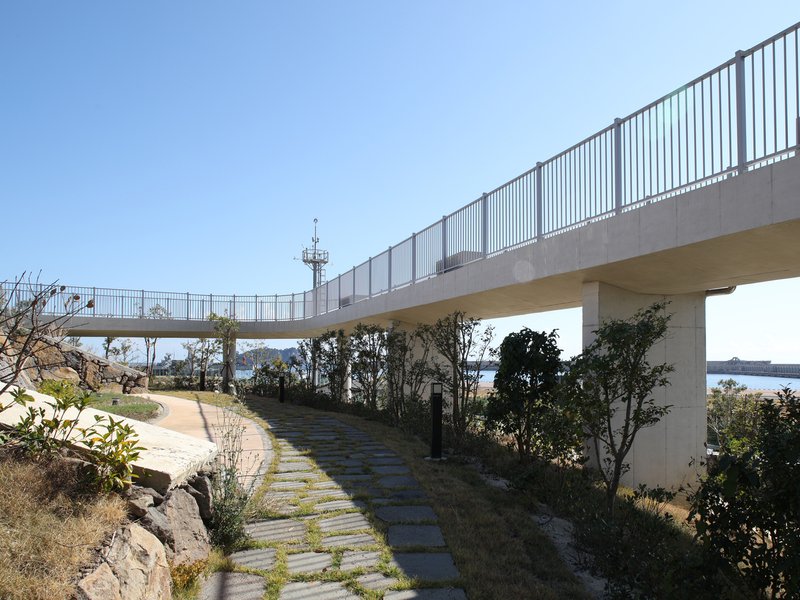
Structural Innovation in Circular Architecture
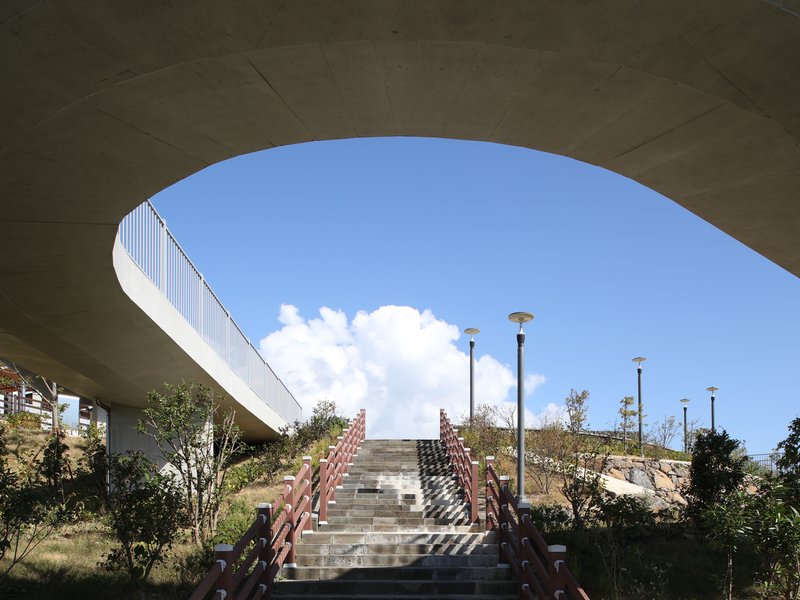
Engineering challenges played a crucial role in defining the structure. The choice between steel and reinforced concrete (RC) was a key decision, with RC ultimately selected due to cost efficiency, structural stability, and ease of construction on sloped terrain. The deck’s underside was left exposed in concrete to maintain a minimalist aesthetic while reducing additional finishing costs.
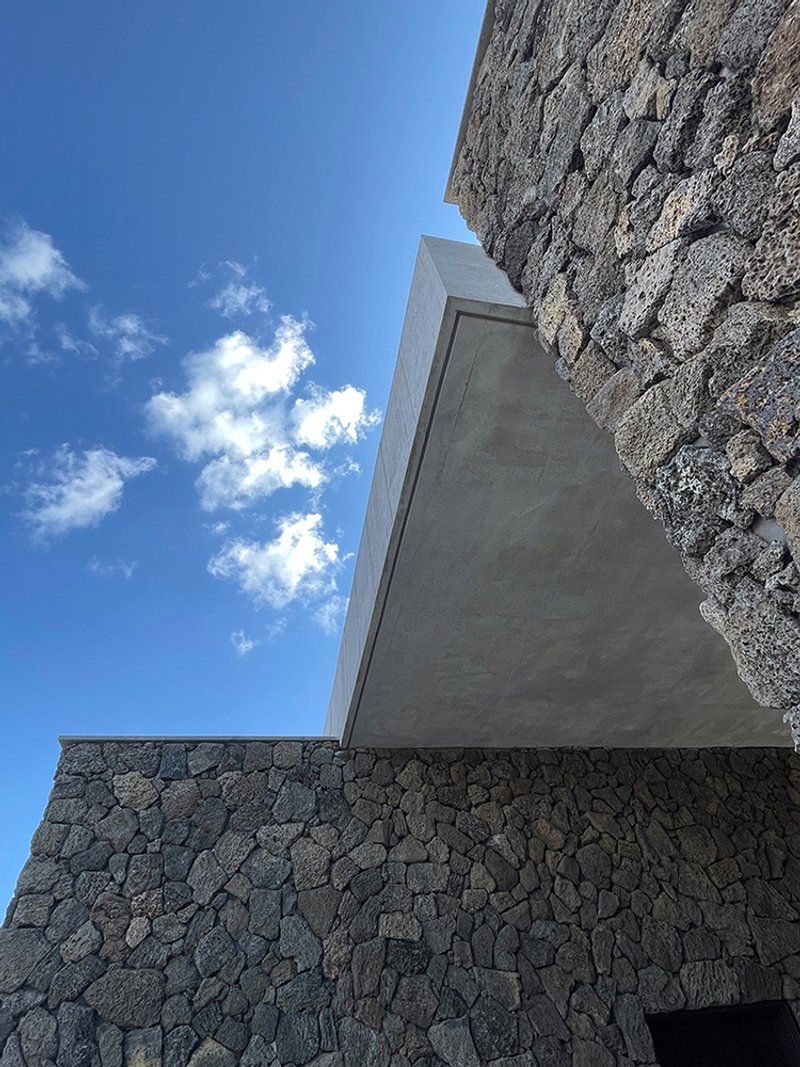
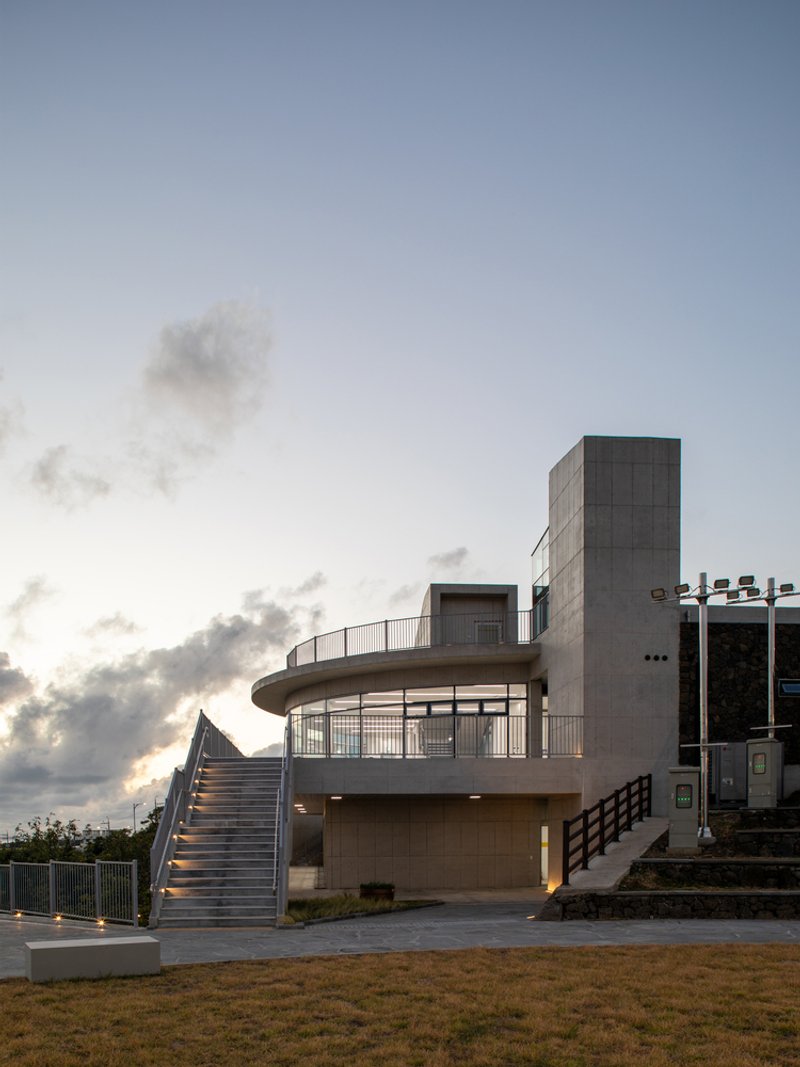
Column selection required balancing visual harmony and structural practicality. Round columns provided a sculptural appeal and required smaller foundations but were impractical in some sections. Wall columns were more efficient in certain areas, reducing excavation costs while maintaining structural integrity. By carefully alternating between these column types, the architects achieved an optimal balance between form and function.
A Model for Future Circular Architecture
The Circular Loop is a testament to the potential of circular architecture design to create interactive, accessible, and aesthetically cohesive public spaces. Through its looping form, the project bridges nature, history, and human experience, reinforcing the significance of architecture that adapts to its surroundings while enhancing the visitor journey.
By merging structural ingenuity with an intuitive design approach, HaengUnSiWoo Architects have crafted a space that not only serves a functional purpose but also enriches the urban and natural landscape. The Circular Loop exemplifies how circular architecture can redefine spatial connectivity, making it an essential model for future public space design.




Popular Articles
Popular articles from the community

Johnston Architects Reimagines the Methow Valley Hay Barn as a Small-Town Library in Winthrop
A 7,300-square-foot timber library channels the region's agrarian vernacular to serve a rural Washington community of 400 year-round residents.
BLDUS Turns a 250-Square-Foot Screened Porch into a Pine Forest Temple in East Hampton
A gabled cedar pavilion mimics the rhythm of surrounding pines, anchoring a 1990s wooded home to its hollow in Long Island.
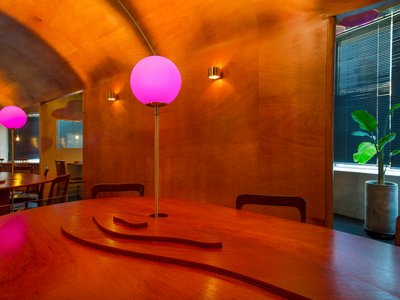
Indiesalon Carves a Plywood Cave into a Seoul Bistro's Second Floor
Munhwa Bistro's second Seongsu branch wraps diners in a laminated timber vault laced with colored light and mirror illusions.
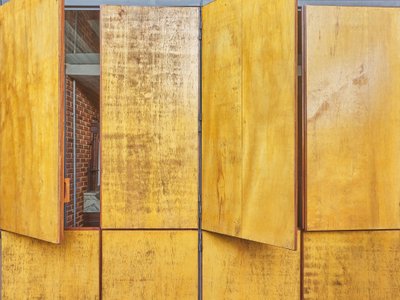
gru.a Builds a 70 m² Timber Shelter That Opens Like a Farm Door in Brazil's Valley of the Vines
In the mountainous region near Rio de Janeiro, a compact retreat uses plywood panels and deep eaves to blur the line between inside and out.


Similar Reads
You might also enjoy these articles
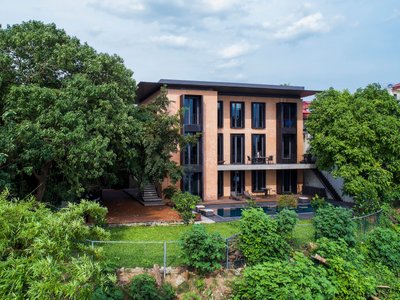
D and P Associates Build a Pi-Shaped House of Rammed Earth Memory on Vietnam's Red River
A 640-square-metre residence in Ngoc Thuy channels the pisé wall traditions of Vietnam's northern highlands into a riverfront family home.
Johnston Architects Reimagines the Methow Valley Hay Barn as a Small-Town Library in Winthrop
A 7,300-square-foot timber library channels the region's agrarian vernacular to serve a rural Washington community of 400 year-round residents.
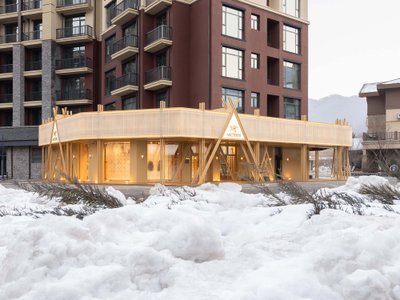
STILL YOUNG Builds a Glowing Campfire in the Snow for ARC'TERYX at a Chinese Ski Resort
A timber-framed pavilion at Beidahu Ski Resort in Jilin wraps warmth and glacier-like resin around outdoor retail.
gru.a Builds a 70 m² Timber Shelter That Opens Like a Farm Door in Brazil's Valley of the Vines
In the mountainous region near Rio de Janeiro, a compact retreat uses plywood panels and deep eaves to blur the line between inside and out.


Explore Architecture Competitions
Discover active competitions in this discipline




The International Standard for Design Portfolios


The Global Benchmark for Architecture Dissertation Awards


The Global Benchmark for Graduation Excellence


Challenge to reimagine the Iron Throne
Comments (0)
Please login or sign up to add comments
No comments yet. Be the first to comment!