
CITIC International Building in Shenzhen by gmp Architects: Iconic Sustainable Office Tower
The CITIC International Building in Shenzhen by gmp Architects is a 258m sustainable office tower featuring sky gardens, terraces, and public amenities.

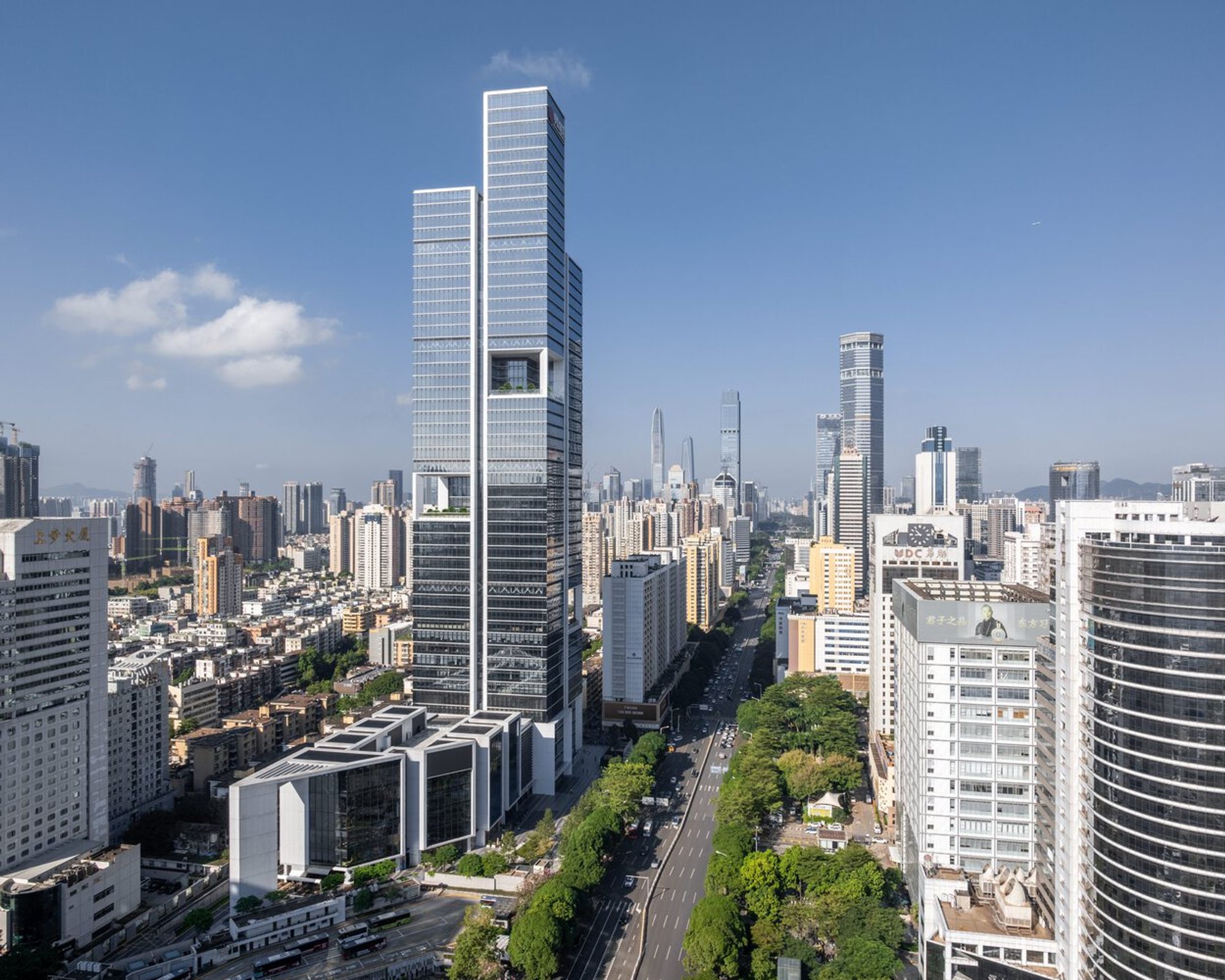
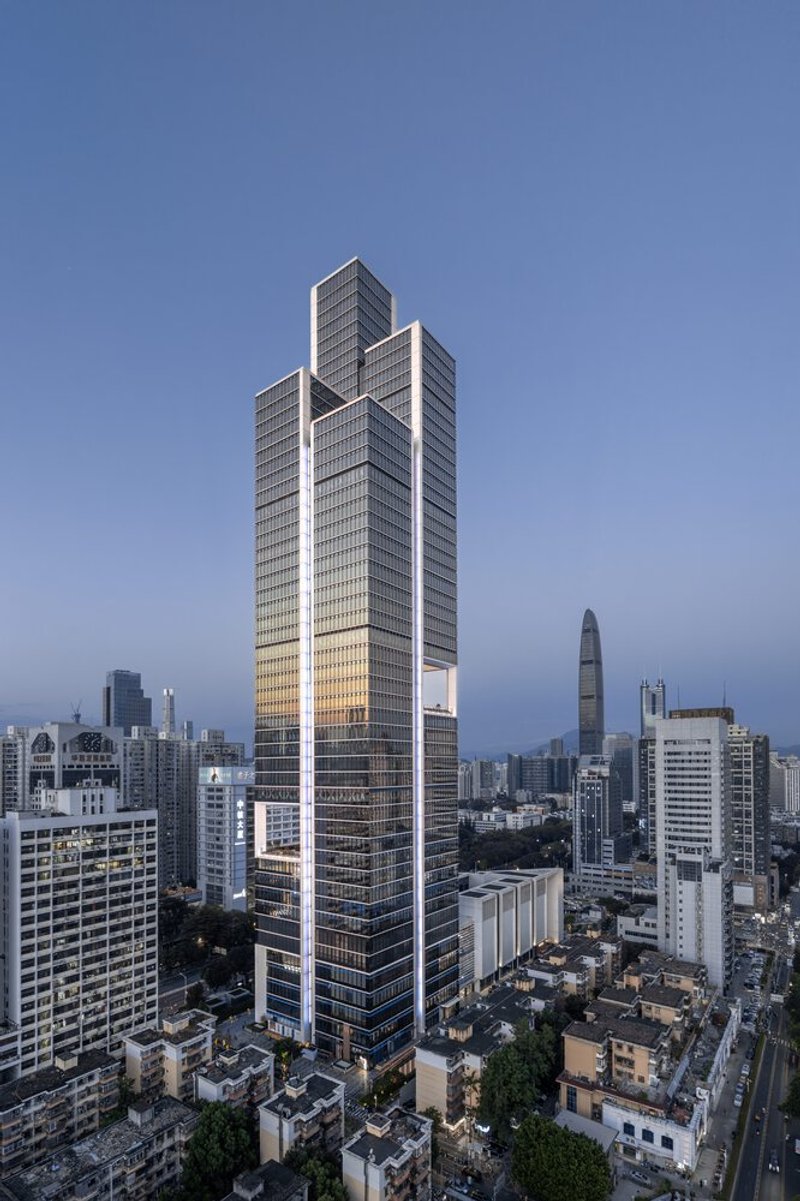
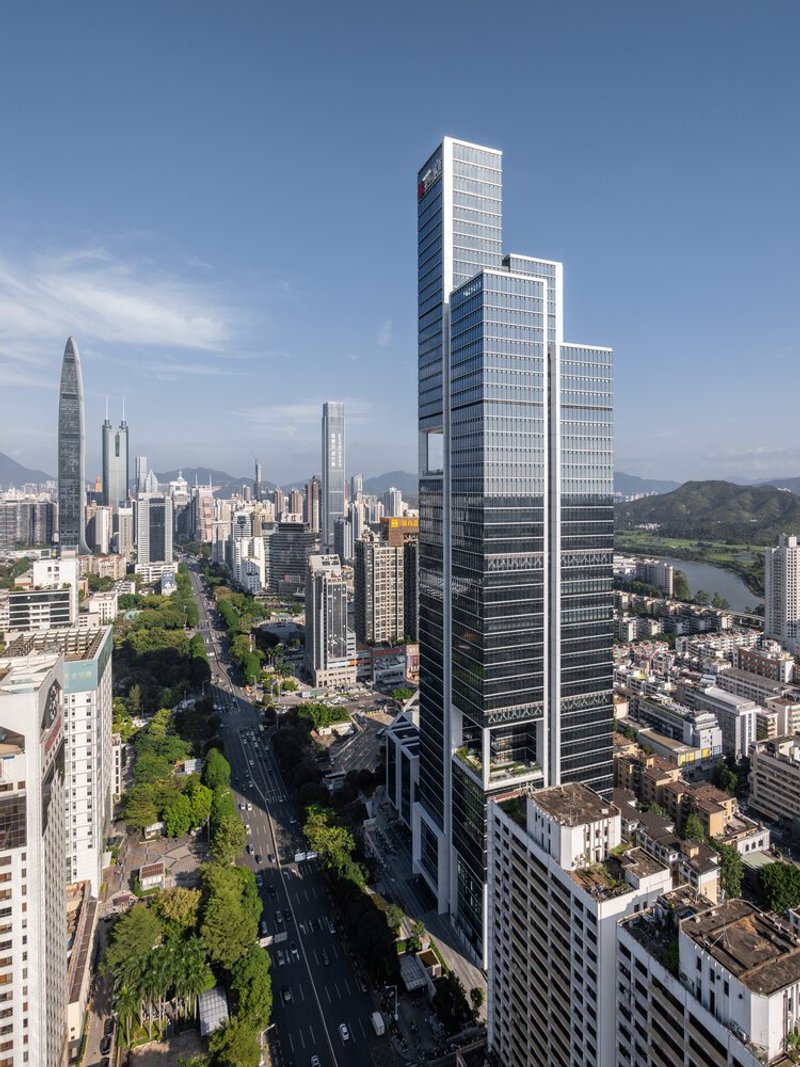
The CITIC International Building, designed by gmp Architects, stands as a landmark in Shenzhen’s rapidly densifying Futian District. This 258-meter-tall skyscraper combines high-rise office functionality with publicly accessible spaces and integrated urban green areas, redefining the skyline along Shennan Middle Road. The tower primarily serves the CITIC Group, a leading international corporation active in finance, industry, and infrastructure, while contributing to Shenzhen’s evolving cityscape.
Strategic Urban Placement in Shenzhen
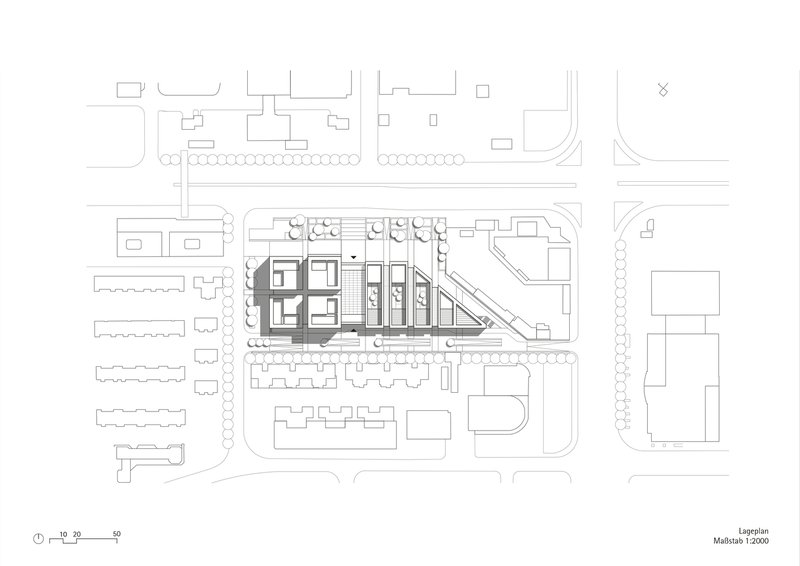
Located on Shenzhen’s prominent east-west axis, the CITIC Tower occupies one of the last available sites in a high-density urban corridor. To the west, it borders the bustling Futian skyscraper cluster, while northern vistas extend toward Luohu’s commercial zones and the surrounding hills. The southern horizon overlooks the Shenzhen River, marking the boundary with Hong Kong’s New Territories. This strategic placement positions the tower as a visual anchor and navigational reference within the dense urban fabric of southern China.
Architectural Design Concept and Form
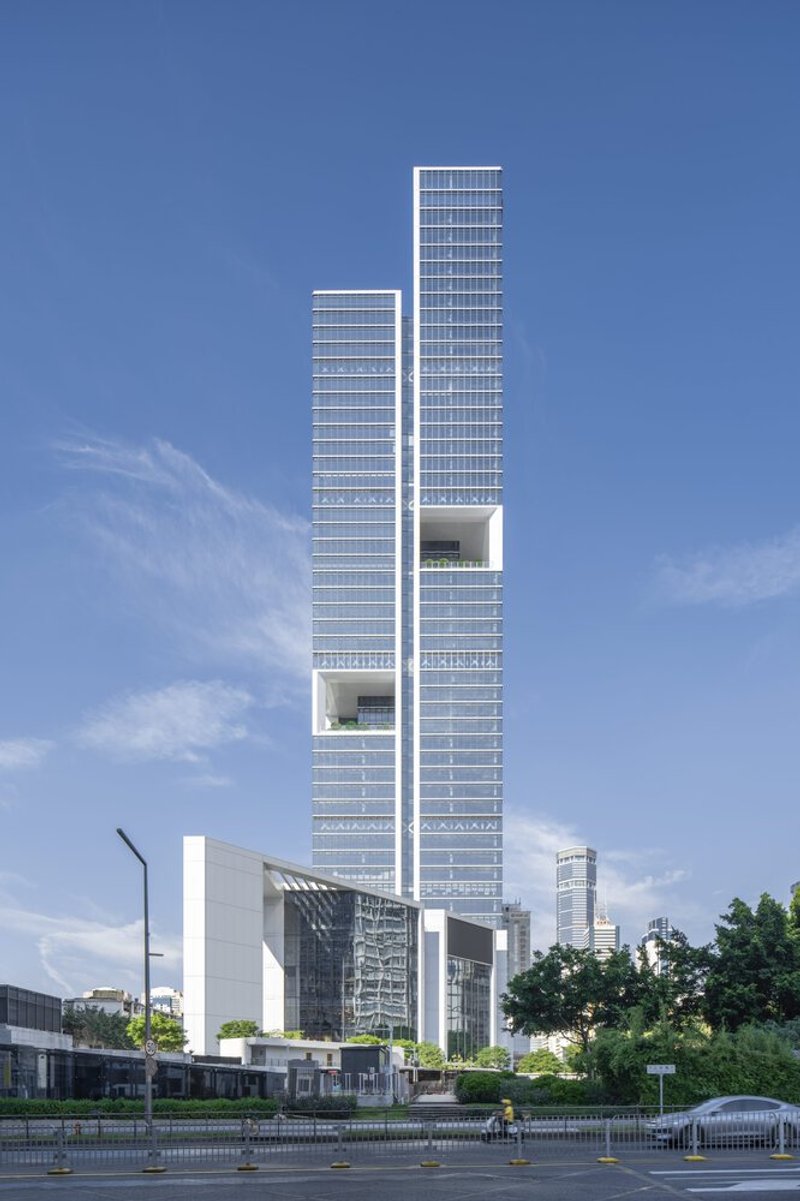
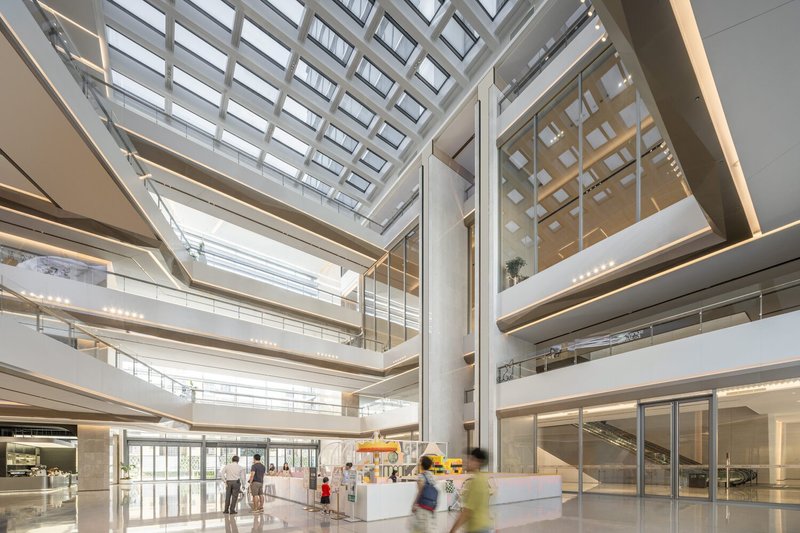
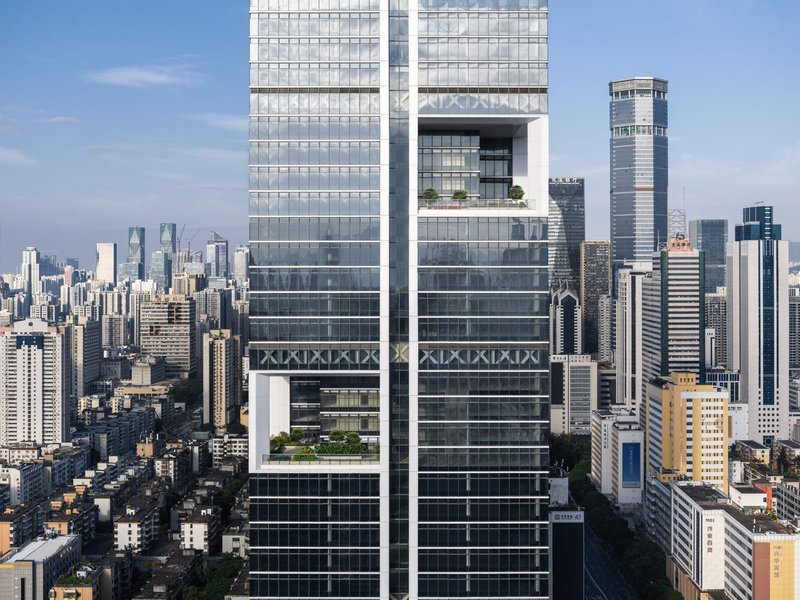
The building’s form responds to its geographical context and urban surroundings. Four slender volumes of varying heights create a dynamic, tapered silhouette that enhances visual interest from multiple viewpoints. A four-story podium at the base accommodates public amenities, including restaurants and retail outlets, fostering an active street-level environment. Vertical recesses along the façade introduce a human scale, breaking down the tower’s mass and articulating its structural rhythm.
Rooftop Terraces and Sky Gardens
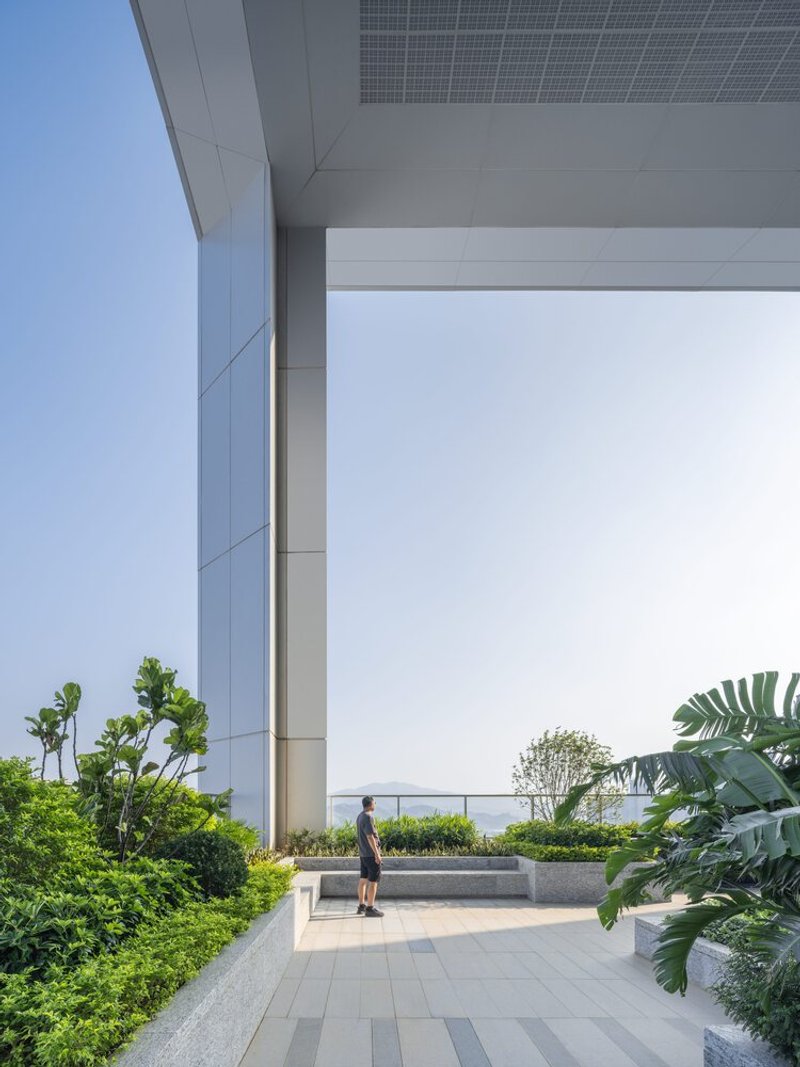
Landscaped rooftop terraces and strategically placed sky gardens integrate open spaces into the high-rise, promoting outdoor accessibility for office workers. These planted terraces serve as areas for short breaks, informal meetings, and social interaction. Adjacent open atriums seamlessly connect these gardens to indoor office spaces, visually and functionally blending interior and exterior environments while reinforcing workplace community.
Sustainable Design and Green Certification
The sky gardens not only enhance social interaction but also contribute to the building’s passive climate control strategies. Vegetation, shading, and natural ventilation improve the microclimate, while open-plan offices and operable horizontal windows allow individualized climate regulation. Reflecting its commitment to sustainability, the CITIC International Building earned China’s Green Building Certification (3 Stars) and LEED Gold precertification.
Awards and Recognition
The CITIC Tower has been recognized internationally for its architectural excellence. In 2025, it received the CTBUH Award of Excellence in the Best Tall Building – 200–299 Meters category, highlighting its innovative integration of urban design, sustainability, and high-rise functionality.
All Photographs are works of CreatAR Images



Popular Articles
Popular articles from the community

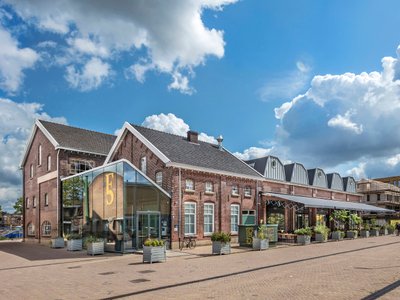
Fifth NRE Jazz Club – De Bever Architecten: Eindhoven’s Revitalized Cultural Hub
Historic gas factory transformed into Fifth NRE Jazz Club blending modern sustainability, jazz culture, dining, and heritage architecture seamlessly.
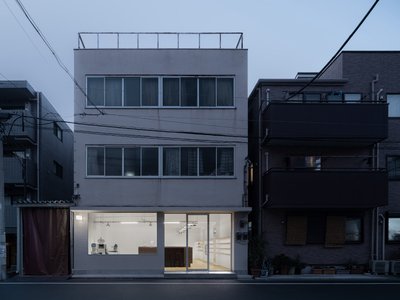
Atelier Macri Concept Store Interior Design by CASE-REAL
Atelier Macri store features a "ko" counter, walnut wood details, cork displays, blending retail, gallery, and seamless customer experiences.
Split House: A Compact Urban Home Blending Privacy, Light, and Flexible Living in Japan
Compact Japanese home featuring DOMA space, flexible café potential, passive lighting, privacy zoning, and sustainable urban living design.
Inverted Architecture Installation by Studio Link-Arc: Exploring the Intersection of Architecture and Living Organisms
Inverted Architecture Installation by Studio Link-Arc blends mycelium, sustainability, inverted design, ecological cycles, and urban adaptive architecture in Shenzhen.

Similar Reads
You might also enjoy these articles


The Ken Roberts Memorial Delineation Competition (Krob)
As the most senior architectural drawing competition currently in operation anywhere in the world, it draws hundreds of entries each year, awarding the very best submissions in a series of medium-based categories.


Waterfront Redevelopment and Urban Revitalization in Mumbai: Forging a New Dawn for Darukhana
A transformative waterfront redevelopment project reimagining Darukhana’s shipbreaking heritage into an inclusive urban future.

OUT-OF-MAP: A Call for Postcards on Feminist Narratives of Public Space
Rhizoma Design and Research Lab invites artists, designers, architects, researchers, and students to reflect on how feminist perspectives can reshape public space. Selected works will be exhibited in Barcelona, October 2026. Submissions open until 15 April 2026.

Documentation Work on Buddhist Wooden Temple
Architectural syncretism and cultural hybridity: A comparative study of the Buddhist temples in Chattogram Hill tracks

Explore Office Building Competitions
Discover active competitions in this discipline




The International Standard for Design Portfolios


The Global Benchmark for Architecture Dissertation Awards


The Global Benchmark for Graduation Excellence


Challenge to reimagine the Iron Throne
Comments (0)
Please login or sign up to add comments
No comments yet. Be the first to comment!