
Cosmocité Science Center: Where Architecture Meets the Cosmos
Cosmocité blends industrial heritage with contemporary design, creating an immersive science center that explores cosmic mysteries within the French Alps.

A New Cultural Landmark in the Heart of Pont-de-Claix
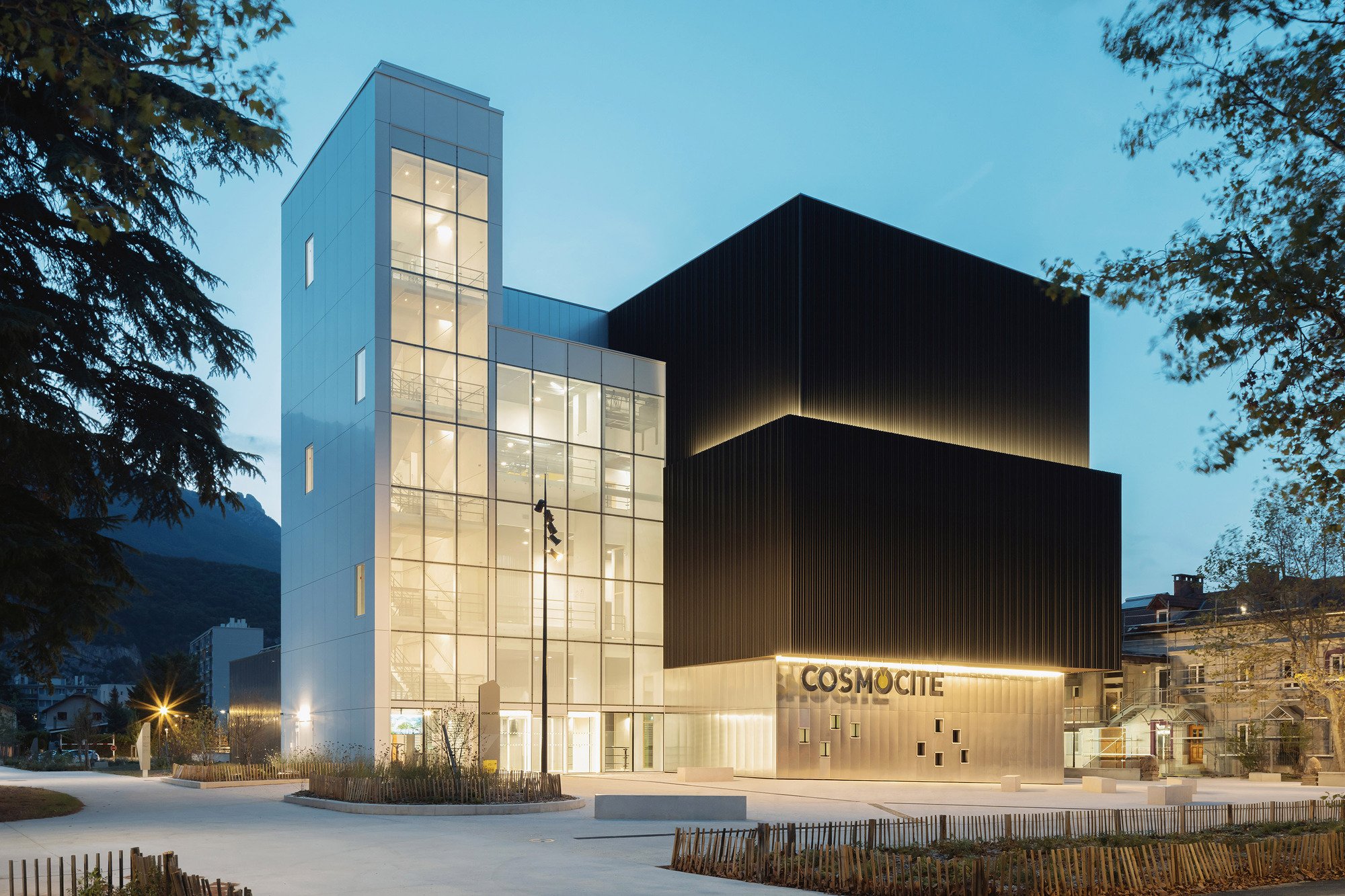
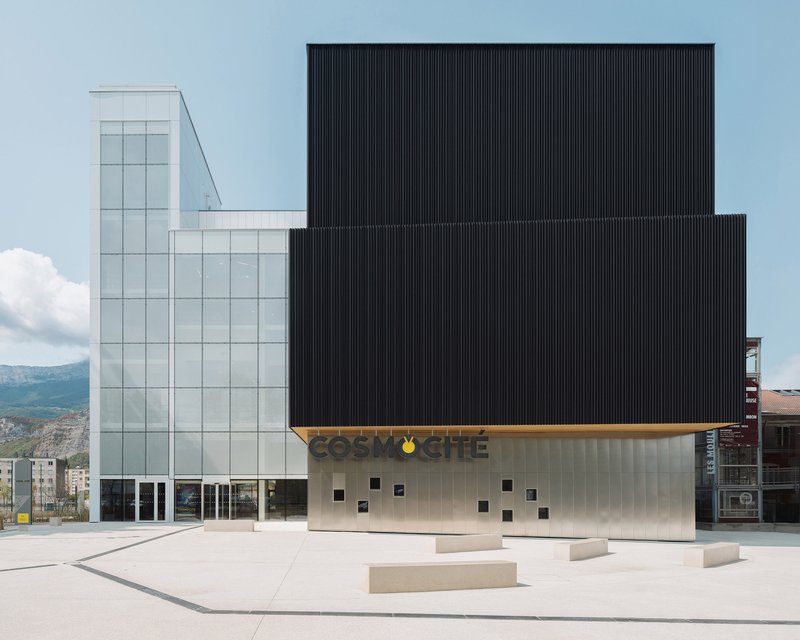
Nestled in the historic town of Pont-de-Claix, just outside Grenoble in the French Alps, Cosmocité emerges as a striking architectural achievement that bridges the gap between industrial heritage and contemporary scientific exploration. Designed by Arcane Architectes and completed in 2023, this 2,114-square-meter science center represents far more than a conventional museum—it stands as a powerful testament to how architecture can honor the past while boldly embracing the future.
Honoring Industrial Memory Through Contemporary Design
The story of Cosmocité begins with the Grands Moulins de Villancourt, an industrial complex that once dominated the local landscape and shaped the community's identity for generations. While these original mill buildings could not be preserved due to critical functional and safety constraints, their distinctive silhouette left an indelible mark on the collective memory of Pont-de-Claix. Rather than erasing this history, Arcane Architectes chose to reinterpret it through a bold architectural gesture.
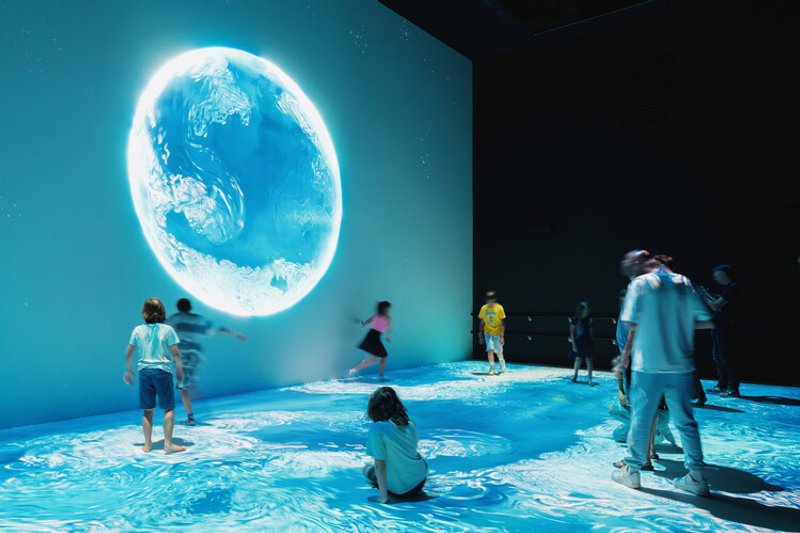
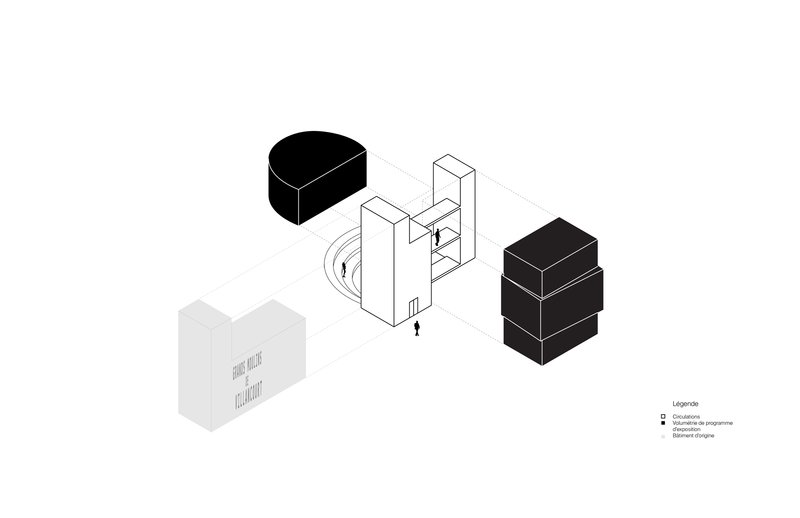
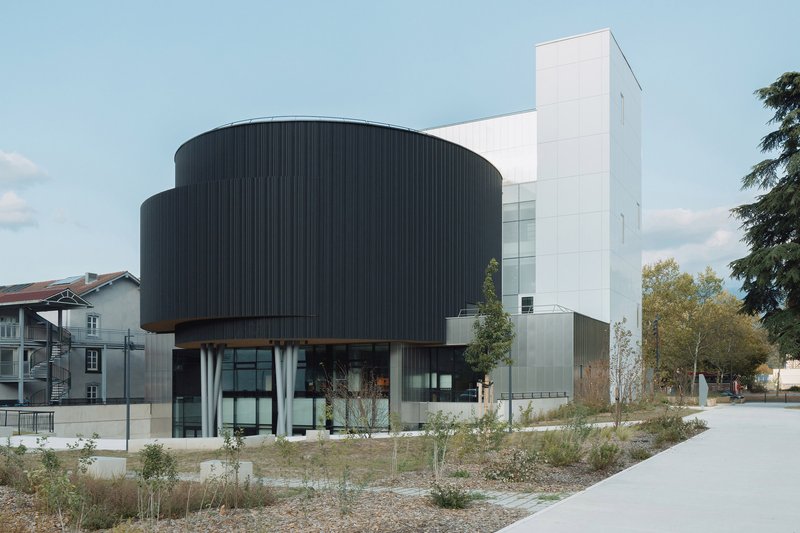
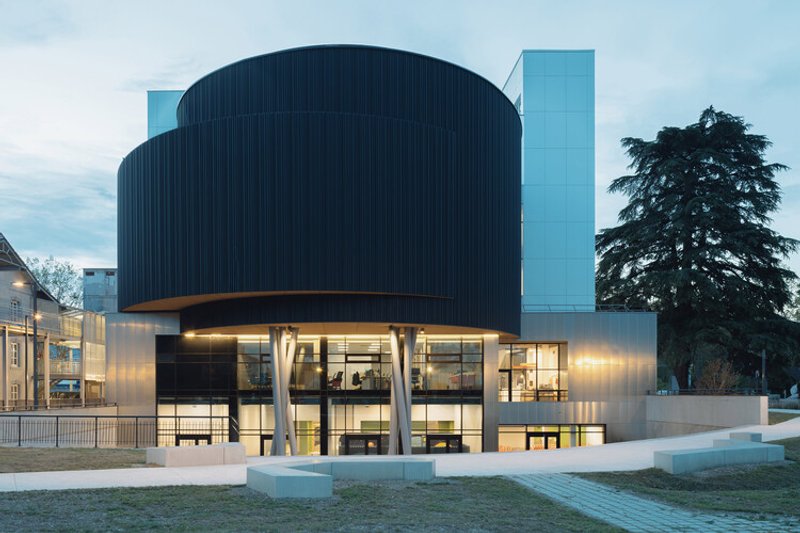
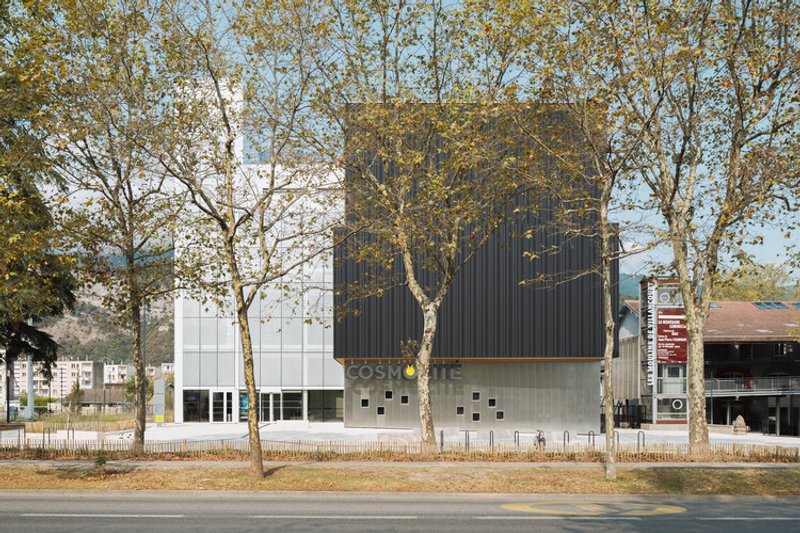
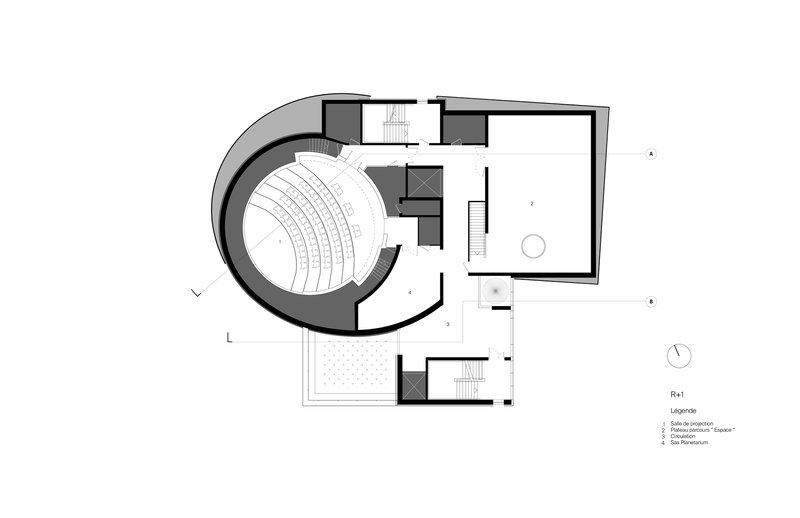
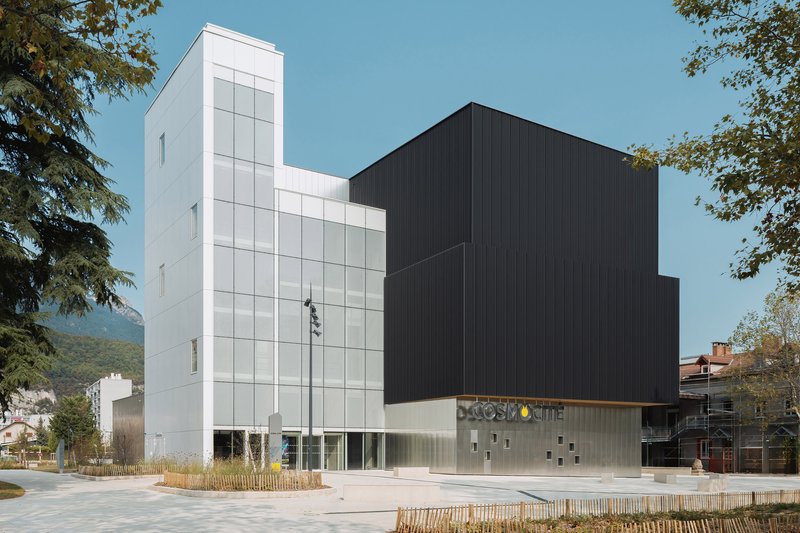
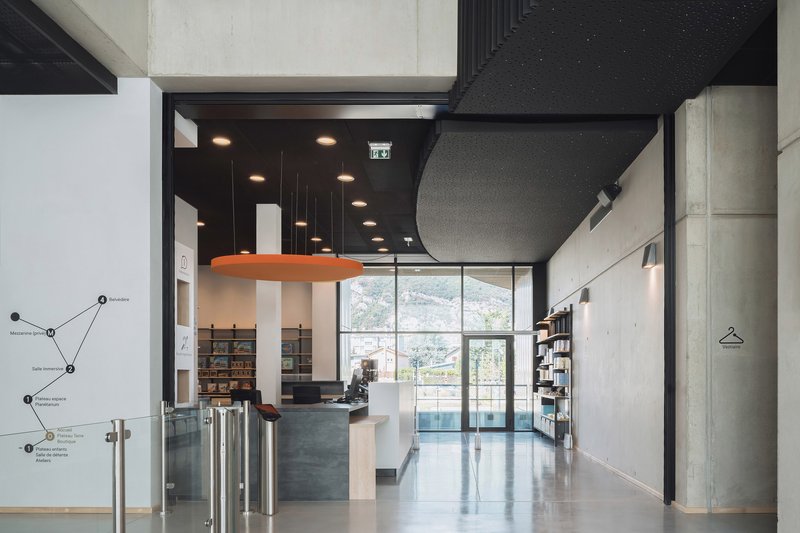
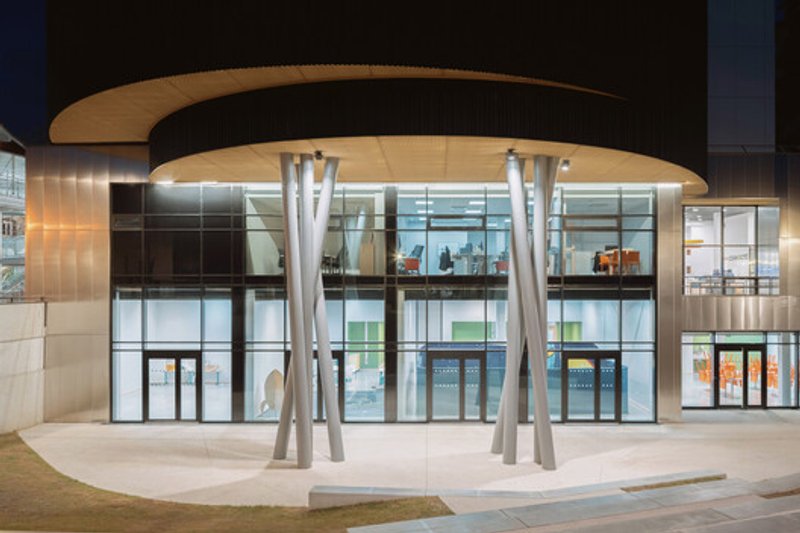
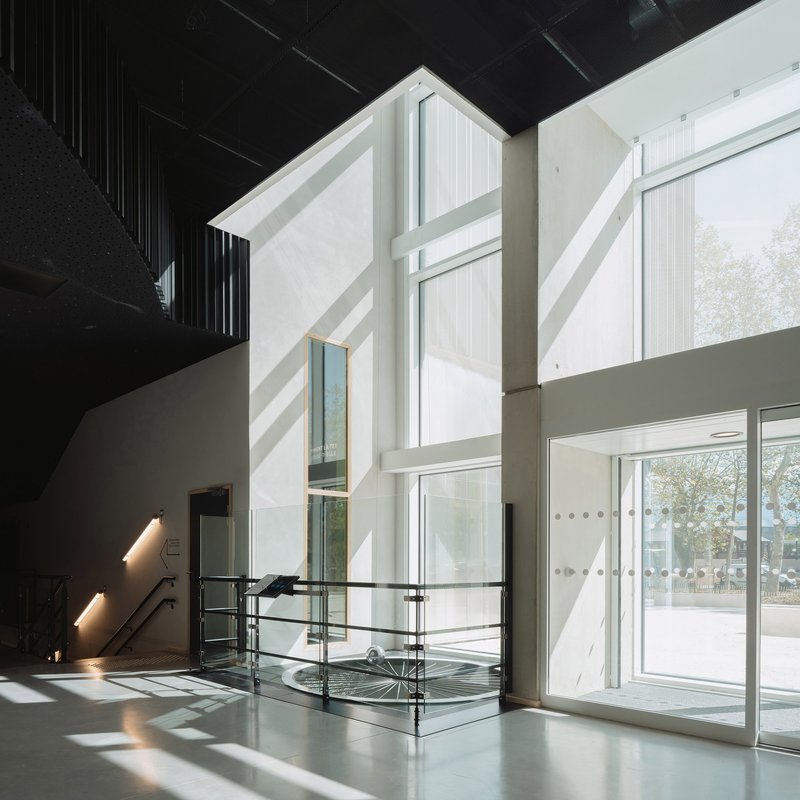
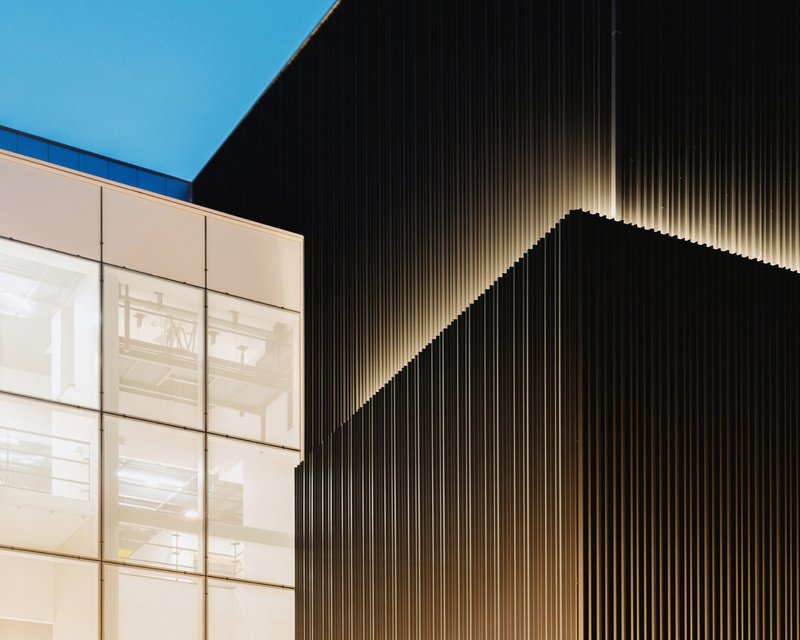
The design manifests as two dramatically contrasting volumes, each serving distinct purposes while together creating a cohesive whole. The first is a luminous white prism—transparent, welcoming, and bathed in natural light. This volume handles circulation and public spaces, creating an atmosphere of openness and accessibility that invites visitors to begin their cosmic journey. In stark opposition stands the second volume: a dark, monolithic block clad in black aluminum panels that houses the building's immersive scientific spaces. This dramatic interplay between light and shadow, transparency and opacity, creates a visual dialogue that speaks to the relationship between heritage and innovation, between the tangible memory of industry and the boundless imagination of scientific discovery.
Engineering Excellence and Environmental Responsibility
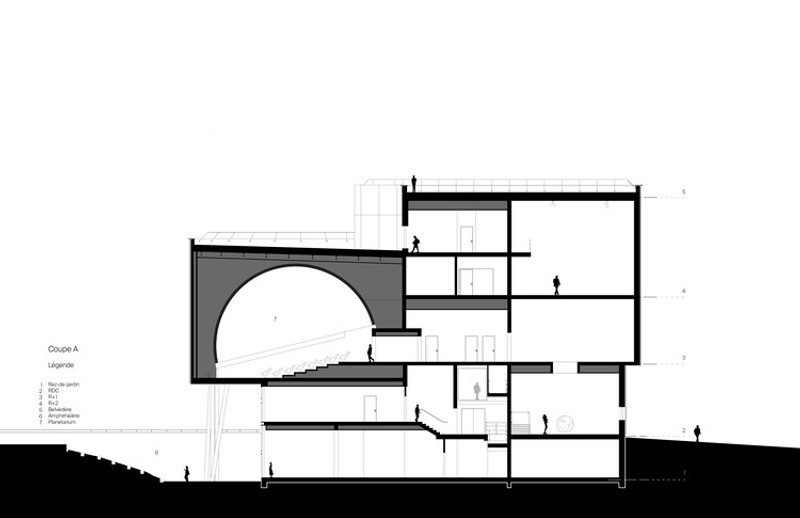
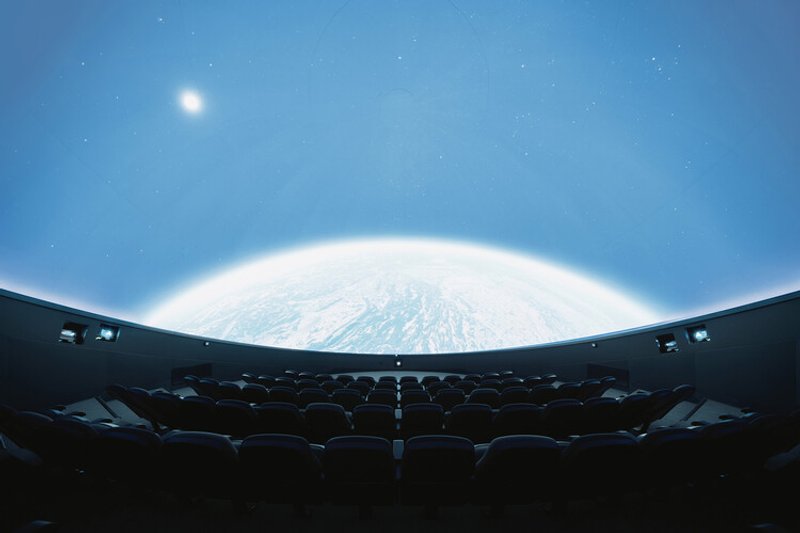
The structural system of Cosmocité demonstrates sophisticated engineering that prioritizes both performance and sustainability. The building's framework relies primarily on reinforced concrete, chosen for its superior stability and exceptional acoustic properties—critical considerations for a facility housing a planetarium and immersive theaters. Steel spans support the planetarium dome, allowing for the uninterrupted interior volumes necessary for celestial projections.
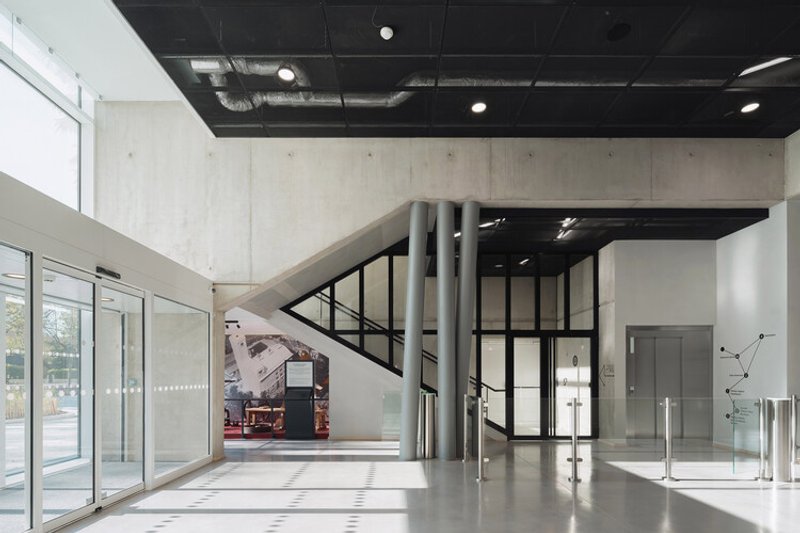
The building's envelope represents a carefully orchestrated composition of materials, each selected for specific functional and aesthetic purposes. Black aluminum panels provide the dominant exterior cladding, creating the monolithic character of the immersive spaces. These dark surfaces contrast dramatically with stainless steel accents and expanses of translucent polycarbonate, establishing a sophisticated dialogue between weight and lightness, solidity and transparency.
Environmental performance drove many key design decisions. The building features a high-performance envelope with exceptional airtightness—far exceeding standard French building regulations. Energy-efficient HVAC systems maintain comfortable interior conditions while minimizing energy consumption. The construction process itself reflected the project's environmental ambitions, with methods that prioritized durability, specified low-impact materials wherever possible, and implemented strict waste management protocols to minimize the building's ecological footprint.
An Urban Beacon for the Grenoble Metropolitan Area
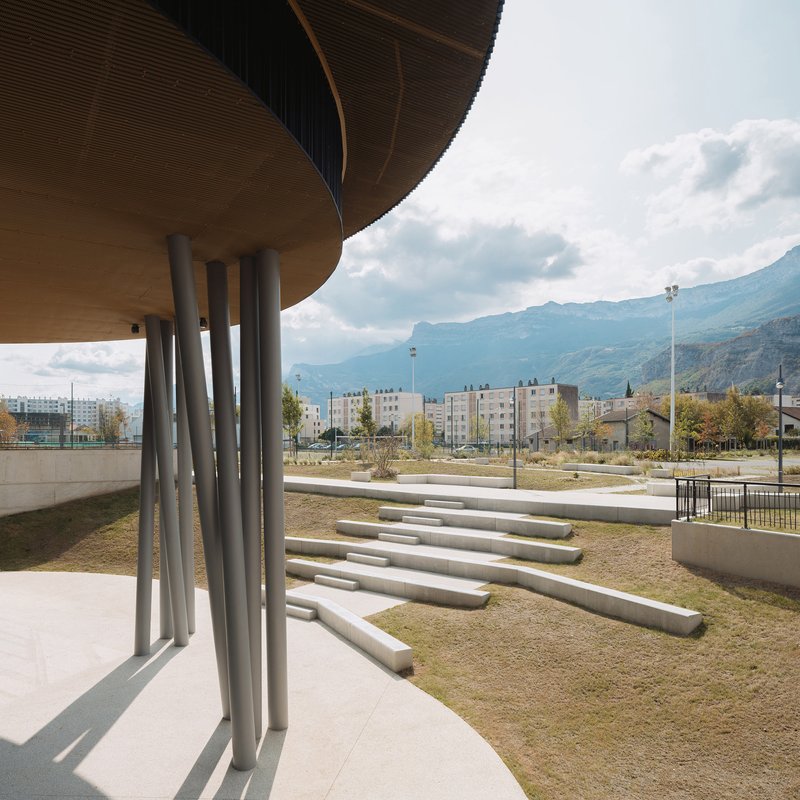
Cosmocité functions as far more than an isolated cultural facility—it serves as an urban landmark and community anchor for the entire Grenoble metropolitan region. Its distinctive architectural presence, visible from surrounding neighborhoods, signals the area's commitment to science education and cultural enrichment.
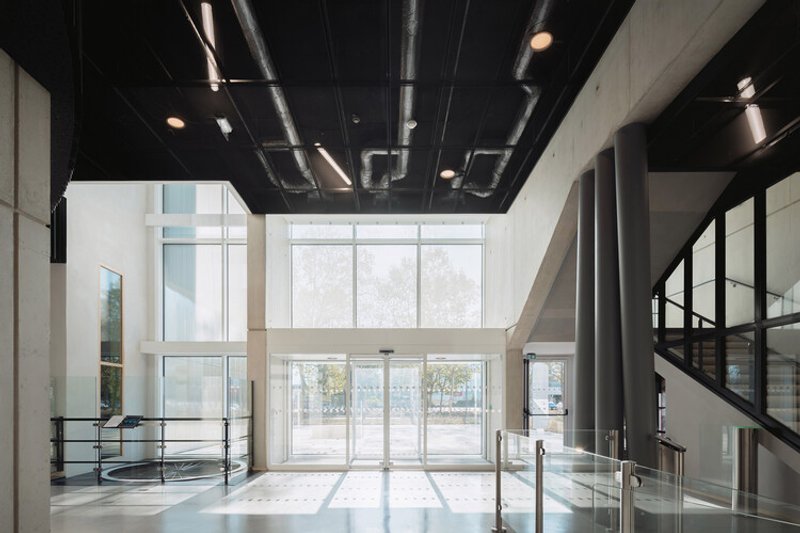
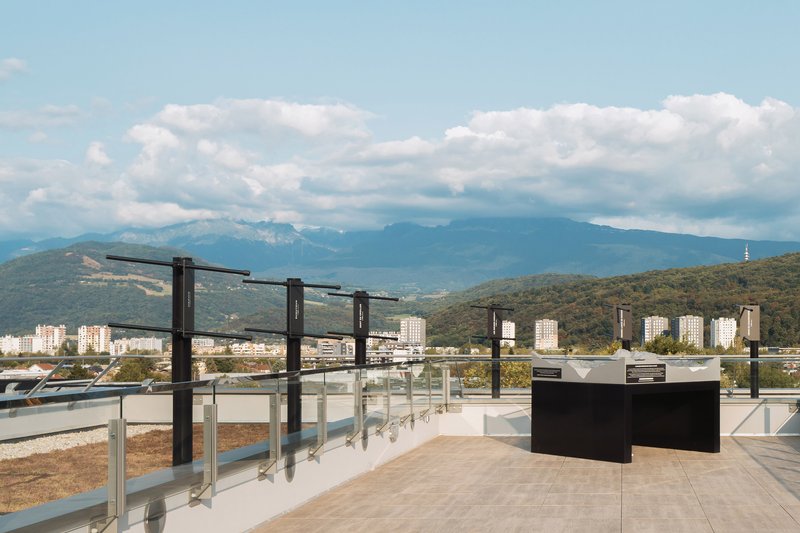
The building's architecture successfully balances multiple, sometimes contradictory, objectives. It achieves clarity in its organization and circulation while delivering emotional impact through its dramatic forms and material contrasts. It honors local memory while embracing contemporary innovation. It meets rigorous environmental performance standards while fulfilling ambitious cultural programming. This synthesis of seemingly opposed values demonstrates the power of thoughtful, integrated design.
More Than Observation: An Invitation to Dream
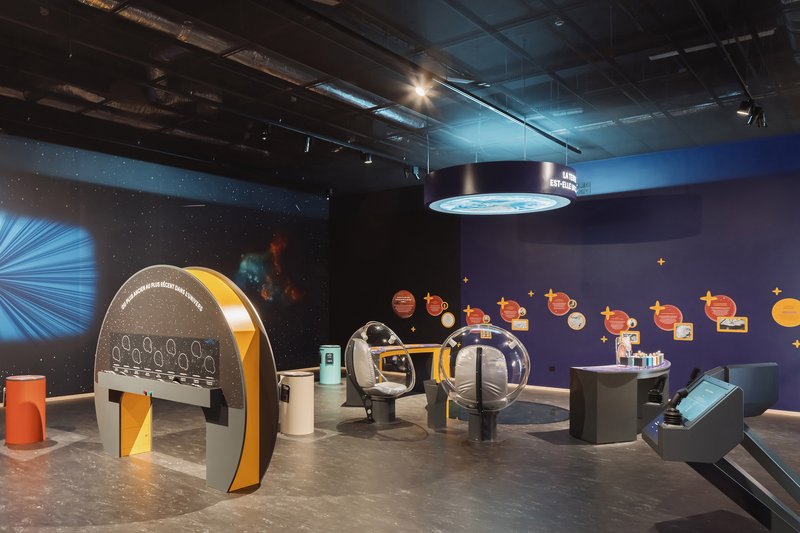
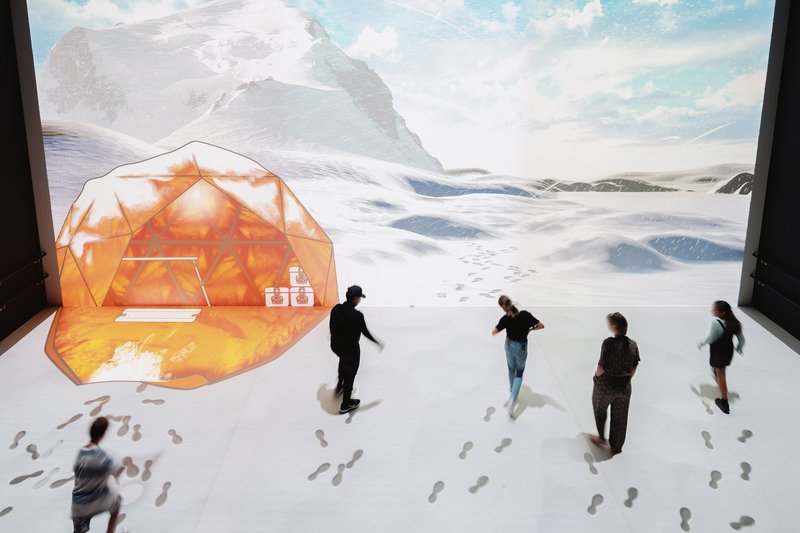
Ultimately, Cosmocité transcends its functional program as a science center. While it certainly provides opportunities to observe the universe through advanced technological means, its deeper purpose lies in sparking curiosity, encouraging questions, and inspiring imagination. The building creates an environment where visitors—whether schoolchildren on educational trips, families spending weekends together, or adults pursuing lifelong learning—can engage with fundamental questions about our place in the cosmos.
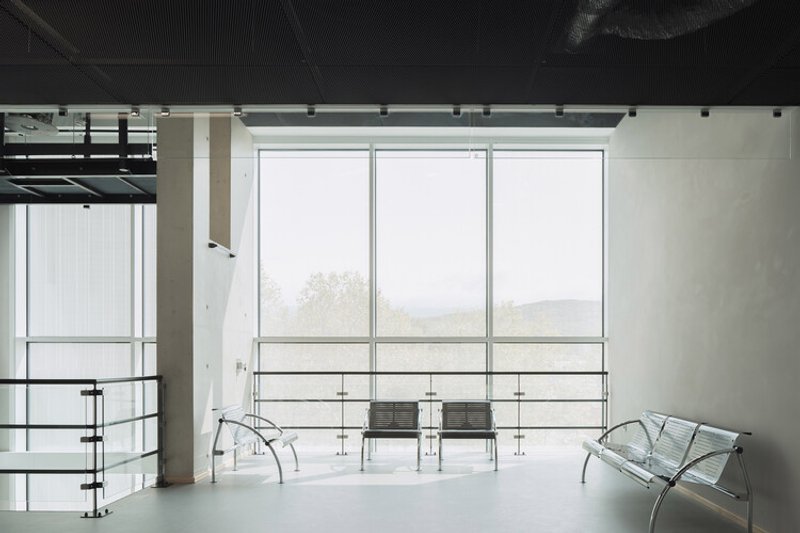
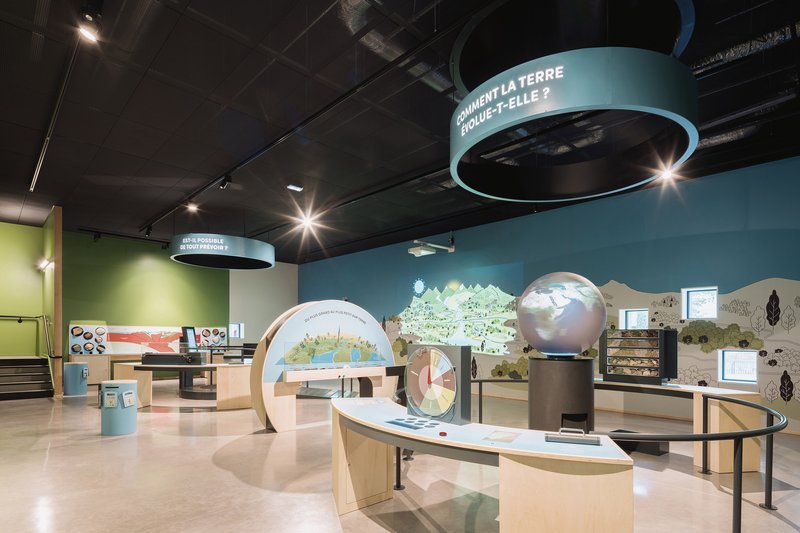
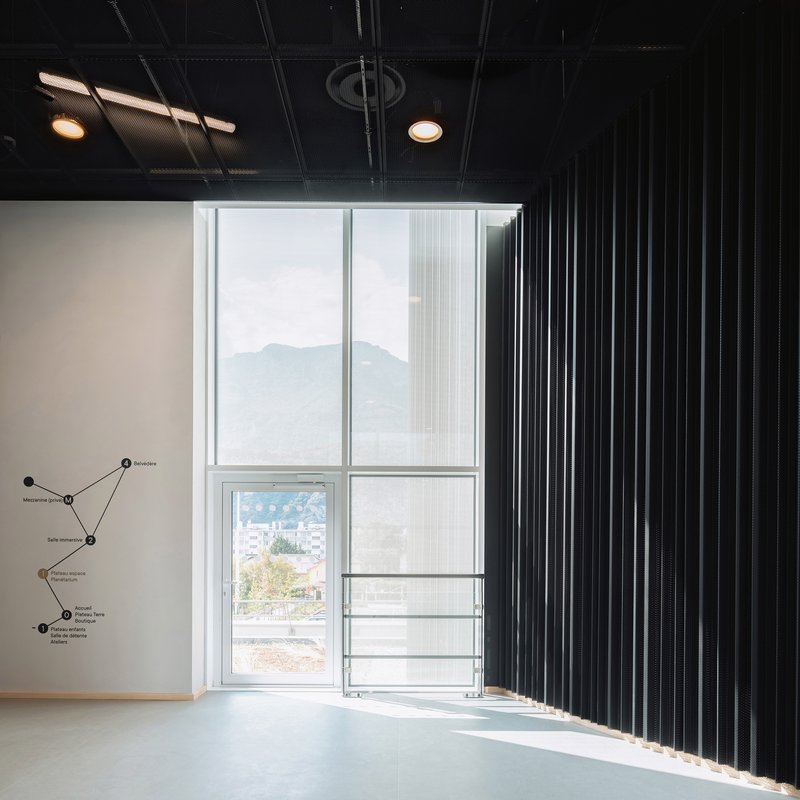
The relationship between architecture and content here is symbiotic. The building's forms, materials, and spatial sequences don't merely house scientific exhibits—they actively participate in the educational experience. The contrast between the luminous circulation spaces and the dark immersive theaters mirrors the contrast between the known and unknown, between our terrestrial home and the cosmic mysteries beyond. The careful framing of mountain views reminds us that understanding our planet requires understanding our universe, and vice versa.
Arcane Architectes has delivered a building that honors its site's industrial past while pointing confidently toward the future. Through sophisticated engineering, thoughtful material selection, and imaginative spatial design, Cosmocité stands as a model for how cultural architecture can serve community needs while achieving aesthetic excellence and environmental responsibility.
In an era when science literacy and environmental awareness have never been more crucial, facilities like Cosmocité play a vital role in shaping how society understands and engages with these critical domains. The building demonstrates that architecture, at its best, does more than shelter activities—it amplifies them, enriches them, and makes them memorable. For the people of Pont-de-Claix and the broader Grenoble region, Cosmocité offers not just a place to learn about the universe, but a space to wonder, to question, and ultimately, to dream.
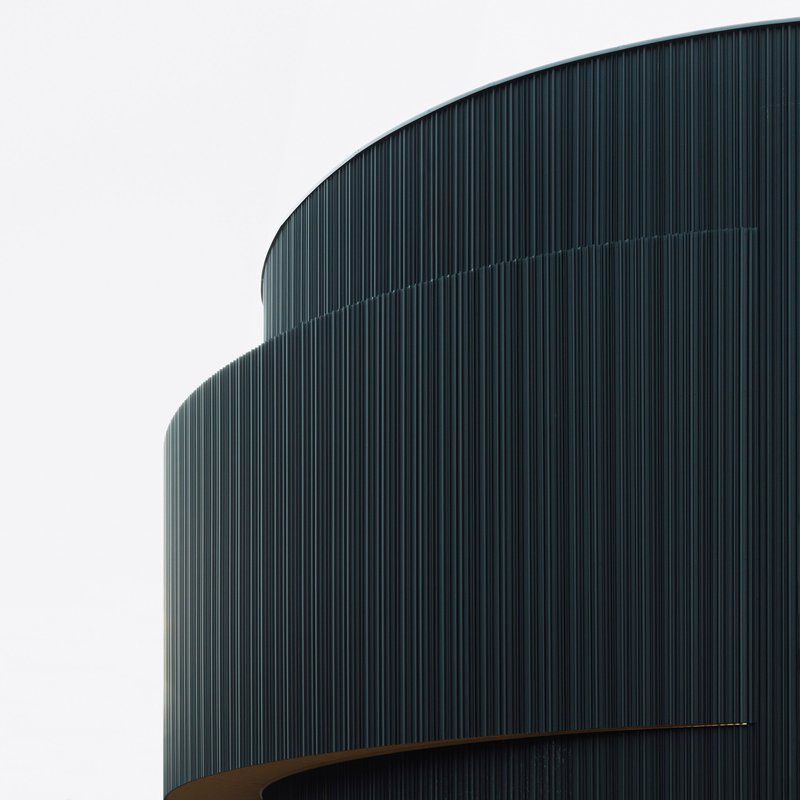
All the Photographs are works of Nicolas Trouillard


Popular Articles
Popular articles from the community

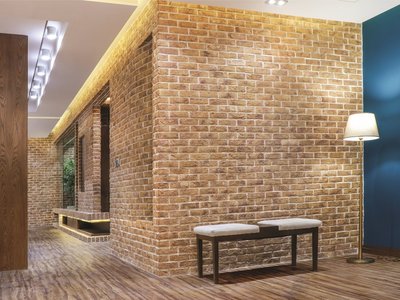
A Contemporary Take on Iranian Residential Architecture
A modern interior design in Mashhad that reinterprets brick, light, and spatial flow to create a warm, contemporary residential architecture.


The Ken Roberts Memorial Delineation Competition (Krob)
As the most senior architectural drawing competition currently in operation anywhere in the world, it draws hundreds of entries each year, awarding the very best submissions in a series of medium-based categories.
On the Brooks House by Monsoon Collective – A Contemporary Kerala Home Rooted in Tradition
Kerala home blending tradition and modernity with water-inspired design, brick architecture, courtyard planning, and sustainable rainwater harvesting strategies.
Inverted Architecture Installation by Studio Link-Arc: Exploring the Intersection of Architecture and Living Organisms
Inverted Architecture Installation by Studio Link-Arc blends mycelium, sustainability, inverted design, ecological cycles, and urban adaptive architecture in Shenzhen.
Similar Reads
You might also enjoy these articles
The Ken Roberts Memorial Delineation Competition (Krob)
As the most senior architectural drawing competition currently in operation anywhere in the world, it draws hundreds of entries each year, awarding the very best submissions in a series of medium-based categories.

Waterfront Redevelopment and Urban Revitalization in Mumbai: Forging a New Dawn for Darukhana
A transformative waterfront redevelopment project reimagining Darukhana’s shipbreaking heritage into an inclusive urban future.
OUT-OF-MAP: A Call for Postcards on Feminist Narratives of Public Space
Rhizoma Design and Research Lab invites artists, designers, architects, researchers, and students to reflect on how feminist perspectives can reshape public space. Selected works will be exhibited in Barcelona, October 2026. Submissions open until 15 April 2026.

Documentation Work on Buddhist Wooden Temple
Architectural syncretism and cultural hybridity: A comparative study of the Buddhist temples in Chattogram Hill tracks

Explore Architecture Competitions
Discover active competitions in this discipline




The International Standard for Design Portfolios


The Global Benchmark for Architecture Dissertation Awards


The Global Benchmark for Graduation Excellence

Challenge to design an urban locus of culture and heritage
Comments (0)
Please login or sign up to add comments
No comments yet. Be the first to comment!