
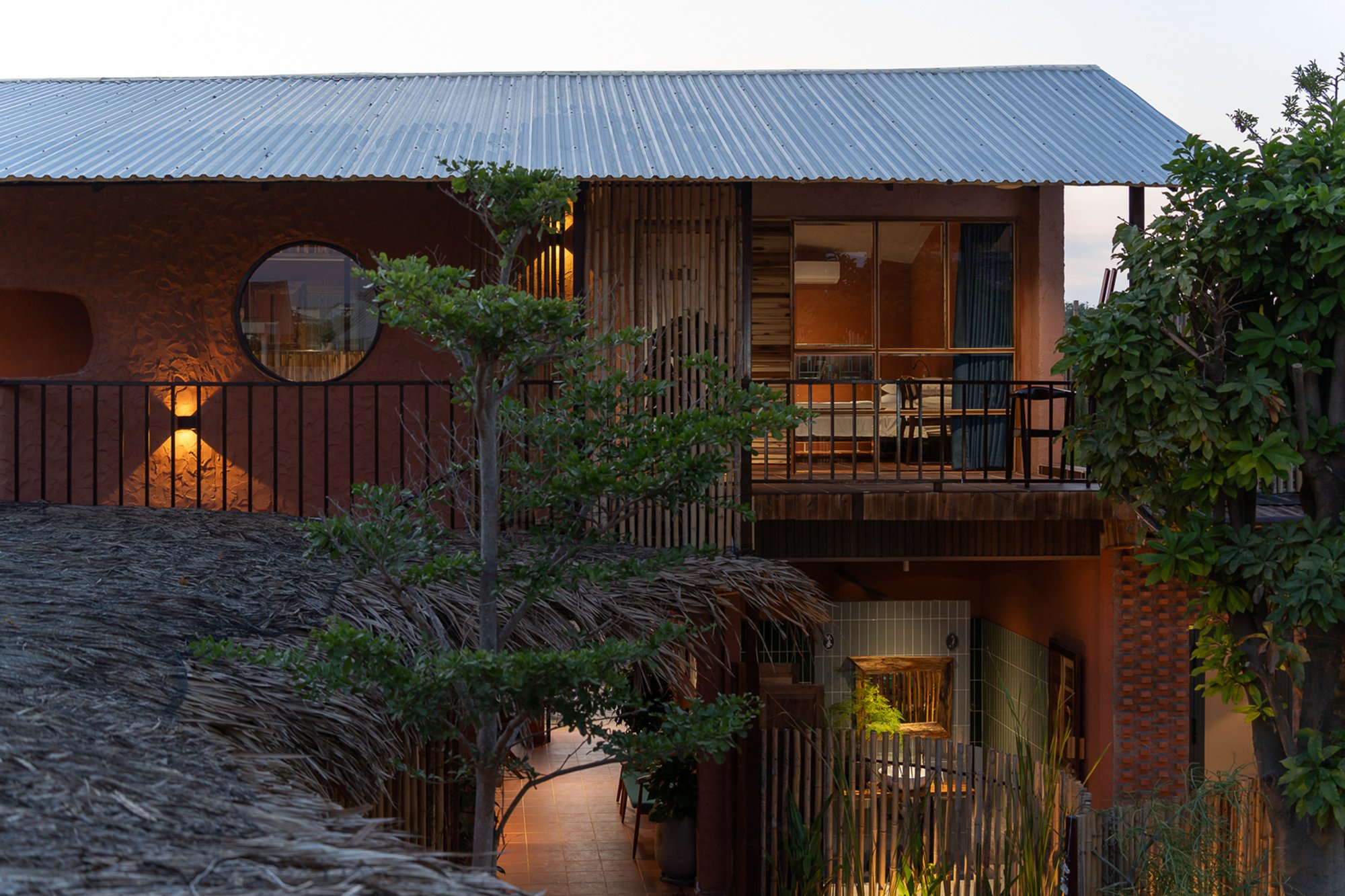
Dragonfly Retreat & Cafe: A Tranquil Sanctuary of Recycled Materials Architecture in Coastal Vietnam
A soulful retreat in Vietnam reborn from ruins using recycled materials architecture, inspired by childhood memories and coastal serenity.

Reclaiming a Forgotten Structure Through Recycled Architecture
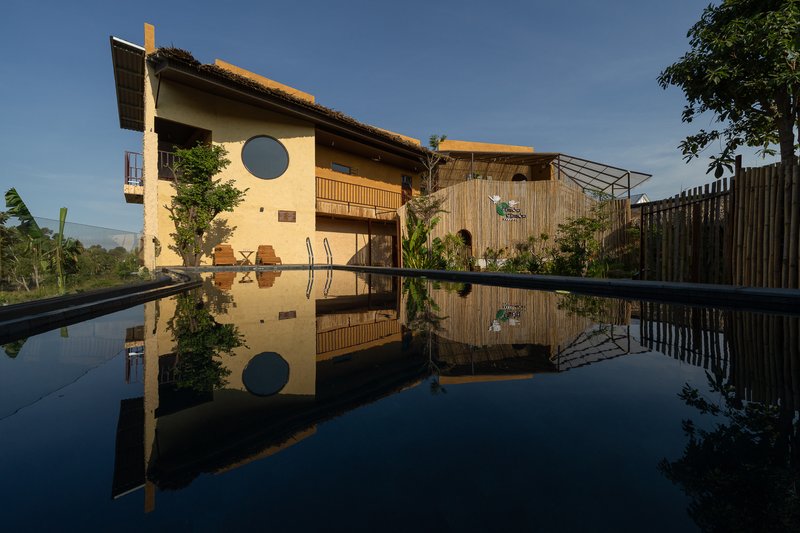
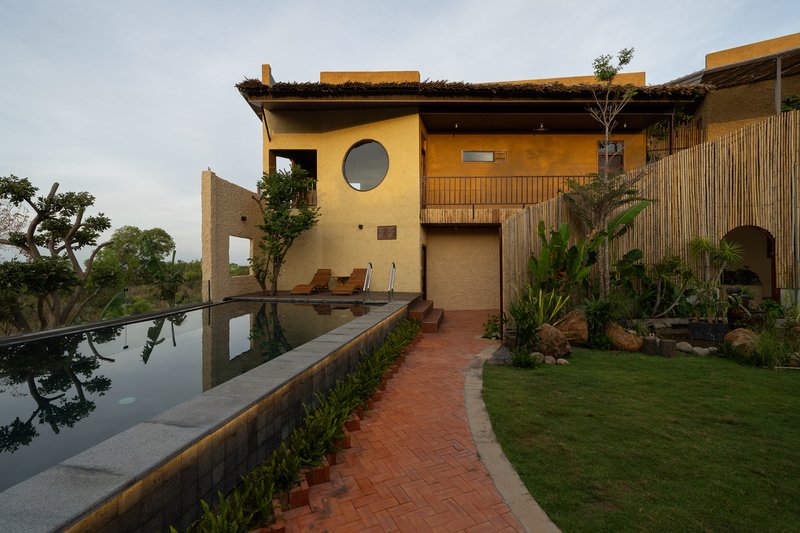
In the heart of coastal Vietnam, the Dragonfly Retreat & Cafe emerges from the bones of an abandoned mushroom-growing warehouse. This revitalized structure, designed by Ngô Lê Nguyễn of Country House. Architecture, exemplifies the poetic potential of recycled materials architecture. The 1,000-square-meter site faces a serene hillside and an expansive sea, creating a sublime natural frame for a retreat rooted in memory, sustainability, and rural nostalgia.
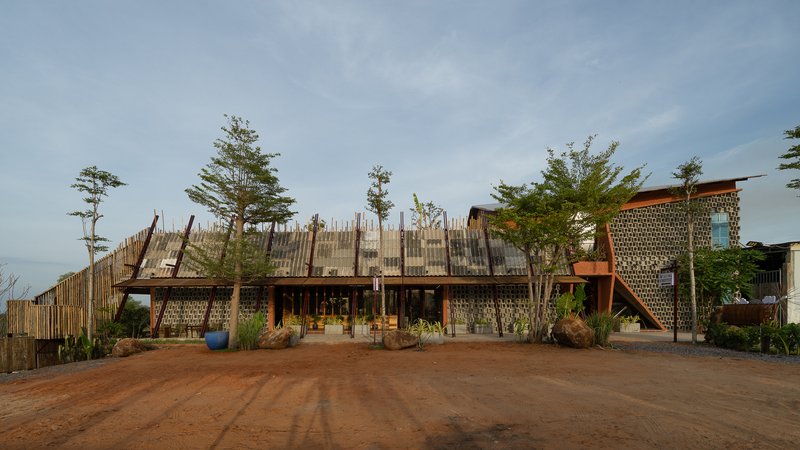
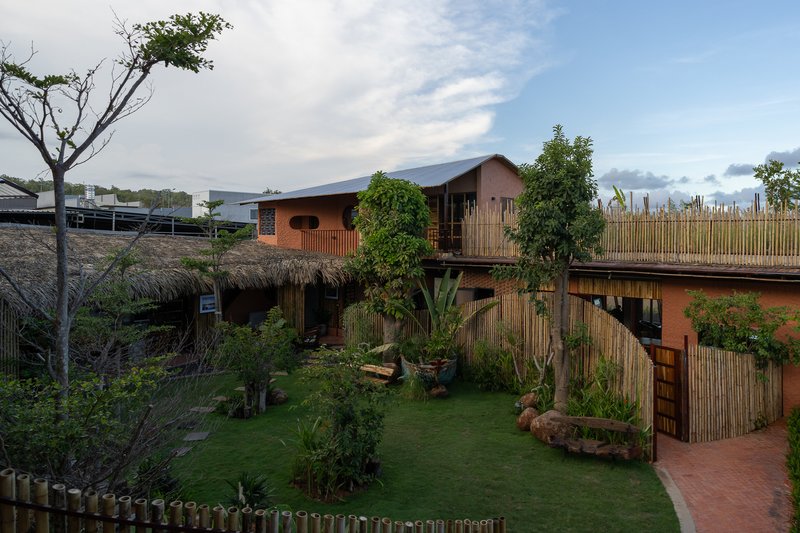
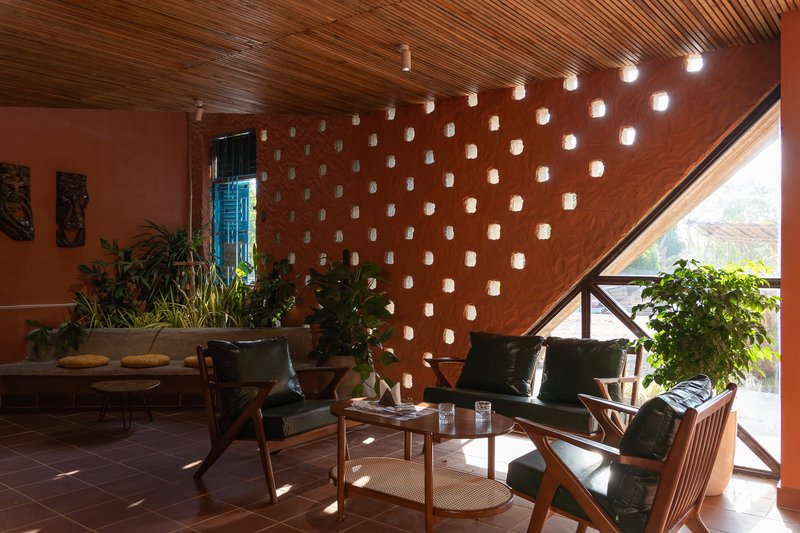
The initial desolation of the warehouse—rusted steel, weathered corrugated iron, and worn wooden elements—became the foundation for an architectural rebirth. Rather than stripping away the past, the design embraced it. Recycled materials were not used out of necessity, but as a deliberate statement of continuity and respect for both place and time.
Crafting Character Through Reuse and Narrative
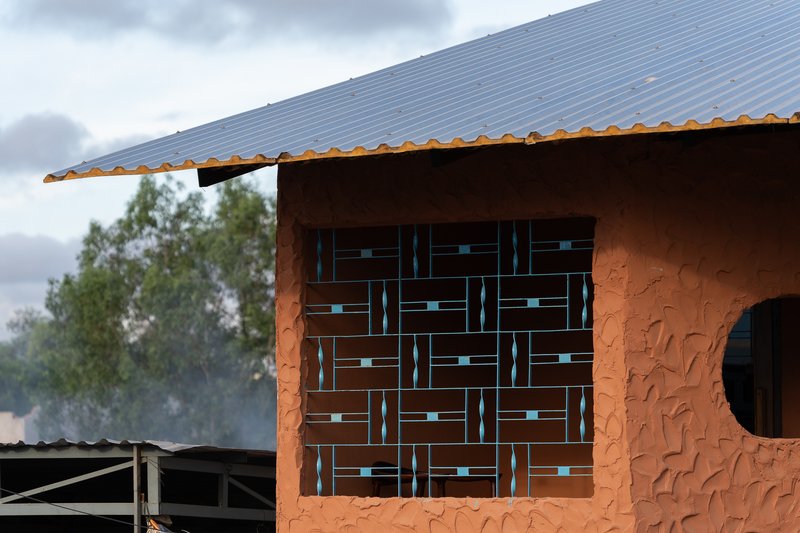
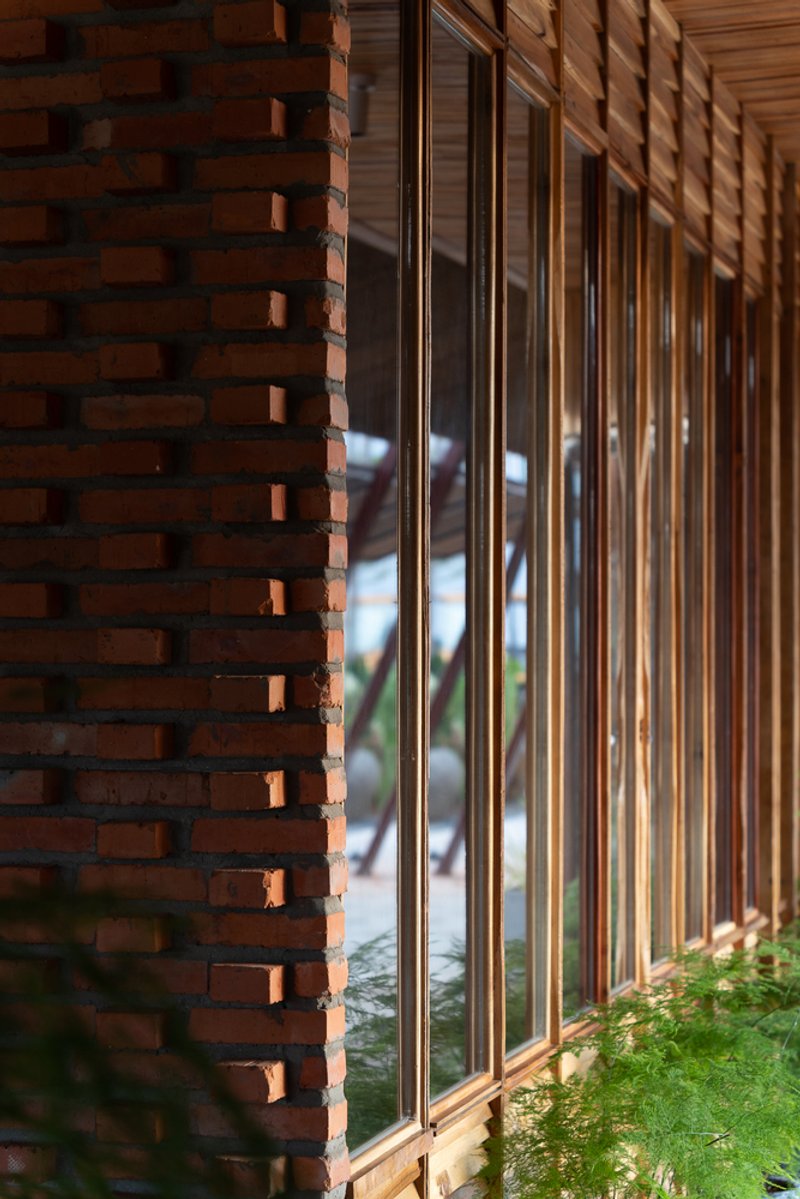
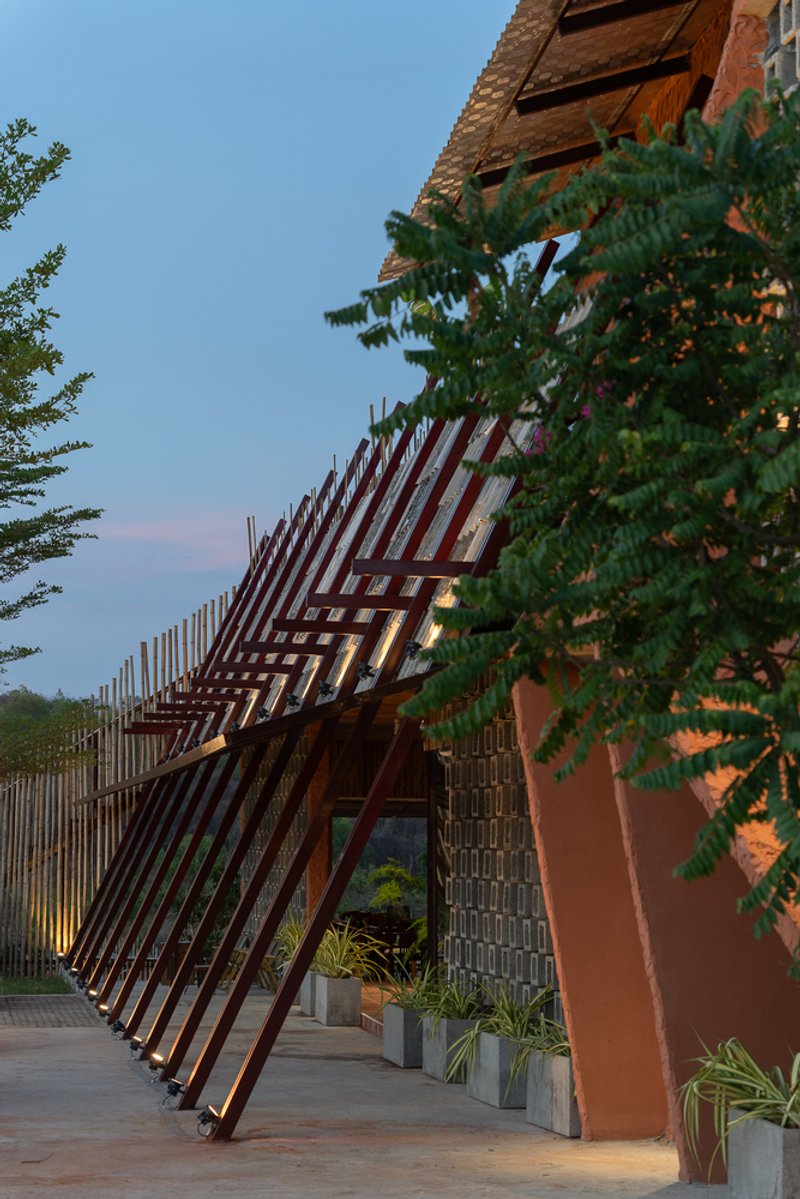
A core philosophy behind the project was to retain as much of the original material as possible. The structure’s facade was reimagined using a mix of unfired bricks, reclaimed steel, and fibro panels, achieving a rhythm that was both tactile and expressive. Reused wooden pallets and rusted corrugated iron roofs from the former warehouse were given new meaning, not masked but celebrated.
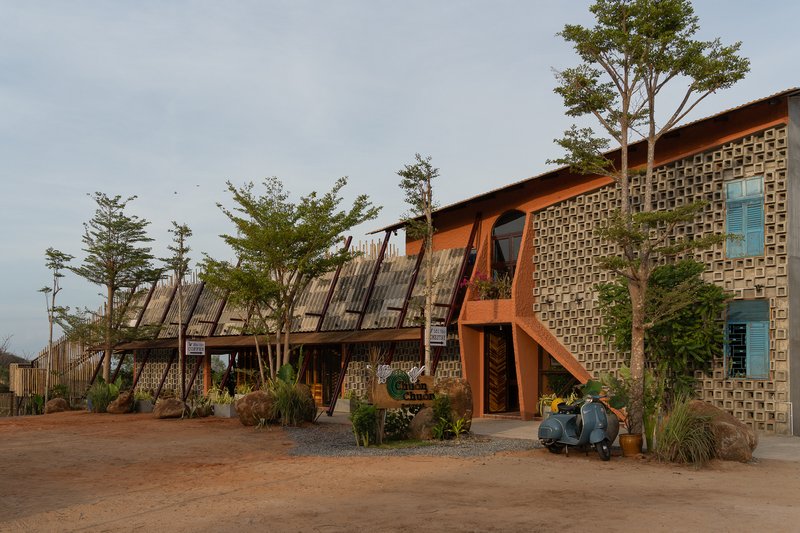
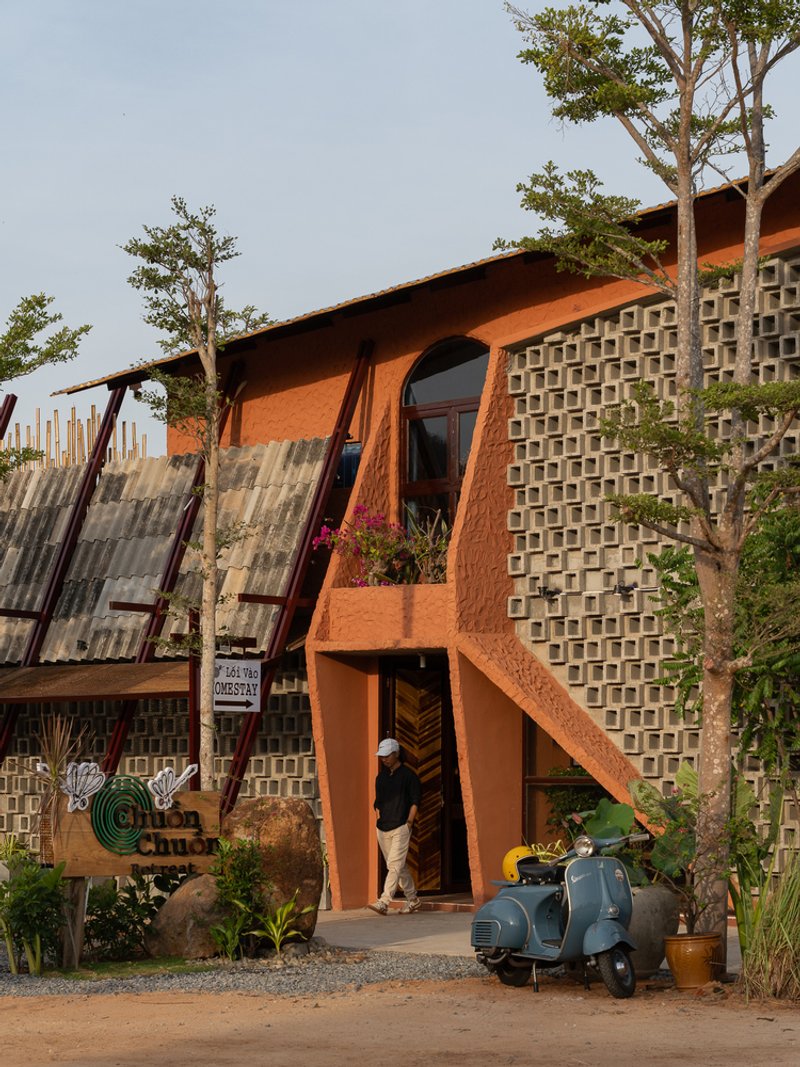
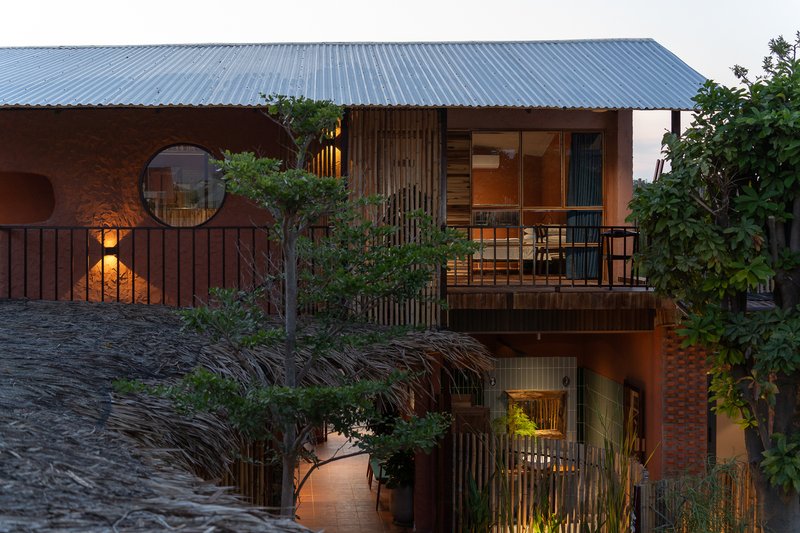
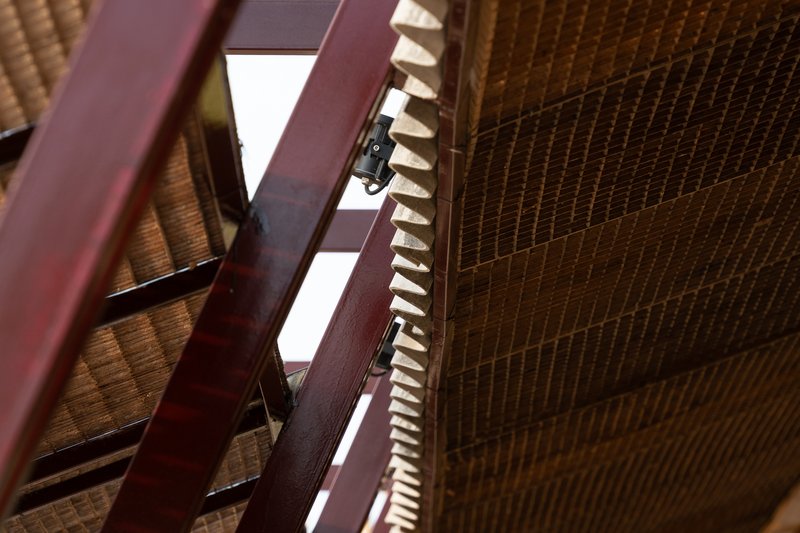
One of the retreat’s most poetic features lies in the use of old silkworm cocoons, purchased from local farmers, now transformed into delicate sunshades that soften the southern exposure. Every element—from humble bricks to weathered steel—carries a sense of history and narrative, reinforcing the structure’s identity as a vessel for memory and ecological consciousness.
A Childhood Memory Etched in Design
The name Dragonfly Retreat is not metaphorical—it is autobiographical. The architect drew deeply from his own memories of chasing dragonflies through the fields during his rural Vietnamese childhood. This imagery of freedom, sunlight, and innocence shaped the atmosphere of the space. The retreat feels like a love letter to the simplicity and wonder of a bygone era.
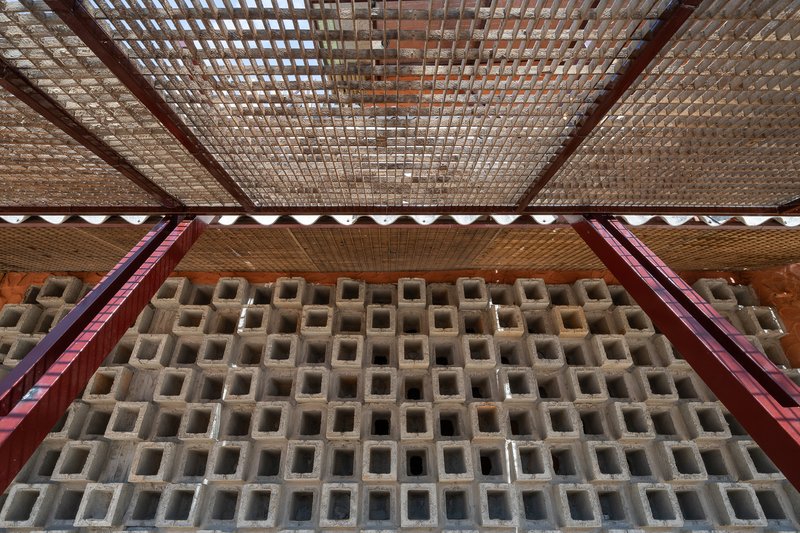
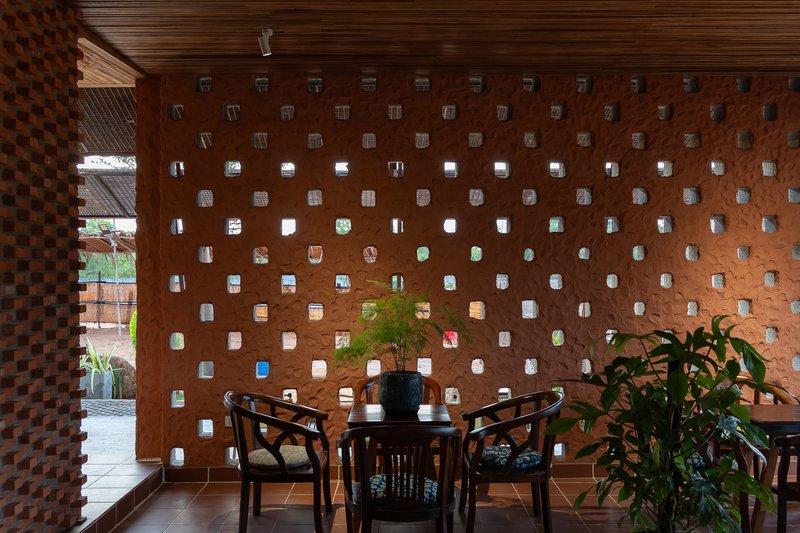
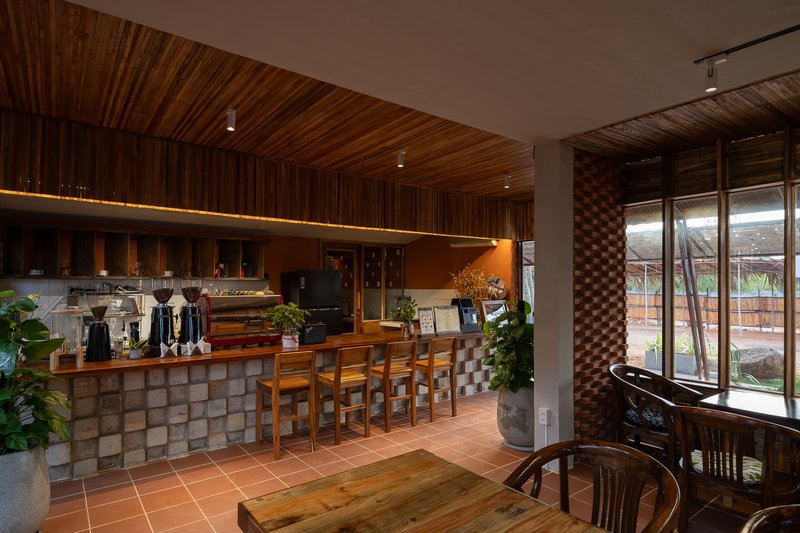
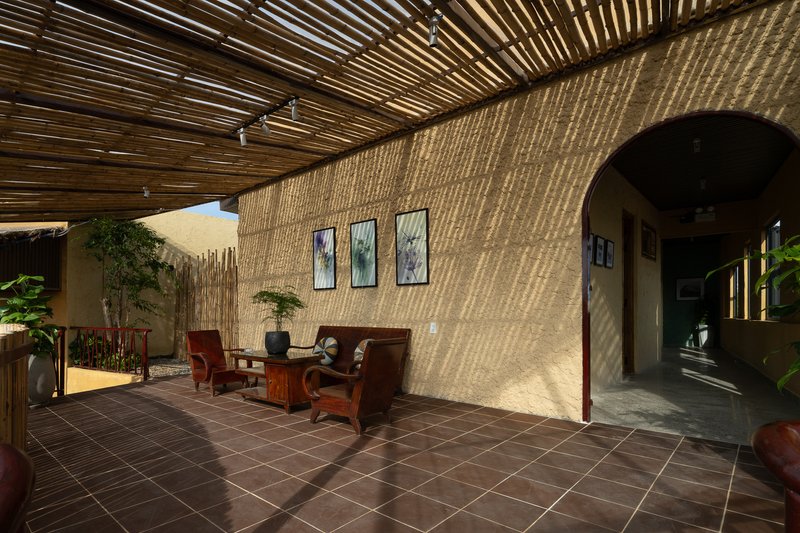
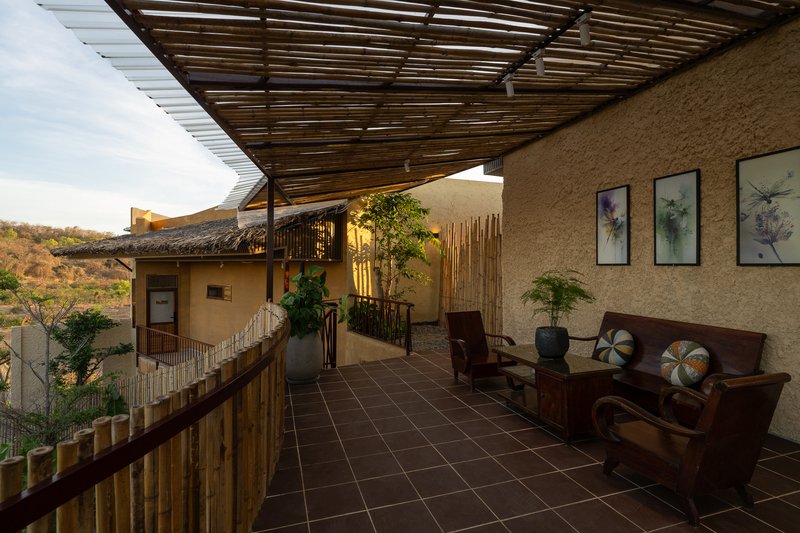
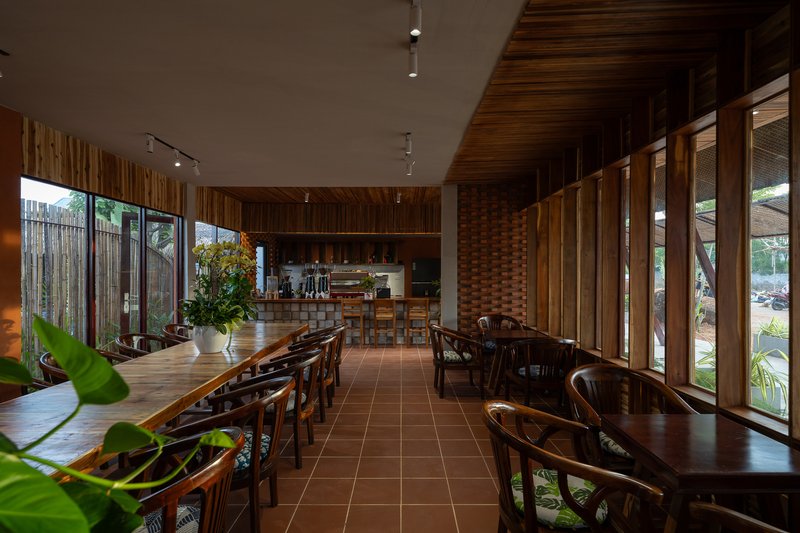
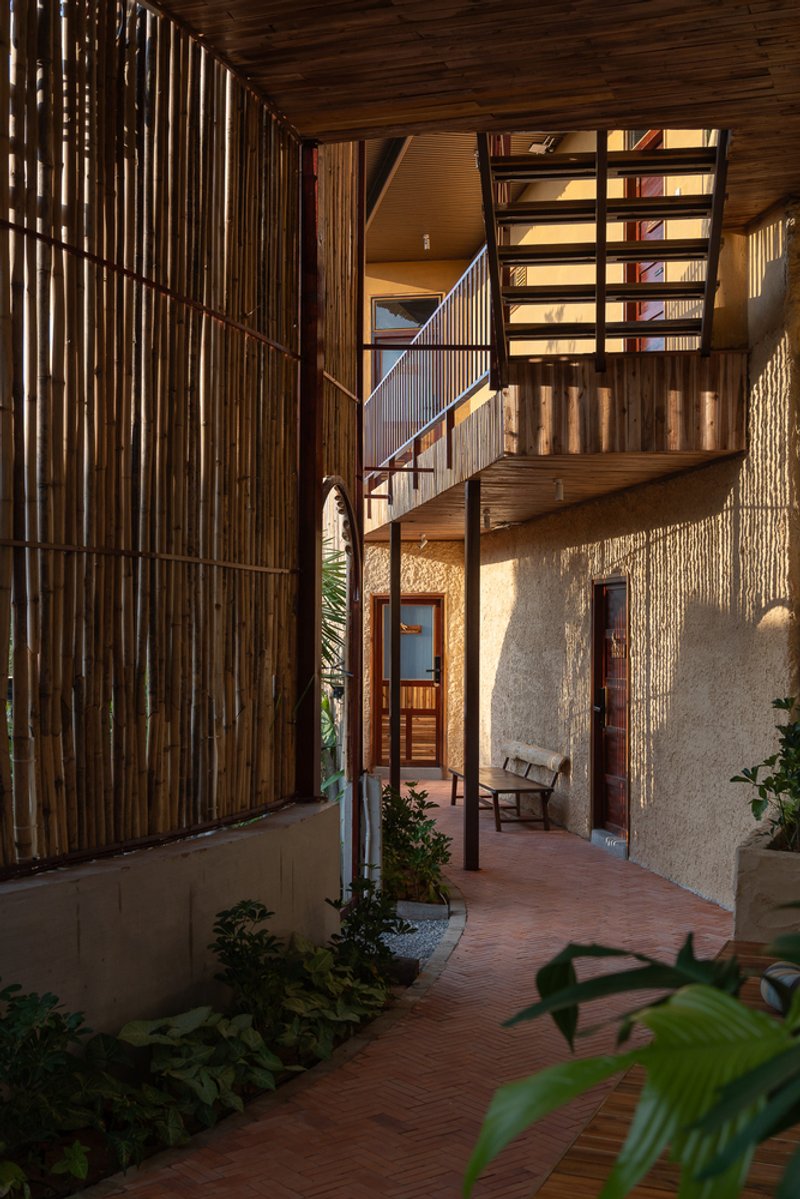
Wide openings toward the sea and hill allow light and breeze to flow through, while carefully shaded porches and timber interiors foster a warm, organic atmosphere. Natural ventilation and passive design strategies suit the semi-desert climate of the region, where sun dominates and rainfall is scarce.
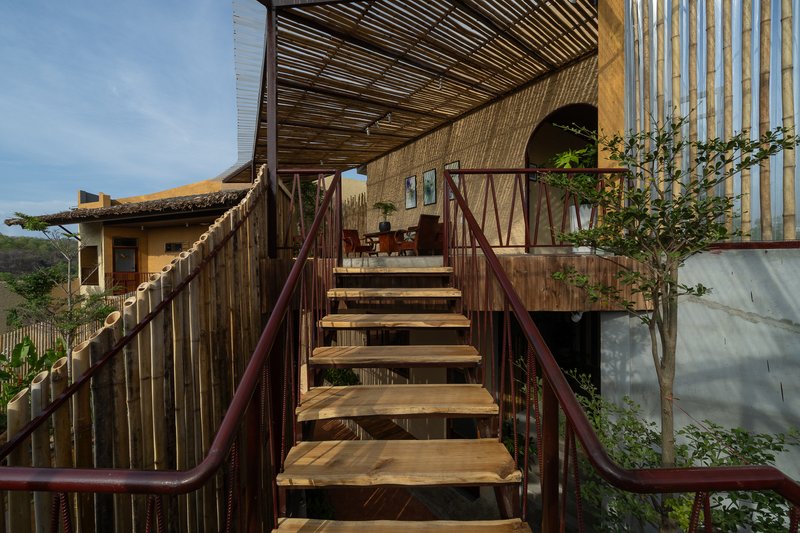
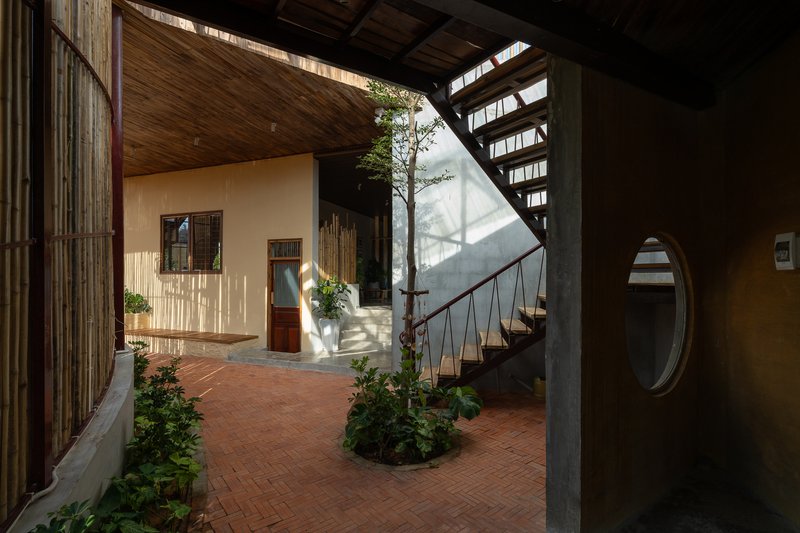
Cultural Echoes and Landscape Integration
Once part of the ancient Champa kingdom, the region is known for its terracotta towers and red earth—a legacy subtly echoed in the palette of materials chosen for the retreat. The use of baked earth bricks, red-toned textures, and organic forms create a tactile connection to both the site’s natural environment and its historical narrative.
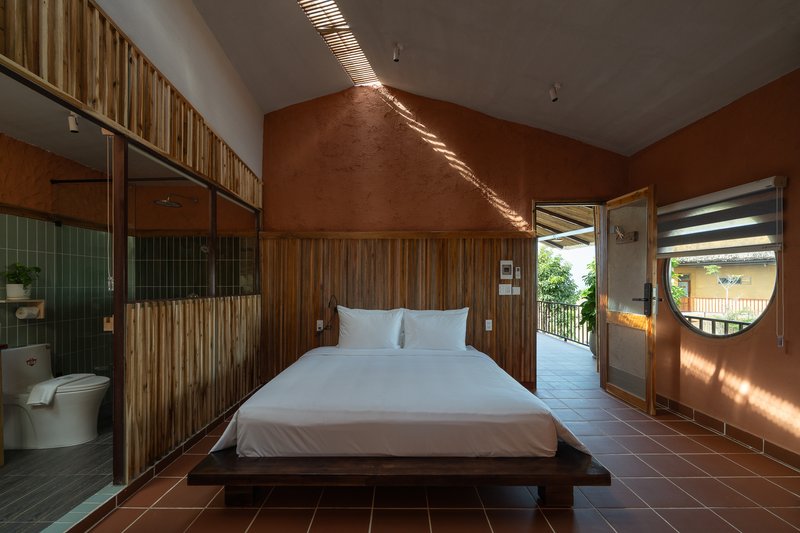
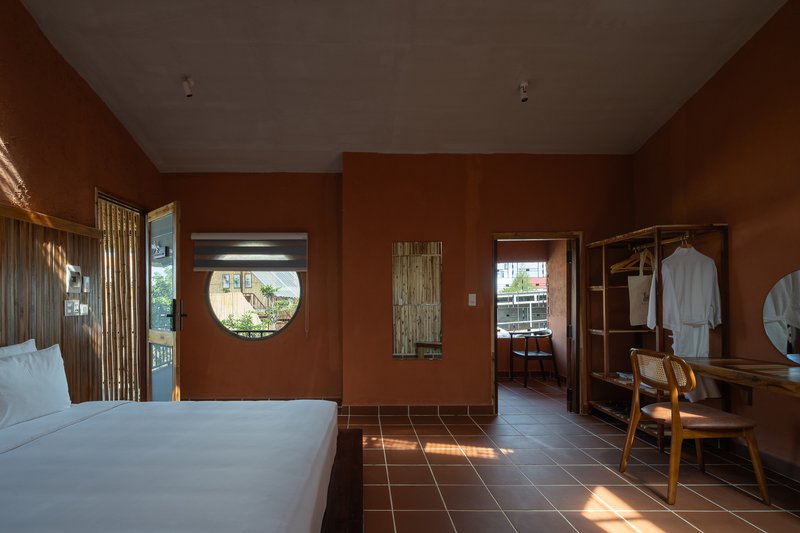
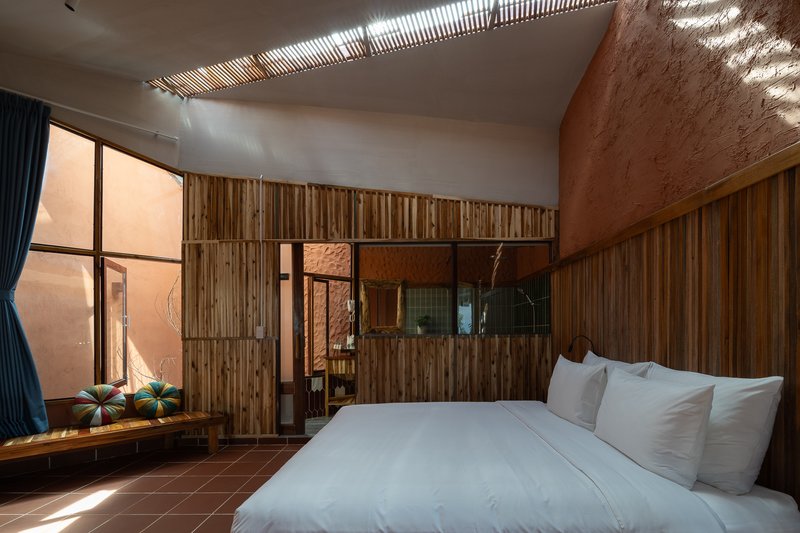
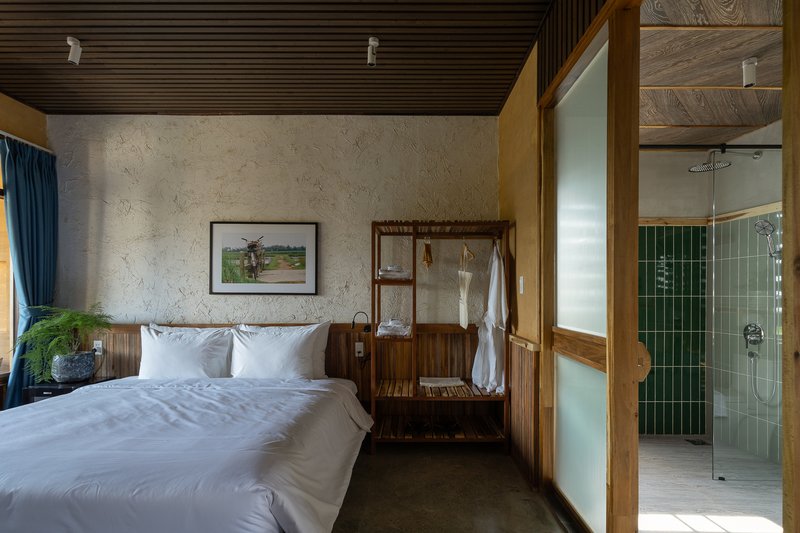
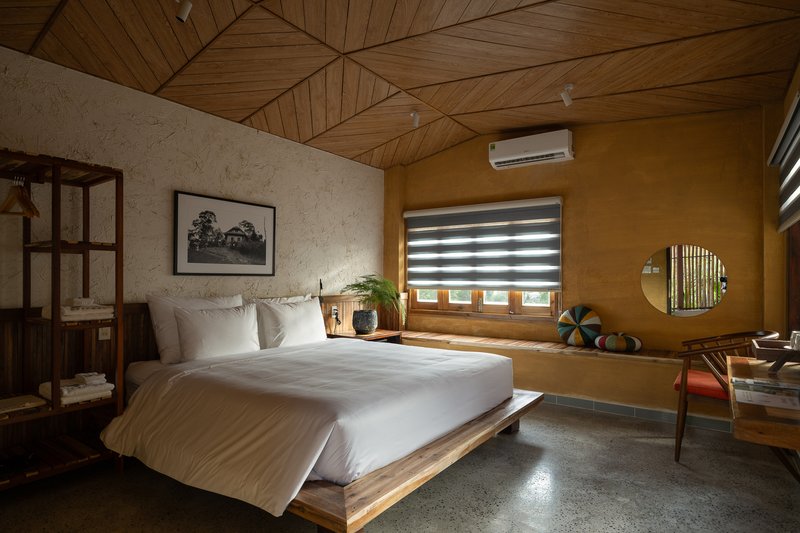
Interior spaces are simple yet soulful, defined by natural wood, handcrafted furniture, and filtered light. Bedrooms are designed for rest and reflection, and shared spaces like the café blur the boundary between indoors and out. The architecture does not shout—it whispers, inviting guests to slow down and listen.
A Place of Return—To Land, Memory, and Stillness
Above all, Dragonfly Retreat & Cafe is a place of return: to childhood, to land, and to a simpler, quieter existence. By weaving together personal memory, local culture, and recycled materials architecture, this project offers more than shelter—it offers restoration.
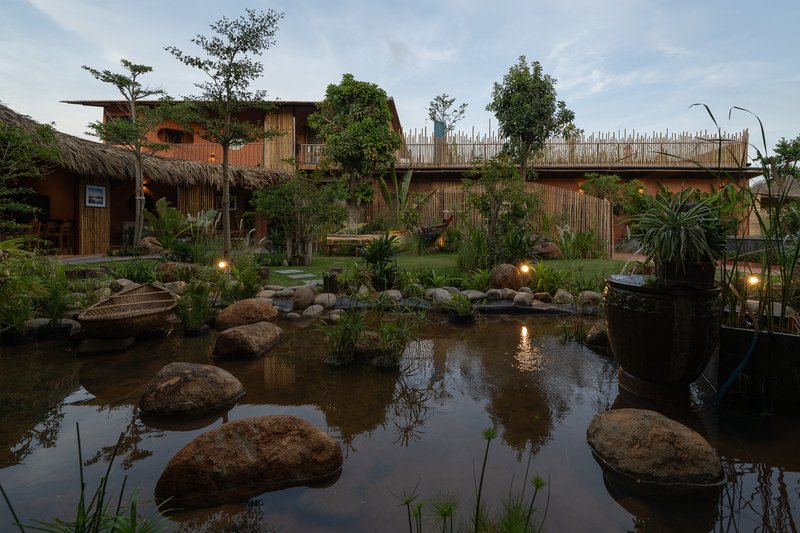
Each morning begins with the sight of a quiet fishing village nestled by the sea and ends with the golden silence of a semi-desert dusk. It is here, amid reclaimed wood and sun-dappled porches, that peace becomes architecture.
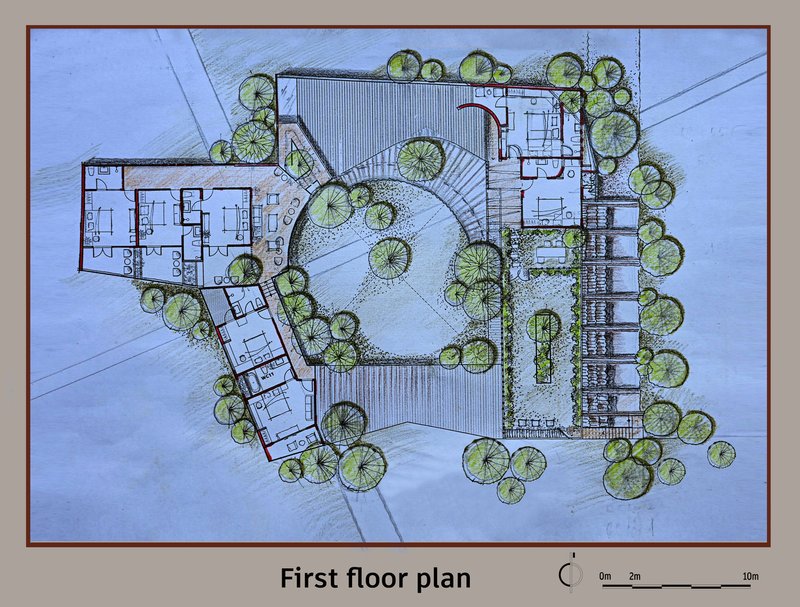
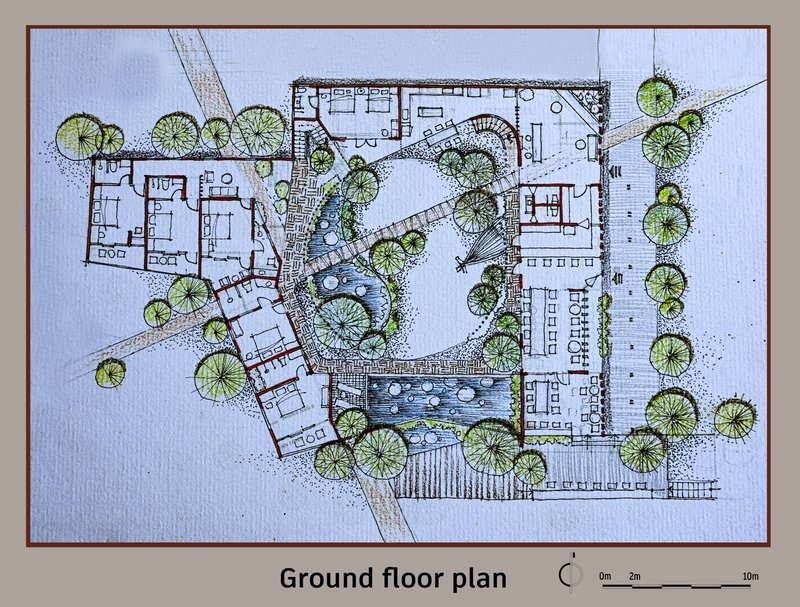
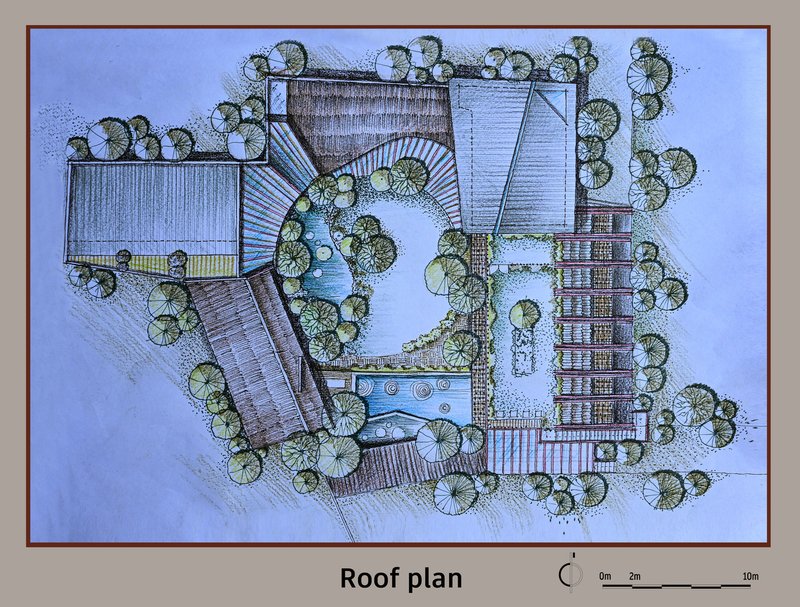
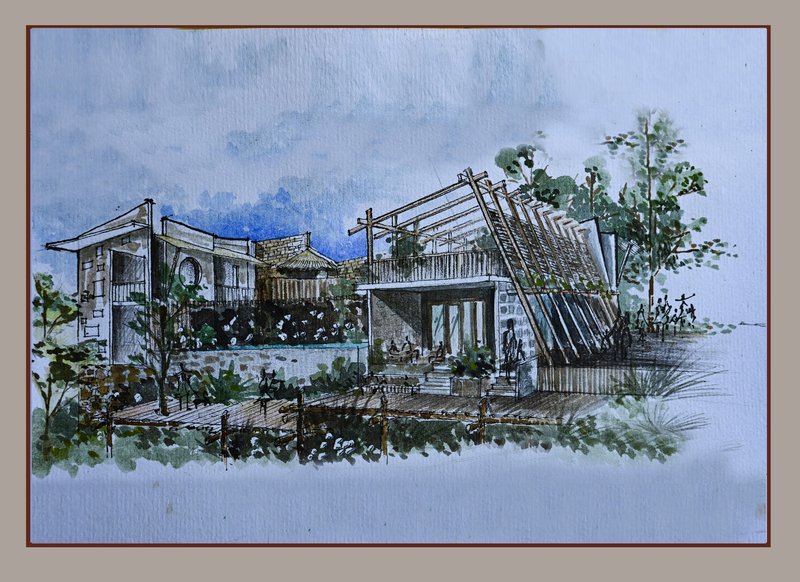
All Photographs are works of Quang Dam




Popular Articles
Popular articles from the community

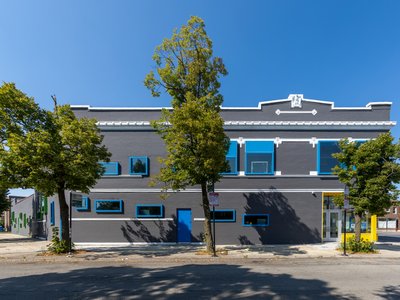
Gads Hill Early Learning Center by JGMA: Adaptive Reuse Shaping Community-Focused Educational Architecture
Adaptive reuse transforms fragmented structure into vibrant early learning center with playful façade, natural light, and community-focused sustainable design.
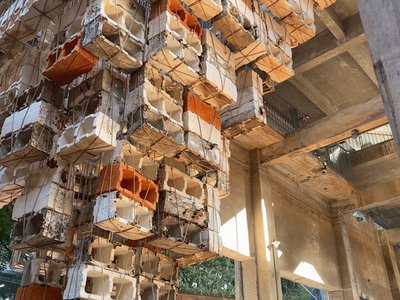
Inverted Architecture Installation by Studio Link-Arc: Exploring the Intersection of Architecture and Living Organisms
Inverted Architecture Installation by Studio Link-Arc blends mycelium, sustainability, inverted design, ecological cycles, and urban adaptive architecture in Shenzhen.
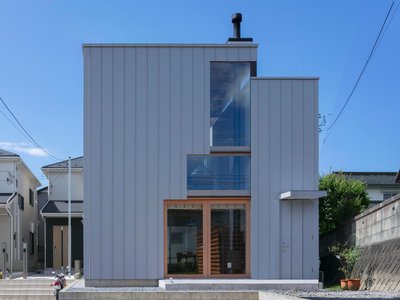
Split House: A Compact Urban Home Blending Privacy, Light, and Flexible Living in Japan
Compact Japanese home featuring DOMA space, flexible café potential, passive lighting, privacy zoning, and sustainable urban living design.

Free Architecture Competitions You Can Enter Right Now
No entry fees, real prizes. Here are the best free architecture competitions open for submissions in 2026.

Similar Reads
You might also enjoy these articles

Bamboo Housing Challenge 2026: Design Affordable, Sustainable Homes Using Bamboo
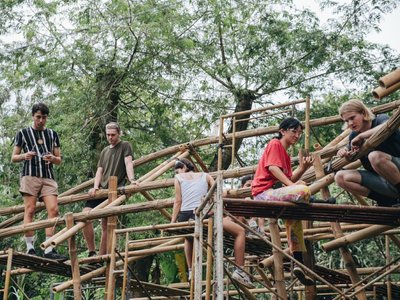
An international design competition by Bamboo U and IBUKU inviting architects and designers to reimagine affordable housing using bamboo — with the winning design built full-scale in Bali.
Computational Design & Education: Beegraphy Design Awards Introduces 7th Category (Featuring Jiyun's Innovative Approach)
Dive into Beegraphy’s 7th Design Awards category, where computational design meets education to create immersive, interactive learning tools, inspired by Jiyun’s work.
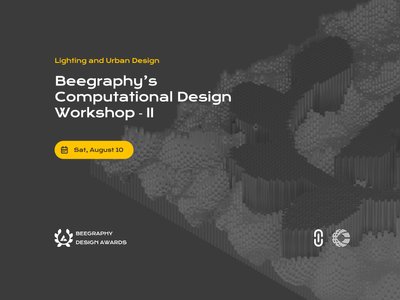
From Parametric Lighting to Urban Furniture: Join the 2nd Workshop in Beegraphy’s Computational Design Series
Dive into Cutting-Edge Design Techniques and Practical Applications with Industry Experts

Explore Architecture Competitions
Discover active competitions in this discipline




The International Standard for Design Portfolios


The Global Benchmark for Architecture Dissertation Awards


The Global Benchmark for Graduation Excellence


Challenge to reimagine the Iron Throne
Comments (0)
Please login or sign up to add comments
No comments yet. Be the first to comment!