
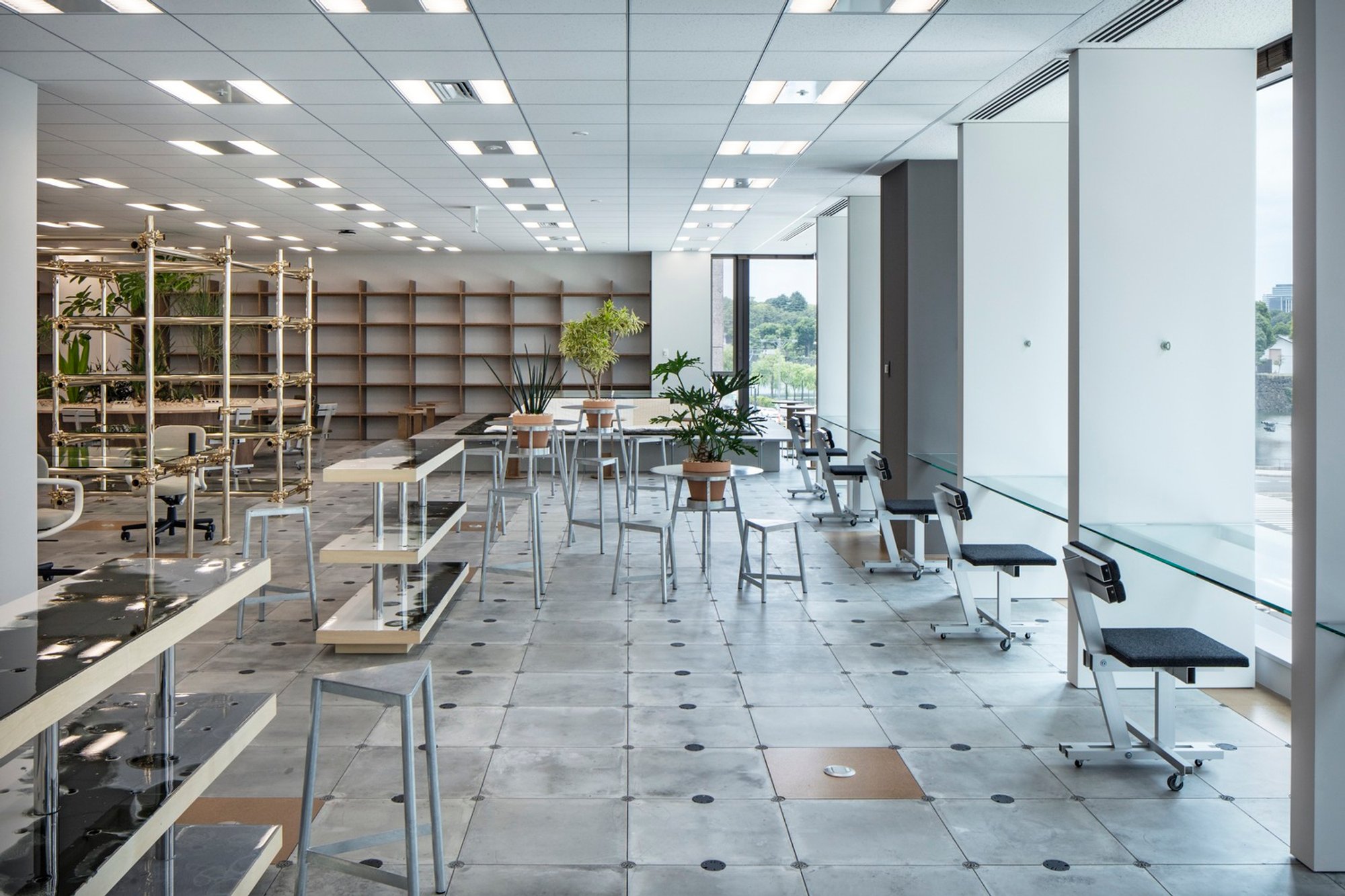
Dynamic Office Design: Embracing Diversity in Modern Workspaces
The article explores dynamic office design, focusing on the innovative approach taken in the HAKUHODO Gravity Office by DDAA architects.

In the wake of the COVID-19 pandemic, the landscape of office environments has undergone a significant transformation. Remote work and digital connectivity have become the norm, blurring the boundaries between home and office life. This shift has sparked a reevaluation of traditional office design concepts, leading to the emergence of dynamic office spaces that cater to diverse work styles and preferences.
Understanding the Concept of Dynamic Office Design
Dynamic office design revolves around creating workspaces that adapt to the evolving needs of employees. It goes beyond the traditional cubicle layout, emphasizing flexibility, collaboration, and well-being. The HAKUHODO Gravity Office in Chiyoda City, Japan, designed by DDAA architects, exemplifies this concept with its innovative approach to workspace architecture.
Blurring Boundaries: The Post-COVID Office Environment
The COVID-19 pandemic accelerated the adoption of remote work and online meetings, challenging the conventional idea of what an office should be. The Gravity Office acknowledges this paradigm shift, providing a seamless blend of physical and virtual workspaces. It recognizes that individuals have varying preferences when it comes to work environments, from private concentration areas to collaborative zones.
Designing for Diversity: A Multifaceted Approach
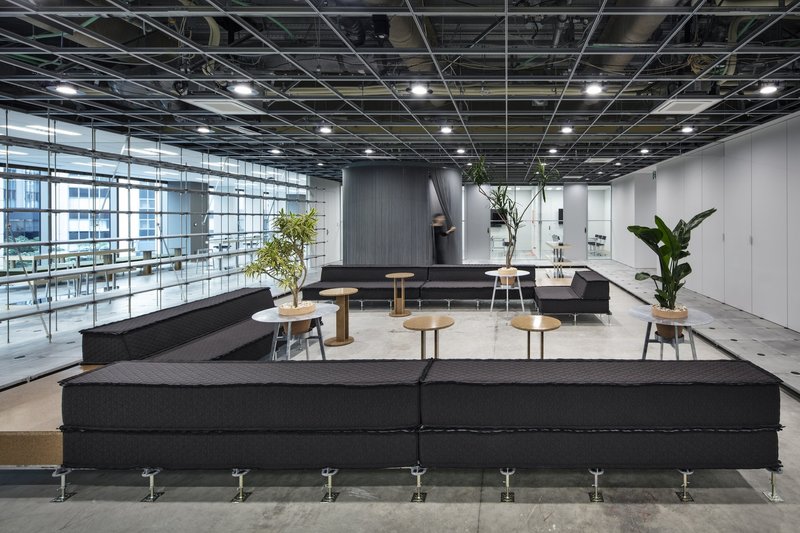
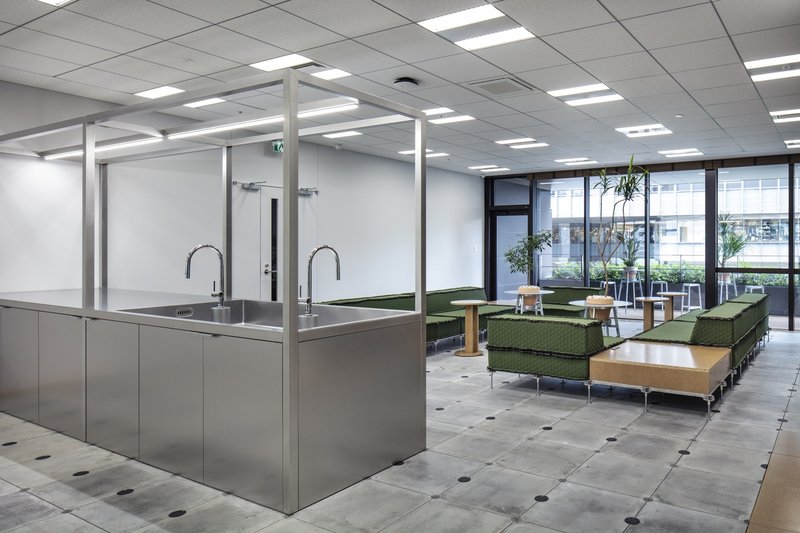
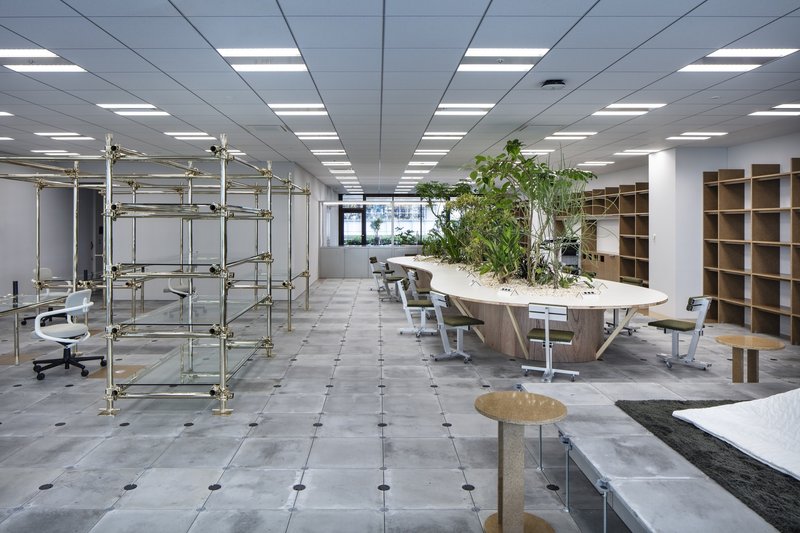
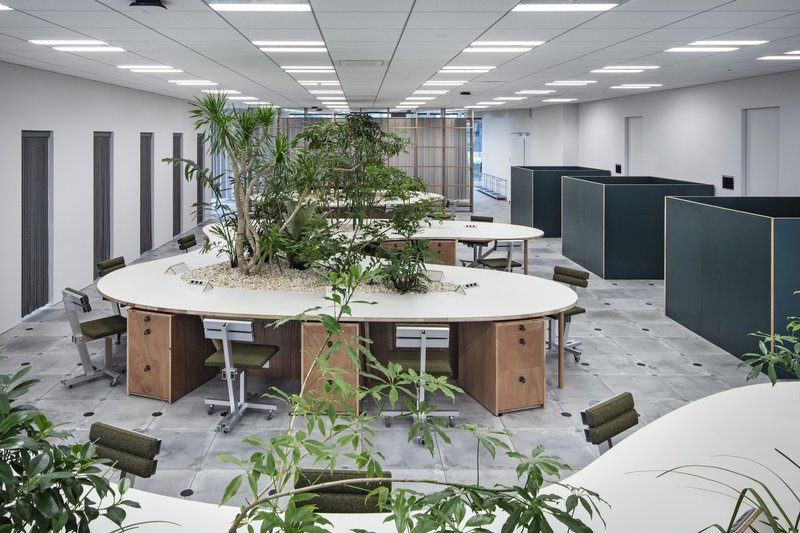
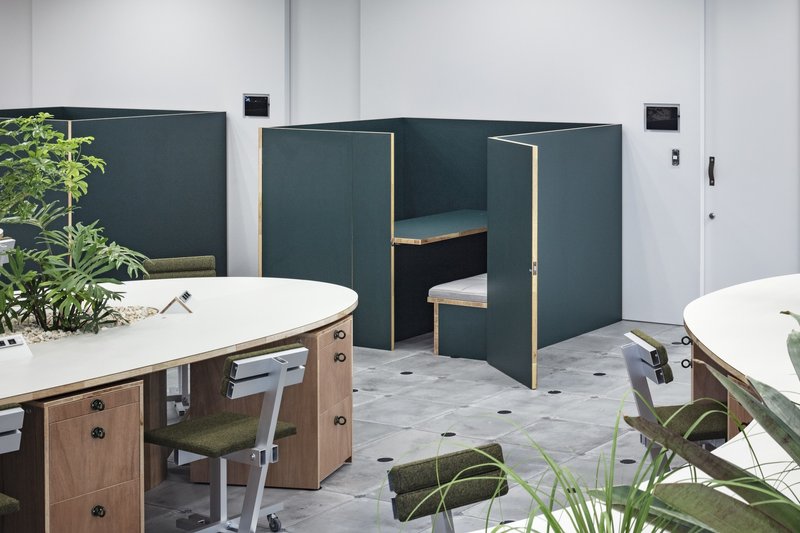
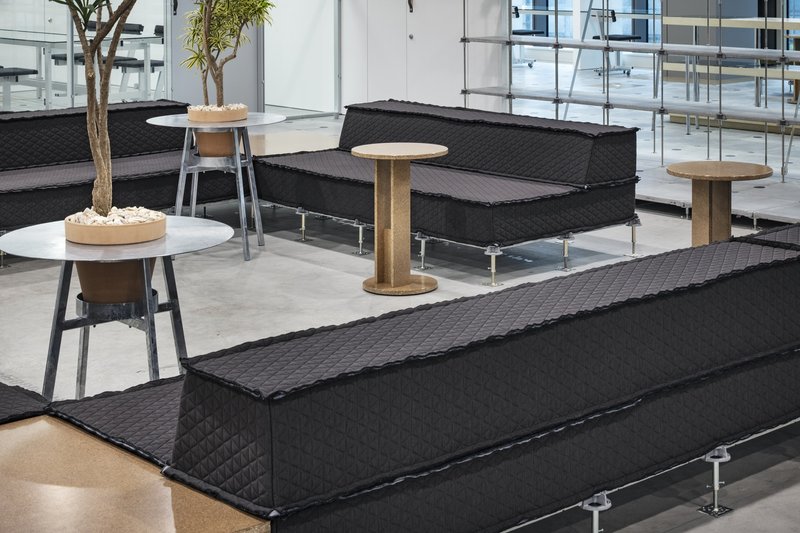
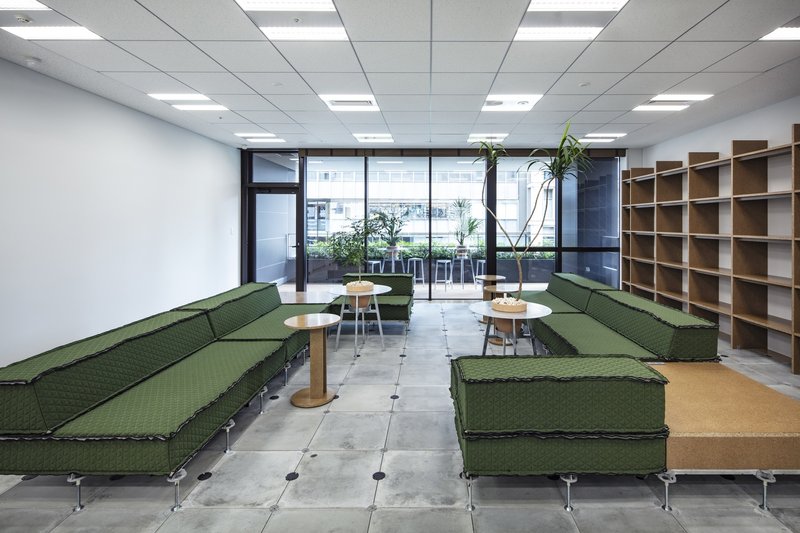
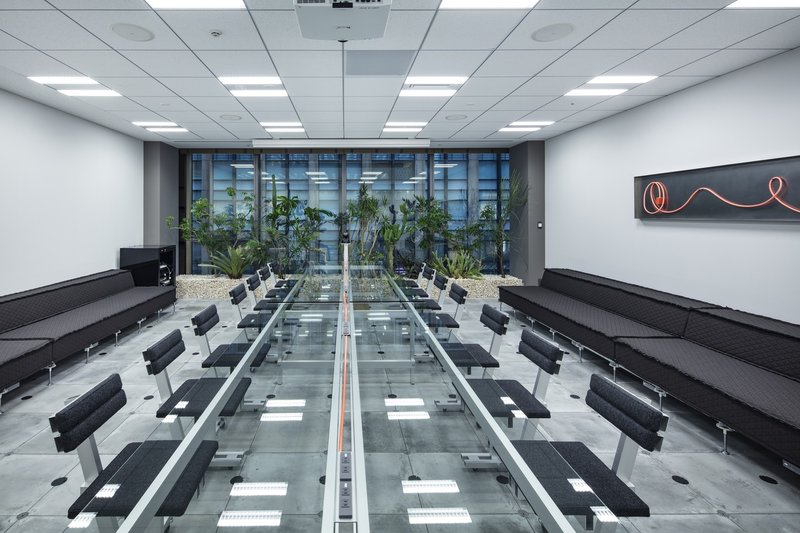
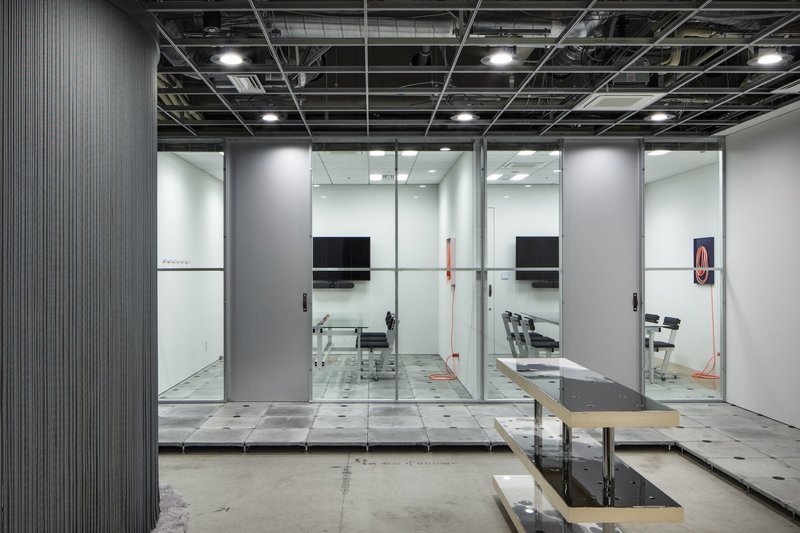
At the core of dynamic office design is the recognition of social diversity within the workplace. The Gravity Office offers a range of options for employees, including private rooms, shared spaces, relaxation areas, and interactive zones. This multifaceted approach ensures that individuals can choose environments that suit their mood, disposition, and work requirements.
Integrating Nature and Technology
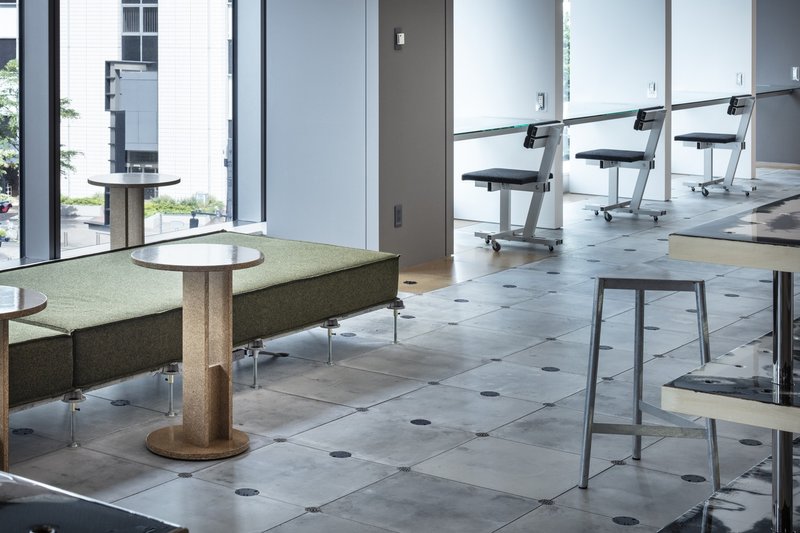
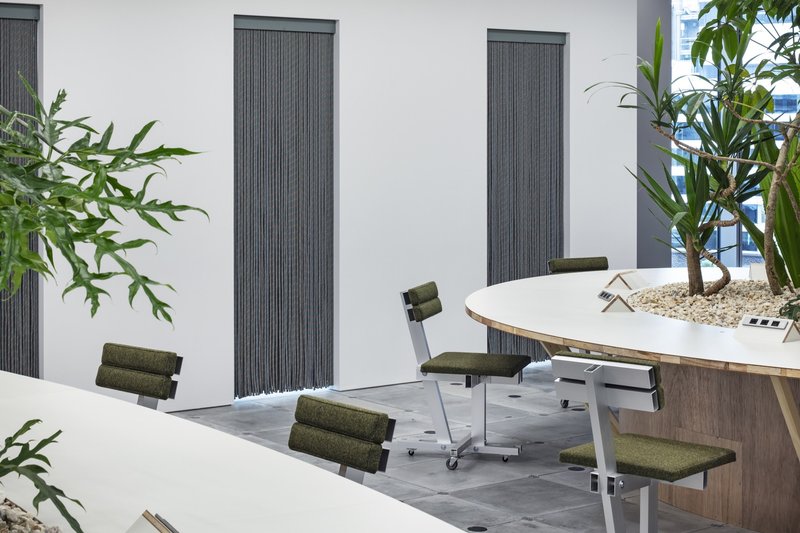
Nature plays a vital role in the design of dynamic offices. The Gravity Office maximizes natural light, ventilation, and greenery, creating a refreshing and stimulating environment. At the same time, advanced technology seamlessly integrates into the workspace, enhancing communication, collaboration, and productivity.
Sustainability and Flexibility: Key Principles
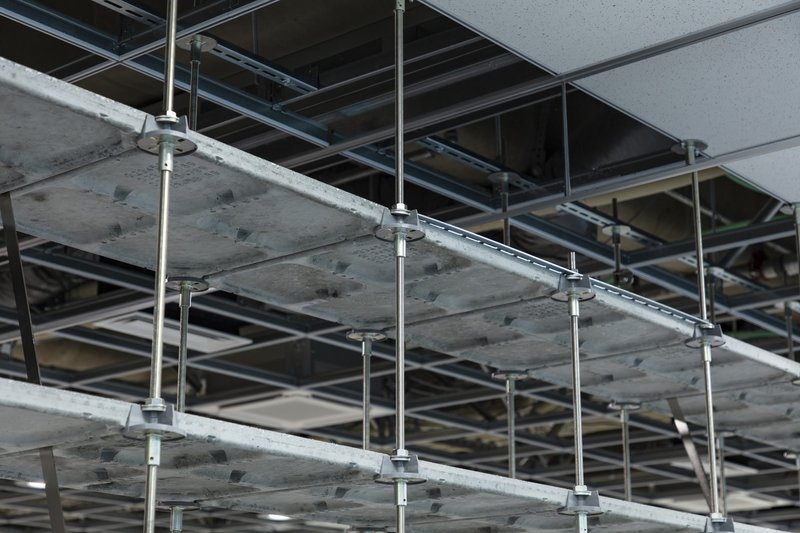
Dynamic office design prioritizes sustainability and adaptability. The Gravity Office incorporates sustainable practices, such as repurposing materials and minimizing interior work, to reduce environmental impact. Its flexible layout allows for easy reconfiguration as work dynamics evolve over time.
Creating a Harmonious Workspace
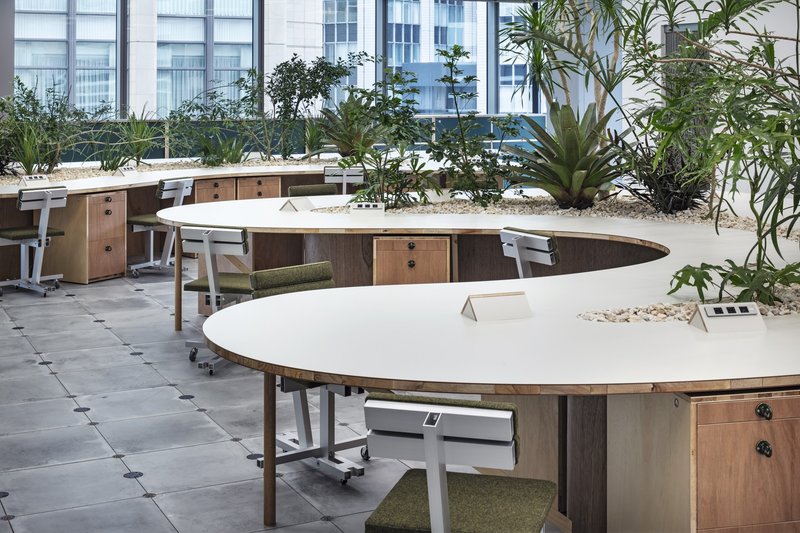
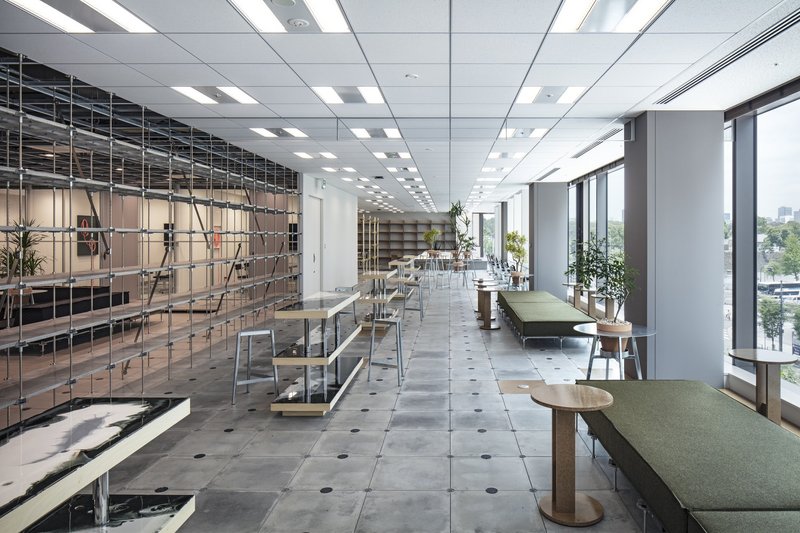
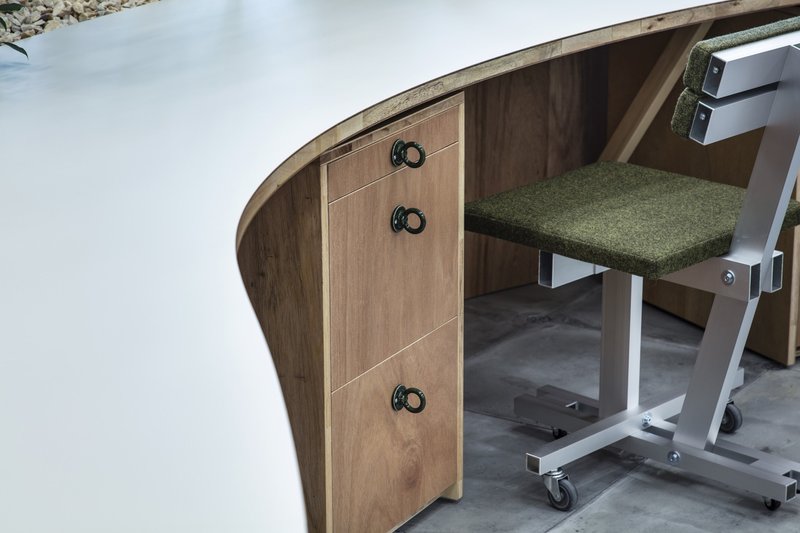
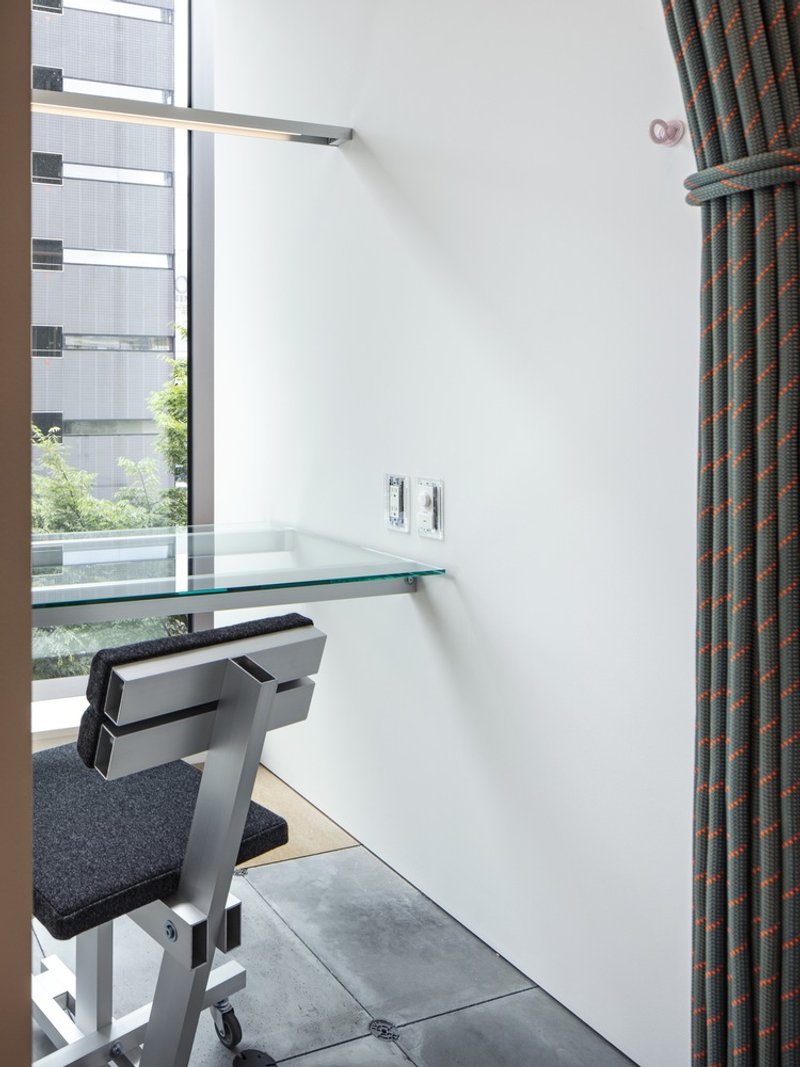
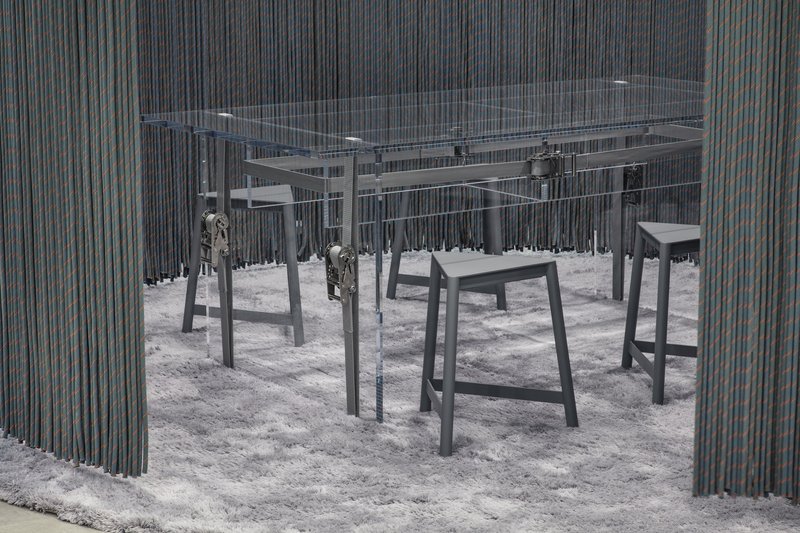
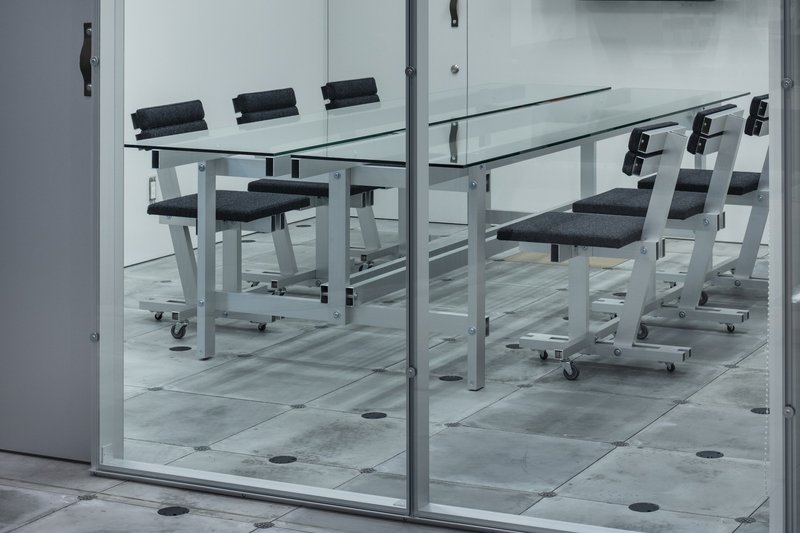
The layout of the Gravity Office reflects a harmonious blend of individual and team-oriented spaces. The U-shaped office layout promotes collaboration while offering areas for private concentration. Large, organic desks and temporary partitions ensure that lines of sight remain unobstructed, fostering a sense of openness and connectivity.
Leveraging Existing Systems: A Sustainable Approach
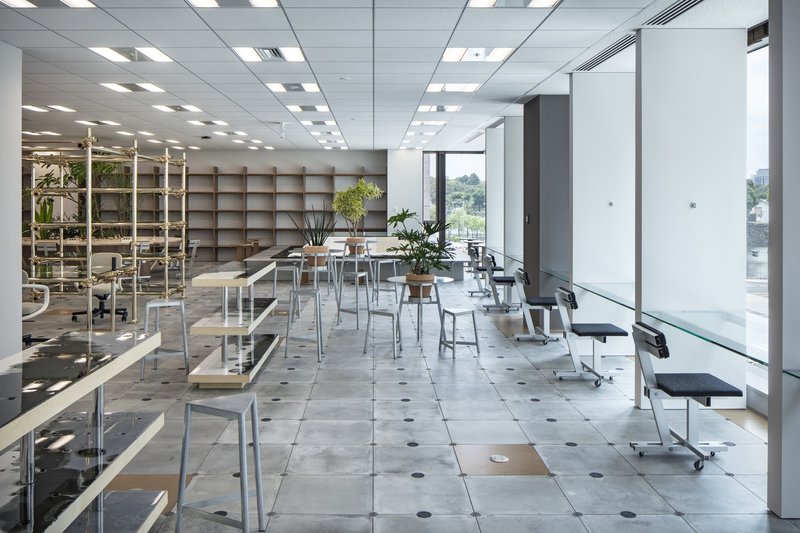
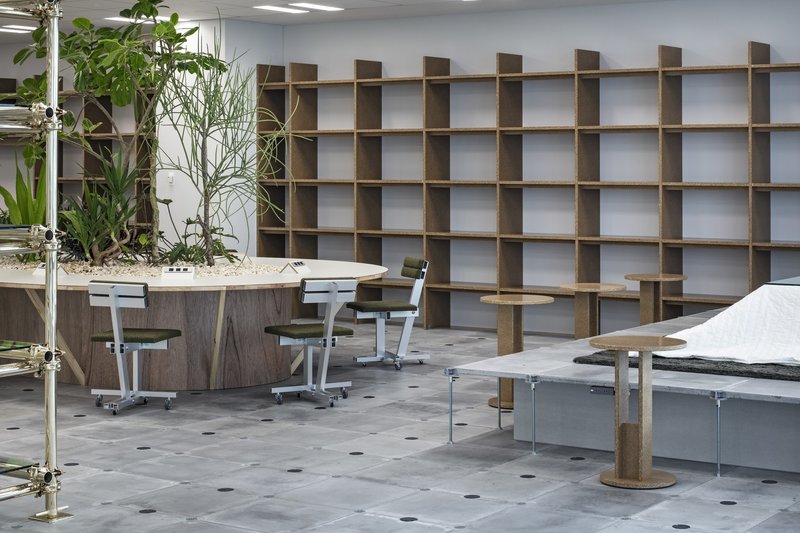
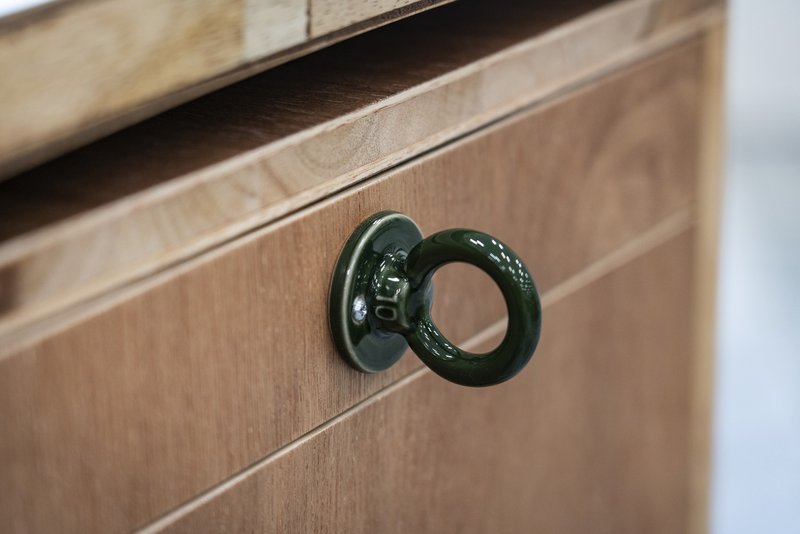
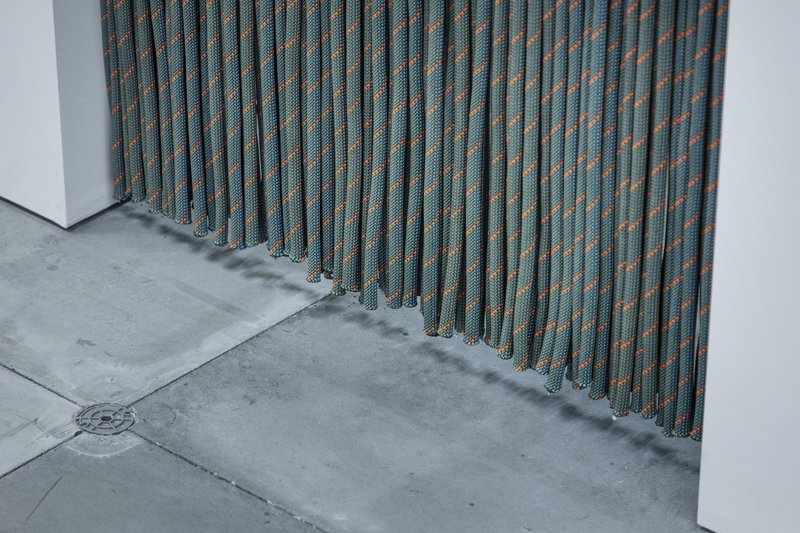
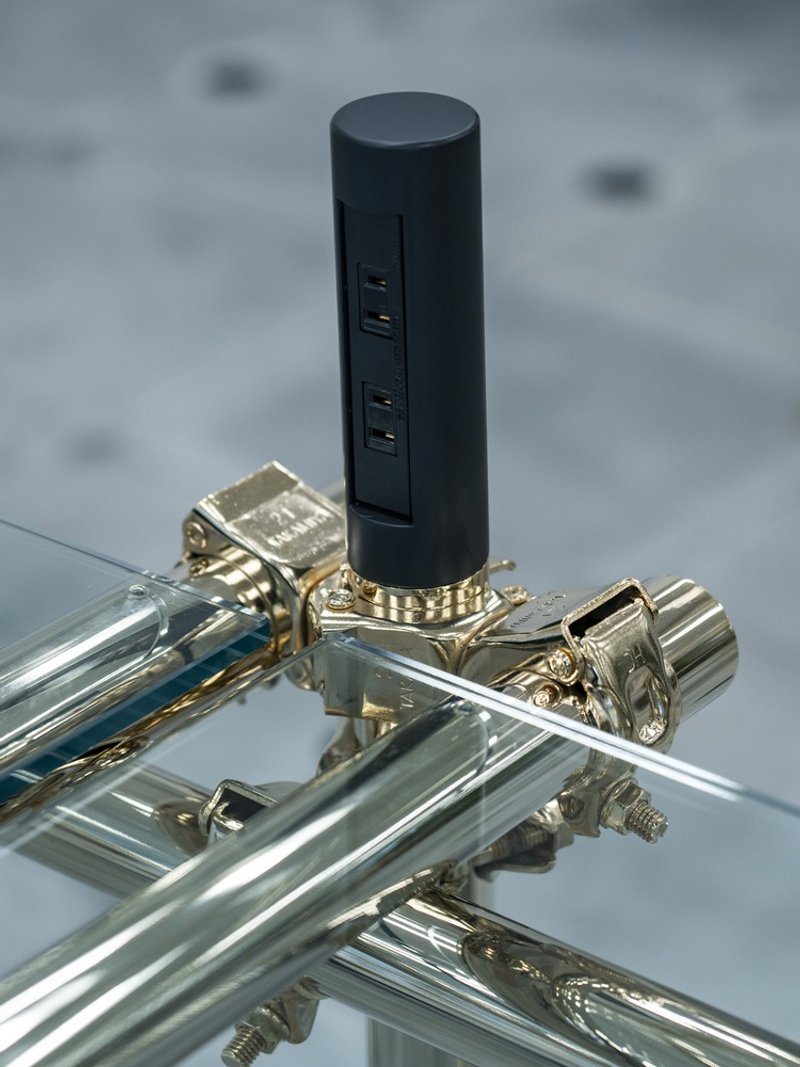
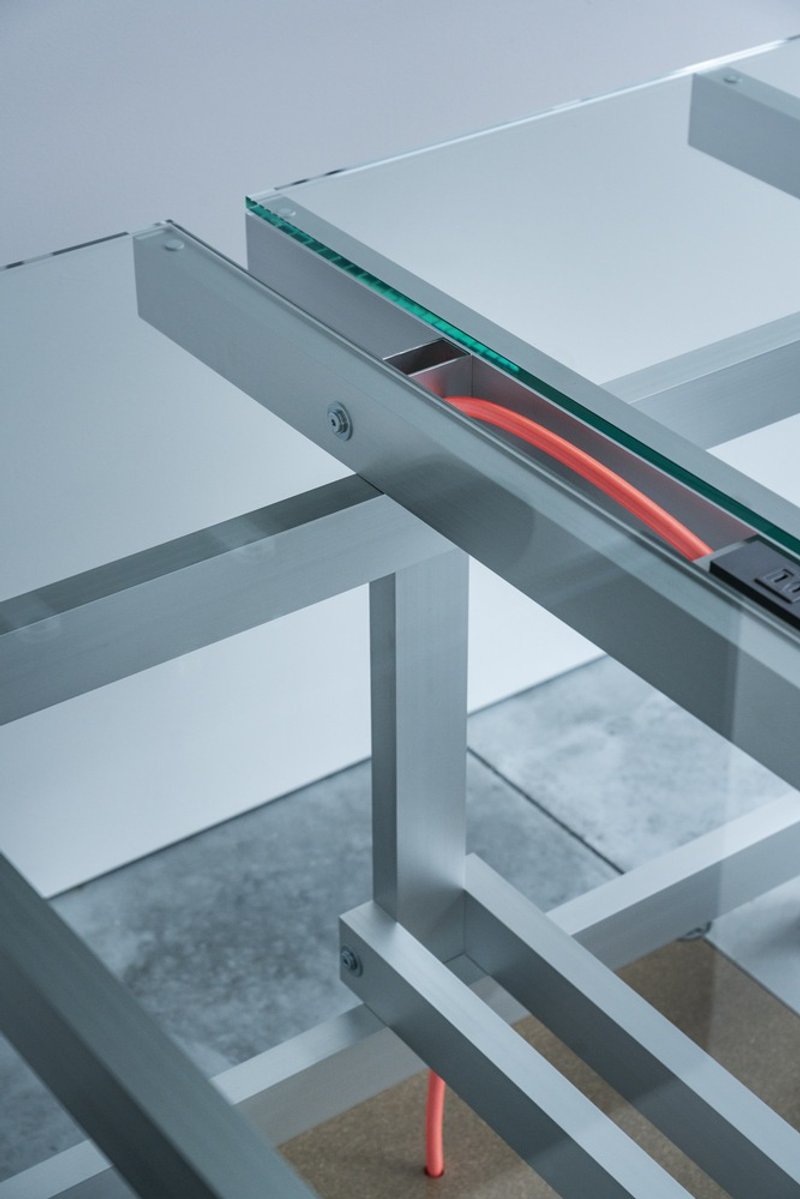
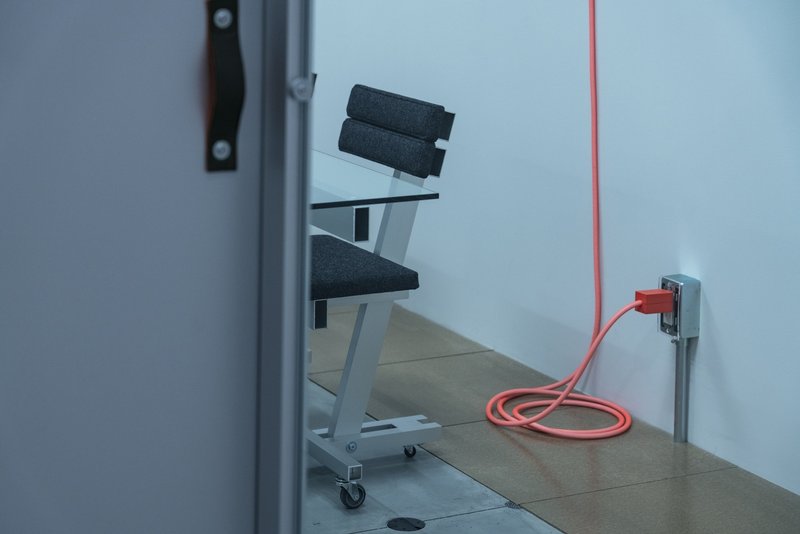
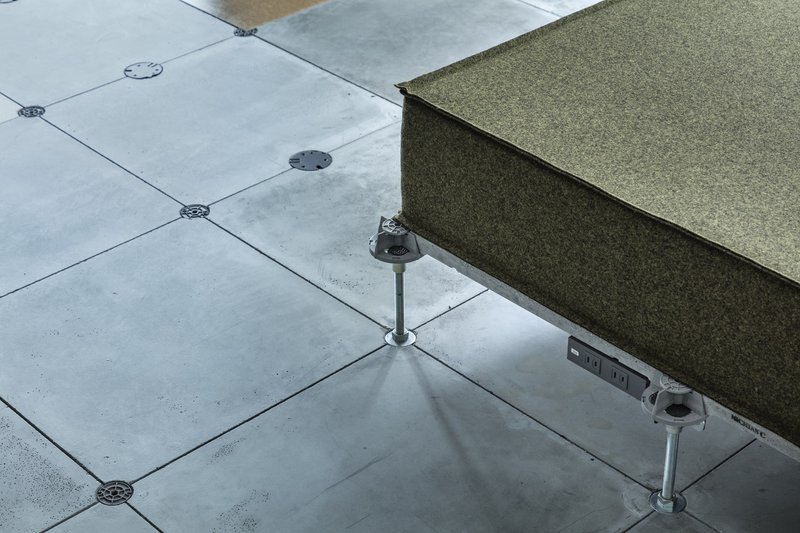
A notable aspect of dynamic office design is its ability to leverage existing office and real estate systems creatively. The Gravity Office repurposes free-access floor units as furniture, minimizing waste and maximizing resource efficiency. This sustainable approach extends to the design of custom furniture pieces using off-the-shelf materials, symbolizing the concept of "gravity" and "mingling."
Redefining the Modern Office
In conclusion, dynamic office design represents a paradigm shift in modern workspace architecture. The HAKUHODO Gravity Office stands as a testament to this evolution, embracing diversity, sustainability, and innovation. By prioritizing flexibility, collaboration, and well-being, dynamic office design sets a new standard for the future of work environments.
All the photographs are work of Kenta Hasegawa



Popular Articles
Popular articles from the community


Solar Steam: A Climate-Responsive Architecture That Redefines the Monument
A climate-responsive memorial architecture that transforms heat, decay, and time into a living system reflecting humanity’s ecological impact.

Free Architecture Competitions You Can Enter Right Now
No entry fees, real prizes. Here are the best free architecture competitions open for submissions in 2026.
Gads Hill Early Learning Center by JGMA: Adaptive Reuse Shaping Community-Focused Educational Architecture
Adaptive reuse transforms fragmented structure into vibrant early learning center with playful façade, natural light, and community-focused sustainable design.
Alton Cliff House: A Harmonious Retreat by f2a Architecture in Lake Country, Canada
Alton Cliff House blends corten steel, prefabrication, and sustainable design, creating a luxurious, energy-efficient retreat perched on Canadian cliffs.

Similar Reads
You might also enjoy these articles

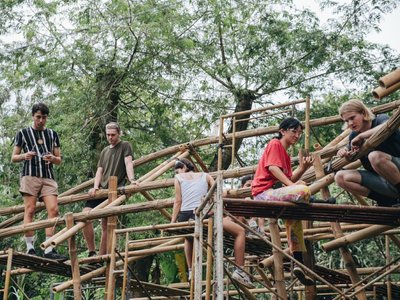
Bamboo Housing Challenge 2026: Design Affordable, Sustainable Homes Using Bamboo
An international design competition by Bamboo U and IBUKU inviting architects and designers to reimagine affordable housing using bamboo — with the winning design built full-scale in Bali.
Computational Design & Education: Beegraphy Design Awards Introduces 7th Category (Featuring Jiyun's Innovative Approach)
Dive into Beegraphy’s 7th Design Awards category, where computational design meets education to create immersive, interactive learning tools, inspired by Jiyun’s work.
From Parametric Lighting to Urban Furniture: Join the 2nd Workshop in Beegraphy’s Computational Design Series
Dive into Cutting-Edge Design Techniques and Practical Applications with Industry Experts

Explore Office Building Competitions
Discover active competitions in this discipline




The International Standard for Design Portfolios


The Global Benchmark for Architecture Dissertation Awards


The Global Benchmark for Graduation Excellence


Challenge to reimagine the Iron Throne
Comments (0)
Please login or sign up to add comments
No comments yet. Be the first to comment!