
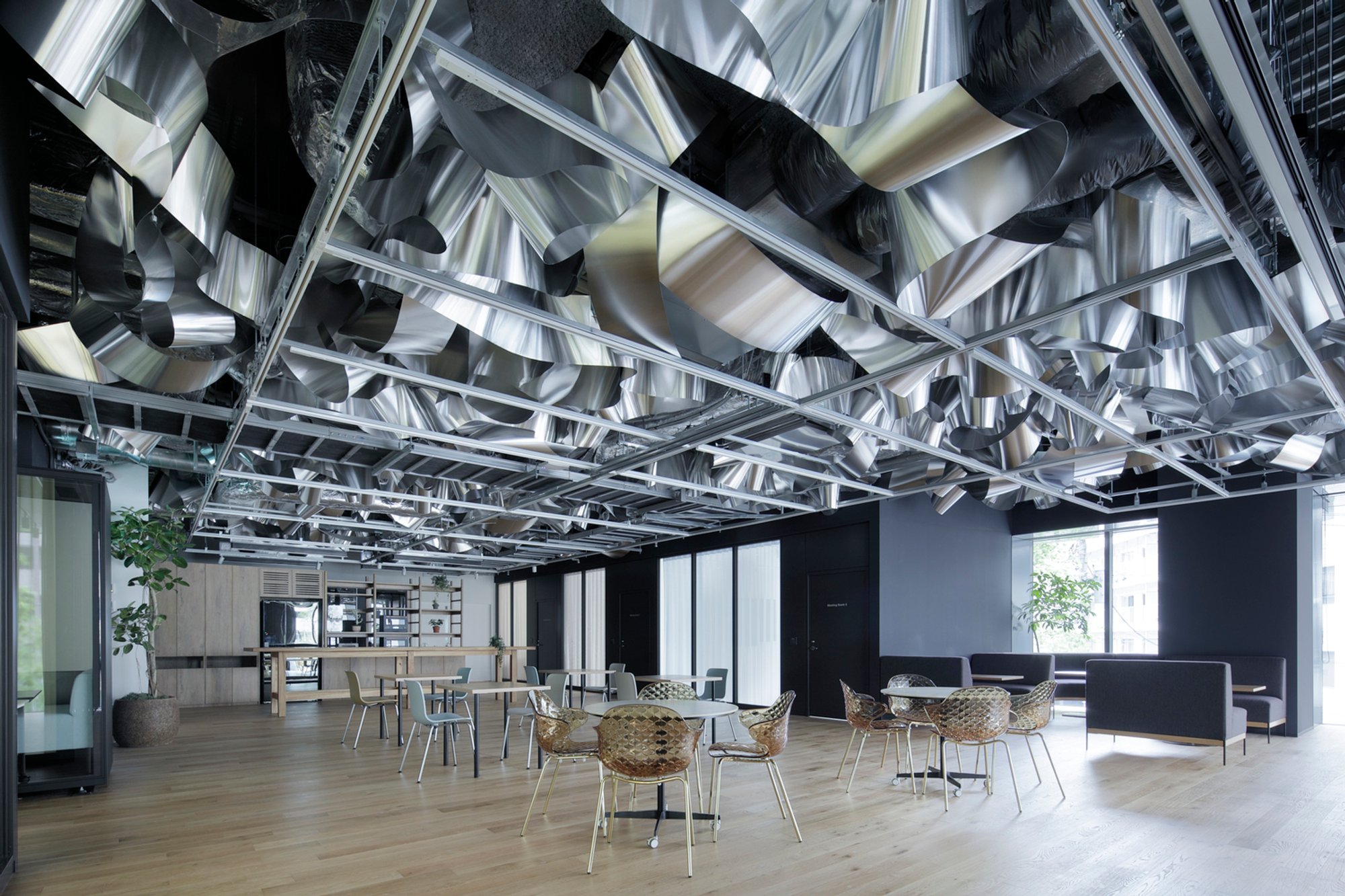
Dynamic Office Design: Waterscape Office by Moriyuki Ochiai Architects and Harumaki Project
Exploring dynamic office design in Waterscape Office, blending Japanese heritage, sustainable materials, and creativity-driven architecture.

The Waterscape Office, located in Shinagawa City, Japan, is a collaborative creation by Moriyuki Ochiai Architects, Harumaki Project, and co-lab Gotanda with JPRE. Spanning 800 square meters, this innovative office space aims to unite diverse Japanese manufacturing companies while fostering creativity, interaction, and co-creation of new cultural and business values. The design reflects the district’s historical roots and incorporates traditional Japanese aesthetics to deliver a harmonious and functional environment.
Celebrating Japanese Heritage in Modern Design
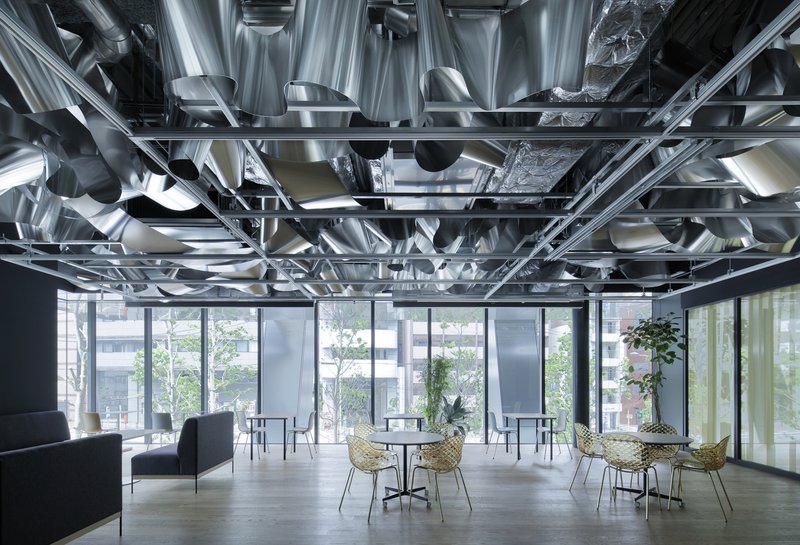
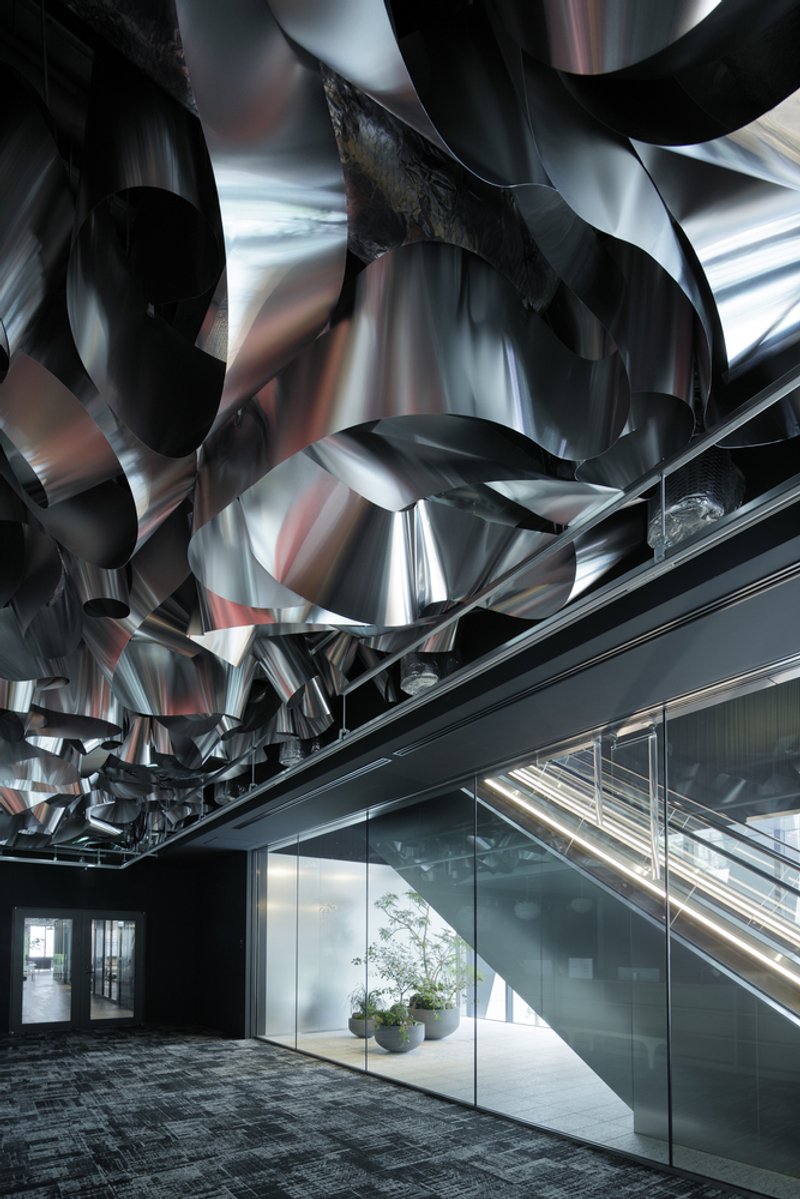
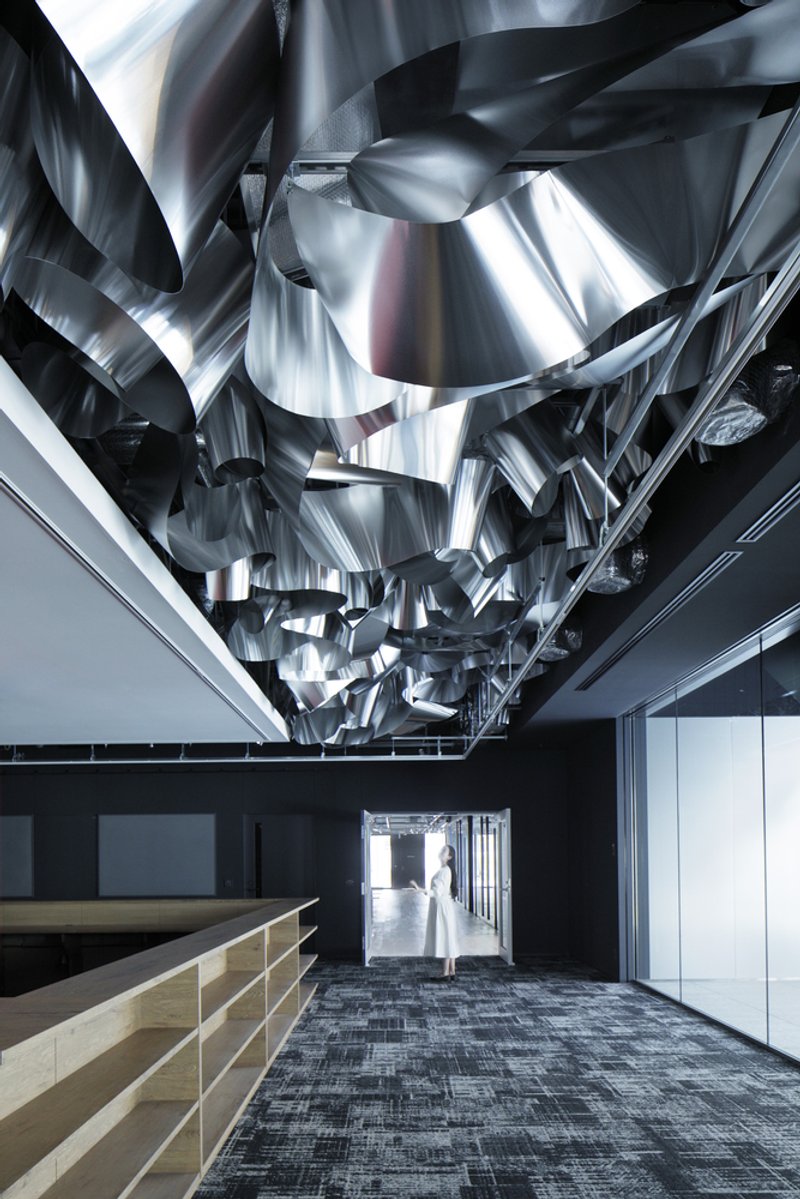
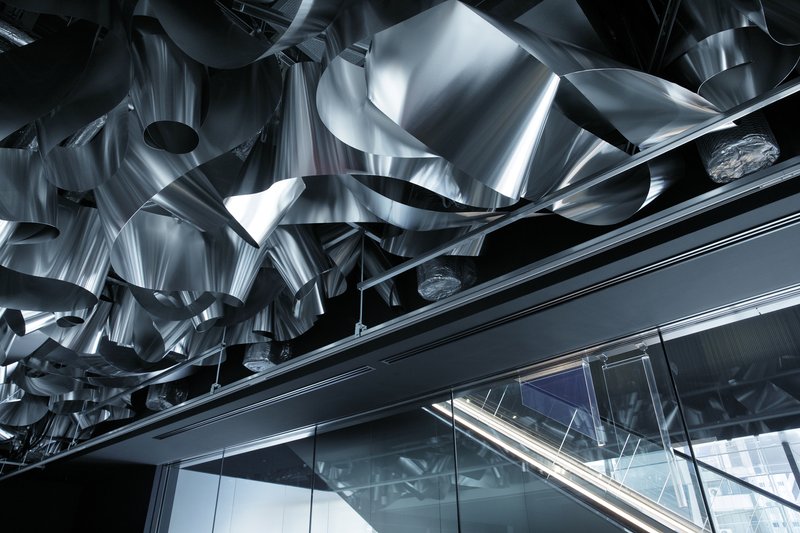
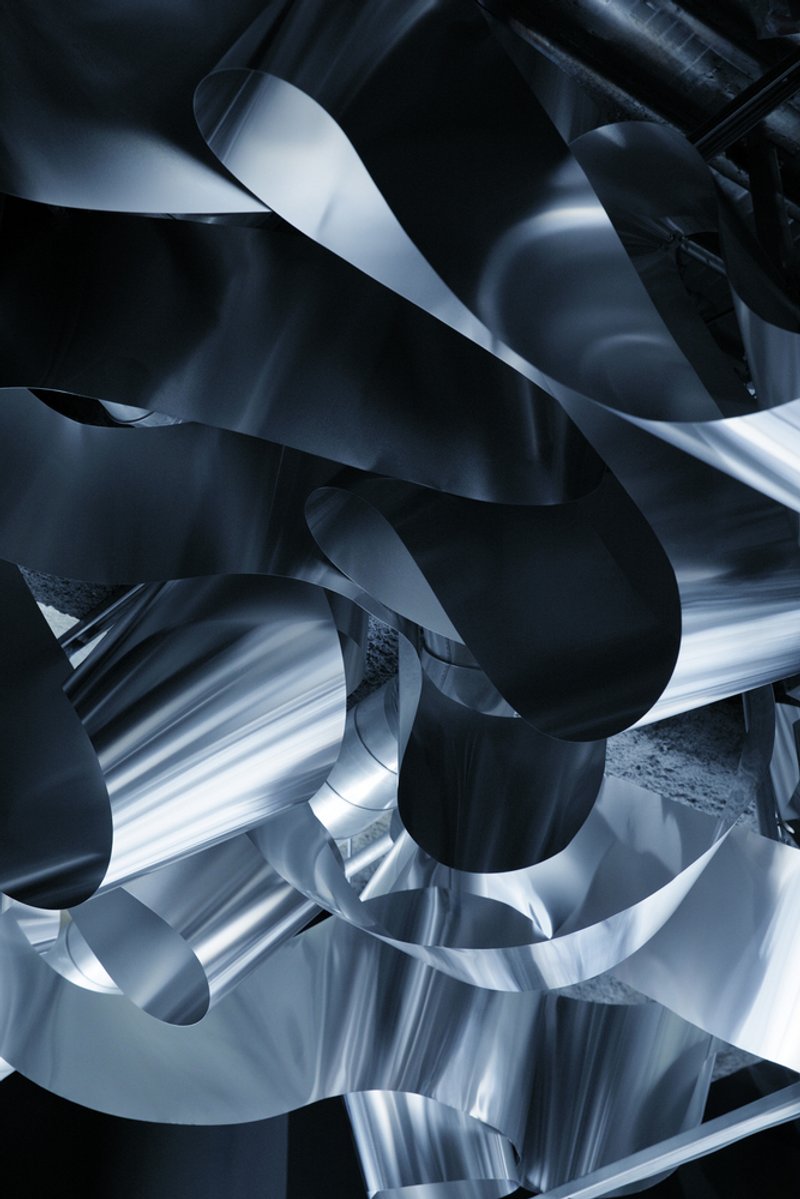
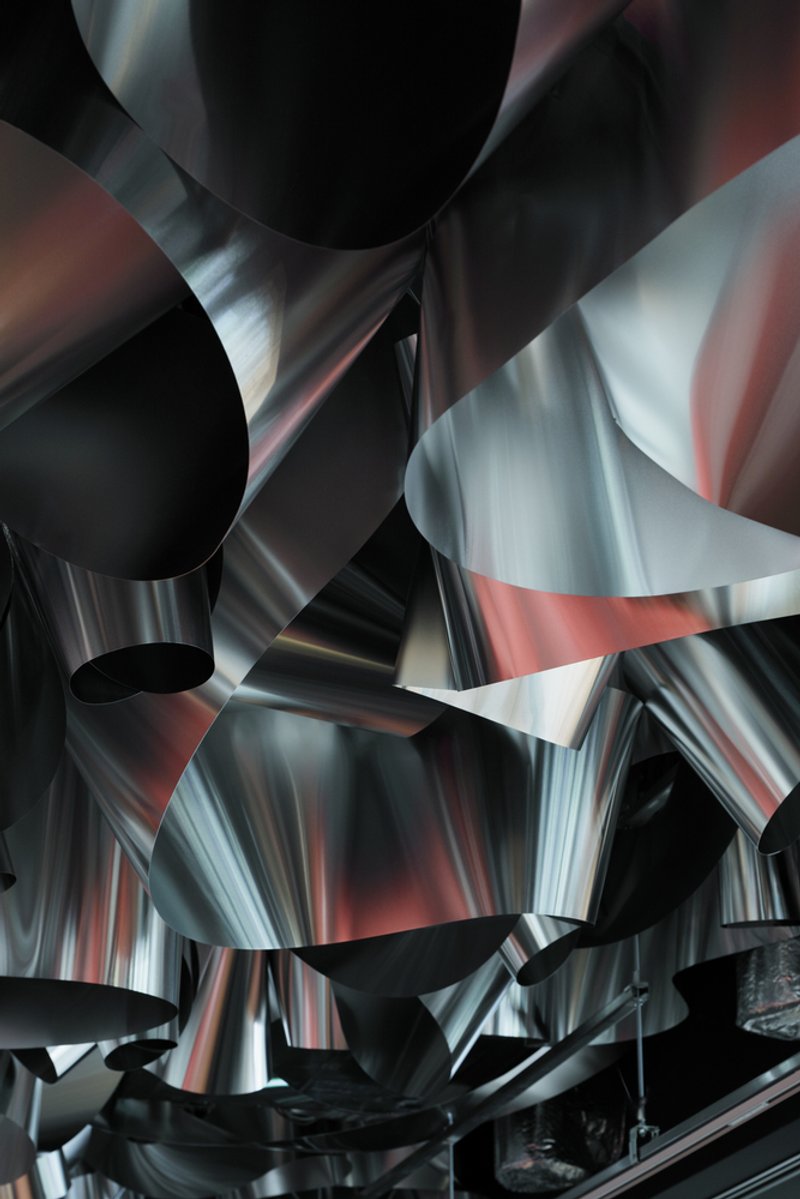
The concept of the Waterscape Office draws inspiration from Japanese traditions like kimono-making, origami, and furoshiki, where limited resources are transformed into versatile and functional designs. This principle is manifested in the use of a single "recycled" aluminum sheet that covers the ceiling, creating a dynamic and visually captivating space. The undulating metallic waves emulate the sunlight reflecting off rice paddies, a nod to Gotanda’s agricultural past.
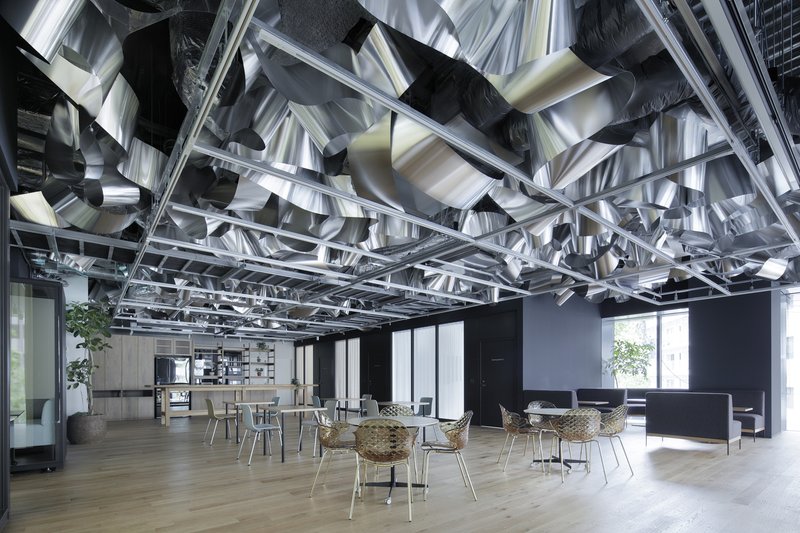
This sustainable approach not only highlights Japan's cultural heritage but also emphasizes the importance of environmentally conscious design in modern architecture. The use of recycled aluminum aligns with the growing demand for eco-friendly materials, showcasing a seamless blend of tradition and innovation.
Creating Fluid Spaces Through Design
The design concept revolves around fluidity, both in form and function. The aluminum waves vary in height and intensity across different areas, creating distinct atmospheres that cater to diverse activities.
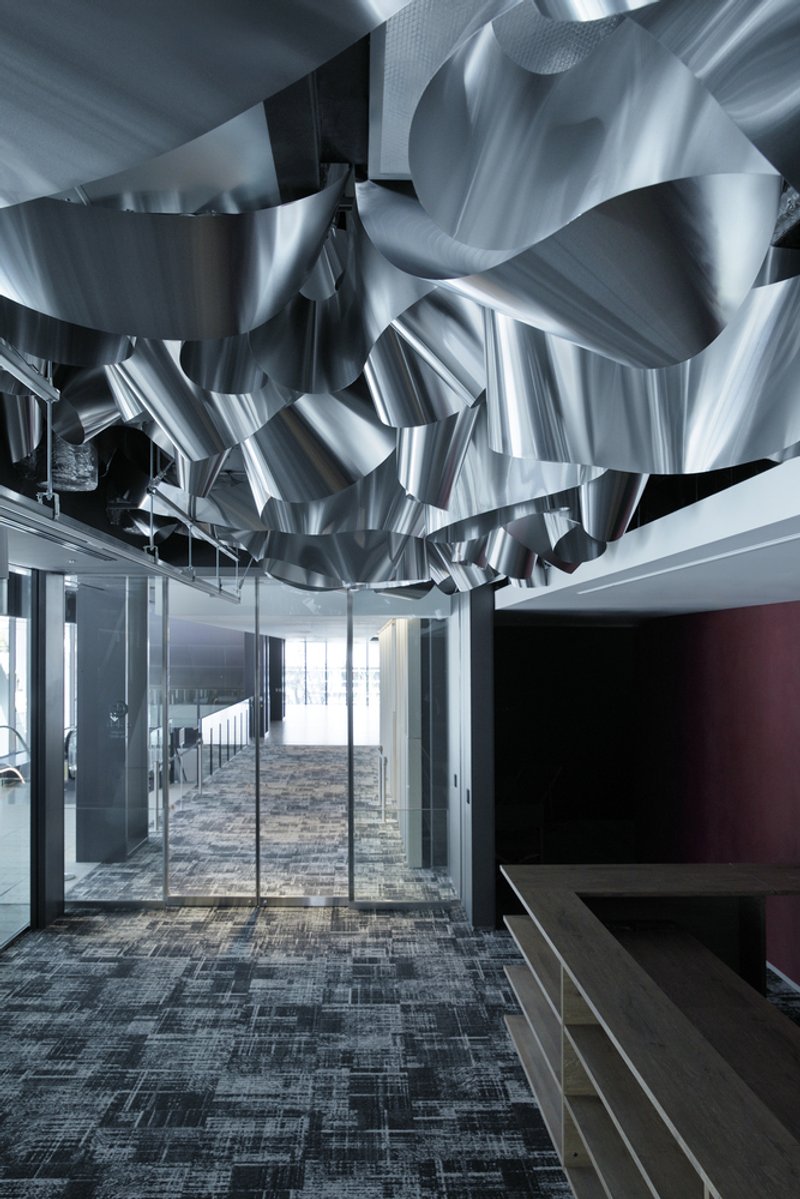
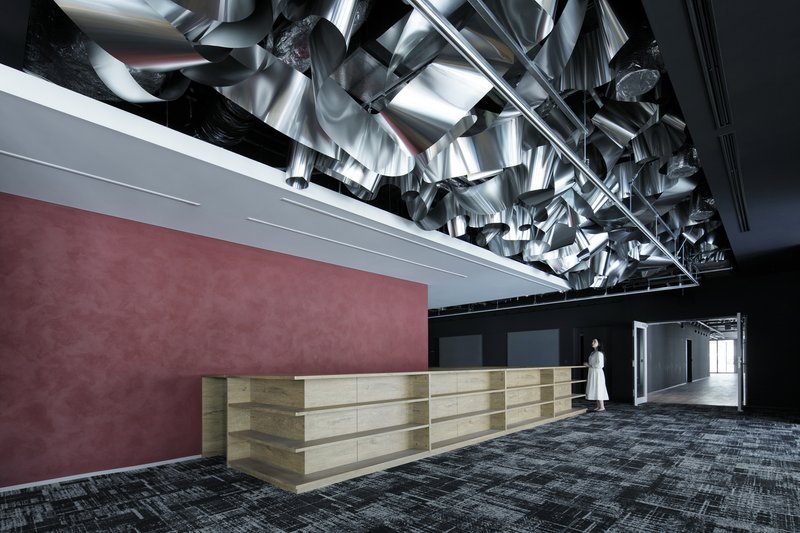
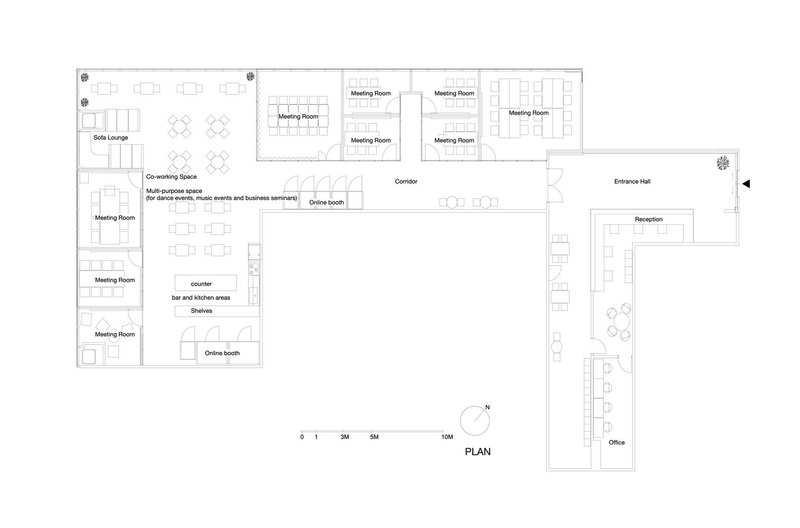
In the entrance area, the intense flow of waves introduces a sense of dynamic movement, energizing visitors and inspiring creativity. The sofa lounge and desk areas feature calmer waves and higher ceilings, offering an open and serene environment conducive to relaxation and focus.
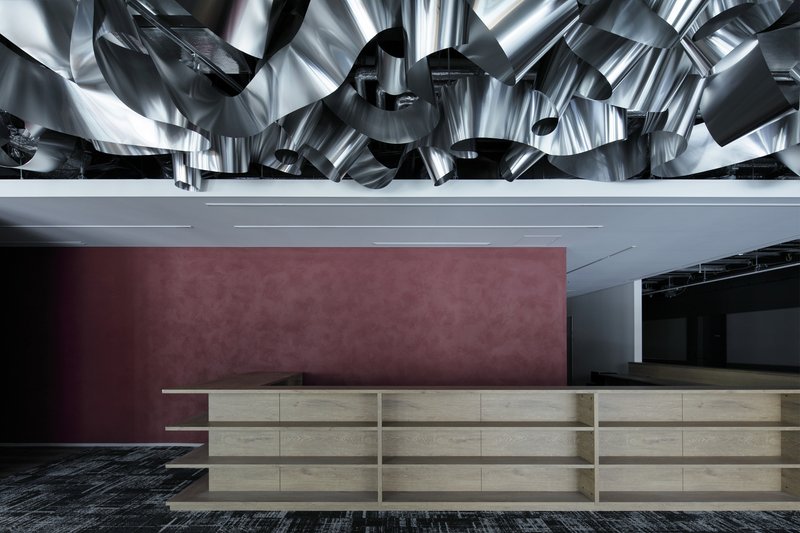
The bar and kitchen areas are designed with lower, gentler waves, fostering intimacy and encouraging deeper conversations. This thoughtful zoning ensures that each space serves its intended purpose while maintaining a cohesive design language.
Integrating Natural Light and Seasonal Changes
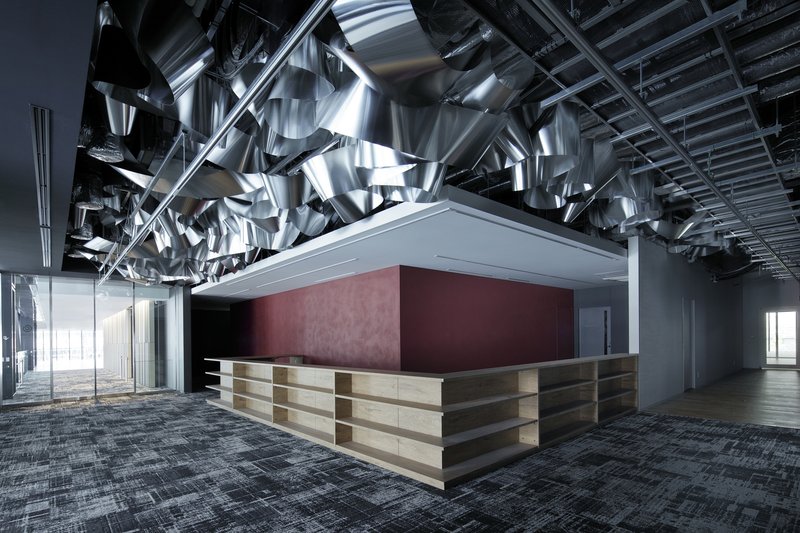
One of the defining features of the Waterscape Office is its interaction with natural light. The aluminum ceiling reflects and refracts light, creating a poetic rhythm that changes throughout the day and across seasons. This dynamic lighting effect enhances the user experience, allowing artisans and visitors to feel connected to the natural world even within a contemporary office setting.
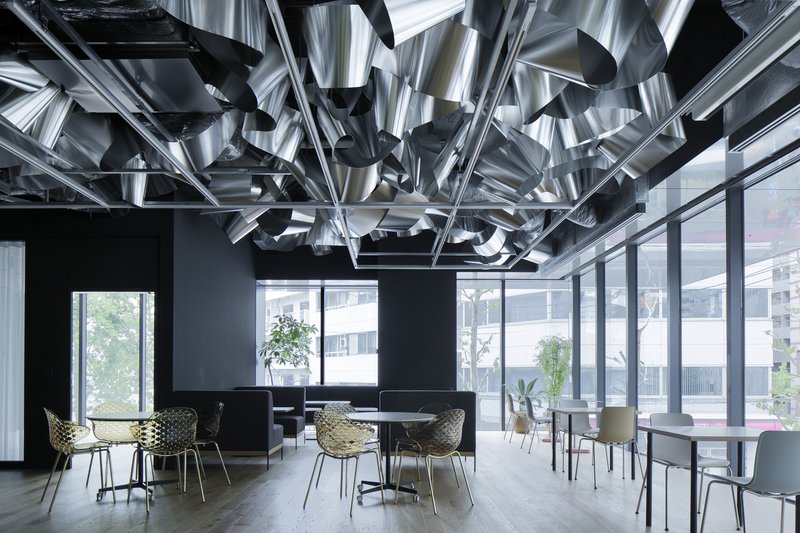
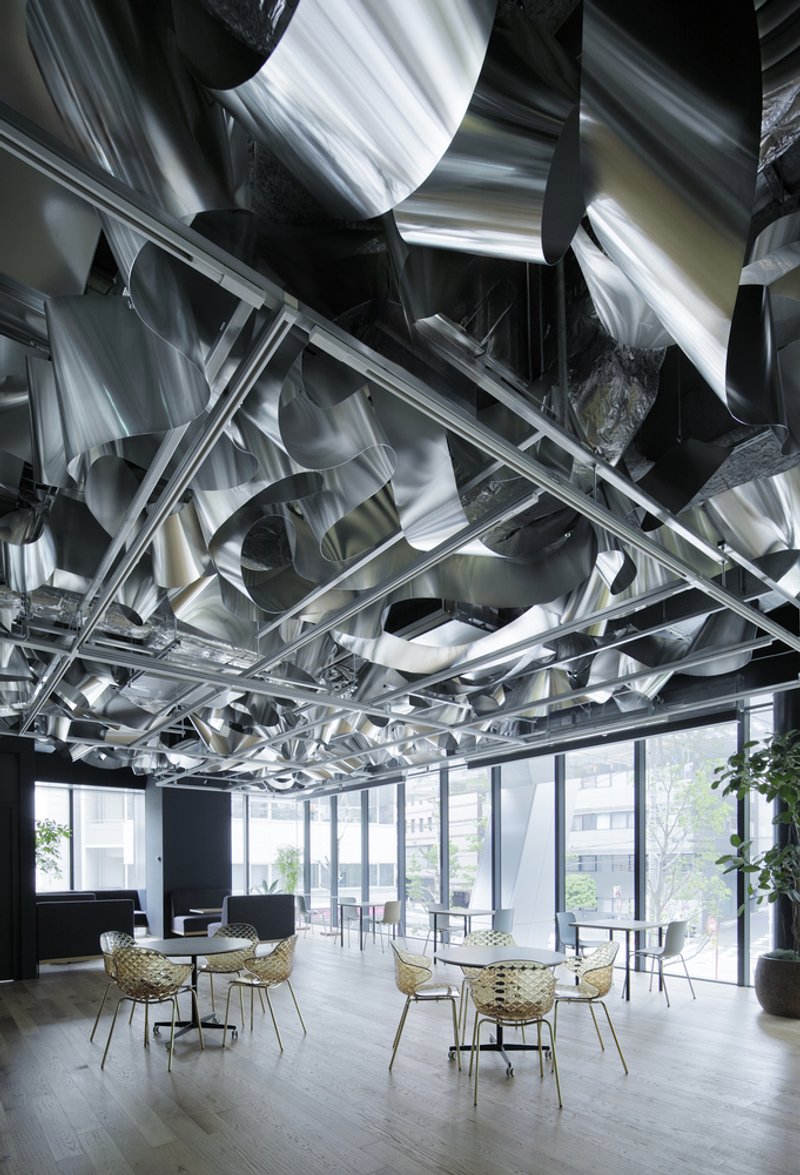
Sunny mornings, overcast afternoons, and dusky evenings each bring unique atmospheric qualities to the space, further enriching its sensory appeal. This integration of natural light ensures that the office remains a vibrant and engaging environment, regardless of the time of day.
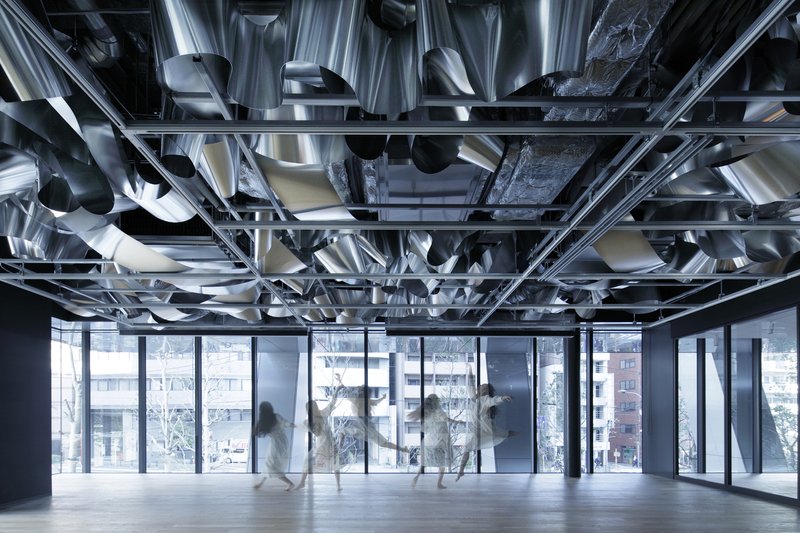
A Space for Creativity and Collaboration
The Waterscape Office is more than a workplace; it is a platform for collaboration and innovation. By uniting artisans and manufacturers in a thoughtfully designed environment, the space promotes organic exchanges of ideas and skills. The fluid design elements, inspired by water and nature, evoke a sense of unity and adaptability, mirroring the collaborative spirit of its users.
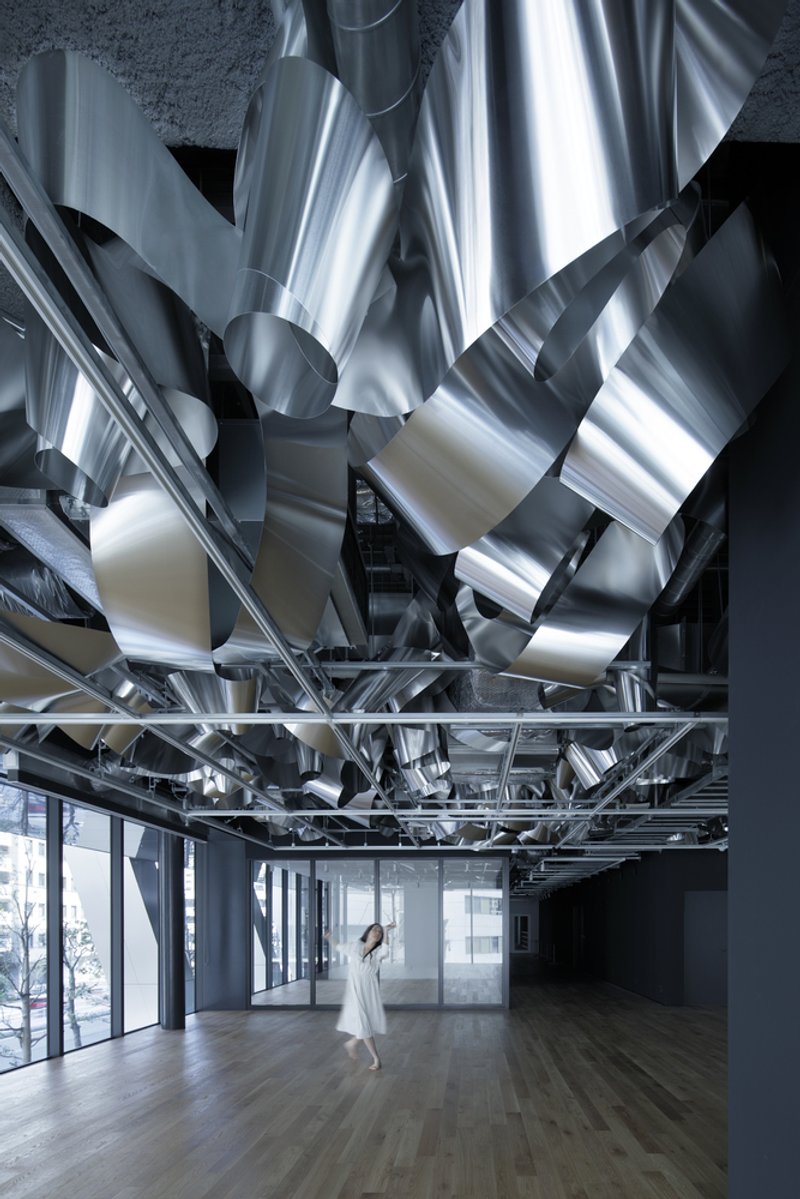
This dynamic office design exemplifies how architecture can transcend functionality to create spaces that inspire and connect. It serves as a model for future office designs that prioritize creativity, sustainability, and cultural preservation.
The Waterscape Office by Moriyuki Ochiai Architects and Harumaki Project demonstrates the transformative power of dynamic office design. Through its innovative use of recycled materials, integration of natural light, and celebration of Japanese heritage, the project redefines the modern workspace. It stands as a testament to the potential of architecture to foster creativity, collaboration, and environmental responsibility.
All Photographs are works of Daisuke Shima



Popular Articles
Popular articles from the community

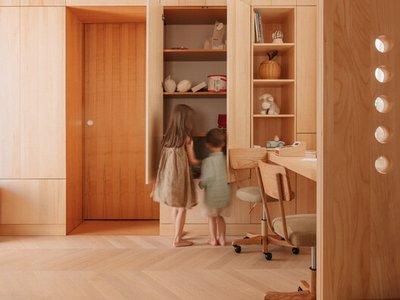
Treehouse Apartment: A Warm Timber Interior Blending Craft, Play, and Contemporary Living
Warm timber apartment with integrated treehouse, combining natural materials, craftsmanship, and playful design to create a flexible, family-oriented living environment.
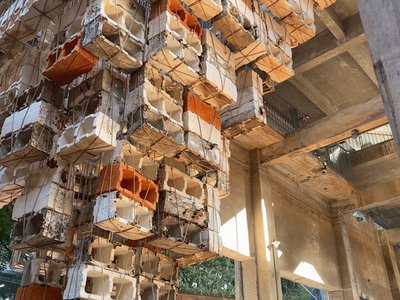
Inverted Architecture Installation by Studio Link-Arc: Exploring the Intersection of Architecture and Living Organisms
Inverted Architecture Installation by Studio Link-Arc blends mycelium, sustainability, inverted design, ecological cycles, and urban adaptive architecture in Shenzhen.


The Ken Roberts Memorial Delineation Competition (Krob)
As the most senior architectural drawing competition currently in operation anywhere in the world, it draws hundreds of entries each year, awarding the very best submissions in a series of medium-based categories.
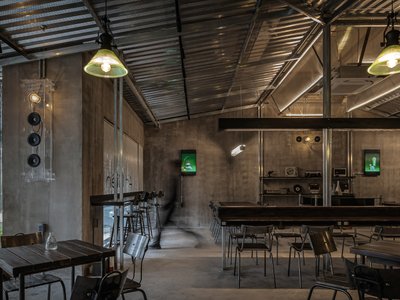
An Miên Lumière Cafe by xưởng xép, Ho Chi Minh City, Vietnam
An industrial-inspired café where layered steel and warm light create a dynamic, immersive environment shaped by reflection, depth, and perception.

Similar Reads
You might also enjoy these articles
The Ken Roberts Memorial Delineation Competition (Krob)
As the most senior architectural drawing competition currently in operation anywhere in the world, it draws hundreds of entries each year, awarding the very best submissions in a series of medium-based categories.


Waterfront Redevelopment and Urban Revitalization in Mumbai: Forging a New Dawn for Darukhana
A transformative waterfront redevelopment project reimagining Darukhana’s shipbreaking heritage into an inclusive urban future.
OUT-OF-MAP: A Call for Postcards on Feminist Narratives of Public Space
Rhizoma Design and Research Lab invites artists, designers, architects, researchers, and students to reflect on how feminist perspectives can reshape public space. Selected works will be exhibited in Barcelona, October 2026. Submissions open until 15 April 2026.

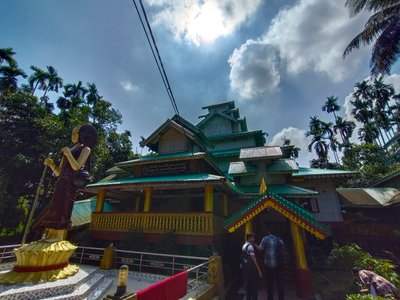
Documentation Work on Buddhist Wooden Temple
Architectural syncretism and cultural hybridity: A comparative study of the Buddhist temples in Chattogram Hill tracks
Explore Architecture Competitions
Discover active competitions in this discipline




The International Standard for Design Portfolios


The Global Benchmark for Architecture Dissertation Awards


The Global Benchmark for Graduation Excellence


Challenge to reimagine the Iron Throne
Comments (0)
Please login or sign up to add comments
No comments yet. Be the first to comment!