

Eco-Friendly Factory Design: The Fendi Factory by Piuarch
The article discusses the Fendi Factory by Piuarch, showcasing its innovative eco-friendly design and integration into the Italian landscape.


In the wake of environmental consciousness, eco-friendly factory design has emerged as a critical aspect of modern architecture. The Fendi Factory in Bagno a Ripoli, designed by the renowned Milan-based Piuarch studio, serves as a quintessential example of how industrial spaces can harmonize with nature while maintaining efficiency and aesthetic appeal.

Harmonious Integration with Nature
The Fendi Factory stands as a testament to architecture that blends seamlessly into the landscape. Inspired by the site's natural contours, Piuarch designed the factory to be a subtle presence, with a green roof that reestablishes the original hillside shape. This eco-friendly approach not only diminishes the visual impact but also promotes biodiversity and energy efficiency.
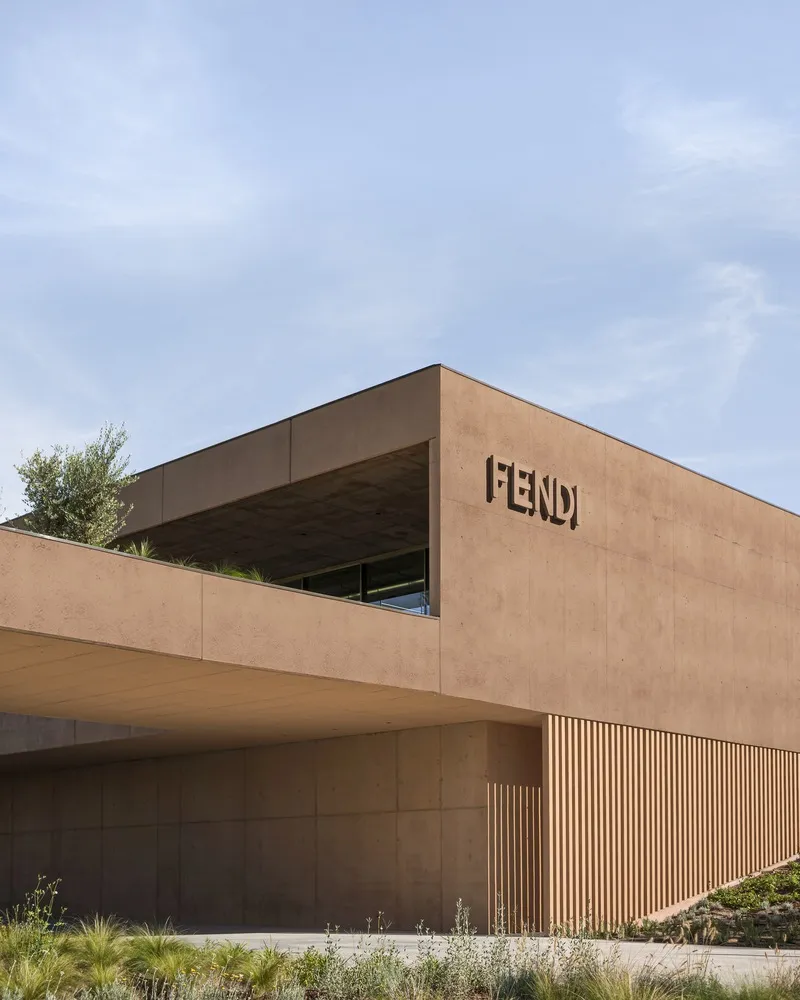
The Green Roof: A Symbol of Sustainability
The expansive green roof is the hallmark of the Fendi Factory, integrating the building with its environment and serving multiple ecological and social functions. It acts as an insulating layer, reducing energy consumption and enhancing the building’s overall sustainability. The roof garden also becomes a communal space for employees, promoting well-being and social interaction.

Interior and Exterior Dialogue
The design philosophy extends beyond the exterior, fostering a relationship between the building’s interior and its surroundings. Large patios interrupt the green roof, bringing natural light into the workspaces and creating a serene atmosphere. The use of transparent walls and materials reflecting the local color palette strengthens the bond between inside and outside, enhancing the overall working environment.

A New Model for Industrial Spaces
The Fendi Factory by Piuarch redefines the conventional industrial facility, prioritizing the well-being of its users and the environment. This project illustrates how factories can contribute positively to the landscape, incorporating advanced energy efficiency standards and a high level of landscaping.


Setting New Standards for Factory Design
The Fendi Factory in Bagno a Ripoli exemplifies the potential of eco-friendly factory design to create spaces that are productive, sustainable, and integrated with their natural surroundings. By prioritizing environmental and social factors, Piuarch sets new standards for how factories and similar industrial projects can be developed in harmony with the planet.
All photographs are work of Andrea Ferrari


Popular Articles
Popular articles from the community


Faces of the Soviet Avant-Garde: Turning Moscow's Street Names into an Open-Air Museum
A network of sculptural installations across a Moscow residential district transforms forgotten architect names into spatial encounters with cultural memor

Opera by the Sea Estonia: Three Shells Dissolving Architecture into Tallinn's Coastline
A winning opera house proposal replaces monumental form with interconnected shells that blur the boundary between building, park and Baltic Sea.

Temporary Home for Dogs: A Reversed Zoo Rethinks Animal Shelter Architecture
In Bucharest, a sinuous corridor and freed landscape flip the logic of containment, designing a shelter that works to make itself unnecessary.

Opera on the Sea: Driftwood Logic Shapes a Timber Opera House on Estonia's Coast
Trevor Orgill's opera house translates the entangled drift of floating timber into a civic building where wood, water, and music converge.

Similar Reads
You might also enjoy these articles


Hodi-Mandai Geram
Project Function: Preservation and revitalization of the Intangible heritage and socio-spatial identity of the Hodi by Housing, Cultural Memory Center, Sacred Grove, landscape, local tourism economy


Olio Towers: A Mid-Rise for Performers That Fuses Housing, Rehearsal, and Stage
Located blocks from Houston's Theater District, this modular tower stacks living units around a central performance atrium.

Oasis: Modular Green Housing Carved into Dhaka's Urban Fabric
A shortlisted Plugin Housing entry reclaims unauthorized settlements in Dhaka with stepped concrete volumes, green roofs, and ventilation-driven design.

Black Hole: A Floating Megastructure for the Post-Physical Era
Emiliano Mazzarotto envisions a spherical, self-scaling arena where e-sports, digital hotels, and holographic stadiums replace traditional public space.

Explore Eco-Friendly Competitions
Discover active competitions in this discipline

Challenge to reimagine the Iron Throne

Photograph architecture without architects

Illustrate the lost glory of Angkor Wat - Render Challenge

Design challenge to reuse E-waste
Comments (0)
Please login or sign up to add comments
No comments yet. Be the first to comment!