
Folded Ground: A Neighborhood Facility in Hongdae's Vibrant Urban Landscape
Explore the innovative architectural design of the "Folded Ground" neighborhood facility, seamlessly blending with Hongdae's vibrant urban context.

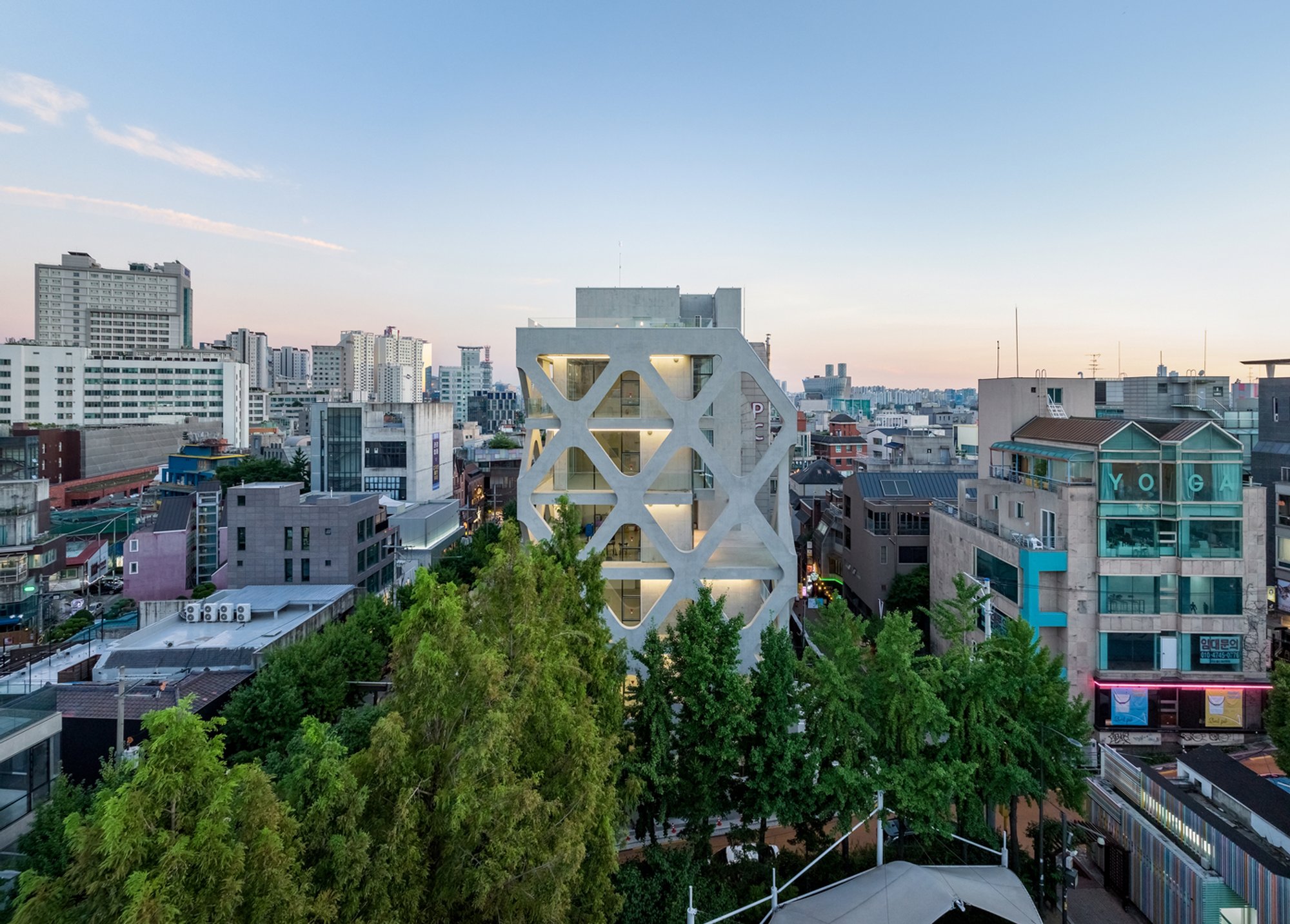
In the heart of Mapo-gu, South Korea, the "Folded Ground" neighborhood facility stands as a testament to innovative urban architecture. Designed by LIFE Architects, this structure is both a community hub and a visual landmark, responding dynamically to the bustling atmosphere of the Hongdae area. With its intriguing form and thoughtful design, it fosters a unique connection between the vibrant energy of the city and the calmness of its surrounding park.
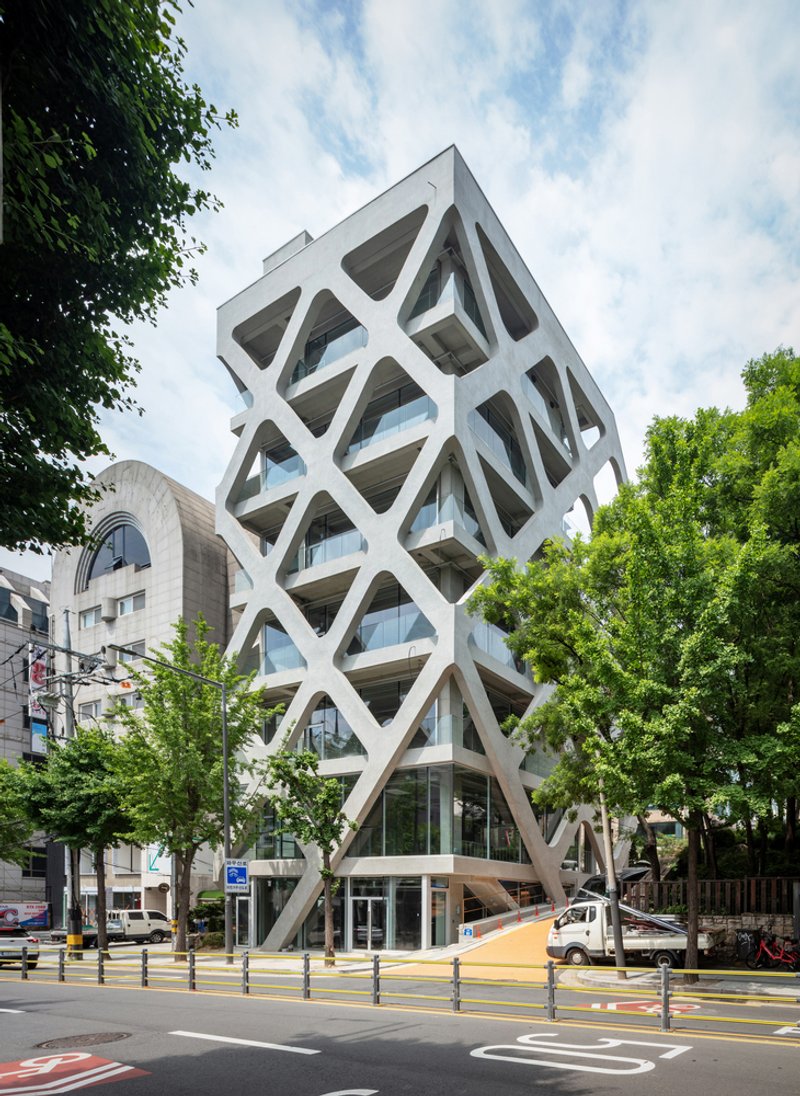
The Concept of Folded Ground
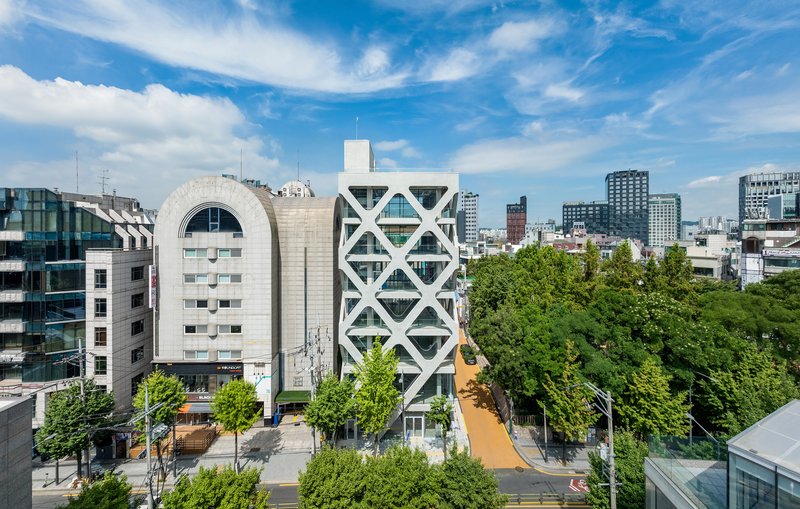
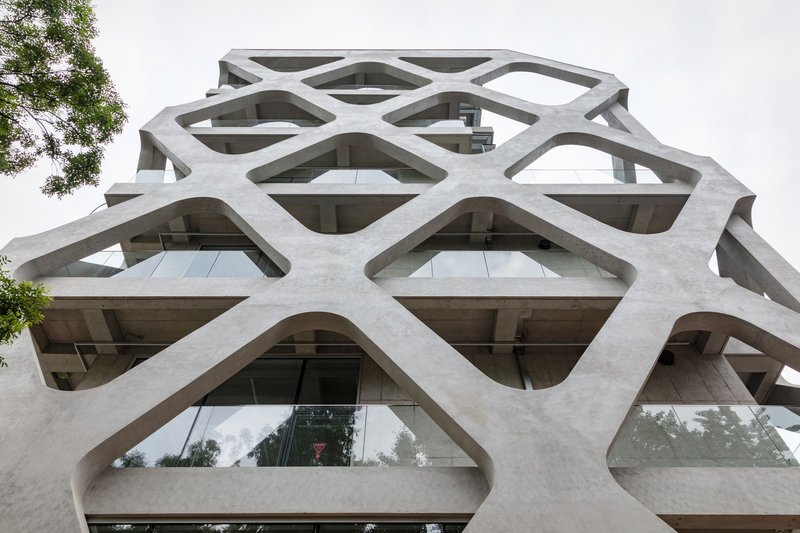
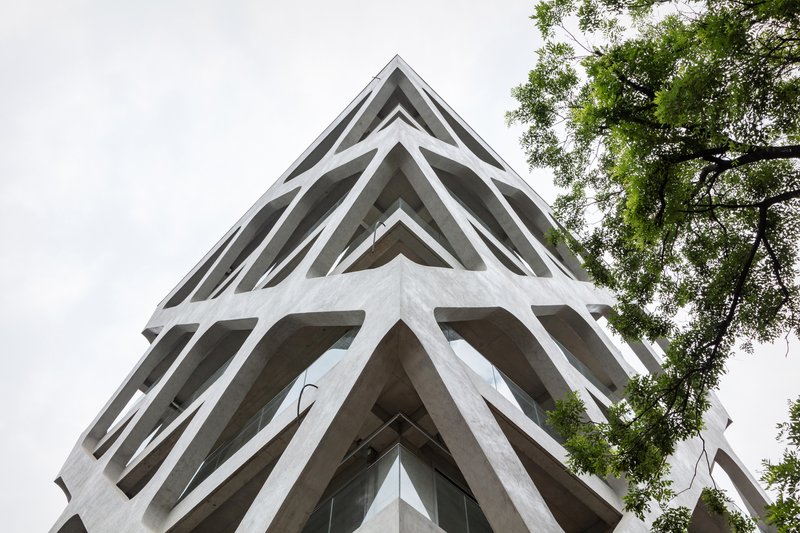
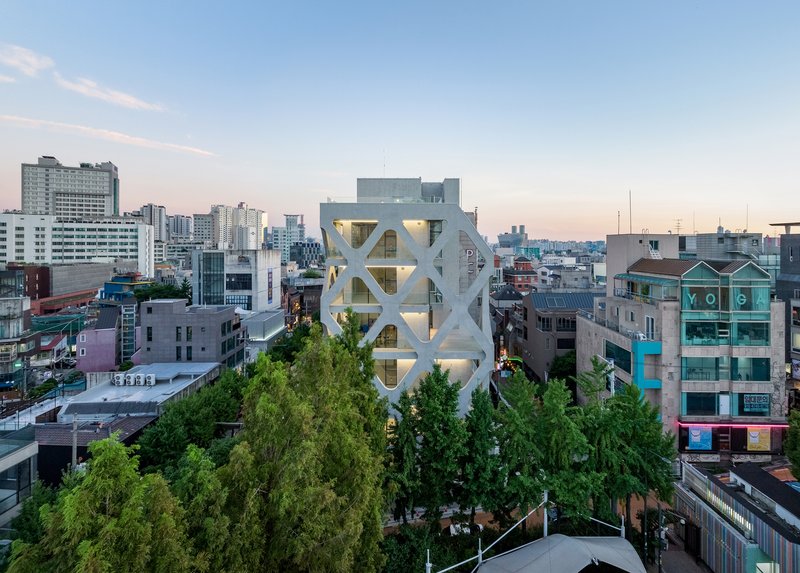
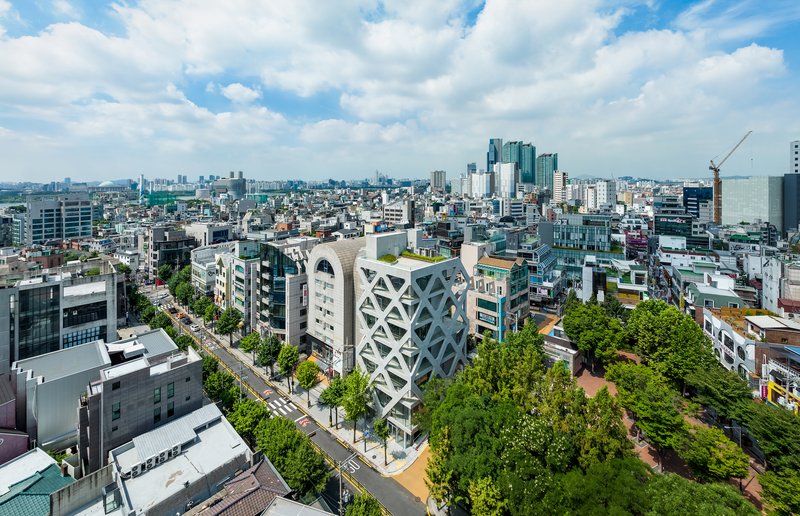
Located at the crossroads of Hongdae's Wausan-ro and a playground, the "Folded Ground" facility creates a seamless interaction between its architectural form and the lively urban environment. The building's unique folded design seeks to bridge the gap between the chaotic streets of Hongdae and the peaceful, green spaces of the nearby playground. This intersection of commercial and public realms defines the project’s conceptual framework.
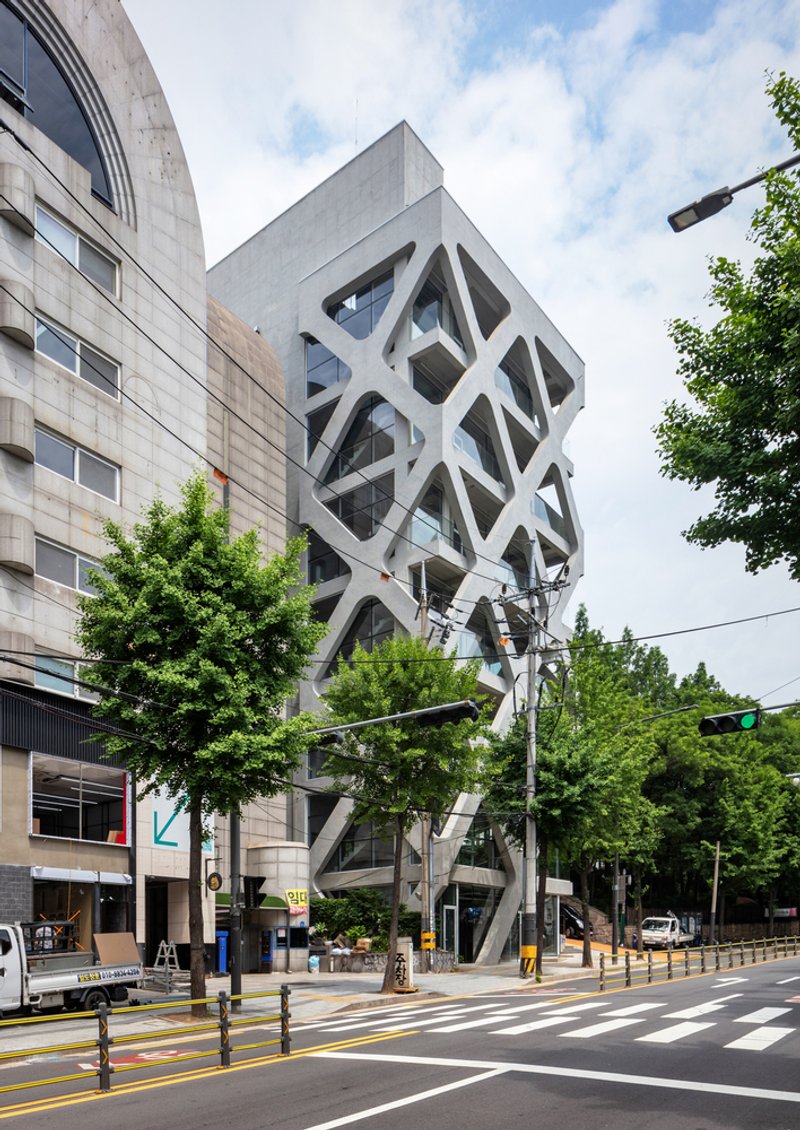
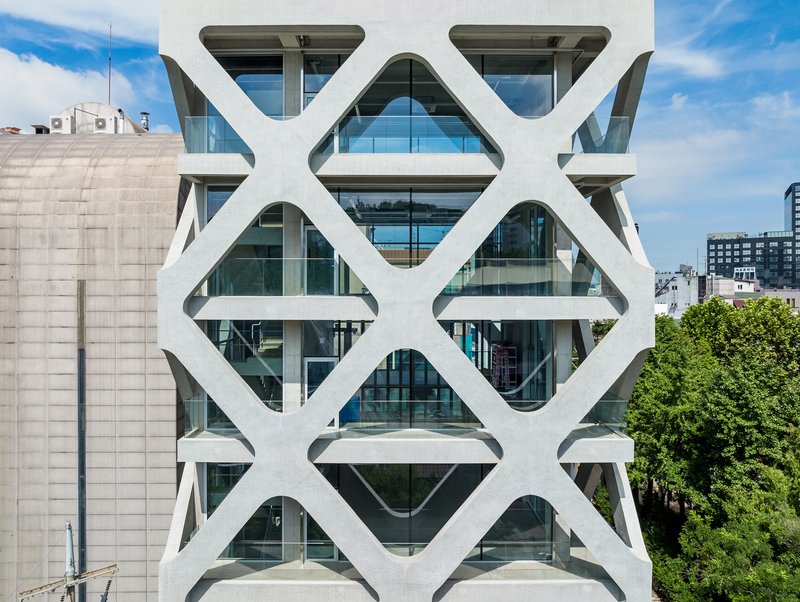
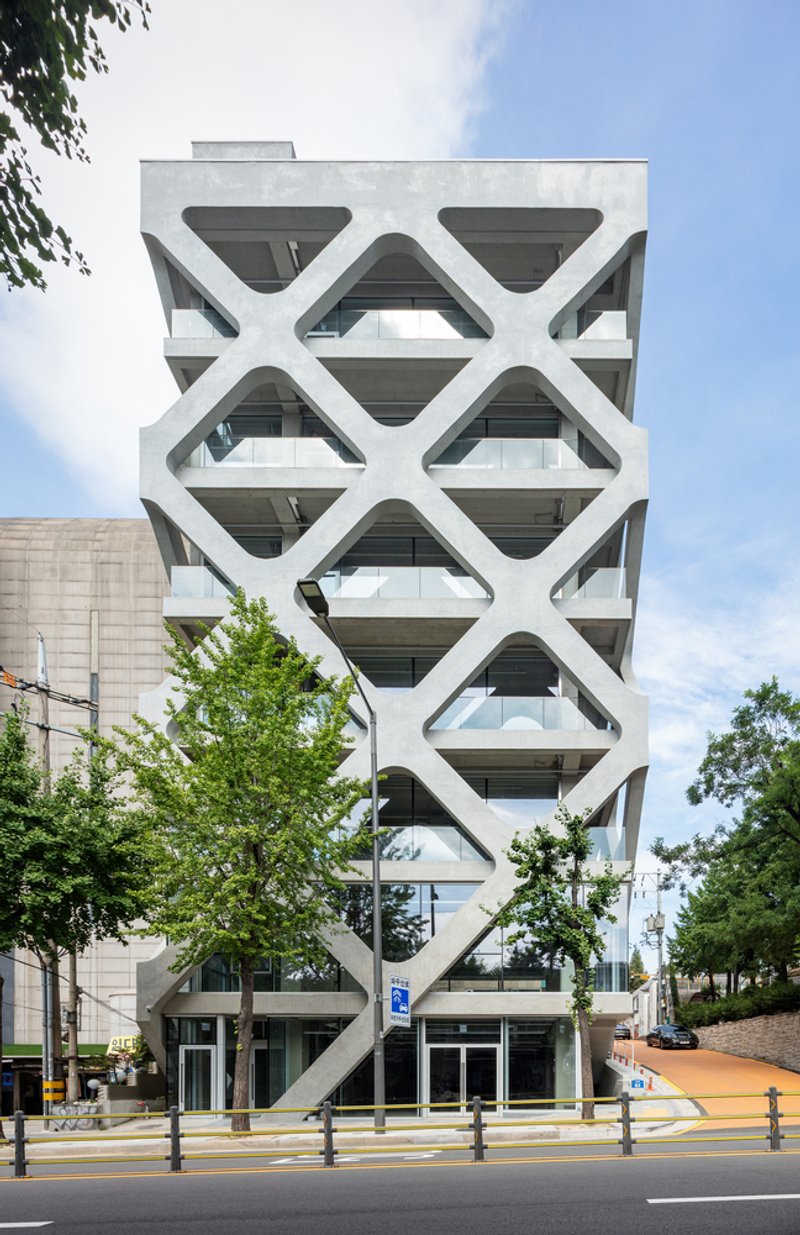
Exploring the Interaction Between Interior and Exterior
At the start of the project, the architects were challenged to design a space that would harmonize with Hongdae’s vibrant cultural atmosphere while fulfilling the practical needs of a neighborhood facility. The facility’s three continuous facades—facing the busy streets and the serene park—are designed to be responsive, allowing for a dynamic relationship between the inside and outside.
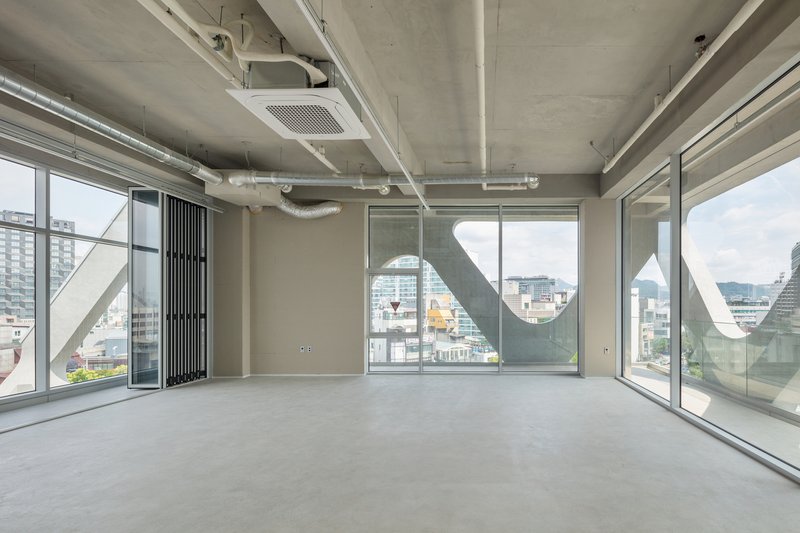
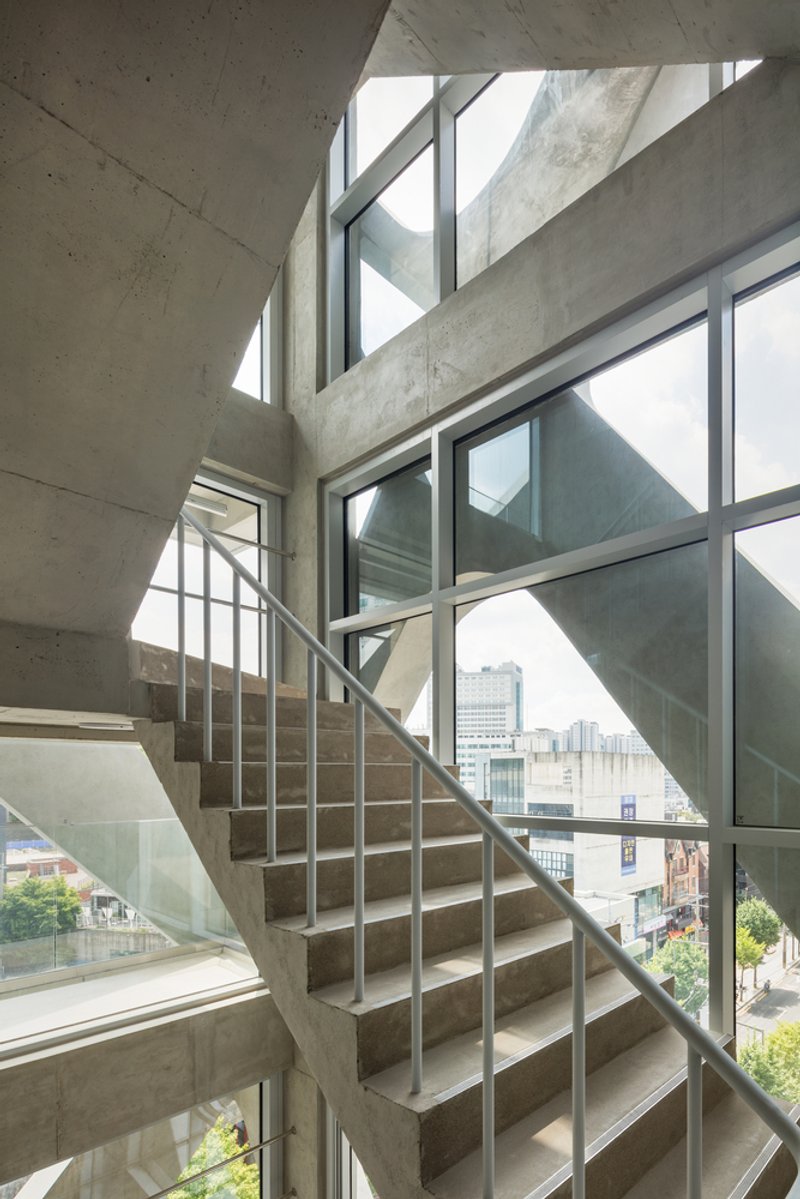
As the building’s form "folds" over the site, it blurs the boundaries between public and private spaces, offering unique experiences for visitors and pedestrians alike. The spatial transitions within the building echo the fluidity of the surrounding urban fabric, creating a continuity between the lively streets and the tranquil park.
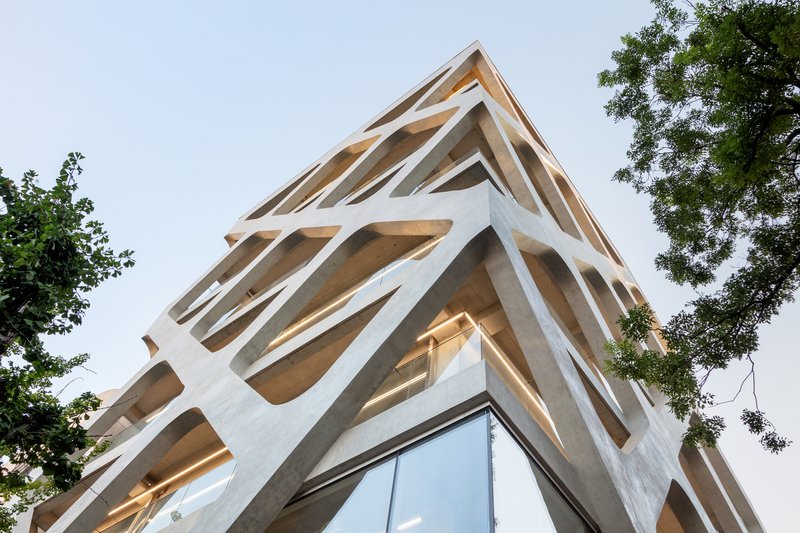
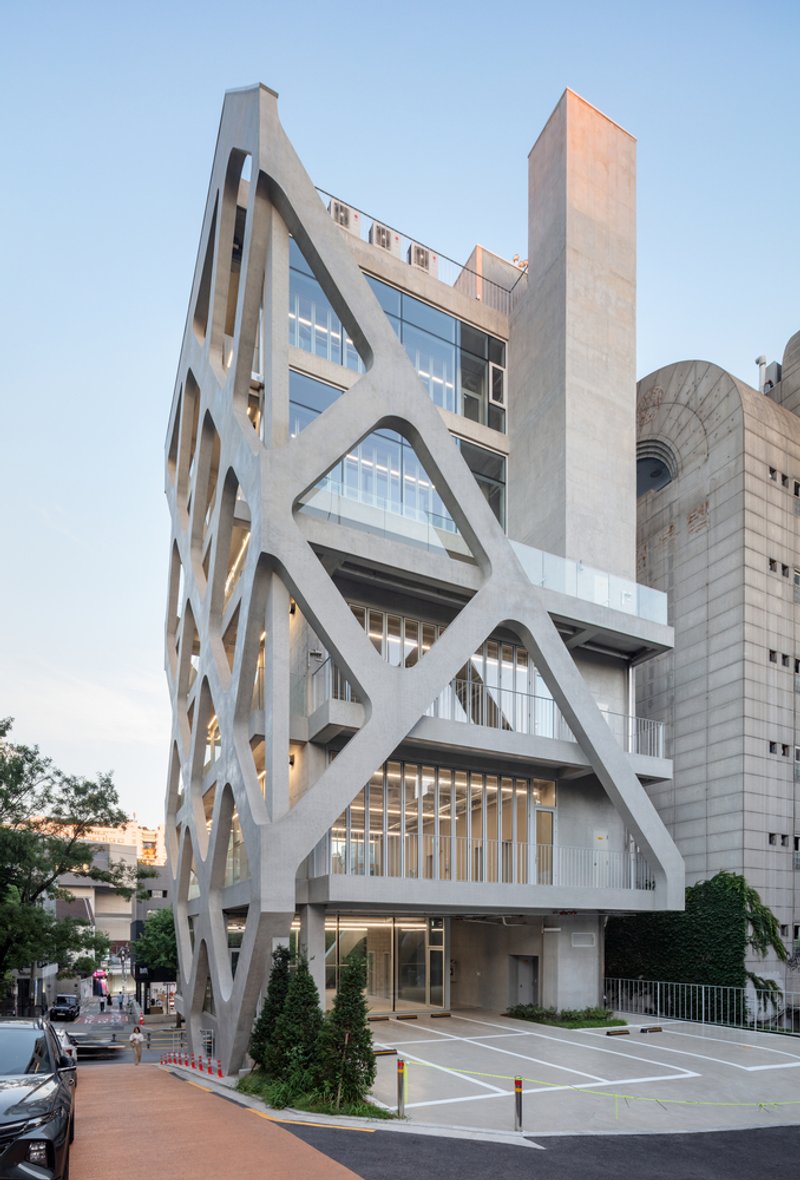
A Multifunctional Space for the Community
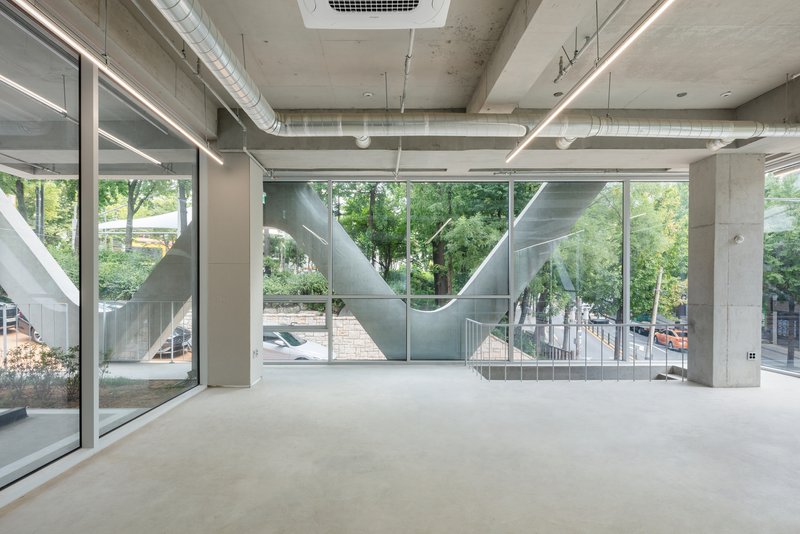
"Folded Ground" is not just an architectural statement; it is designed with purpose. Inside, the facility houses a mix of commercial spaces, offices, and communal areas. The design provides a series of open, adaptable spaces that respond to the changing needs of the community. Commercial areas with high visibility face the bustling streets, while private offices enjoy the tranquility of the interior, offering a balance between exposure and privacy.
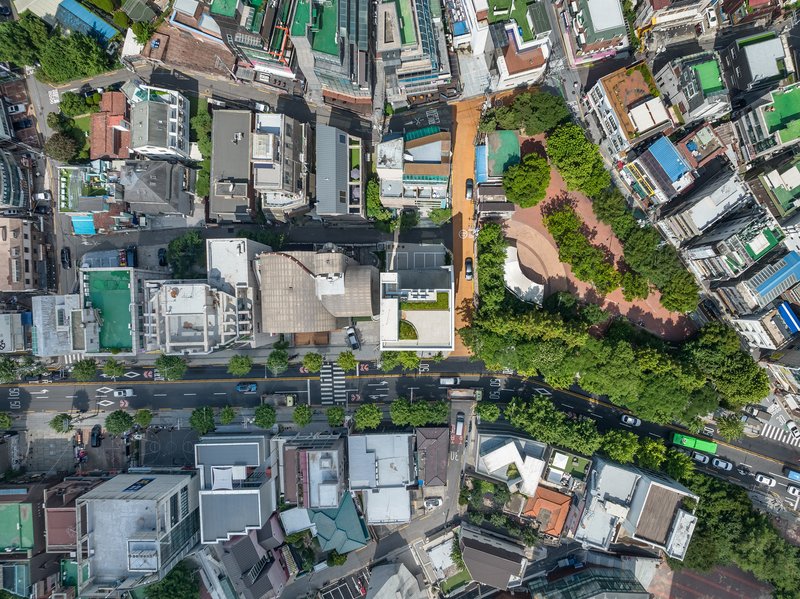
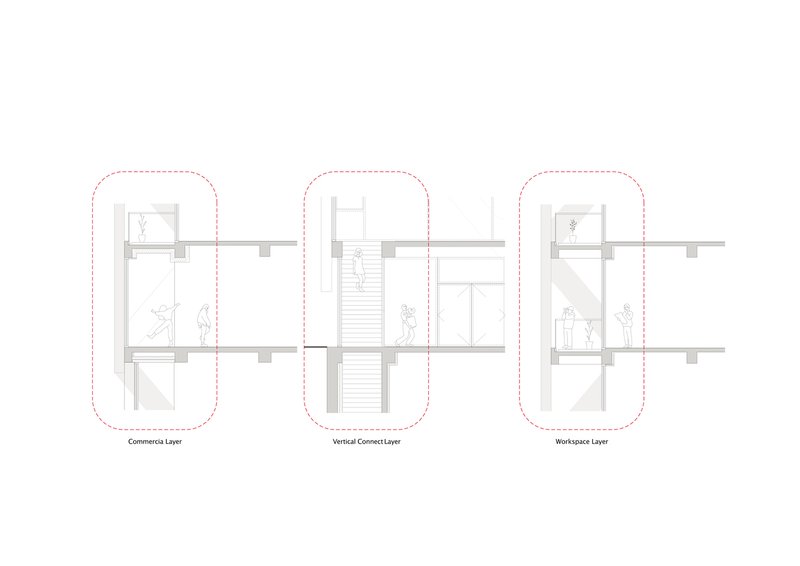
The internal circulation is marked by voids and open spaces that facilitate easy movement throughout the building. These vertical passages create moments of pause, where visitors can take in dynamic views framed by the structural elements. These spaces reinforce the idea of the building as an experience, where the architecture becomes a part of the journey through the space.
Architecture as a Response to Urban Context
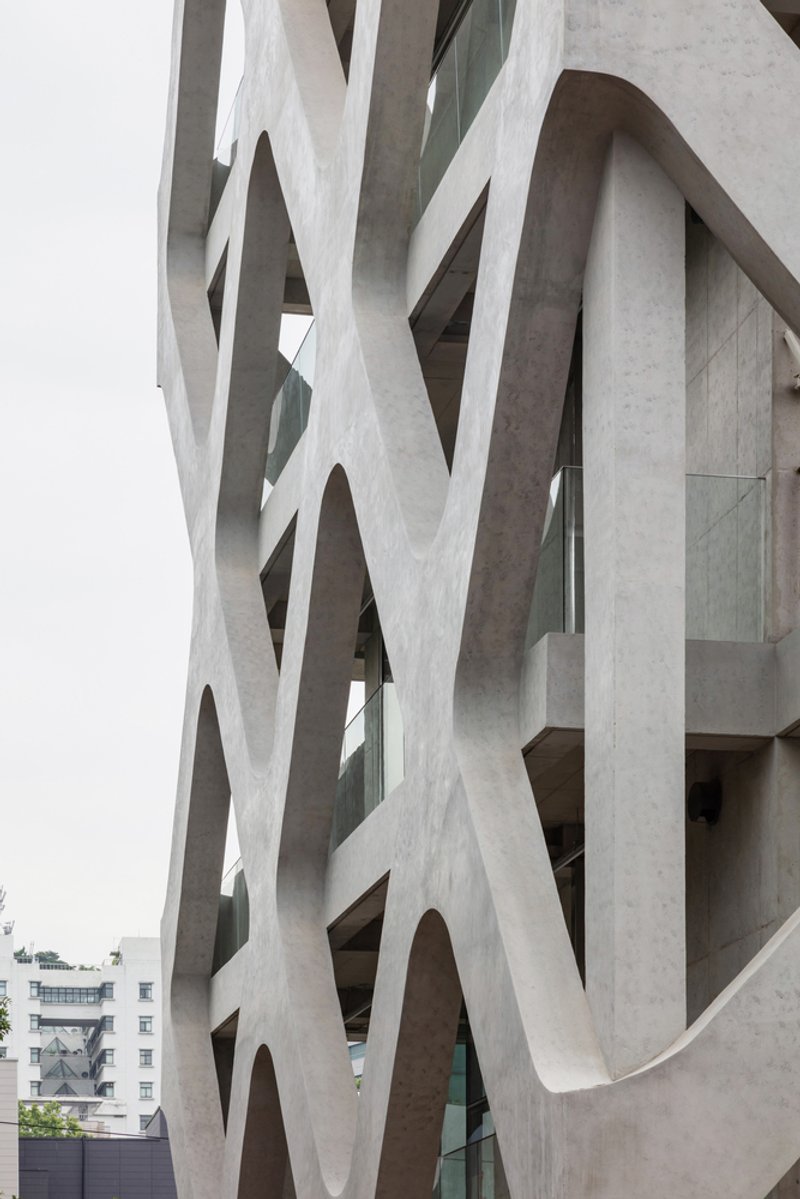
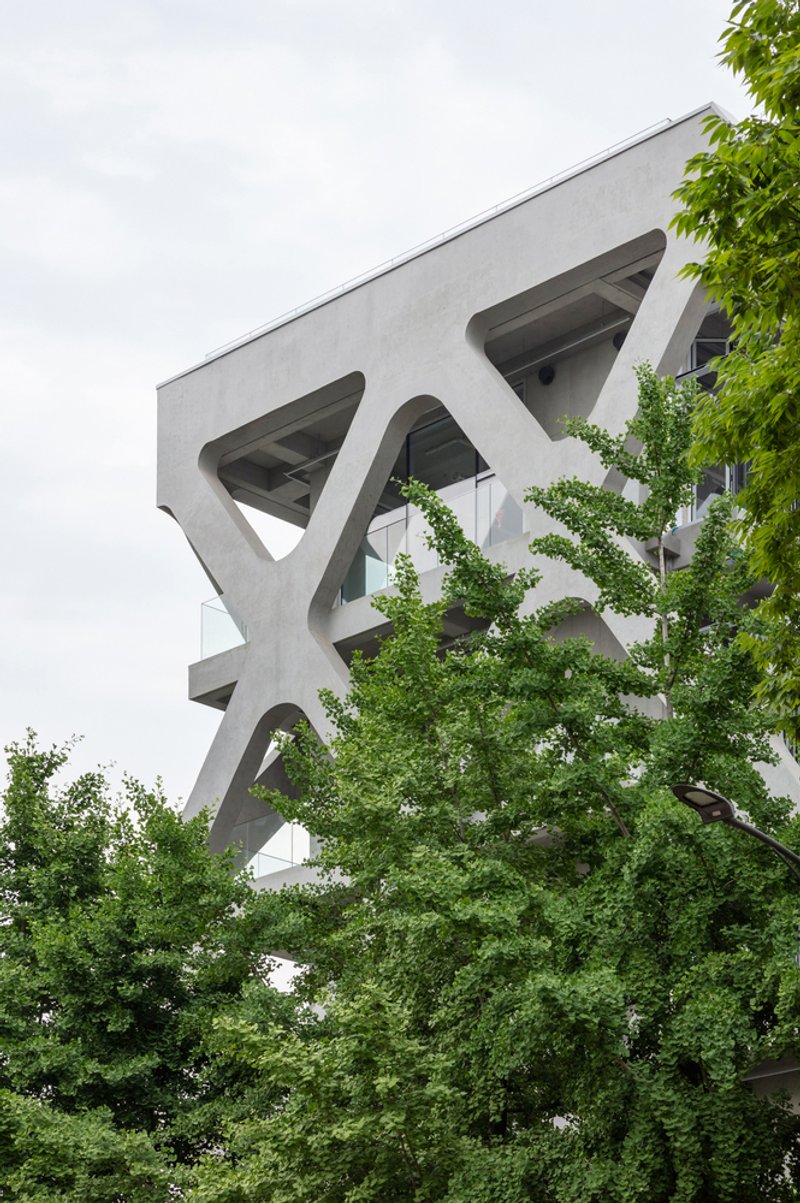
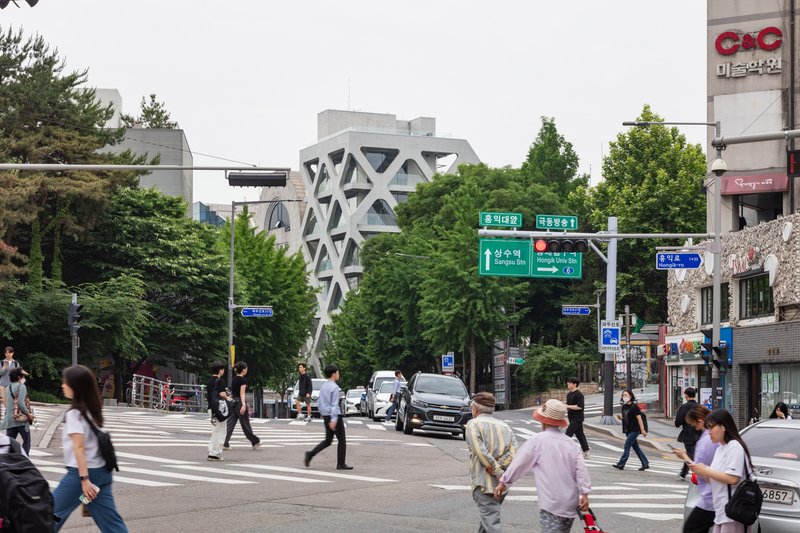
The relationship between the building and its surroundings is fundamental to its design. By integrating visual and spatial connections to the surrounding neighborhood, the "Folded Ground" facility creates a sense of belonging within the urban landscape. The diagonal concrete structure not only defines the building's exterior but also offers a rich, dynamic interior experience, where users encounter new perspectives with each movement.
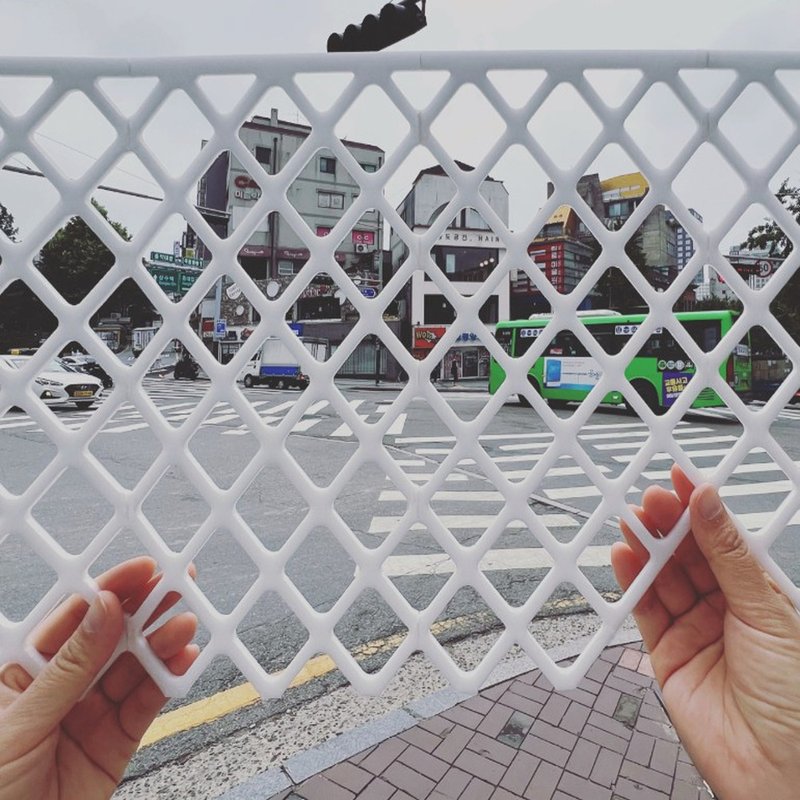
Pedestrians walking past the facility discover a building that offers a moment of respite. The folded concrete surfaces break up the otherwise monotonous urban backdrop, providing a dynamic yet peaceful transition between the hustle of Hongdae and the calm of the park. The building is an oasis of calm amidst the constant flow of activity in the area.
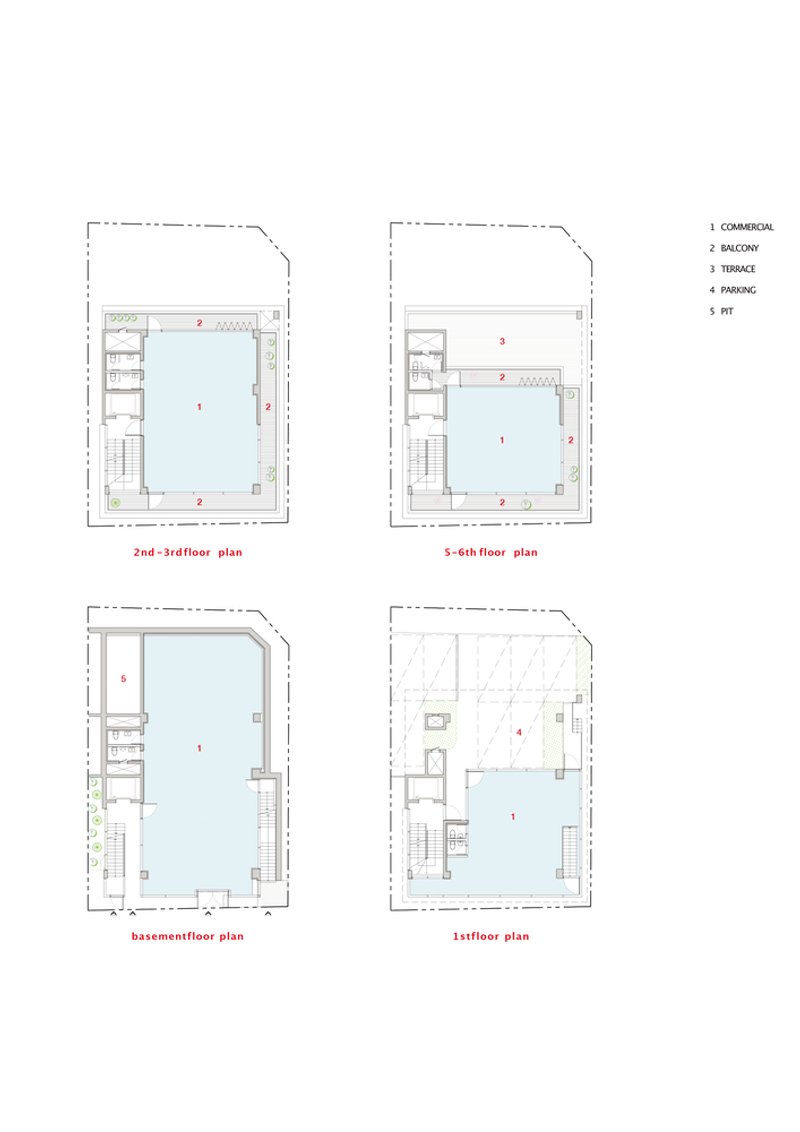
"Folded Ground" is a neighborhood facility that exemplifies the power of thoughtful design to engage with its environment. Its folded, dynamic structure responds to both the energy of Hongdae and the need for peaceful, adaptable spaces in an urban setting. LIFE Architects have succeeded in creating a building that not only functions as a neighborhood facility but also acts as a visual landmark and a vital part of the urban fabric.
All Photographs are works of Kyungsub Shin




Popular Articles
Popular articles from the community

On the Brooks House by Monsoon Collective – A Contemporary Kerala Home Rooted in Tradition
Kerala home blending tradition and modernity with water-inspired design, brick architecture, courtyard planning, and sustainable rainwater harvesting strategies.
Atelier Macri Concept Store Interior Design by CASE-REAL
Atelier Macri store features a "ko" counter, walnut wood details, cork displays, blending retail, gallery, and seamless customer experiences.


The Ken Roberts Memorial Delineation Competition (Krob)
As the most senior architectural drawing competition currently in operation anywhere in the world, it draws hundreds of entries each year, awarding the very best submissions in a series of medium-based categories.
Fifth NRE Jazz Club – De Bever Architecten: Eindhoven’s Revitalized Cultural Hub
Historic gas factory transformed into Fifth NRE Jazz Club blending modern sustainability, jazz culture, dining, and heritage architecture seamlessly.


Similar Reads
You might also enjoy these articles
The Ken Roberts Memorial Delineation Competition (Krob)
As the most senior architectural drawing competition currently in operation anywhere in the world, it draws hundreds of entries each year, awarding the very best submissions in a series of medium-based categories.

Waterfront Redevelopment and Urban Revitalization in Mumbai: Forging a New Dawn for Darukhana
A transformative waterfront redevelopment project reimagining Darukhana’s shipbreaking heritage into an inclusive urban future.
OUT-OF-MAP: A Call for Postcards on Feminist Narratives of Public Space
Rhizoma Design and Research Lab invites artists, designers, architects, researchers, and students to reflect on how feminist perspectives can reshape public space. Selected works will be exhibited in Barcelona, October 2026. Submissions open until 15 April 2026.

Documentation Work on Buddhist Wooden Temple
Architectural syncretism and cultural hybridity: A comparative study of the Buddhist temples in Chattogram Hill tracks


Explore Architecture Competitions
Discover active competitions in this discipline




The International Standard for Design Portfolios


The Global Benchmark for Architecture Dissertation Awards


The Global Benchmark for Graduation Excellence


Challenge to reimagine the Iron Throne
Comments (0)
Please login or sign up to add comments
No comments yet. Be the first to comment!