
Four Car Parks: Redefining Urban Architecture in Bahrain's Historic Muharraq
The Four Car Parks transform Bahrain's urban landscape, merging functionality and design to create multifunctional public spaces in Muharraq.

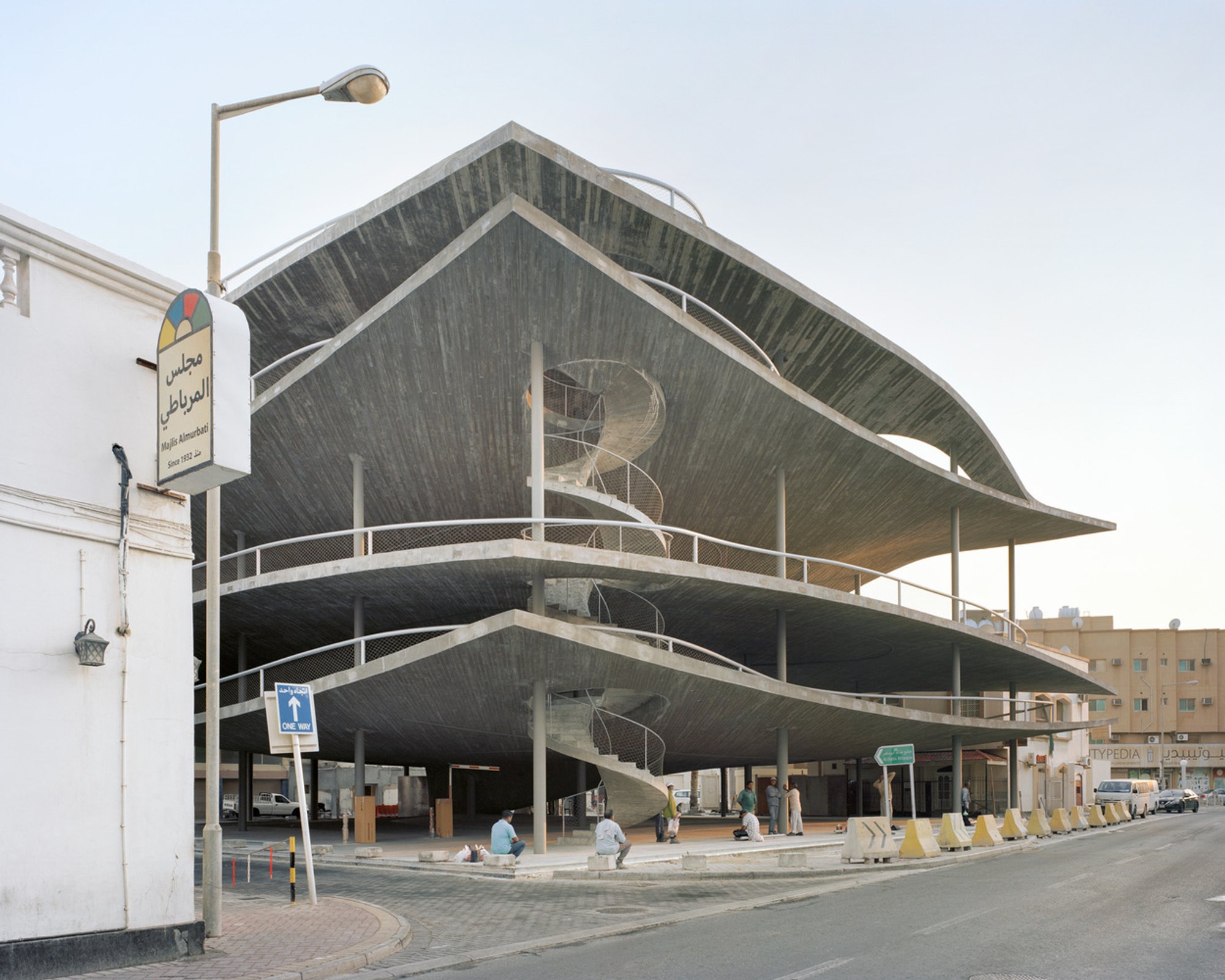
In the heart of Muharraq's historic Old City Center, the Four Car Parks project by Christian Kerez represents an architectural marvel. As part of Bahrain’s Pearl Path Project, commissioned by the Ministry of Culture, these car parks transcend conventional parking design. They transform urban spaces into multifunctional venues for public interaction, blending seamlessly with the dense medieval urban fabric of Muharraq.
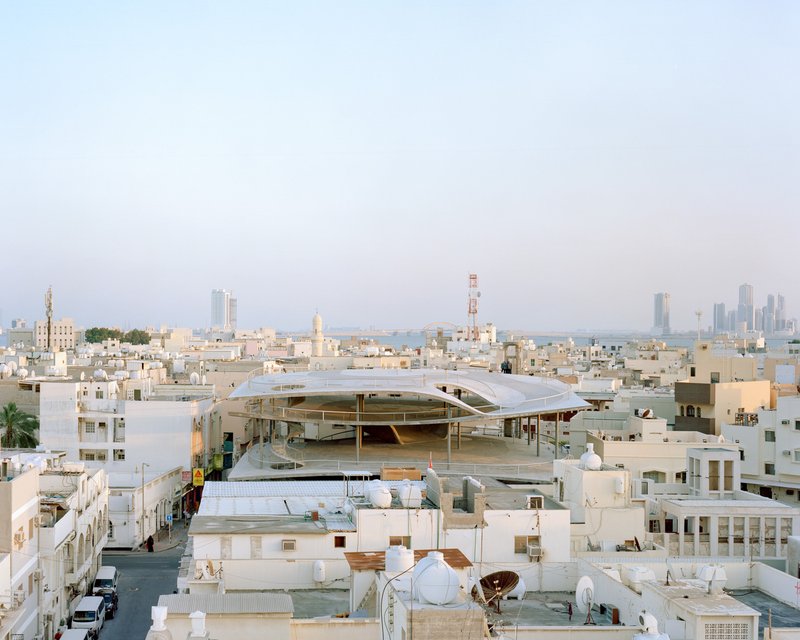
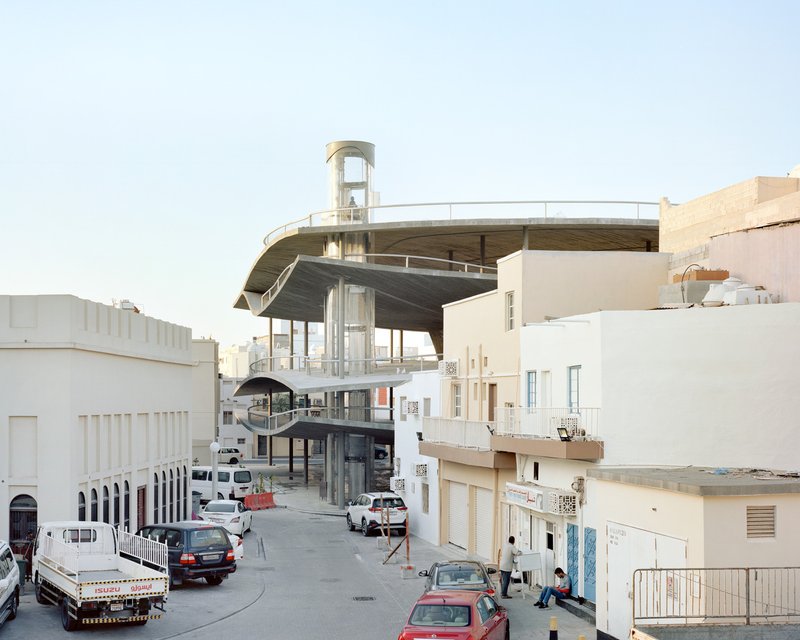
With a combined area of 45,000 square meters, the Four Car Parks offer more than just parking solutions—they create evolving spaces for prayer, markets, and events. This innovative approach highlights the potential of parking structures to become integral components of urban life.
Context and the Pearl Path Project
The Four Car Parks are a pivotal element of the broader Pearl Path Project, which aims to restore Muharraq’s traditional residences while introducing contemporary architecture. Alongside iconic projects like the Pavilion for the World Expo by Anne Holtrop and a visitor center by Valerio Olgiati, these car parks contribute to revitalizing the city’s cultural and architectural identity.
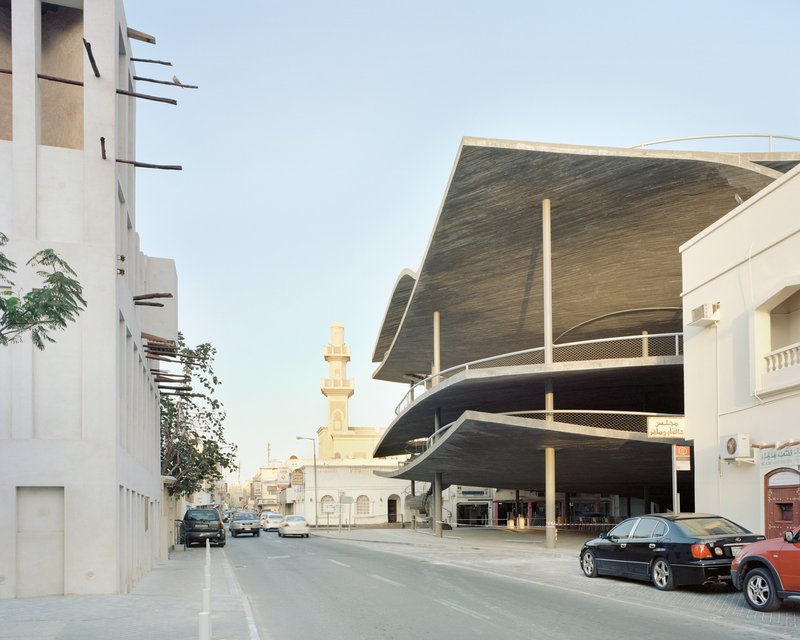
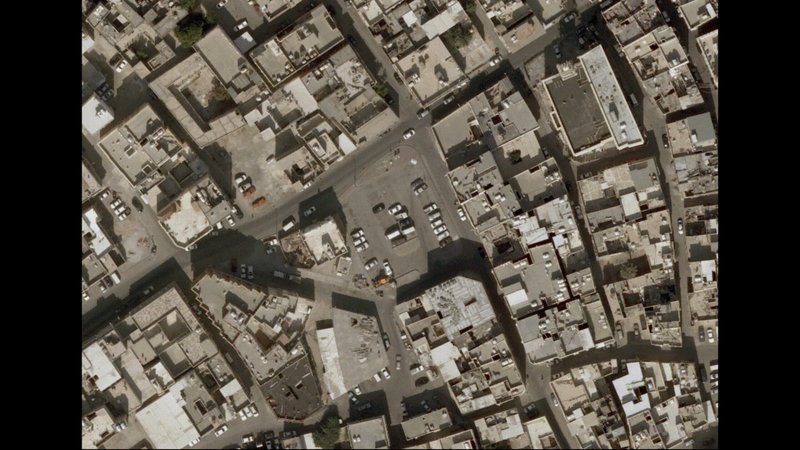
By utilizing large open voids within the medieval street grid, the car parks redefine how space is used in a dense urban environment. Their purpose extends beyond utility, offering a platform for the community to gather and engage.
Architectural Design and Structure
Innovative Slab Geometry
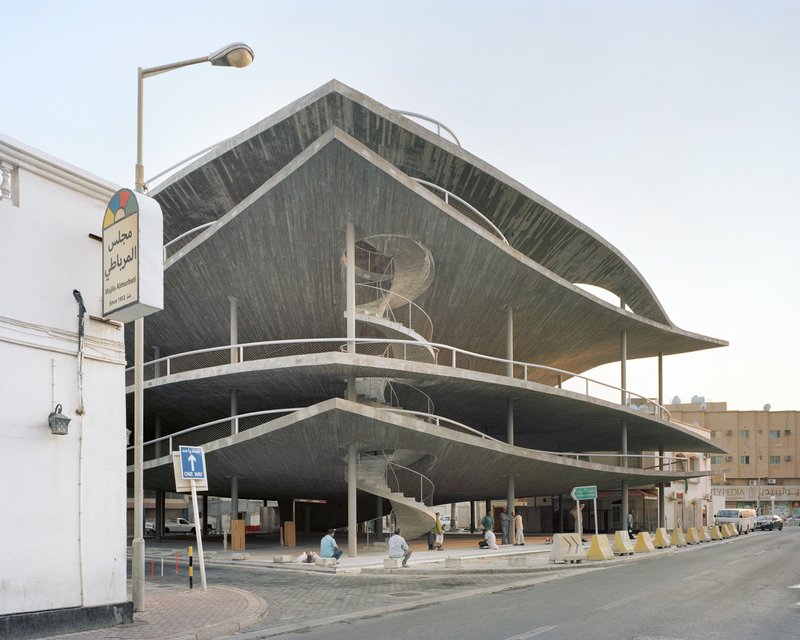
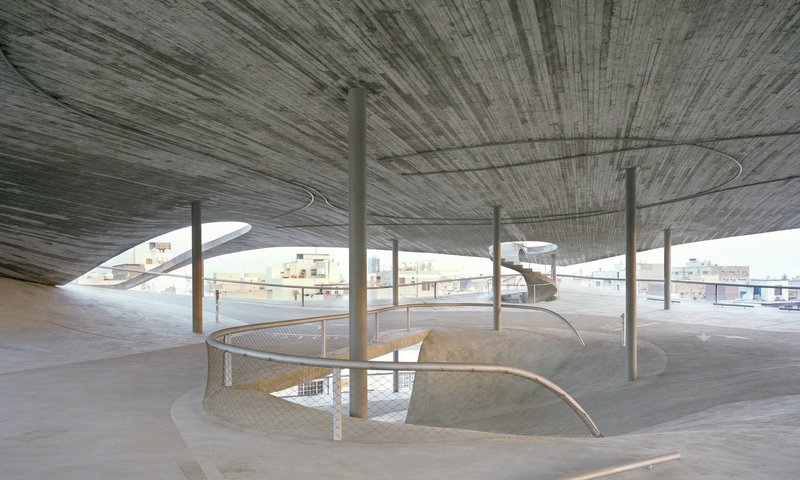
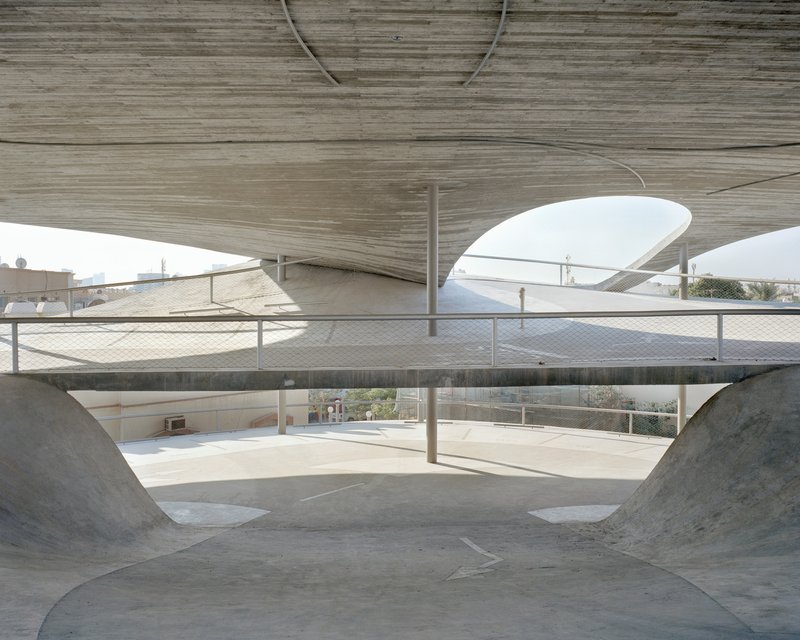
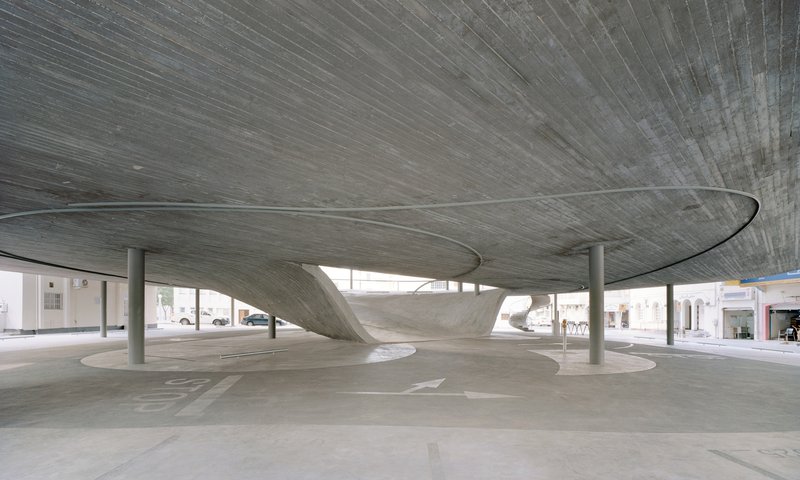
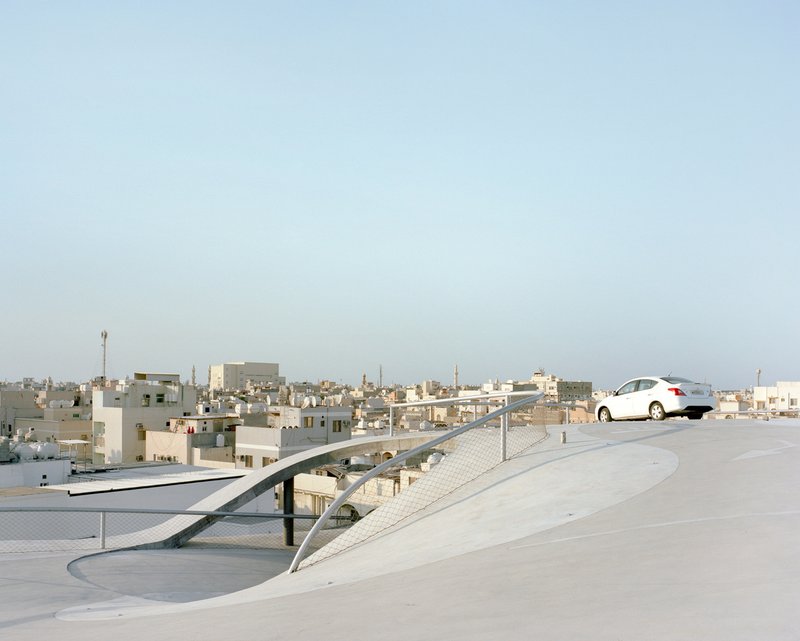
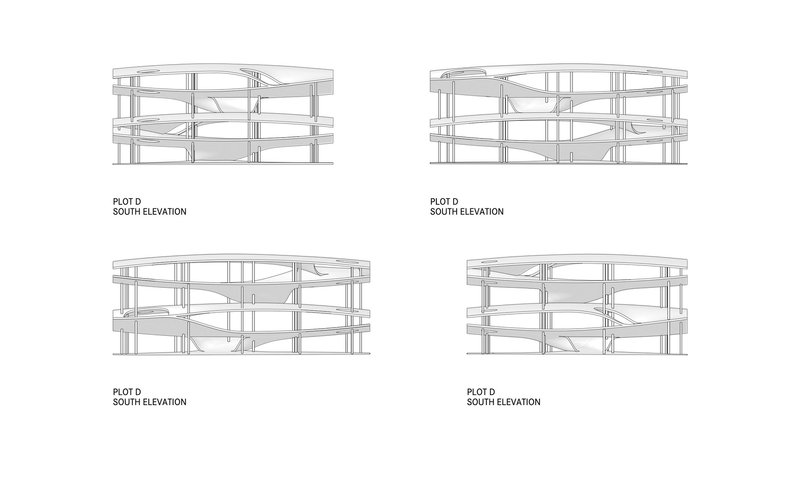
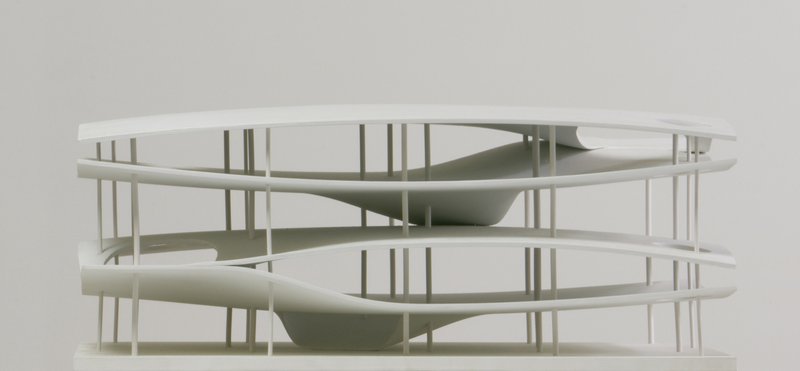
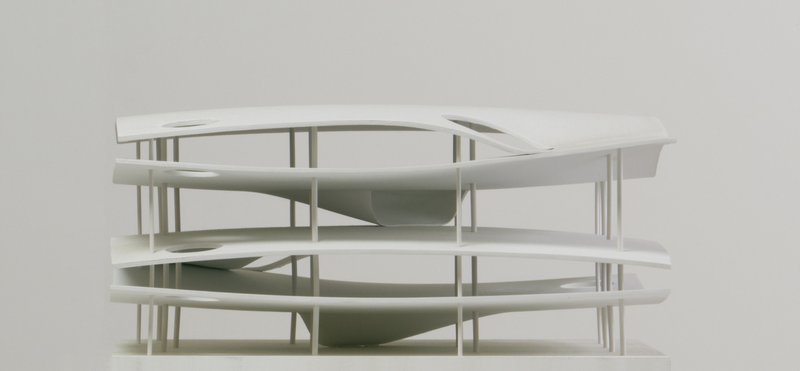
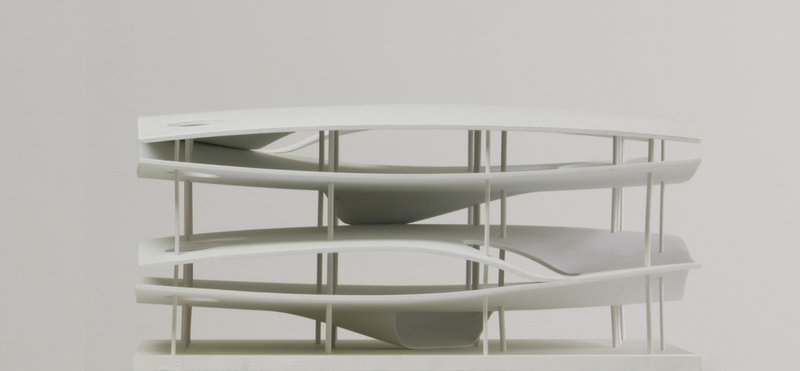
The architectural core of the Four Car Parks lies in their dynamic slab geometry. The slabs bend, slope, and merge, serving as both ramps and structural elements that connect various levels. These geometrical transformations—from concave to convex and from high to low—create a continuously shifting spatial experience for visitors.
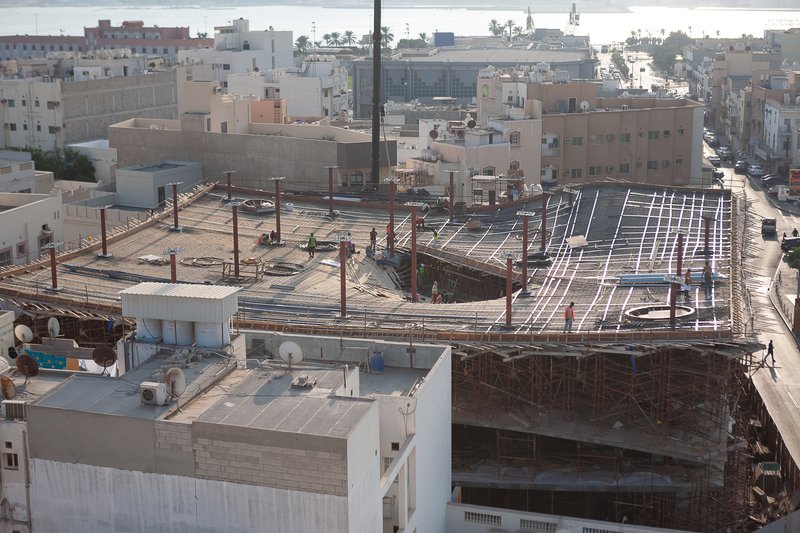
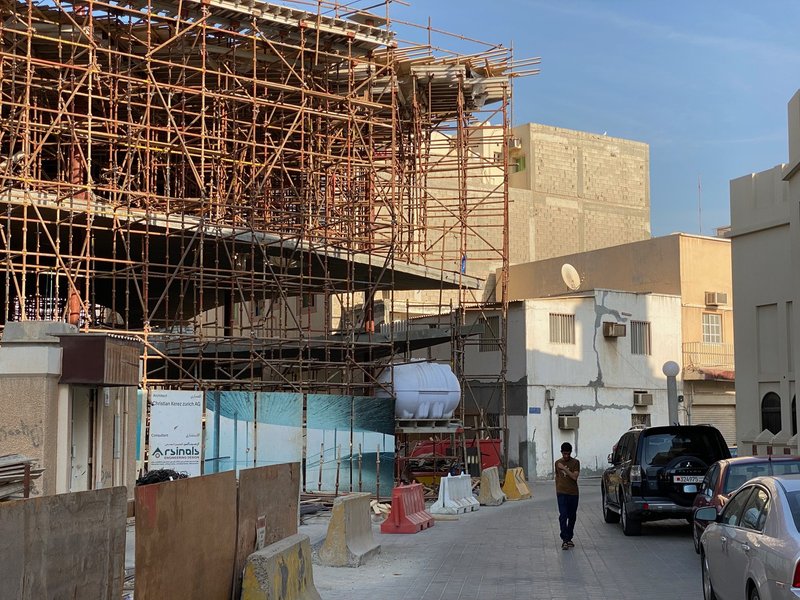
The fluid movement of vehicles within the structure complements this dynamic design, offering a sense of exploration as drivers and pedestrians navigate the space.
Role Model Design: Plot D
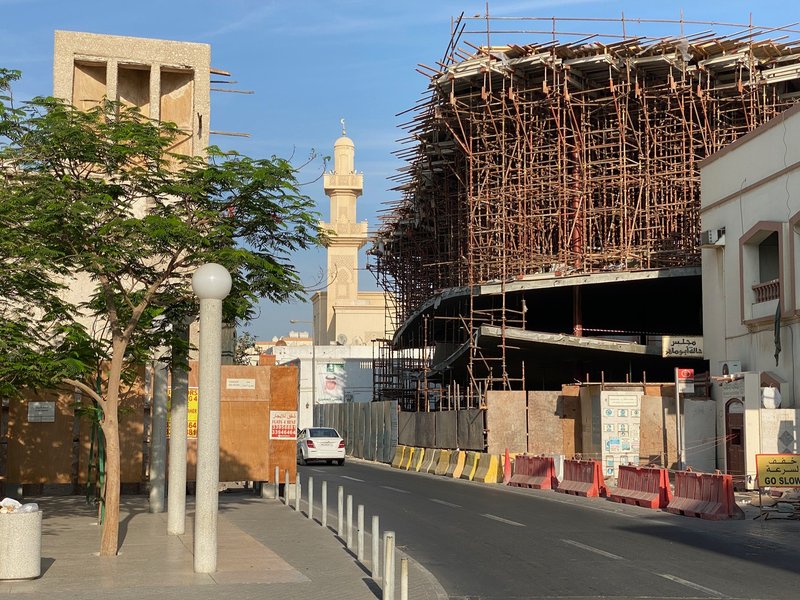
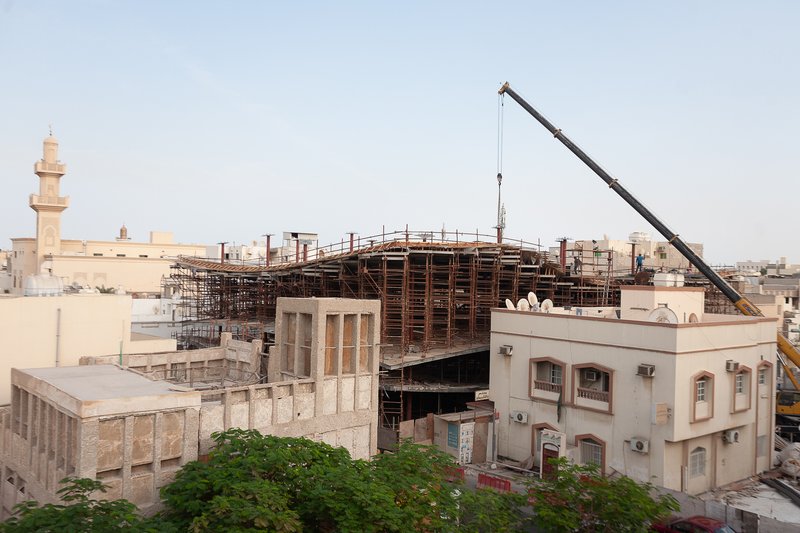
Plot D, the smallest and most sculptural of the four car parks, served as a prototype for the other structures. Its exposed vertical expression and compact size demanded meticulous planning and innovation. The exposed load-bearing structure consists solely of slabs and composite columns, which measure between 25 and 30 centimeters in diameter.
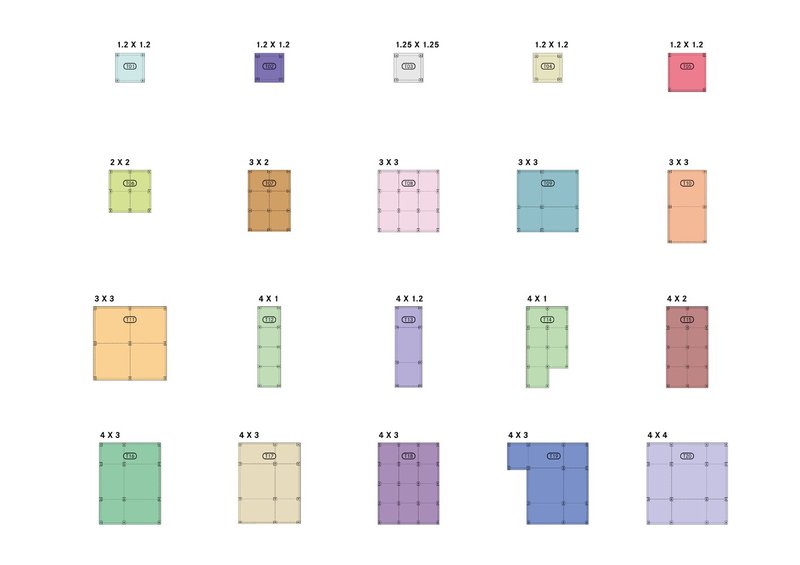
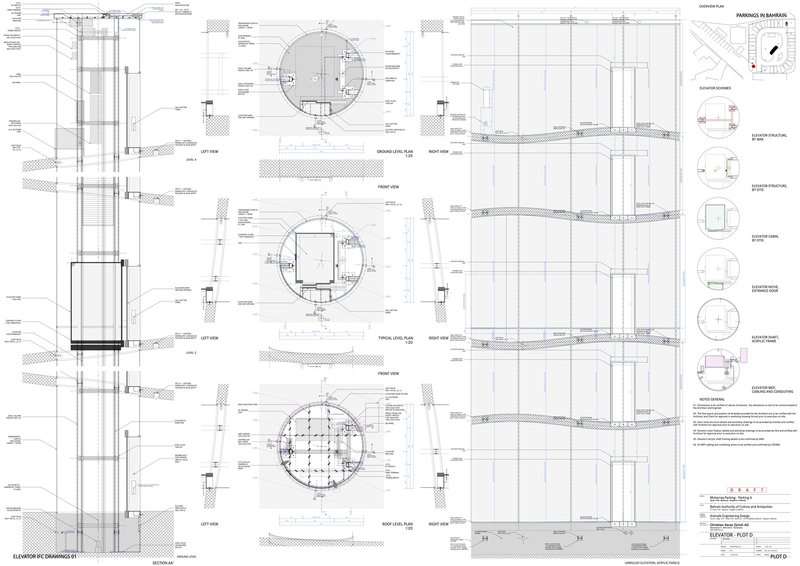
The structural integrity of the car parks is achieved through the connection of slabs to columns, using bent metal steel plates at critical junctions. The lightweight, circular staircases and transparent PVC-covered elevator shafts further enhance the visual and functional appeal of the design.
Diversity in Form and Function
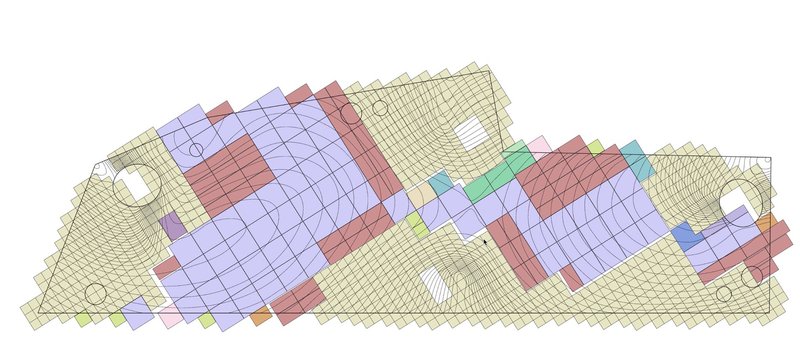
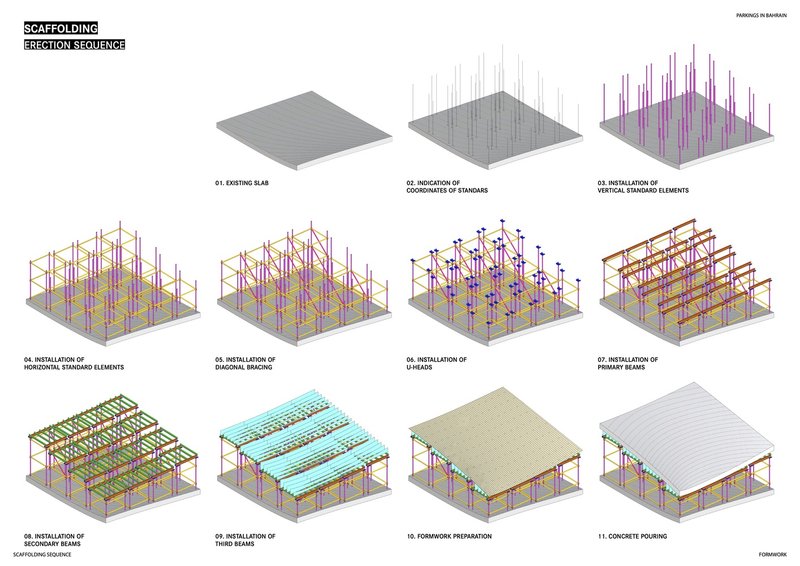
No two slabs within the Four Car Parks are identical, resulting in an endless variety of spaces. The formwork relied on industrial scaffolding towers with minimal customization, showcasing a balance between computational precision and traditional craftsmanship.

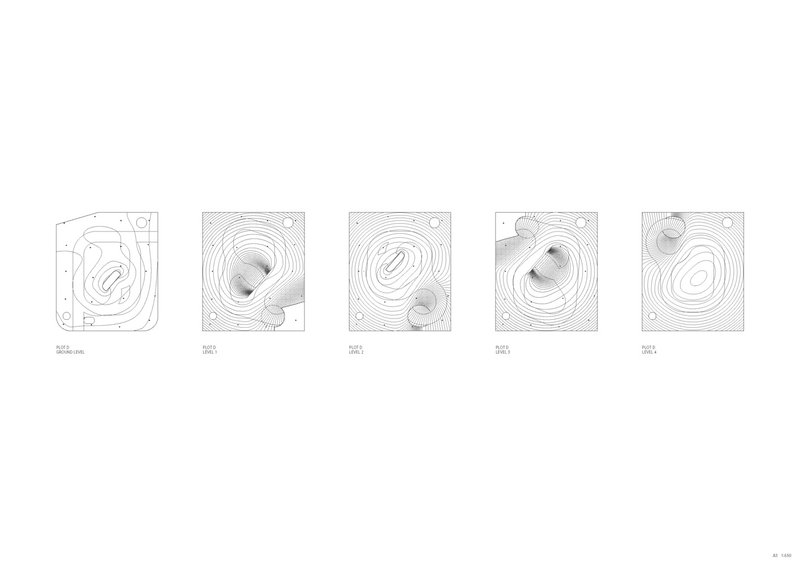
To achieve this diversity, an impressive 75,000 sections were scripted and later printed at a 1:1 scale for precise on-site implementation. This blend of digital technology and human labor underscores the collaborative nature of the project.

Multifunctional Urban Spaces
Beyond parking, the Four Car Parks are designed as vibrant public spaces. Their adaptable interiors can host a range of activities, from markets to cultural events, reflecting Bahrain’s rich heritage and evolving urban needs. The open design allows for natural ventilation and light, creating an inviting atmosphere for visitors.
The integration of public functions within these car parks highlights a shift in urban architecture, where utility structures become active contributors to community life.
A New Paradigm in Urban Architecture
The Four Car Parks by Christian Kerez represent a groundbreaking approach to urban architecture in Bahrain. By transforming traditional parking structures into multifunctional spaces, this project reimagines the role of architecture in dense urban environments.
As part of the Pearl Path Project, these car parks stand as a testament to Bahrain’s commitment to preserving its cultural legacy while embracing innovative design. They redefine the possibilities of urban architecture, creating spaces that serve both functional and social purposes in the heart of Muharraq.
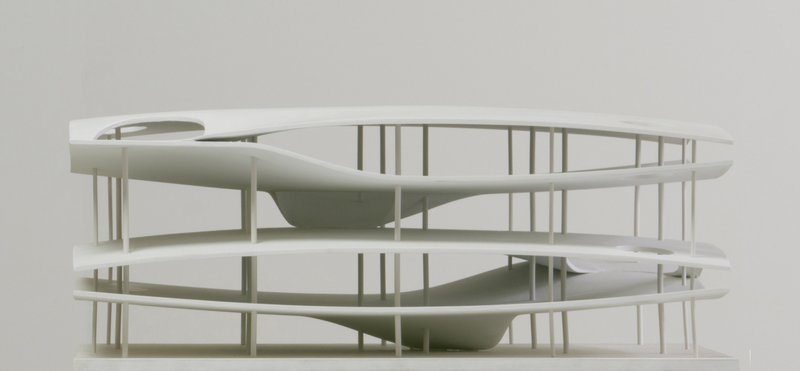
All Photographs are work of Maxime Delvaux




Popular Articles
Popular articles from the community

Free Architecture Competitions You Can Enter Right Now
No entry fees, real prizes. Here are the best free architecture competitions open for submissions in 2026.

Alton Cliff House: A Harmonious Retreat by f2a Architecture in Lake Country, Canada
Alton Cliff House blends corten steel, prefabrication, and sustainable design, creating a luxurious, energy-efficient retreat perched on Canadian cliffs.
Split House: A Compact Urban Home Blending Privacy, Light, and Flexible Living in Japan
Compact Japanese home featuring DOMA space, flexible café potential, passive lighting, privacy zoning, and sustainable urban living design.




Similar Reads
You might also enjoy these articles


The Ken Roberts Memorial Delineation Competition (Krob)
As the most senior architectural drawing competition currently in operation anywhere in the world, it draws hundreds of entries each year, awarding the very best submissions in a series of medium-based categories.

Waterfront Redevelopment and Urban Revitalization in Mumbai: Forging a New Dawn for Darukhana
A transformative waterfront redevelopment project reimagining Darukhana’s shipbreaking heritage into an inclusive urban future.

OUT-OF-MAP: A Call for Postcards on Feminist Narratives of Public Space
Rhizoma Design and Research Lab invites artists, designers, architects, researchers, and students to reflect on how feminist perspectives can reshape public space. Selected works will be exhibited in Barcelona, October 2026. Submissions open until 15 April 2026.


Documentation Work on Buddhist Wooden Temple
Architectural syncretism and cultural hybridity: A comparative study of the Buddhist temples in Chattogram Hill tracks

Explore Architecture Competitions
Discover active competitions in this discipline




The International Standard for Design Portfolios


The Global Benchmark for Architecture Dissertation Awards


The Global Benchmark for Graduation Excellence


Challenge to reimagine the Iron Throne
Comments (0)
Please login or sign up to add comments
No comments yet. Be the first to comment!