
House Moro by TAM - Guillermo Elgart: An Exploration of Architecture in Nature
House Moro is a forest-integrated residence that frames space through voids, blending architecture and nature with poetic restraint.

Respecting the Void: Architecture that Merges with the Forest in Mar del Plata
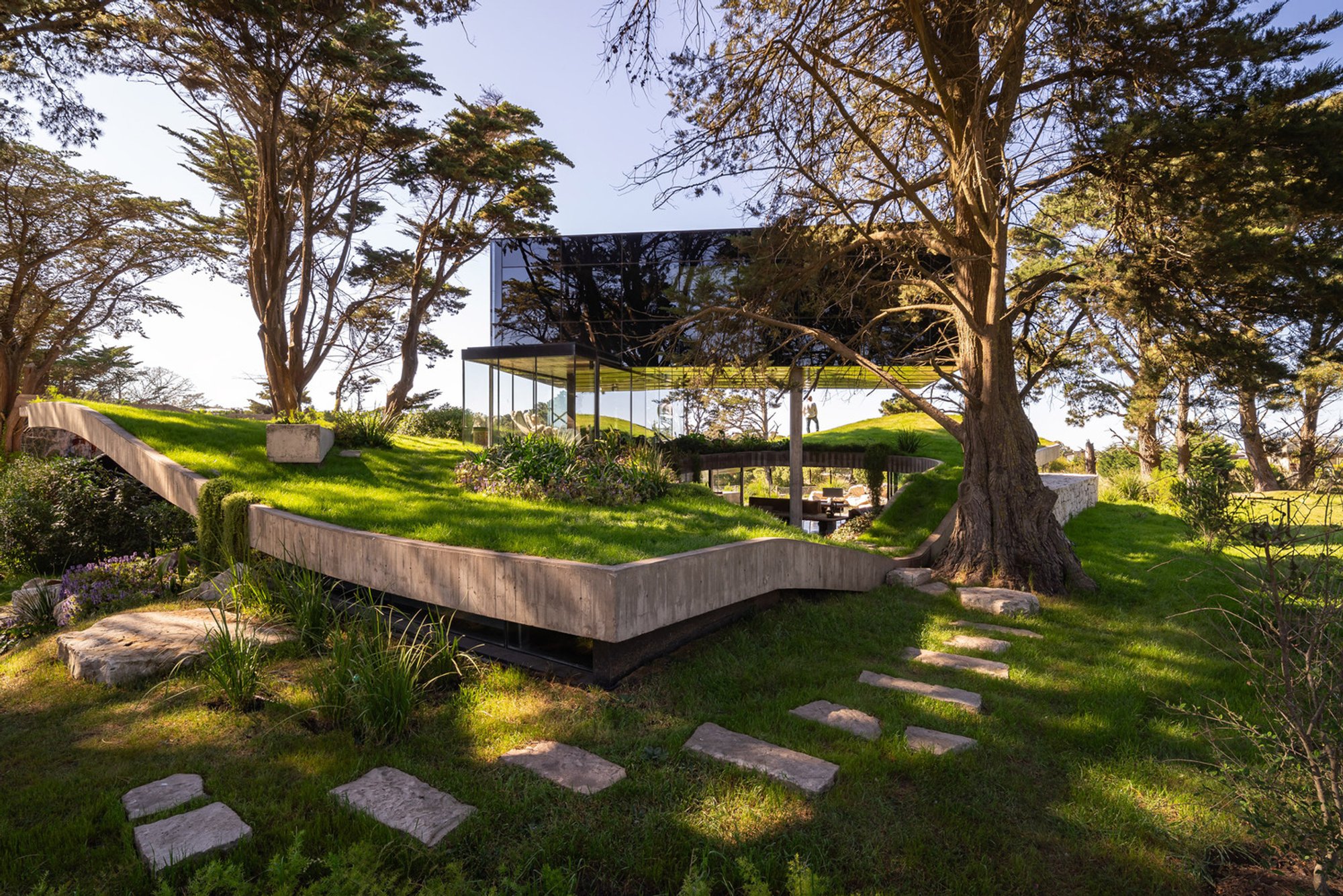
House Moro, designed by TAM - Guillermo Elgart in Mar del Plata, Argentina, is a powerful meditation on architecture in nature. Set within a wooded landscape, the project prioritizes the preexisting qualities of the site—the voids, the trees, the undulating terrain—over architectural imposition. Rather than treating nature as a backdrop, the design sees it as an active protagonist, shaping the structure's form, materiality, and spatial experience.
Forming Architecture Through Subtraction
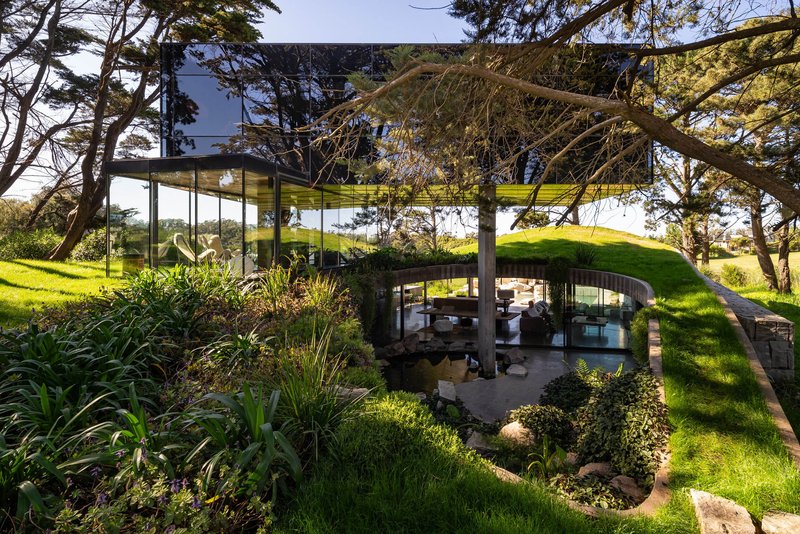
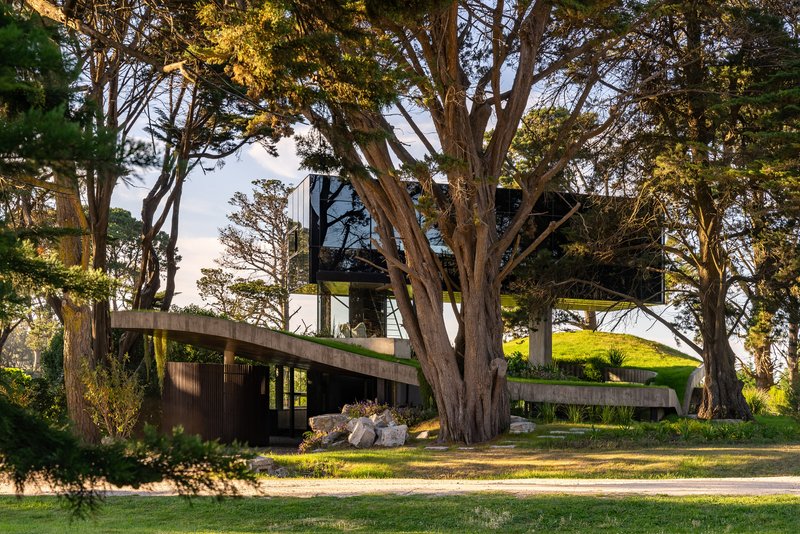
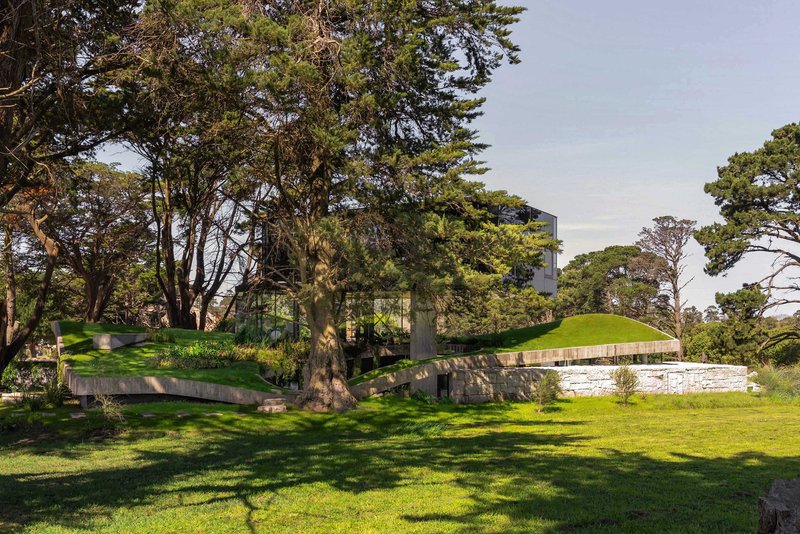
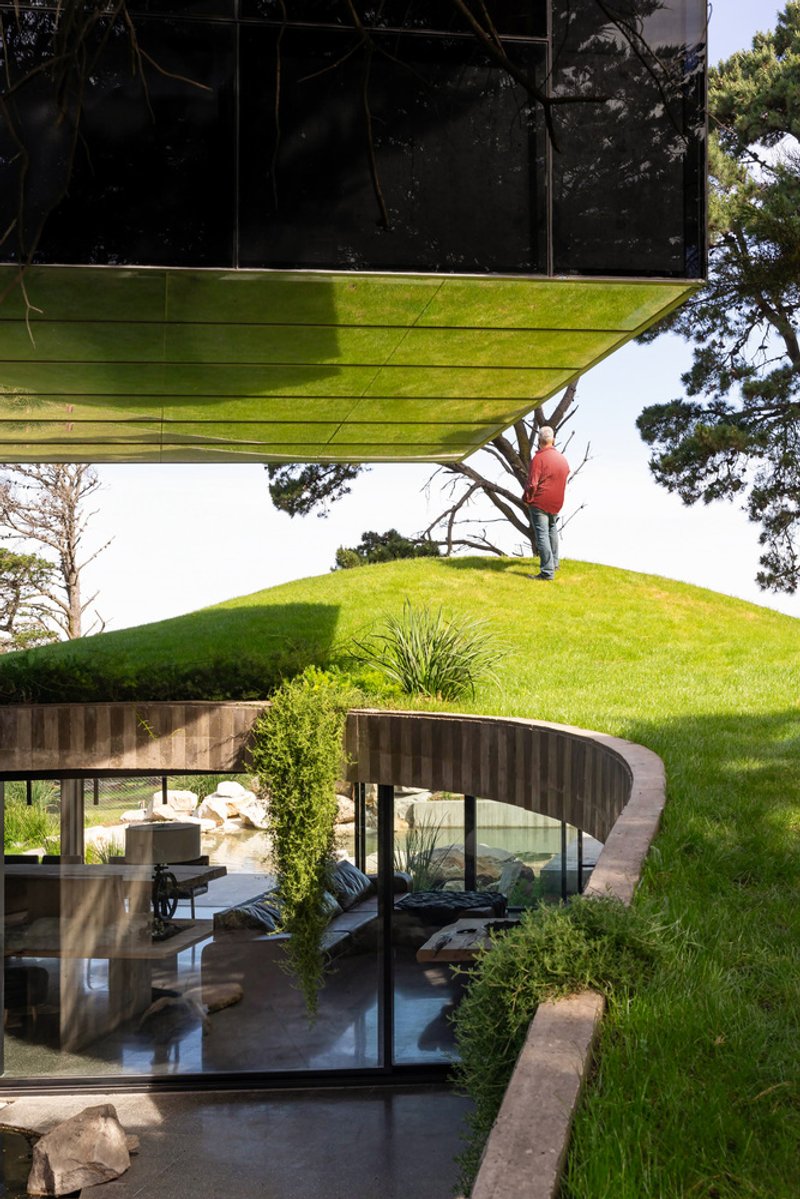
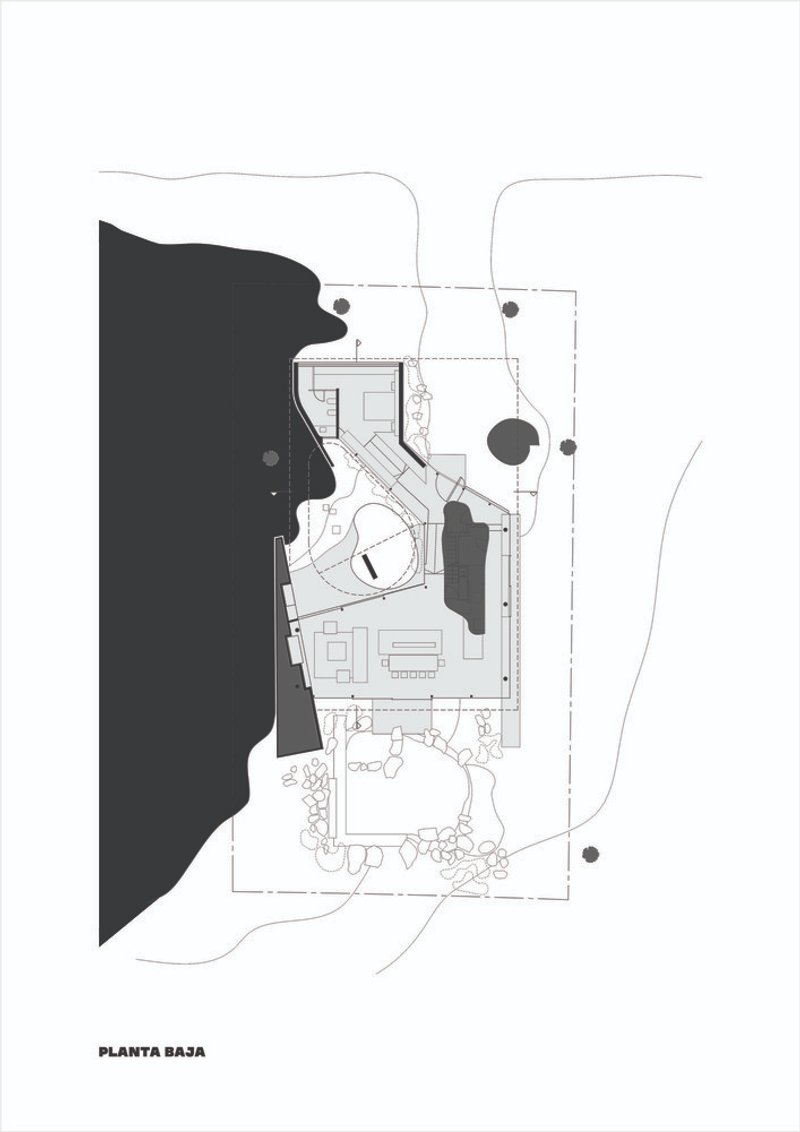
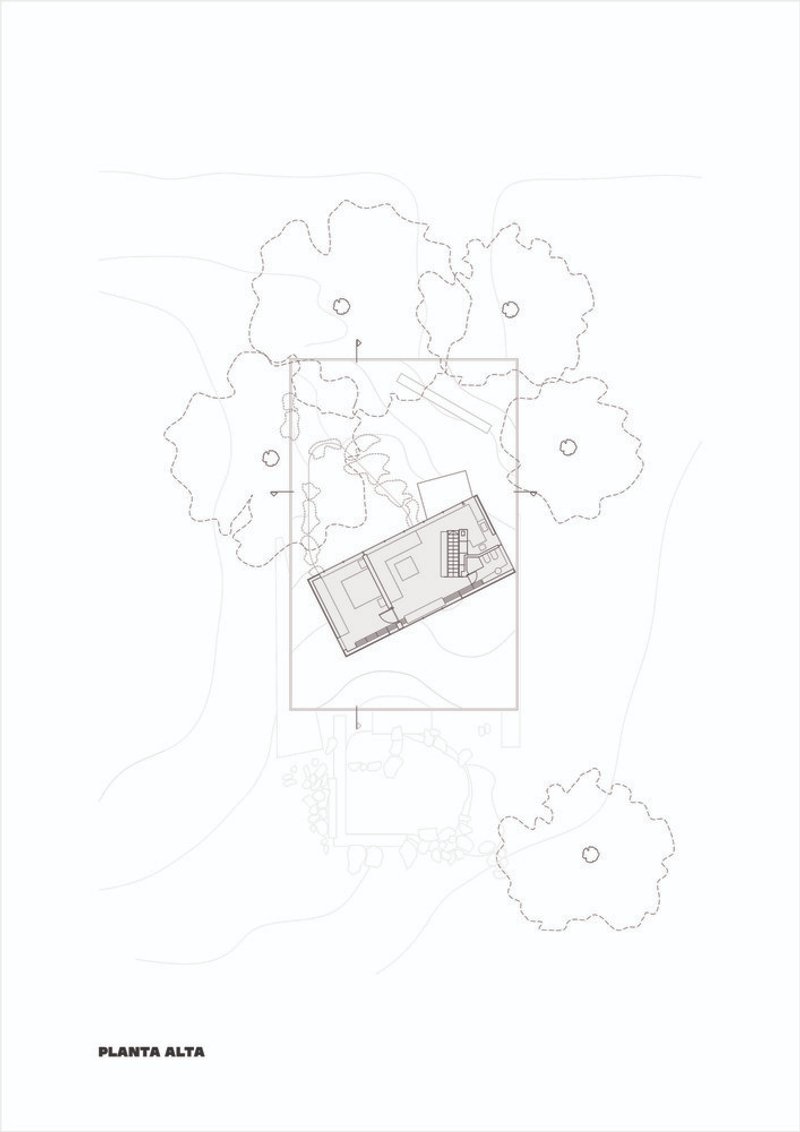
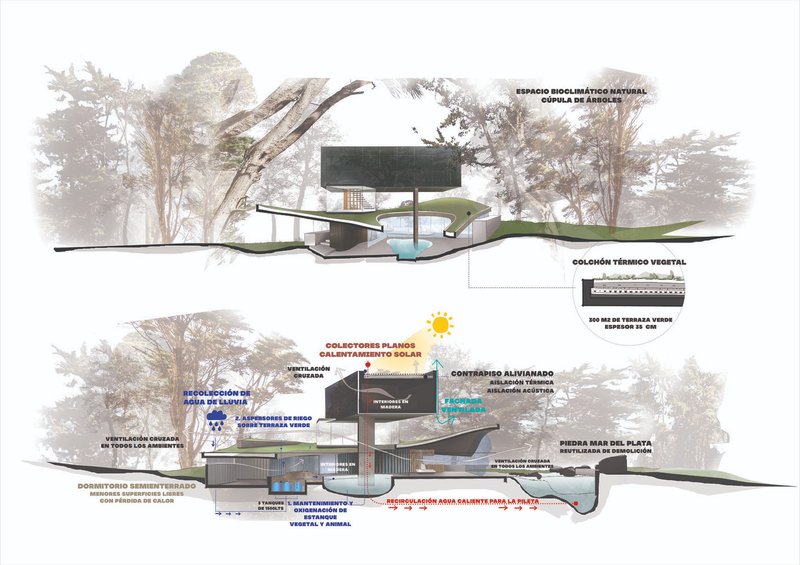
The house begins with a void—not metaphorically, but as a real, measurable space shaped by the forest. In this natural depression, the architects laid a sinuous concrete mantle that blends into the topography. This mantle is not only structure but also camouflage. Covered with vegetation, it disappears into the landscape, preserving the visual and ecological continuity of the site.
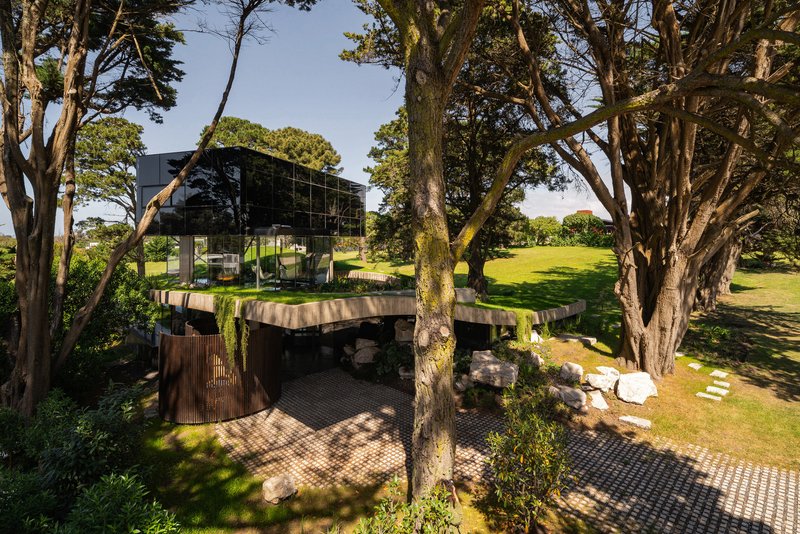
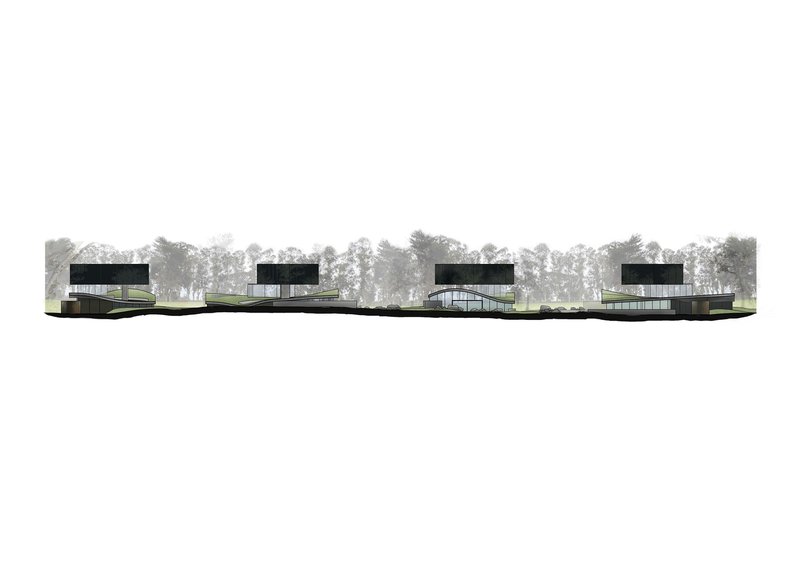
Most of the house is tucked beneath this green surface, effectively erasing any architectural mass from the horizon line. This choice is a radical gesture of humility—an intentional refusal to dominate the environment. It’s architecture as an act of erasure, of making space rather than filling it.
A Reflective Box That Frames the Sky
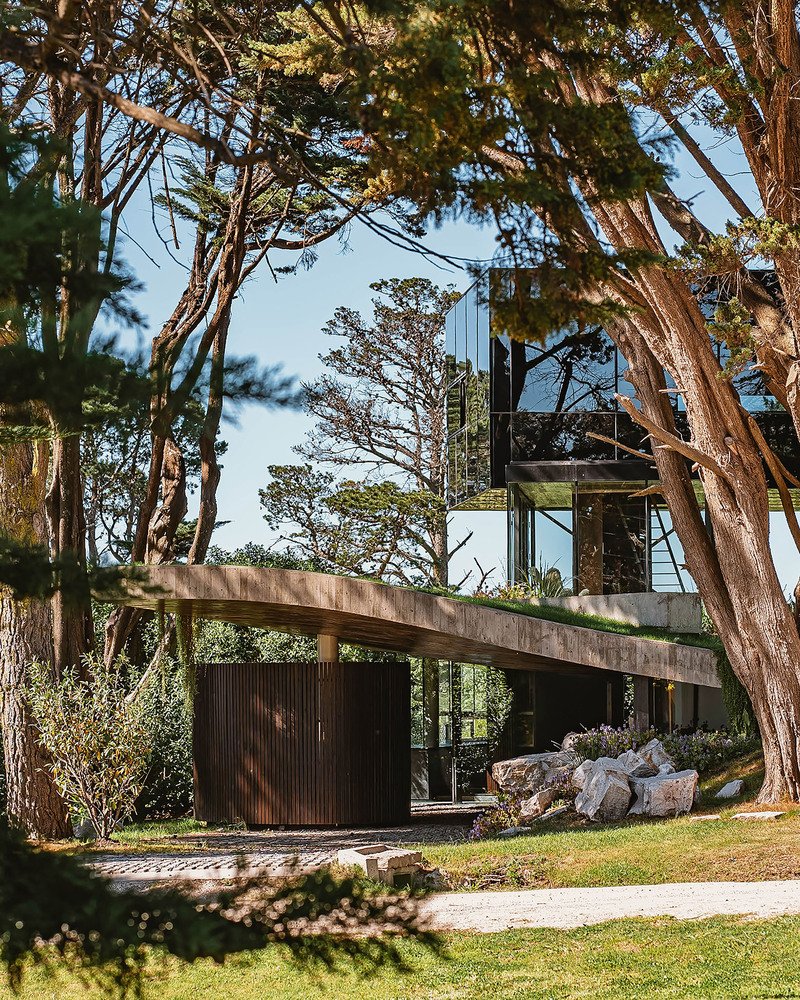
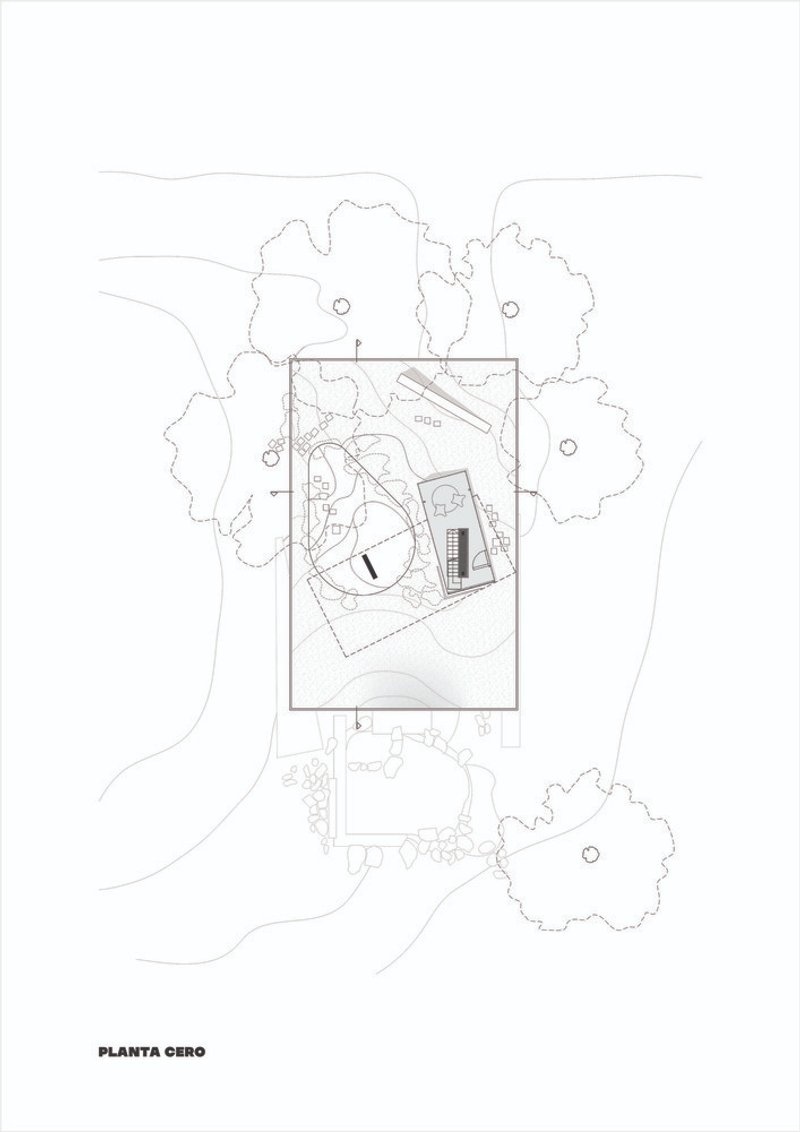
Suspended above the mantle is a minimalist reflective box that becomes a poetic counterpoint to the buried structure. Clad in polished materials that mirror the surrounding trees and sky, the volume floats lightly within the void. It houses a compact guest unit with its own living and dining space, bedroom, kitchen, and bathroom. Positioned at the height of the tree canopy, this floating room offers a new way of experiencing the forest—from within the branches.
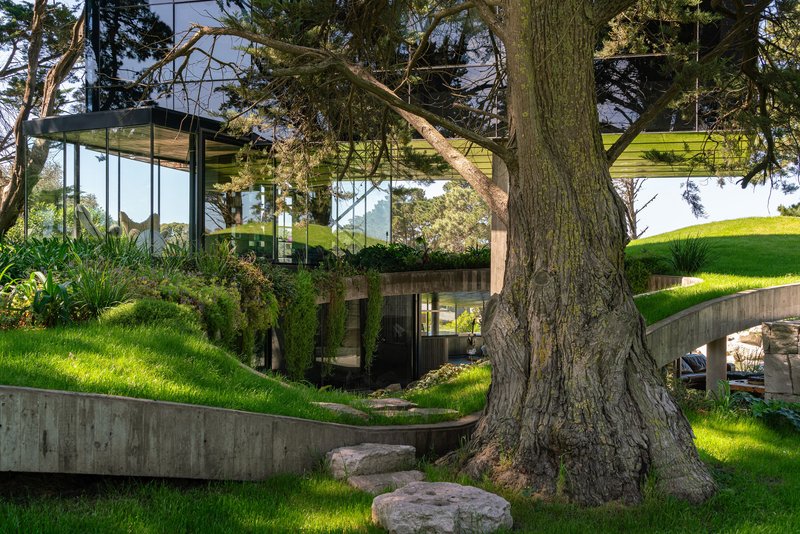
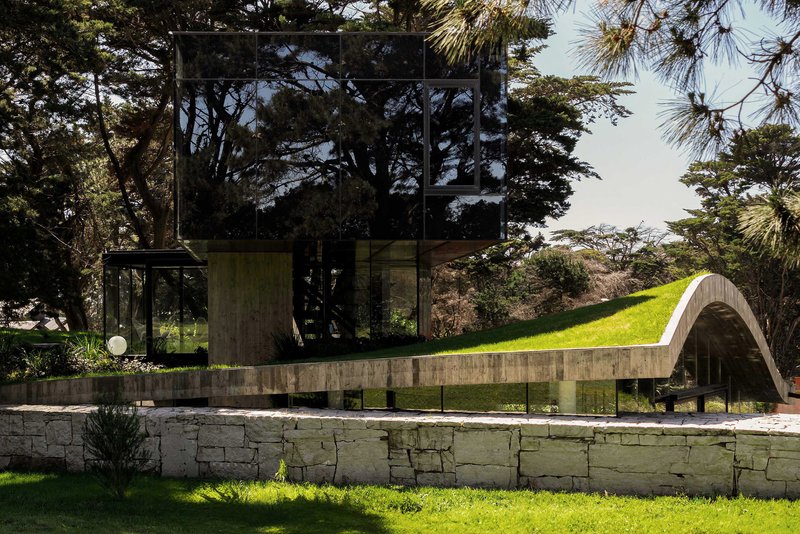
This architectural move underscores the duality embedded in the design: heaviness below, lightness above. The composition allows users to occupy both the forest floor and its canopy, dissolving the boundary between built form and landscape.
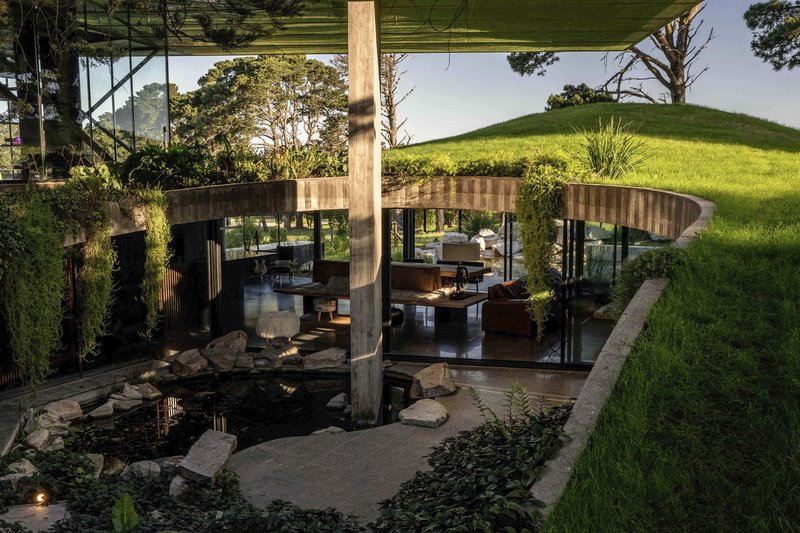
Interior Fluidity Anchored by a Central Courtyard
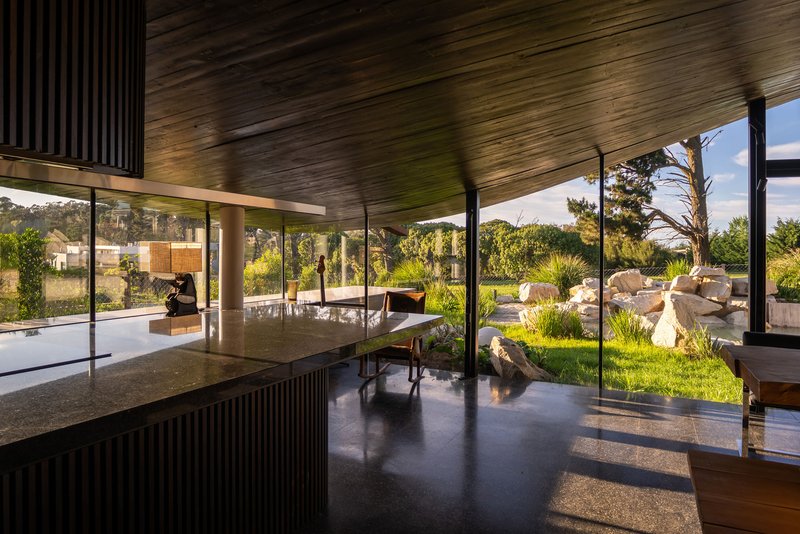
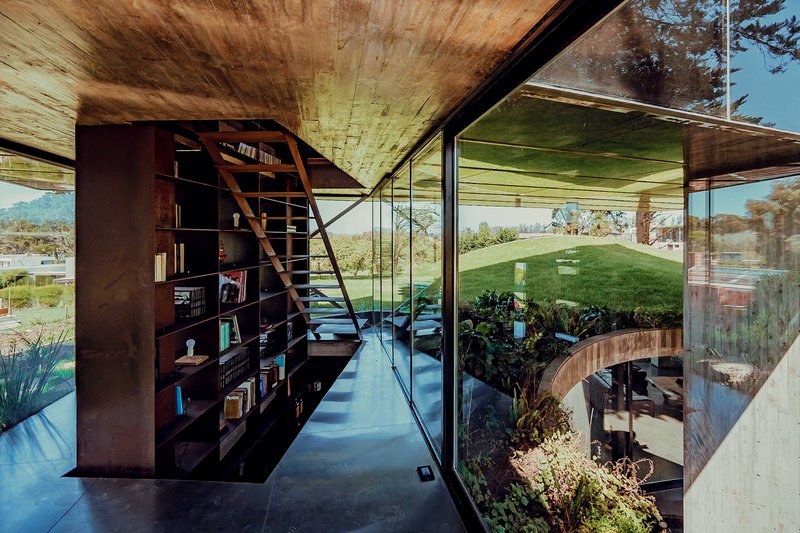
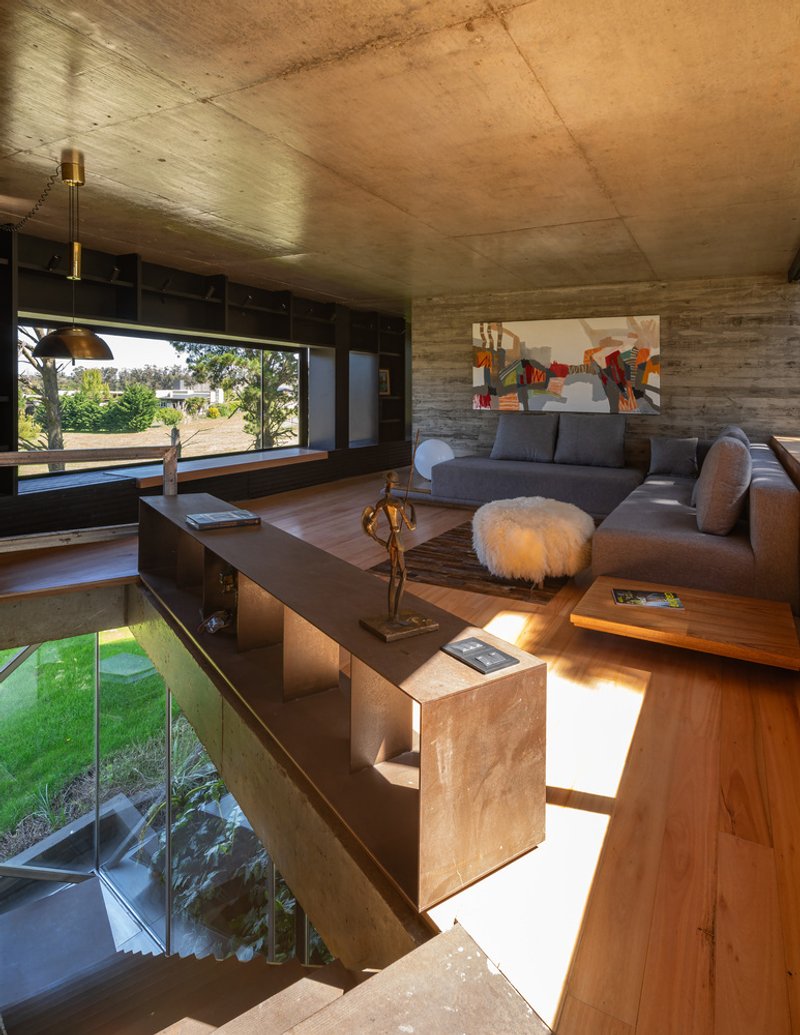
Beneath the green roof, the primary living spaces are organized around a central courtyard that becomes the heart of the home. Hidden from the street yet open to the sky, this space ensures light, air, and spatial openness while maintaining privacy. The internal program flows organically, defined by a wooden volume that separates public and private zones and delineates servant spaces from served ones.
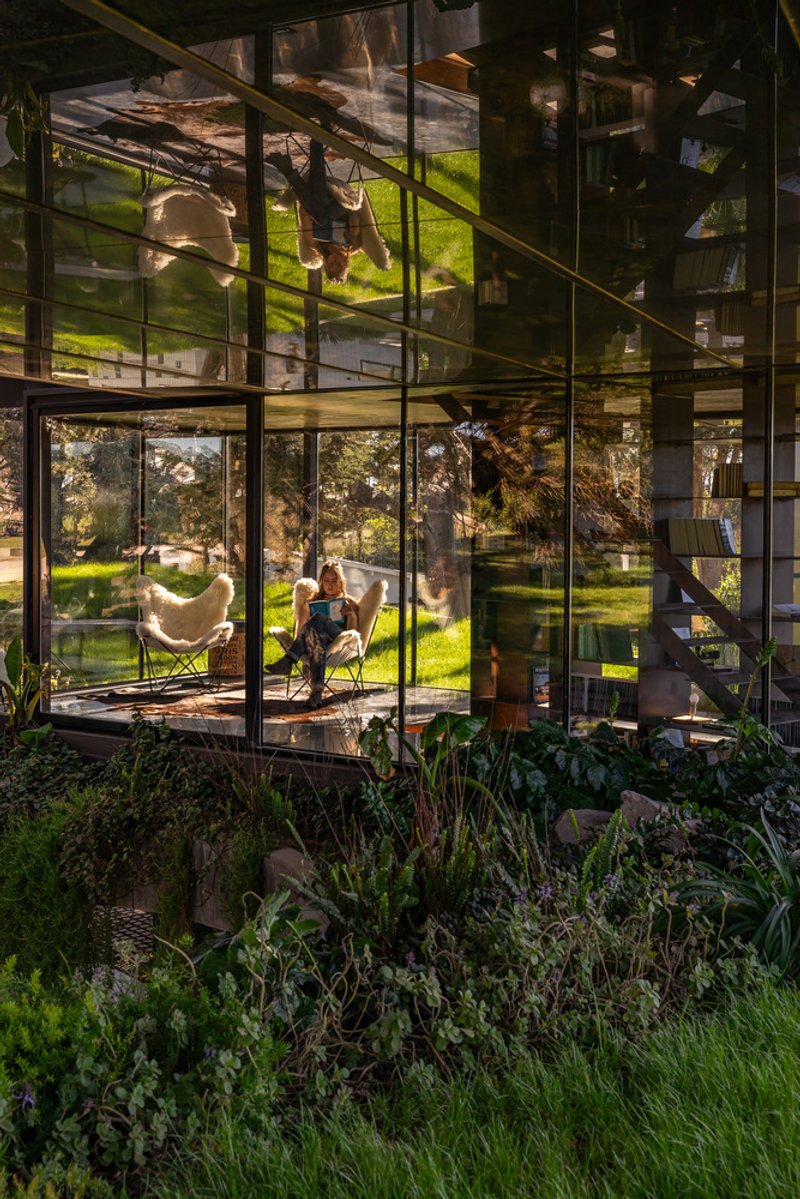
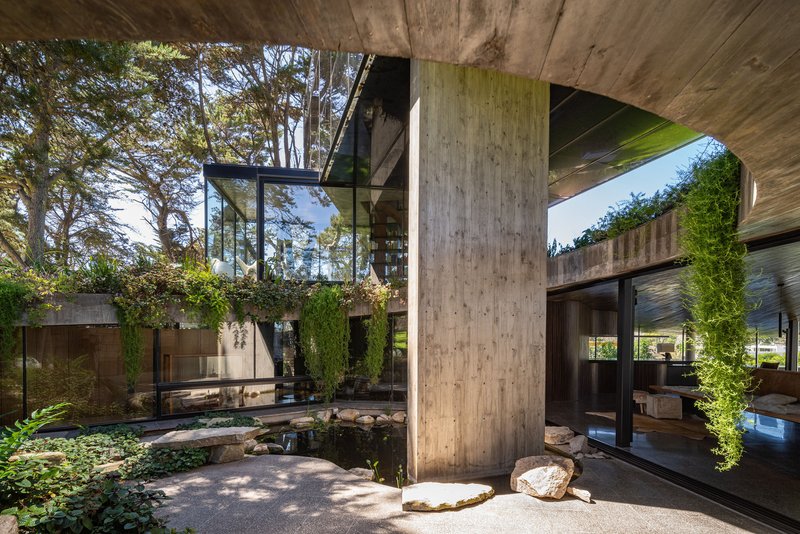
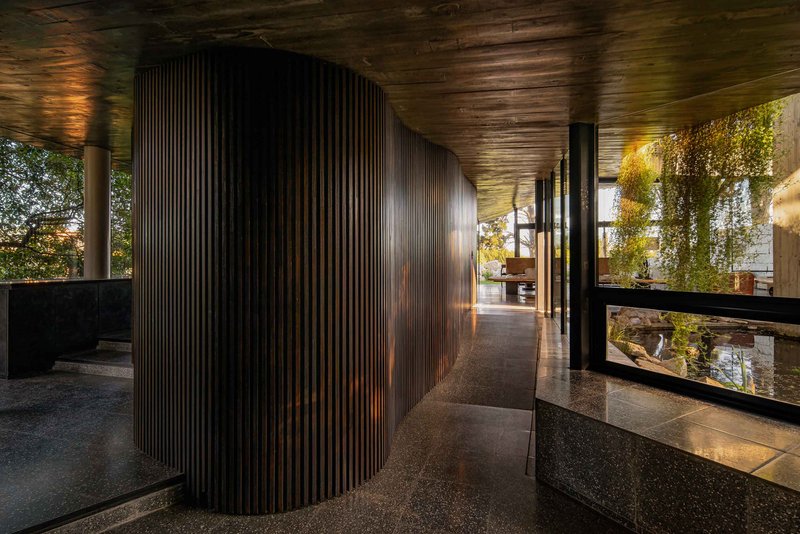
The architecture avoids compartmentalization. Instead, volumes are used as edges—soft dividers that shape circulation and visual connections. This strategy reinforces the overall ethos of architecture in nature: space is not created by building walls, but by sculpting voids.
Restoring the Land with a Living Roof
The concrete mantle above not only disappears visually but functions ecologically. The green roof restores the ground surface, returning a planted layer to the land that was built upon. This living skin insulates the interior, absorbs rainwater, and fosters biodiversity. It’s a gesture of reciprocity—what the architecture takes, it gives back.
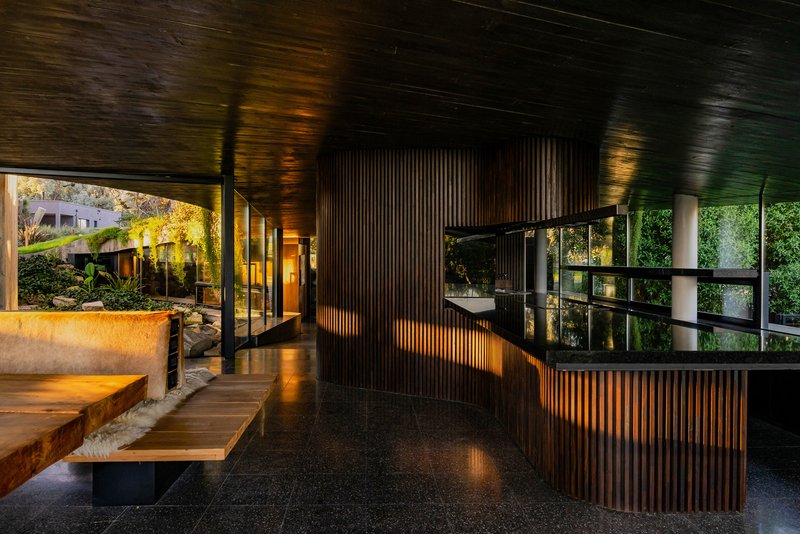
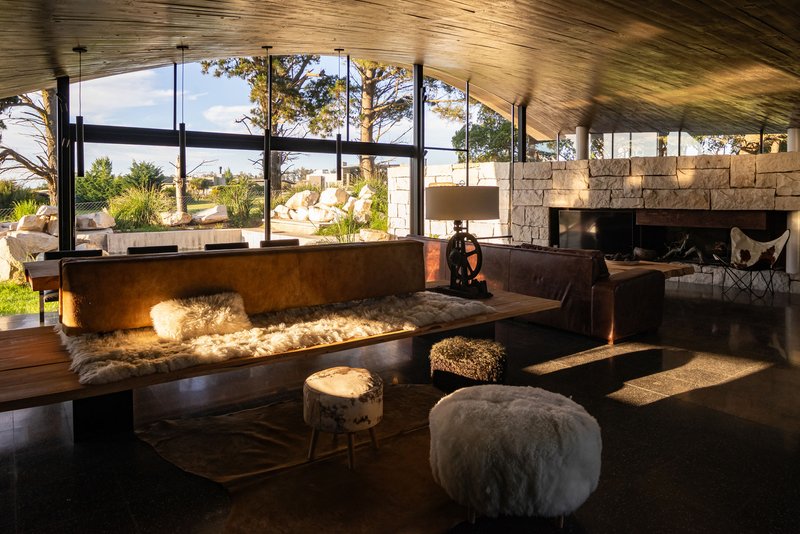
From the street, this layer appears as a natural hill. The building becomes indistinguishable from the terrain, blurring the line between natural and artificial. It’s a rare moment where architecture doesn’t just reside in nature but becomes part of it.
The Void as an Architectural Generator
House Moro is deeply philosophical in its approach. Citing sculptor Jorge Oteiza, the architects describe the void as something that is made, not found. The house does not impose itself on the land but carves itself into it, producing absence where mass is expected. This method reframes architecture not as an accumulation of forms but as a discipline of strategic subtraction.
Here, volumes are not objects; they are tools to frame and define space. Light, shadow, reflection, and materiality work in harmony to generate atmospheres where the built and the natural are inextricably linked. The result is a spatial experience defined less by physical presence than by what has been left untouched.
A Poetic Dialogue Between Forest and Form
Ultimately, House Moro stands as a poetic example of architecture in nature—a built environment that respects the preexistence of the land and magnifies it through thoughtful design. It’s a home that doesn’t intrude but listens, adapts, and integrates. Through its subtle moves, the house celebrates the forest not just as a setting, but as a collaborator in its making.
All photographs are works of Obra Linda, Jonathan Paz




Popular Articles
Popular articles from the community

Flamboyant House by Juliana Camargo + Prumo Projetos
Modern Brazilian house integrating existing tree, pool, and volumes with glass, wood, and transitional spaces blending interior, exterior, and landscape seamlessly.
On the Brooks House by Monsoon Collective – A Contemporary Kerala Home Rooted in Tradition
Kerala home blending tradition and modernity with water-inspired design, brick architecture, courtyard planning, and sustainable rainwater harvesting strategies.
An Miên Lumière Cafe by xưởng xép, Ho Chi Minh City, Vietnam
An industrial-inspired café where layered steel and warm light create a dynamic, immersive environment shaped by reflection, depth, and perception.
Inverted Architecture Installation by Studio Link-Arc: Exploring the Intersection of Architecture and Living Organisms
Inverted Architecture Installation by Studio Link-Arc blends mycelium, sustainability, inverted design, ecological cycles, and urban adaptive architecture in Shenzhen.


Similar Reads
You might also enjoy these articles

Top 15 Architecture Competitions to Enter in 2026
From student-friendly idea competitions to prestigious international awards, here are the best architecture competitions open for entries in 2026. Updated regularly.

DIY & Engineering in Computational Design : Enter the BeeGraphy Design Awards
Showcase Your Creativity with Computational Design and Open Source Projects
Innovative Design Solutions: Award-Winning Projects from Recent Architecture Competitions
Exploring award-winning architectural projects shaping the future of design, sustainability, and community.



Explore Architecture Competitions
Discover active competitions in this discipline




The International Standard for Design Portfolios


The Global Benchmark for Architecture Dissertation Awards


The Global Benchmark for Graduation Excellence


Challenge to reimagine the Iron Throne
Comments (0)
Please login or sign up to add comments
No comments yet. Be the first to comment!