
Huangpu Cultural Centre by IFRA: A New Architectural Landmark in Shanghai
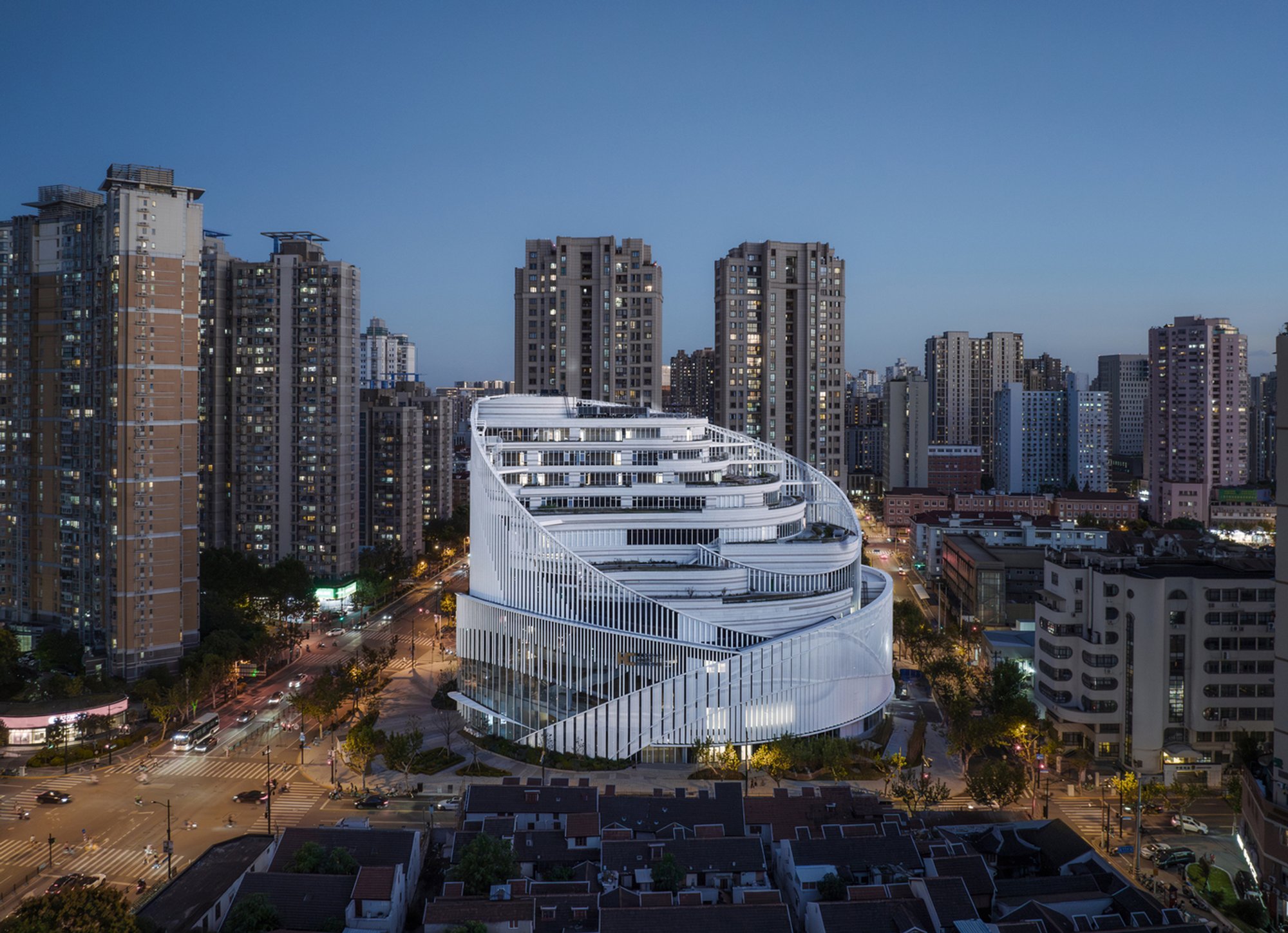
Huangpu Cultural Centre by IFRA is a dynamic architectural landmark in Shanghai, blending modern design with historical and cultural significance.

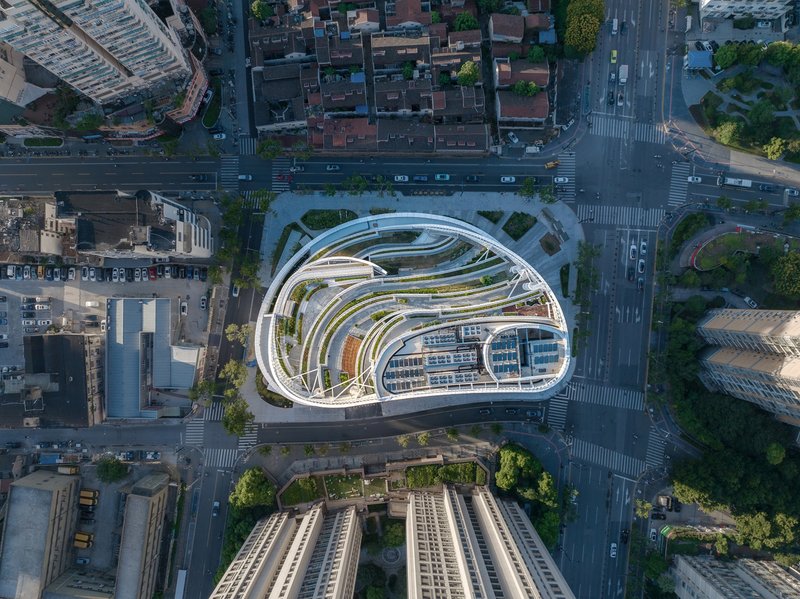
The Huangpu Cultural Centre, designed by IFRA and led by architect Frédéric Rolland, is an iconic addition to Shanghai's urban fabric. Situated at the southern edge of the historic Huangpu District, this performing arts center seamlessly integrates contemporary architectural expression with the district's rich cultural and historical context. The project stands as a symbol of modernity and tradition, offering a unique space for artistic and public engagement.
Architectural Concept and Urban Integration
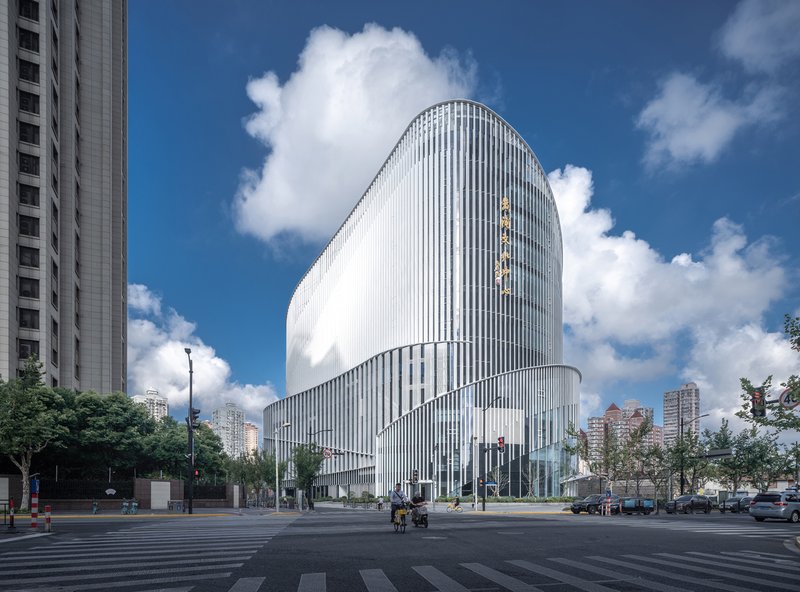
Spanning a total area of 45,436 square meters, the Huangpu Cultural Centre features an above-ground area of 21,744 square meters and an underground section of 23,692 square meters. The building rises 60 meters, establishing itself as a striking cultural landmark within Shanghai's urban landscape.
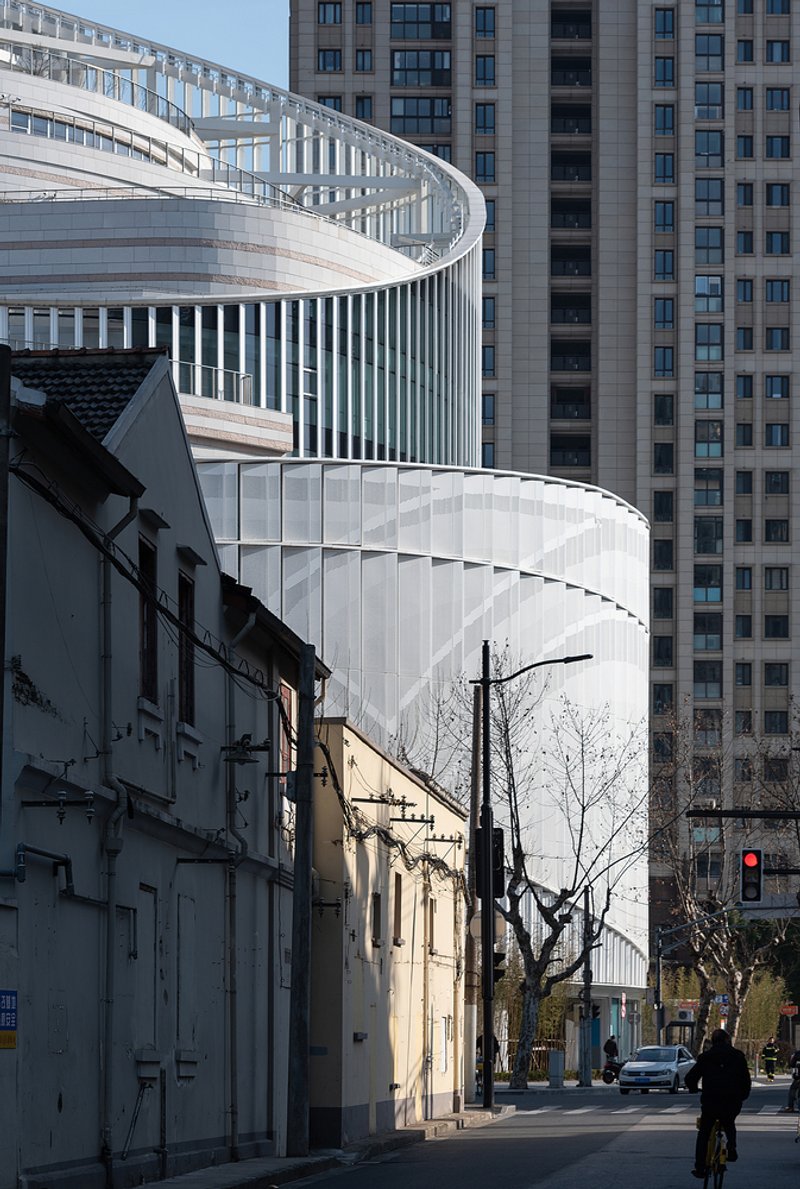
Located at the intersection of historical Shikumen alleyways and modern high-rises, the design creates a visual and spatial dialogue between Shanghai’s past and future. The contrasting urban elements necessitate an architectural approach that both respects its surroundings and asserts a distinctive identity.
Expressionist Form and Dynamic Curves
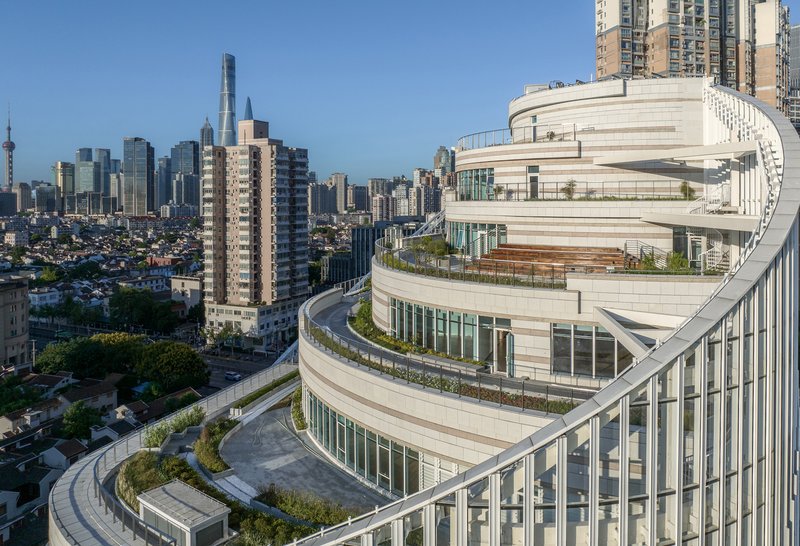
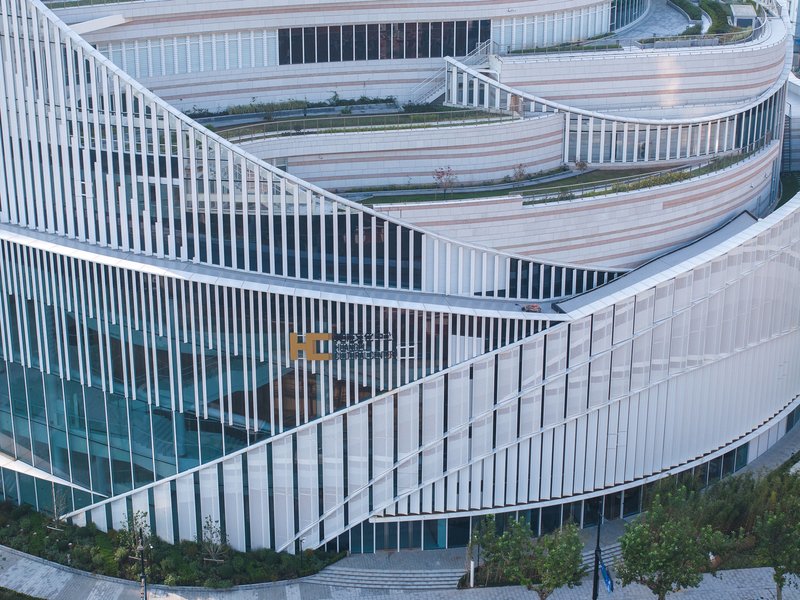
The free-flowing architectural style of the Huangpu Cultural Centre is characterized by its organic curves and sculptural volume, standing out amid the geometric rigidity of high-rise towers. The building’s elliptical shape subtly references the layout of the Ming Dynasty city wall, further embedding it within its historical context.
The tapered, stepped terraces create multi-level sky gardens, offering green public spaces while ensuring the surrounding low-rise residences maintain access to natural light. This design strategy fosters an engaging relationship between the public realm and the built environment.
Innovative Spatial Experience
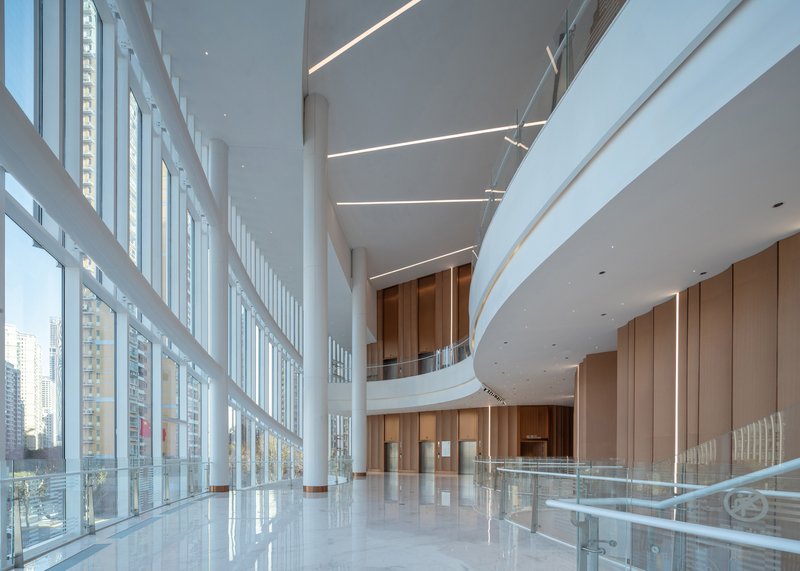
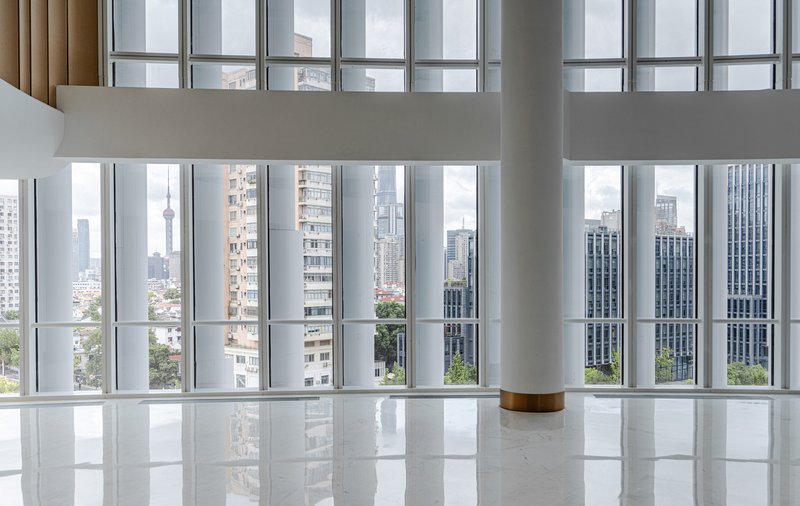
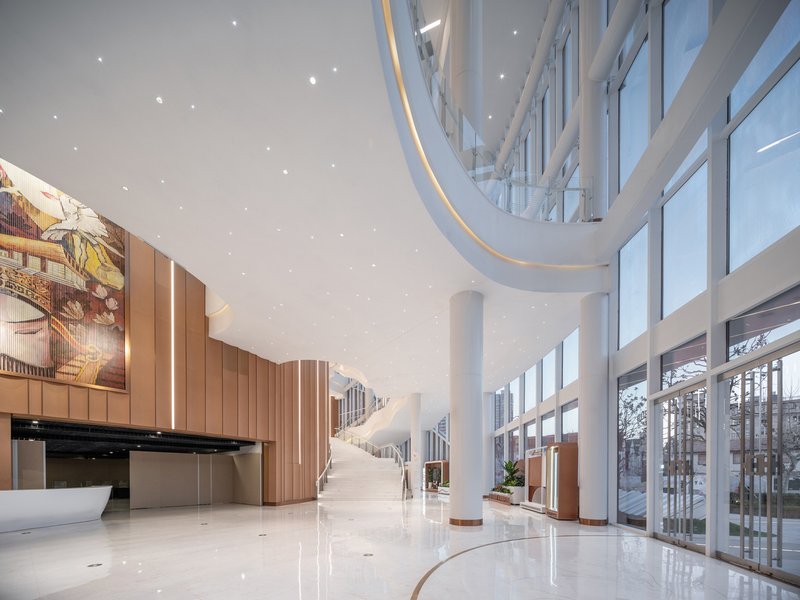
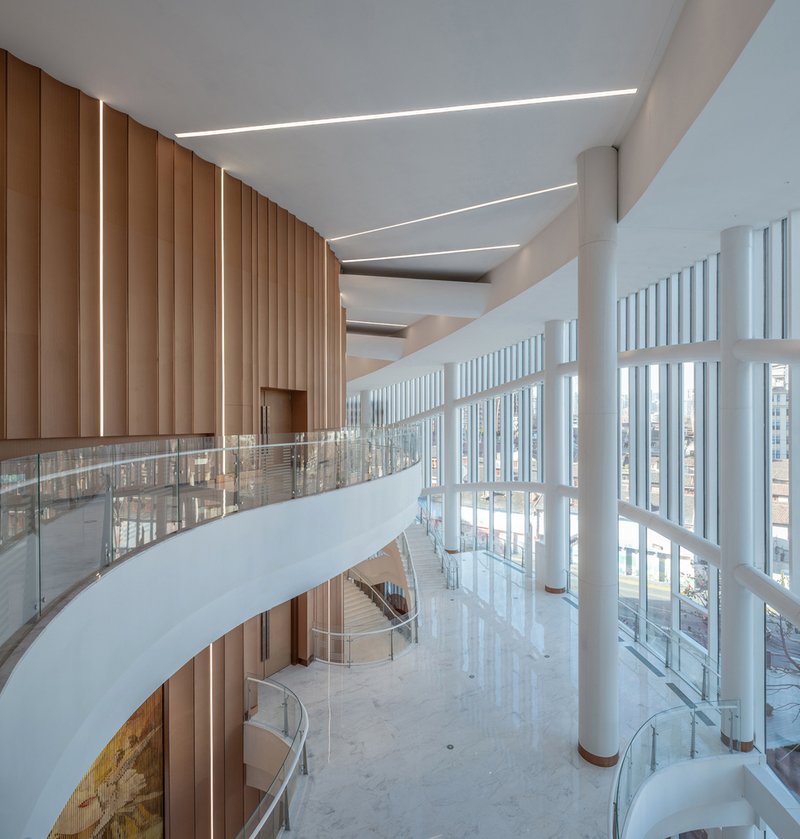
Inside, the Huangpu Cultural Centre presents a fluid and immersive spatial experience. The transparent facade establishes a strong connection between the interior and the cityscape, enhancing public accessibility and visibility.
The grand central staircase, combined with horizontal bridges and open terraces, creates a dynamic circulation flow. This movement encourages visitors to explore the venue intuitively, offering a multi-layered engagement with the space.
Theatrical and Acoustic Excellence
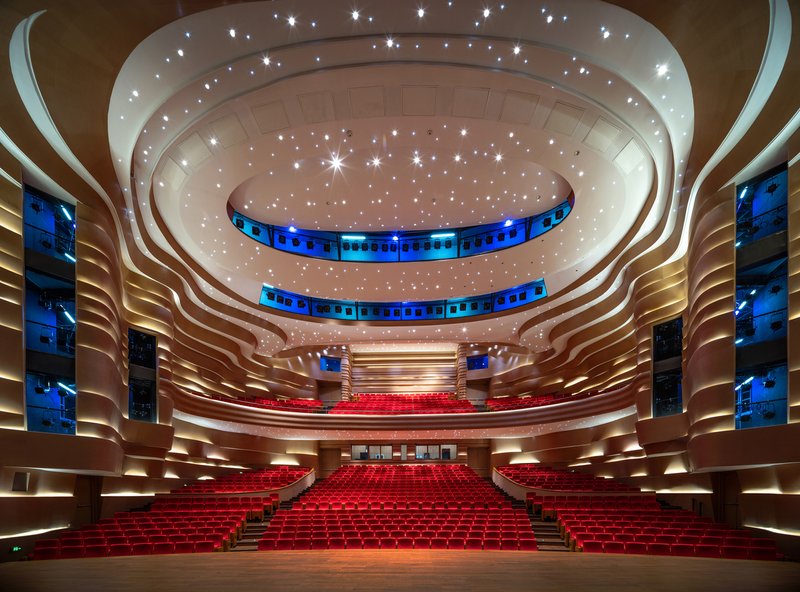
The main theater hall is designed with horizontal, ribbon-like lighting elements, seamlessly integrating side lighting, front lighting, and balconies. These fluid design elements create an immersive performance environment, optimizing both acoustics and aesthetics.
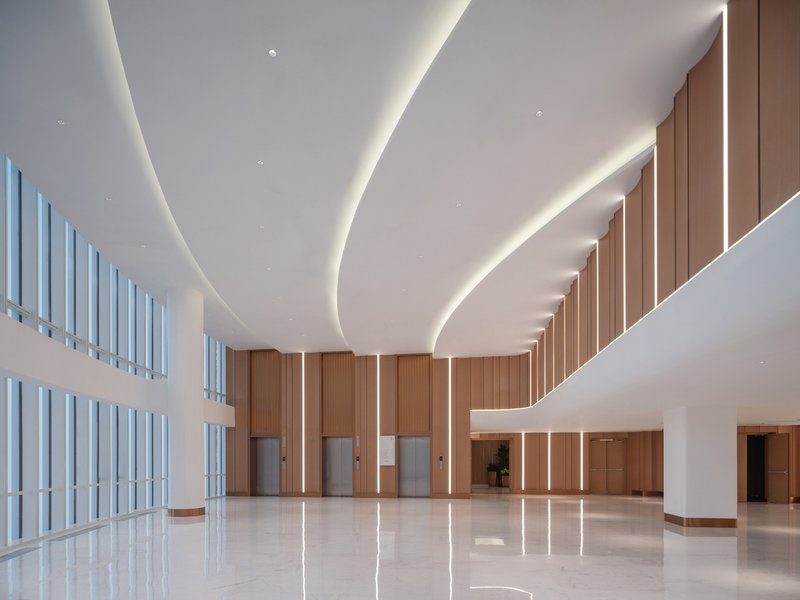
The interior finishes are a fusion of textured materials and subtle lighting, further enhancing the venue’s atmospheric quality. Every design choice—from the seating arrangement to the spatial configuration—is meticulously crafted to deliver optimal audience engagement and performer experience.
Materiality and Façade Innovation
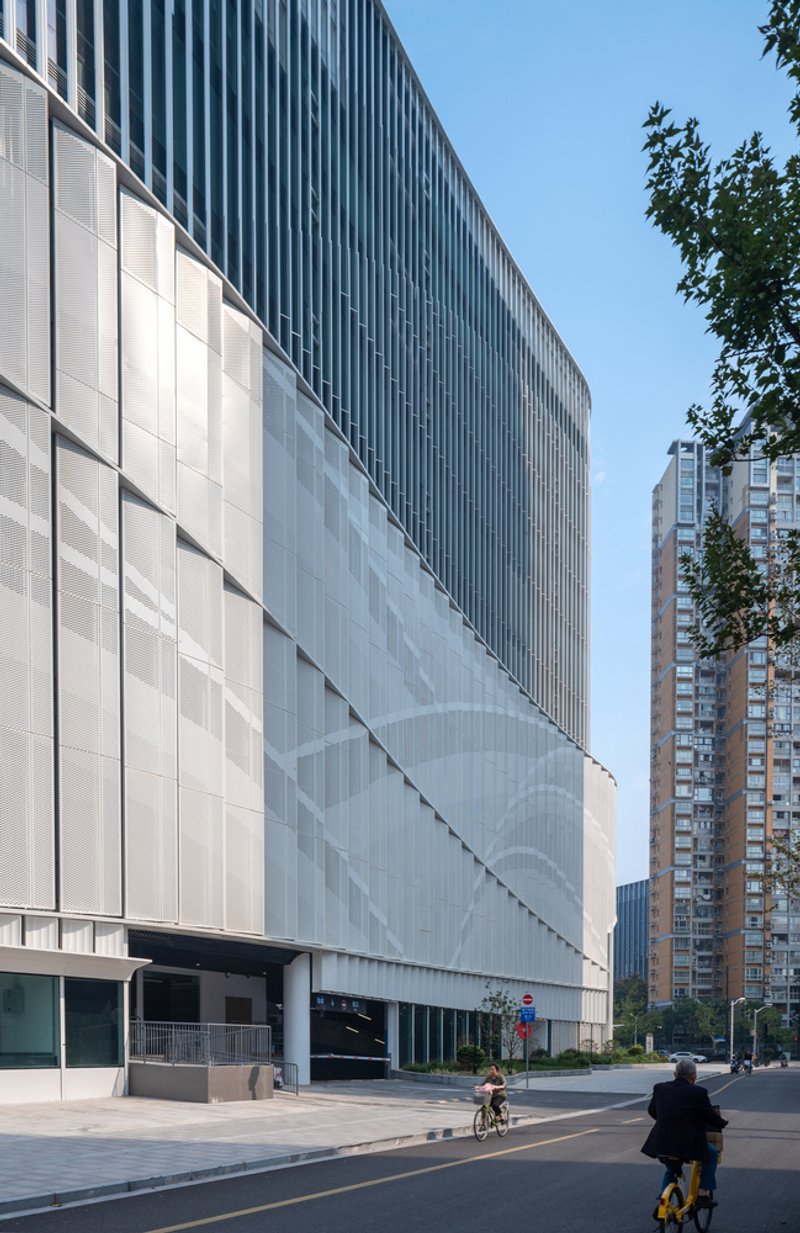
The building is wrapped in a perforated white metal cladding, designed to play with light and shadow throughout the day. This dynamic facade reflects Shanghai’s ever-evolving character, appearing different depending on viewing angles, time of day, and weather conditions.
The segmentation of the curved surfaces creates a rhythmic visual movement, reinforcing the building’s sense of fluidity and lightness. This thoughtful material approach ensures that the Huangpu Cultural Centre is not just an architectural object, but an interactive urban experience.
A New Cultural Hub for Shanghai
As an important addition to Shanghai’s cultural landscape, the Huangpu Cultural Centre is more than just a performing arts venue—it is a symbol of urban regeneration, architectural innovation, and artistic expression. Through its dynamic design, sustainable integration, and cultural significance, the project redefines the relationship between architecture, history, and the contemporary city.



Popular Articles
Popular articles from the community

Fifth NRE Jazz Club – De Bever Architecten: Eindhoven’s Revitalized Cultural Hub
Historic gas factory transformed into Fifth NRE Jazz Club blending modern sustainability, jazz culture, dining, and heritage architecture seamlessly.
Atelier Macri Concept Store Interior Design by CASE-REAL
Atelier Macri store features a "ko" counter, walnut wood details, cork displays, blending retail, gallery, and seamless customer experiences.
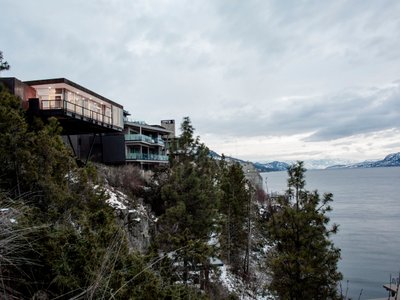
Alton Cliff House: A Harmonious Retreat by f2a Architecture in Lake Country, Canada
Alton Cliff House blends corten steel, prefabrication, and sustainable design, creating a luxurious, energy-efficient retreat perched on Canadian cliffs.
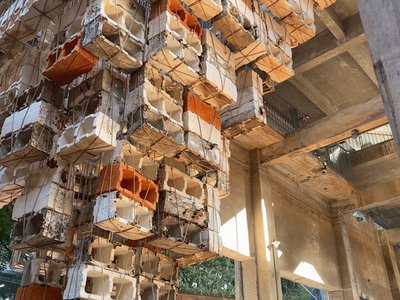
Inverted Architecture Installation by Studio Link-Arc: Exploring the Intersection of Architecture and Living Organisms
Inverted Architecture Installation by Studio Link-Arc blends mycelium, sustainability, inverted design, ecological cycles, and urban adaptive architecture in Shenzhen.

Similar Reads
You might also enjoy these articles


The Ken Roberts Memorial Delineation Competition (Krob)
As the most senior architectural drawing competition currently in operation anywhere in the world, it draws hundreds of entries each year, awarding the very best submissions in a series of medium-based categories.


Waterfront Redevelopment and Urban Revitalization in Mumbai: Forging a New Dawn for Darukhana
A transformative waterfront redevelopment project reimagining Darukhana’s shipbreaking heritage into an inclusive urban future.

OUT-OF-MAP: A Call for Postcards on Feminist Narratives of Public Space
Rhizoma Design and Research Lab invites artists, designers, architects, researchers, and students to reflect on how feminist perspectives can reshape public space. Selected works will be exhibited in Barcelona, October 2026. Submissions open until 15 April 2026.

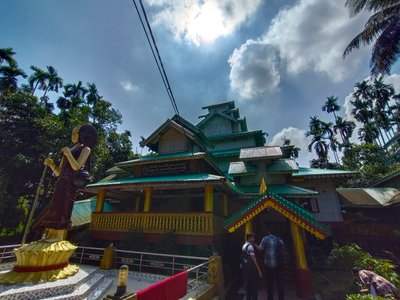
Documentation Work on Buddhist Wooden Temple
Architectural syncretism and cultural hybridity: A comparative study of the Buddhist temples in Chattogram Hill tracks

Explore Architecture Competitions
Discover active competitions in this discipline




The International Standard for Design Portfolios


The Global Benchmark for Architecture Dissertation Awards


The Global Benchmark for Graduation Excellence


Challenge to design an urban locus of culture and heritage
Comments (0)
Please login or sign up to add comments
No comments yet. Be the first to comment!