
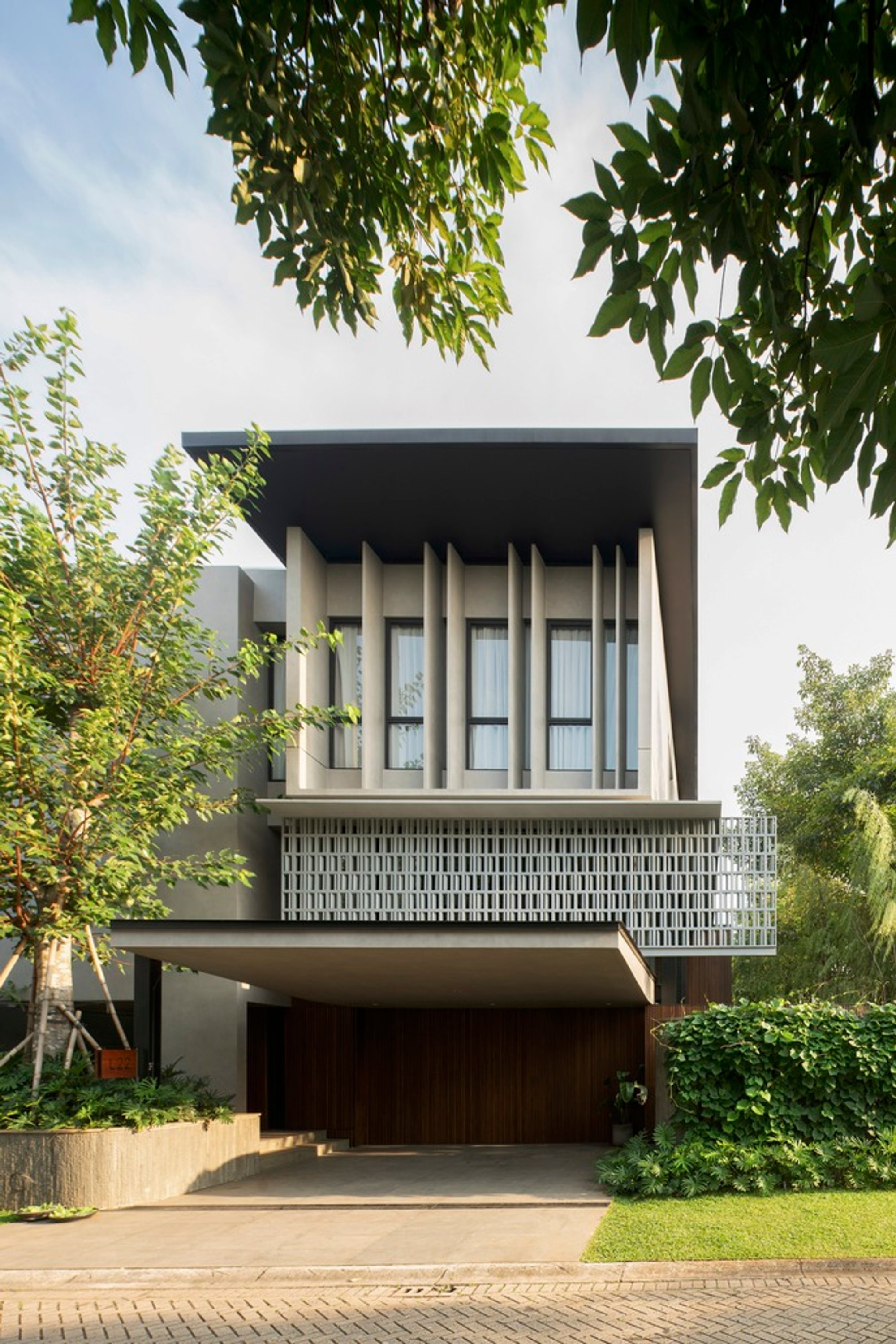
ID House by Wahana Architects: A Modern Family Home in Jakarta
The ID House by Wahana Architects blends modern design with nature, promoting family interaction and privacy in Jakarta.

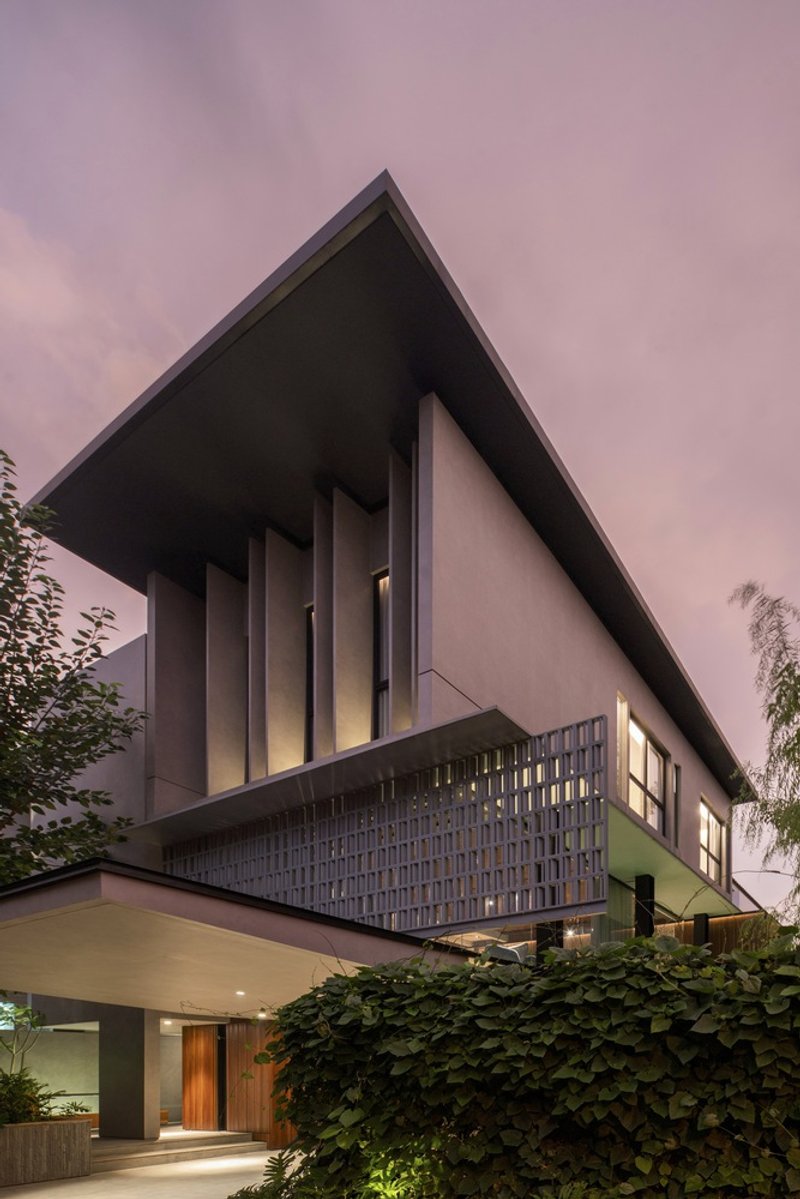
The ID House, designed by Wahana Architects, is a stunning modern home located in Jakarta, Indonesia. Built in 2023, this residence is crafted with the needs of a small family in mind. With a total area of 500 square meters, including a 300 square meter plot of land, the house combines contemporary design elements with a focus on family interaction and a seamless connection between the indoor and outdoor spaces.
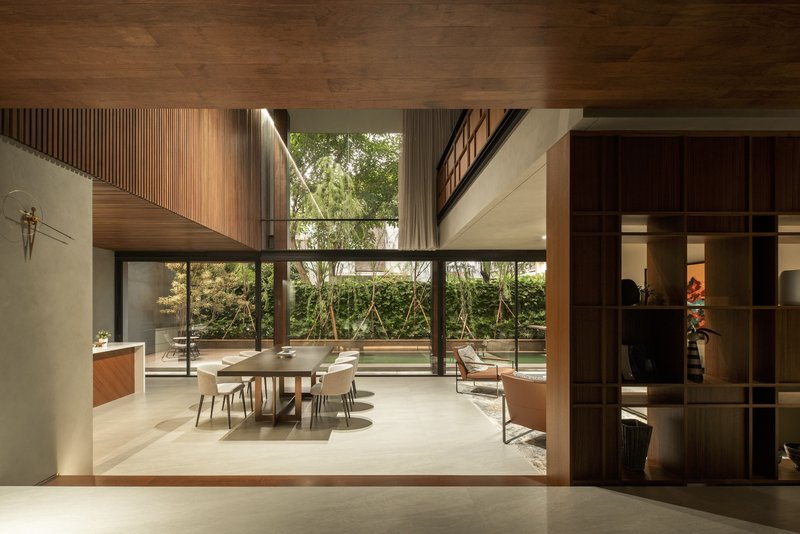
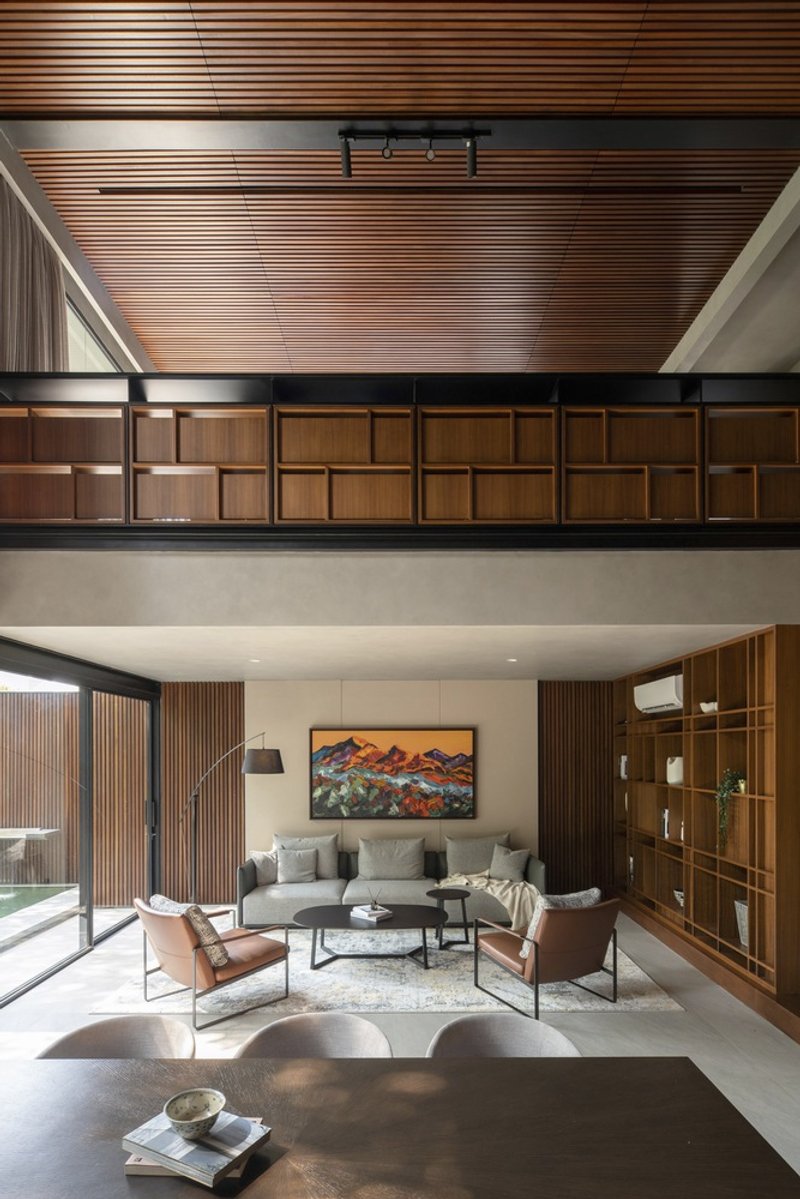
Architectural Design Focus: Integration of Indoors and Outdoors
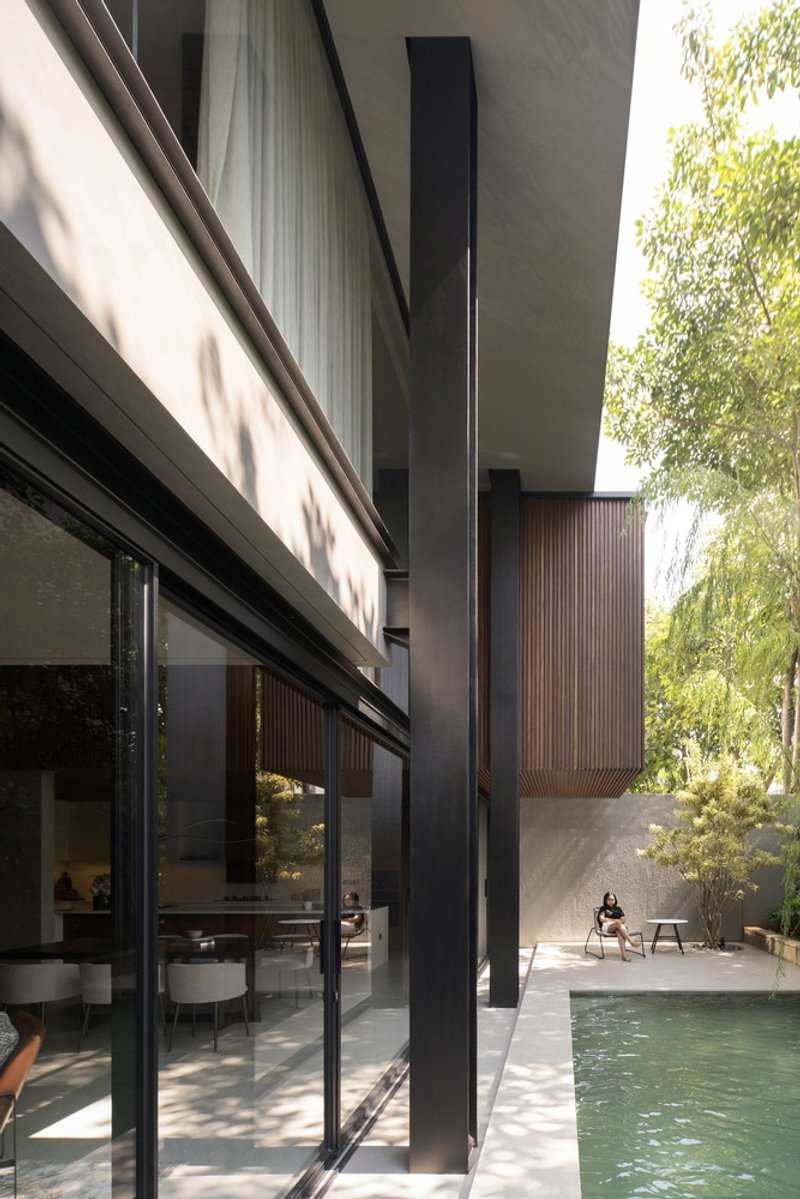
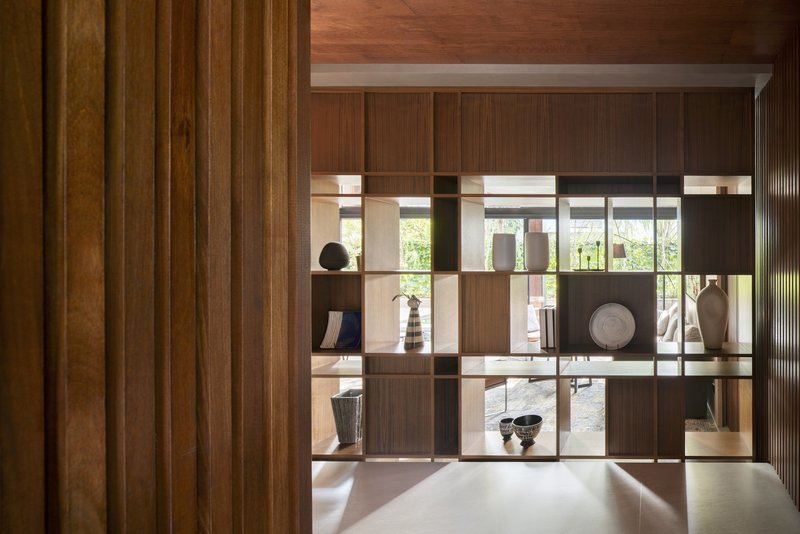
The primary goal of the ID House design was to foster an environment that encourages family togetherness. The architectural layout dissolves the boundaries between the interior living spaces and the adjacent garden, creating a harmonious atmosphere that connects the family with nature. Large windows and open-plan layouts enhance the flow of light and air throughout the home, making it feel both spacious and welcoming.
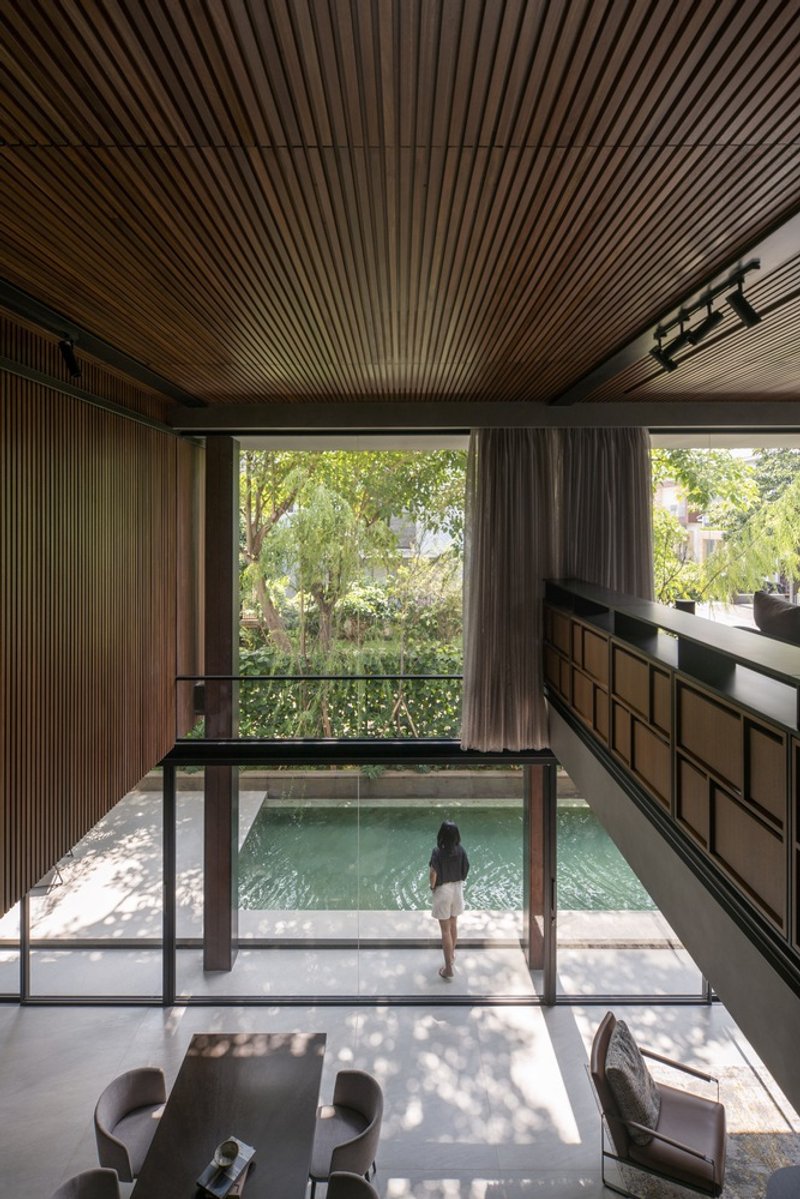
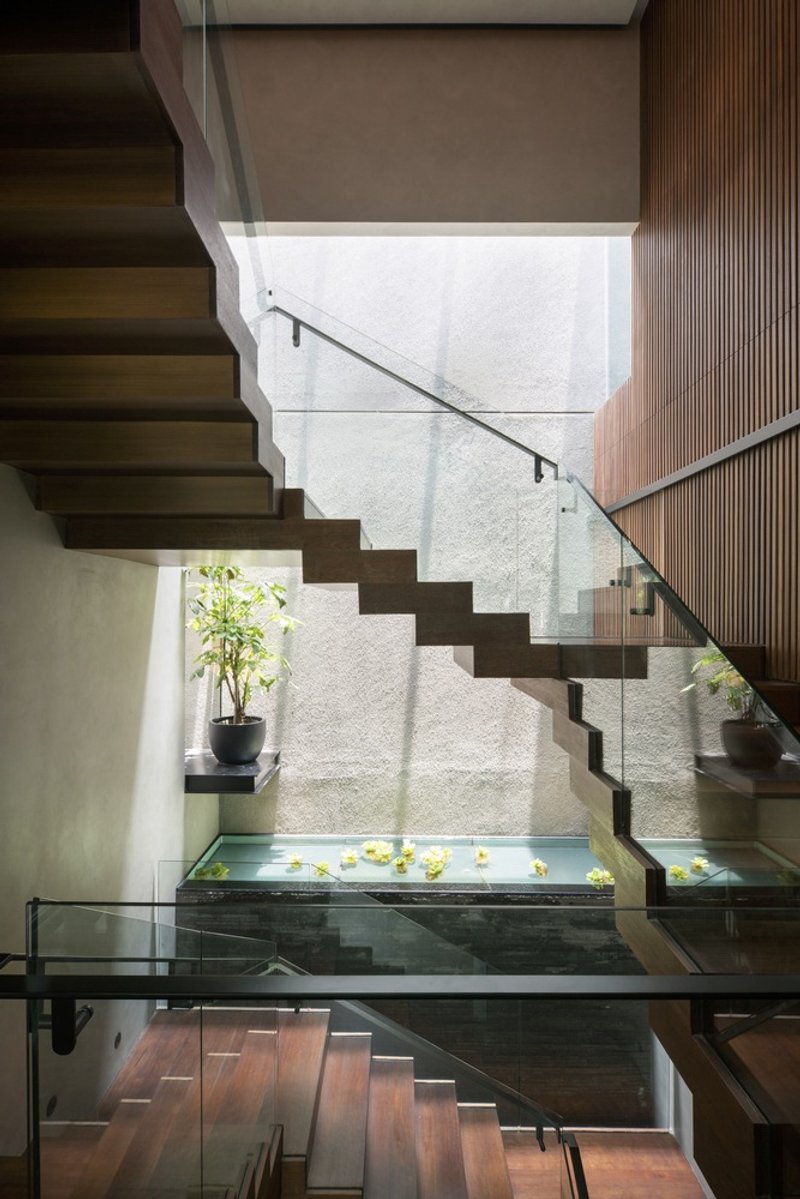
Three-Level Layout: Functional and Stylish
First Floor: Open-Plan Living and Dining Areas
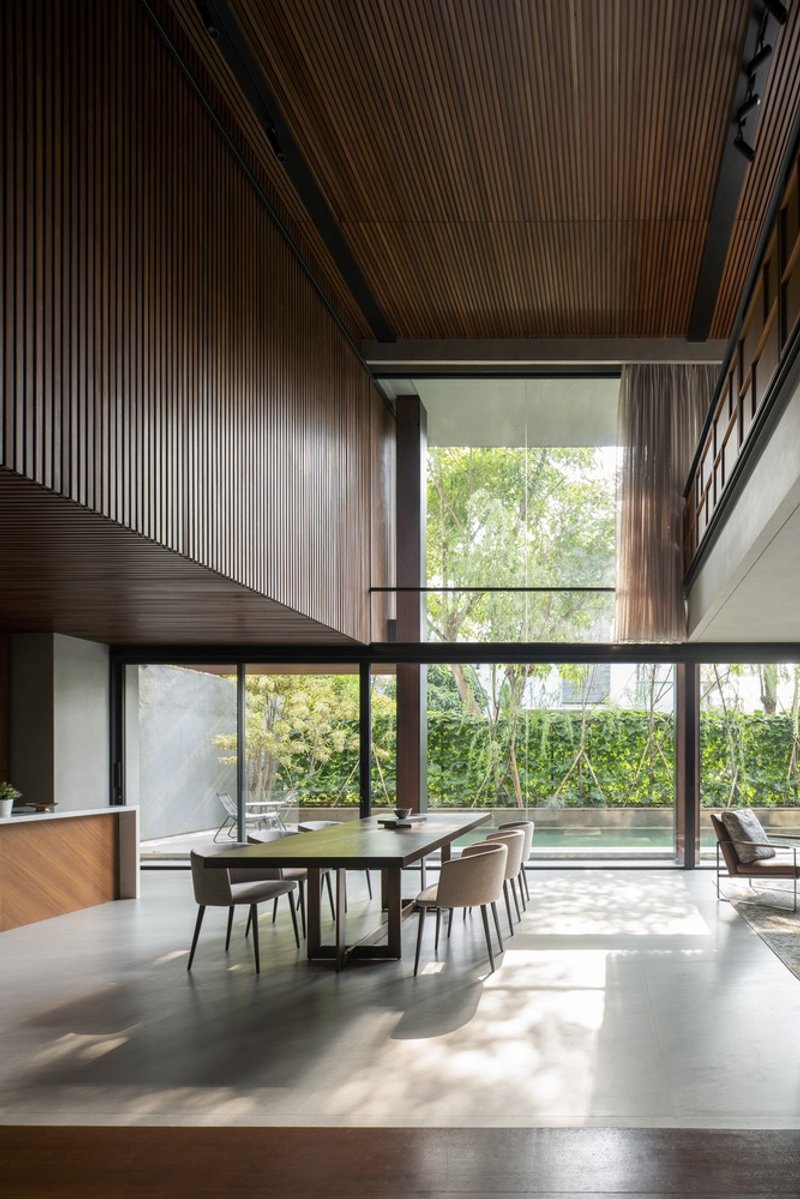
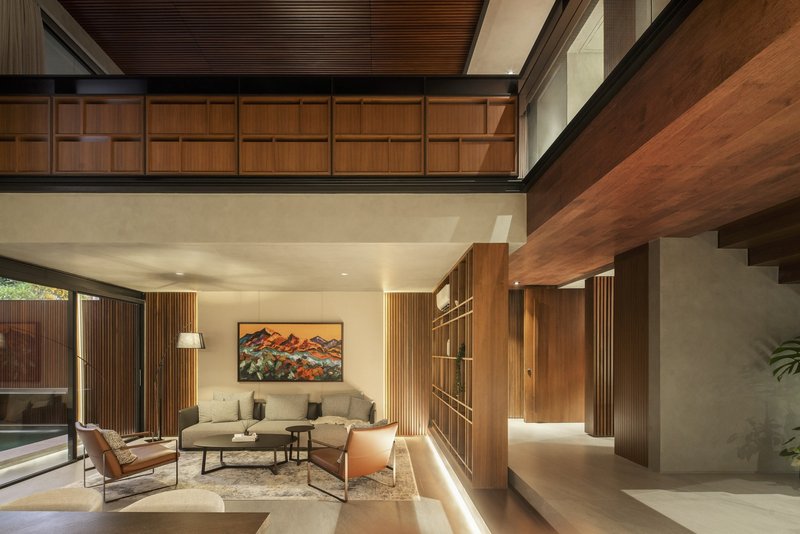
The first floor of the ID House introduces an open-plan concept, combining the living and dining areas. This layout eliminates walls and partitions, promoting interaction and a sense of openness within the home. The continuous flow between the indoor spaces and the outdoor garden makes the family space feel even larger, encouraging shared moments among the family members.
Second Floor: Family Room, Guest Bedroom, and Work Area
On the second floor, the design continues to emphasize family unity. This level features a family room, a guest bedroom, and a work area. A large void in the middle of the second floor connects the family room to the dining area below, adding a unique visual dimension that enhances the sense of openness and continuity across the different levels of the home. This void also ensures that family members can easily communicate and feel connected even while occupying different spaces.
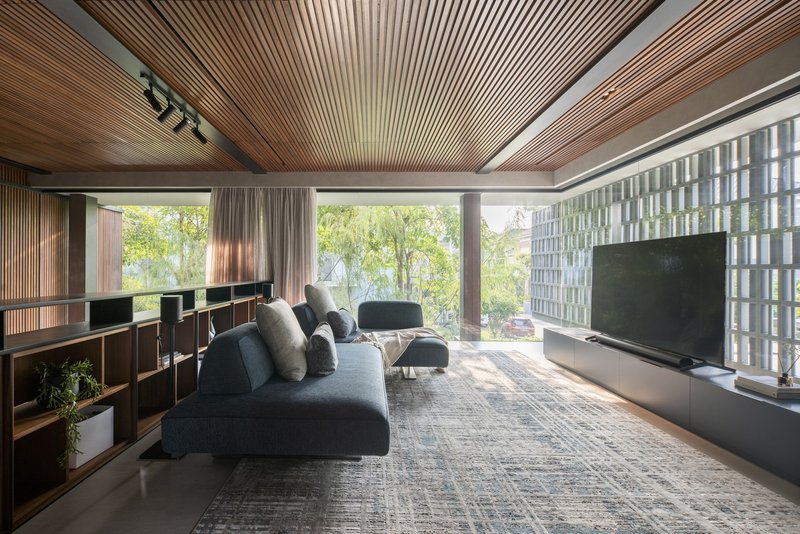
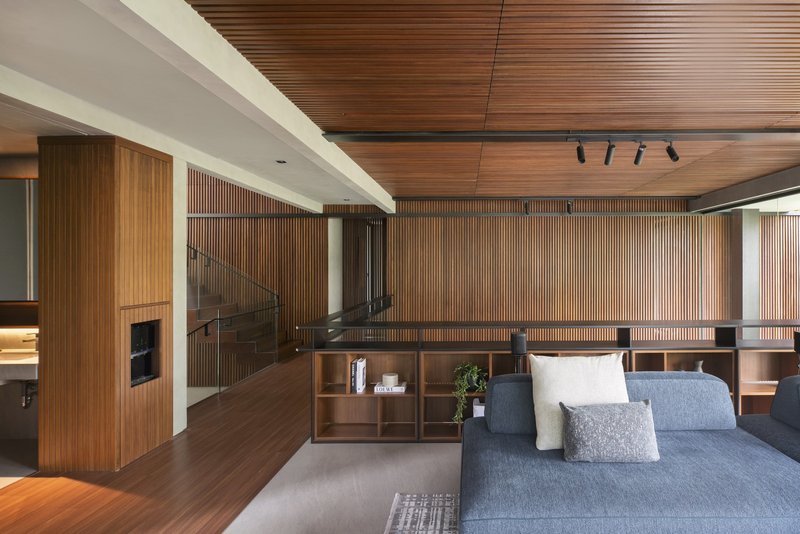
Third Floor: Private Family Retreats
The third floor of the ID House is designed as a private zone for relaxation. It houses the master bedroom and the children's bedrooms, offering each family member their personal space to unwind. This separation from the communal areas on the lower floors provides a sense of privacy and peace, ideal for quiet moments or restful solitude.
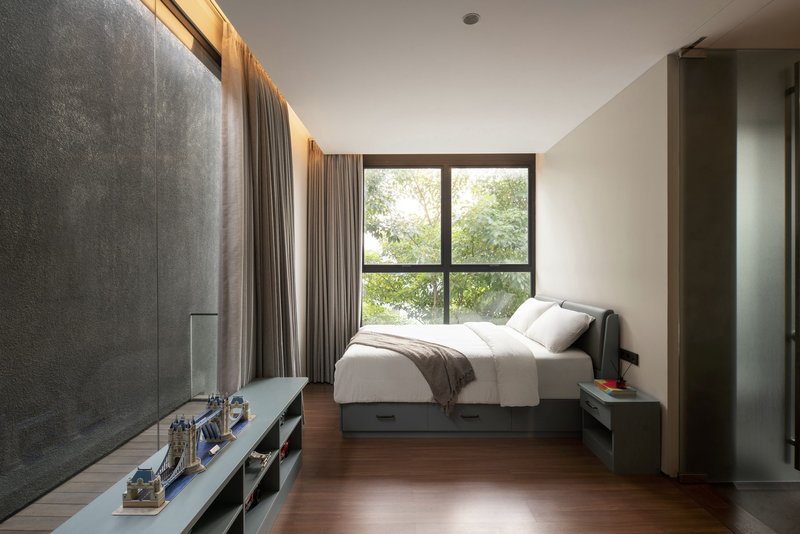
Sustainable Design and Connection with Nature
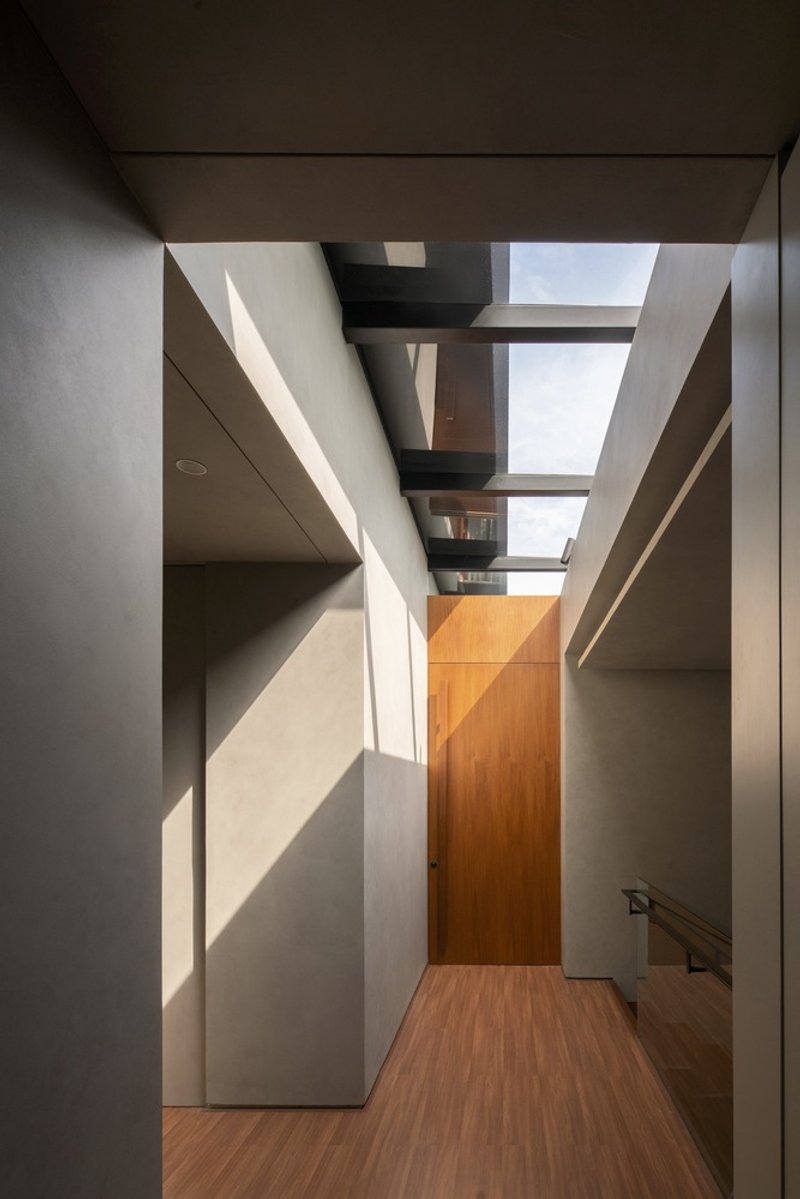
A standout feature of the ID House is its emphasis on sustainability and eco-friendly design. By incorporating large windows, open spaces, and garden integration, the house ensures that natural light and ventilation flow freely, reducing the need for artificial lighting and air conditioning. This creates a healthier living environment and reduces the carbon footprint of the household.
A Modern Home for a Connected Family
The ID House by Wahana Architects is a remarkable example of how thoughtful design can create a home that fosters both family interaction and personal privacy. The strategic use of open-plan spaces, natural light, and seamless integration of indoor and outdoor living makes this home an ideal space for a small family seeking comfort, flexibility, and connection with nature.
Whether for communal family moments or private retreats, the ID House achieves a perfect balance, demonstrating the power of modern architecture in enhancing daily life.



Popular Articles
Popular articles from the community


The Ken Roberts Memorial Delineation Competition (Krob)
As the most senior architectural drawing competition currently in operation anywhere in the world, it draws hundreds of entries each year, awarding the very best submissions in a series of medium-based categories.

Atelier Macri Concept Store Interior Design by CASE-REAL
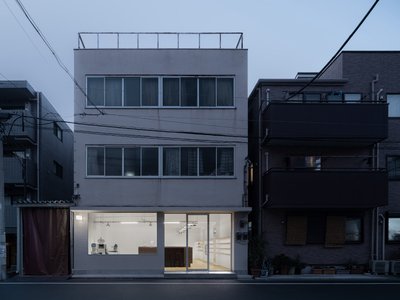
Atelier Macri store features a "ko" counter, walnut wood details, cork displays, blending retail, gallery, and seamless customer experiences.
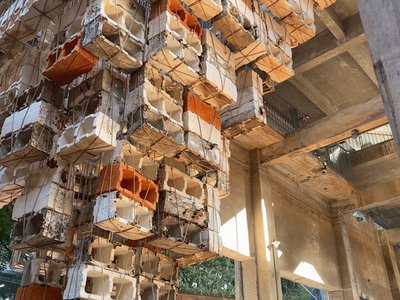
Inverted Architecture Installation by Studio Link-Arc: Exploring the Intersection of Architecture and Living Organisms
Inverted Architecture Installation by Studio Link-Arc blends mycelium, sustainability, inverted design, ecological cycles, and urban adaptive architecture in Shenzhen.
On the Brooks House by Monsoon Collective – A Contemporary Kerala Home Rooted in Tradition
Kerala home blending tradition and modernity with water-inspired design, brick architecture, courtyard planning, and sustainable rainwater harvesting strategies.


Similar Reads
You might also enjoy these articles
The Ken Roberts Memorial Delineation Competition (Krob)
As the most senior architectural drawing competition currently in operation anywhere in the world, it draws hundreds of entries each year, awarding the very best submissions in a series of medium-based categories.


Waterfront Redevelopment and Urban Revitalization in Mumbai: Forging a New Dawn for Darukhana
A transformative waterfront redevelopment project reimagining Darukhana’s shipbreaking heritage into an inclusive urban future.

OUT-OF-MAP: A Call for Postcards on Feminist Narratives of Public Space
Rhizoma Design and Research Lab invites artists, designers, architects, researchers, and students to reflect on how feminist perspectives can reshape public space. Selected works will be exhibited in Barcelona, October 2026. Submissions open until 15 April 2026.

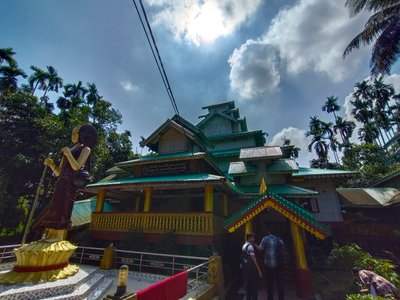
Documentation Work on Buddhist Wooden Temple
Architectural syncretism and cultural hybridity: A comparative study of the Buddhist temples in Chattogram Hill tracks

Explore Architecture Competitions
Discover active competitions in this discipline




The International Standard for Design Portfolios


The Global Benchmark for Architecture Dissertation Awards


The Global Benchmark for Graduation Excellence


Challenge to reimagine the Iron Throne
Comments (0)
Please login or sign up to add comments
No comments yet. Be the first to comment!