
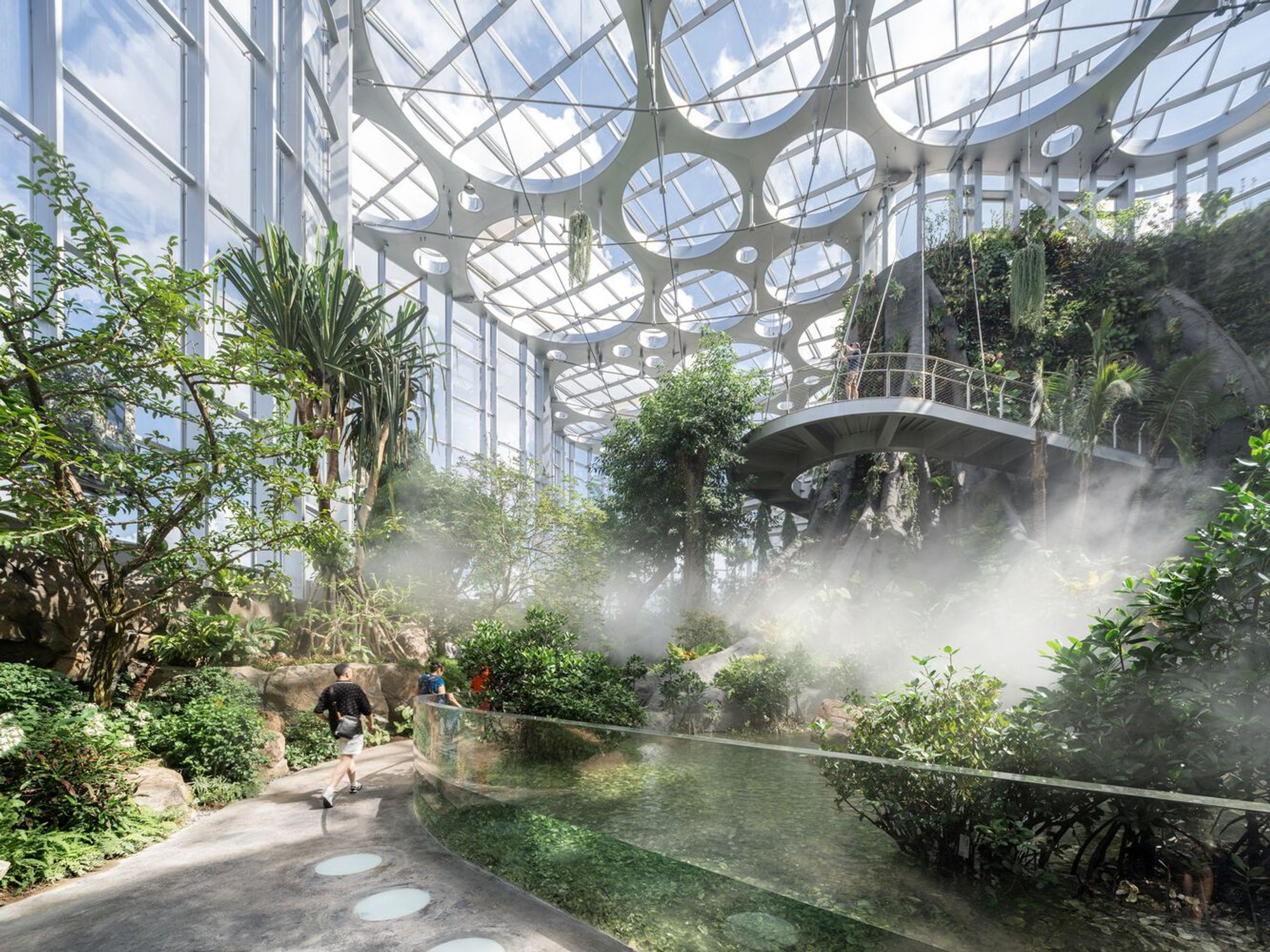
Introduction to Sustainable Greenhouse Design in Expo Cultural Park
The Expo Cultural Park Greenhouse Garden merges sustainable architecture with nature, transforming a former industrial site into a green urban space.

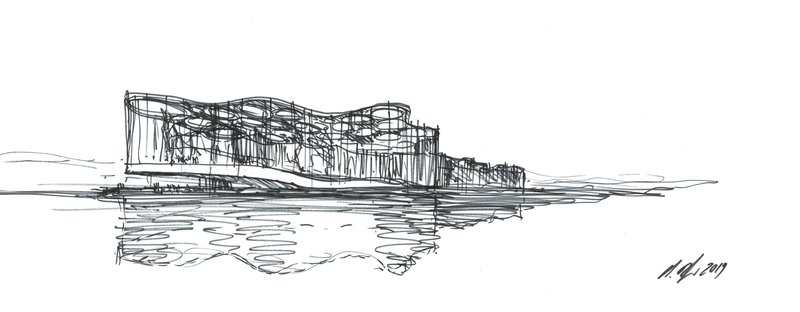
The Expo Cultural Park Greenhouse Garden, designed by Delugan Meissl Associated Architects (DMAA), is a testament to sustainable architecture, emphasizing the importance of nature in our living environments. This project, located in Shanghai's Pudong district, stands out for its innovative approach to integrating energy-efficient systems and environmental consciousness into the urban landscape.
Addressing Urban and Environmental Challenges in Shanghai
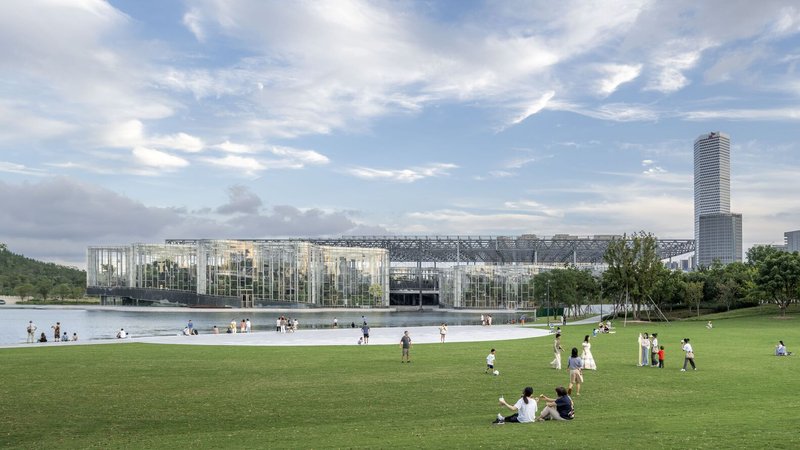
Shanghai, with its 23 million residents, faces critical environmental issues like air pollution, water shortages, and rising temperatures. The Expo Cultural Park provides a sustainable solution to these challenges, transforming a former industrial site into one of Asia's largest greenhouse gardens. This development is a response to the urbanization of Pudong and its push toward creating more green spaces to combat climate change.
A Seamless Integration of Industry and Nature
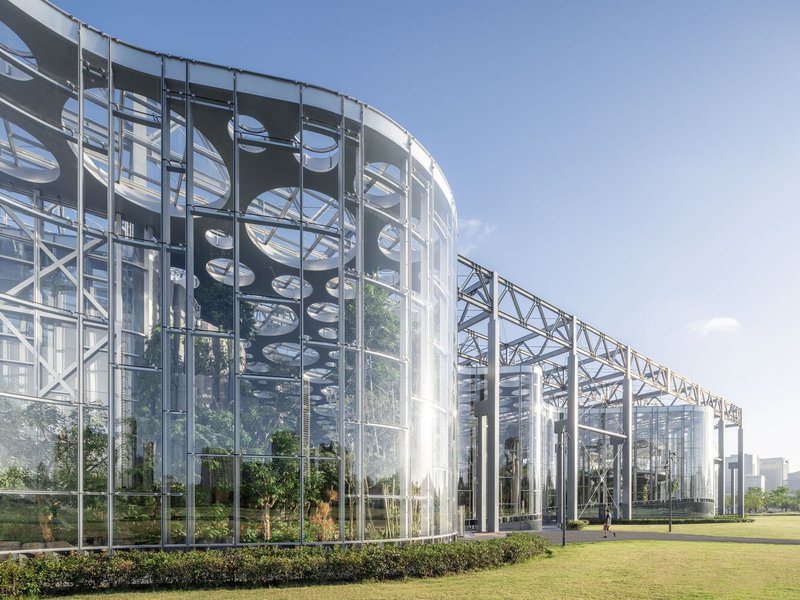
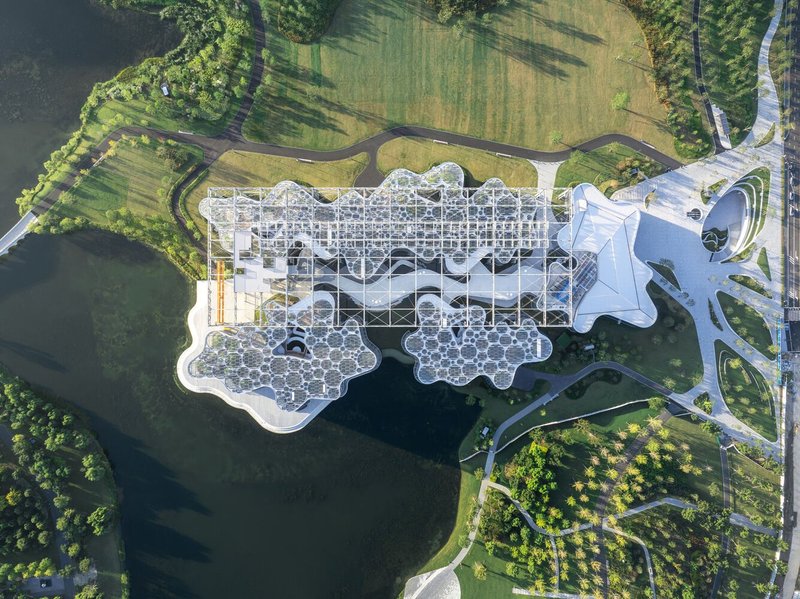
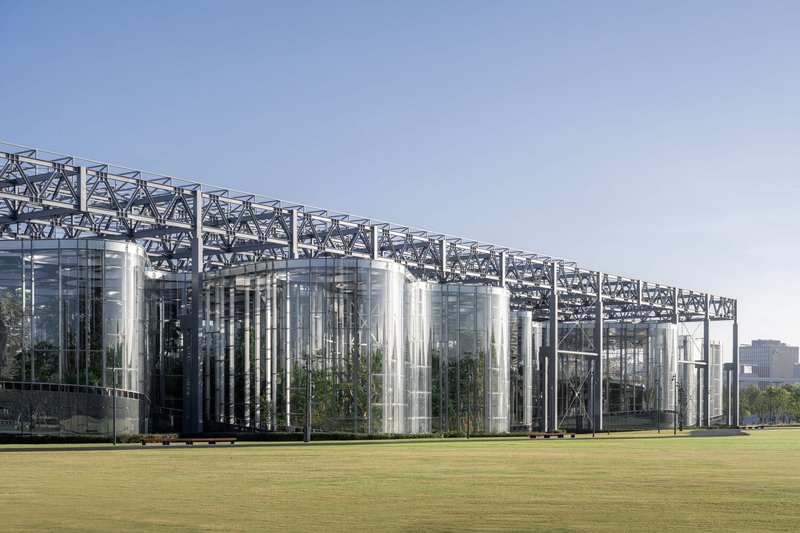
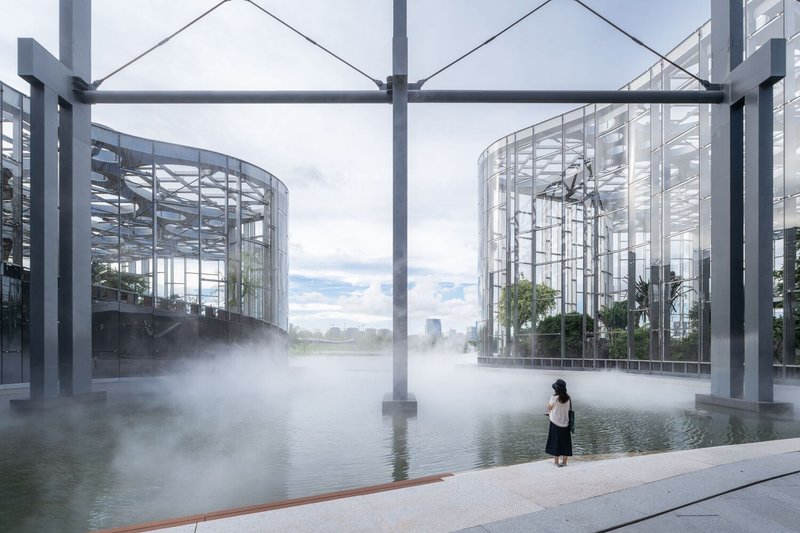
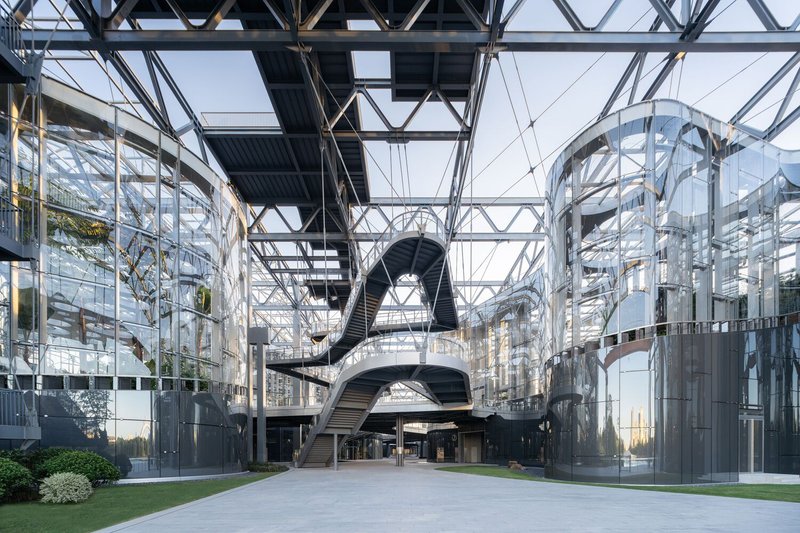
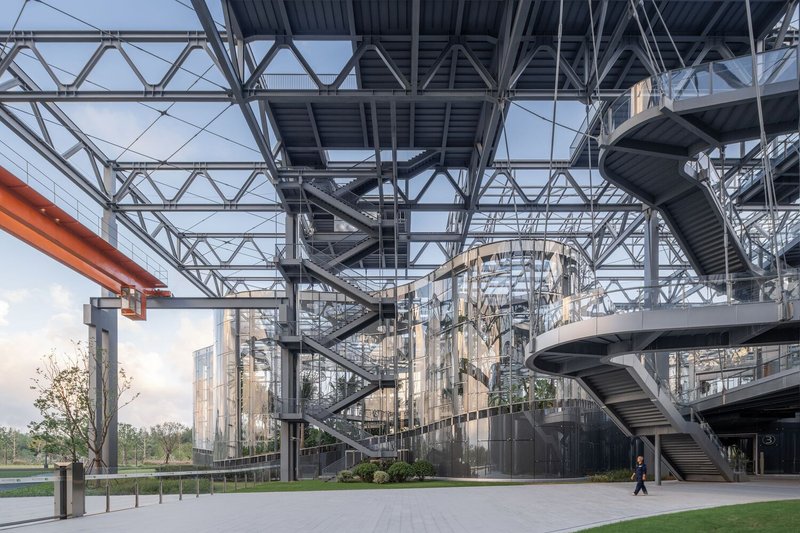
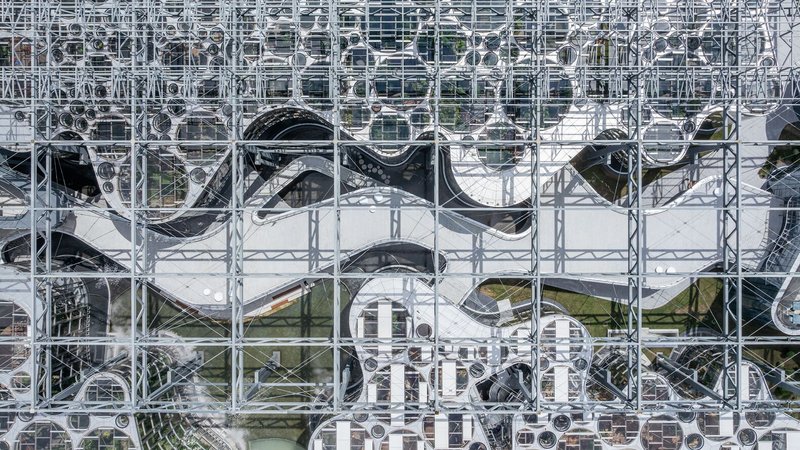
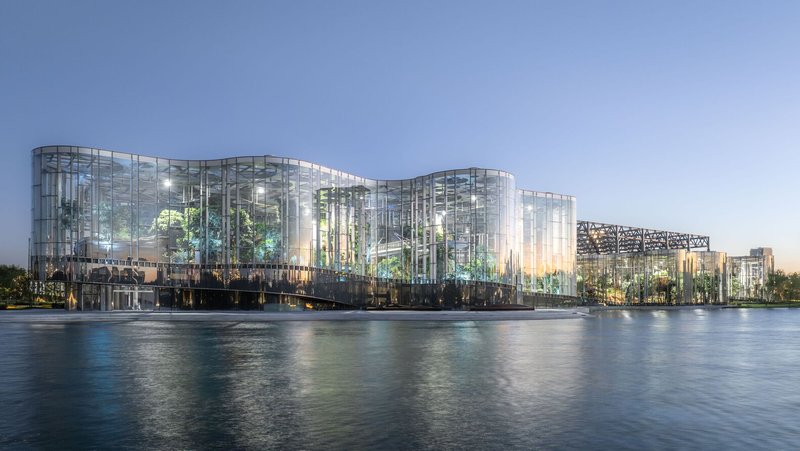
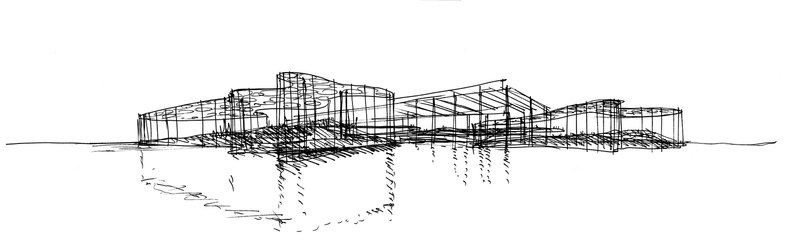
The design of the Greenhouse Garden reflects a duality between industry and nature. A steel structure from a former industrial hall was repurposed and blended with organically shaped pavilions to create an architectural expression that embodies both historical significance and modern environmental consciousness. This site, once occupied by a coal-fired power plant and a steelworks facility, now symbolizes Shanghai's shift towards greener, more sustainable urban spaces.
Zero-Energy Greenhouse Design
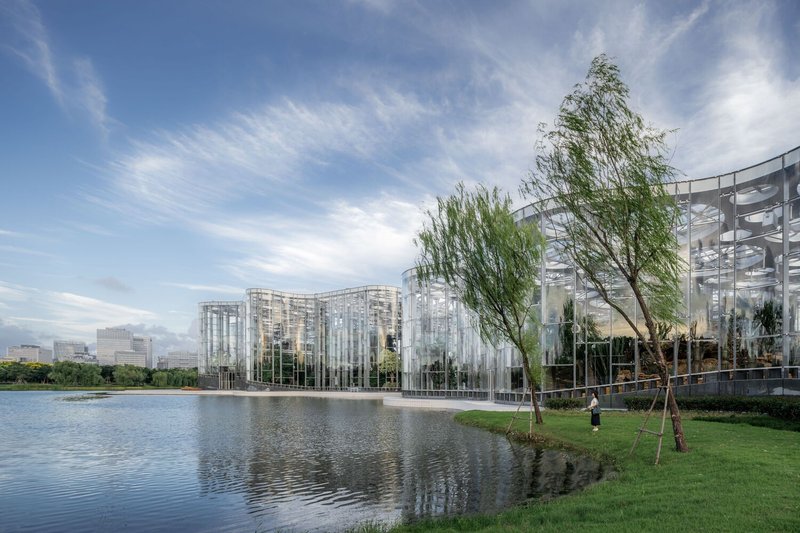
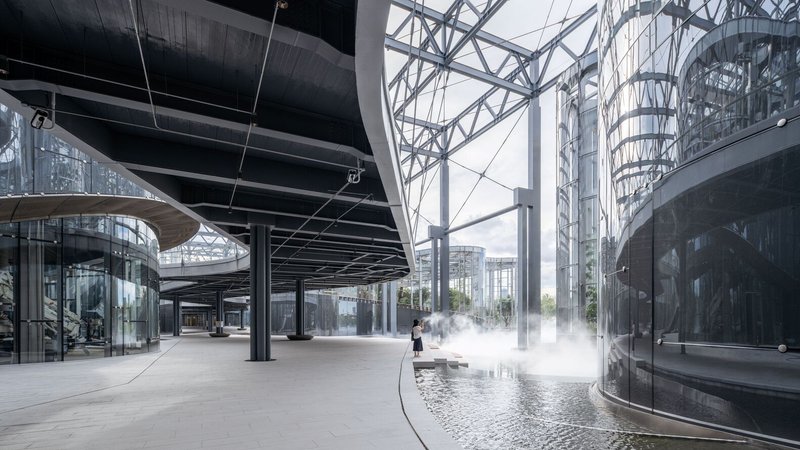
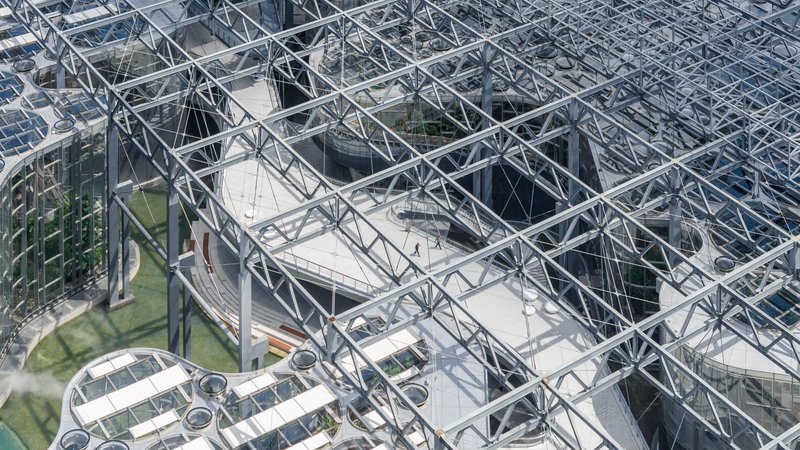
A critical element of the Expo Cultural Park's design is its commitment to sustainability, particularly in the greenhouse structures. Unlike traditional greenhouses that consume vast amounts of energy, this project achieves a zero-energy goal. This is accomplished by using single glazing to reduce energy use, enhancing natural ventilation, and cooling with water features such as a nearby pool. Photovoltaic panels provide additional power, further contributing to the sustainable energy system.
The Three Pavilions: Desert, Rainforest, and Vertical Gardens
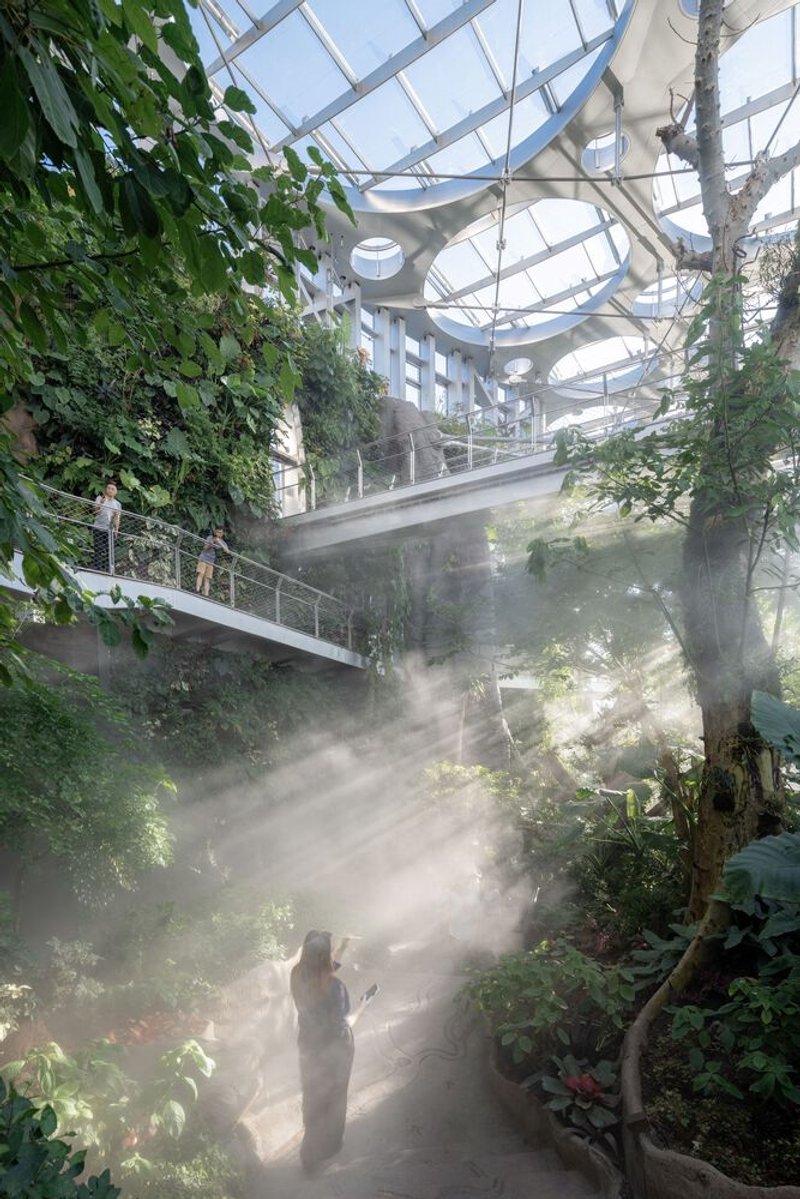
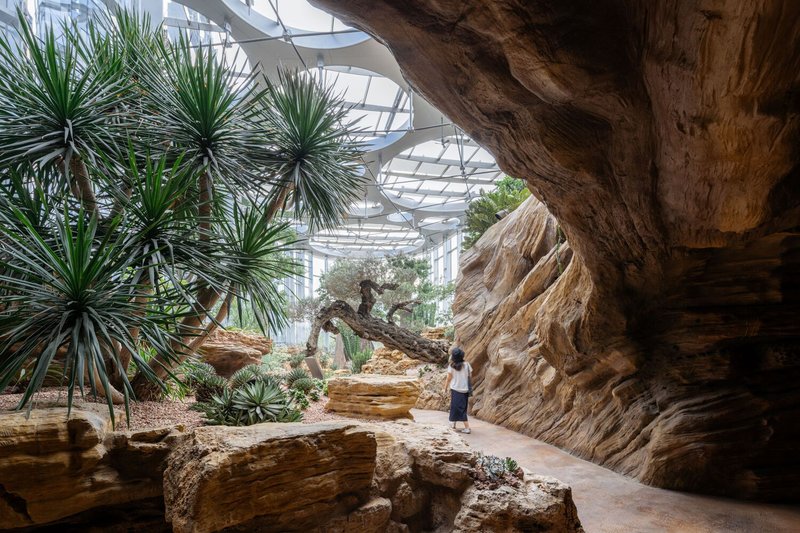
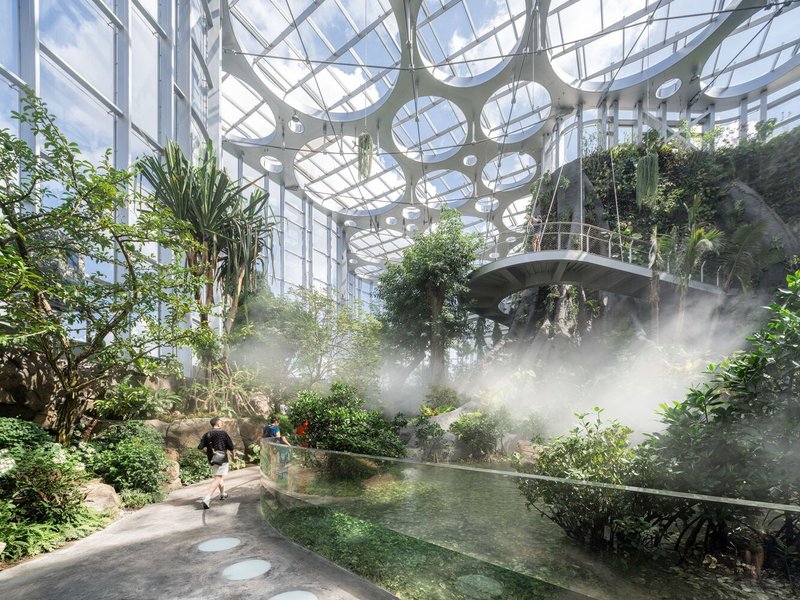
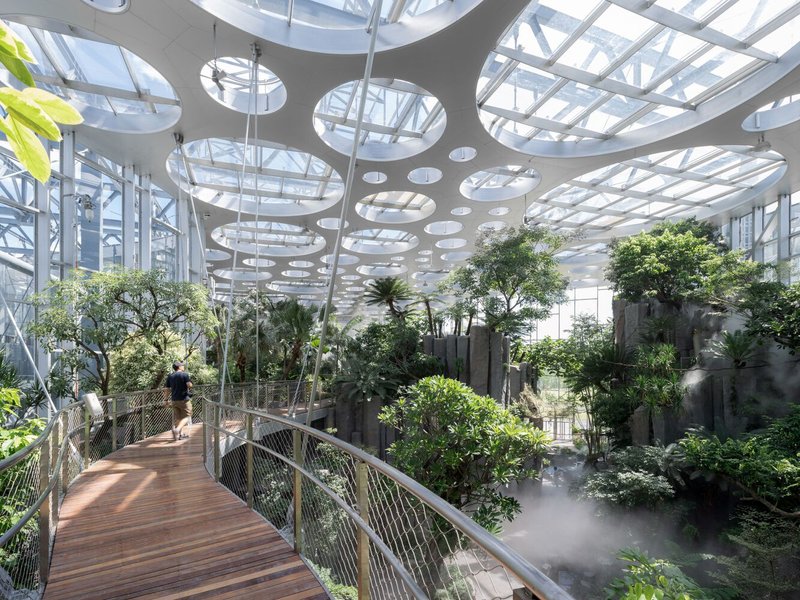
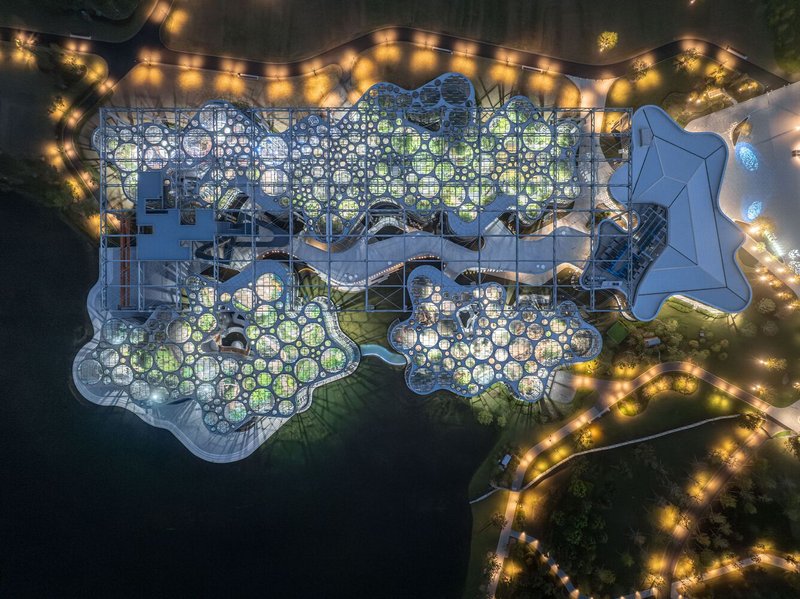
The design of the greenhouse garden incorporates three distinct pavilions that represent diverse global climates. The first pavilion recreates the arid desert environment, showcasing plants that can withstand drought conditions. The second pavilion focuses on tropical rainforest vegetation, while the third pavilion features vertical flower gardens for temporary exhibits. The terrace above the pavilions provides panoramic views, creating a harmonious balance between nature and the surrounding urban fabric.
Sustainable Pathways and User Interaction
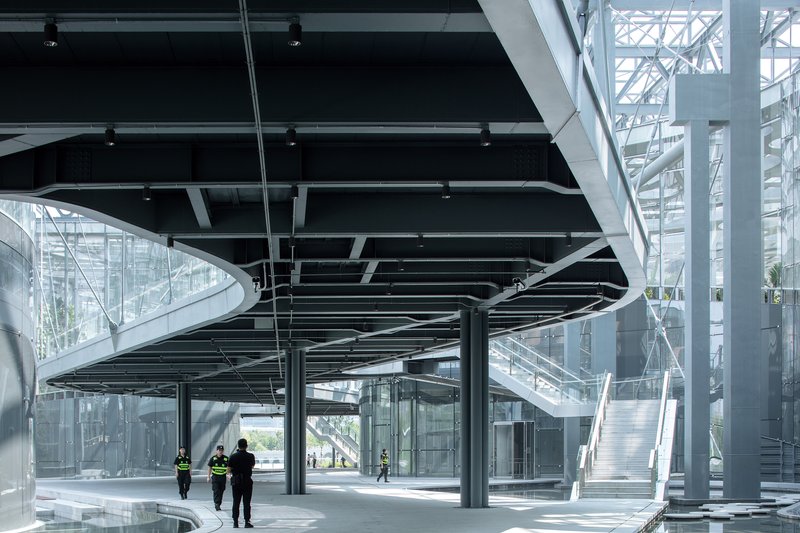
The layout of the park encourages visitors to engage with the space in an immersive way. A network of pathways connects the different greenhouse pavilions, allowing guests to experience varying environmental conditions while interacting with the architecture. The design’s undulating facade not only creates a dynamic visual experience but also symbolizes the evolving relationship between humans and nature, particularly in the context of global climate challenges.
The Future of Sustainable Architecture
The Expo Cultural Park Greenhouse Garden represents a forward-thinking approach to architectural design, blending sustainability with cultural and environmental awareness. By reimagining a once-industrial space into a green oasis, it highlights the potential of architecture to address pressing global issues while offering a model for future developments in urban sustainability.
All Photographs are work of CreatAR Images



Popular Articles
Popular articles from the community


The Ken Roberts Memorial Delineation Competition (Krob)
As the most senior architectural drawing competition currently in operation anywhere in the world, it draws hundreds of entries each year, awarding the very best submissions in a series of medium-based categories.

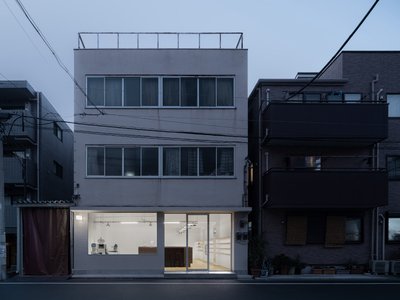
Atelier Macri Concept Store Interior Design by CASE-REAL
Atelier Macri store features a "ko" counter, walnut wood details, cork displays, blending retail, gallery, and seamless customer experiences.

Solar Steam: A Climate-Responsive Architecture That Redefines the Monument
A climate-responsive memorial architecture that transforms heat, decay, and time into a living system reflecting humanity’s ecological impact.
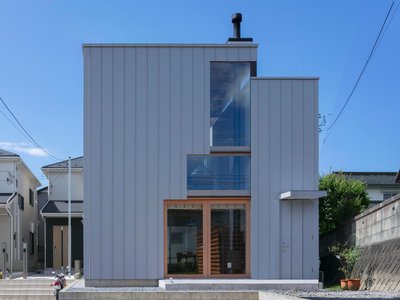
Split House: A Compact Urban Home Blending Privacy, Light, and Flexible Living in Japan
Compact Japanese home featuring DOMA space, flexible café potential, passive lighting, privacy zoning, and sustainable urban living design.

Similar Reads
You might also enjoy these articles
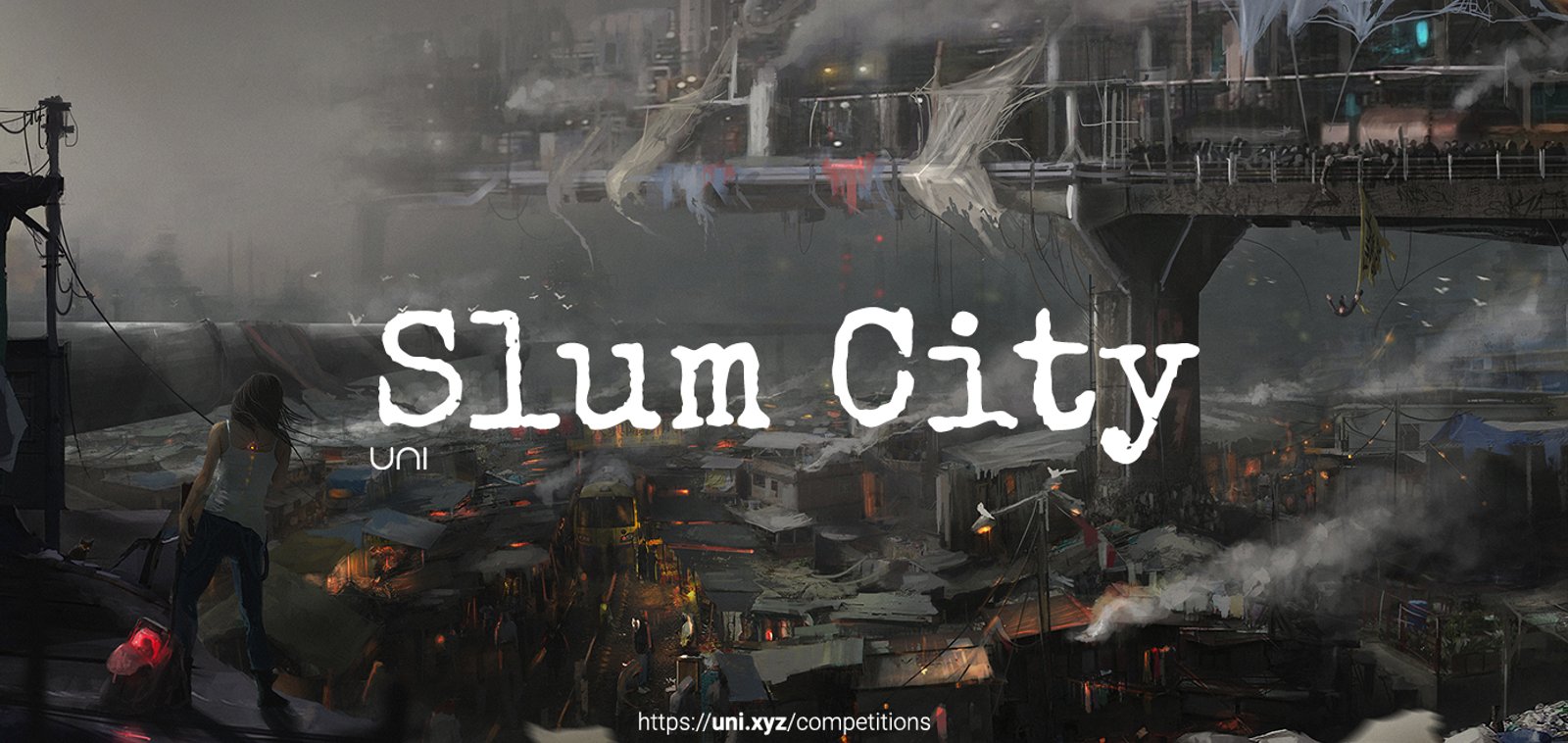
The Ken Roberts Memorial Delineation Competition (Krob)
As the most senior architectural drawing competition currently in operation anywhere in the world, it draws hundreds of entries each year, awarding the very best submissions in a series of medium-based categories.

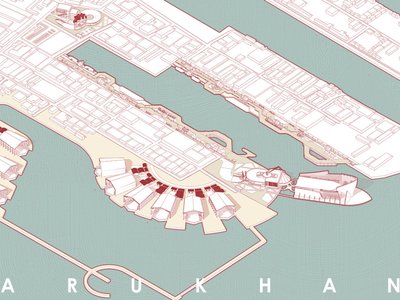
Waterfront Redevelopment and Urban Revitalization in Mumbai: Forging a New Dawn for Darukhana
A transformative waterfront redevelopment project reimagining Darukhana’s shipbreaking heritage into an inclusive urban future.
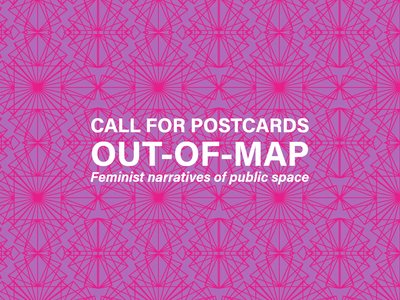
OUT-OF-MAP: A Call for Postcards on Feminist Narratives of Public Space
Rhizoma Design and Research Lab invites artists, designers, architects, researchers, and students to reflect on how feminist perspectives can reshape public space. Selected works will be exhibited in Barcelona, October 2026. Submissions open until 15 April 2026.

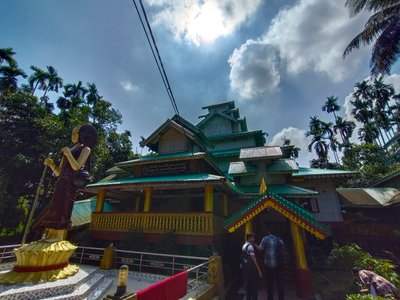
Documentation Work on Buddhist Wooden Temple
Architectural syncretism and cultural hybridity: A comparative study of the Buddhist temples in Chattogram Hill tracks

Explore Architecture Competitions
Discover active competitions in this discipline




The International Standard for Design Portfolios


The Global Benchmark for Architecture Dissertation Awards


The Global Benchmark for Graduation Excellence


Challenge to reimagine the Iron Throne
Comments (0)
Please login or sign up to add comments
No comments yet. Be the first to comment!