
KASAMABI Sauna by ujizono architects + bench: A Contemporary Sanctuary Inspired by Kasama’s Ceramic Heritage
KASAMABI Sauna blends tradition and modernity, inspired by Kasama’s ceramic kilns, using charred cedar and natural light for serene rejuvenation.

The 81 m² project in Kasama City, Ibaraki, Japan, designed by ujizono architects with interiors by bench, exemplifies refined modern living. Completed in 2025, the design harmoniously balances functionality and aesthetics, creating intimate, well-crafted spaces. Photography by Yosuke Ohtake captures the project’s materiality, spatial flow, and thoughtful detailing.
A Contemporary Sauna Rooted in Kasama’s Ceramic Heritage
The KASAMABI Sauna by ujizono architects and bench redefines the traditional sauna experience by merging architectural precision with Kasama City’s deep-rooted ceramic culture. Located in Ibaraki Prefecture, a region celebrated since the Edo period for its Kasama ware and vibrant artisan community, the project stands as a meditative retreat amidst a diverse urban and natural setting.
Surrounded by ceramics schools, art museums, and residential dwellings, the sauna is both secluded and connected—a place that engages the senses while harmonizing with its complex surroundings. The architects interpreted the site’s “four-sided enclosure” as an opportunity to explore boundaries, privacy, and permeability in a space designed for renewal.
Architectural Concept: Between Stillness and Flow
The design concept draws upon two essential spatial conditions—“places where people linger” and “places where circulation flows.” This duality shapes the project’s essence: stillness and movement, reflection and energy.https://archiecho.com/kasamabi-sauna-ujizono-architects-bench
Inspired by the climbing kilns scattered across Kasama City, the architecture metaphorically mirrors these kiln structures, linking the sauna to the region’s pottery heritage. Just as kilns breathe life into clay, the sauna channels light, air, and human presence through its carefully choreographed spatial sequence.
The project connects urban memory and natural rhythm, offering an architectural interpretation of flow—where air and people gently move through layered boundaries, transitioning from enclosed spaces to open air.
Exterior Design: A Dialogue with the Landscape
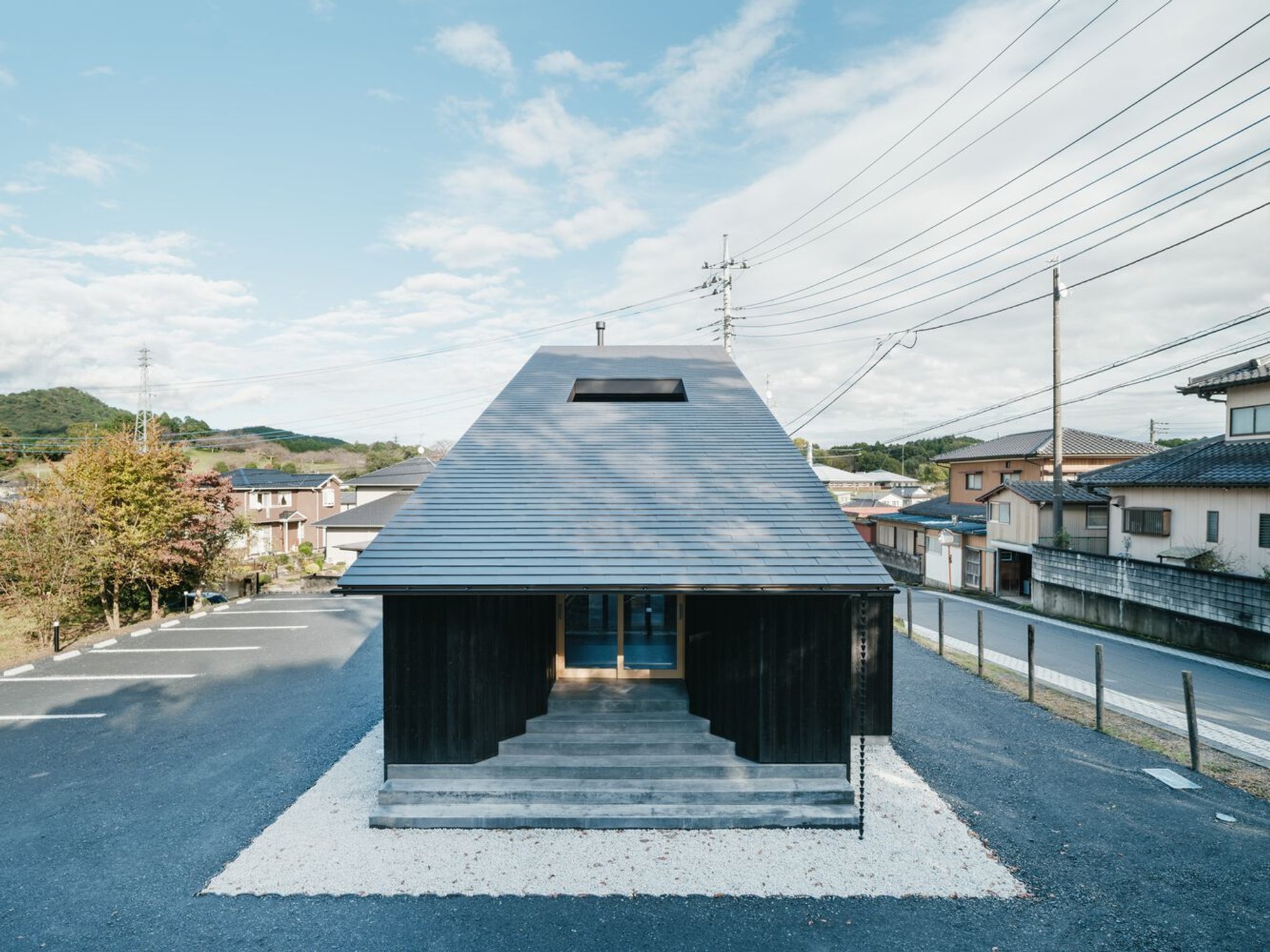
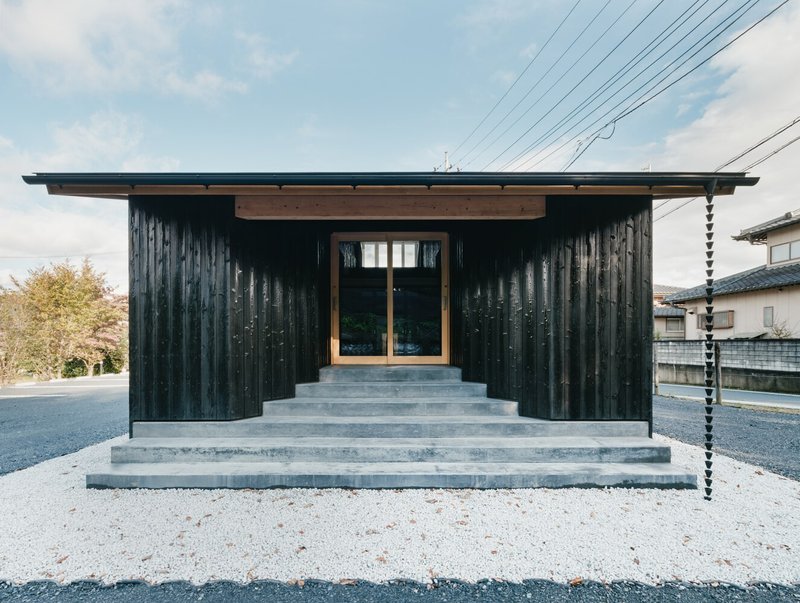
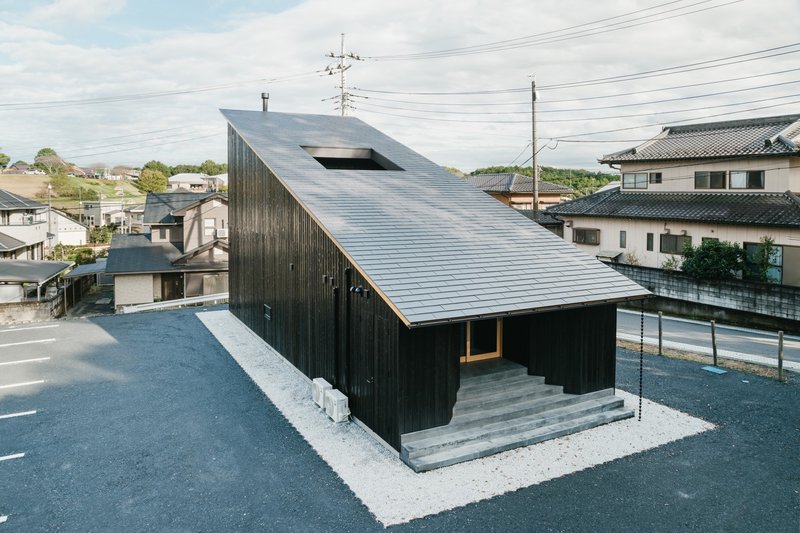
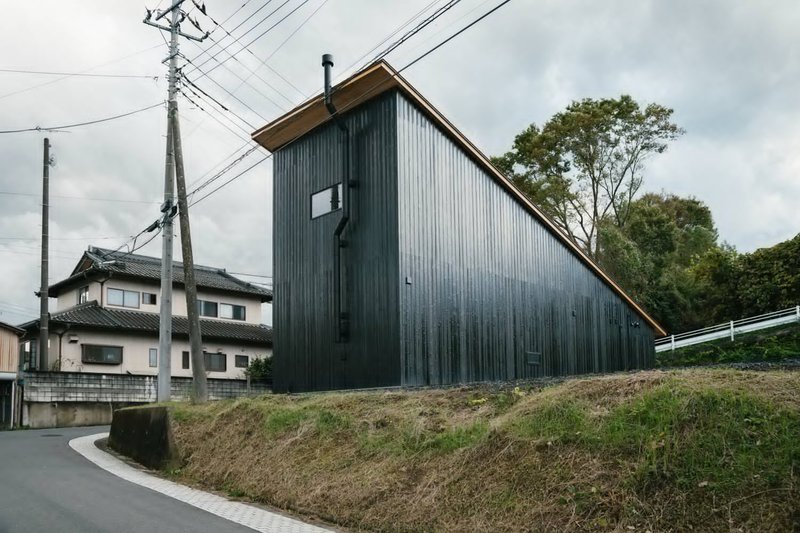
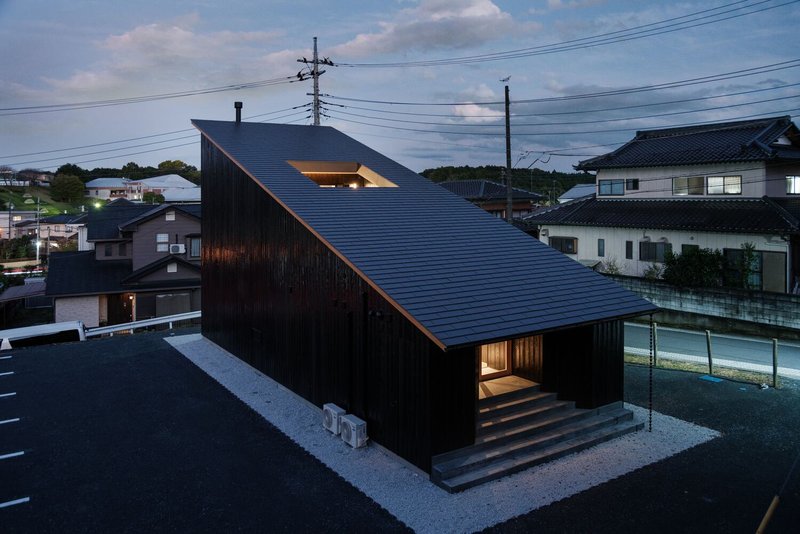
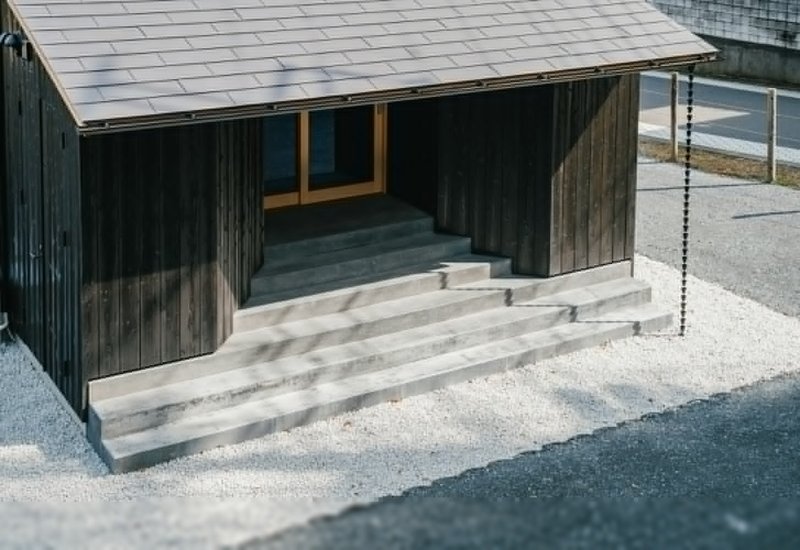
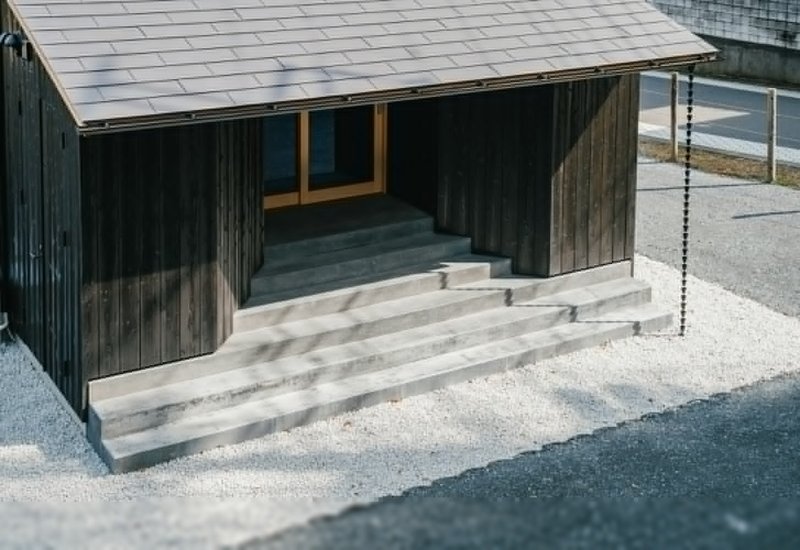
Externally, KASAMABI Sauna combines regional materiality with minimalist detailing. The walls are clad in charred cedar (shou sugi ban), providing a tactile, weathered texture that references both traditional Japanese craft and natural resilience.
The single-slope roof—crafted from flat metal sheets—echoes the form of the region’s climbing kilns. Adopting the local 3:5 roof pitch, the structure blends naturally into the Kasama landscape, offering a distinctive silhouette that shifts with the light.
A perimeter path of Inada stone gravel softly defines the site’s boundary, while black concrete steps form a visual transition between the natural ground and the dark cedar façade. This restrained palette of charred wood, stone, and concrete grounds the architecture in the earthy aesthetics of the ceramics town.
Interior Design: A Journey of Sensory Transformation
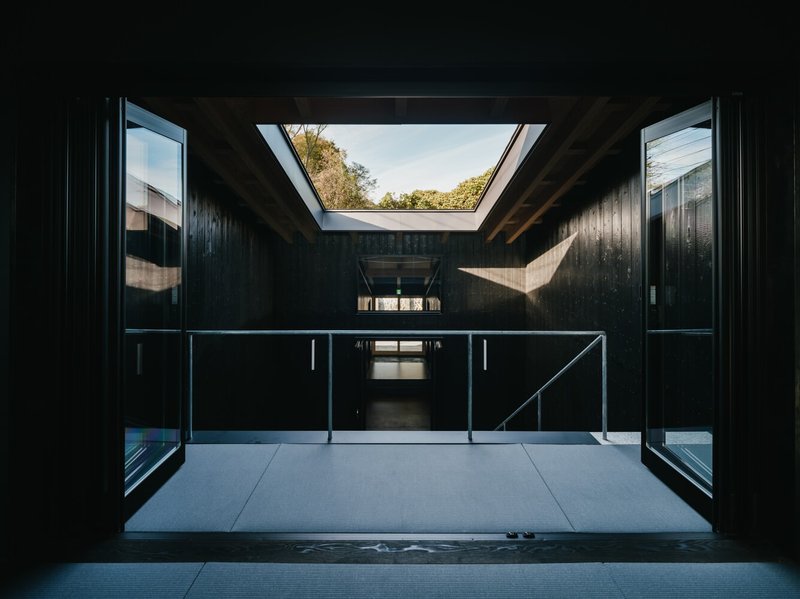
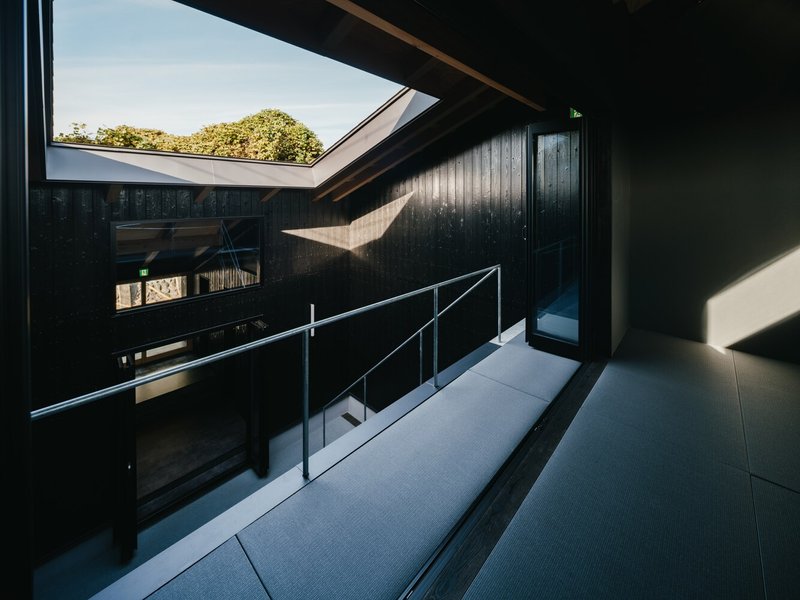
Inside, the architecture continues its quiet narrative of movement and pause. The plan establishes horizontal circulation paths intersecting vertical spatial axes, organizing the sequence of changing rooms, indoor air baths, showers, and toilets with clarity and balance.
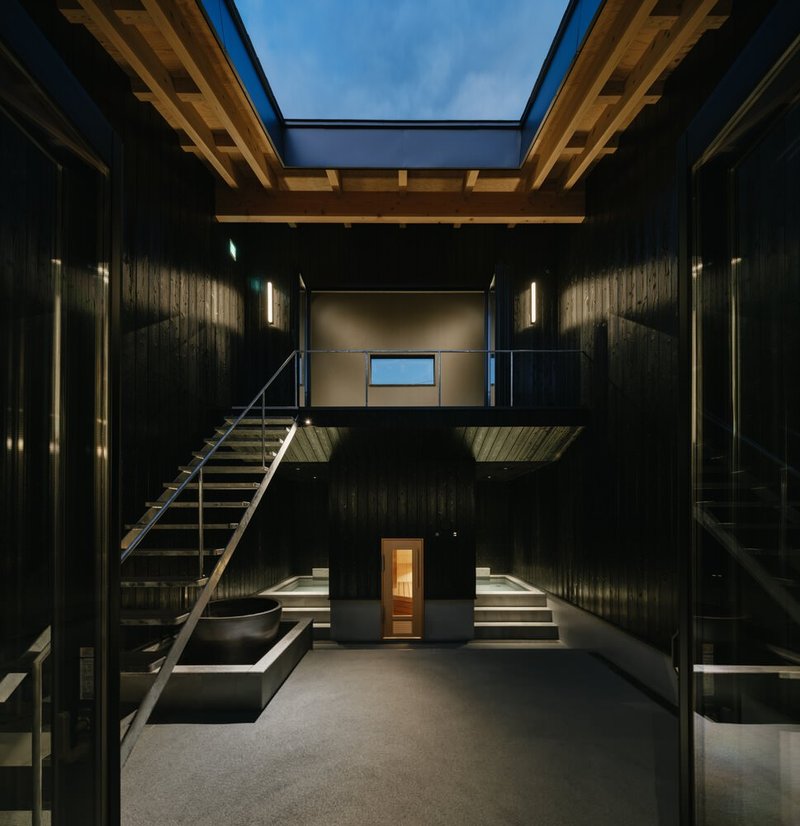
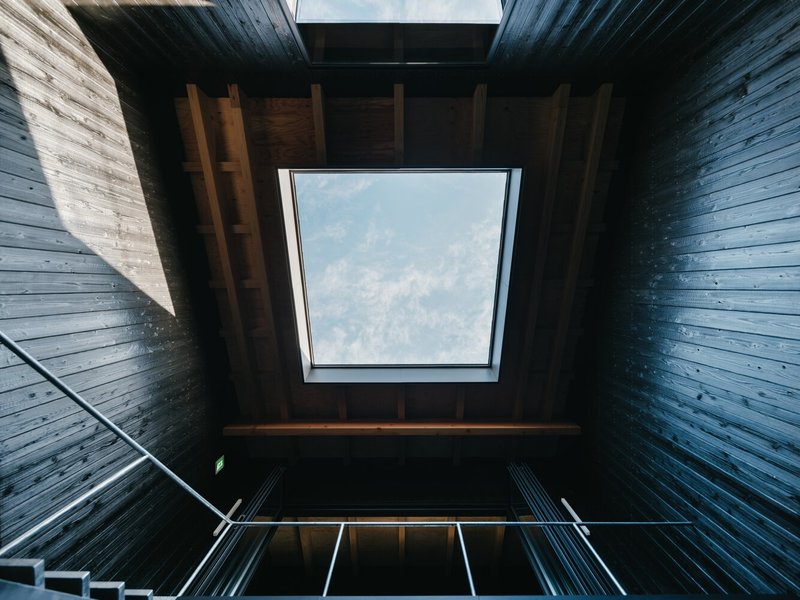
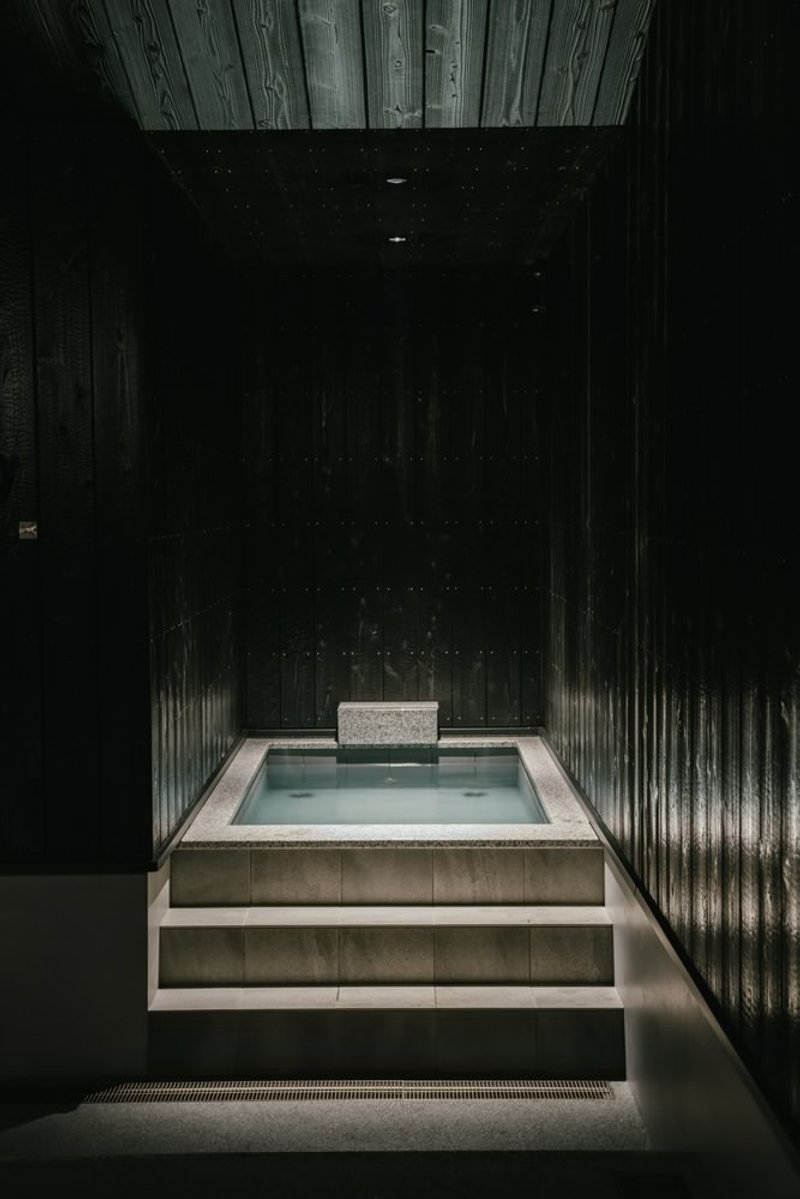
At the heart of the plan lies a three-meter-square atrium—an open-air bathing courtyard that filters natural light and wind while maintaining privacy from surrounding buildings. The sauna, warm bath, and cold plunge pool are symmetrically arranged around this void, creating a serene choreography of contrast between heat and coolness.
Beneath the stairs, a ceramic bathtub—fed by local well water—maintains a consistent year-round temperature, offering users a tactile connection to Kasama’s ceramic artistry.
The Experience: Nature, Light, and Ritual
The KASAMABI Sauna is designed as a ritual of transition—from the outer world to inner calm. The flicker of the wood stove, the resonance of flowing well water, the gentle breeze through the atrium, and the filtered sunlight all heighten the visitor’s sensory awareness.
Much like the roji garden path of a traditional Japanese teahouse, the architectural axis leading to the sauna invites a process of mental purification. The act of moving through this space—being warmed by heat, refreshed by cold, and enveloped by nature—embodies the cyclical renewal that defines both ceramic art and the human spirit.
A Fusion of Architecture and Nature
Through its tension and release, the KASAMABI Sauna embodies the dialogue between architecture and nature. It transcends function to become a meditative landscape, where spatial directionality, natural energy, and cultural heritage merge into one cohesive experience.
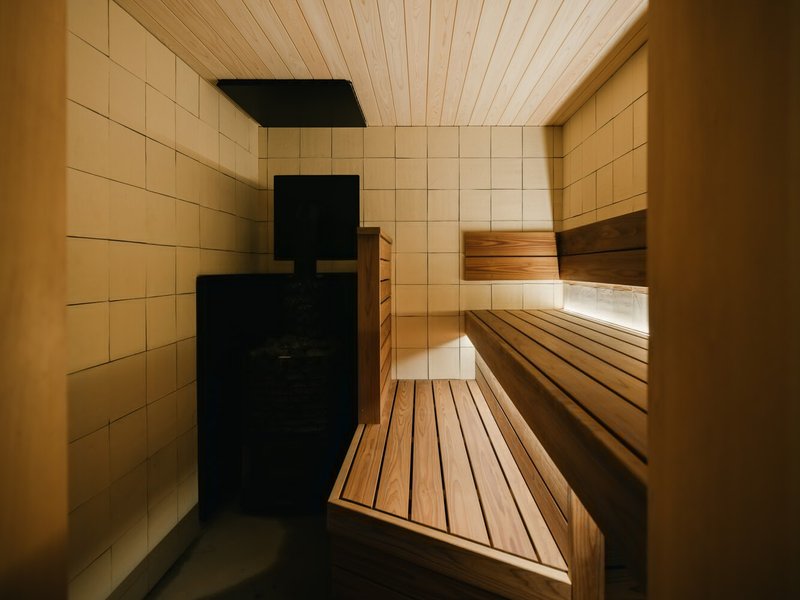
All photographs are works of Yosuke Ohtake



Popular Articles
Popular articles from the community

On the Brooks House by Monsoon Collective – A Contemporary Kerala Home Rooted in Tradition
Kerala home blending tradition and modernity with water-inspired design, brick architecture, courtyard planning, and sustainable rainwater harvesting strategies.
Inverted Architecture Installation by Studio Link-Arc: Exploring the Intersection of Architecture and Living Organisms
Inverted Architecture Installation by Studio Link-Arc blends mycelium, sustainability, inverted design, ecological cycles, and urban adaptive architecture in Shenzhen.


The Ken Roberts Memorial Delineation Competition (Krob)
As the most senior architectural drawing competition currently in operation anywhere in the world, it draws hundreds of entries each year, awarding the very best submissions in a series of medium-based categories.
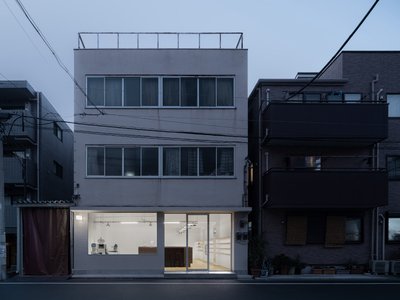
Atelier Macri Concept Store Interior Design by CASE-REAL
Atelier Macri store features a "ko" counter, walnut wood details, cork displays, blending retail, gallery, and seamless customer experiences.

Similar Reads
You might also enjoy these articles
The Ken Roberts Memorial Delineation Competition (Krob)
As the most senior architectural drawing competition currently in operation anywhere in the world, it draws hundreds of entries each year, awarding the very best submissions in a series of medium-based categories.


Waterfront Redevelopment and Urban Revitalization in Mumbai: Forging a New Dawn for Darukhana
A transformative waterfront redevelopment project reimagining Darukhana’s shipbreaking heritage into an inclusive urban future.

OUT-OF-MAP: A Call for Postcards on Feminist Narratives of Public Space
Rhizoma Design and Research Lab invites artists, designers, architects, researchers, and students to reflect on how feminist perspectives can reshape public space. Selected works will be exhibited in Barcelona, October 2026. Submissions open until 15 April 2026.


Documentation Work on Buddhist Wooden Temple
Architectural syncretism and cultural hybridity: A comparative study of the Buddhist temples in Chattogram Hill tracks


Explore Architecture Competitions
Discover active competitions in this discipline




The International Standard for Design Portfolios


The Global Benchmark for Architecture Dissertation Awards


The Global Benchmark for Graduation Excellence


Challenge to reimagine the Iron Throne
Comments (0)
Please login or sign up to add comments
No comments yet. Be the first to comment!