
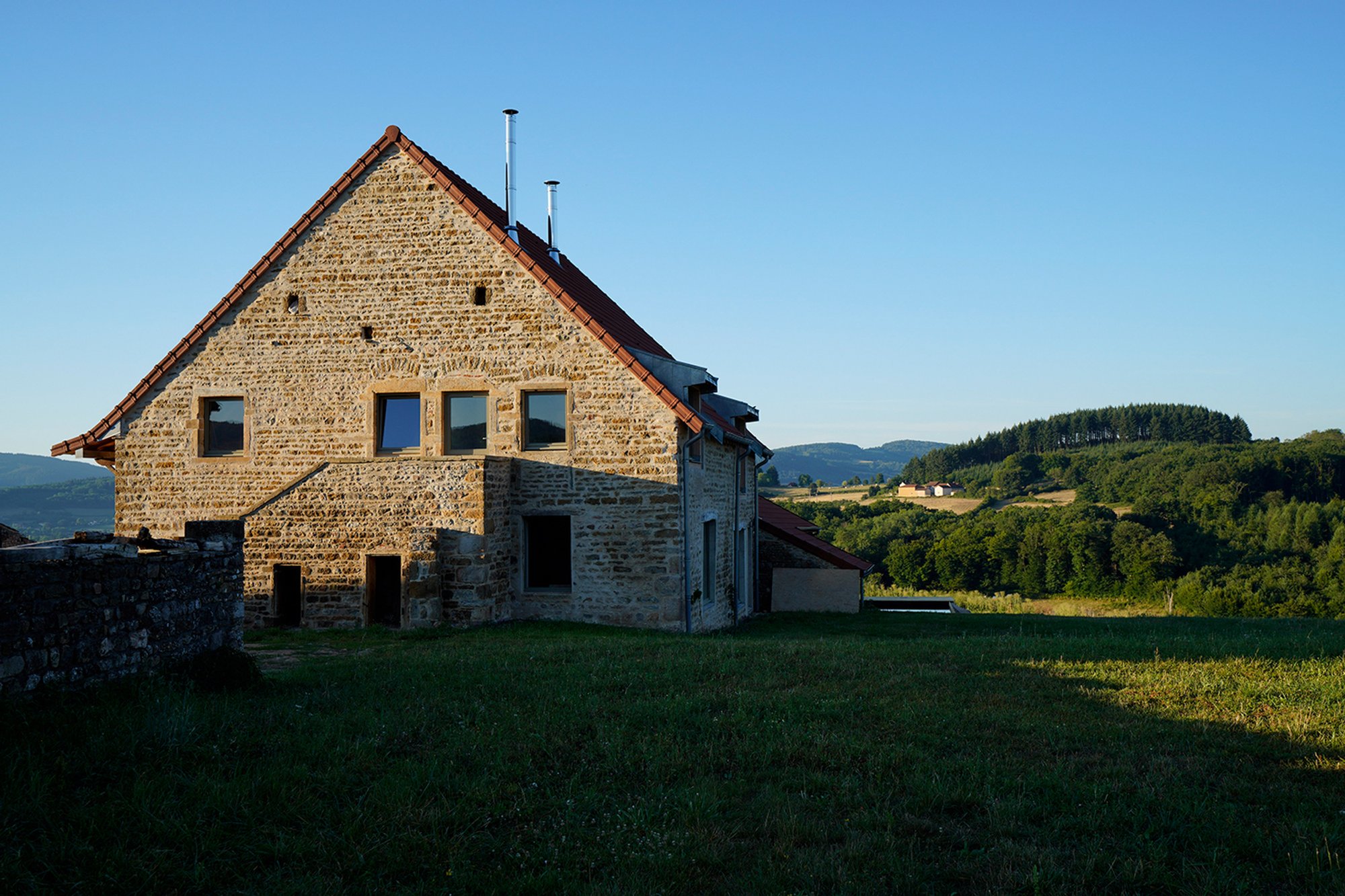
La Grange Burgundy Farm Renovation and Conversion: A Masterclass in Farmhouse Adaptive Reuse
La Grange Burgundy Farm renovation transforms an old building into a versatile, sustainable home that respects its heritage and surroundings.

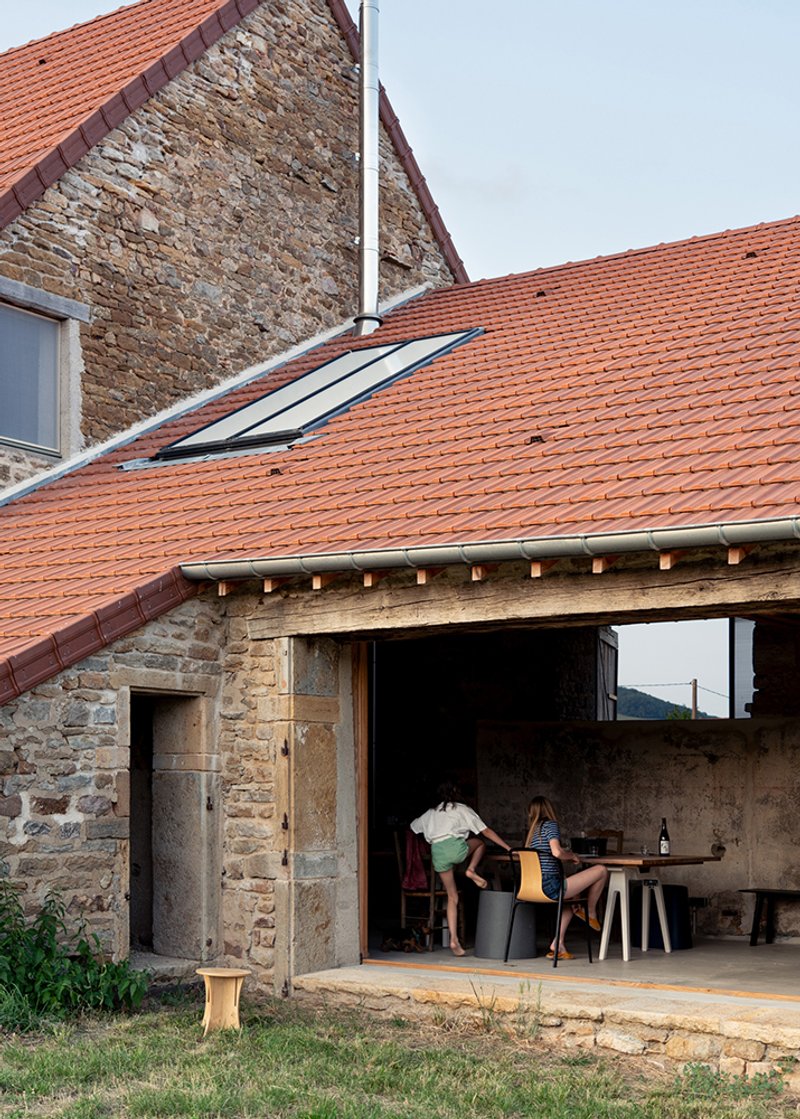
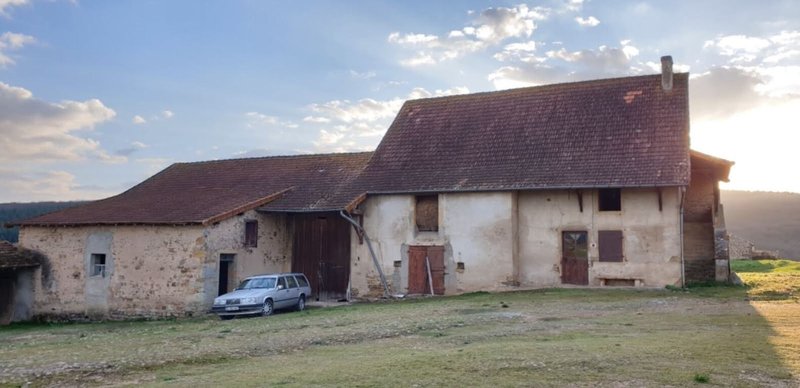
Nestled in the serene landscape of Burgundy, France, the La Grange Farm renovation, executed by Le Dévéhat Vuarnesson Architectes, exemplifies the art of adaptive reuse. This project breathes new life into an old farm building, balancing the delicate art of preservation with the need for modern functionality. The renovation embraces the natural landscape and heritage of the structure, creating a harmonious space that retains its history while evolving into a versatile, resilient home.
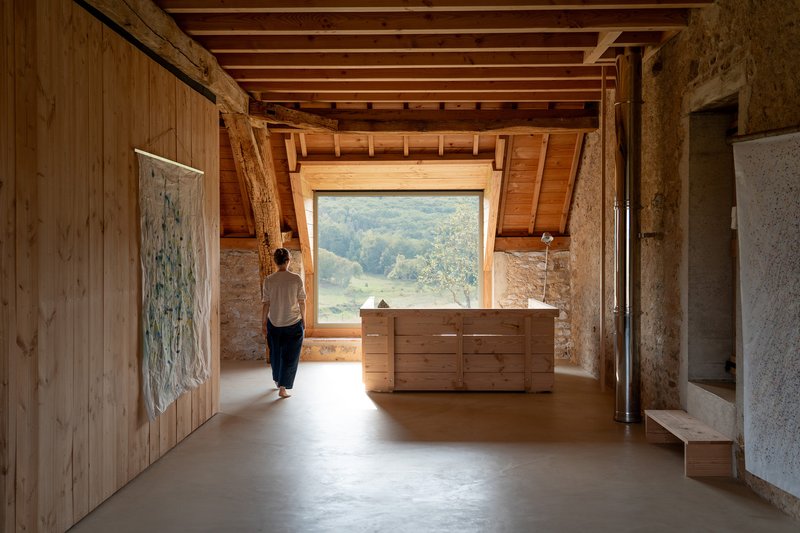
A Deep Respect for History and Tradition
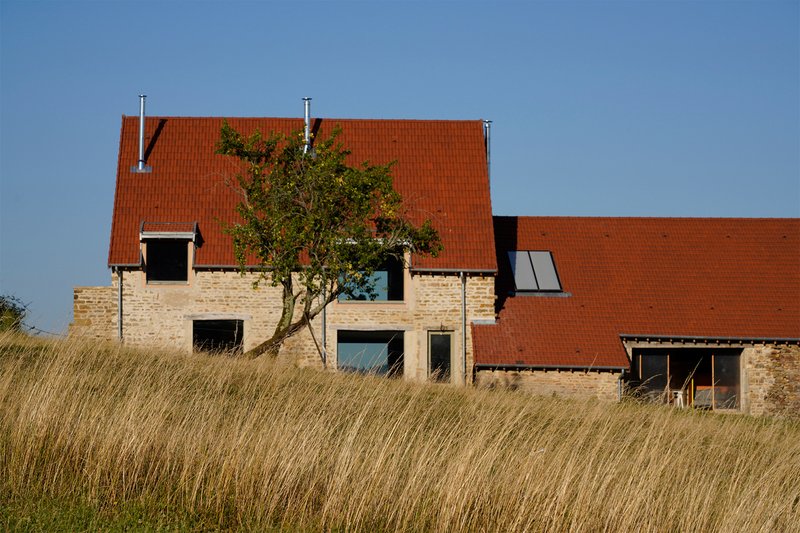
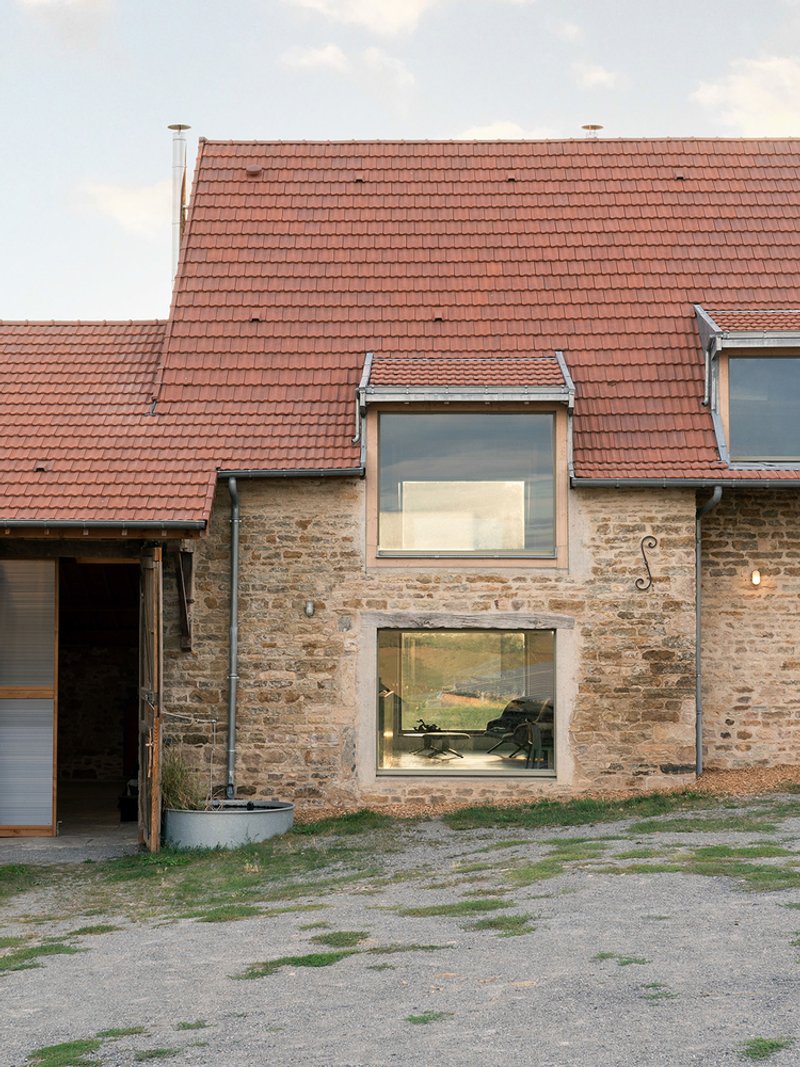
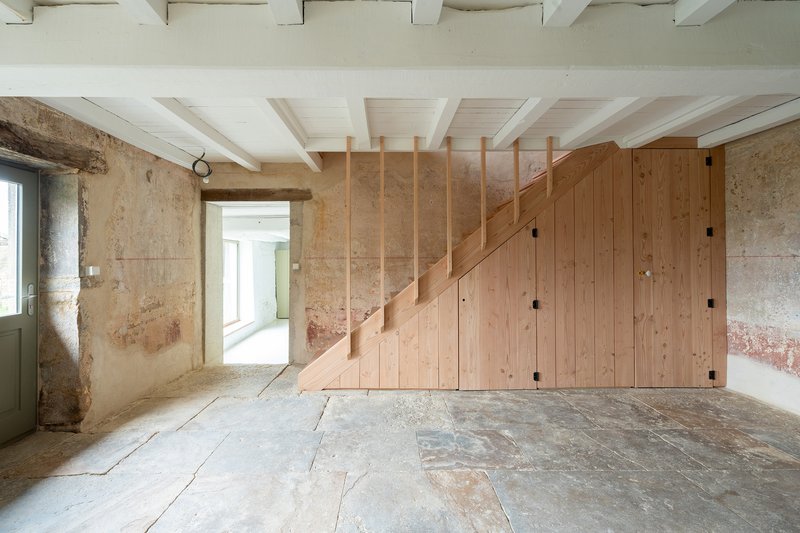
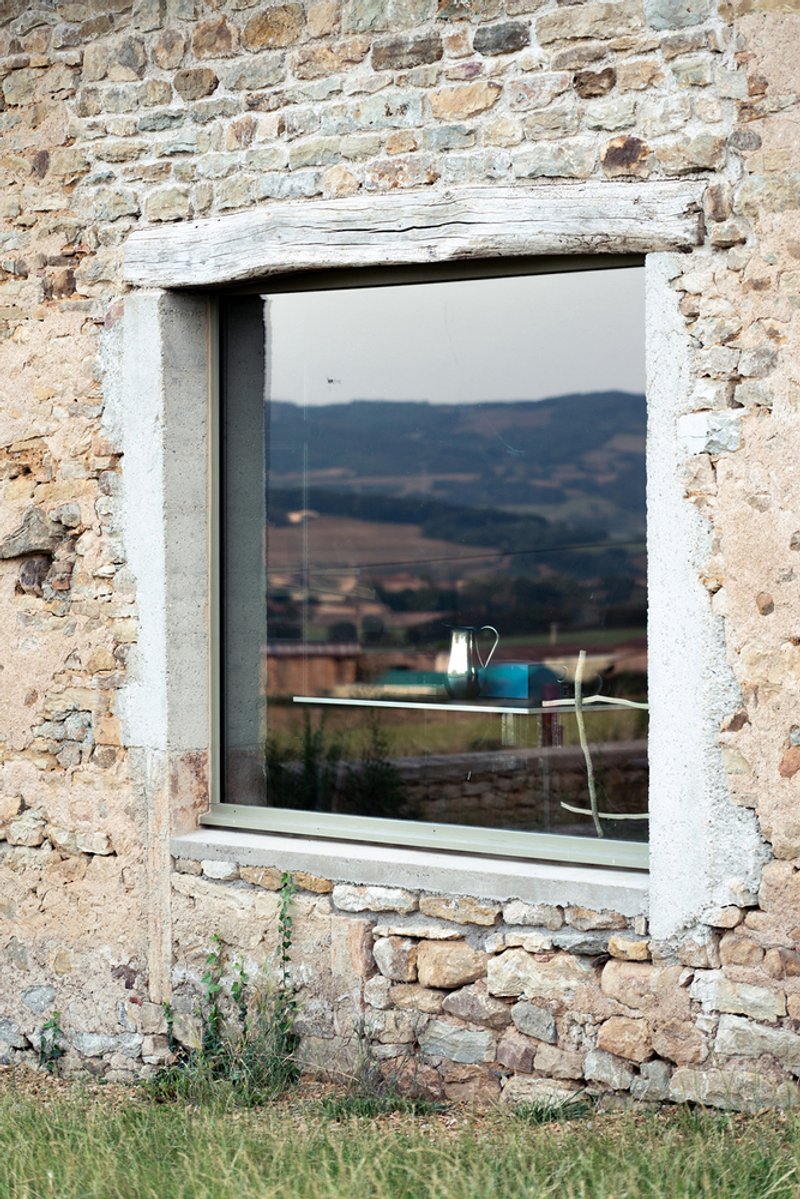
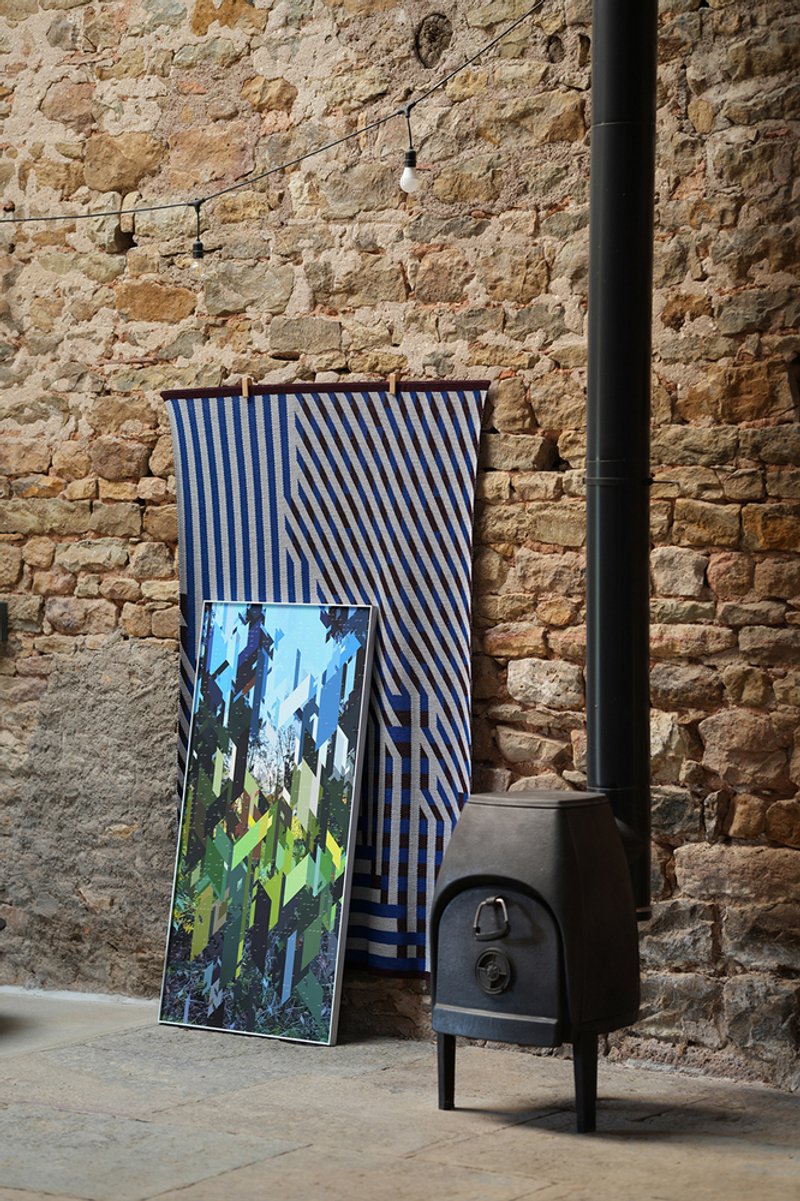
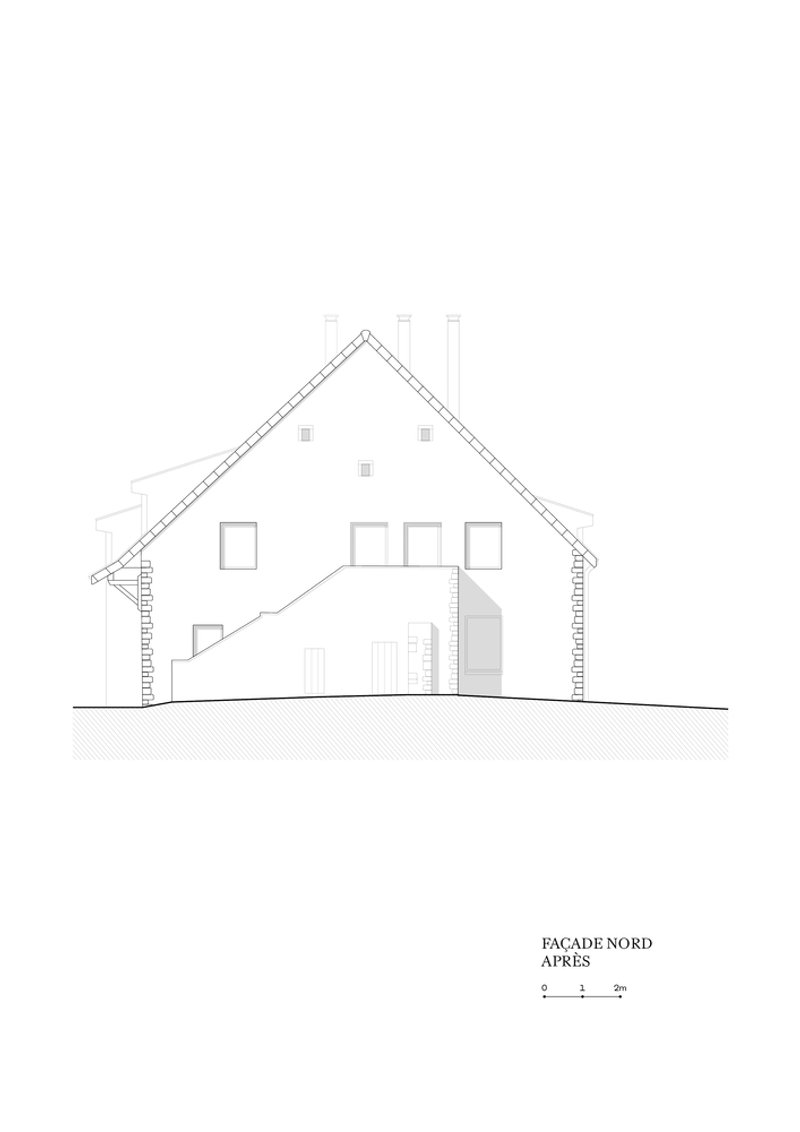
From the outset, the renovation project was approached with deep respect for the original structure. The goal was not to erase the past but to enhance the existing elements, unveiling and preserving the beauty of rural architecture. This sensitivity to history and materials is evident in the careful process of revealing raw elements, such as brick and stone, and retaining the authenticity of the original farm layout.
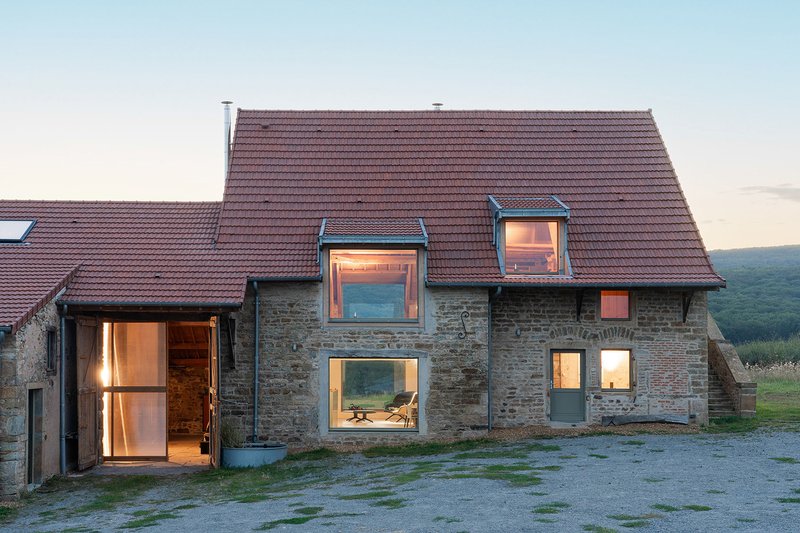
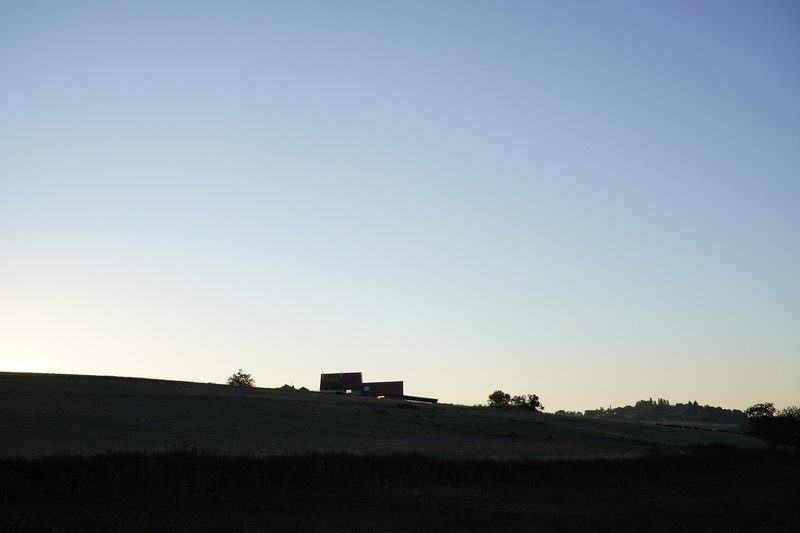
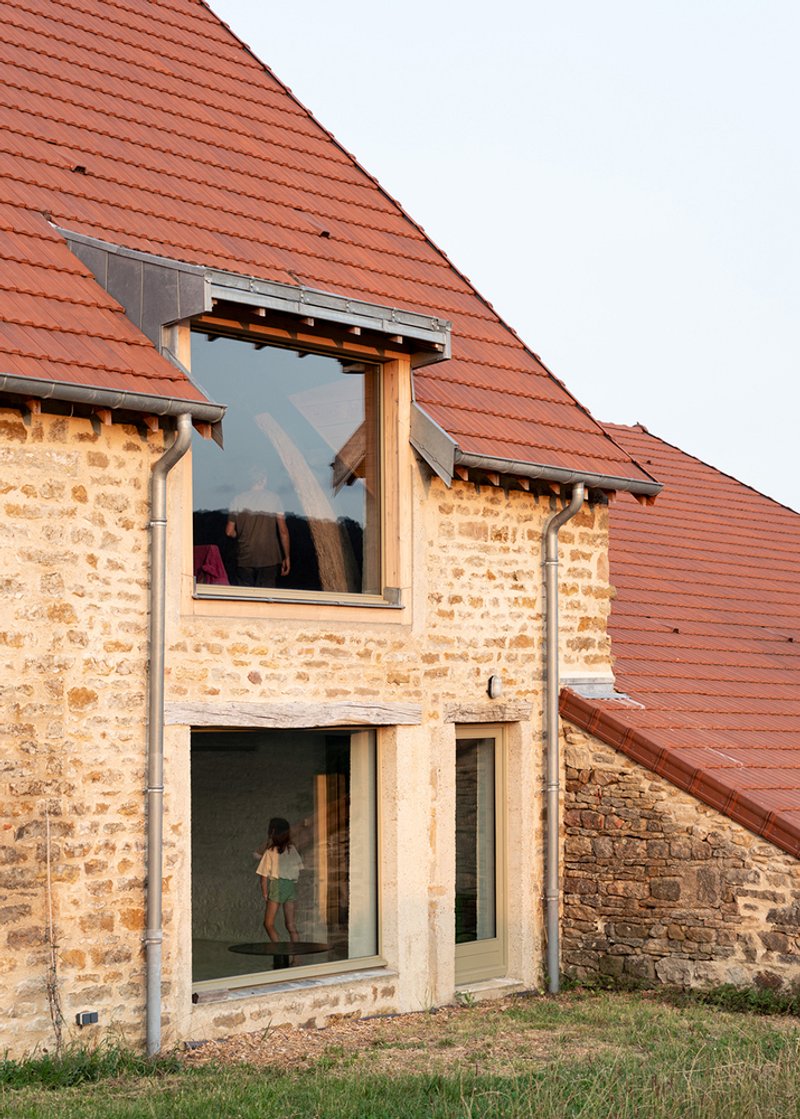
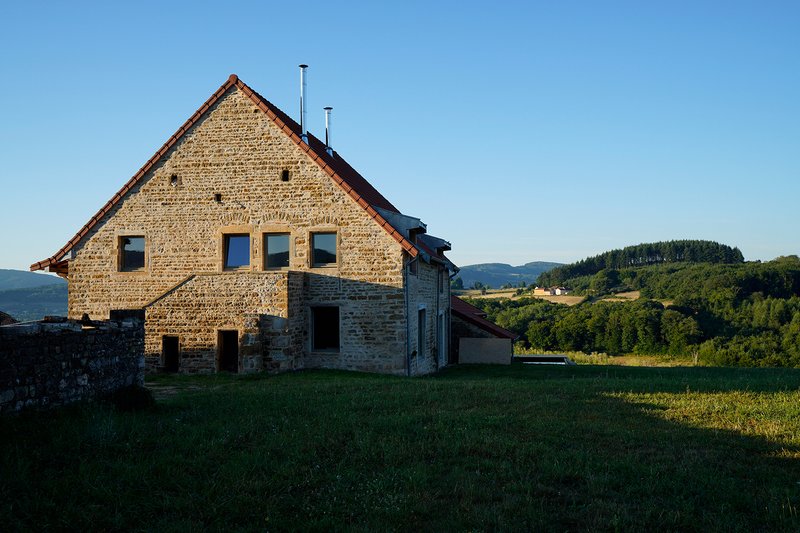
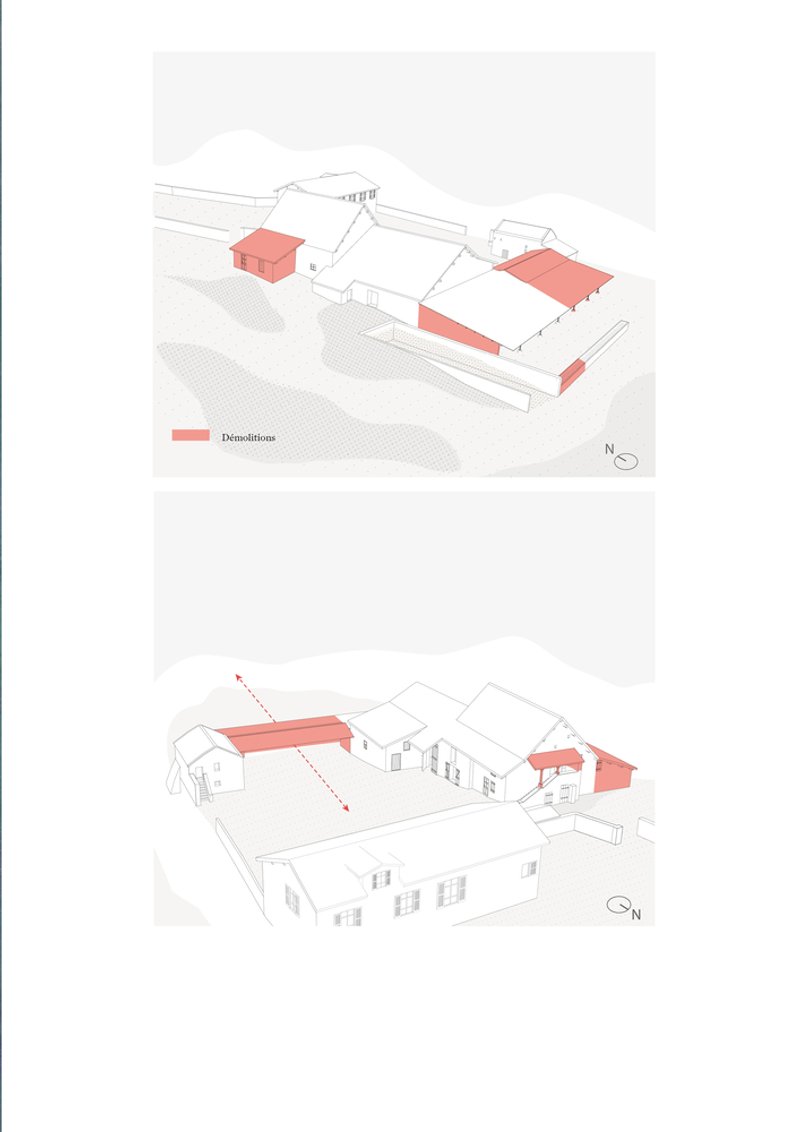
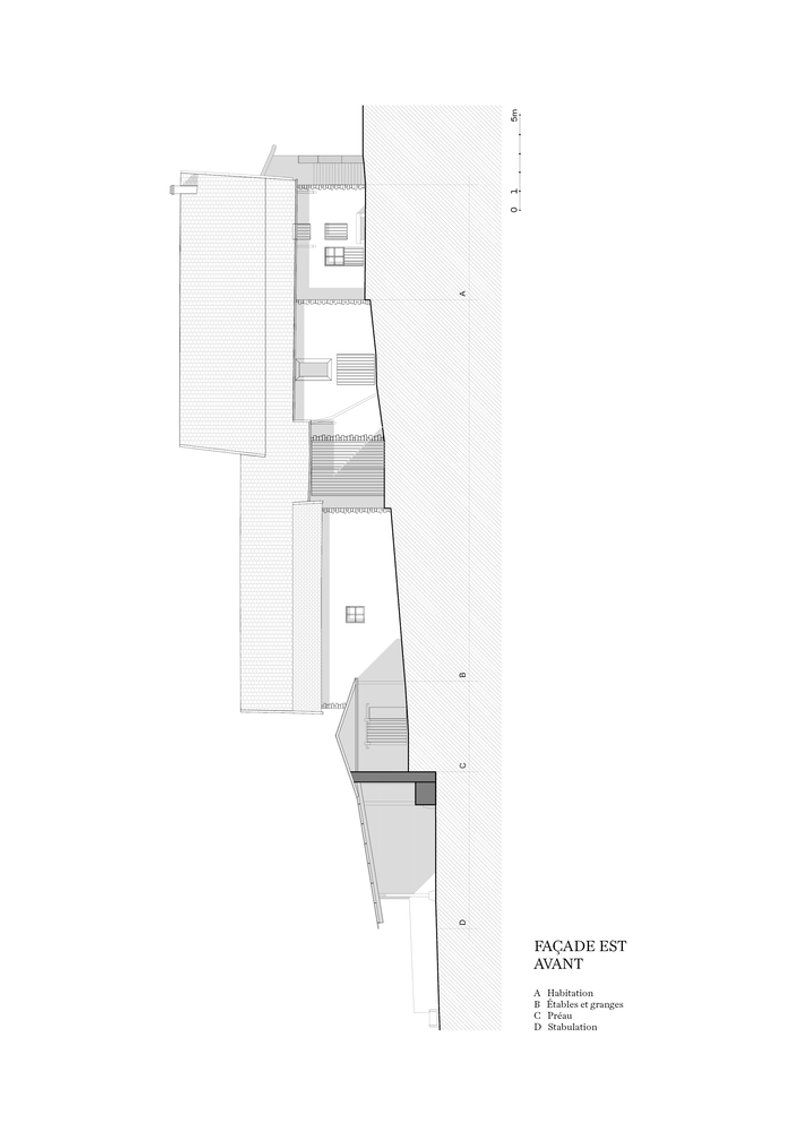
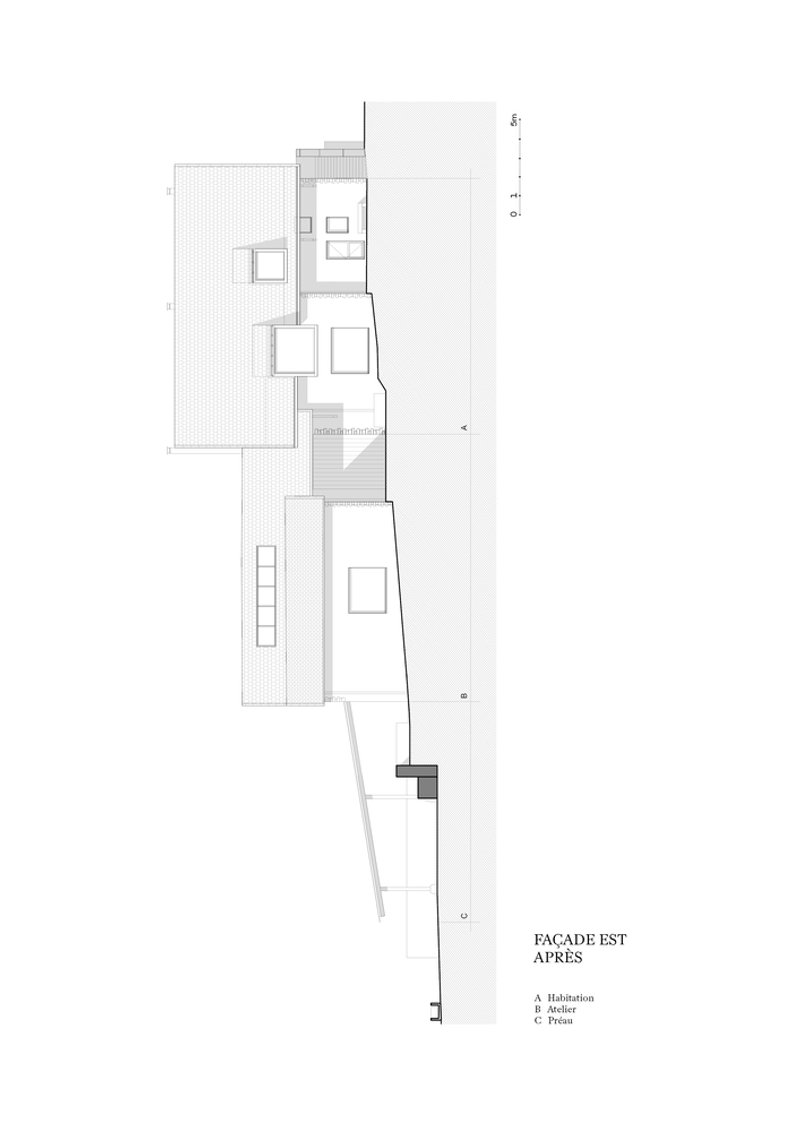
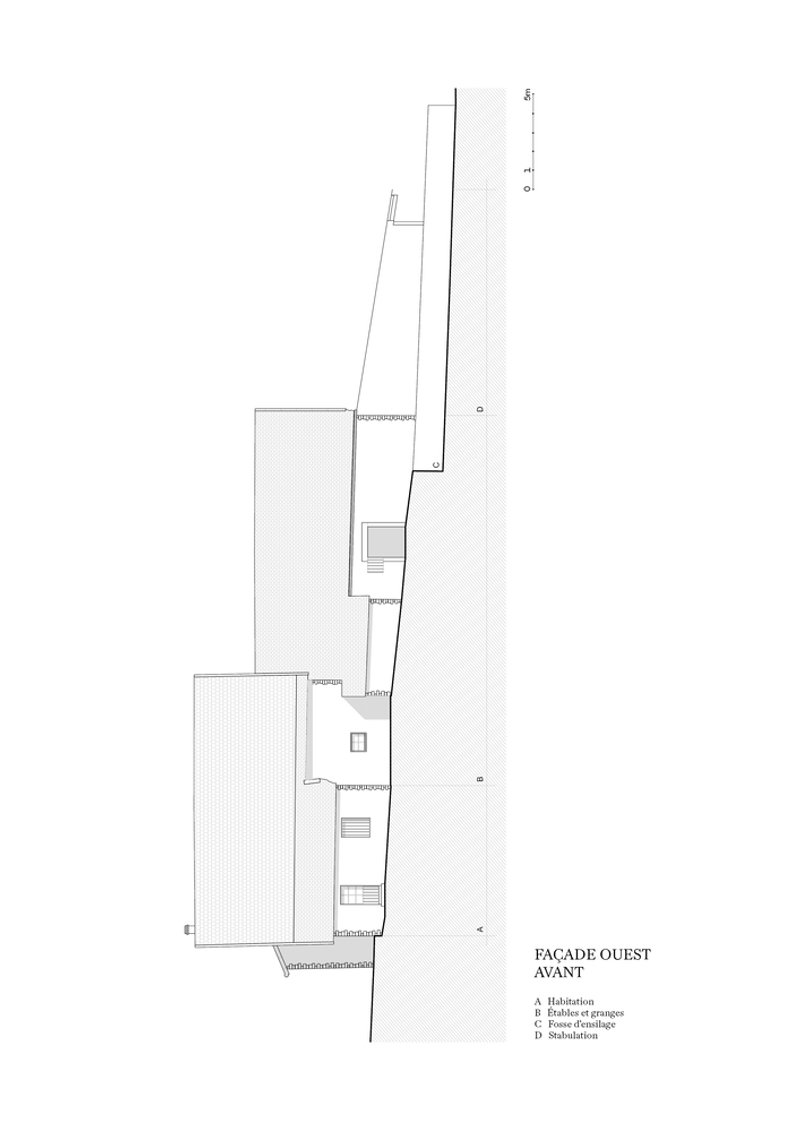
The renovation preserved as much of the original structure as possible, particularly the organization of the buildings around the central courtyard. An important aspect of this design is the seamless integration of the house into the natural environment, allowing the landscape to penetrate the living spaces and vice versa.
Embracing Natural Materials and Sustainable Design
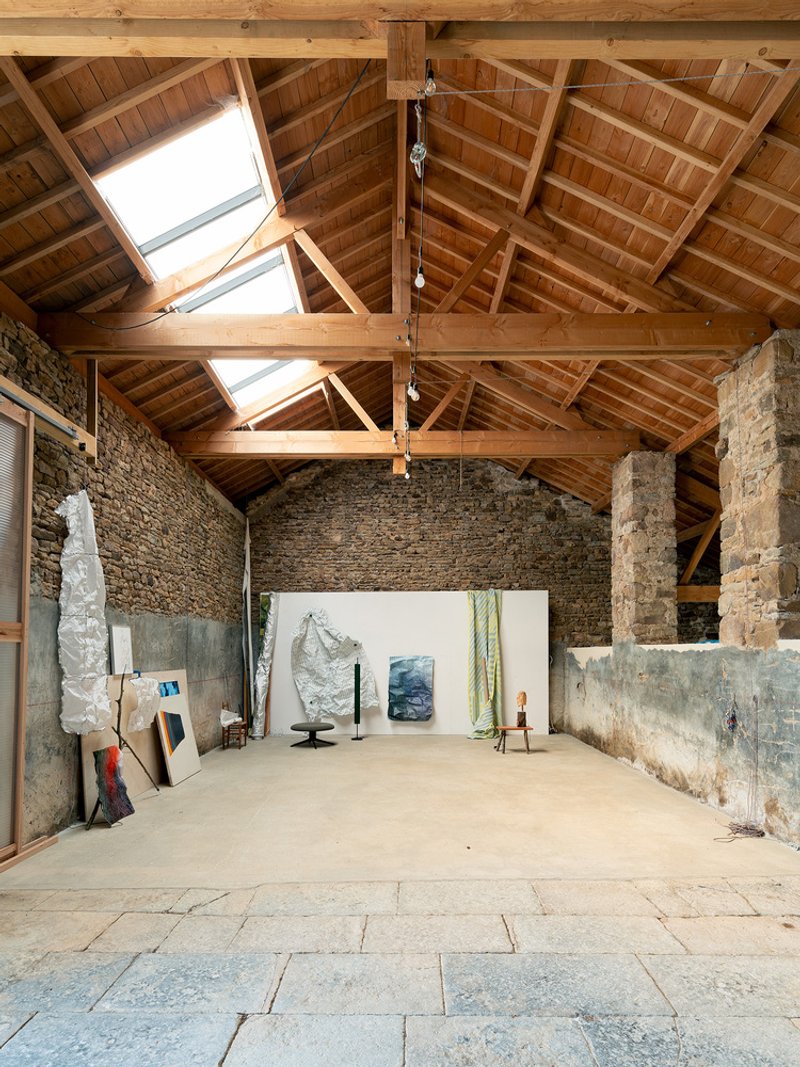
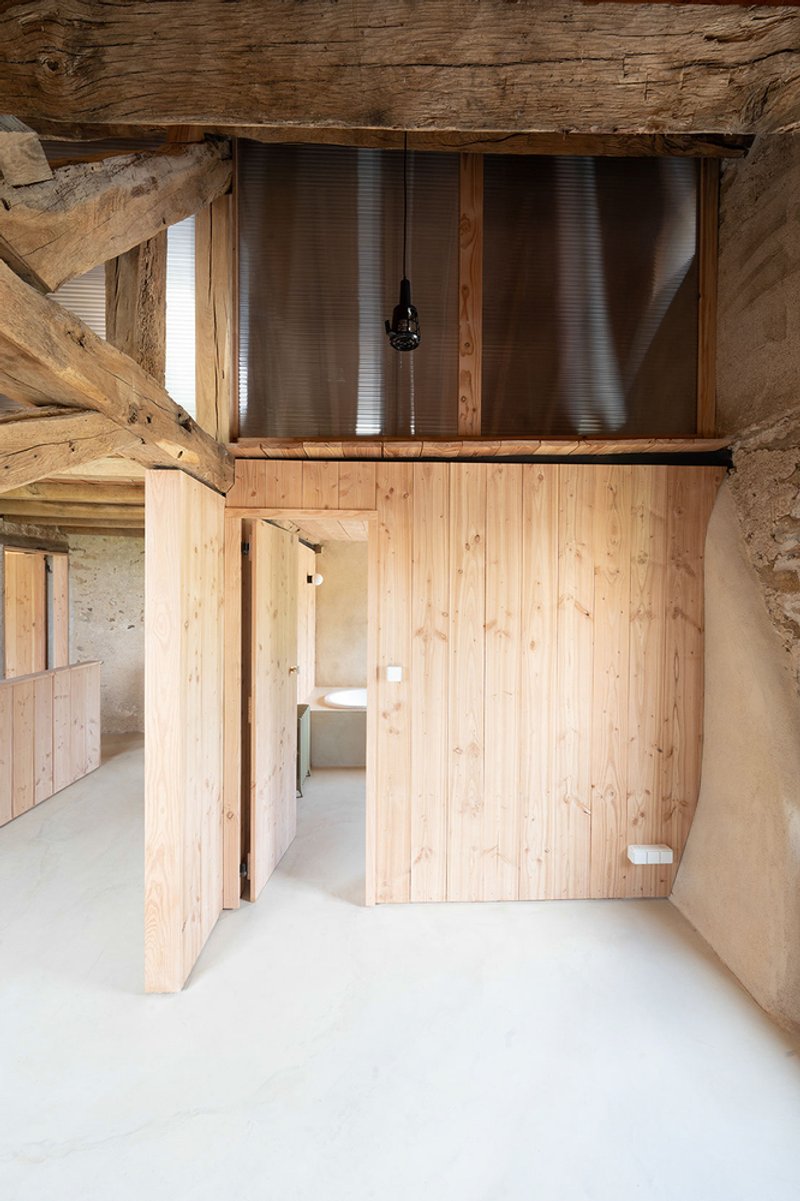
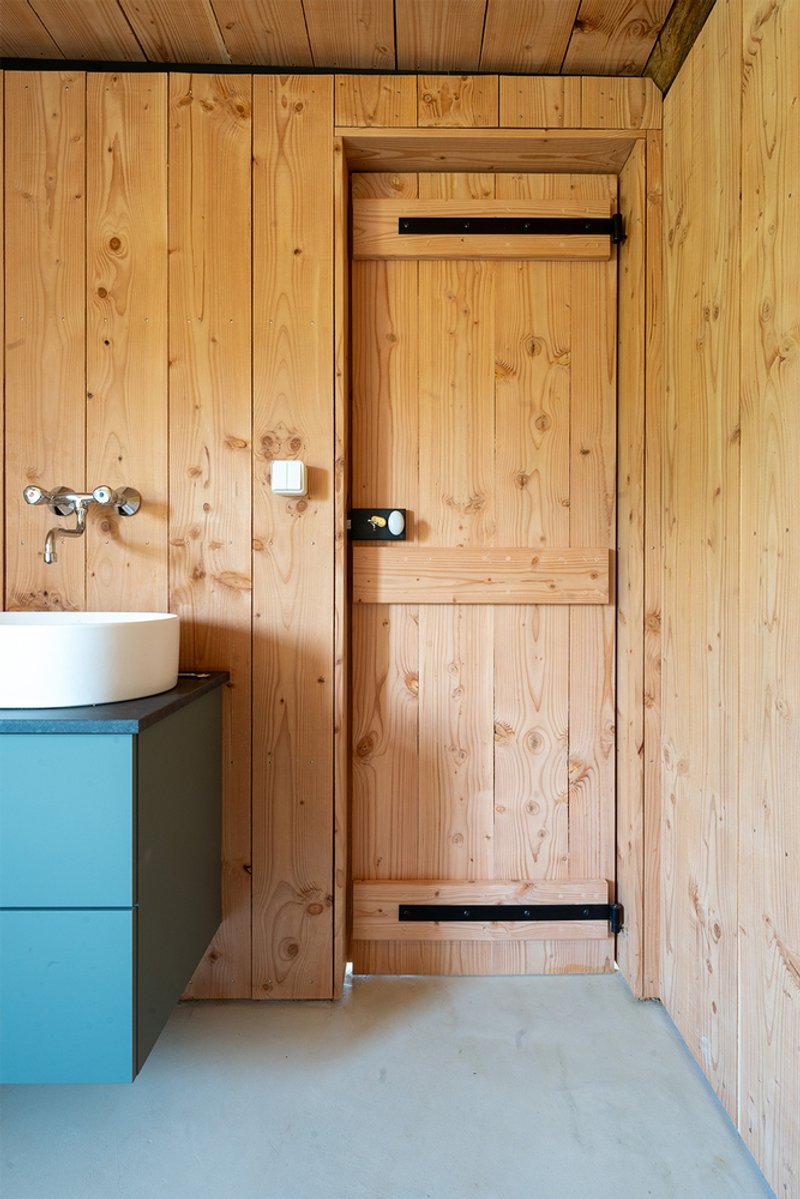
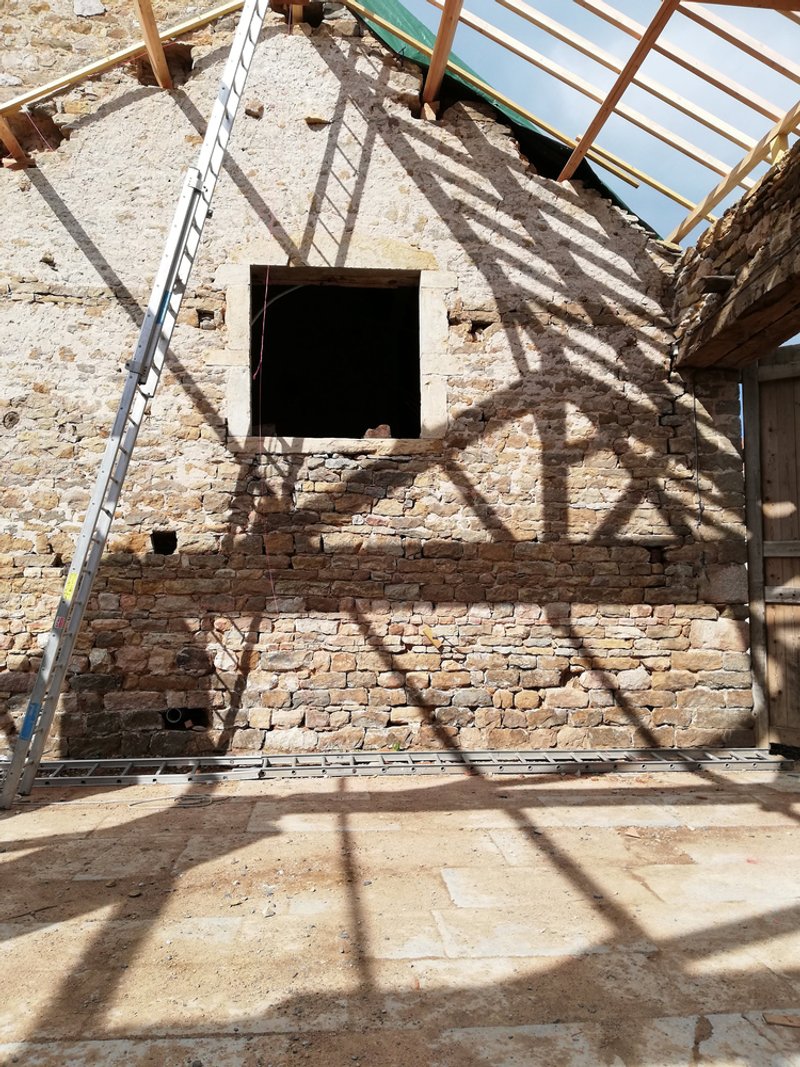
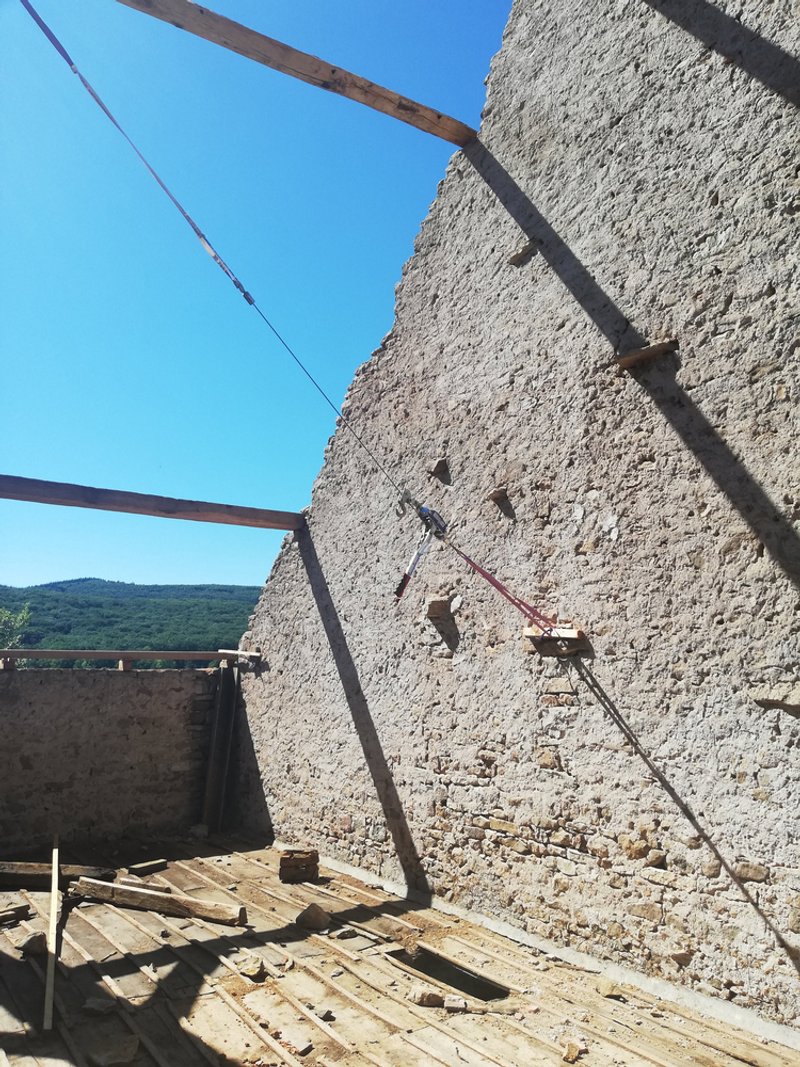
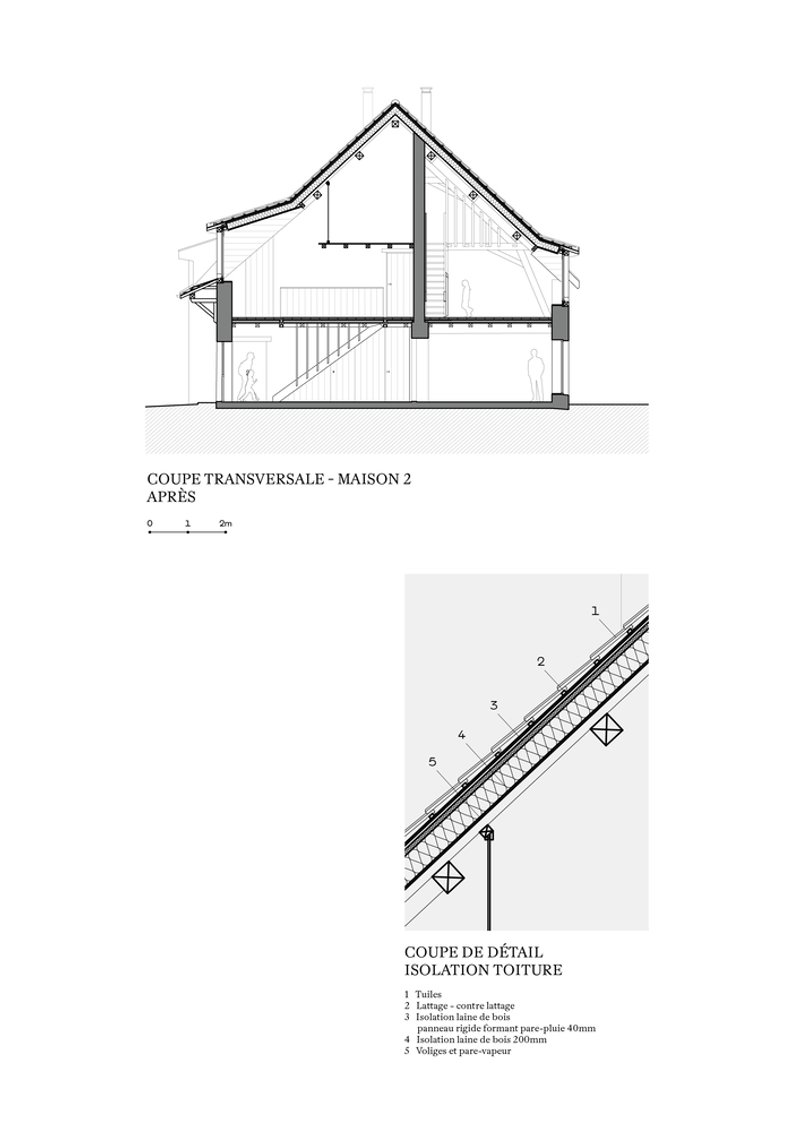
The project emphasizes the use of natural, sustainable materials that complement the original farm aesthetic. The framework was reworked using Douglas fir, a wood that softens the light and adds warmth to the space. Existing stone and aged materials were lovingly preserved, ensuring that the new interventions harmonize with the old. The inclusion of polycarbonate panels to filter natural light in workshop spaces and the insulation of the roof with wood fiber reflect the project's commitment to environmental sustainability.
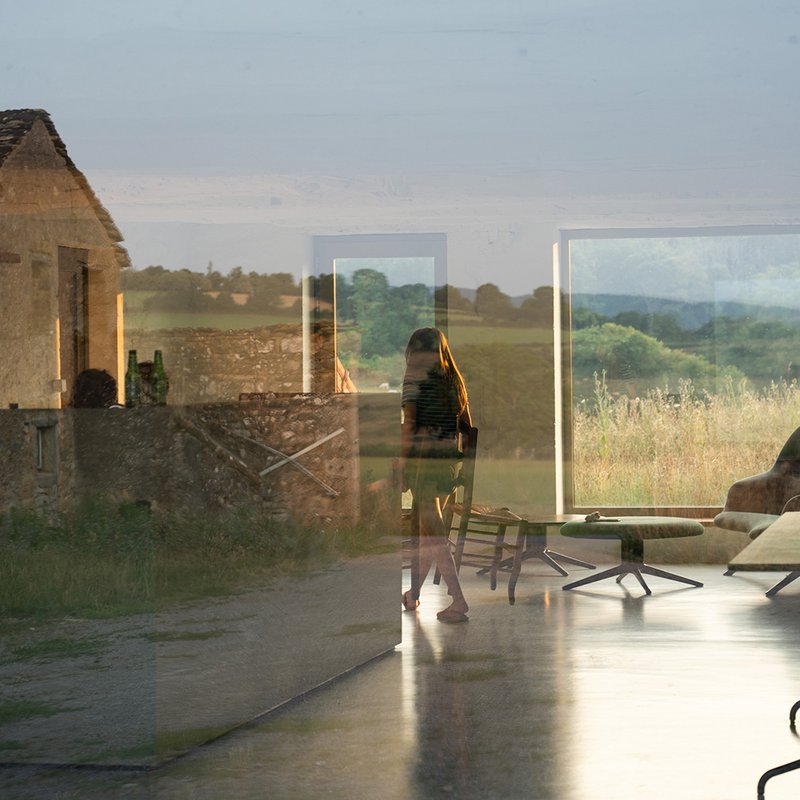
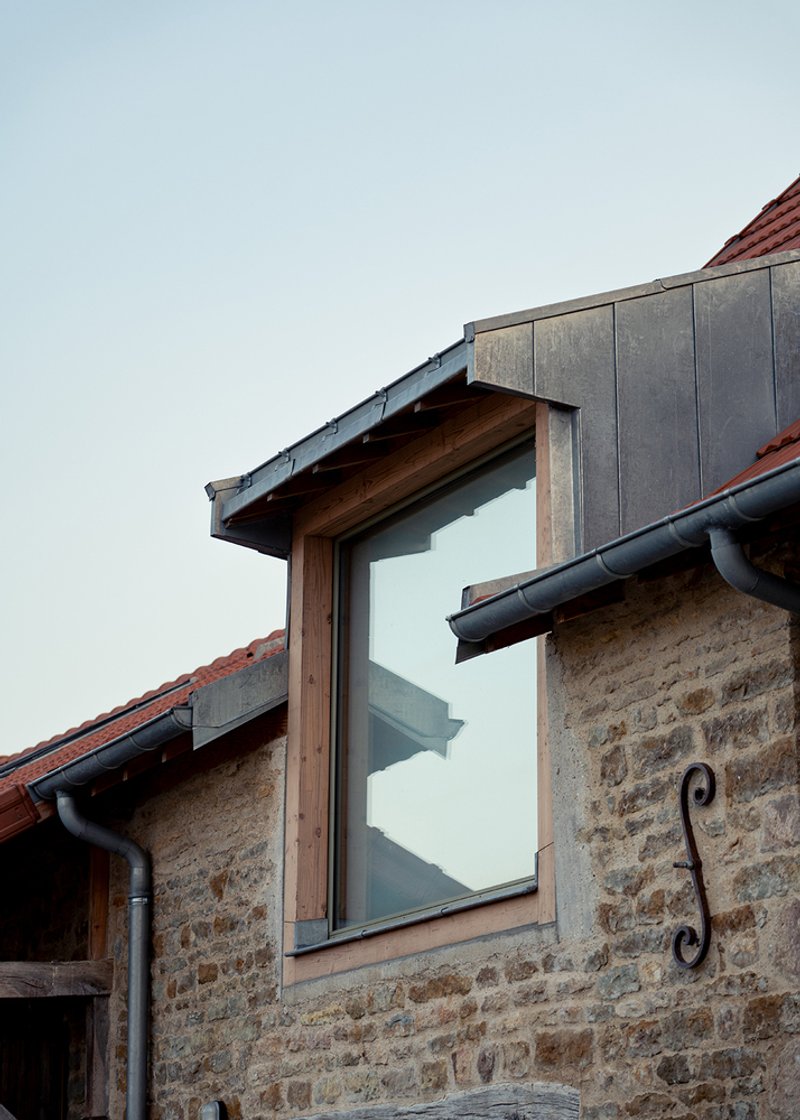
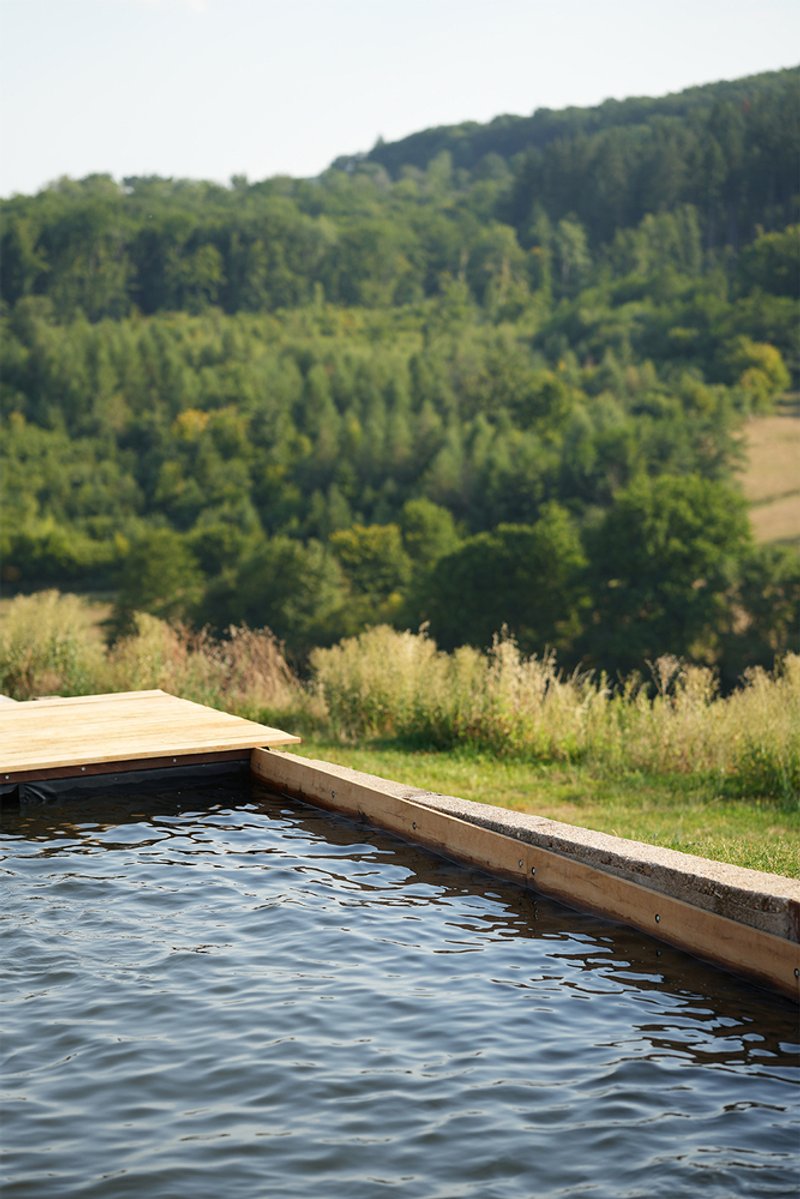
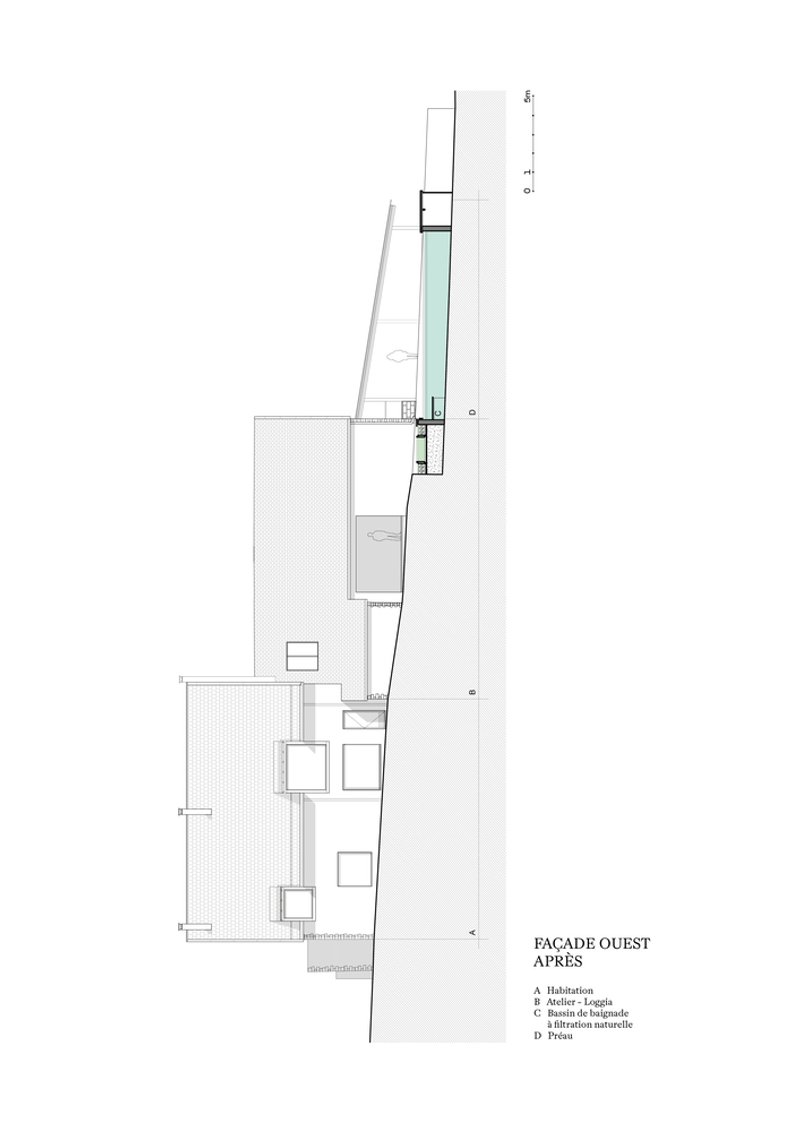
Rainwater harvesting plays a pivotal role in the design, with an underground tank capturing water for the garden and naturally filtered swimming pool. The use of galvanized steel for rainwater basins on the façade adds to the rustic charm while maintaining functionality.
Creating Functional Spaces for Modern Living
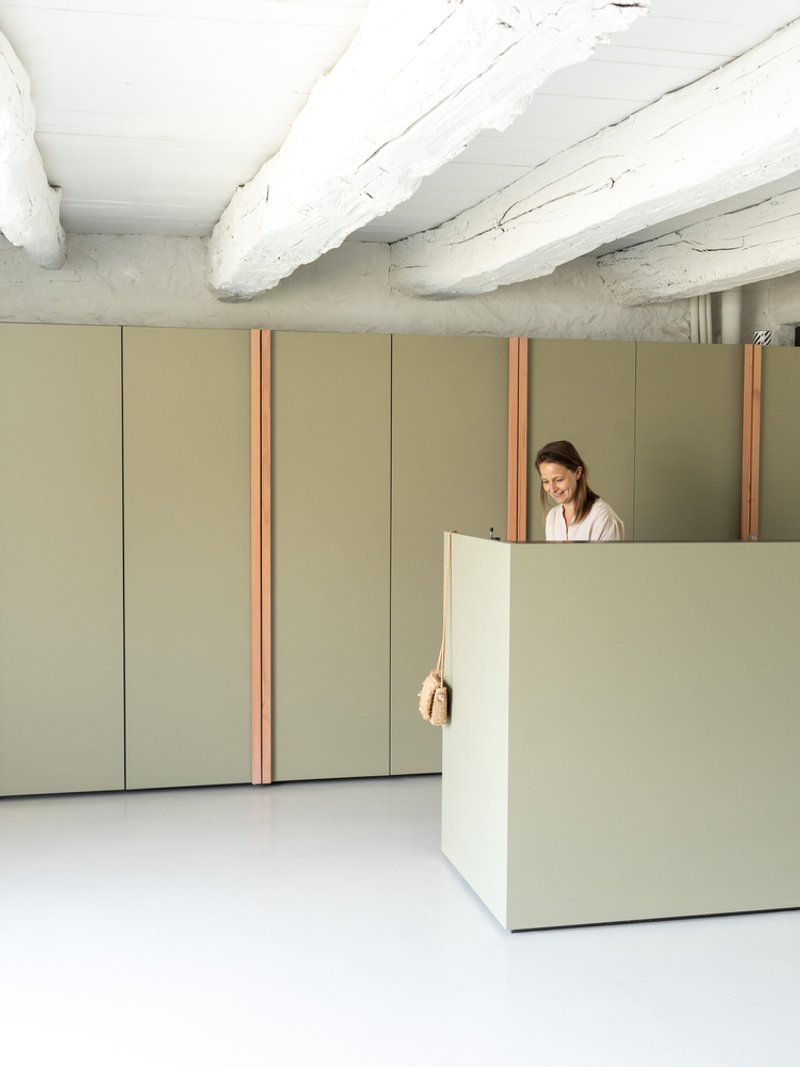
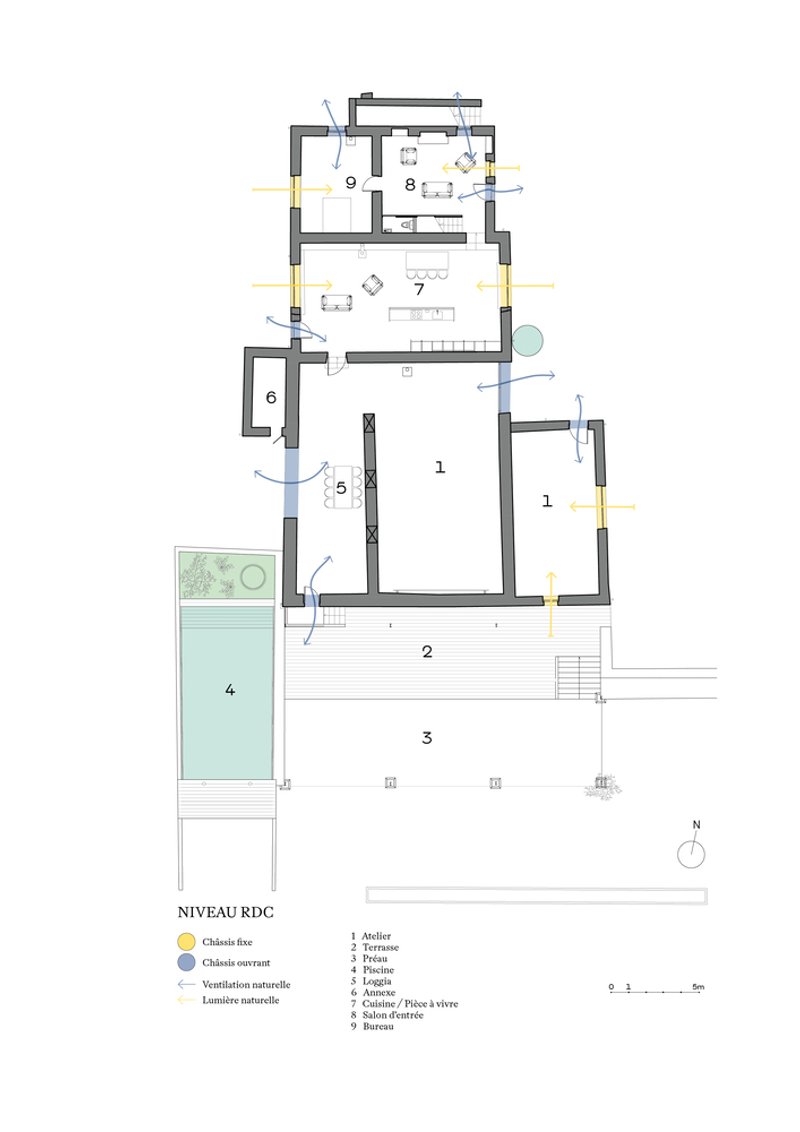
One of the core principles behind this renovation was the creation of a multifunctional space that adapts to various needs. The interior layout includes open, airy central rooms that can serve different purposes depending on the time of day and the activities at hand. The design provides quiet, secluded areas while ensuring easy circulation throughout the house.
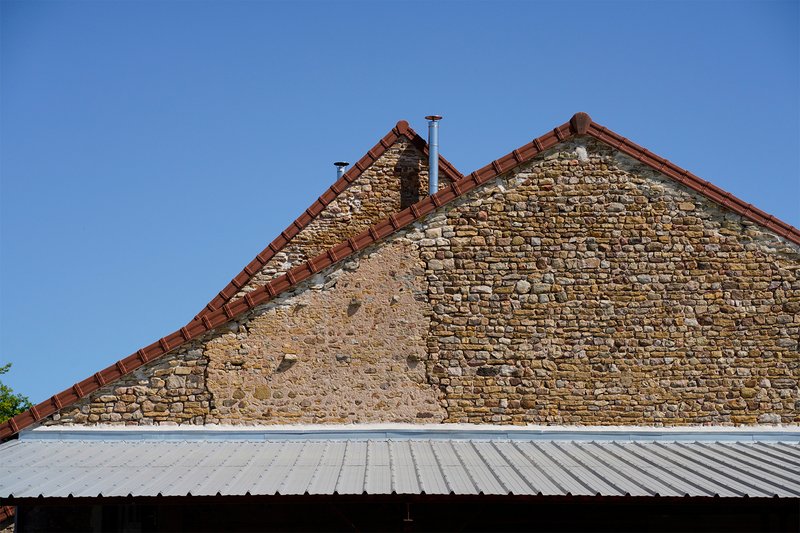
Adaptive reuse was crucial in allowing the house to evolve over time. Lightweight wood-frame partitions were added to create flexible, reconfigurable spaces. The old oak beams were repurposed to form lintels for new openings, maintaining the material continuity of the structure while integrating modern requirements.
The Symbiosis of Building and Landscape
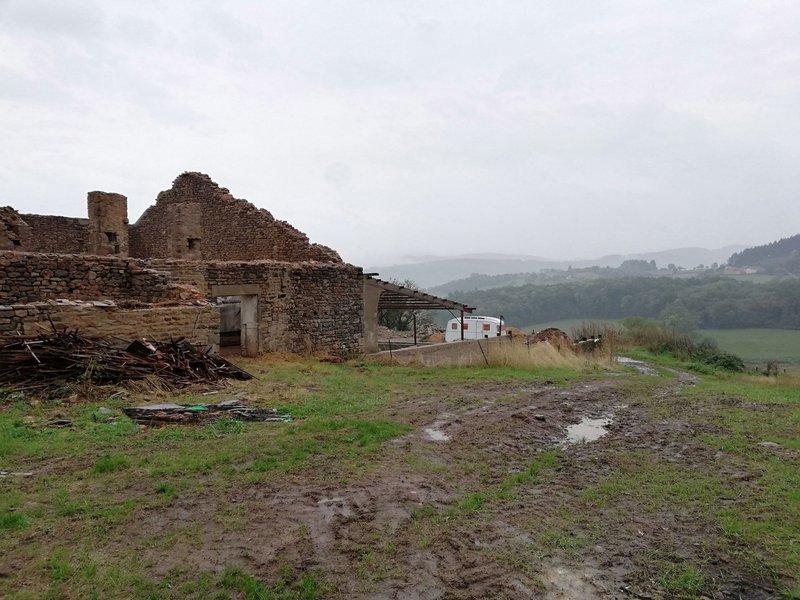
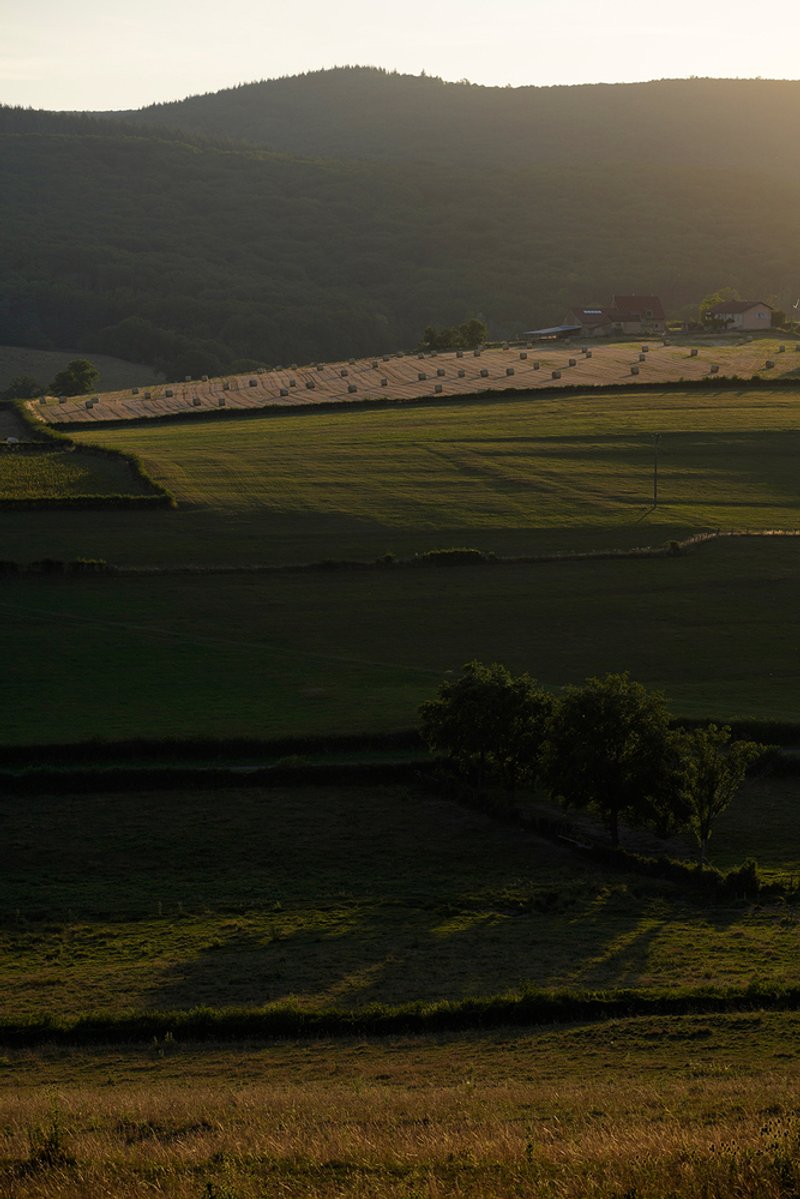
The renovation embraces the site's topography and natural features, ensuring that the building aligns with the slope of the land. New pathways were gently shaped to follow the natural contours, enhancing the connection between the house and its environment. This design approach also promotes biodiversity by allowing flora and fauna to flourish freely around the house.
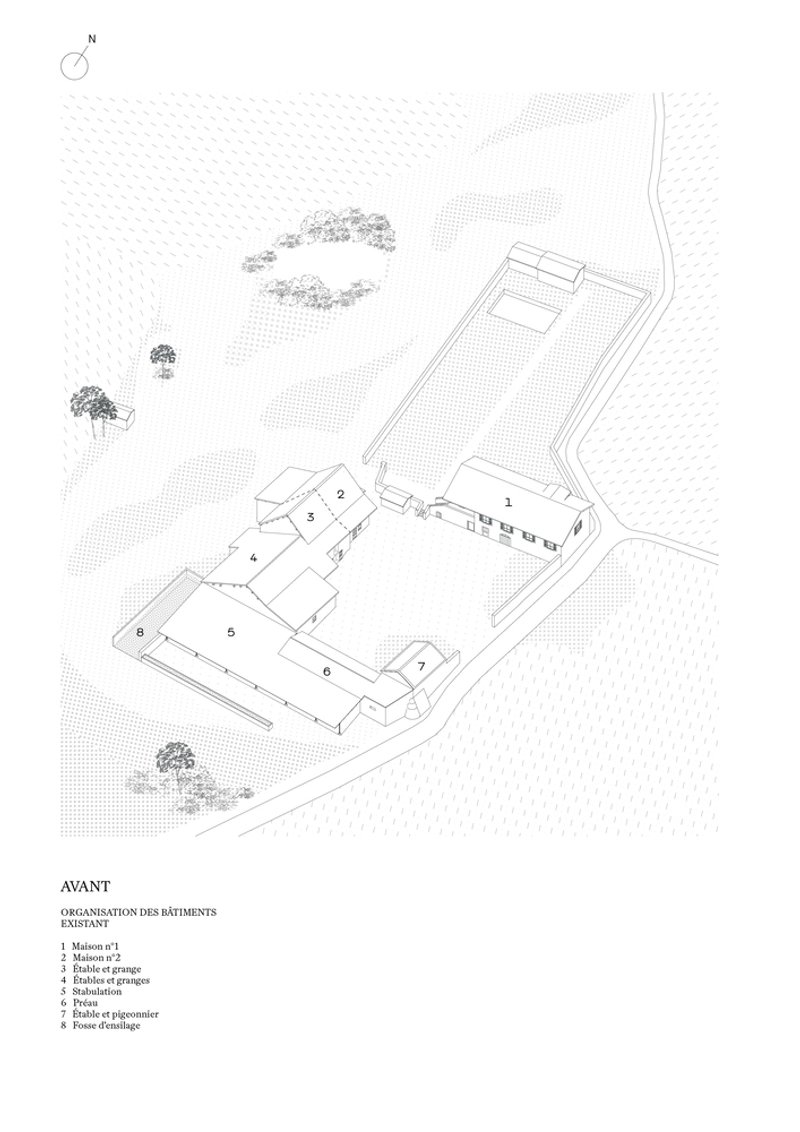
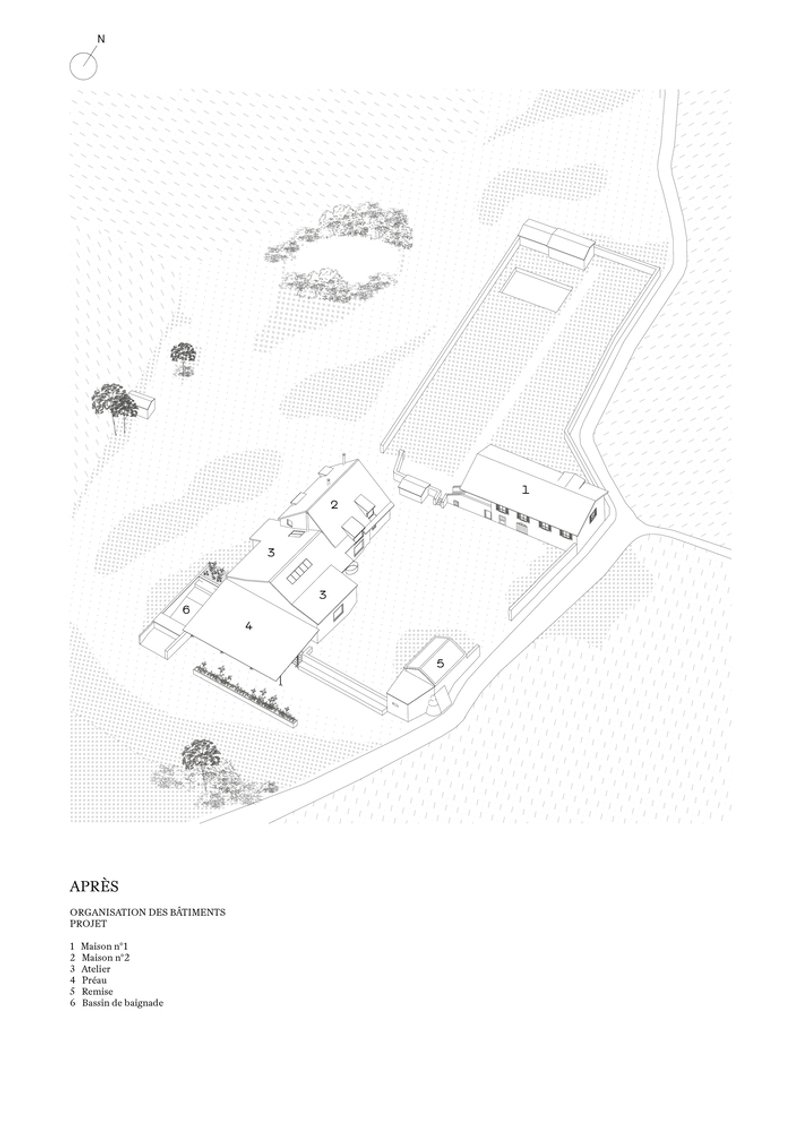
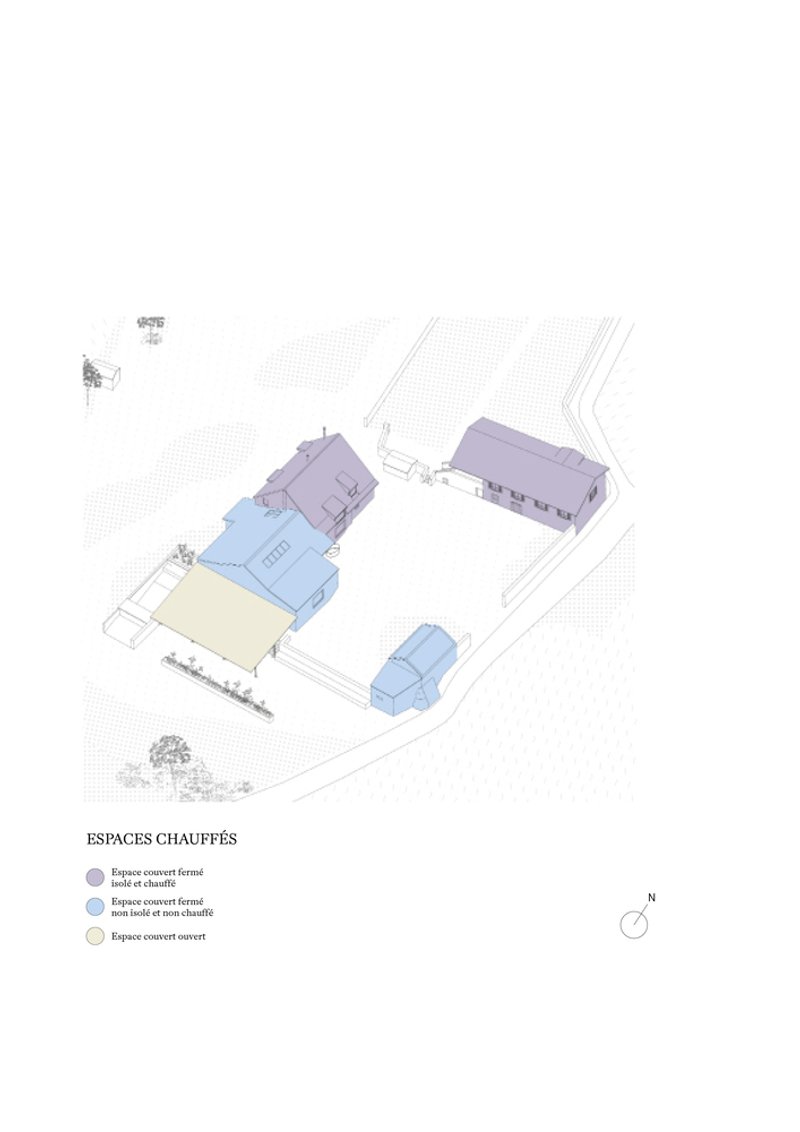
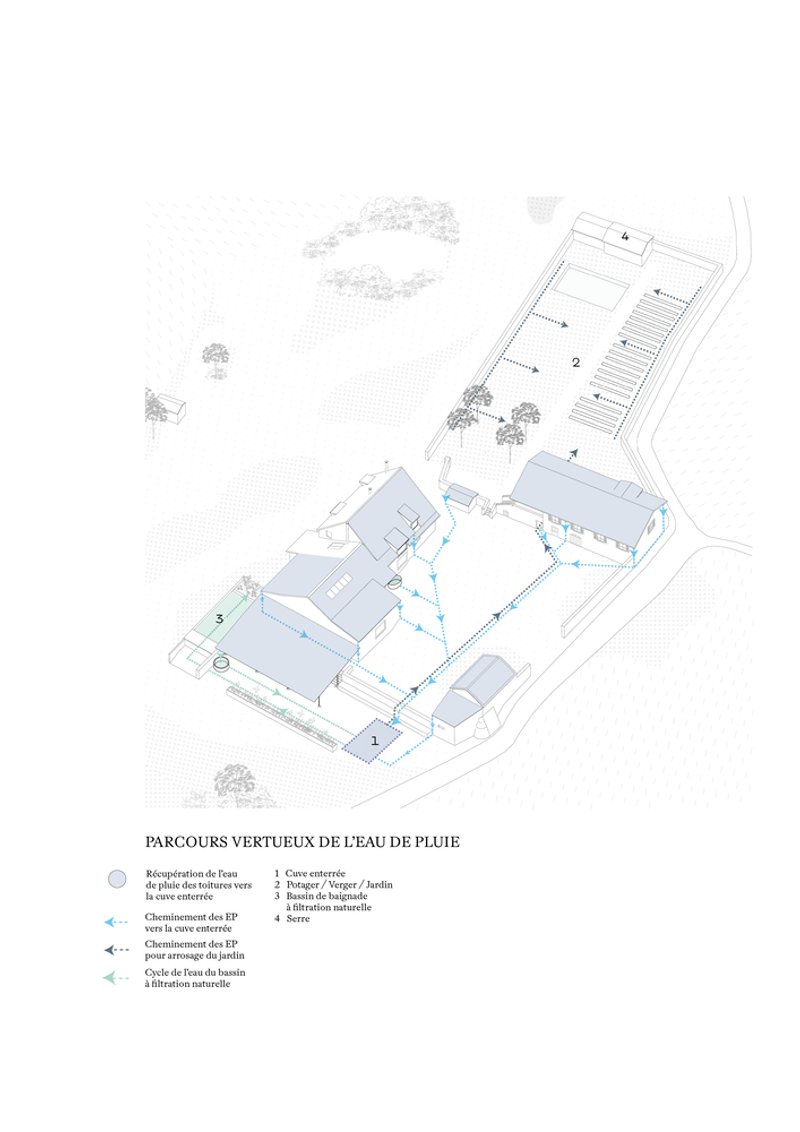
The concept of blending the building with the landscape extends to the addition of a natural swimming pool, which repurposes an old silage pit. This feature is not only environmentally sustainable but also enhances the aesthetic experience of the farm.
Creating a Timeless and Resilient Home
The finished result is a place that is as versatile as it is beautiful. Whether serving as a retreat for creative pursuits, a gathering space, or a peaceful home, the renovated farm can adapt to various functions. By preserving the essence of the original structure and integrating it with thoughtful, sustainable interventions, the La Grange Farm renovation stands as an example of how adaptive reuse can create spaces that are timeless and resilient.
All Photographs are works of Charles Pétillon, Philippe Thibault, Erwan Bouroullec, Charlotte Vuarnesson




Popular Articles
Popular articles from the community


Solar Steam: A Climate-Responsive Architecture That Redefines the Monument
A climate-responsive memorial architecture that transforms heat, decay, and time into a living system reflecting humanity’s ecological impact.


The Ken Roberts Memorial Delineation Competition (Krob)
As the most senior architectural drawing competition currently in operation anywhere in the world, it draws hundreds of entries each year, awarding the very best submissions in a series of medium-based categories.
A Contemporary Take on Iranian Residential Architecture
A modern interior design in Mashhad that reinterprets brick, light, and spatial flow to create a warm, contemporary residential architecture.
Atelier Macri Concept Store Interior Design by CASE-REAL
Atelier Macri store features a "ko" counter, walnut wood details, cork displays, blending retail, gallery, and seamless customer experiences.


Similar Reads
You might also enjoy these articles
The Ken Roberts Memorial Delineation Competition (Krob)
As the most senior architectural drawing competition currently in operation anywhere in the world, it draws hundreds of entries each year, awarding the very best submissions in a series of medium-based categories.

Waterfront Redevelopment and Urban Revitalization in Mumbai: Forging a New Dawn for Darukhana
A transformative waterfront redevelopment project reimagining Darukhana’s shipbreaking heritage into an inclusive urban future.

OUT-OF-MAP: A Call for Postcards on Feminist Narratives of Public Space
Rhizoma Design and Research Lab invites artists, designers, architects, researchers, and students to reflect on how feminist perspectives can reshape public space. Selected works will be exhibited in Barcelona, October 2026. Submissions open until 15 April 2026.

Documentation Work on Buddhist Wooden Temple
Architectural syncretism and cultural hybridity: A comparative study of the Buddhist temples in Chattogram Hill tracks

Explore Architecture Competitions
Discover active competitions in this discipline




The International Standard for Design Portfolios


The Global Benchmark for Architecture Dissertation Awards


The Global Benchmark for Graduation Excellence


Challenge to reimagine the Iron Throne
Comments (0)
Please login or sign up to add comments
No comments yet. Be the first to comment!