
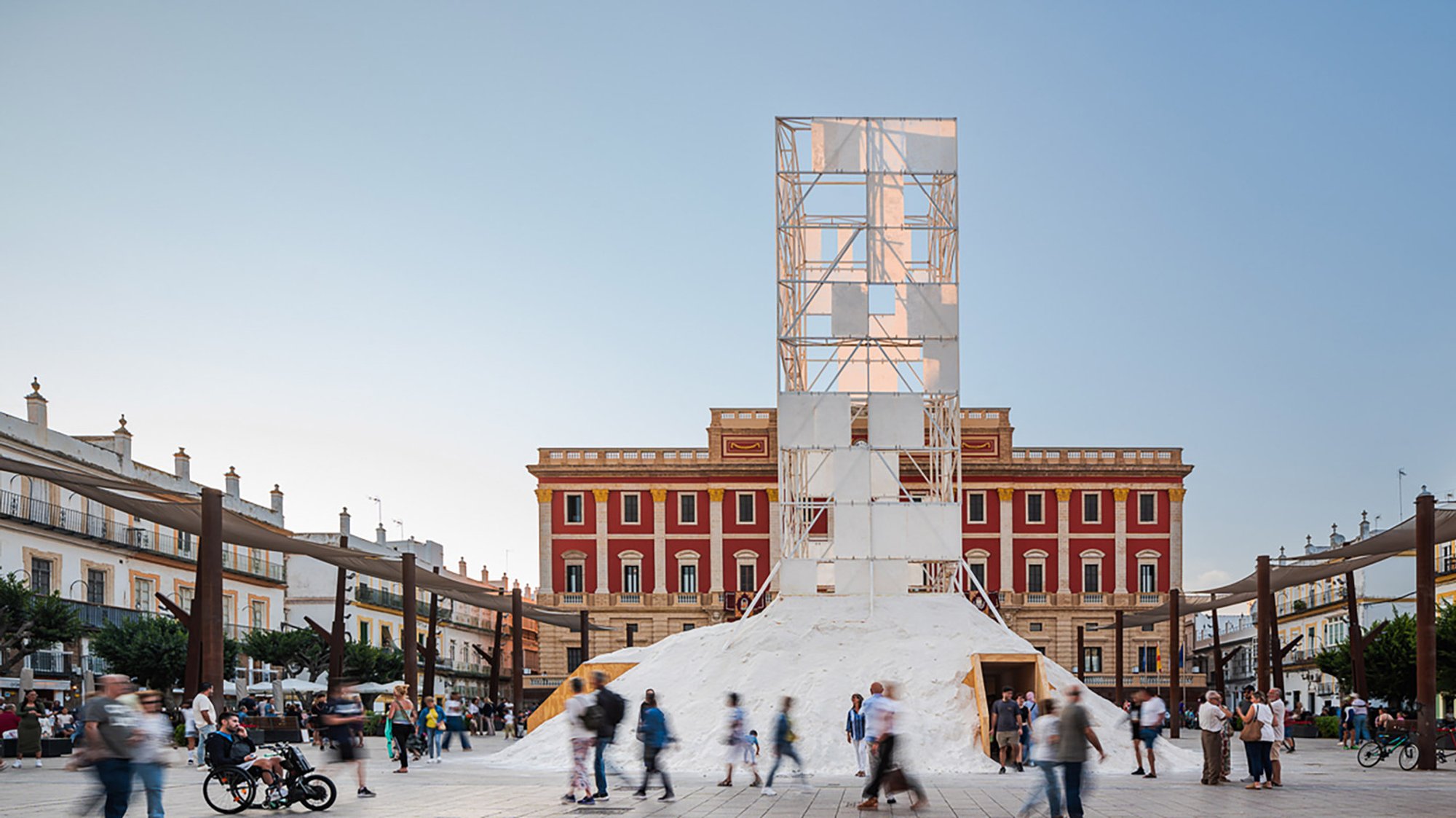
La Sal Pavilion: A Masterpiece of Sustainable Pavilion Architecture in Cádiz
La Sal Pavilion redefines sustainable pavilion architecture by integrating salt-based materials, vernacular techniques, and innovative design within Cádiz’s coastal landscape.

A Pavilion Rooted in Tradition and Sustainability
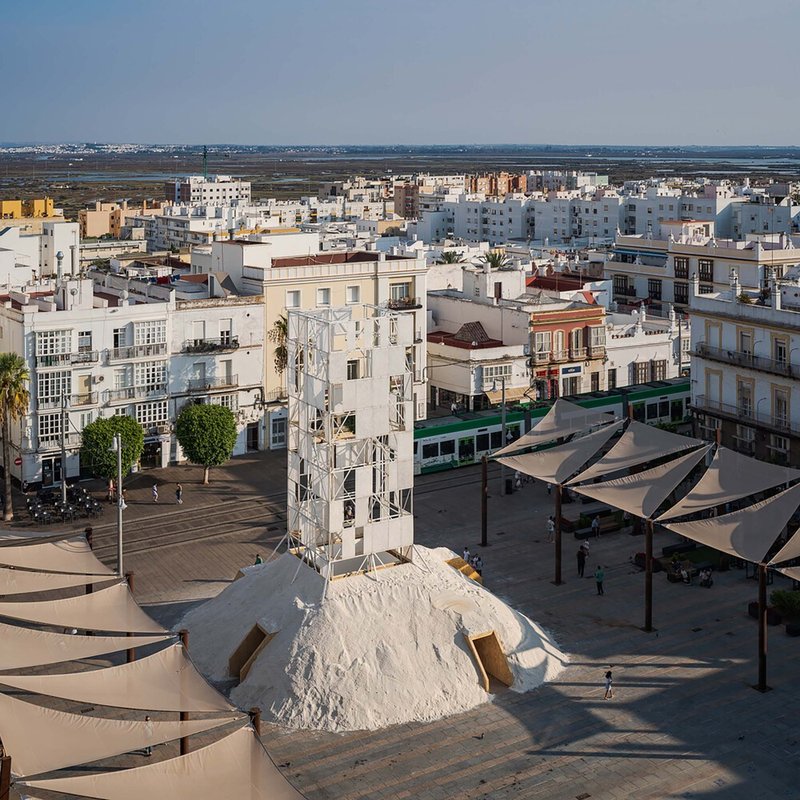
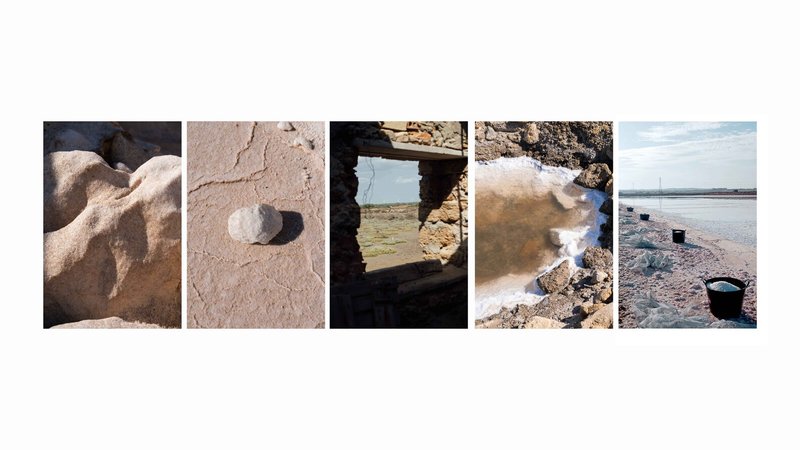
La Sal Pavilion, designed by CHS+R arquitectos and Carlos Montes, is an architectural intervention that redefines sustainable pavilion architecture. Located within the Bahía de Cádiz Natural Park, this project embraces the region’s rich history, ecological significance, and the ancient practice of salt harvesting. The pavilion is not merely an installation; it is a social and environmental catalyst that connects the urban center of San Fernando with its natural surroundings.
Harnessing Salt as a Structural and Symbolic Element
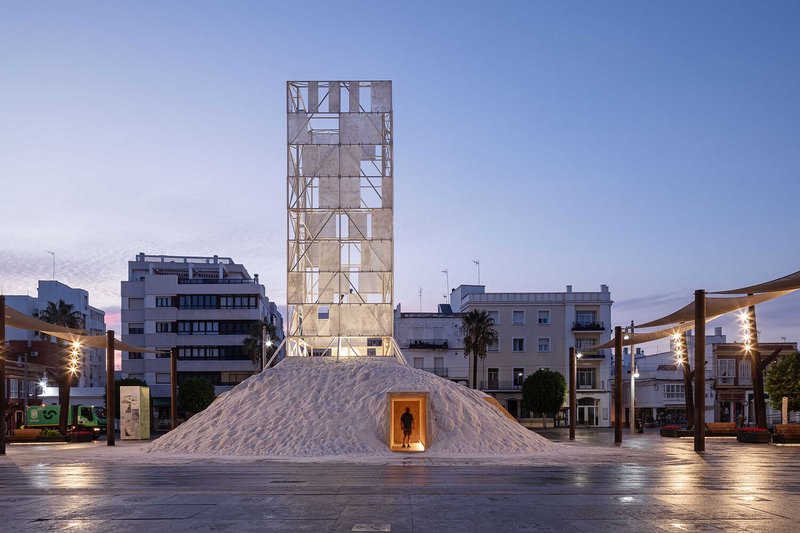
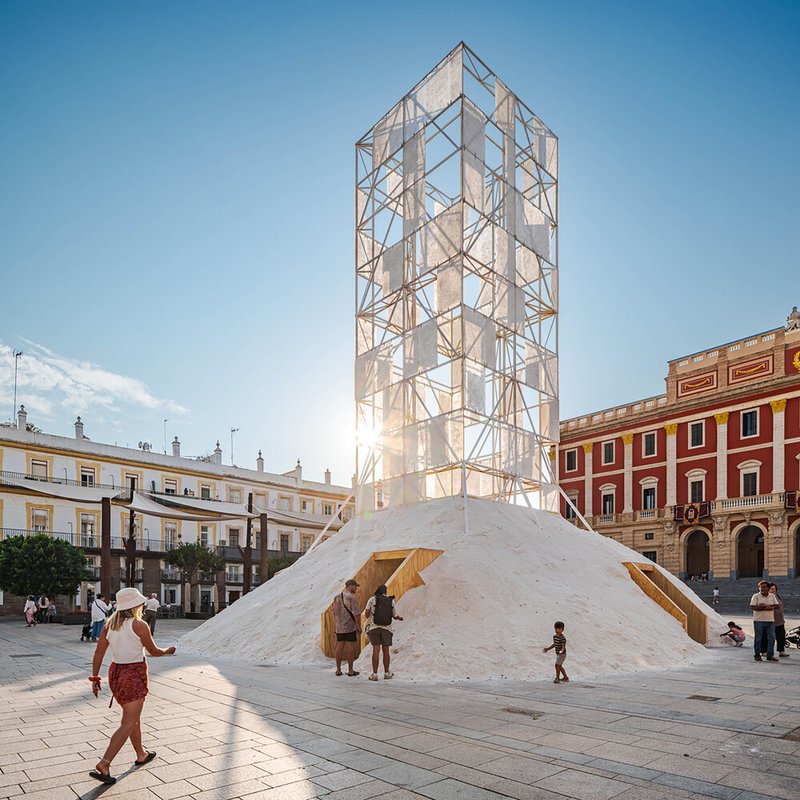
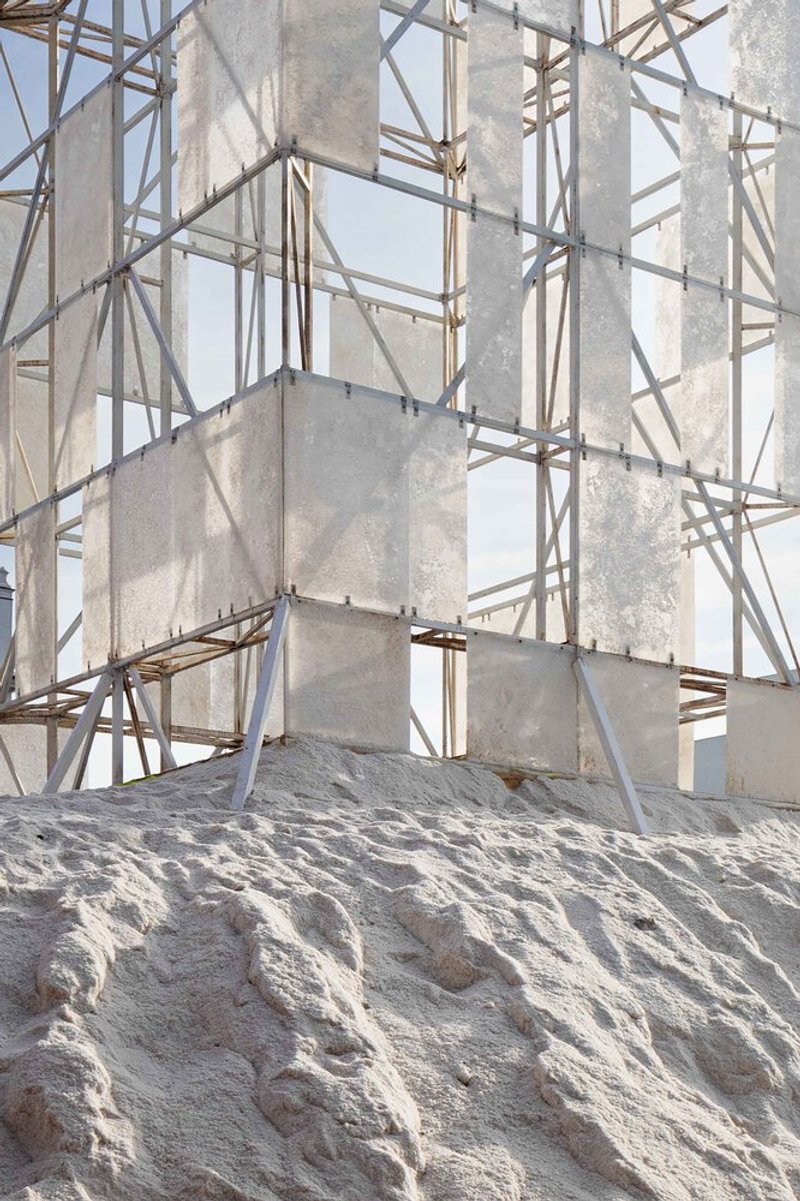
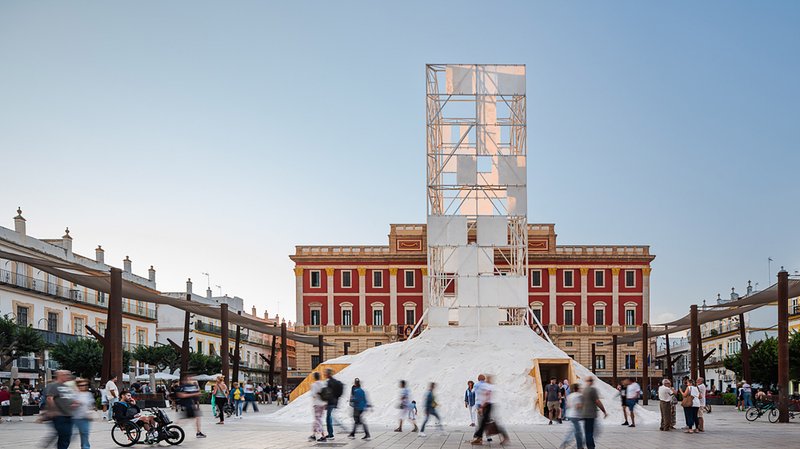
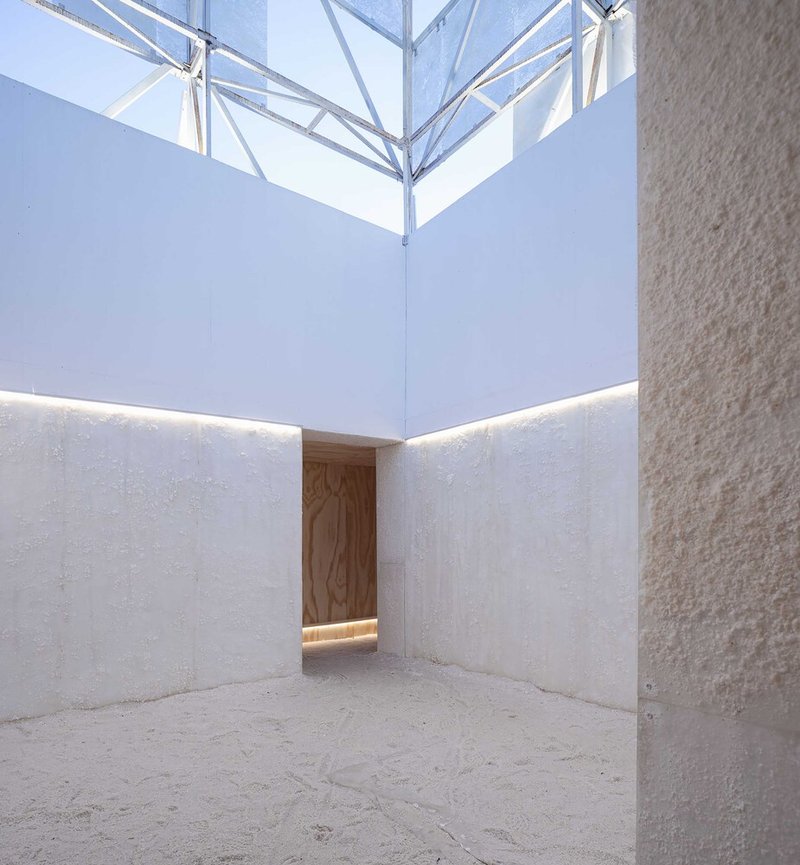
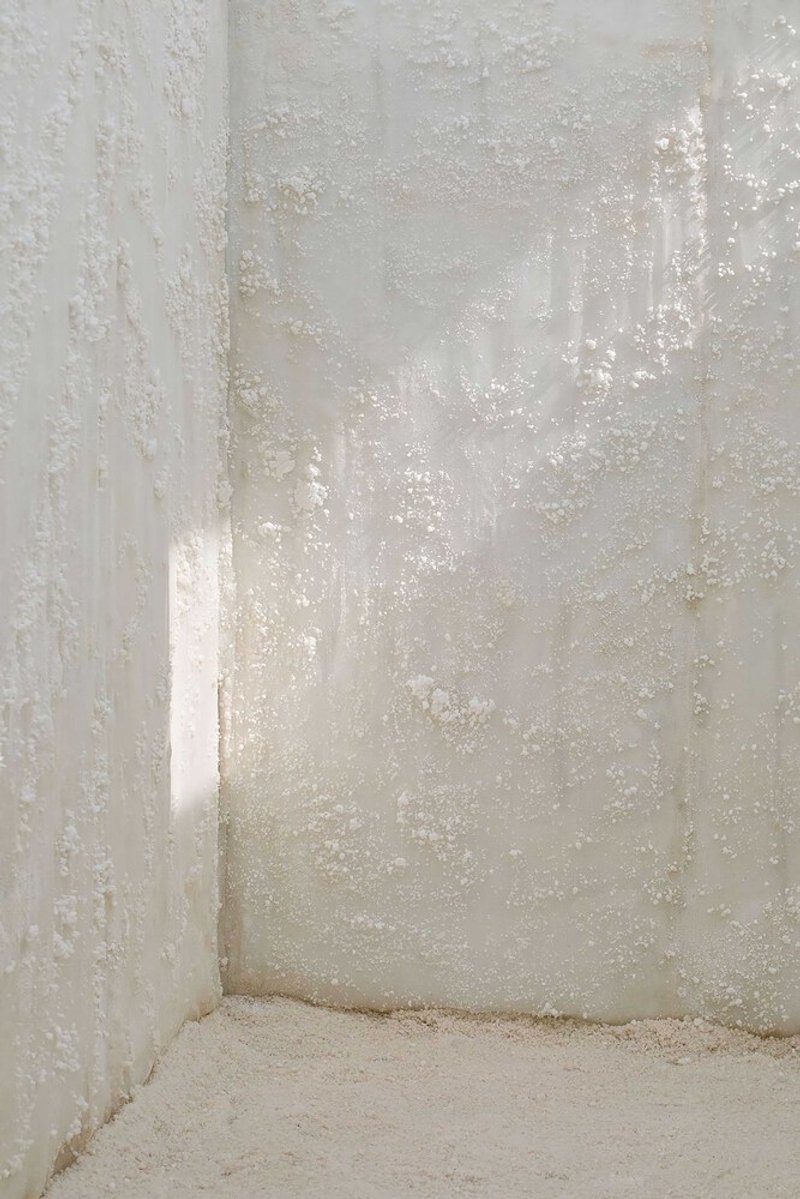
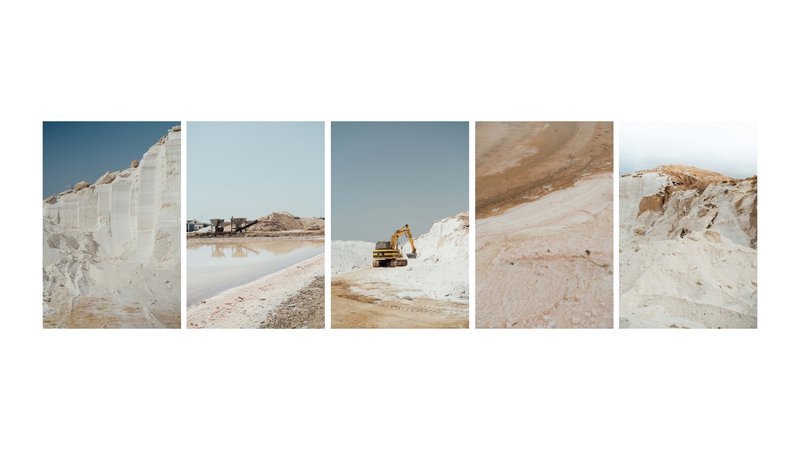
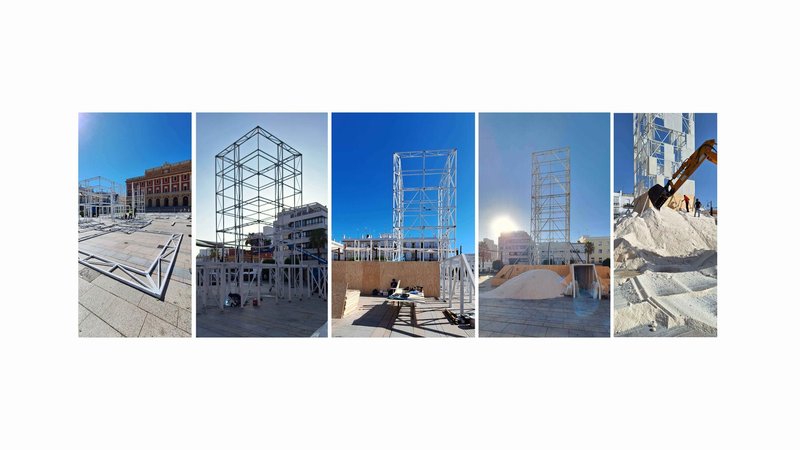
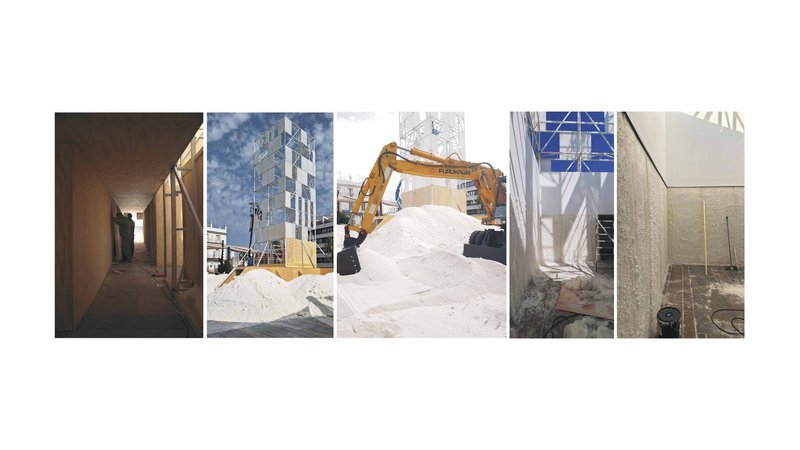
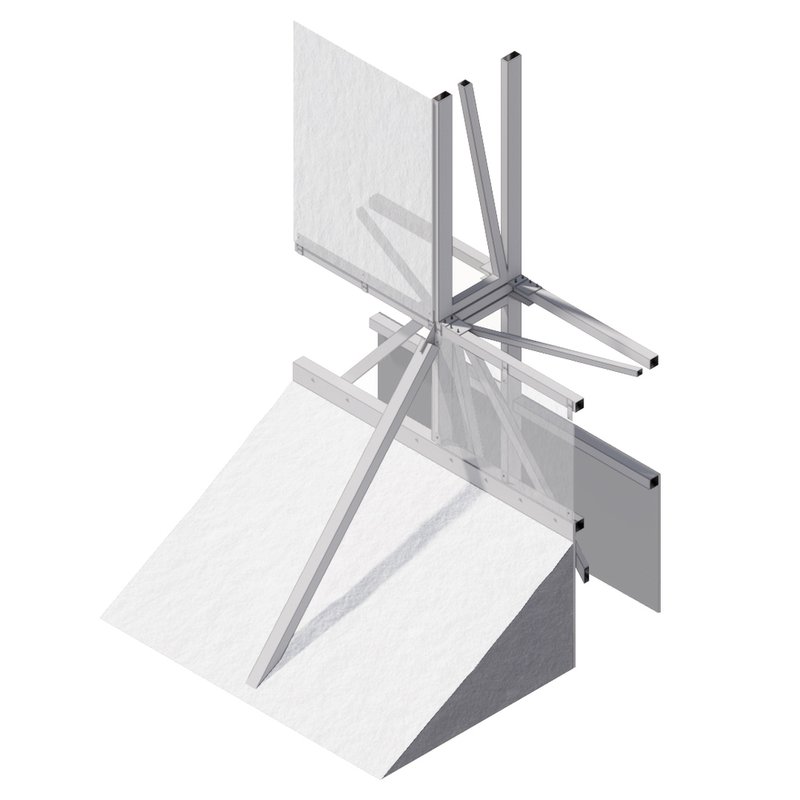
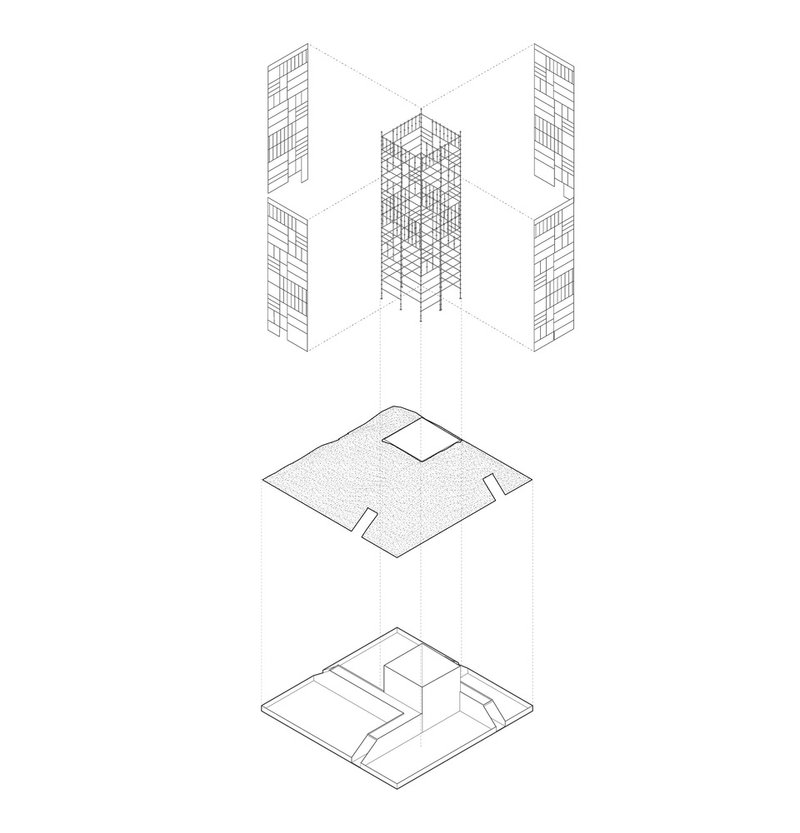
The pavilion is conceived as an exploration of one of the most abundant and renewable resources in the region—salt. By integrating ancestral techniques with modern digital fabrication, the design pays homage to traditional salt crystallization methods while utilizing contemporary processes to enhance durability and aesthetic appeal. The structure consists of three primary materials: salt, wood, and steel. The accumulated salt forms a solid base, wood defines the pavilion’s interior and exterior continuity, and steel references historic metal frameworks used in the salt trade.
A Tower that Engages with the Landscape
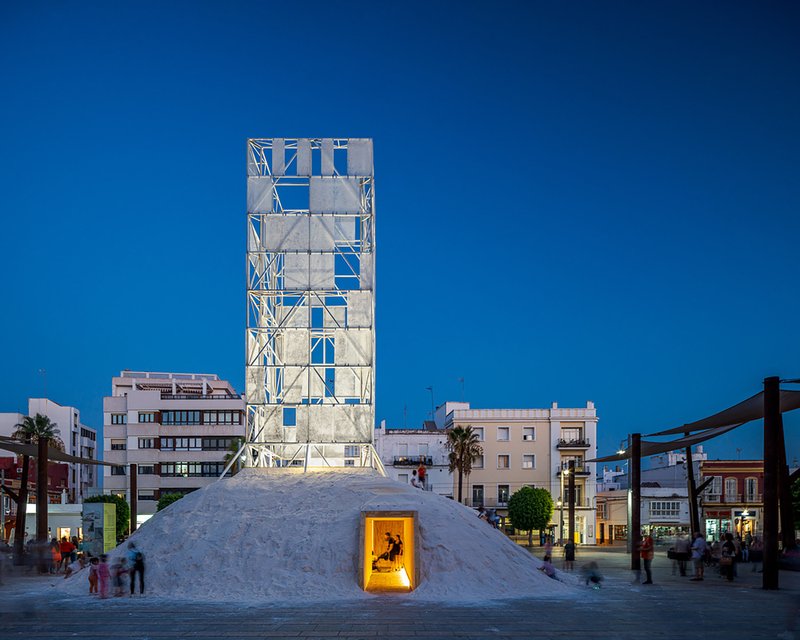
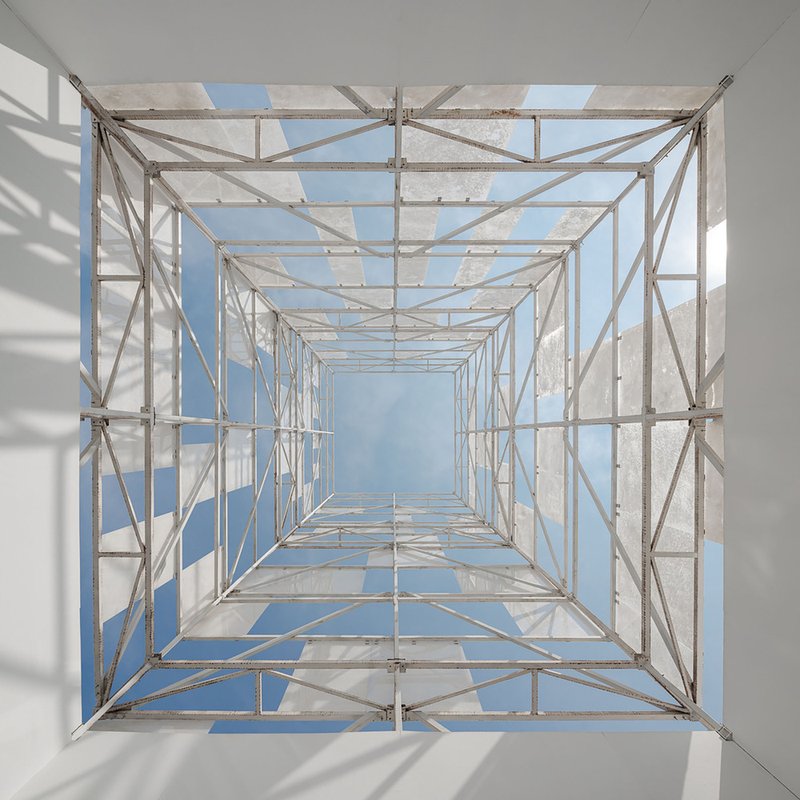
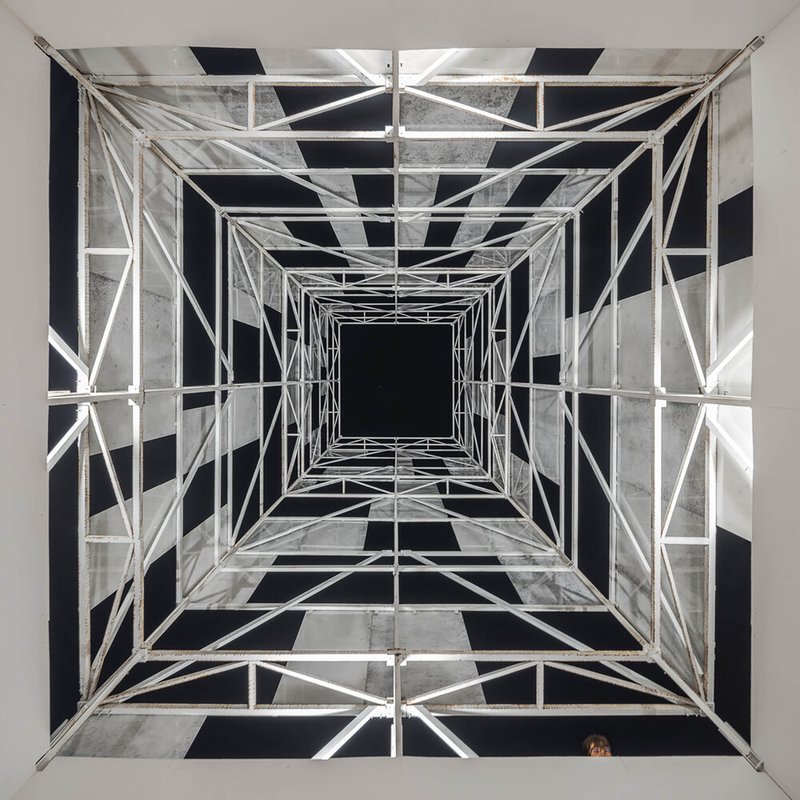
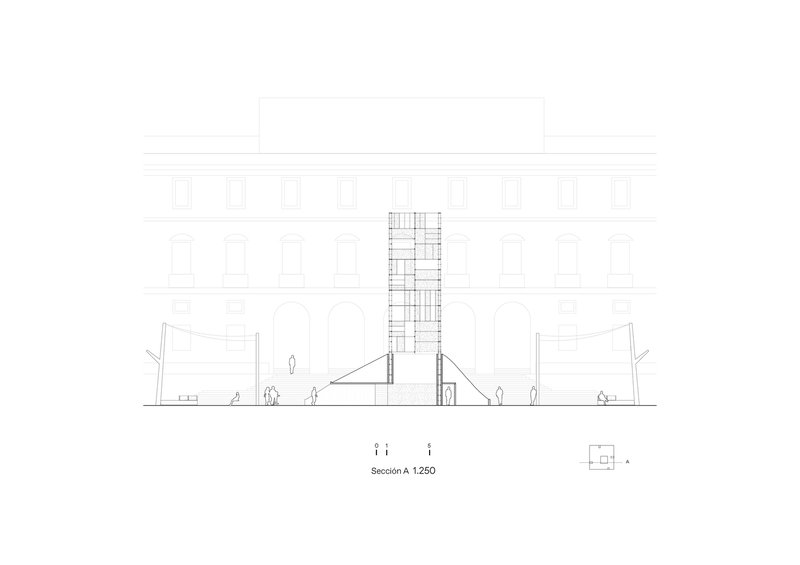
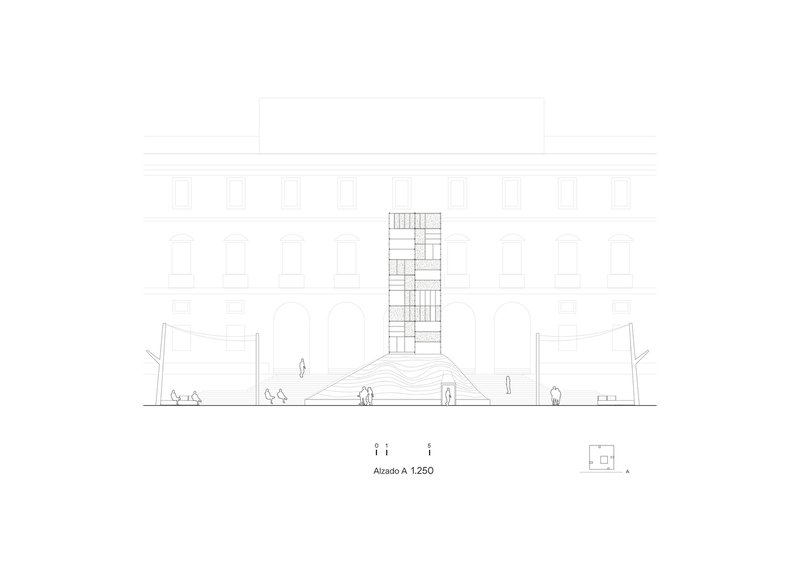
At the heart of the design stands an upright element—a tower that serves as both a landmark and a viewing platform. Inspired by the typology of the Tower of Hercules, this structure allows visitors to observe the surrounding salt marshes, estuaries, and the wider landscape. It is an architectural device that fosters understanding and engagement with the environment, visually connecting historical salt production sites with contemporary urban life.
A Pavilion as a Social and Educational Space
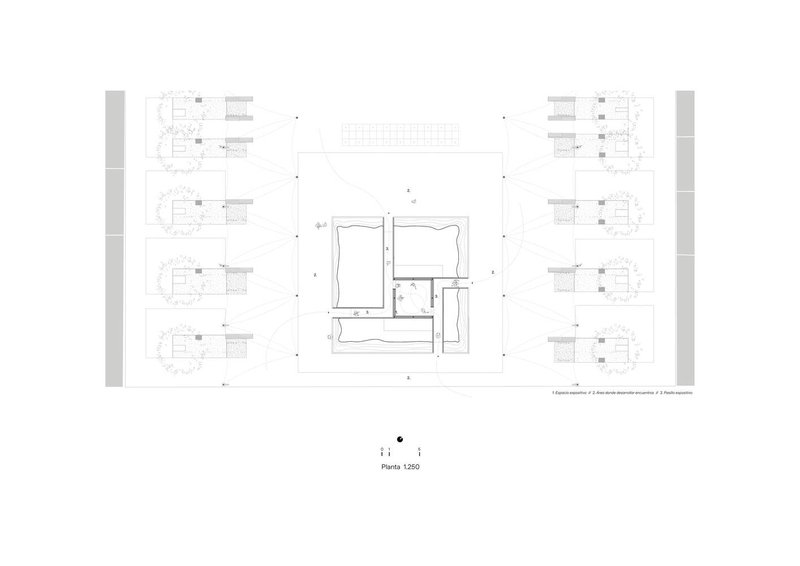
Beyond its architectural significance, La Sal Pavilion serves as a dynamic space for knowledge exchange. The interior functions as a place for discussion, research, and cultural gatherings, reinforcing the relationship between local communities and the environment. Through workshops, exhibitions, and public events, the pavilion raises awareness of sustainable development and traditional practices that have shaped the region’s economy and heritage.
Innovative Salt Panel Technology
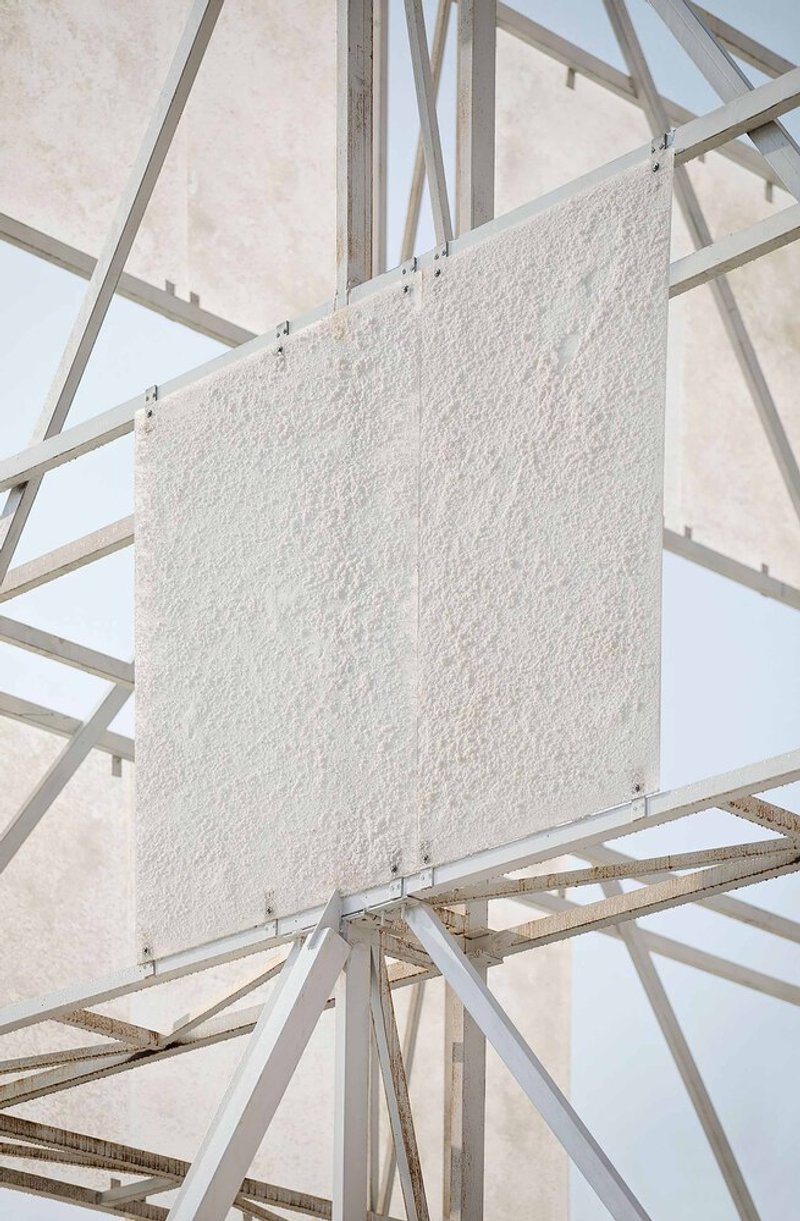
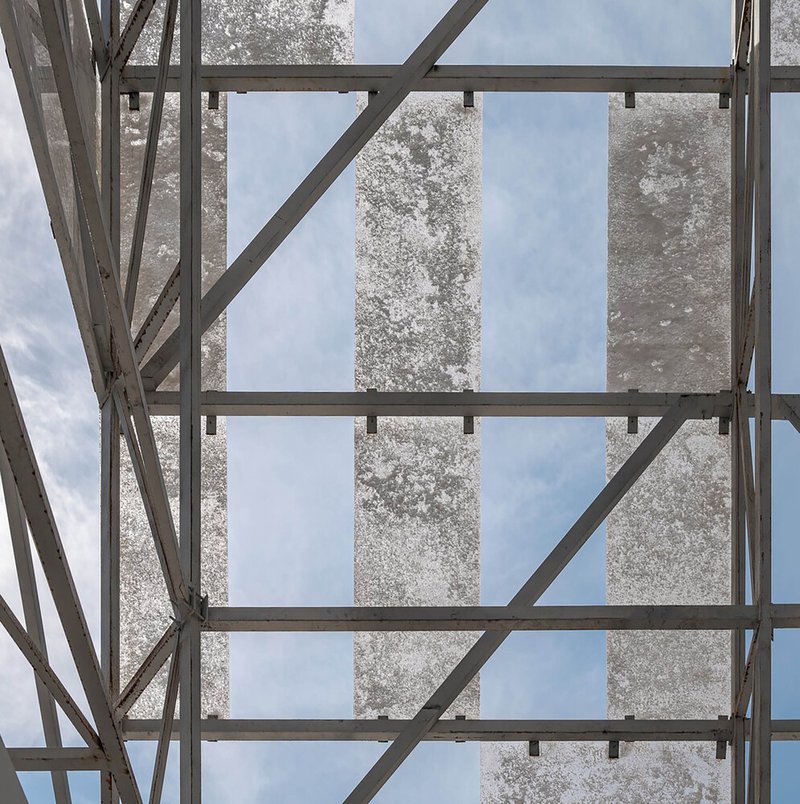
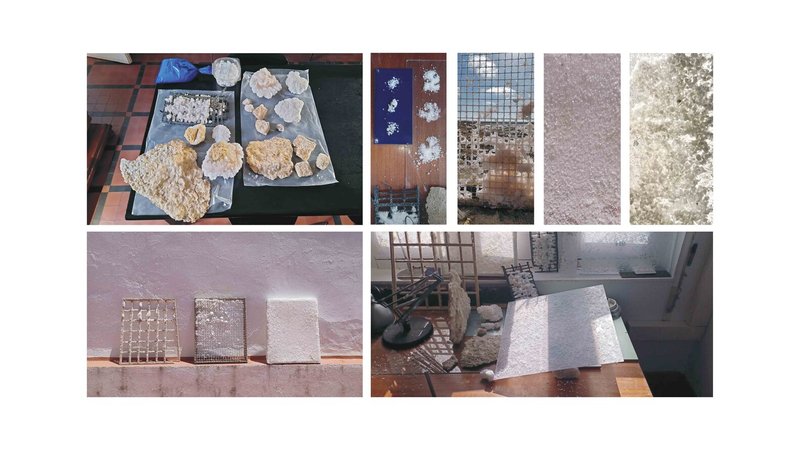
A defining feature of the pavilion is its use of translucent salt panels, created through a meticulous crystallization process. These panels are developed using 100% recycled cast acrylic coated with a layer of bio-resin, onto which salt crystals naturally form. The result is a striking material that captures light and texture, enhancing the visual identity of the pavilion while remaining true to its ecological principles.
A Model for Future Sustainable Architecture
La Sal Pavilion exemplifies the potential of sustainable pavilion architecture by seamlessly integrating traditional knowledge with innovative techniques. It demonstrates how vernacular materials and processes can inform contemporary design solutions that are both environmentally responsible and socially enriching. By leveraging natural elements—salt, sun, wind, and water—the project establishes a dialogue between past and future, offering a model for ecological architecture in coastal landscapes.
All photographs are works of Javier Orive, Fernando Alda, DEL RIO BANI, José Rodríguez + Carlos Montes, José Guilherme Marques




Popular Articles
Popular articles from the community

Split House: A Compact Urban Home Blending Privacy, Light, and Flexible Living in Japan
Compact Japanese home featuring DOMA space, flexible café potential, passive lighting, privacy zoning, and sustainable urban living design.
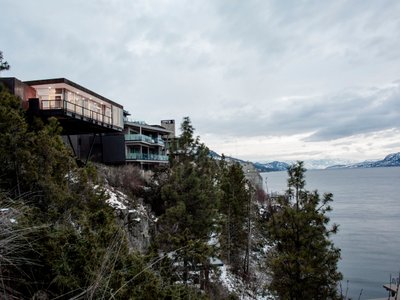
Alton Cliff House: A Harmonious Retreat by f2a Architecture in Lake Country, Canada
Alton Cliff House blends corten steel, prefabrication, and sustainable design, creating a luxurious, energy-efficient retreat perched on Canadian cliffs.

Solar Steam: A Climate-Responsive Architecture That Redefines the Monument
A climate-responsive memorial architecture that transforms heat, decay, and time into a living system reflecting humanity’s ecological impact.
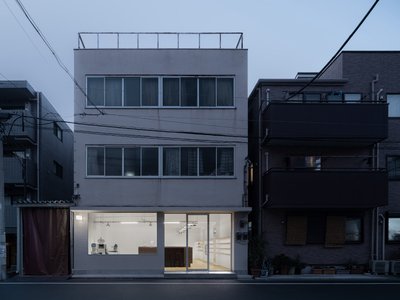
Atelier Macri Concept Store Interior Design by CASE-REAL
Atelier Macri store features a "ko" counter, walnut wood details, cork displays, blending retail, gallery, and seamless customer experiences.


Similar Reads
You might also enjoy these articles


The Ken Roberts Memorial Delineation Competition (Krob)
As the most senior architectural drawing competition currently in operation anywhere in the world, it draws hundreds of entries each year, awarding the very best submissions in a series of medium-based categories.

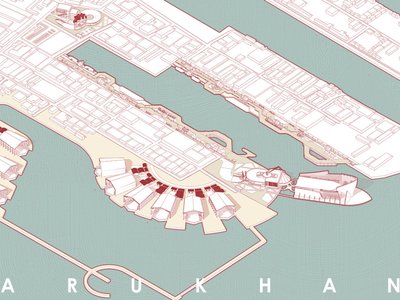
Waterfront Redevelopment and Urban Revitalization in Mumbai: Forging a New Dawn for Darukhana
A transformative waterfront redevelopment project reimagining Darukhana’s shipbreaking heritage into an inclusive urban future.

OUT-OF-MAP: A Call for Postcards on Feminist Narratives of Public Space
Rhizoma Design and Research Lab invites artists, designers, architects, researchers, and students to reflect on how feminist perspectives can reshape public space. Selected works will be exhibited in Barcelona, October 2026. Submissions open until 15 April 2026.


Documentation Work on Buddhist Wooden Temple
Architectural syncretism and cultural hybridity: A comparative study of the Buddhist temples in Chattogram Hill tracks


Explore Architecture Competitions
Discover active competitions in this discipline




The International Standard for Design Portfolios


The Global Benchmark for Architecture Dissertation Awards


The Global Benchmark for Graduation Excellence


Challenge to reimagine the Iron Throne
Comments (0)
Please login or sign up to add comments
No comments yet. Be the first to comment!