
Mailiao Community Education Park: A Model of Sustainable Community Architecture
Mailiao Community Education Park by Zoom Design Atelier showcases sustainable community architecture, blending tradition with modern ecological and spatial strategies.

Blending Tradition and Modernity in Public Space Design
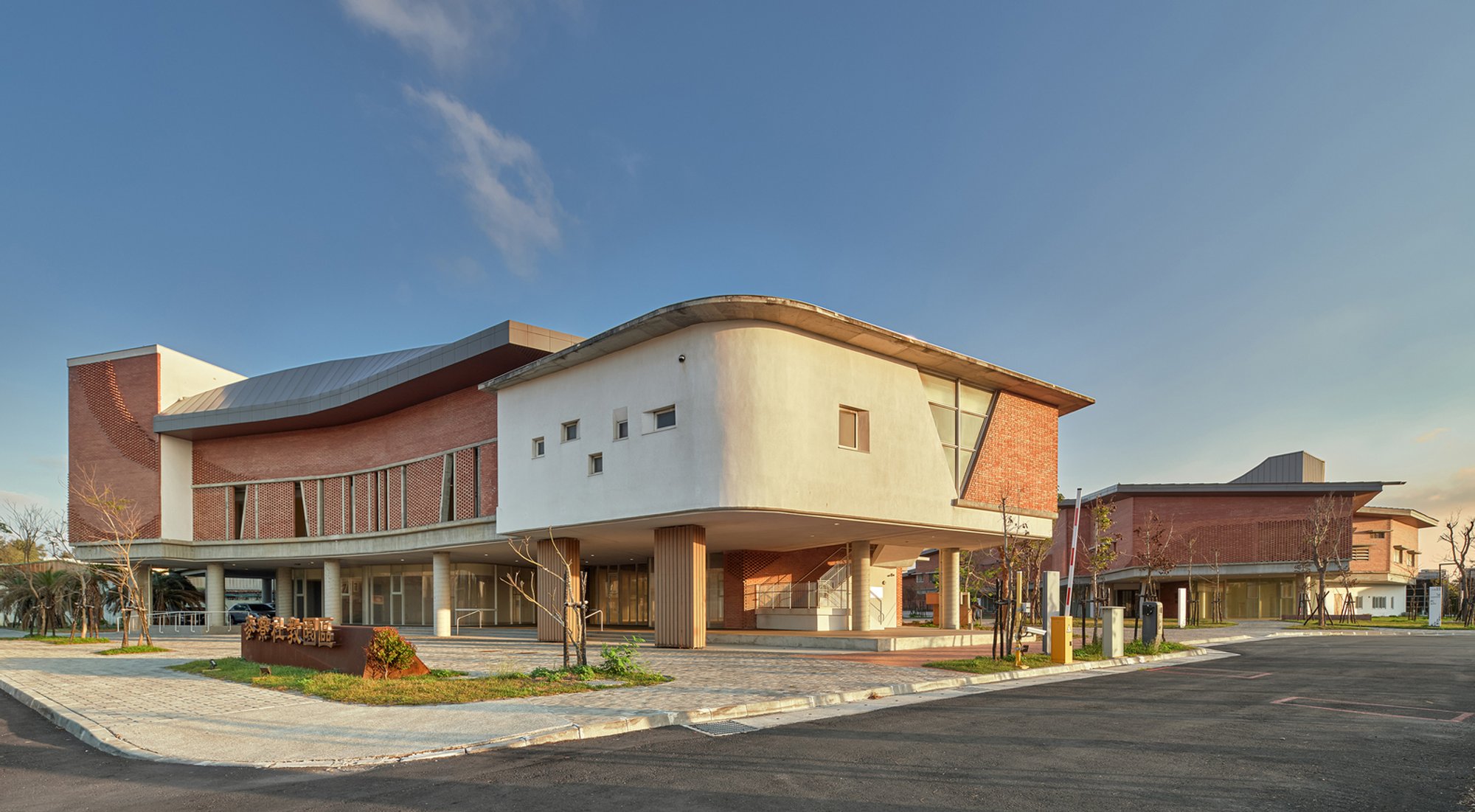
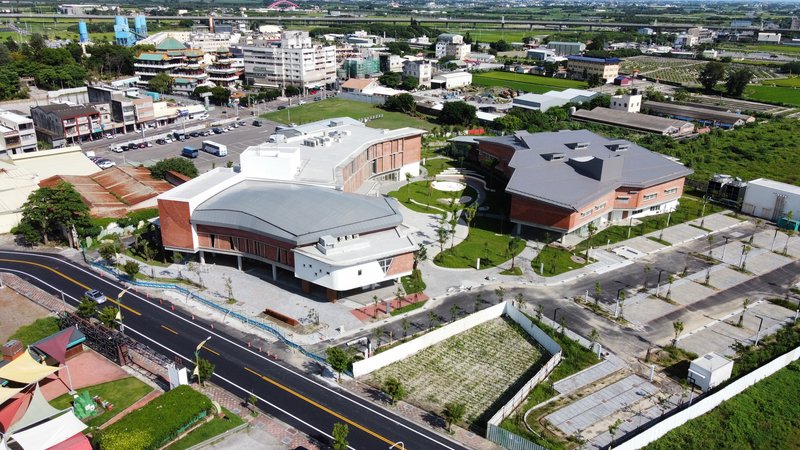
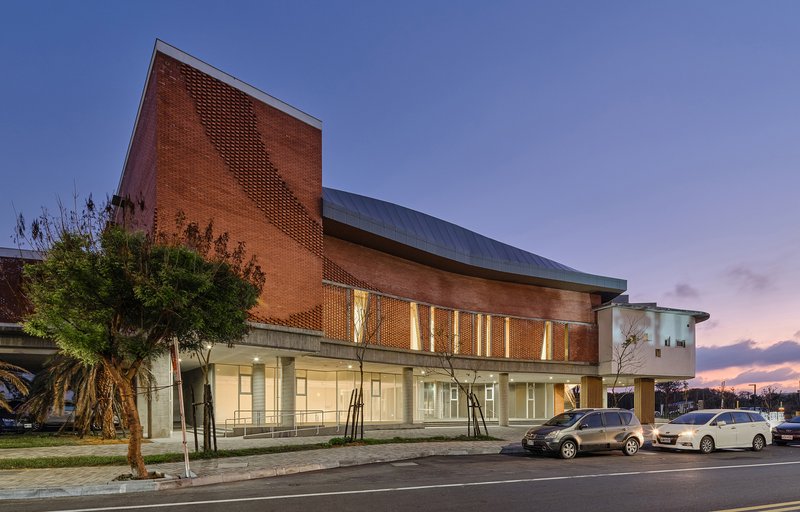
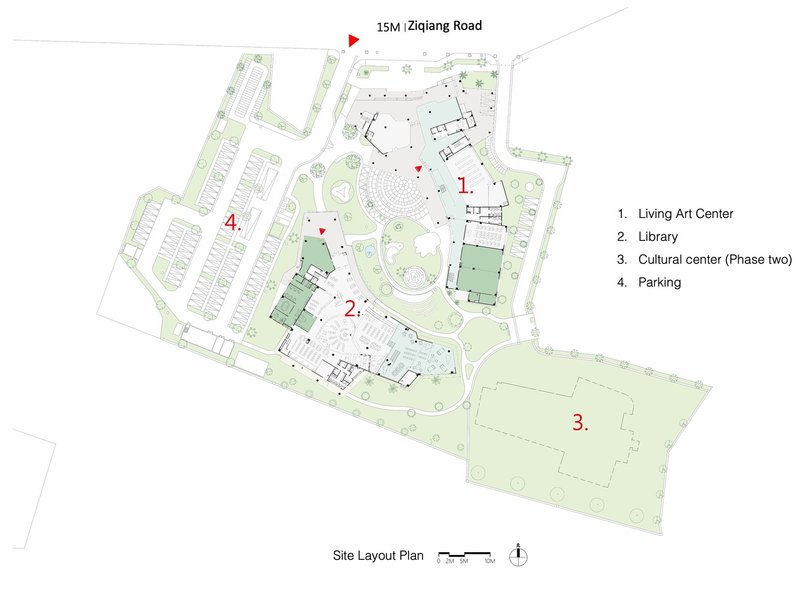
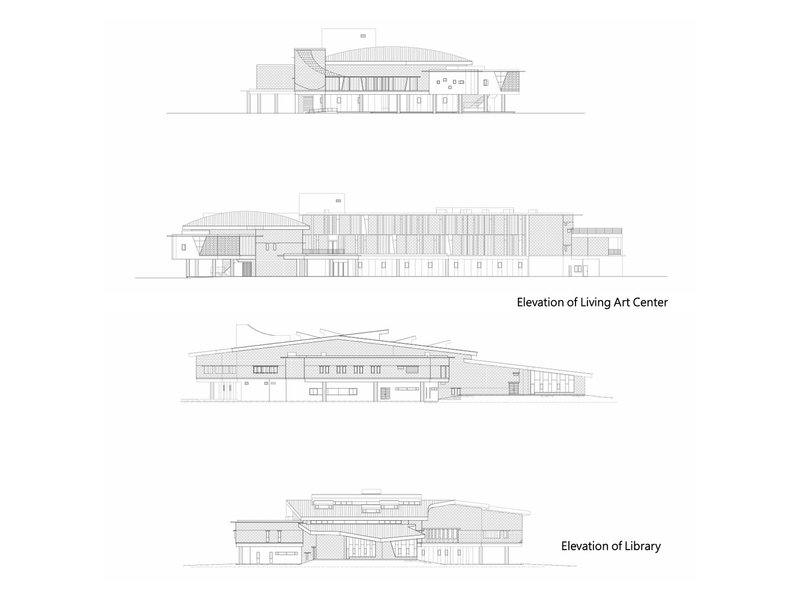
Mailiao Community Education Park, designed by Zoom Design Atelier, redefines sustainable community architecture in Taiwan’s Yunlin County. Spanning 5,404 square meters, this educational and cultural hub comprises a living art center and a library, offering lifelong learning and reading spaces tailored for both elderly and young residents. With its organic architectural planning, thoughtful climate adaptation, and a deep integration of traditional brick materials, the park represents a harmonious blend of heritage and contemporary design principles.
Architectural Vision Rooted in Local Context
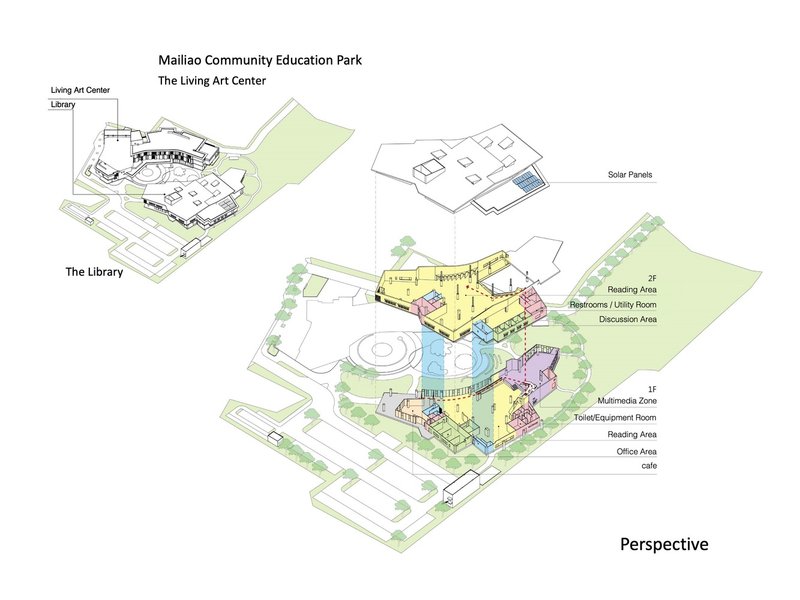
The site is situated in Mailiao Township, adjacent to agricultural land and exposed to strong northeast monsoon winds in winter. The two primary structures, arranged to block the harsh winds, form an egg-shaped central plaza known as the "Aesthetic Incubation Square." This open space serves as a communal gathering area, enhancing the park’s role as an interactive and evolving public venue.
Sustainability Through Traditional Materials
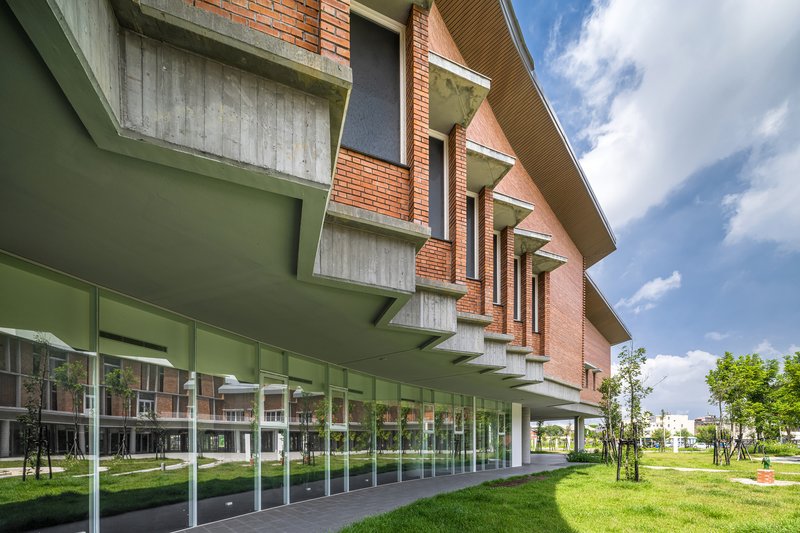
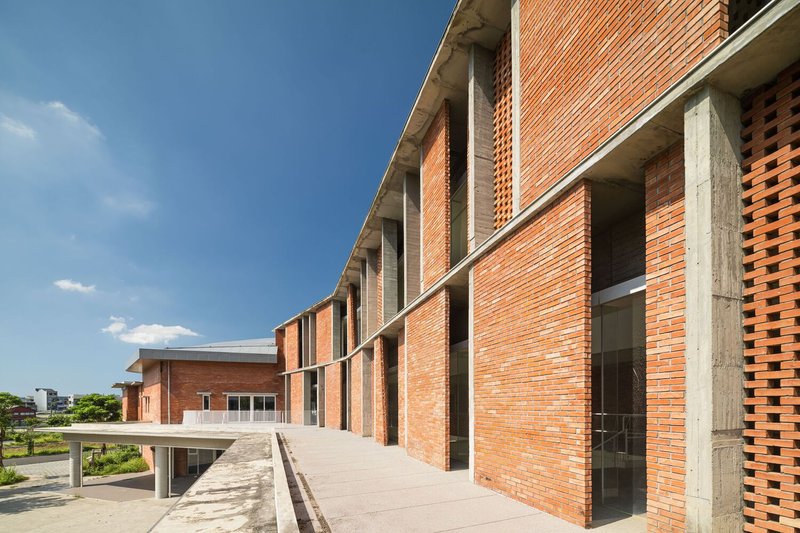
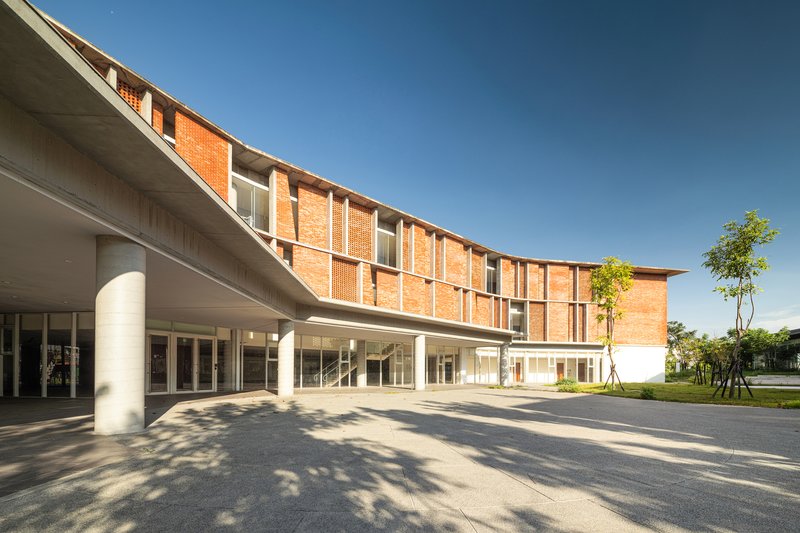
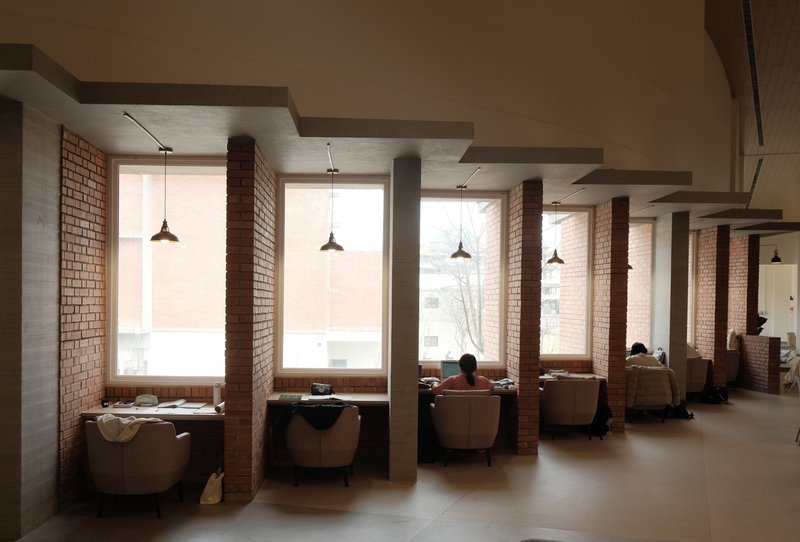
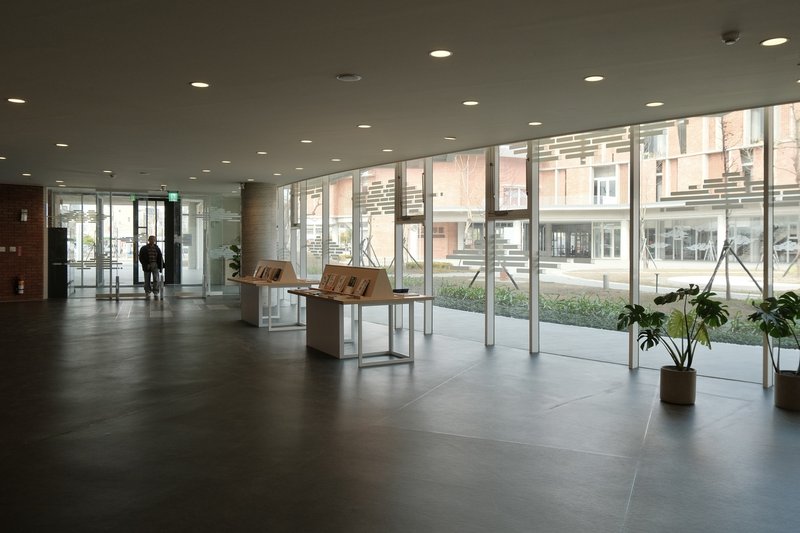
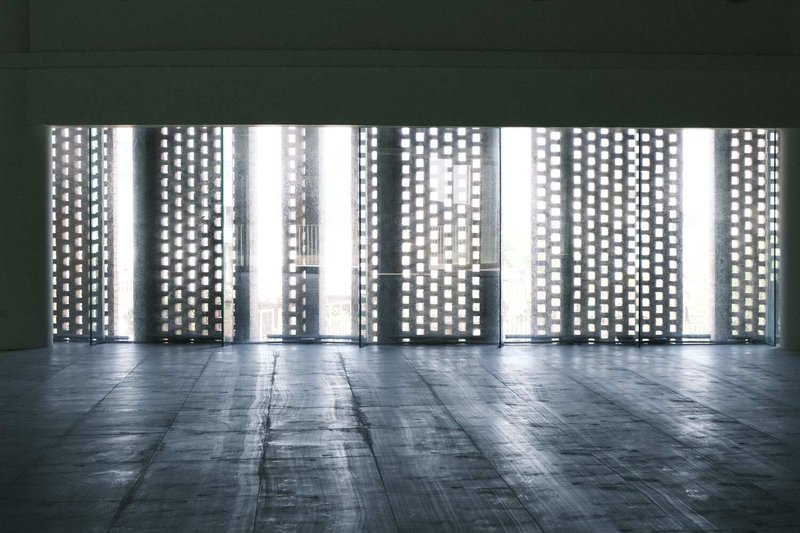
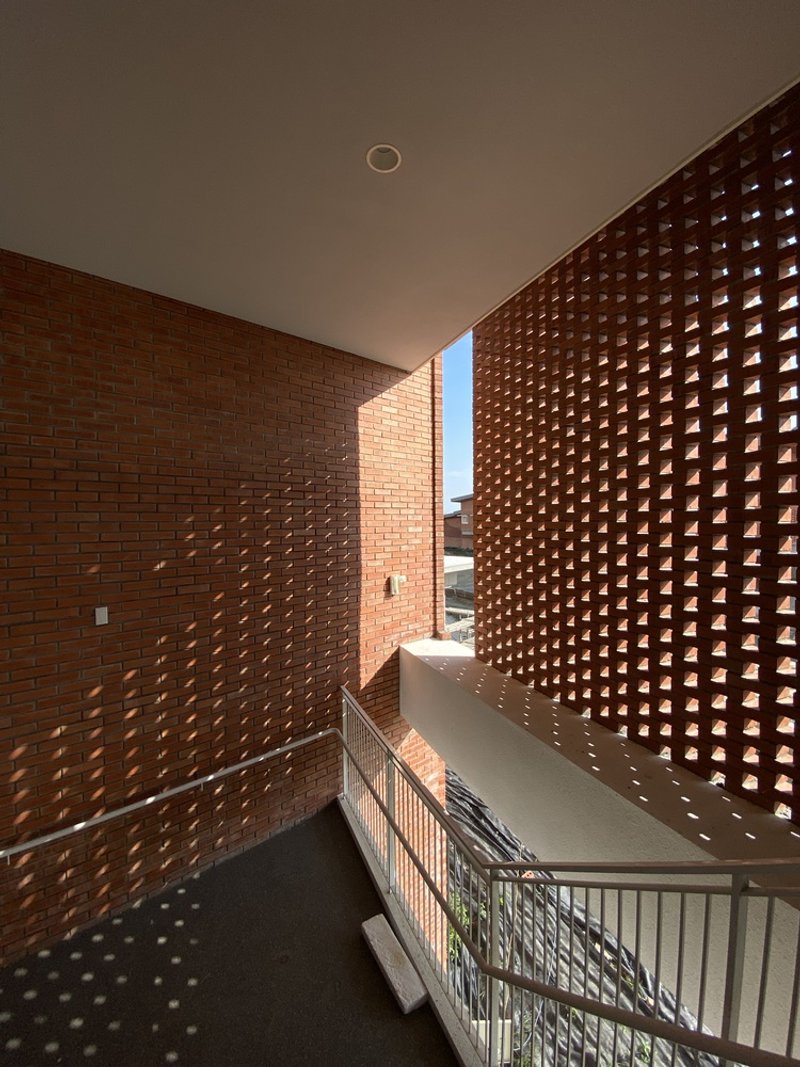
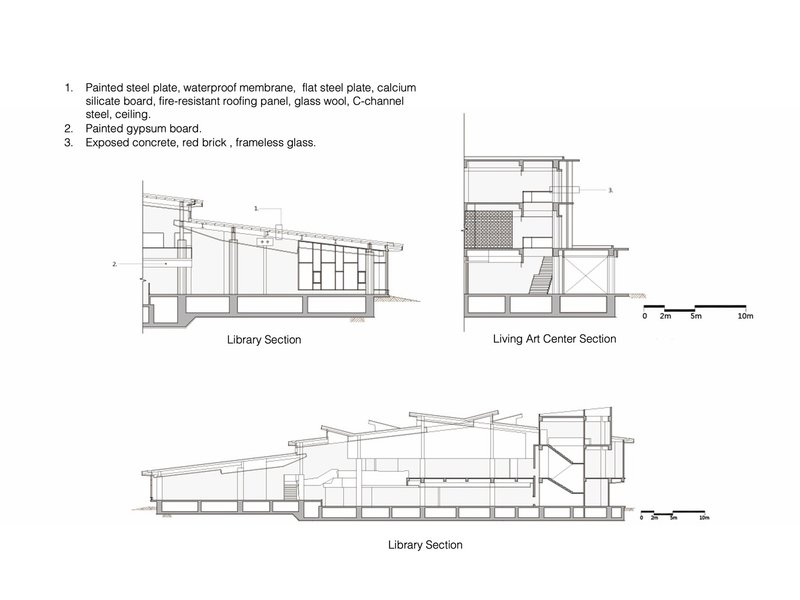
The architecture of Mailiao Community Education Park draws inspiration from Taiwan’s rural heritage, where brick structures were once widespread. The designers have reintroduced hollow brickwork, historically used in pigsties for ventilation, as a key feature of the buildings. This method not only pays homage to vernacular architecture but also promotes sustainable building practices by reusing old materials to create a modern structure infused with historical memory.
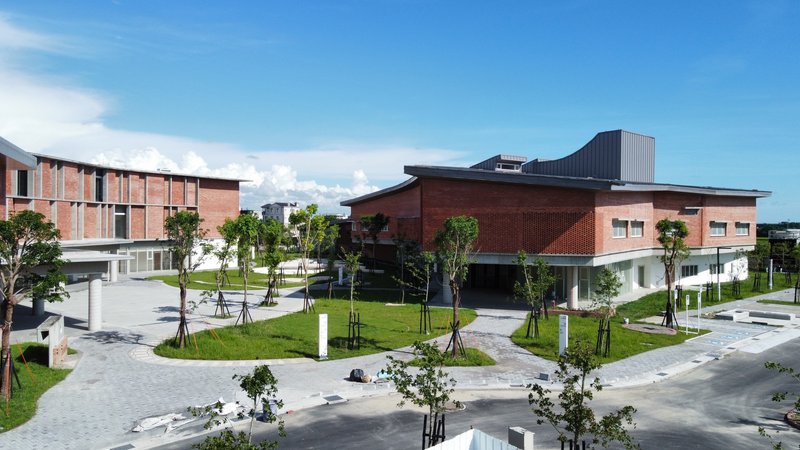
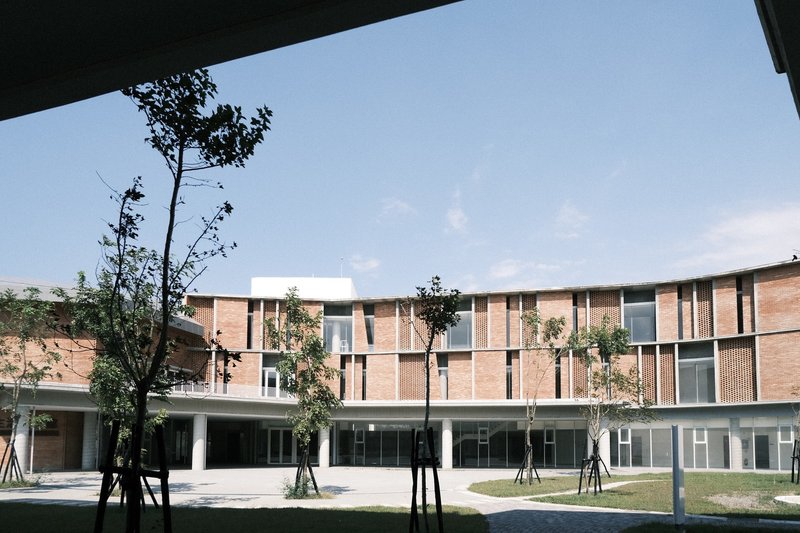
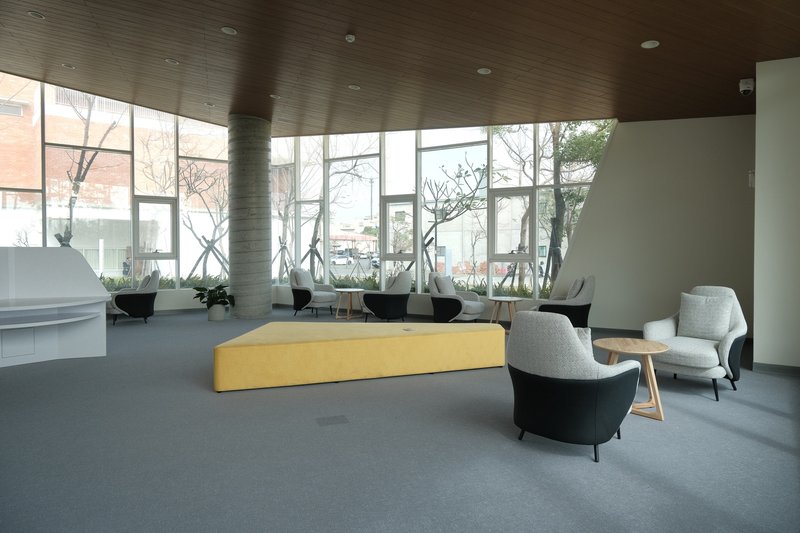
The lower sections of the buildings incorporate recessed glass facades, emphasizing a seamless indoor-outdoor connection. The upper halves are clad in brick, establishing a strong visual link to the region’s architectural past while ensuring energy efficiency through natural shading and airflow.
Adaptive Climate Design for Comfort and Energy Efficiency
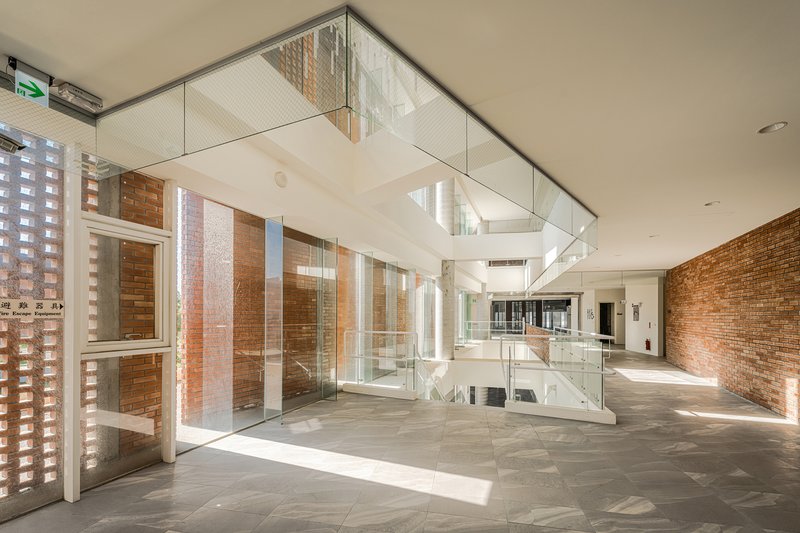
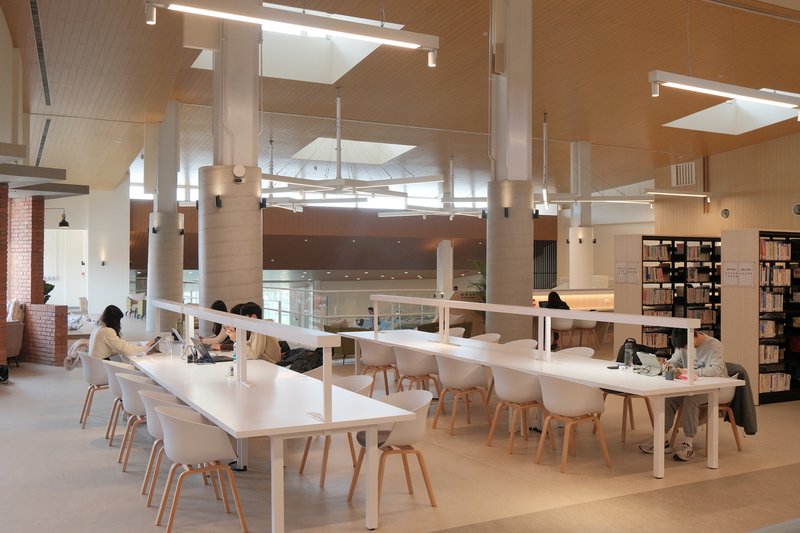
Climate-responsive architecture plays a central role in the park’s design. The living art center and library utilize an atrium system that filters light and regulates temperature throughout the day. The west-facing façade mitigates heat gain by diffusing intense afternoon sunlight, creating a comfortable environment without excessive reliance on artificial cooling.
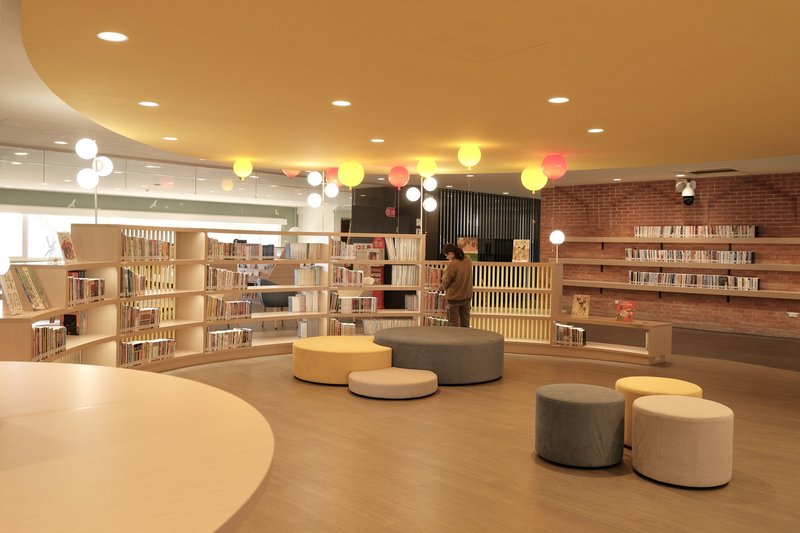
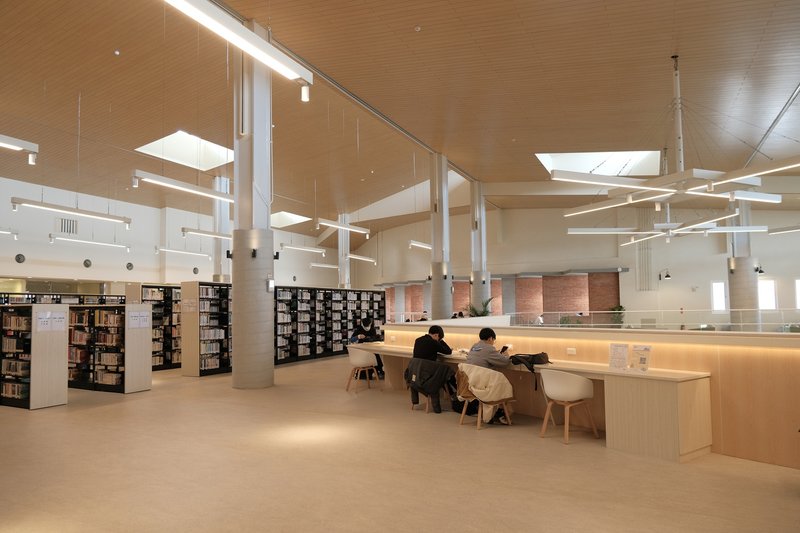
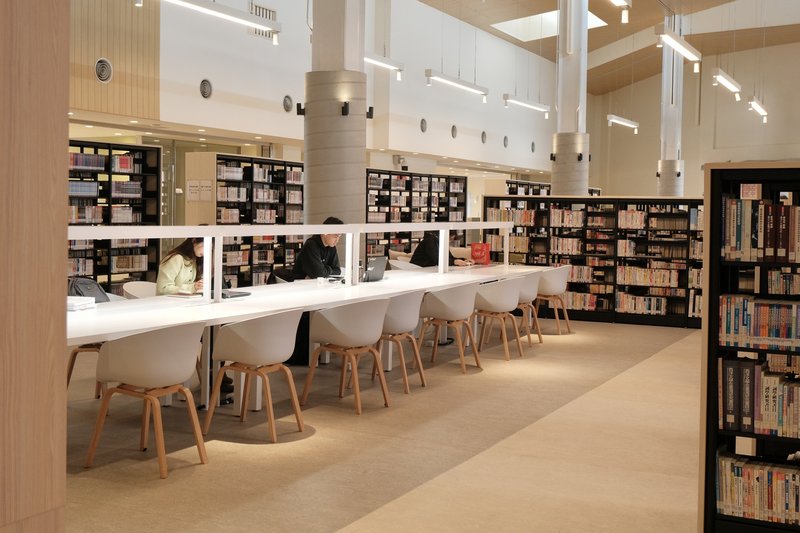
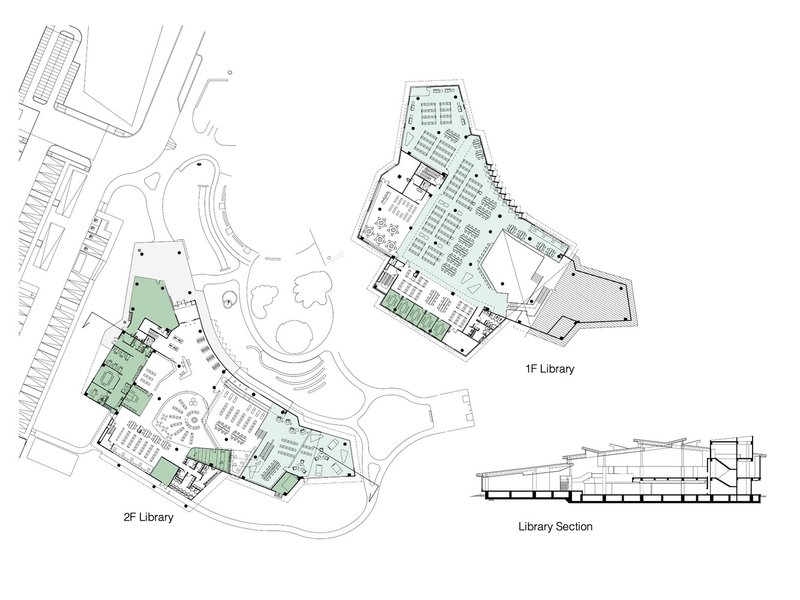
The library, designed with accessibility in mind, features an entrance that descends into the atrium, fostering an inviting atmosphere for elderly visitors and children. The split-level layout enhances spatial dynamics, offering diverse reading zones that encourage exploration. Large skylights and a sloped wooden ceiling provide ample natural illumination, reducing energy consumption while cultivating a serene reading environment.
An Organic Approach to Spatial Planning
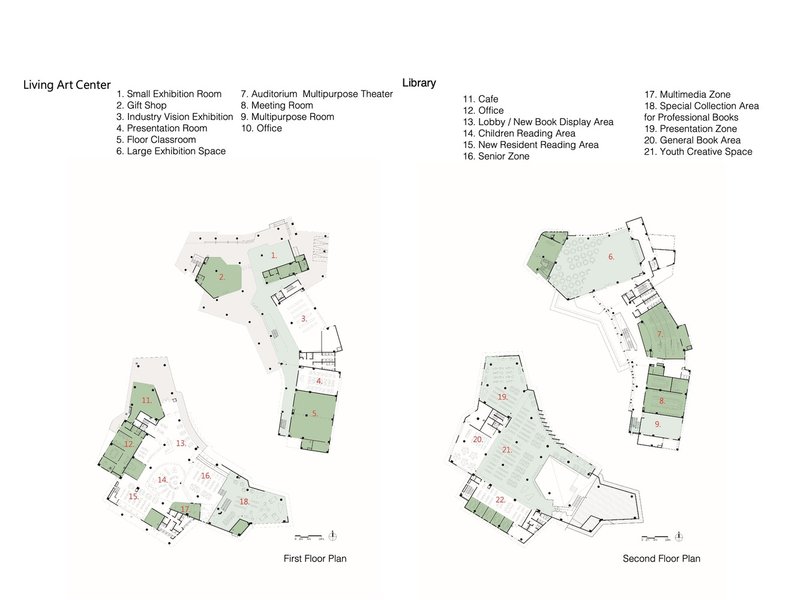
Mailiao Community Education Park is designed with an organic layout, where movement through the space becomes an immersive experience. The living art center connects exhibition halls and classrooms through a dynamic sequence of spaces, integrating natural light and shadow to create a poetic interplay between past and present.
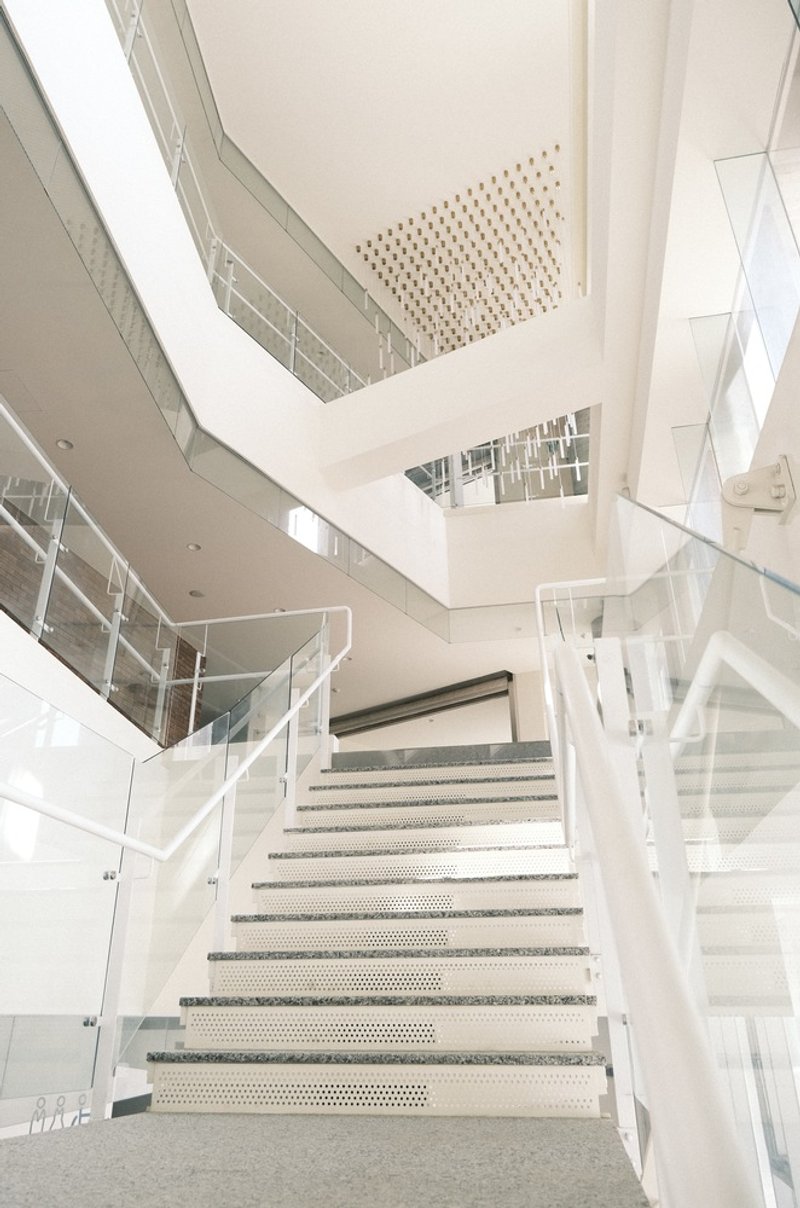
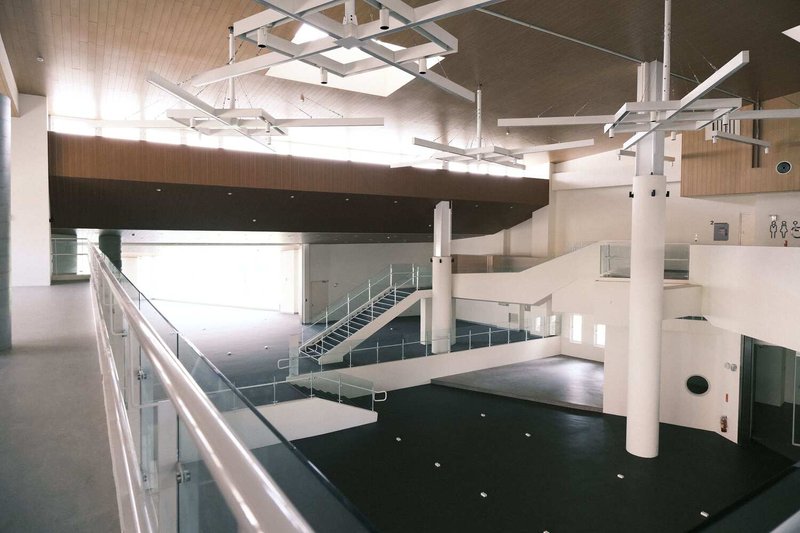
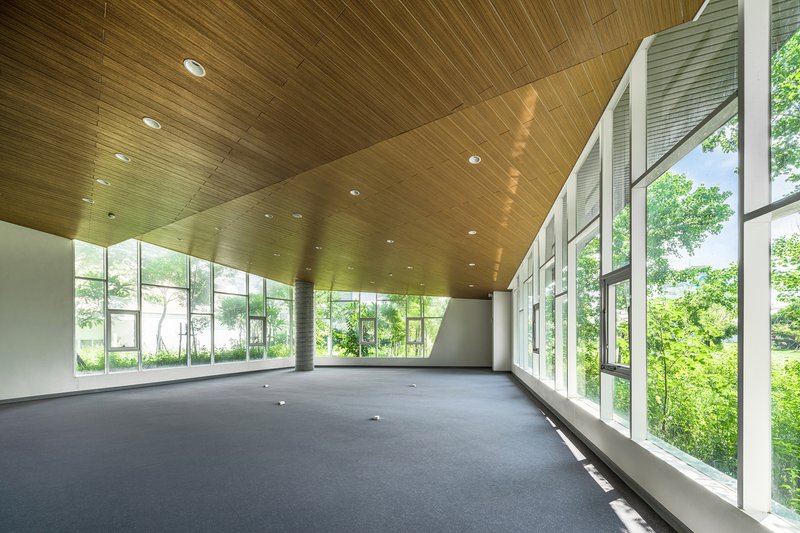
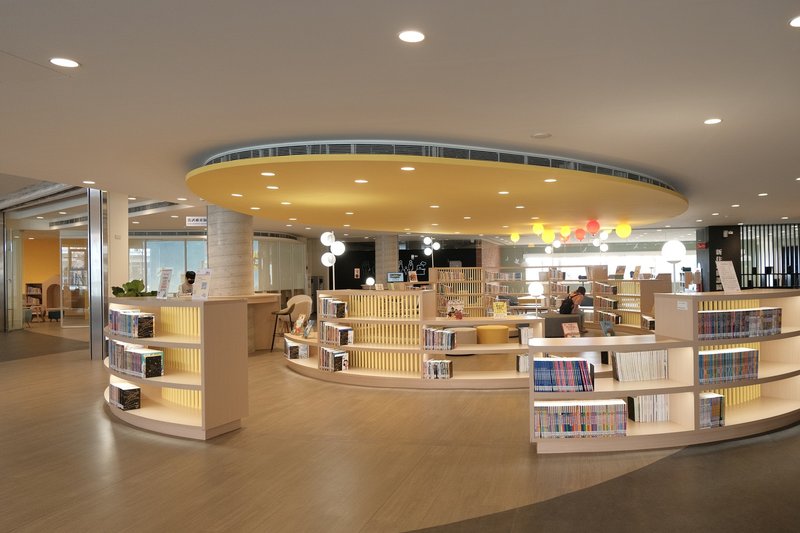
The library offers various reading settings, from window-side nooks with scenic views to intimate, enclosed spaces that foster deep concentration. The flexible spatial arrangement ensures that visitors can navigate the space fluidly, discovering reading areas that suit their personal preferences.
A New Benchmark for Sustainable Community Architecture
Mailiao Community Education Park is more than an architectural landmark; it is a model of how sustainable community architecture can shape the future of public spaces. By integrating traditional craftsmanship with modern ecological strategies, it preserves cultural identity while embracing contemporary needs.
This project highlights the importance of designing with both environmental and social sustainability in mind, setting a precedent for future community-driven architectural developments. With its commitment to resource-efficient design, climate adaptability, and cultural continuity, Mailiao Community Education Park stands as an inspiring example of how architecture can enrich community life while respecting its surroundings.
All Photographs are works of Jian Zhuo Lai, Yen-Chi Hsu, Mu-Jou Hsu



Popular Articles
Popular articles from the community

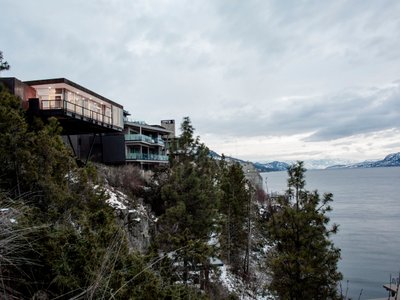
Alton Cliff House: A Harmonious Retreat by f2a Architecture in Lake Country, Canada
Alton Cliff House blends corten steel, prefabrication, and sustainable design, creating a luxurious, energy-efficient retreat perched on Canadian cliffs.



The Ken Roberts Memorial Delineation Competition (Krob)
As the most senior architectural drawing competition currently in operation anywhere in the world, it draws hundreds of entries each year, awarding the very best submissions in a series of medium-based categories.
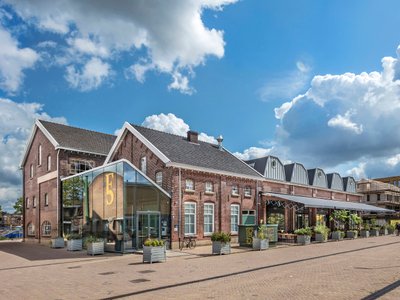
Fifth NRE Jazz Club – De Bever Architecten: Eindhoven’s Revitalized Cultural Hub
Historic gas factory transformed into Fifth NRE Jazz Club blending modern sustainability, jazz culture, dining, and heritage architecture seamlessly.

Similar Reads
You might also enjoy these articles

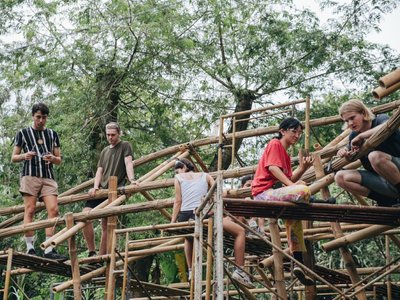
Bamboo Housing Challenge 2026: Design Affordable, Sustainable Homes Using Bamboo
An international design competition by Bamboo U and IBUKU inviting architects and designers to reimagine affordable housing using bamboo — with the winning design built full-scale in Bali.

Computational Design & Education: Beegraphy Design Awards Introduces 7th Category (Featuring Jiyun's Innovative Approach)
Dive into Beegraphy’s 7th Design Awards category, where computational design meets education to create immersive, interactive learning tools, inspired by Jiyun’s work.
From Parametric Lighting to Urban Furniture: Join the 2nd Workshop in Beegraphy’s Computational Design Series
Dive into Cutting-Edge Design Techniques and Practical Applications with Industry Experts


Explore Architecture Competitions
Discover active competitions in this discipline




The International Standard for Design Portfolios


The Global Benchmark for Architecture Dissertation Awards


The Global Benchmark for Graduation Excellence


Challenge to reimagine the Iron Throne
Comments (0)
Please login or sign up to add comments
No comments yet. Be the first to comment!