

Minimalist Café Architecture: O Plant-based Thao Dien Cafe by xưởng xép in Ho Chi Minh City
xưởng xép’s plant-based café in Thao Dien celebrates minimalist café architecture through subtraction, garden integration, and material sensitivity.


The O Plant-based Thao Dien Cafe, designed by xưởng xép, stands as a refined example of minimalist café architecture, embracing subtraction over addition as its core design philosophy. Situated in a 93-square-meter garden plot in Thao Dien, Vietnam, the project transforms a quiet green space adjacent to an old home into a serene and communal café rooted in plant-based dining and spatial simplicity.


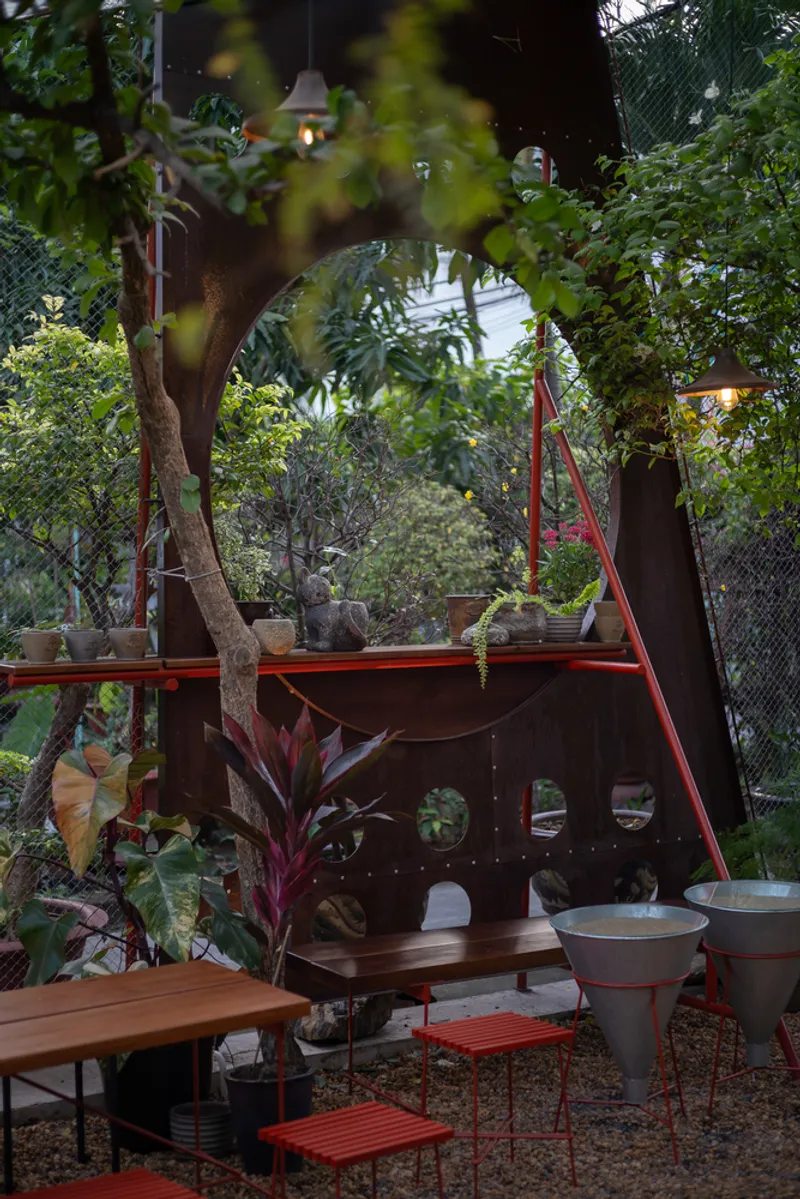

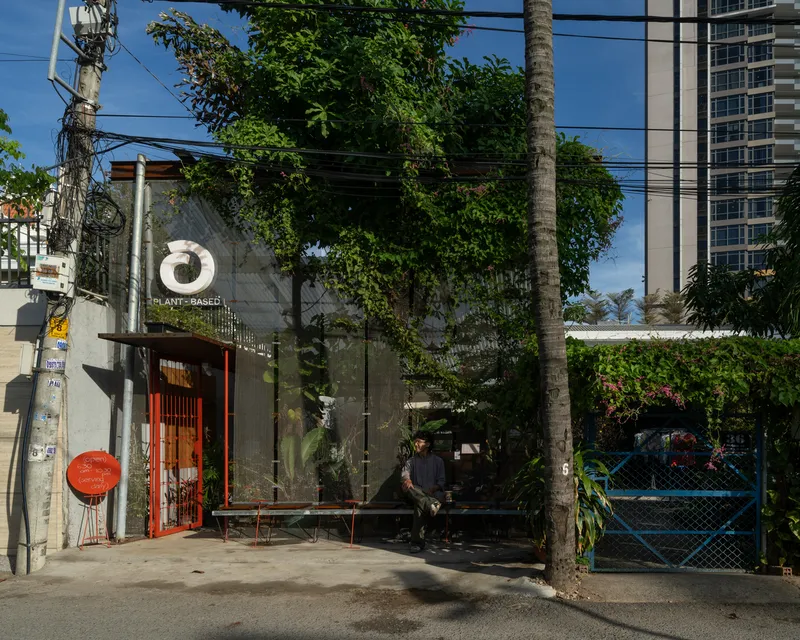
Subtraction as a Creative Process in Architecture
Rather than imprinting a bold architectural identity onto the site, the design process was guided by a deliberate restraint. The architects chose to preserve the garden’s inherent value, avoiding disruption of its balance by subtracting instead of building anew. The result is a space that feels more like a conversation with its environment than an assertion upon it.


What emerged was a thoughtful, iterative process where architectural volume was gradually reduced, seeking out the purest form. This act of subtraction emphasized the qualities already present: light, vegetation, texture, and openness. By peeling away excess and resisting the temptation to define space through rigid enclosures, xưởng xép achieved an architecture that dissolves into the background while subtly enhancing everyday life.


A Café That Flows Within the Garden
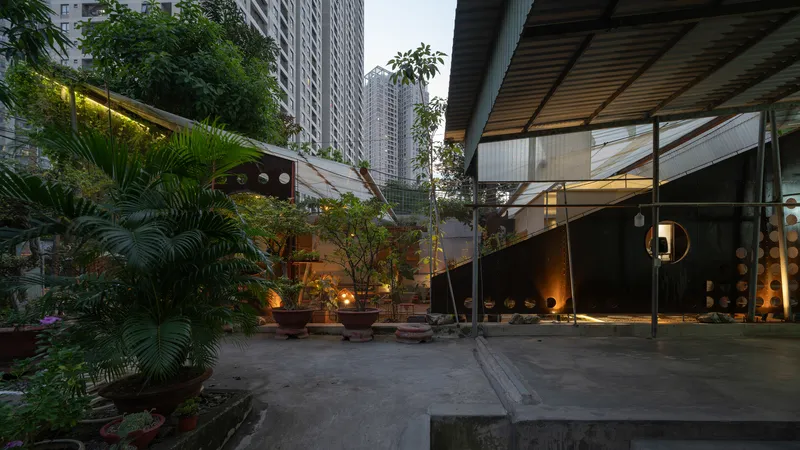
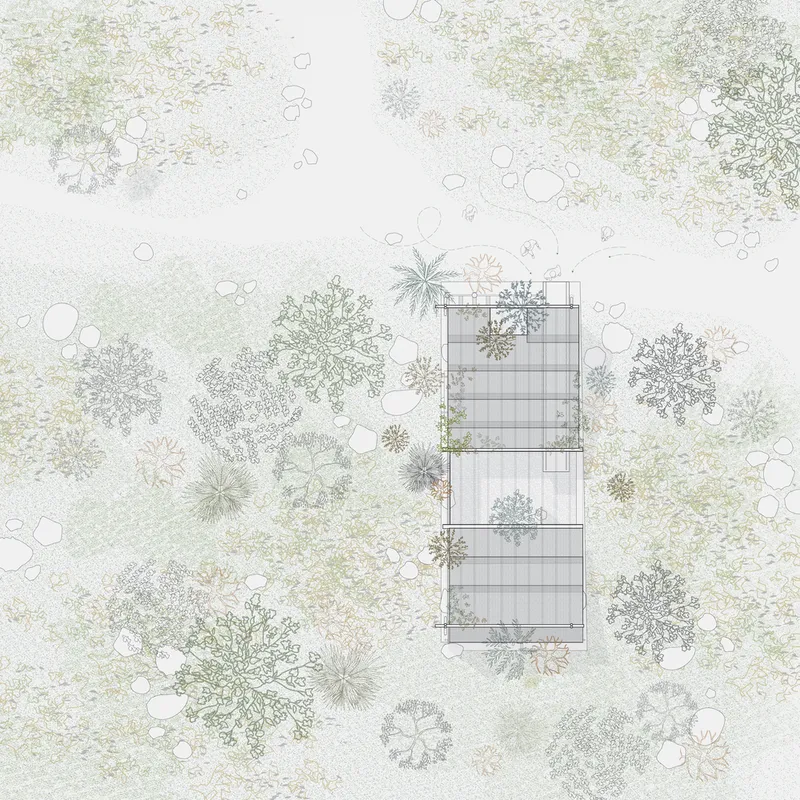
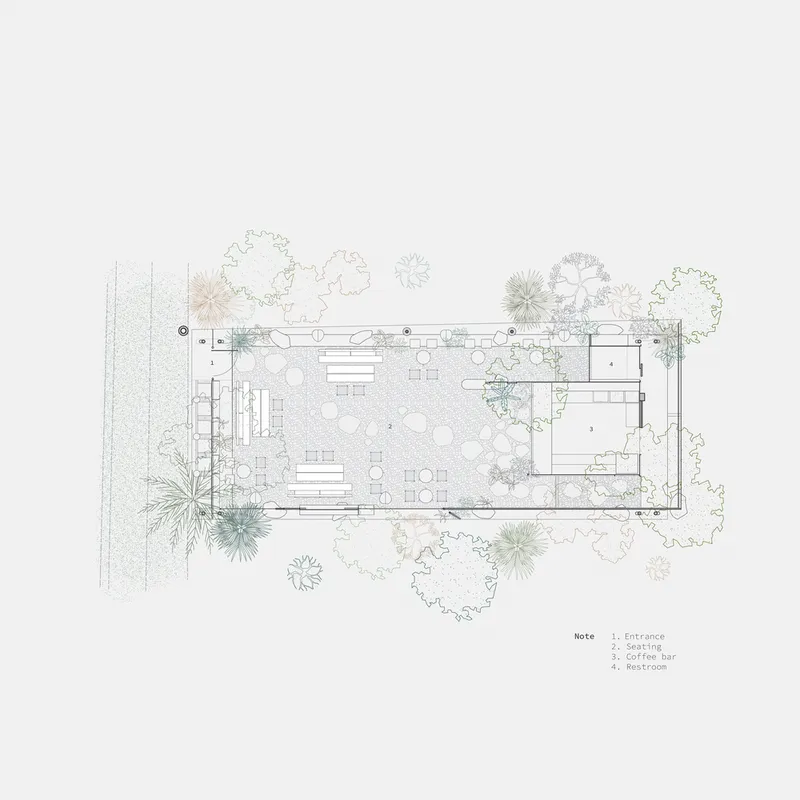
The café’s program seamlessly coexists with the existing garden, blurring the boundaries between domesticity and public space. The garden, once private, now serves both the house and the café in a shared capacity. This dual function creates a spatial fluidity where greenery acts not as decoration but as an active agent in the design.


Partitions and enclosures are reduced to implied elements. Openings, courtyards, and changes in material cue visitors to understand zones without physical separations. A sense of privacy is maintained through spatial gestures rather than walls, reinforcing the garden’s presence in every corner of the café.
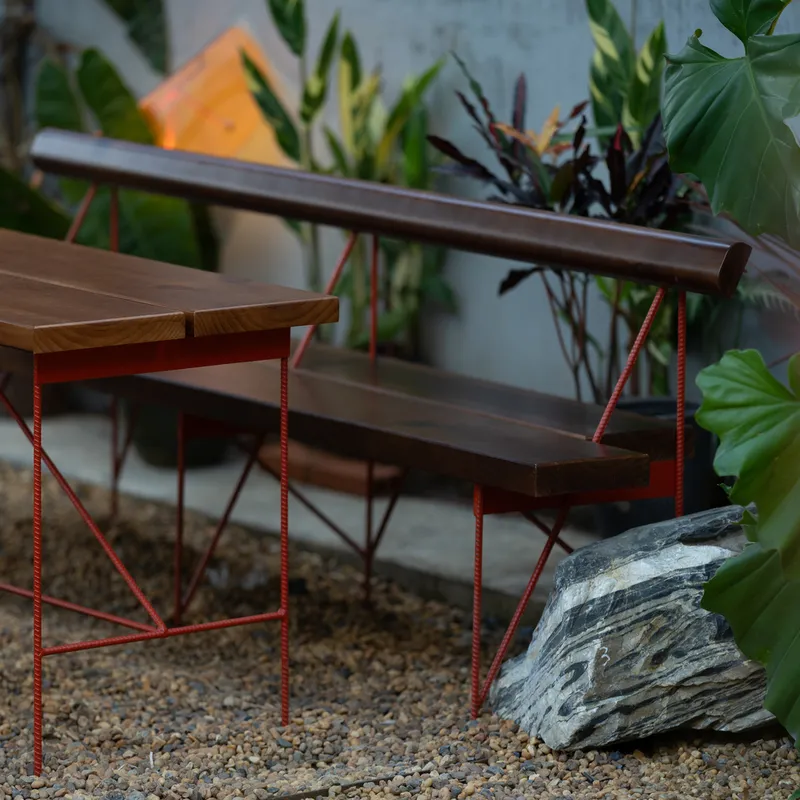

Material Honesty and Lightness in Structure
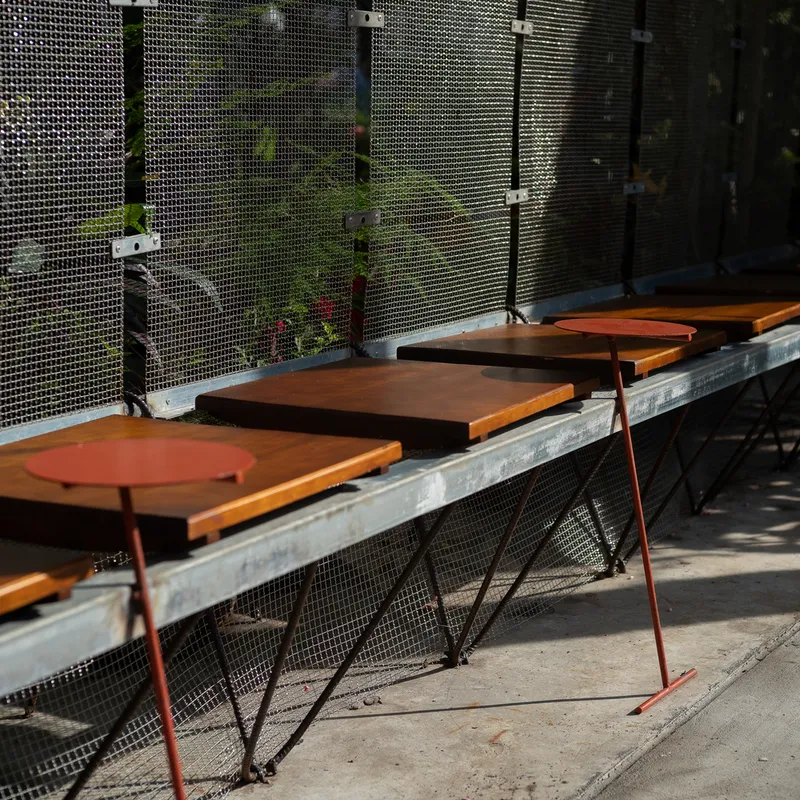
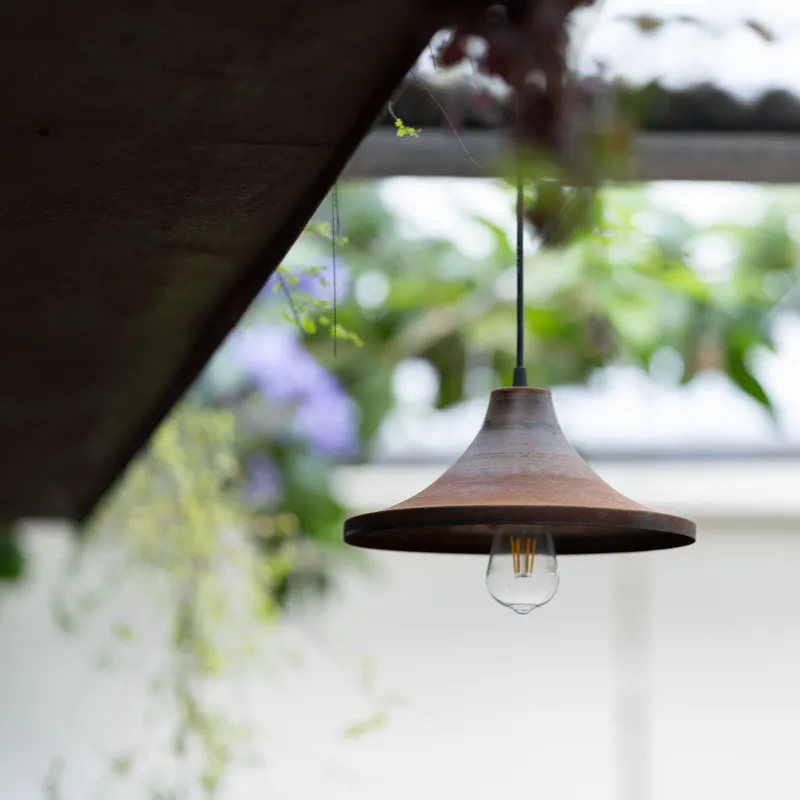
Every material used in the O Plant-based Café contributes to its ethos of minimalist café architecture. Columns, gutters, and roofing were refined to their bare essentials, expressing structure rather than hiding it. The undulating metal roof mimics the form of a drifting cloud, offering shelter while allowing dappled sunlight to filter through—softening the line between architecture and atmosphere.


The partitions are constructed from 3mm weathered steel sheets, bent along the edges for both structural reinforcement and aesthetic softness. These handmade elements evoke the texture and tone of aged timber, grounding the space in tactile familiarity while remaining contemporary. The façade, composed of steel mesh, lightens the visual weight of the building and allows for unobstructed interactions between interior and garden.

Architecture as a Soft Intervention
Rather than dominating the garden, the architecture of the café becomes an understated presence—an enhancement rather than an imposition. This subtlety transforms the space into a place of quiet retreat, offering a soft transition from old to new, house to garden, individual to community.
The result is not just a café, but a redefinition of how we think about small-scale architectural reuse. xưởng xép’s project embodies a forward-thinking approach to sustainability, where architecture works with the site rather than against it, allowing for new functions to grow organically within existing frameworks.


A Minimalist Café Rooted in Context
In an urban context like Ho Chi Minh City, where development often means replacement, the O Plant-based Café offers an alternative model—one that respects what already exists and improves it subtly. It shows how minimalist café architecture can respond to the environment, material culture, and human scale, all while creating spaces of comfort and community.
By eliminating the unnecessary and emphasizing presence through absence, xưởng xép has created a café that feels timeless—an elegant synthesis of restraint, nature, and architectural intent.

All Photographs are works of Quang Dam


Popular Articles
Popular articles from the community


Manzana Morphosis: Stretching Barcelona's Grid into a Living Landscape for 2050
A radical reworking of the Eixample manzana turns density into a tool for generous public space, vertical ecology, and environmental performance.


Cube Design Draws an Ecological Corridor Between Two Shenzhen Hills with the Nankai Building
Beside Shenzhen's container docks, the Nankai Building pairs stacked balconies with a climbing green screen to connect two hillsides across its height.

The Amber Palace Opera: A Geological Fiction Surfaces on Tallinn's Baltic Waterfront
Pierre Brillard reimagines a Baltic legend as a public landscape, opera house, and waterfront promenade rooted in Tallinn's coastal identity.

Singing Woman: An Opera House That Performs Before the Curtain Rises
Ovidiu Cristian Pavel's conceptual opera house translates Estonia's choral identity into a sculpted waterfront landmark facing the Baltic Sea.

Similar Reads
You might also enjoy these articles
Cube Design Draws an Ecological Corridor Between Two Shenzhen Hills with the Nankai Building
Beside Shenzhen's container docks, the Nankai Building pairs stacked balconies with a climbing green screen to connect two hillsides across its height.

Praksis A and Studio Sted Bend a Red Timber Cabin Across the Granite of Norway's Southern Coast
On the southern Norwegian coast, a 105 m² cabin follows the rock on slender posts, pairing red cladding outside with pine, brick and plywood within.

David Ortega Stacks a Two-Story Mexico City Penthouse Around a Steel Stair and a Pergola-Shaded Roof Terrace
In Colonia Roma, a 300 m² penthouse uses oak joinery, a planted steel stair and a slatted roof pergola to make a new-build apartment feel like a house.

PARALELA and LB2 Thread a Public Walkway Through the Base of a Las Condes Residential Tower
In Las Condes, Santiago, the Hamlet Building gives its fenceless ground floor to a 70-metre wooded passage linking two streets and the metro.

Explore Architecture Competitions
Discover active competitions in this discipline

Challenge to reimagine the Iron Throne

Photograph architecture without architects

Illustrate the lost glory of Angkor Wat - Render Challenge

Design challenge to reuse E-waste
Comments (0)
Please login or sign up to add comments
No comments yet. Be the first to comment!