
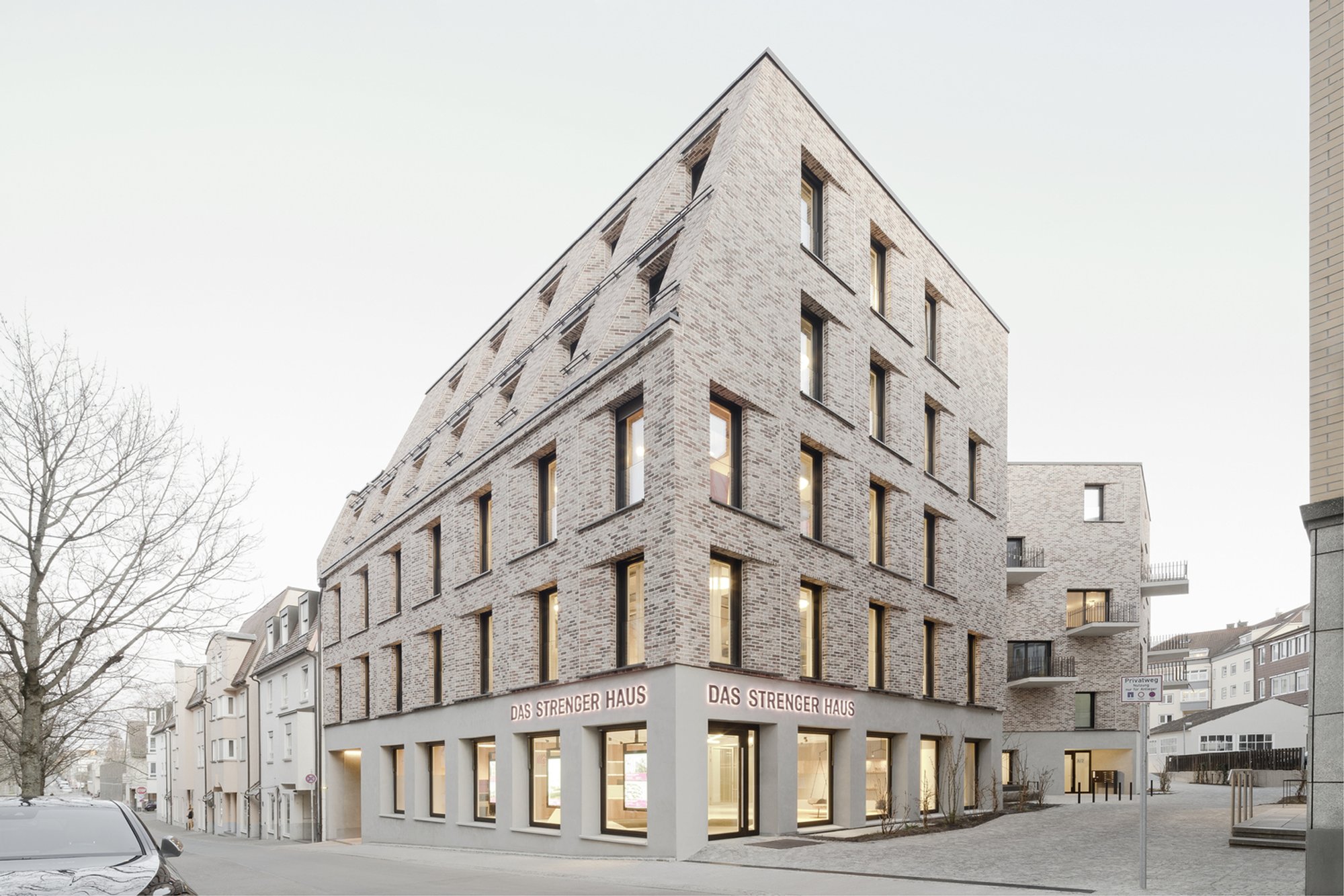
Mixed-Use Architecture Design: Residential and Office Development HLC Ludwigsburg
This article examines a mixed-use development in Ludwigsburg that redefines urban gaps with sustainable residential and office spaces.

Located in the heart of Ludwigsburg, Germany, the Residential and Office Development HLC Ludwigsburg by Steimle Architekten BDA is a testament to the transformative potential of mixed-use architecture. Completed in 2021, this 6400 ft² project addresses the challenges of inner-city redensification by creating a cohesive and identity-defining space that revitalizes the quarter near Karlstrasse, adjacent to the railway station.
Redefining Urban Space with Purposeful Design
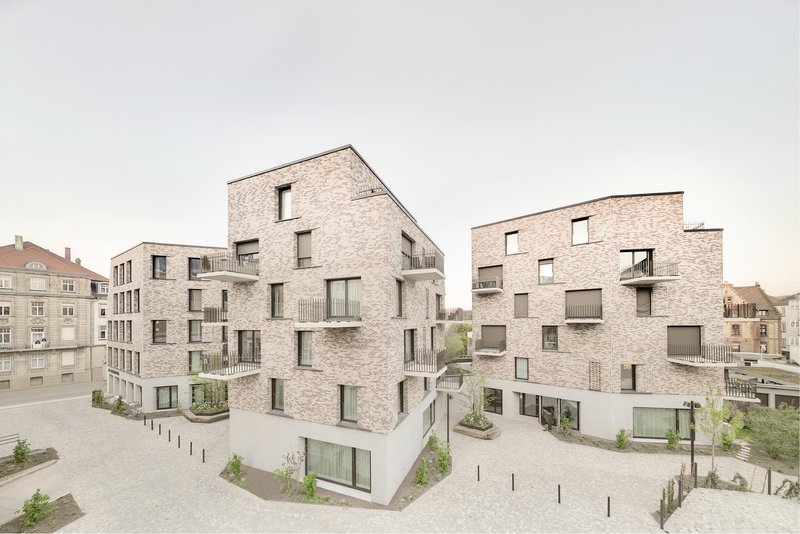
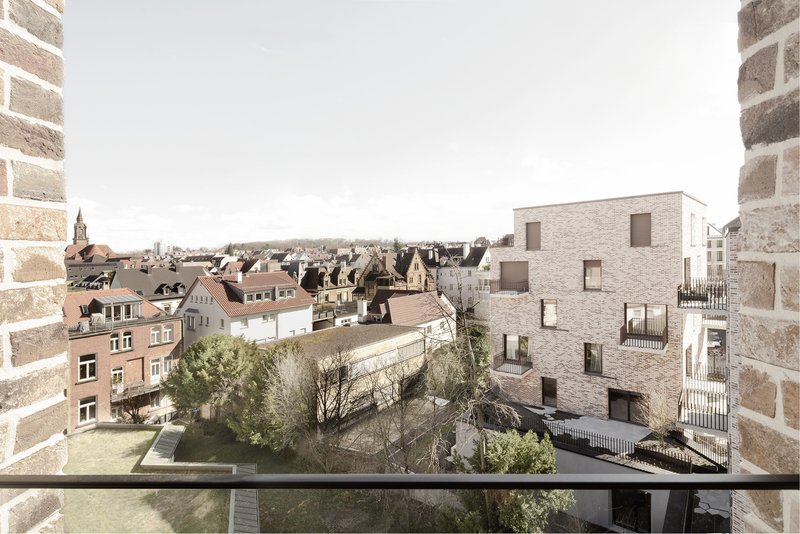
The project takes a sensitive approach to an underutilized urban gap, turning a neglected backyard with parking areas into a vibrant and functional space. By blending residential and office functions, the development upgrades the surrounding area, creating a dynamic hub that fosters interaction and community engagement.
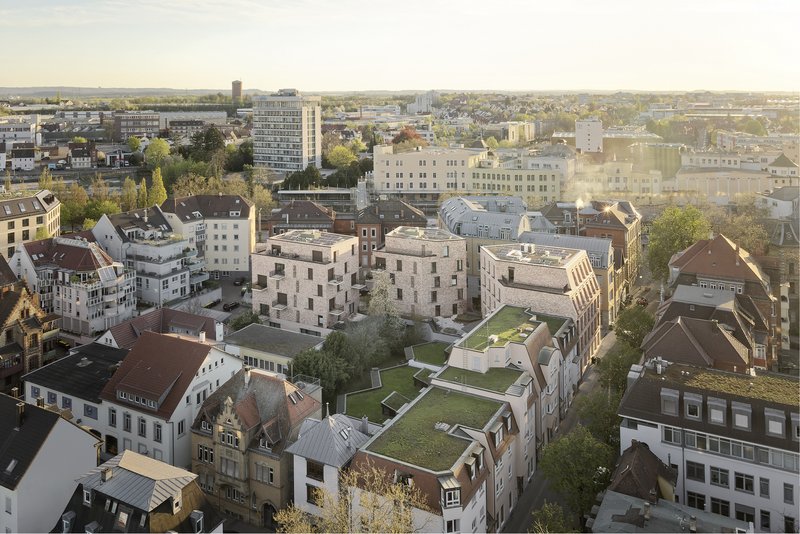
The architects sought to go beyond merely "filling the gap." Instead, the design introduces a modern architectural language that complements the historical context of Ludwigsburg while addressing contemporary urban needs. This fusion of form and function underscores the importance of integrating diverse spaces to create sustainable urban environments.
Architectural Form and Materiality
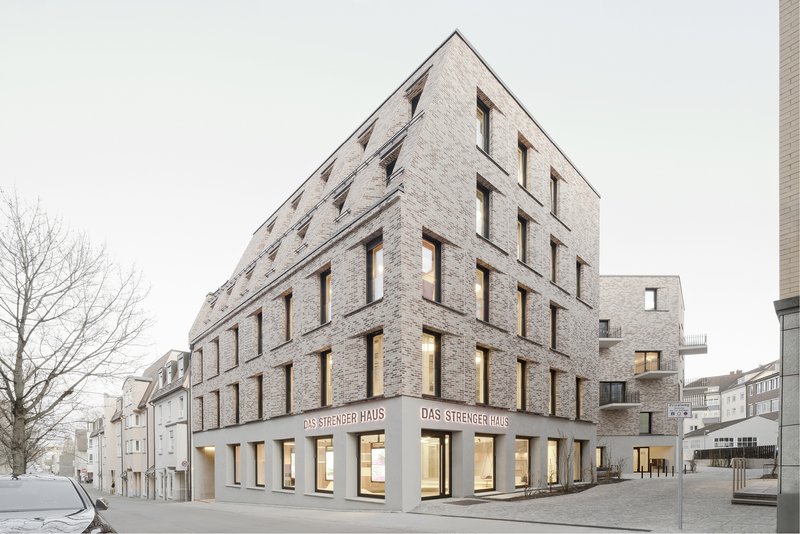
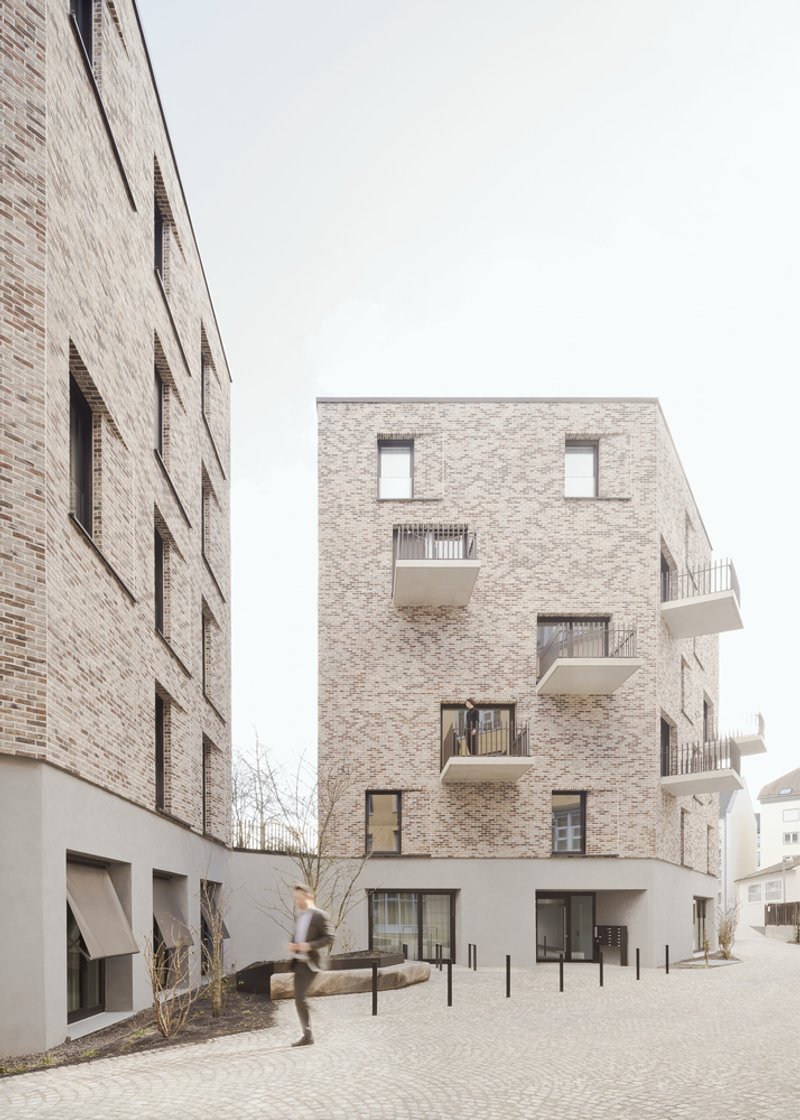
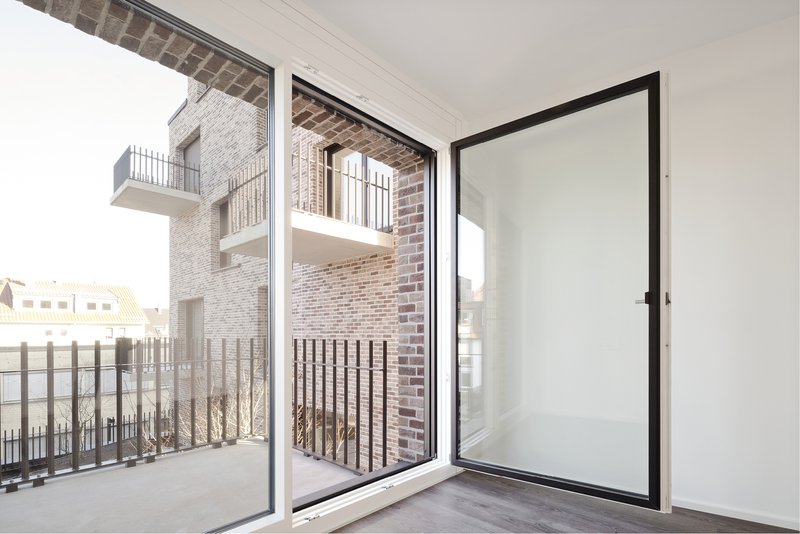
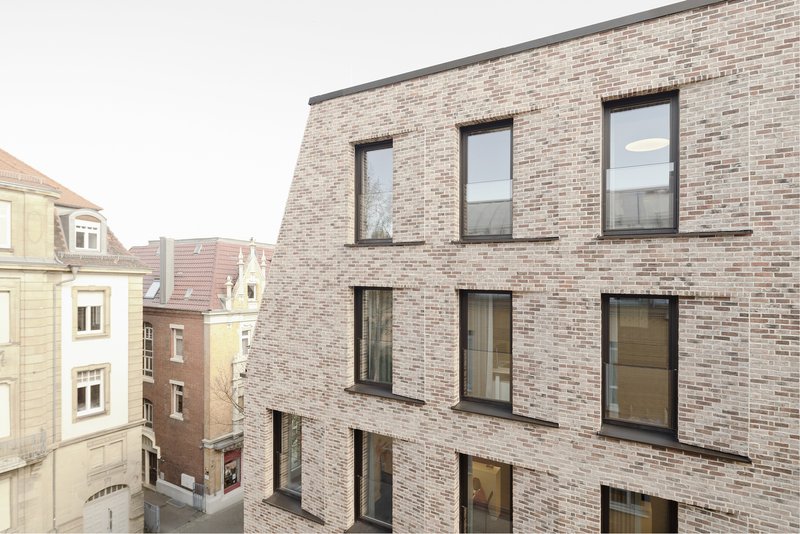
The building’s design is characterized by clean lines, minimalist geometry, and high-quality materials. The façade features a harmonious blend of natural textures and neutral tones, creating a visually striking presence that respects its urban surroundings. Large windows punctuate the façade, allowing natural light to flood the interior spaces while fostering a visual connection between the indoor and outdoor environments.
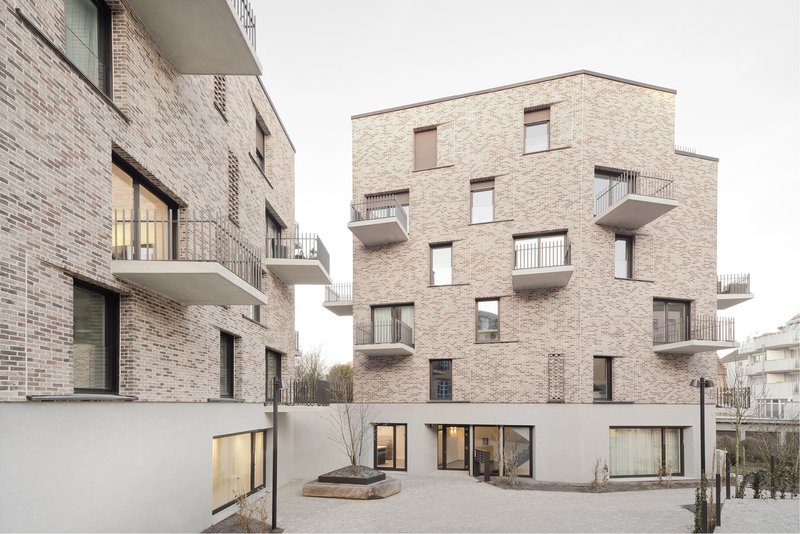
The architects incorporated Sto SE & Co. materials to achieve both aesthetic and functional goals. These materials ensure durability, energy efficiency, and a timeless appearance, making the building an enduring part of Ludwigsburg’s urban fabric.
Functionality and Spatial Organization
The development seamlessly integrates residential and office spaces within a single structure, ensuring functionality for both purposes. The ground floor accommodates office areas, designed to encourage productivity and collaboration, while the upper floors house residential units that prioritize comfort and privacy.
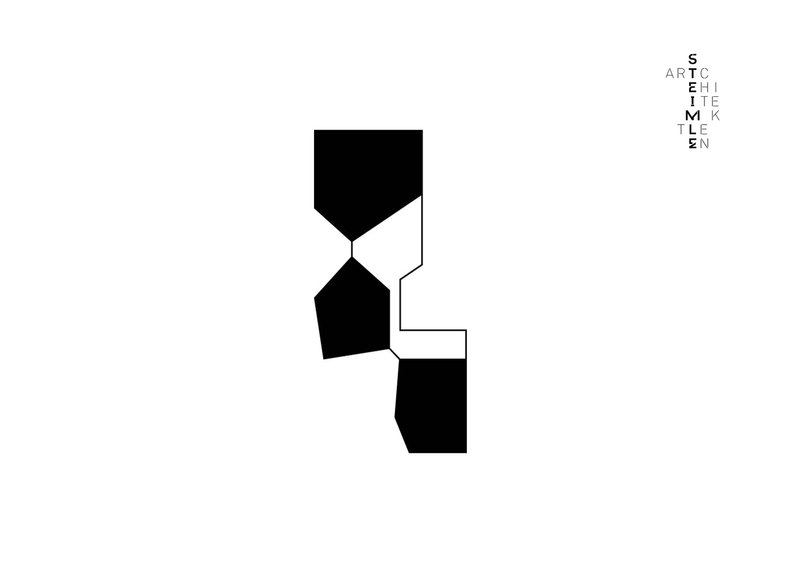
The building’s spatial layout emphasizes flexibility, with each function benefiting from thoughtfully designed access points, natural lighting, and efficient circulation paths. This careful organization not only maximizes the use of space but also creates a harmonious coexistence of work and living environments.
Enhancing Urban Connectivity
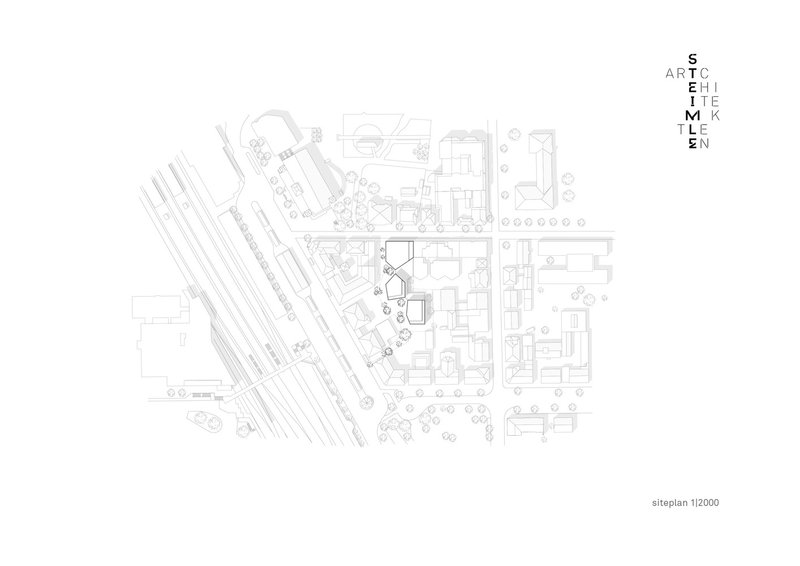
One of the project’s defining features is its emphasis on urban connectivity. Situated near the railway station, the development serves as a link between the city’s transportation hub and its surrounding neighborhoods. The architects prioritized walkability and accessibility, ensuring that the building integrates seamlessly with its context.
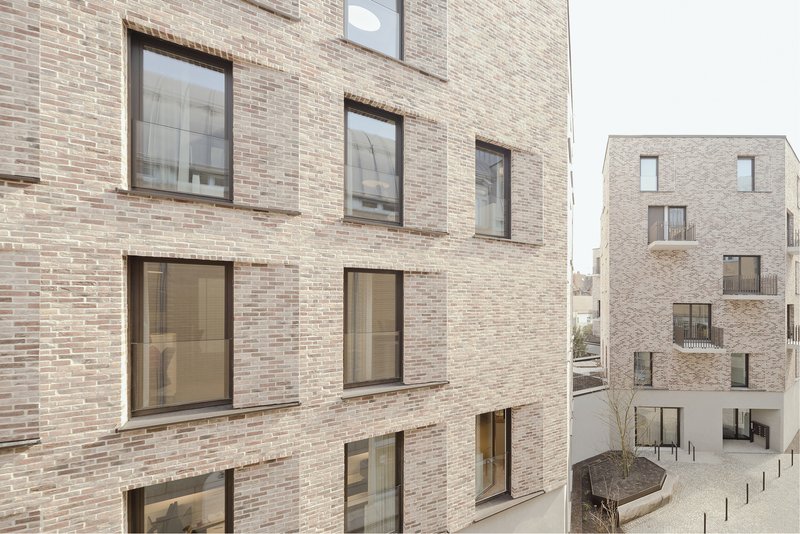
By transforming a once-overlooked site into a vibrant mixed-use development, the project elevates the entire quarter. The design fosters a sense of place, making it an integral part of Ludwigsburg’s urban identity.
Sustainability in Design
Sustainability is a core principle of the project, with an emphasis on energy efficiency and ecological responsibility. The building incorporates high-performance insulation, energy-efficient glazing, and environmentally friendly materials to minimize its ecological footprint. This approach reflects a commitment to creating architecture that is not only visually appealing but also aligned with the principles of sustainable development.
A Model for Mixed-Use Architecture
The Residential and Office Development HLC Ludwigsburg exemplifies the potential of mixed-use architecture to address urban challenges while enhancing the quality of life for its occupants. By seamlessly integrating residential and commercial functions, the project sets a precedent for future developments in inner-city areas. Its thoughtful design and emphasis on connectivity and sustainability make it a model for urban revitalization and architectural innovation.
Steimle Architekten BDA’s Residential and Office Development HLC Ludwigsburg demonstrates the transformative power of mixed-use architecture. By addressing the needs of both the community and the environment, the project creates a lasting impact on Ludwigsburg’s urban landscape. This development is a shining example of how architecture can bridge gaps, both physical and social, to create spaces that serve as catalysts for growth and interaction.
All Photographs are work of Brigida González



Popular Articles
Popular articles from the community

Atelier Macri Concept Store Interior Design by CASE-REAL
Atelier Macri store features a "ko" counter, walnut wood details, cork displays, blending retail, gallery, and seamless customer experiences.


The Ken Roberts Memorial Delineation Competition (Krob)
As the most senior architectural drawing competition currently in operation anywhere in the world, it draws hundreds of entries each year, awarding the very best submissions in a series of medium-based categories.
Treehouse Apartment: A Warm Timber Interior Blending Craft, Play, and Contemporary Living
Warm timber apartment with integrated treehouse, combining natural materials, craftsmanship, and playful design to create a flexible, family-oriented living environment.
Flamboyant House by Juliana Camargo + Prumo Projetos
Modern Brazilian house integrating existing tree, pool, and volumes with glass, wood, and transitional spaces blending interior, exterior, and landscape seamlessly.
Similar Reads
You might also enjoy these articles
The Ken Roberts Memorial Delineation Competition (Krob)
As the most senior architectural drawing competition currently in operation anywhere in the world, it draws hundreds of entries each year, awarding the very best submissions in a series of medium-based categories.


Waterfront Redevelopment and Urban Revitalization in Mumbai: Forging a New Dawn for Darukhana
A transformative waterfront redevelopment project reimagining Darukhana’s shipbreaking heritage into an inclusive urban future.
OUT-OF-MAP: A Call for Postcards on Feminist Narratives of Public Space
Rhizoma Design and Research Lab invites artists, designers, architects, researchers, and students to reflect on how feminist perspectives can reshape public space. Selected works will be exhibited in Barcelona, October 2026. Submissions open until 15 April 2026.

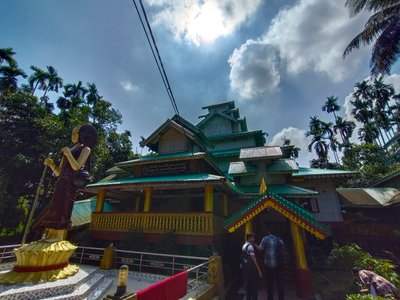
Documentation Work on Buddhist Wooden Temple
Architectural syncretism and cultural hybridity: A comparative study of the Buddhist temples in Chattogram Hill tracks
Explore Architecture Competitions
Discover active competitions in this discipline




The International Standard for Design Portfolios


The Global Benchmark for Architecture Dissertation Awards


The Global Benchmark for Graduation Excellence


Challenge to reimagine the Iron Throne
Comments (0)
Please login or sign up to add comments
No comments yet. Be the first to comment!