
Modern Architecture in Prague: Masaryčka Building by Zaha Hadid Architects
Exploring the Masaryčka Building in Prague, a sustainable masterpiece by Zaha Hadid Architects, blending modern design with historical context.

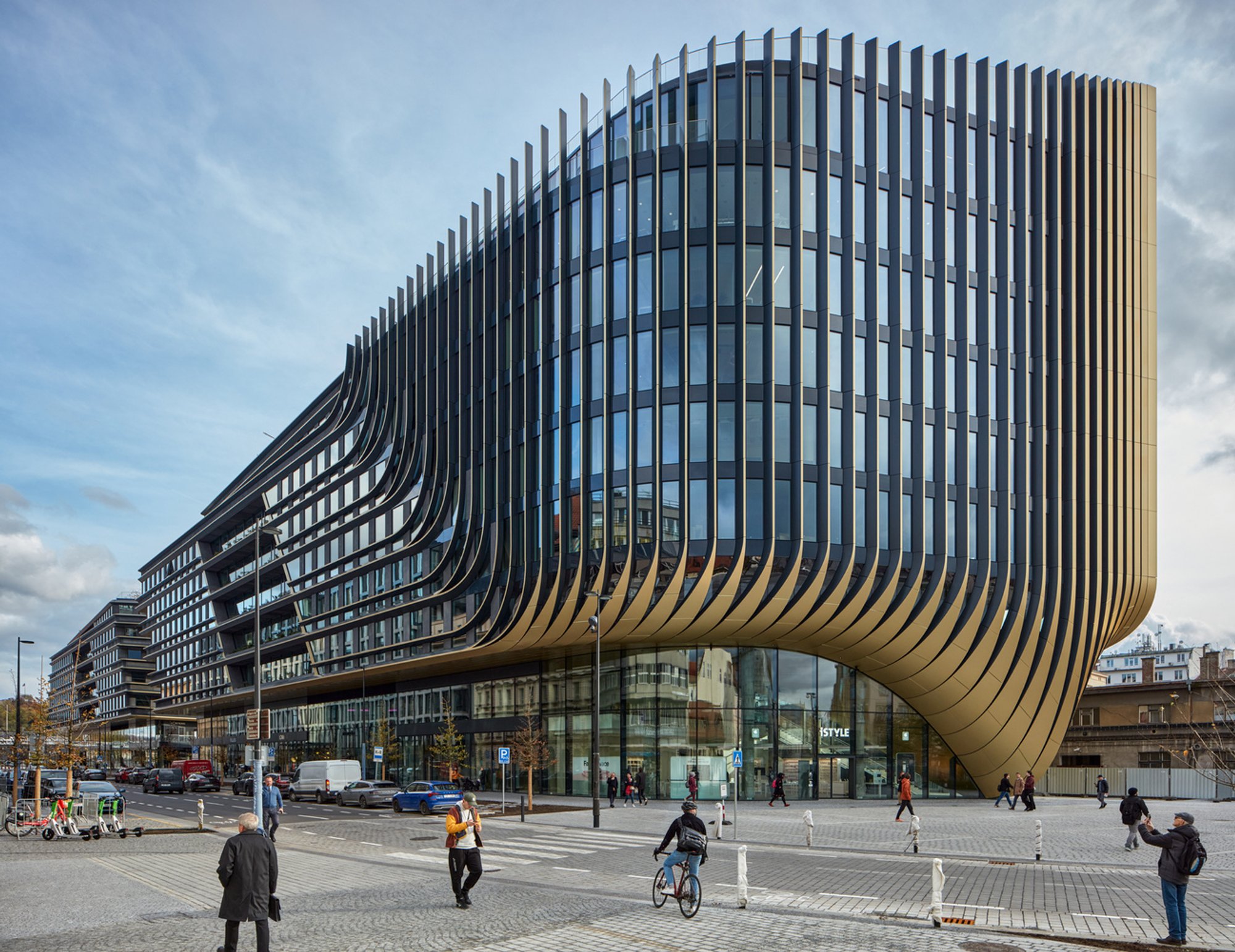
The Masaryčka Building in Prague, designed by Zaha Hadid Architects, represents a transformative milestone in modern architecture. Completed in 2023, this innovative project seamlessly integrates contemporary design with the historical and cultural context of the city. Located near the Masaryk Railway Station, it is poised to become a hub of connectivity and sustainability, redefining how architecture interacts with urban life.
A New Landmark in Prague
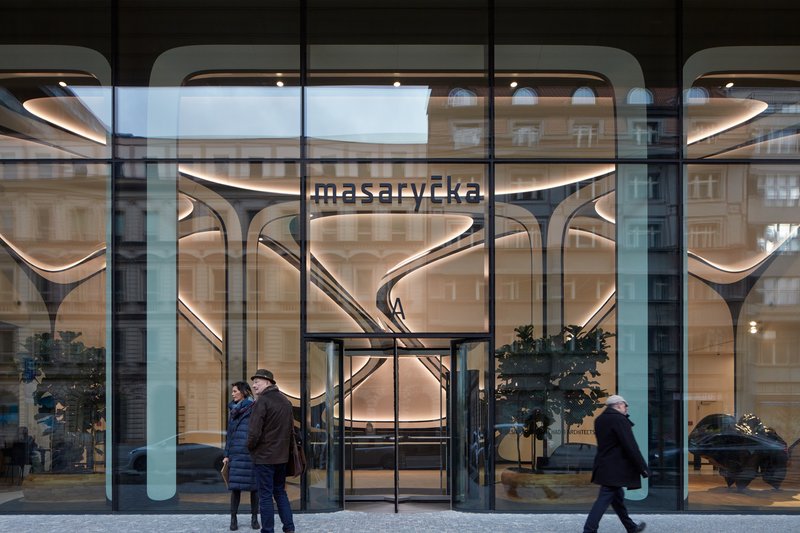
Situated at the heart of Prague, the Masaryčka Building occupies a strategic location bordered by Na Florenci Street, the Wilsonova elevated freeway, and Masaryk Station’s platforms. This development replaces abandoned sites and outdated infrastructure with a vibrant, multi-use space that blends offices, retail, and public areas.
With its design rooted in the principles of modern architecture, the building harmonizes with Prague's historic skyline while introducing dynamic elements like cascading terraces and vertical façades.
Architectural Features That Redefine Space
Innovative Design by Zaha Hadid Architects
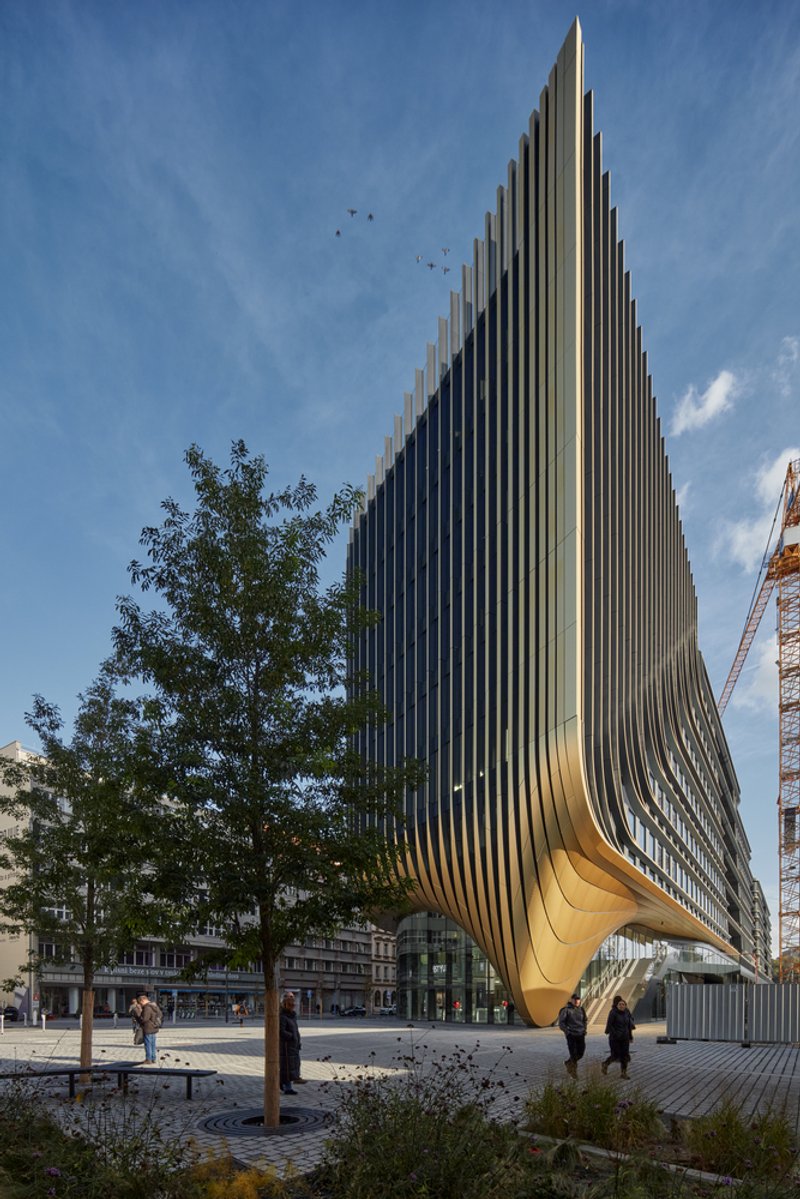
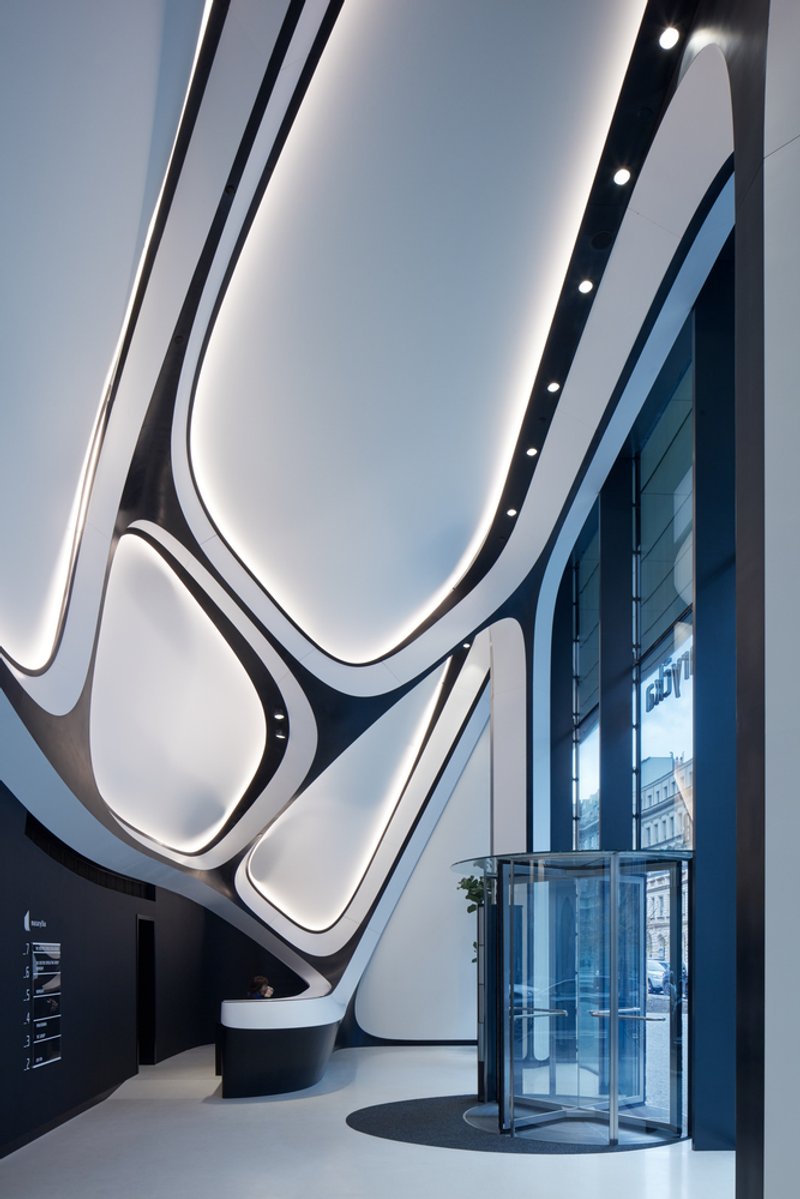
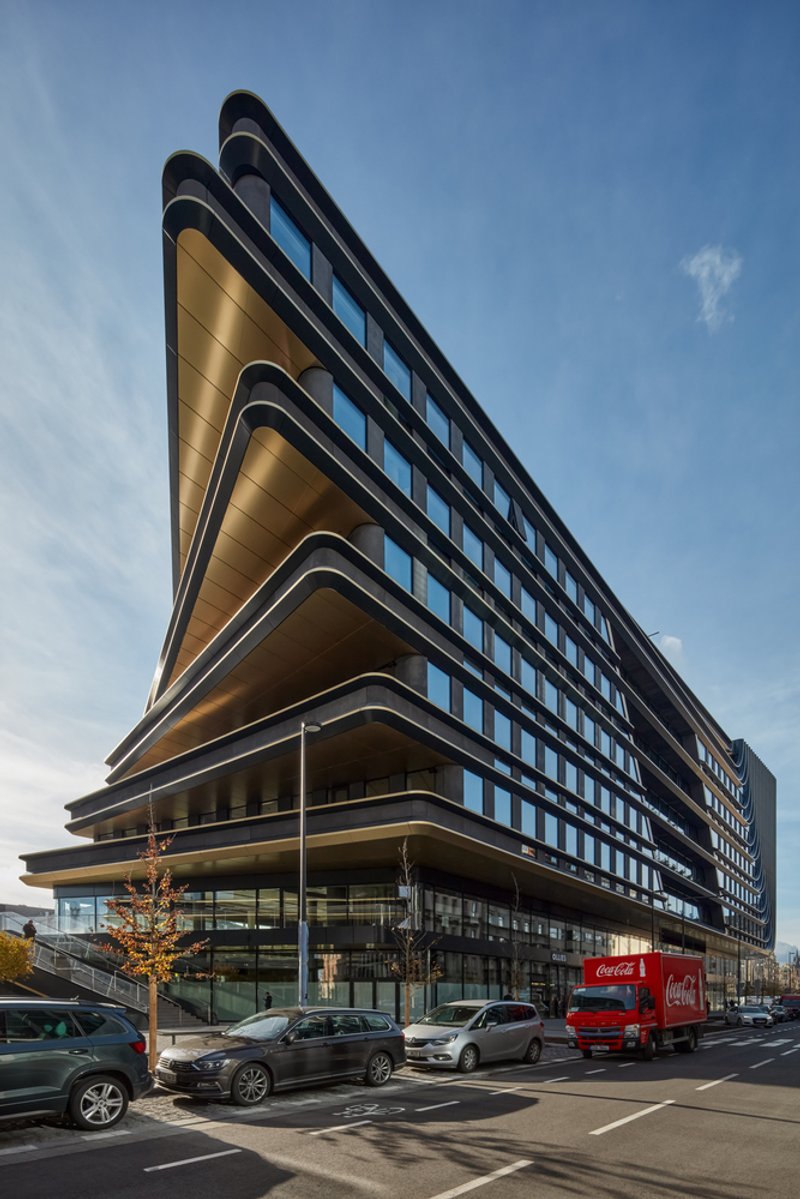
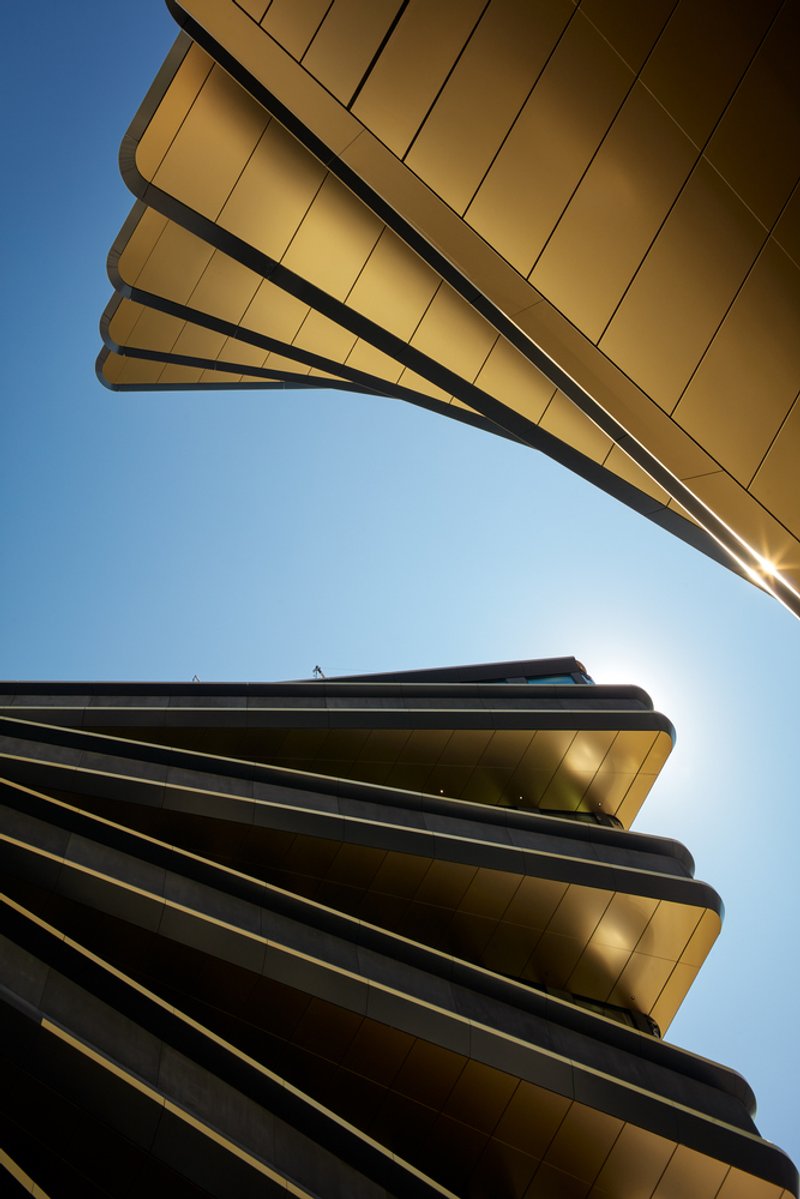
Zaha Hadid Architects are known for their futuristic designs, and the Masaryčka Building is no exception. The structure transitions from seven stories in the east to nine stories in the west, creating a visually striking profile. Its double-insulated façade enhances natural lighting while reducing energy consumption.
Cascading Terraces and Outdoor Spaces
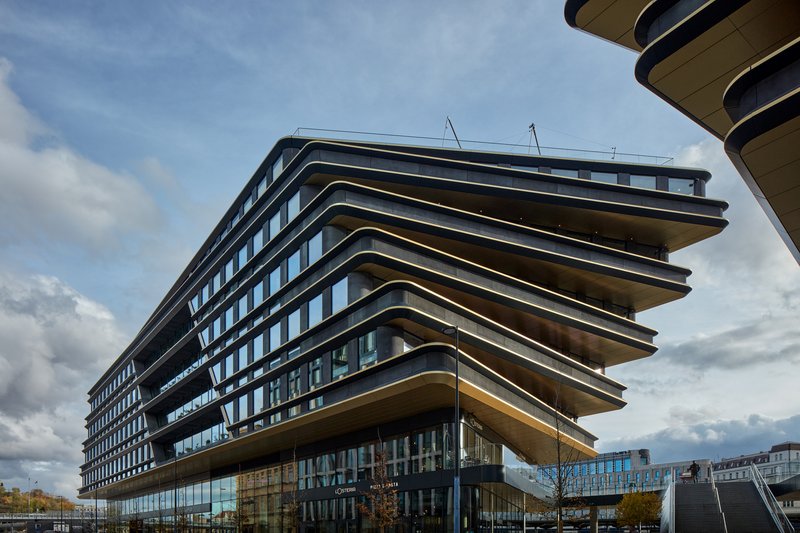
Terraces on the eastern façade provide direct outdoor access for every office floor, creating unique spaces that promote wellness and interaction. Rooftop gardens offer panoramic views of Prague, enhancing the building's connection to its surroundings.
Façade Inspired by Prague’s Iconic Spires
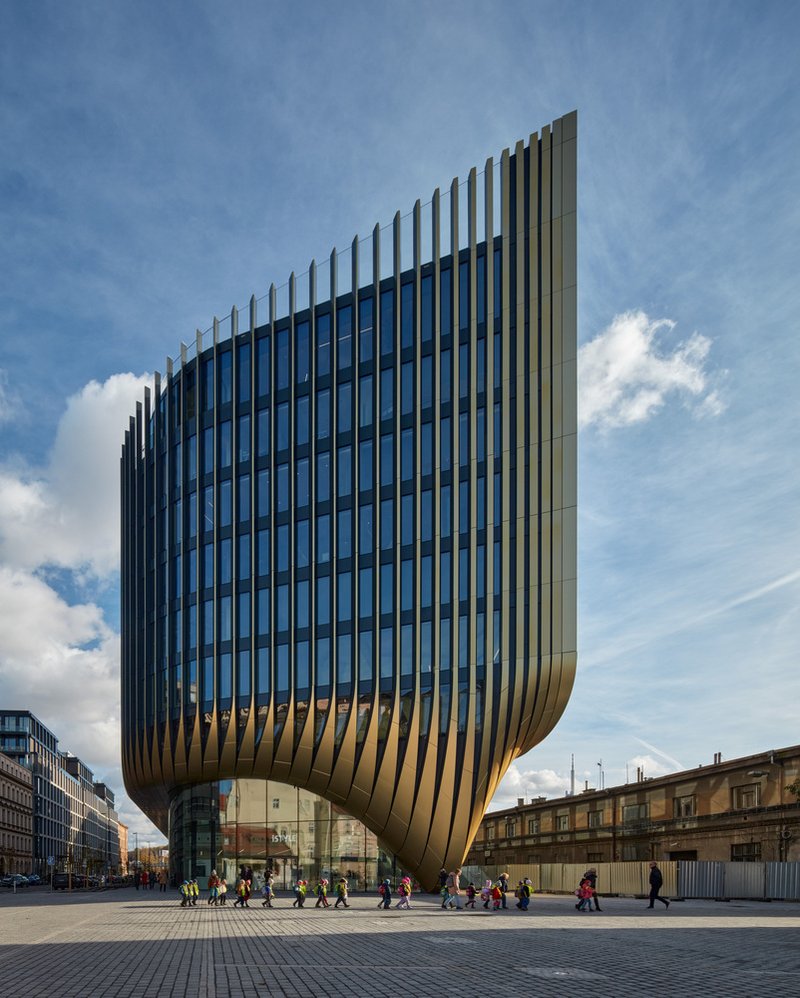
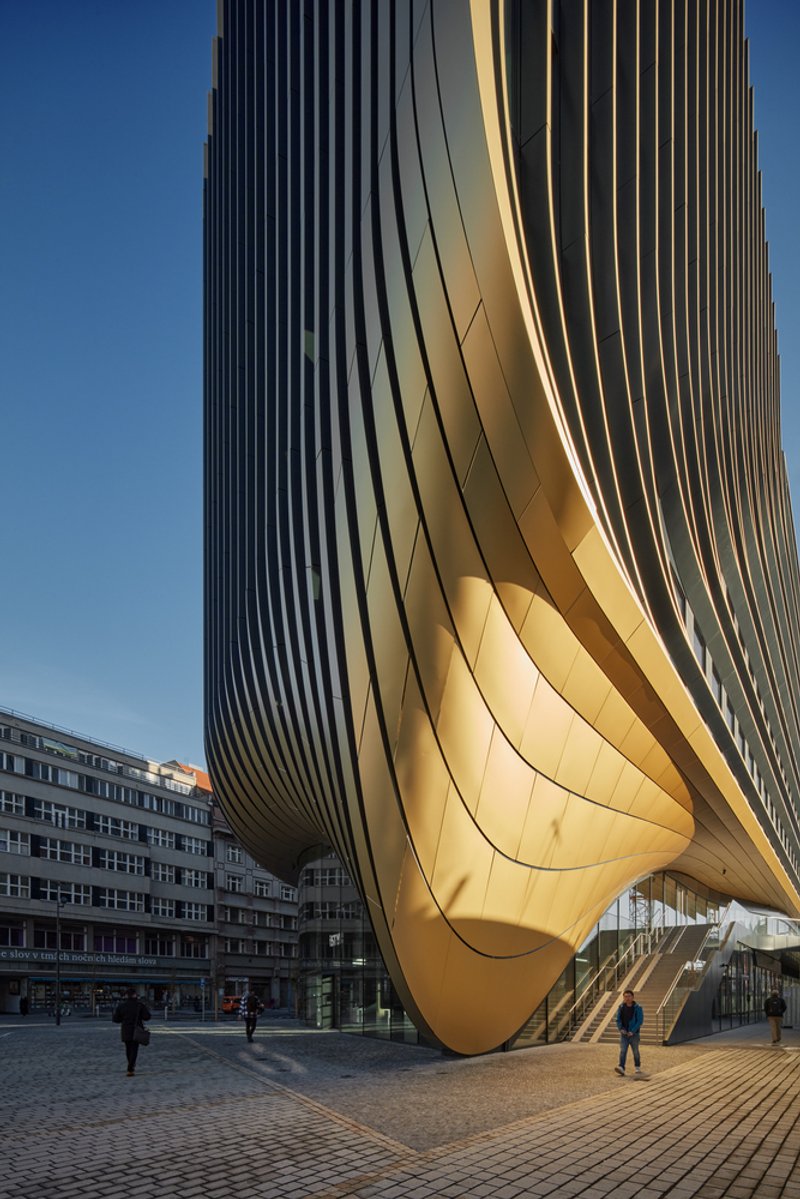
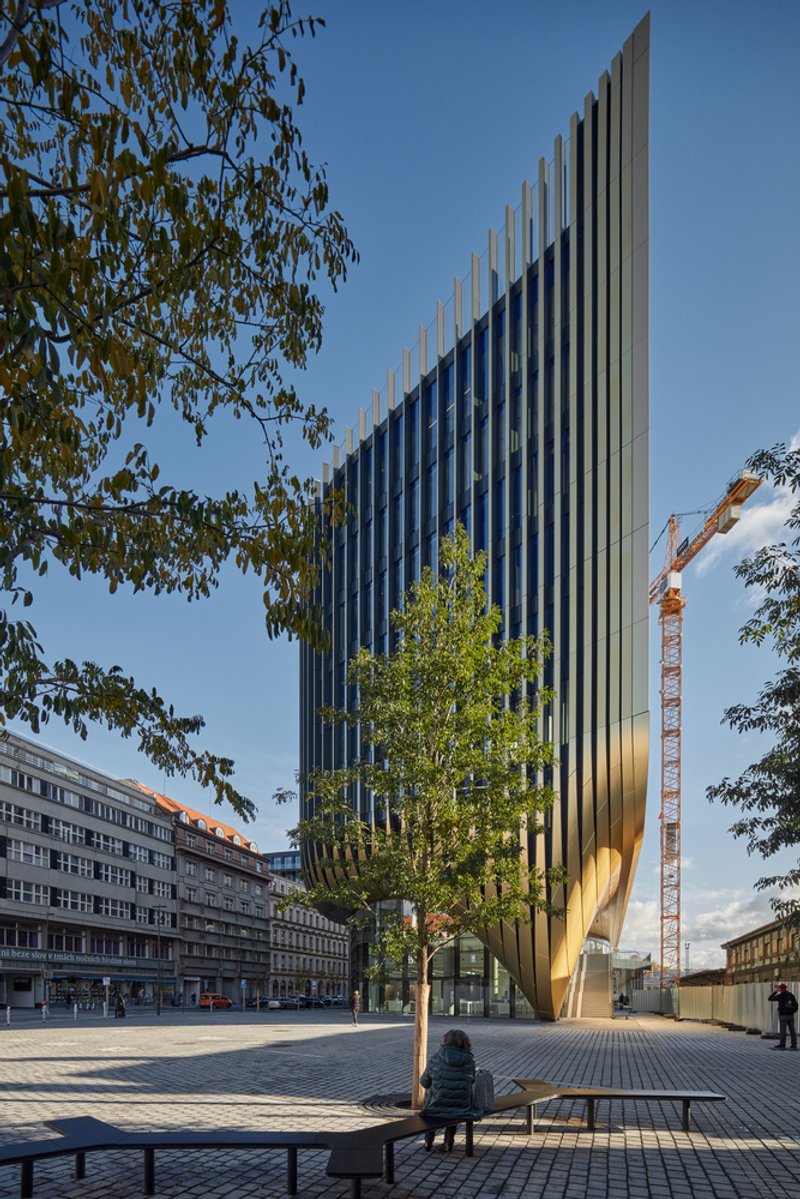
The building’s western façade features vertical fins that mirror the verticality of Prague’s historic spires, establishing a dialogue between old and new. These fins also contribute to solar shading, blending aesthetics with functionality.
Sustainability at the Core
LEED Platinum Certification Target
The Masaryčka Building is targeting LEED Platinum Certification, reflecting its commitment to sustainability. Key features include:
- Hybrid Ventilation Systems: Combines natural and mechanical ventilation to improve indoor air quality.
- Energy Efficiency: Waste heat recovery systems reduce overall energy consumption.
- Rainwater Harvesting and Grey-Water Recycling: Reduces water usage while supporting the irrigation of green spaces.
Green Spaces and Biodiversity
The integration of local plant species across terraces and public areas promotes biodiversity. The redesign of Na Florenci Street into a tree-lined avenue adds natural cooling and improves air quality in the urban core.
Connecting Communities and Enhancing Mobility
Urban Integration
The project aligns with Czech Railways’ modernization of the Masaryk Railway Station, creating a fully accessible, multi-modal transportation hub. It provides seamless connections between rail, tram, and bus networks, making it a central node in Prague’s transit system.
A Gateway to Prague
The new public square above the railway tracks connects the station to surrounding neighborhoods, offering direct access to the platforms below and creating a welcoming gateway for commuters and tourists.
Blending Modern Architecture with Cultural Heritage
One of the most striking aspects of the Masaryčka Building is its ability to blend cutting-edge architecture with Prague’s historical identity. Located just a kilometer from Staroměstské Square, the building respects the city's rich architectural legacy while introducing elements that redefine its urban landscape.
A Beacon of Modern Architecture in Prague
The Masaryčka Building by Zaha Hadid Architects is more than a structure; it is a statement of how modern architecture can transform cities. With its sustainable design, urban integration, and innovative features, it sets a new benchmark for architectural projects worldwide.
For those interested in the intersection of architecture, sustainability, and urban planning, the Masaryčka Building is a prime example of how modern design can harmonize with historical contexts while paving the way for a greener future.
All Photographs are work of BoysPlayNice




Popular Articles
Popular articles from the community

Inverted Architecture Installation by Studio Link-Arc: Exploring the Intersection of Architecture and Living Organisms
Inverted Architecture Installation by Studio Link-Arc blends mycelium, sustainability, inverted design, ecological cycles, and urban adaptive architecture in Shenzhen.
Flamboyant House by Juliana Camargo + Prumo Projetos
Modern Brazilian house integrating existing tree, pool, and volumes with glass, wood, and transitional spaces blending interior, exterior, and landscape seamlessly.
On the Brooks House by Monsoon Collective – A Contemporary Kerala Home Rooted in Tradition
Kerala home blending tradition and modernity with water-inspired design, brick architecture, courtyard planning, and sustainable rainwater harvesting strategies.


The Ken Roberts Memorial Delineation Competition (Krob)
As the most senior architectural drawing competition currently in operation anywhere in the world, it draws hundreds of entries each year, awarding the very best submissions in a series of medium-based categories.


Similar Reads
You might also enjoy these articles
The Ken Roberts Memorial Delineation Competition (Krob)
As the most senior architectural drawing competition currently in operation anywhere in the world, it draws hundreds of entries each year, awarding the very best submissions in a series of medium-based categories.

Waterfront Redevelopment and Urban Revitalization in Mumbai: Forging a New Dawn for Darukhana
A transformative waterfront redevelopment project reimagining Darukhana’s shipbreaking heritage into an inclusive urban future.
OUT-OF-MAP: A Call for Postcards on Feminist Narratives of Public Space
Rhizoma Design and Research Lab invites artists, designers, architects, researchers, and students to reflect on how feminist perspectives can reshape public space. Selected works will be exhibited in Barcelona, October 2026. Submissions open until 15 April 2026.

Documentation Work on Buddhist Wooden Temple
Architectural syncretism and cultural hybridity: A comparative study of the Buddhist temples in Chattogram Hill tracks


Explore Office Building Competitions
Discover active competitions in this discipline




The International Standard for Design Portfolios


The Global Benchmark for Architecture Dissertation Awards


The Global Benchmark for Graduation Excellence


Challenge to reimagine the Iron Throne
Comments (0)
Please login or sign up to add comments
No comments yet. Be the first to comment!