
Modern Library Renovation Design: Salem Public Library by Hacker Architects
The Salem Public Library renovation by Hacker Architects transforms a brutalist-era building into a vibrant, community-centered, and resilient space.

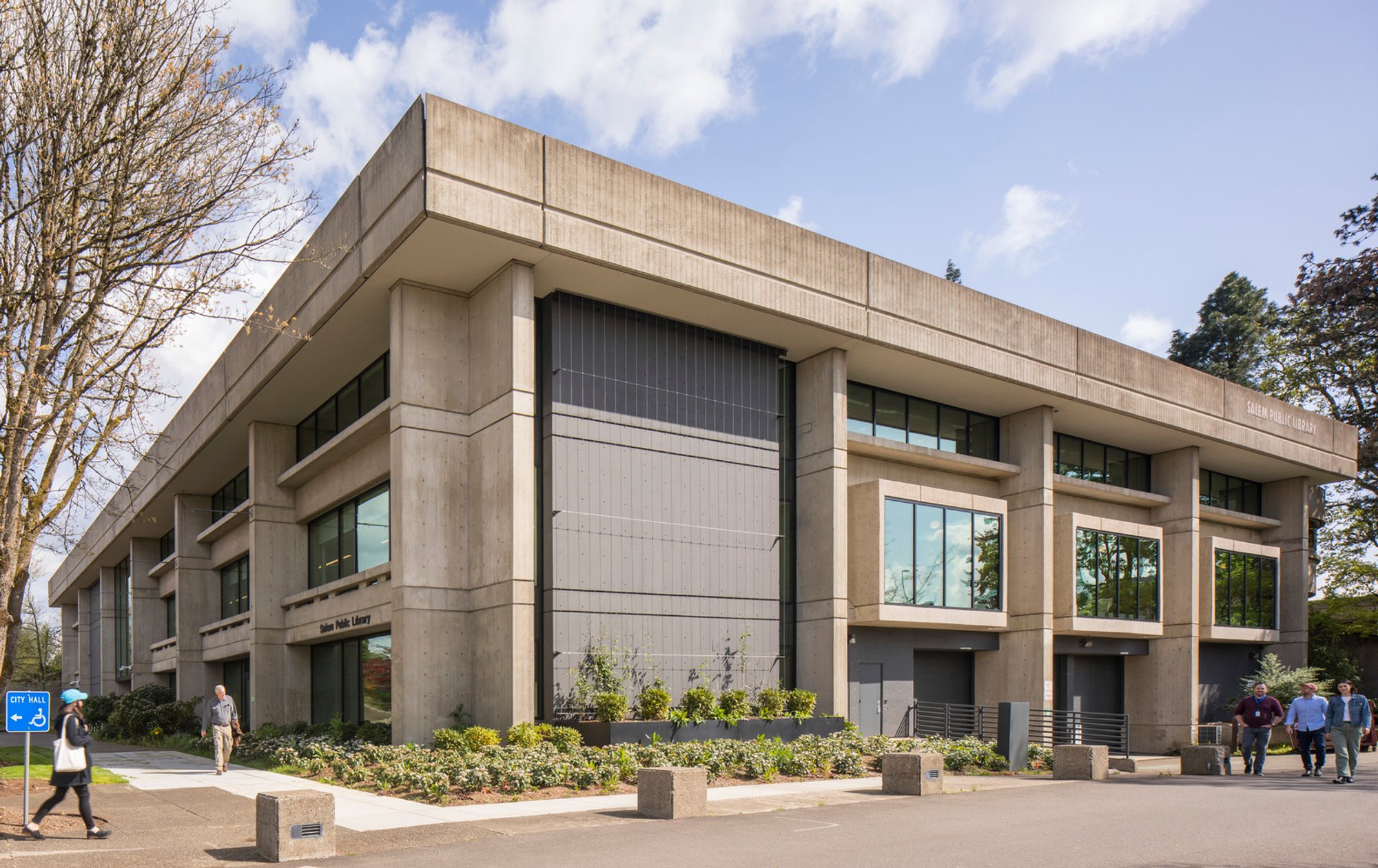
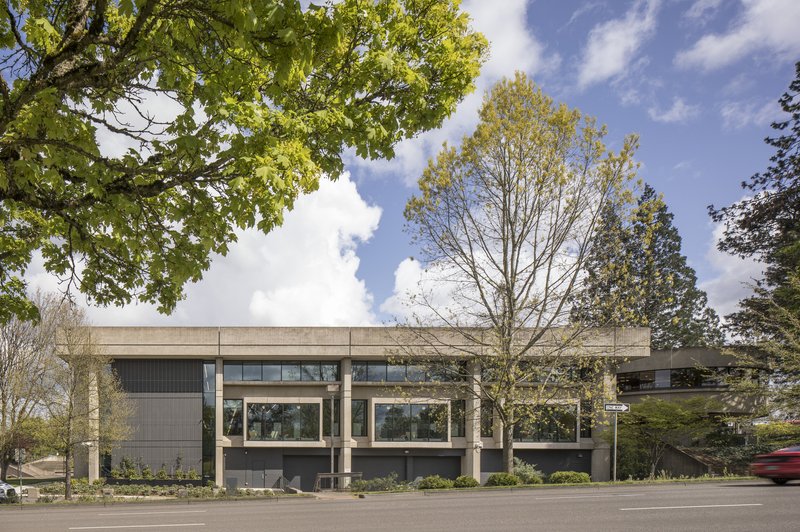
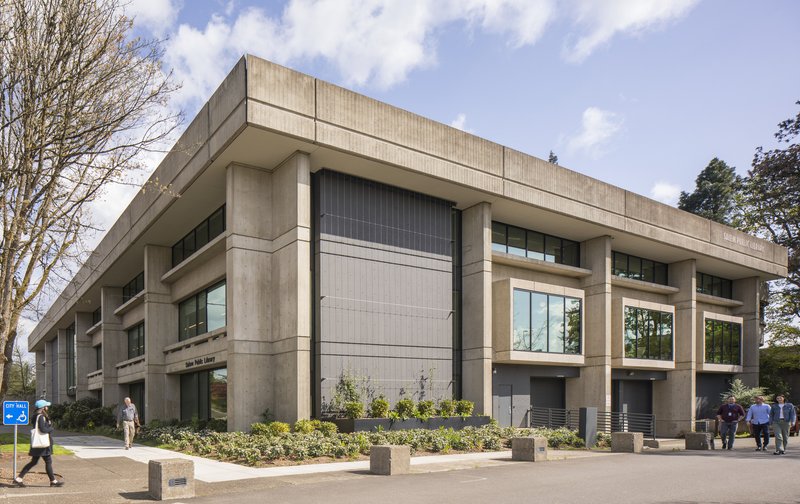
The Salem Public Library, a concrete structure originally constructed in 1970 and expanded in 1990, stood as a testament to brutalist design. However, decades of use exposed the building’s shortcomings in seismic resilience, accessibility, and functionality. Hacker Architects embraced the challenge of renovating this 96,000-square-foot library to meet modern safety standards while transforming it into a vibrant, community-centered space that honors its past while looking toward the future.
A Vision for Transformation
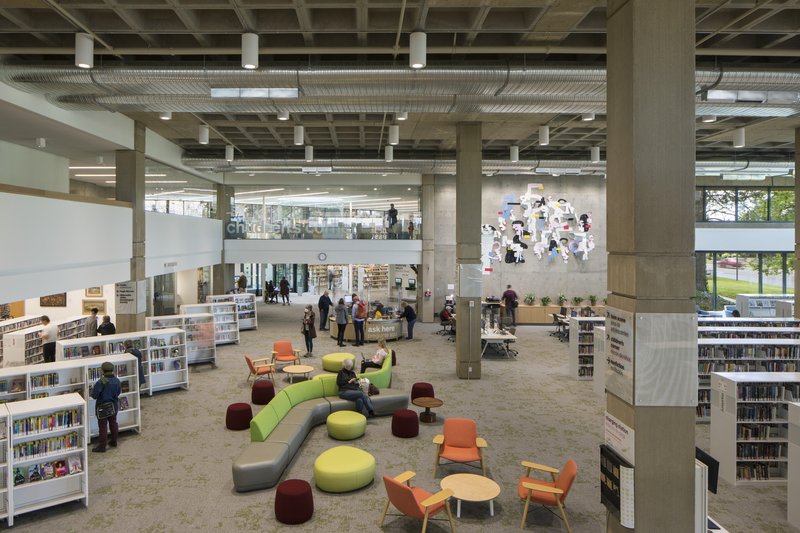
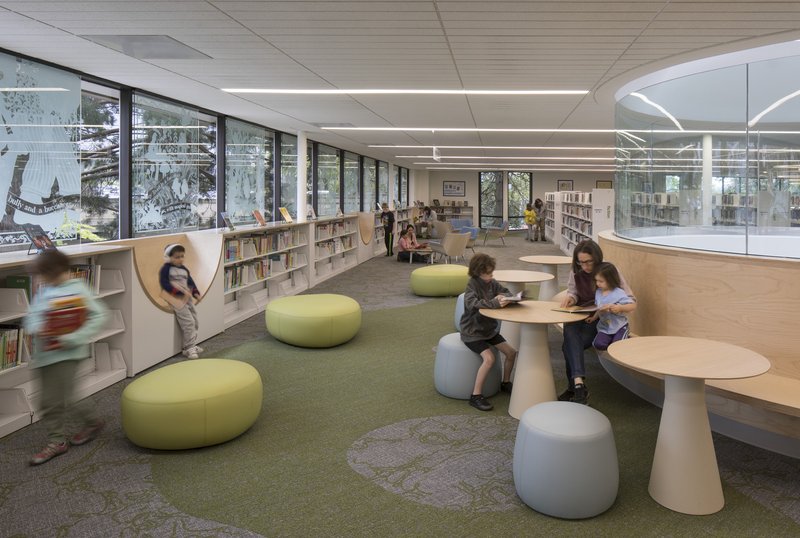
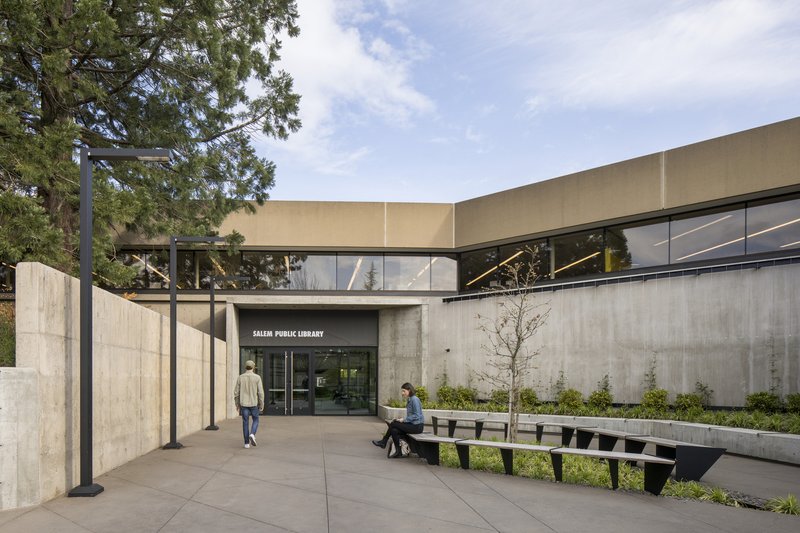
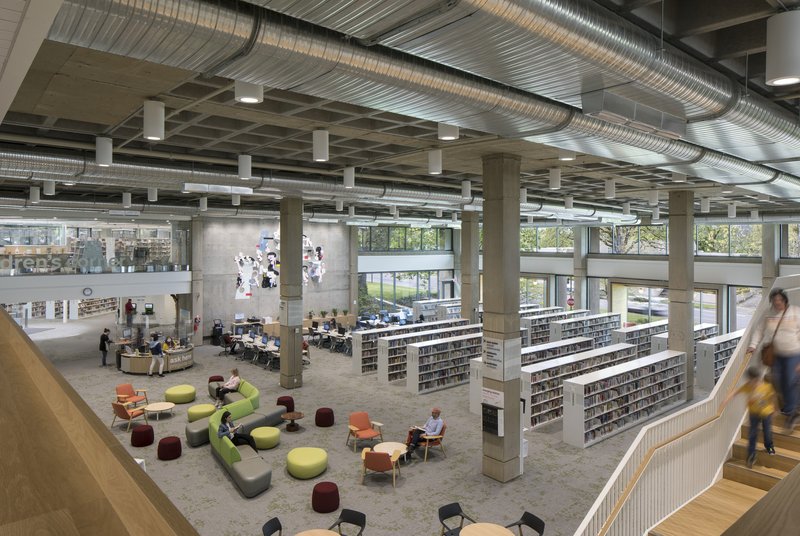
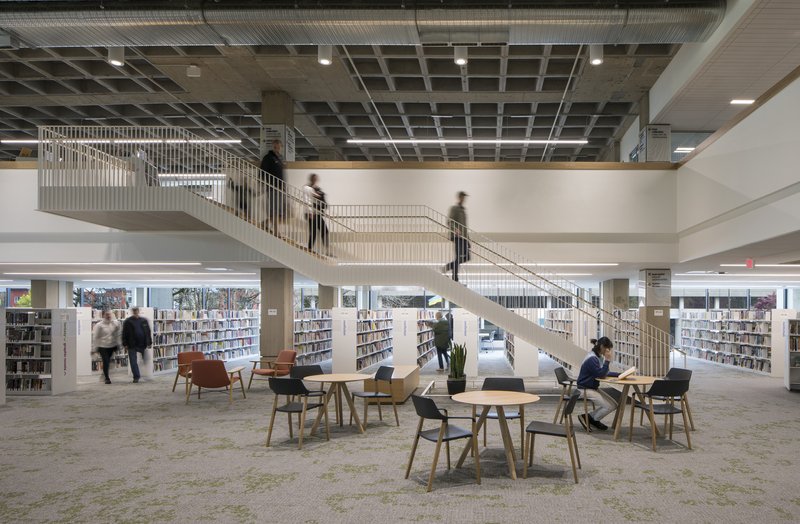
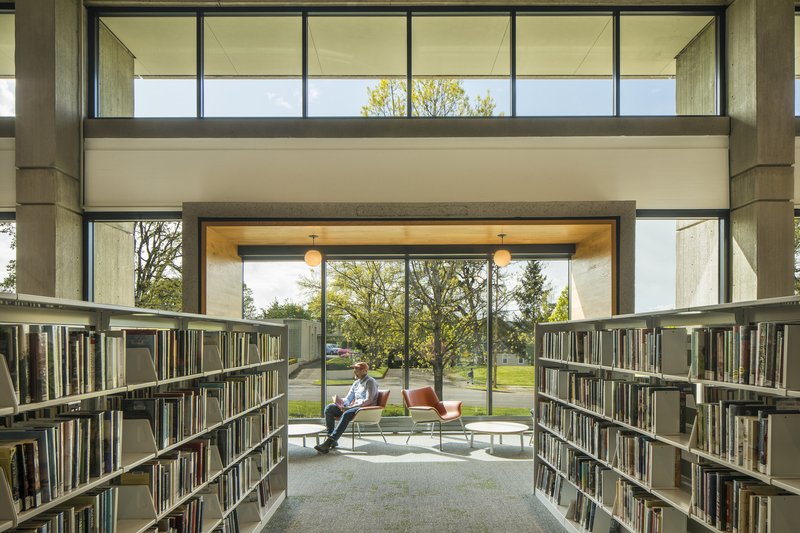
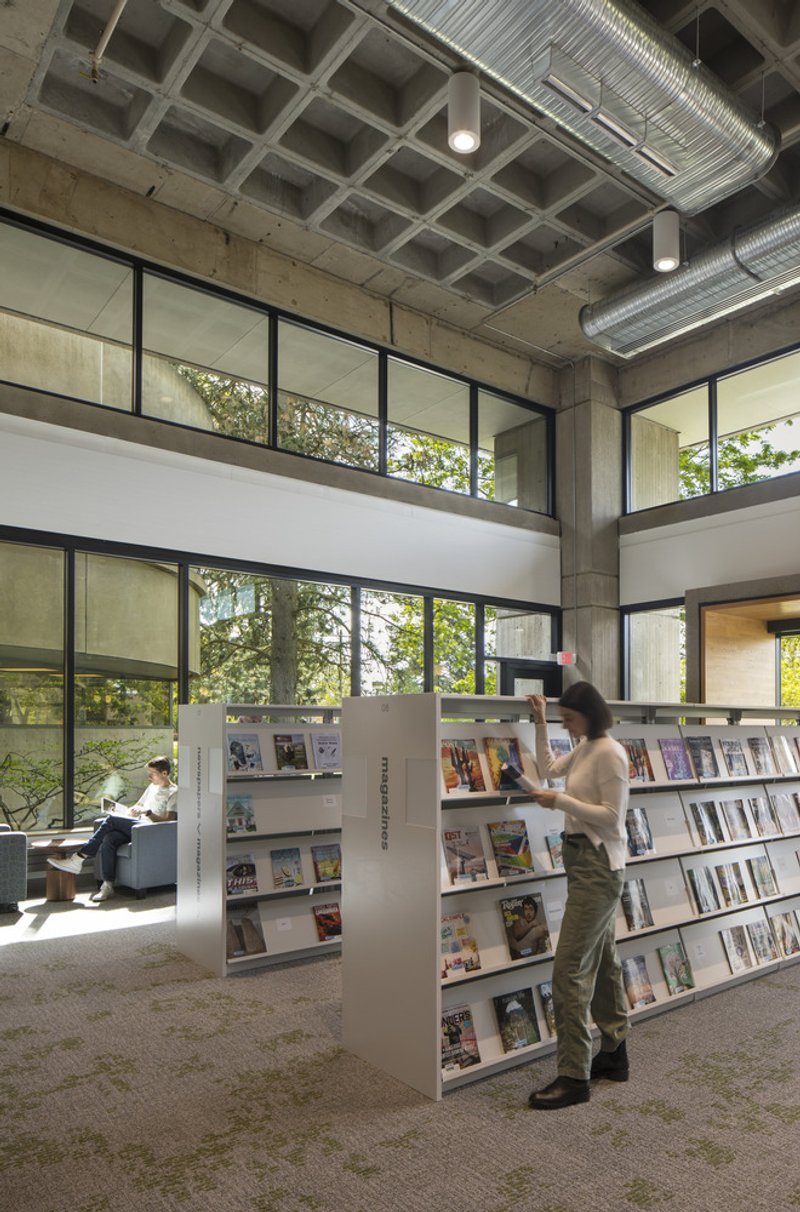
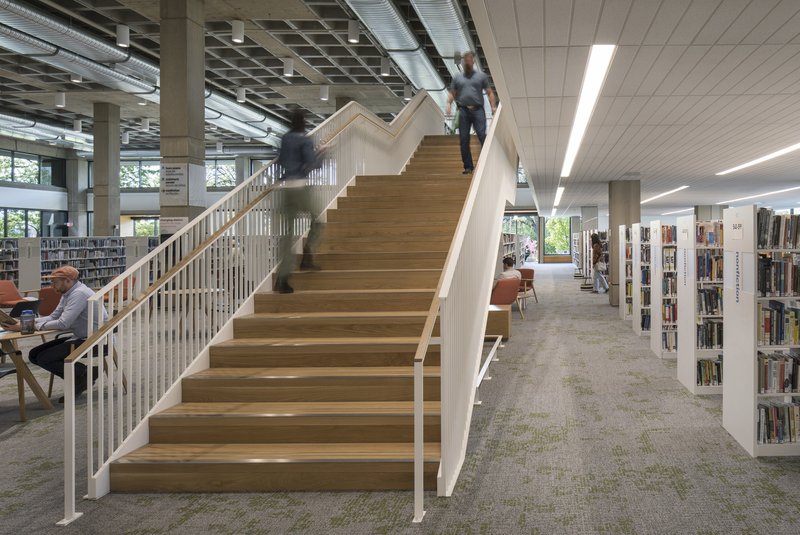
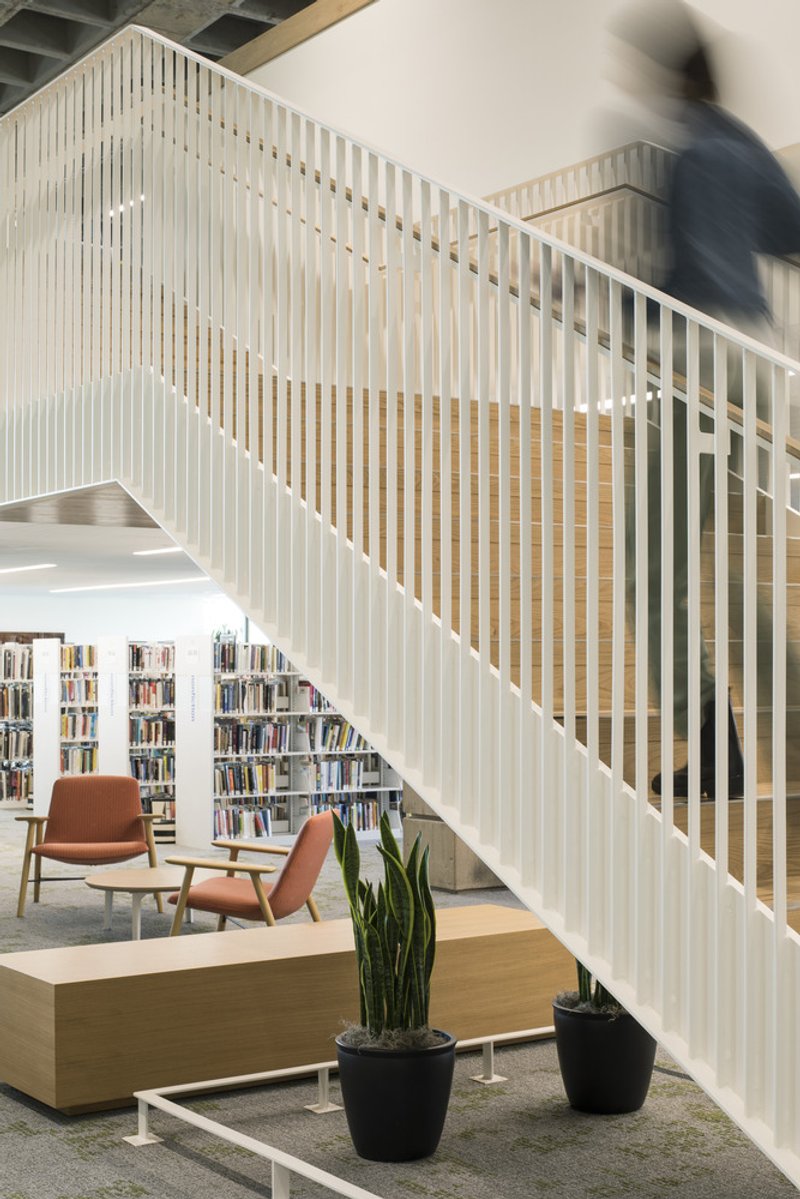
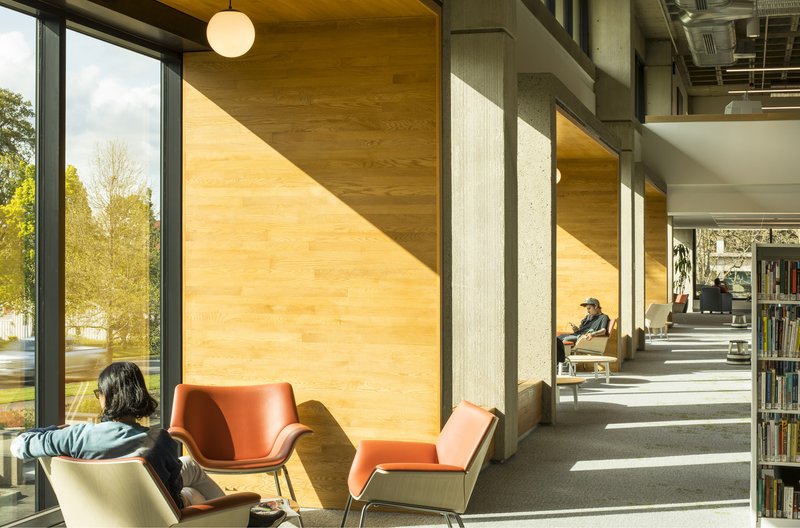
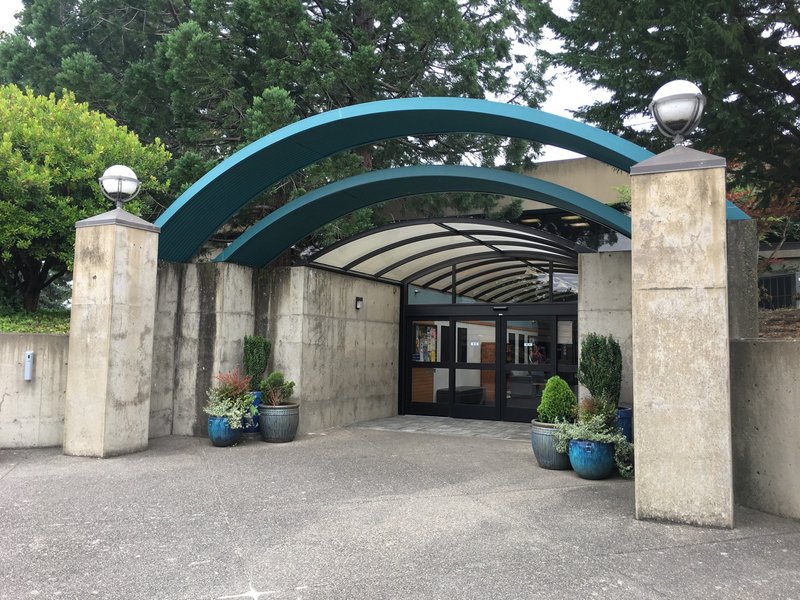
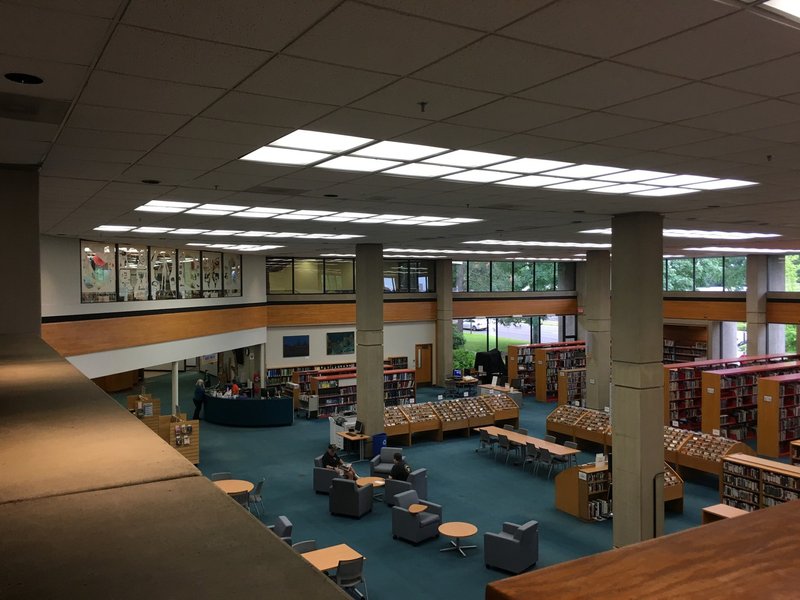
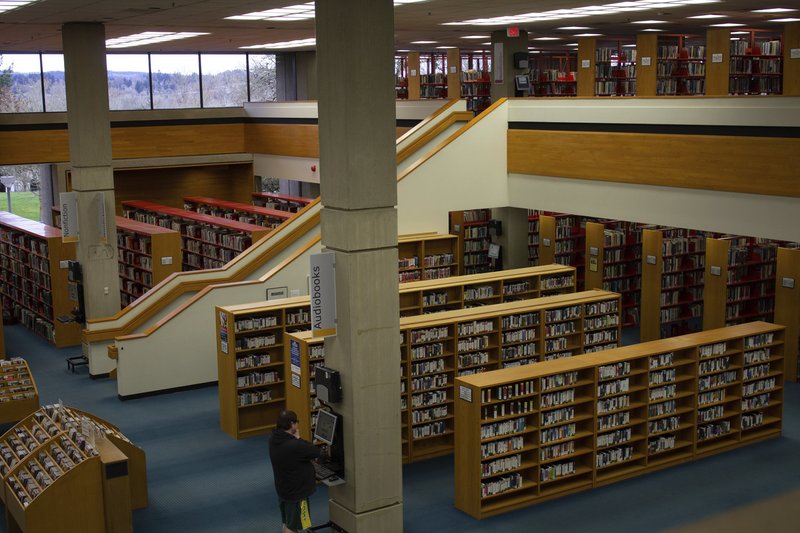
The renovation of the Salem Public Library was not merely about structural upgrades. Through close collaboration with the library team, Hacker Architects reimagined the building as a welcoming, safe, and flexible hub for community interaction. Central to this vision was the integration of daylight into the building’s core, breaking the fortress-like feel of its brutalist design. Redesigned entrances and new windows create a seamless connection between the interior and exterior, while a voluminous central space introduces vertical links between the floors, fostering a sense of openness.
Design for Resilience and Community
Seismic and Safety Upgrades
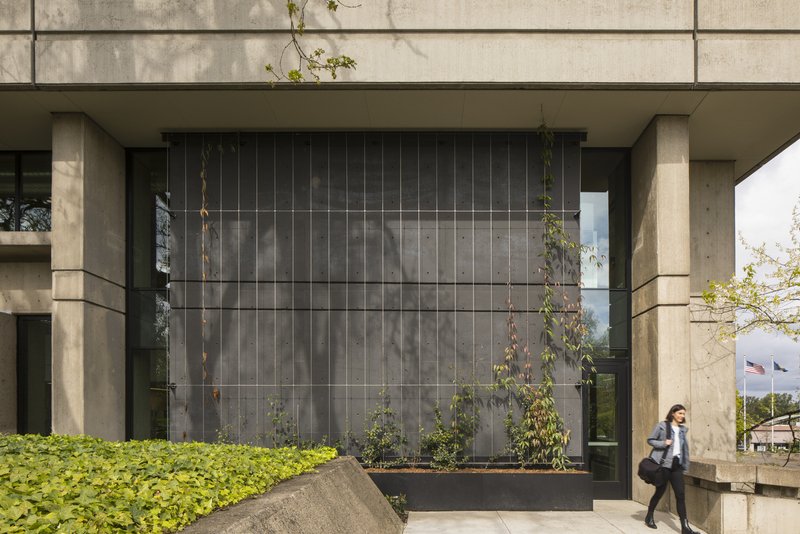
At the heart of this project was the need for seismic retrofitting to ensure the building could withstand earthquakes, a pressing concern in the region. Hacker Architects employed innovative solutions to integrate these safety measures into the design without compromising aesthetics or functionality.
Community-Oriented Spaces
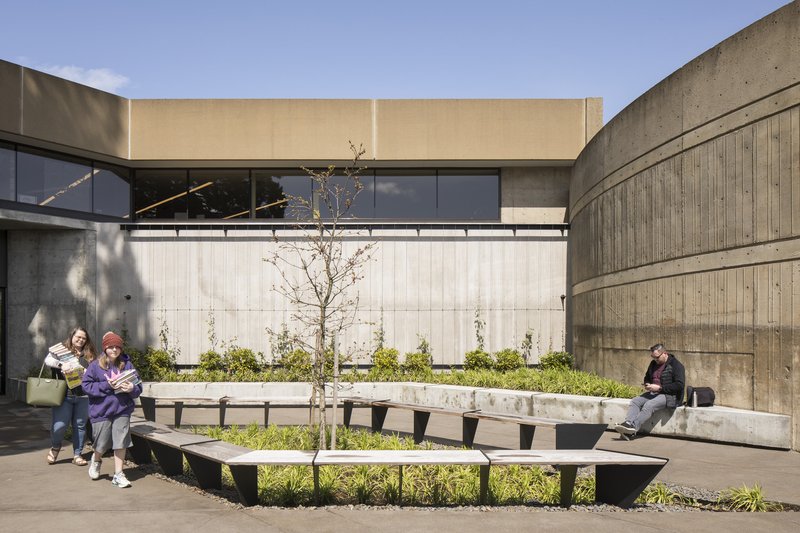
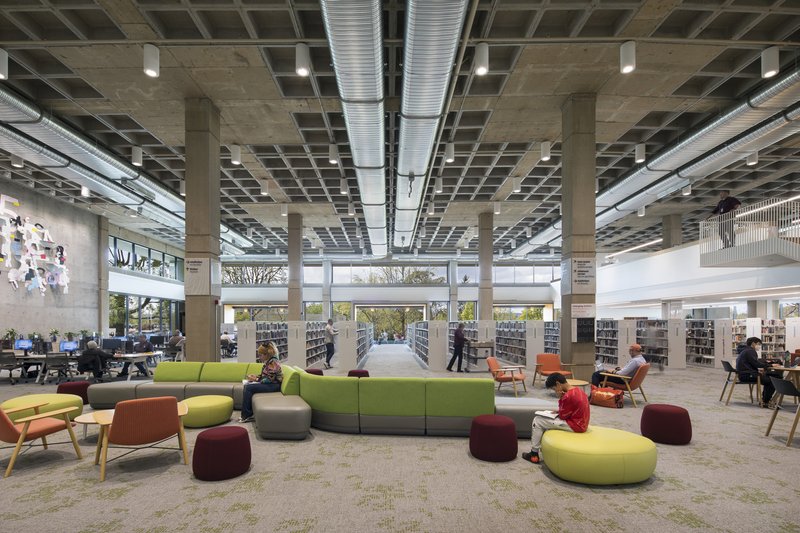
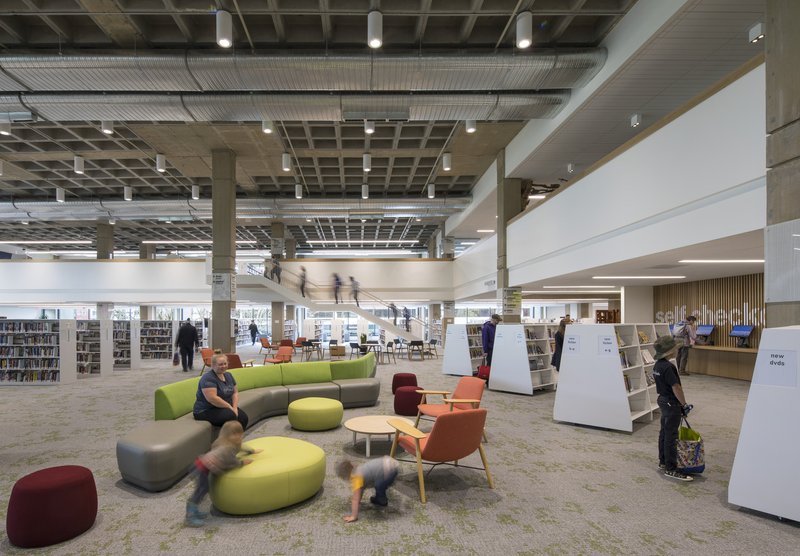
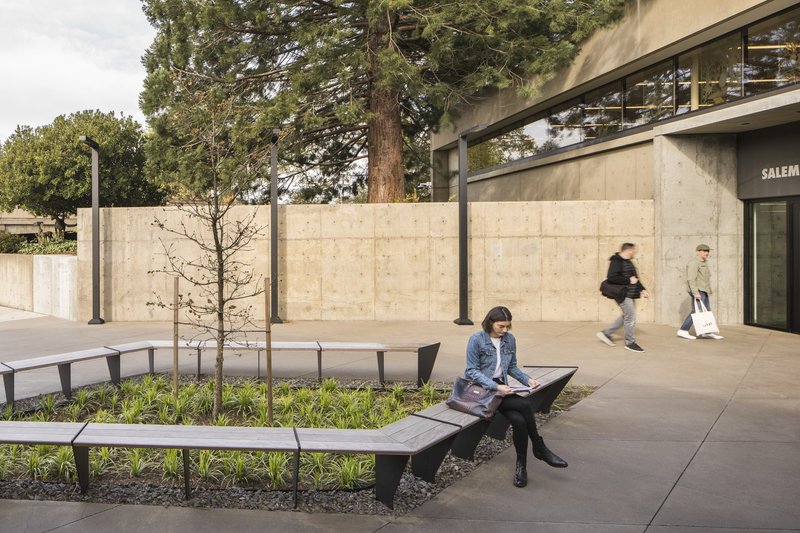
The library now serves as more than just a place to borrow books; it is a hub for education, creativity, and community engagement. The redesign consolidates staff spaces on the lower floor for operational efficiency, while public spaces dominate the upper two levels. The active lower-level plaza, adjacent to the main entrance, features a maker space, meeting and conference rooms, and a community room for large events.
Designing for Change: Adapting to Modern Needs
The renovation aimed to create a cohesive and enjoyable experience for patrons by rethinking how spaces with distinct functions interact. Youth services, previously scattered across floors, are now unified on the top level, fostering collaboration and resource sharing. This includes vibrant spaces for teens, children, and the Discovery Room, each designed to cater to specific age groups while enhancing clarity and accessibility.
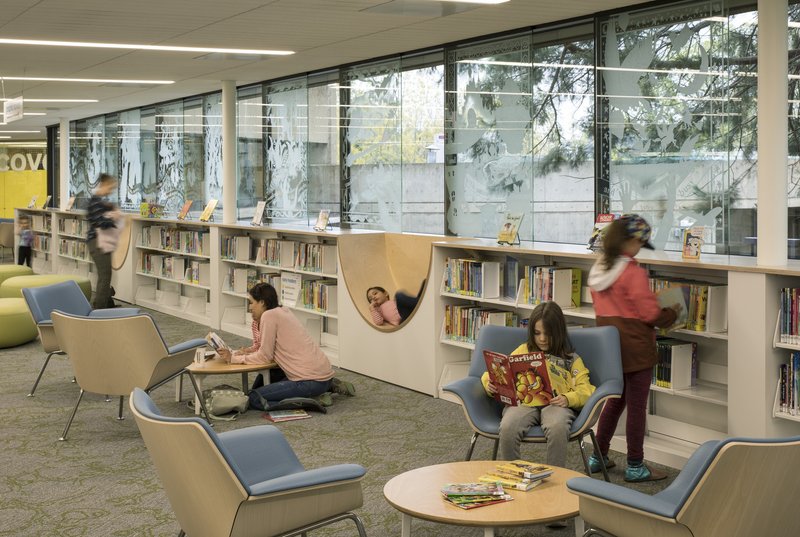
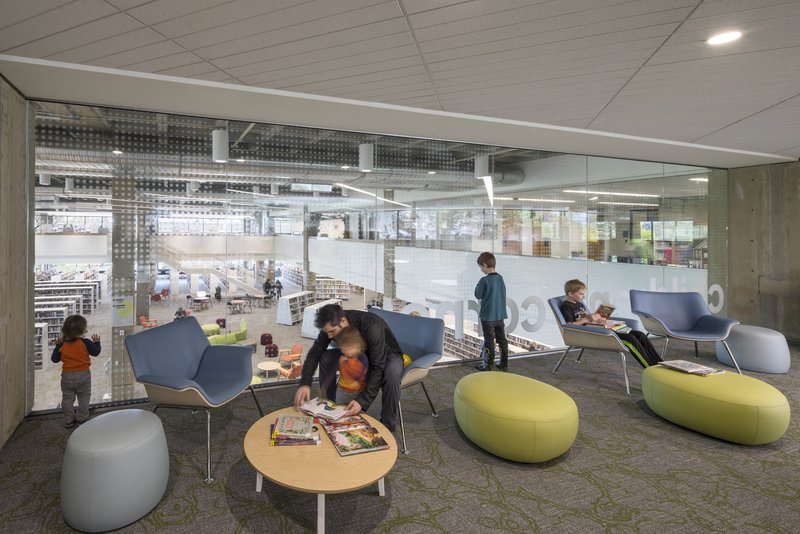
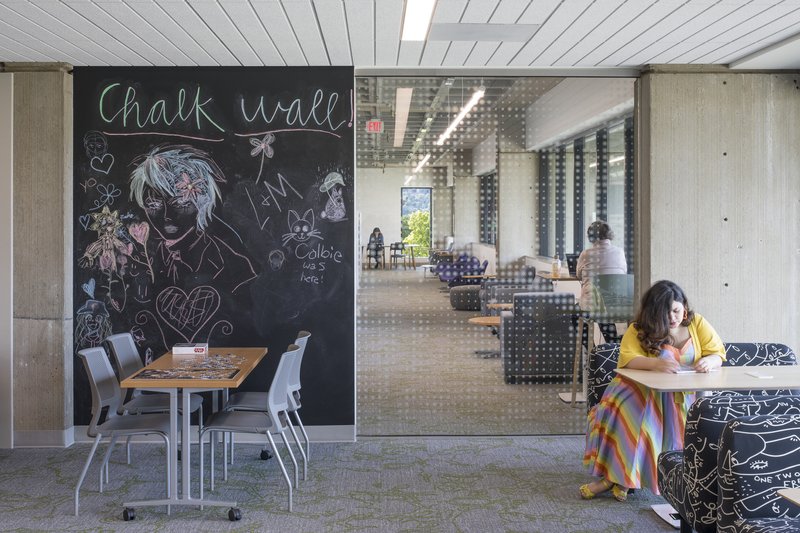
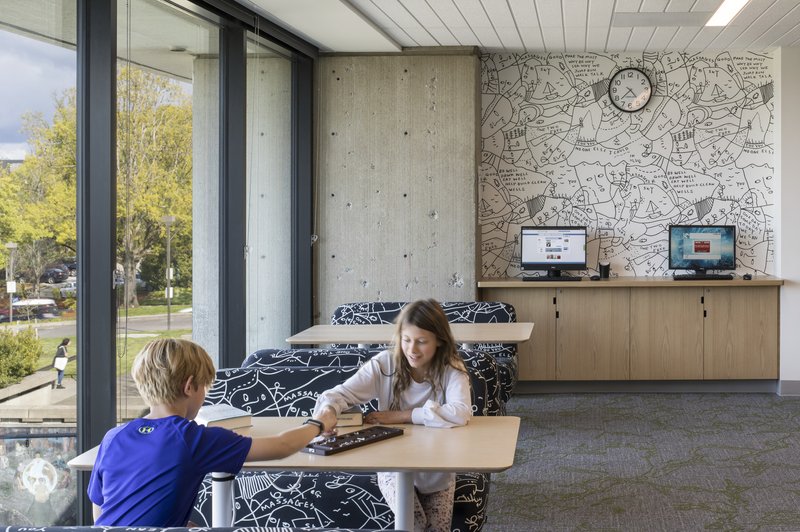
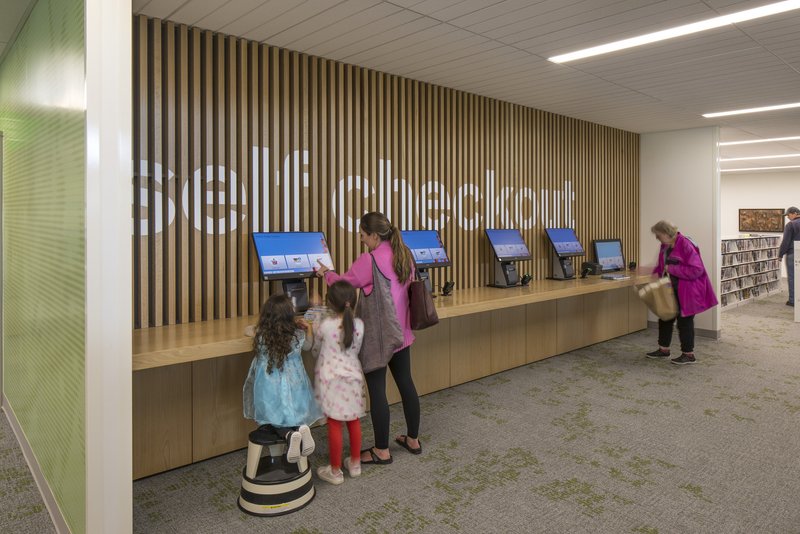
Quiet zones, noisy areas, and high-traffic sections are carefully delineated to balance the diverse needs of library patrons. The integration of multifunctional spaces ensures the library remains adaptable to evolving community requirements.
Light and Openness: A Brutalist Redesign
One of the most striking aspects of the renovation is the transformation of the brutalist structure into a bright and inviting space. By introducing large windows and strategically placed openings, Hacker Architects brought natural light into previously dark and inward-facing areas. The central space, with its vertical connections, not only enhances visual appeal but also fosters interaction and movement throughout the building.
Sustainability and Cost Efficiency
With a limited budget, every design choice had to serve multiple purposes. Materials and systems were selected for their dual role in improving safety and contributing to the library’s modern aesthetic. This practical approach ensured that the project adhered to financial constraints without compromising on quality or vision.
A Model for Library Renovation
The Salem Public Library renovation exemplifies how thoughtful design can breathe new life into aging public buildings. Hacker Architects have successfully transformed a brutalist-era structure into a resilient, accessible, and community-oriented space. This project serves as an inspiring model for modern library renovation design, demonstrating how architecture can adapt to contemporary needs while honoring its historical roots.
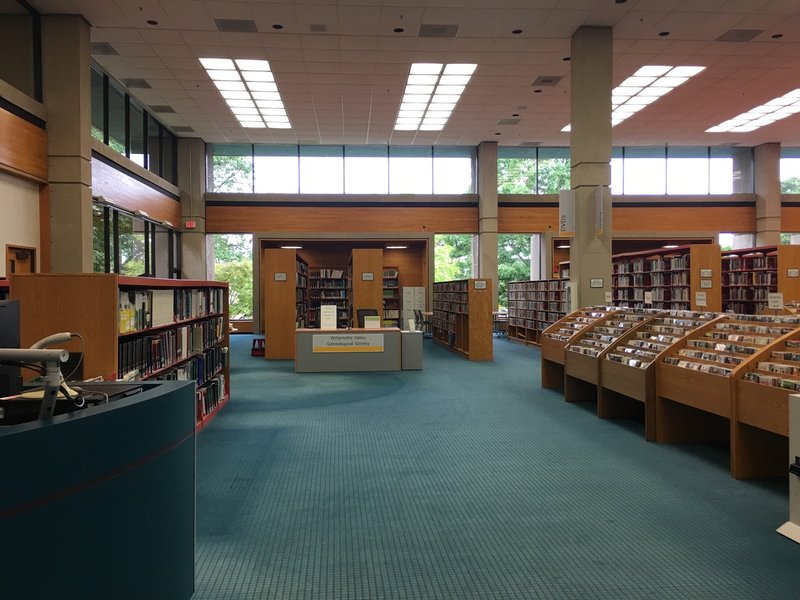
All Photographs are work of Lara Swimmer




Popular Articles
Popular articles from the community

Fifth NRE Jazz Club – De Bever Architecten: Eindhoven’s Revitalized Cultural Hub
Historic gas factory transformed into Fifth NRE Jazz Club blending modern sustainability, jazz culture, dining, and heritage architecture seamlessly.
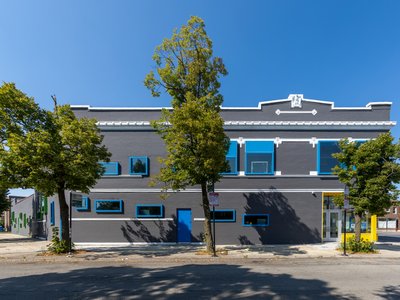
Gads Hill Early Learning Center by JGMA: Adaptive Reuse Shaping Community-Focused Educational Architecture
Adaptive reuse transforms fragmented structure into vibrant early learning center with playful façade, natural light, and community-focused sustainable design.


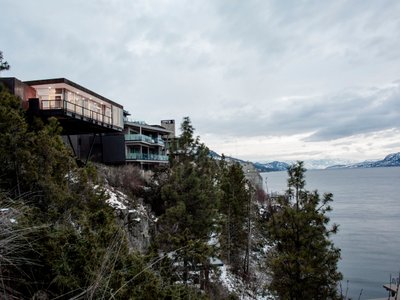
Alton Cliff House: A Harmonious Retreat by f2a Architecture in Lake Country, Canada
Alton Cliff House blends corten steel, prefabrication, and sustainable design, creating a luxurious, energy-efficient retreat perched on Canadian cliffs.
Similar Reads
You might also enjoy these articles


The Ken Roberts Memorial Delineation Competition (Krob)
As the most senior architectural drawing competition currently in operation anywhere in the world, it draws hundreds of entries each year, awarding the very best submissions in a series of medium-based categories.

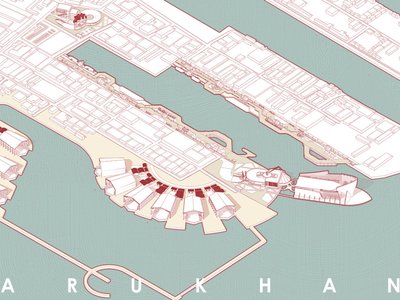
Waterfront Redevelopment and Urban Revitalization in Mumbai: Forging a New Dawn for Darukhana
A transformative waterfront redevelopment project reimagining Darukhana’s shipbreaking heritage into an inclusive urban future.

OUT-OF-MAP: A Call for Postcards on Feminist Narratives of Public Space
Rhizoma Design and Research Lab invites artists, designers, architects, researchers, and students to reflect on how feminist perspectives can reshape public space. Selected works will be exhibited in Barcelona, October 2026. Submissions open until 15 April 2026.


Documentation Work on Buddhist Wooden Temple
Architectural syncretism and cultural hybridity: A comparative study of the Buddhist temples in Chattogram Hill tracks


Explore Architecture Competitions
Discover active competitions in this discipline




The International Standard for Design Portfolios


The Global Benchmark for Architecture Dissertation Awards


The Global Benchmark for Graduation Excellence


Challenge to reimagine the Iron Throne
Comments (0)
Please login or sign up to add comments
No comments yet. Be the first to comment!