
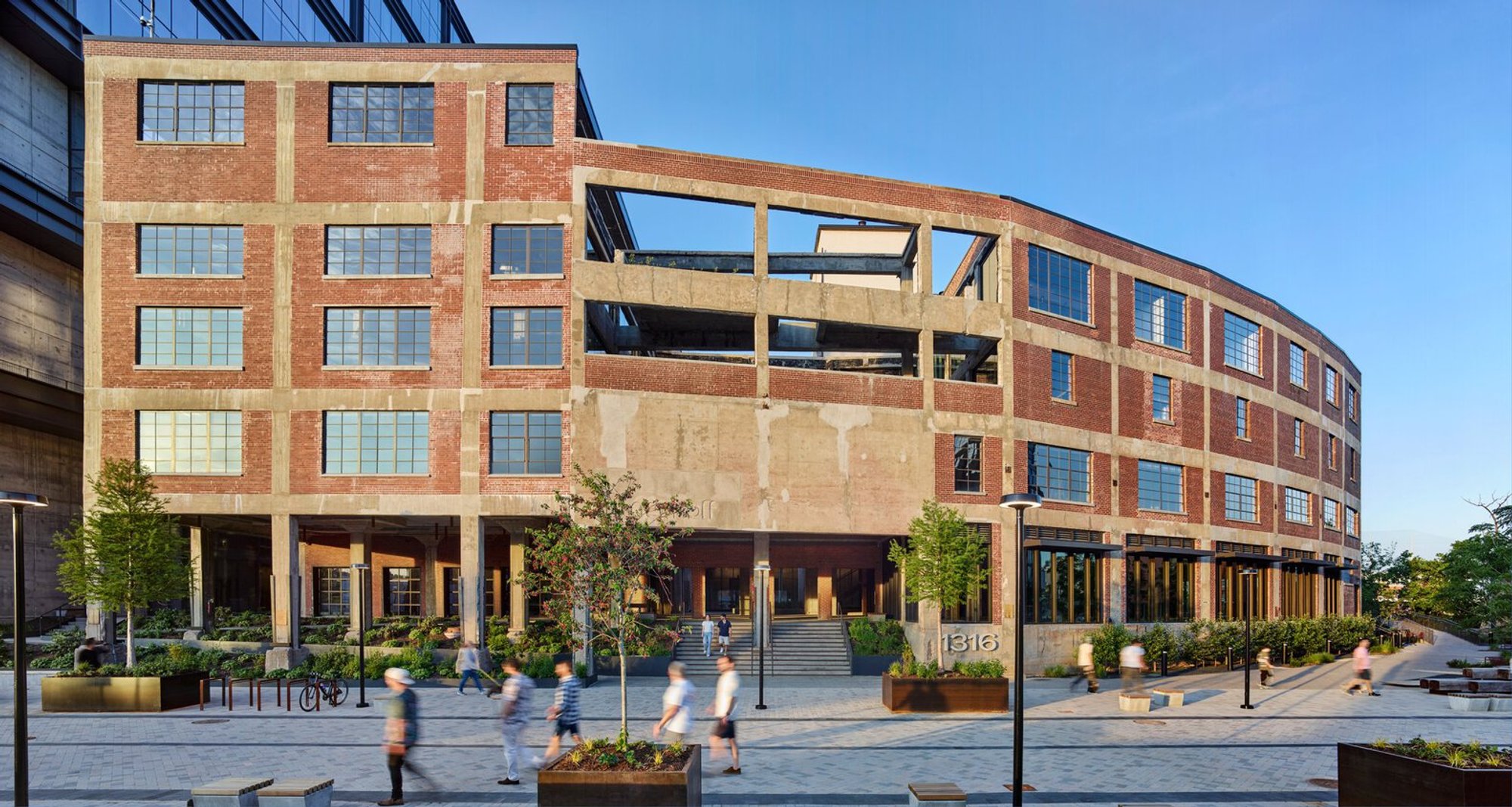
Neuhoff District: A Visionary Adaptive Reuse Architecture Project by S9 Architecture
Neuhoff District by S9 Architecture showcases adaptive reuse architecture, transforming an abandoned industrial site into a vibrant mixed-use urban destination.

Transforming an Industrial Landmark into a Modern Urban Hub
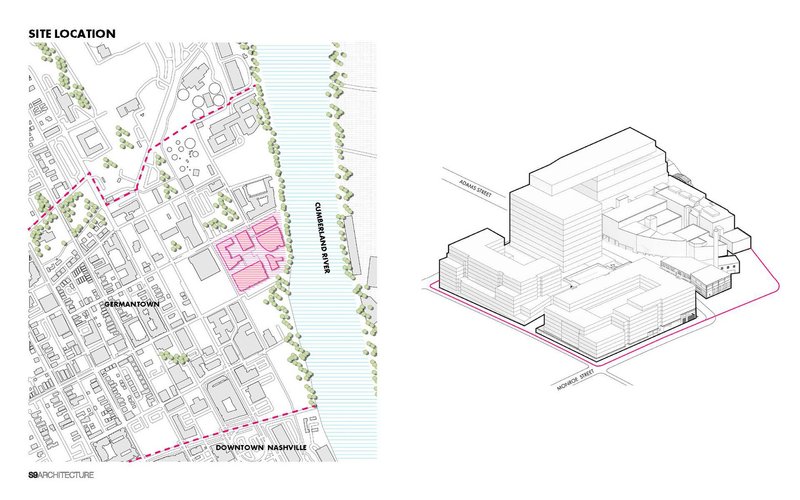
The Neuhoff District in Nashville is a groundbreaking example of adaptive reuse architecture, redefining urban renewal by transforming a long-abandoned meat-packing complex into a thriving mixed-use destination. Designed by S9 Architecture, this ambitious 1.3-million-square-foot development merges historic preservation with contemporary urban design. By integrating residential, cultural, commercial, and public spaces, the project breathes new life into a once-forgotten industrial site while maintaining its architectural heritage.
Adaptive Reuse: Blending History with Modern Urbanism
Preserving the Legacy of Neuhoff Meat-Packing Complex
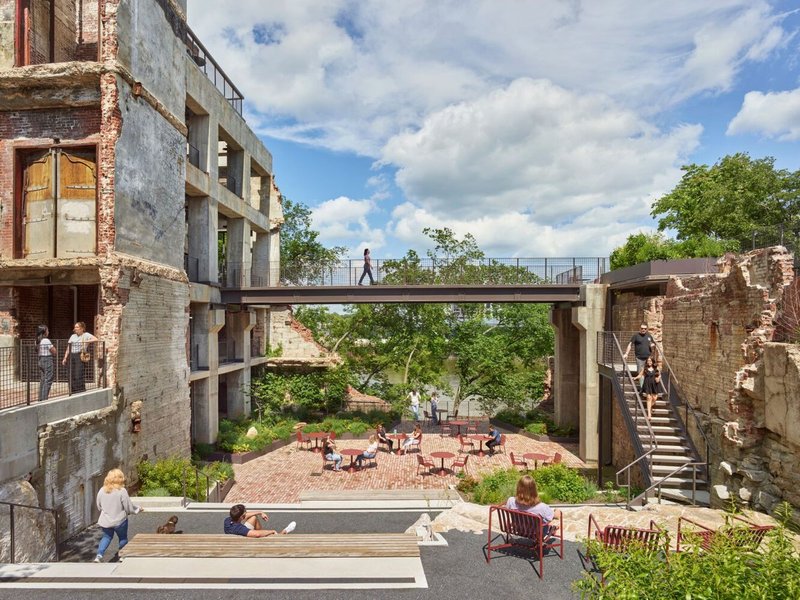
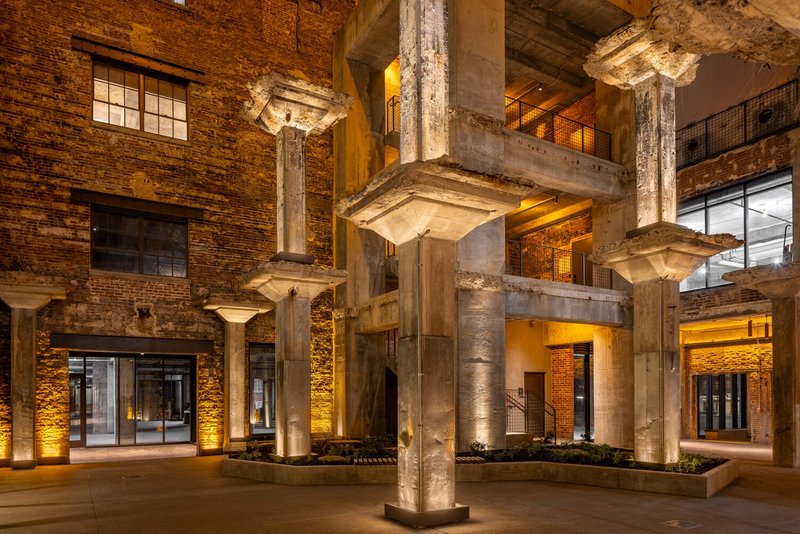
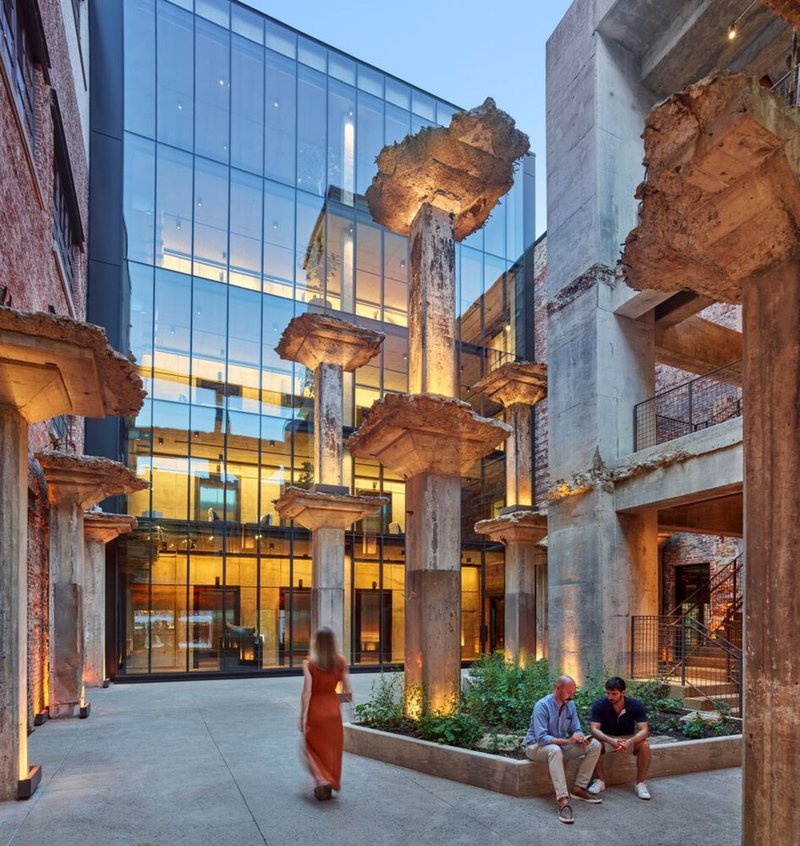
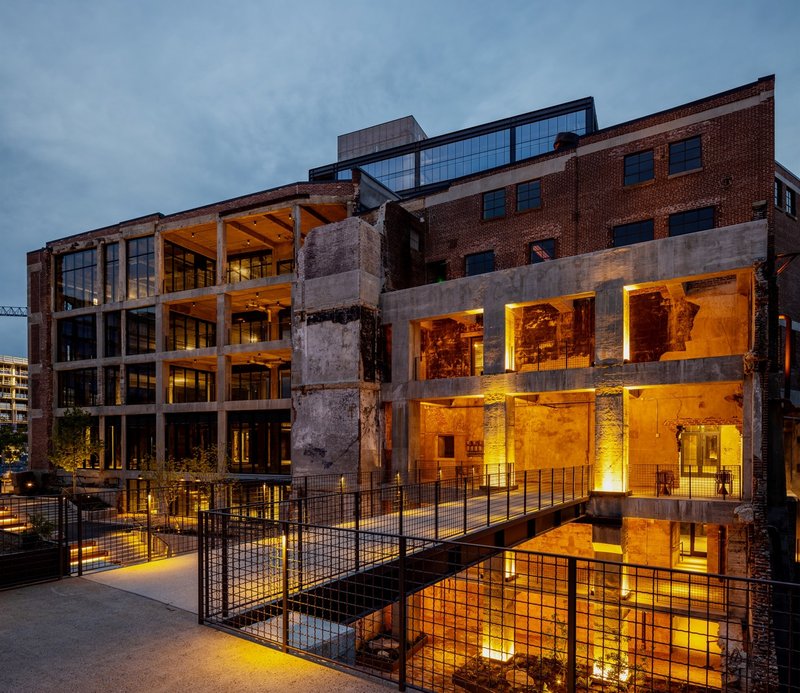
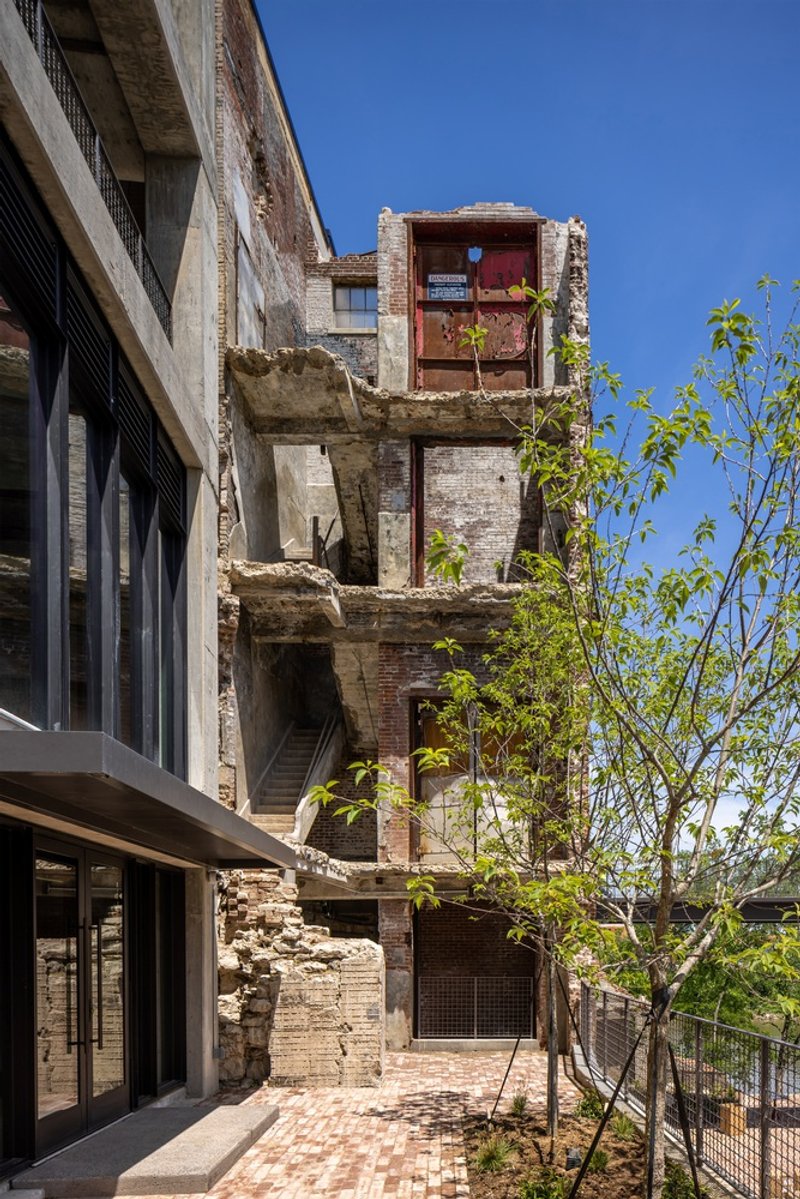
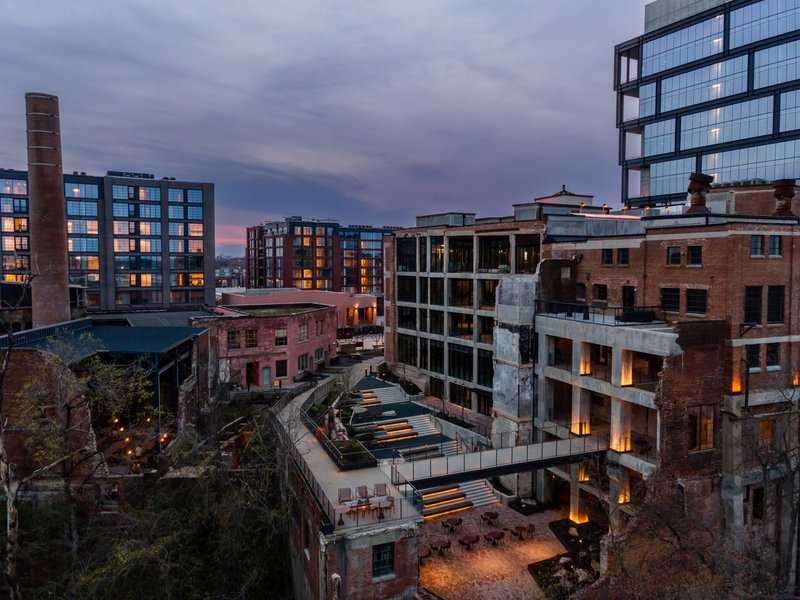
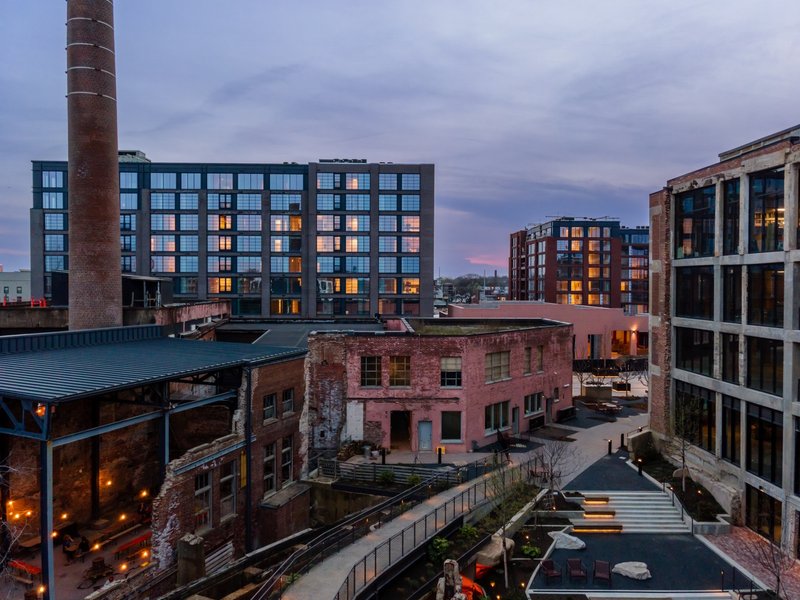
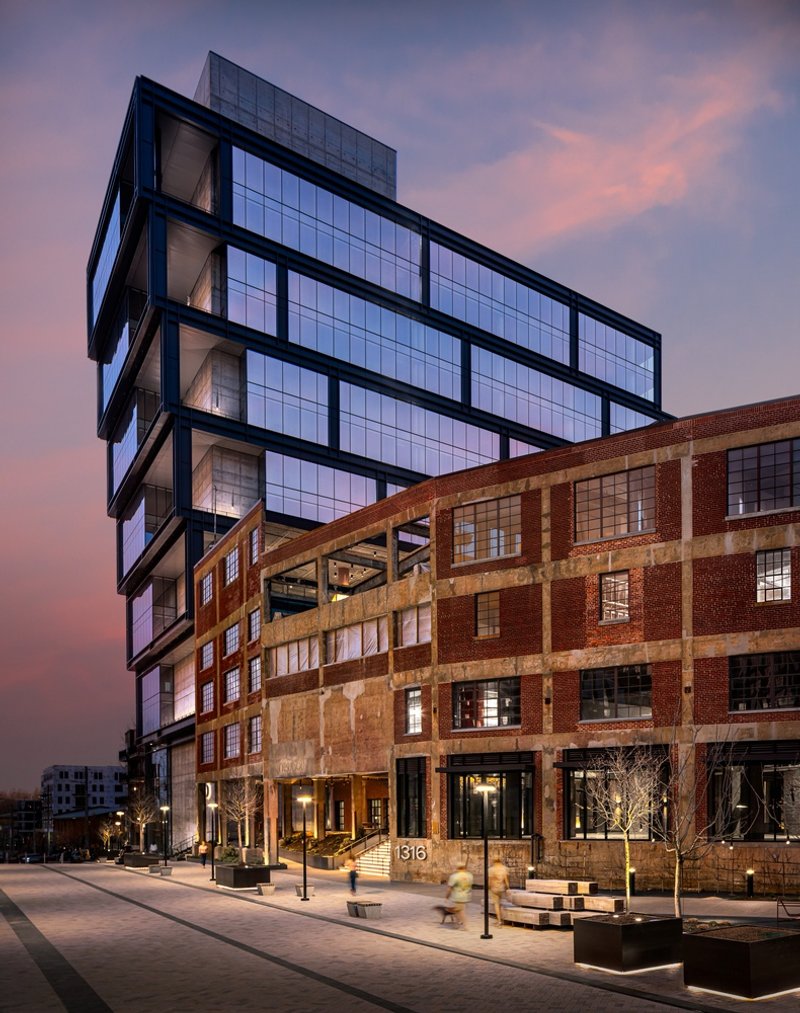
For over half a century, the Neuhoff complex stood as a relic of Nashville’s industrial past. S9 Architecture has meticulously reimagined the site, balancing preservation and innovation. The project retains much of the original structure, incorporating its historic character into a dynamic urban space. The raw beauty of exposed brick, industrial steel columns, and large open spaces pays homage to the site's history while supporting modern functionality.
A Master Plan Focused on Connectivity and Experience
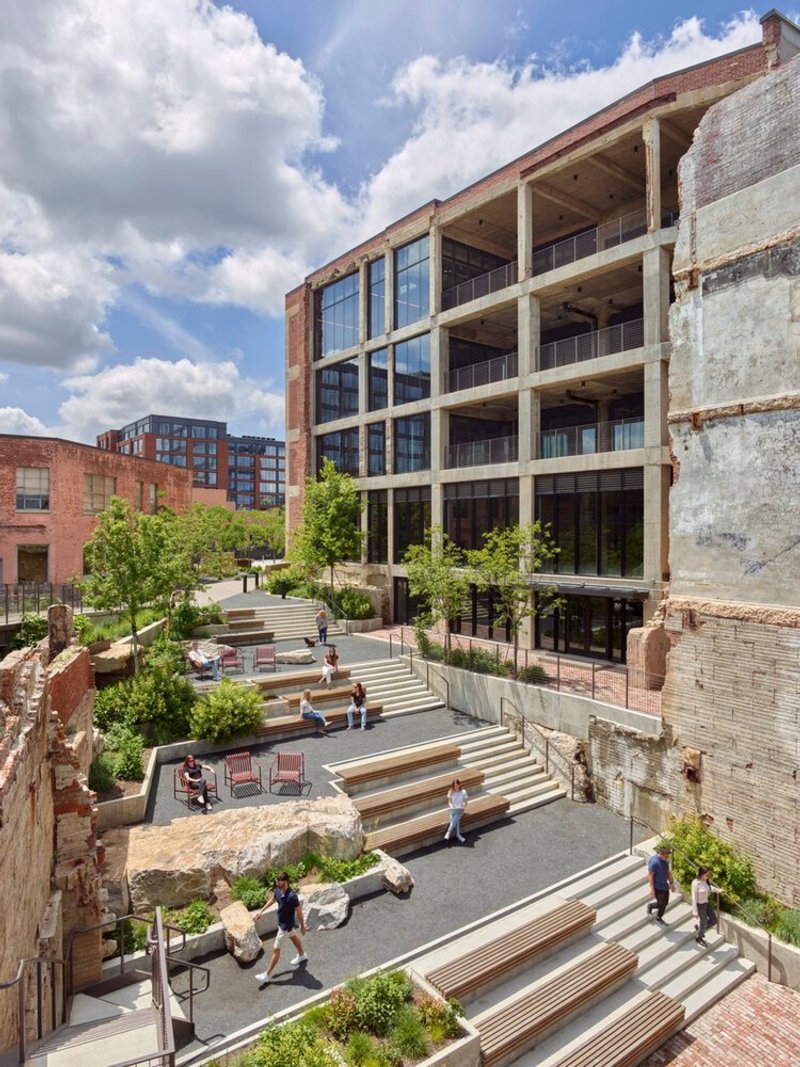
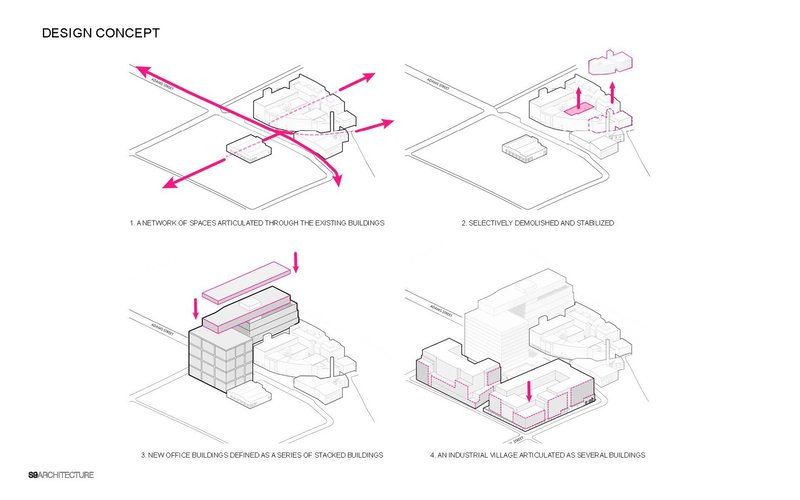
At the heart of the Neuhoff District lies a master plan that prioritizes connectivity and experience. S9 Architecture has introduced a network of pedestrian pathways, public courtyards, rooftop terraces, and cantilevered catwalks that weave through the district, creating a seamless flow between different areas. This interconnected design fosters a sense of community while providing an engaging environment for visitors and residents alike.
Mixed-Use Development for a Vibrant Future
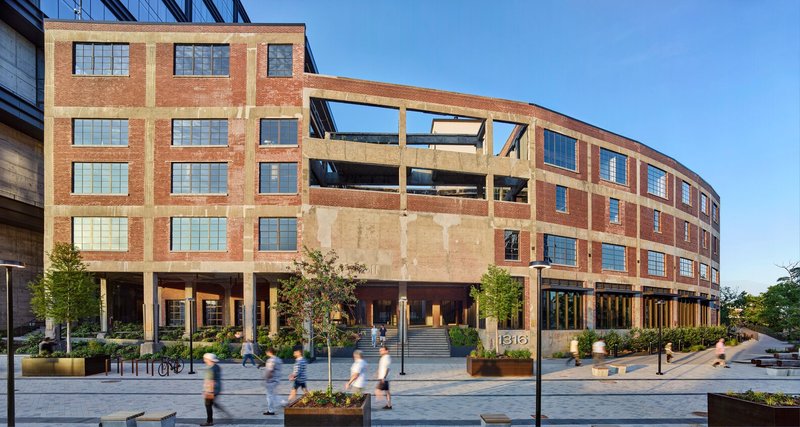
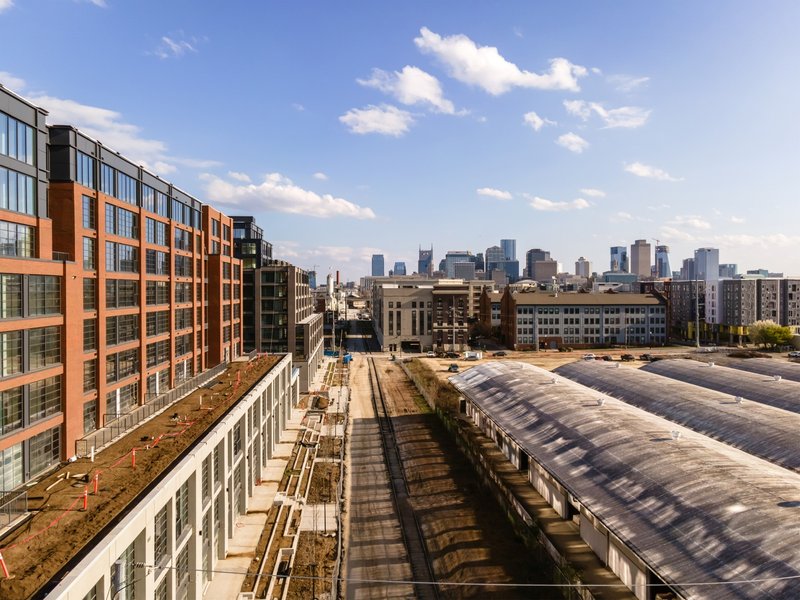
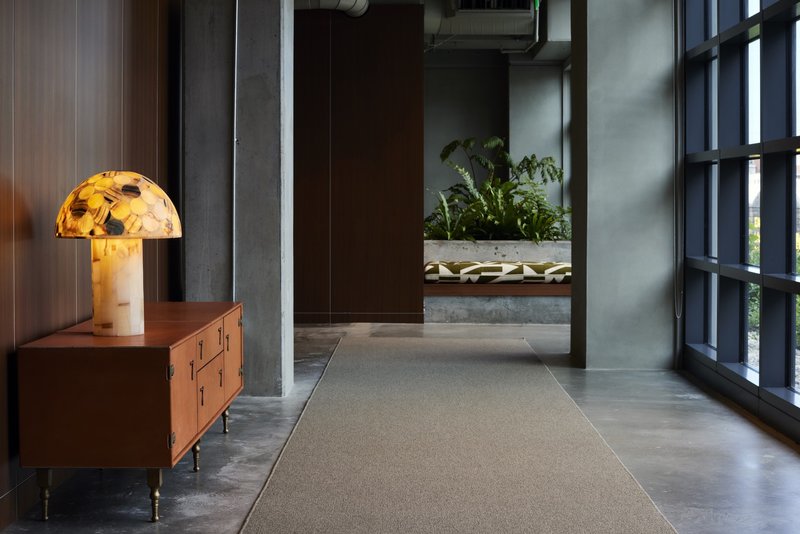
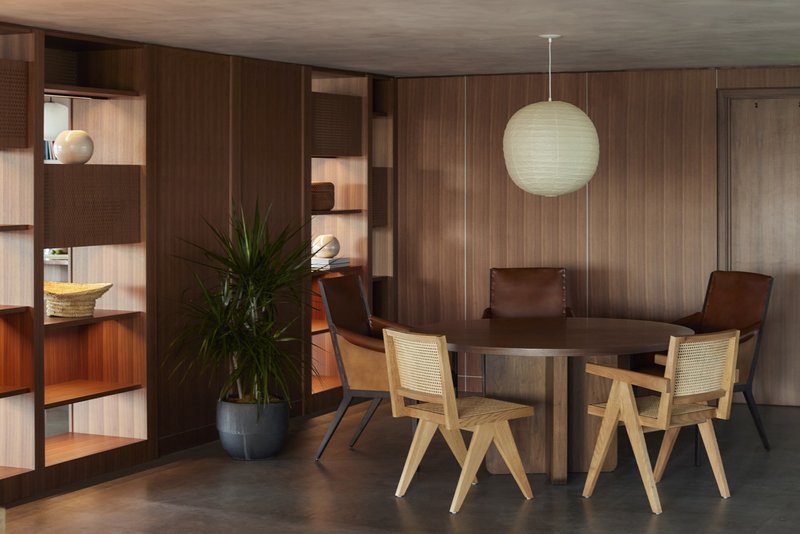
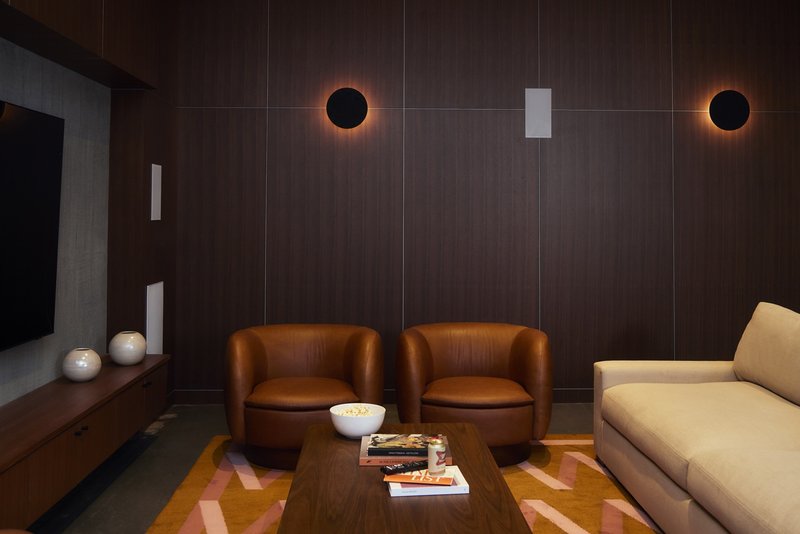
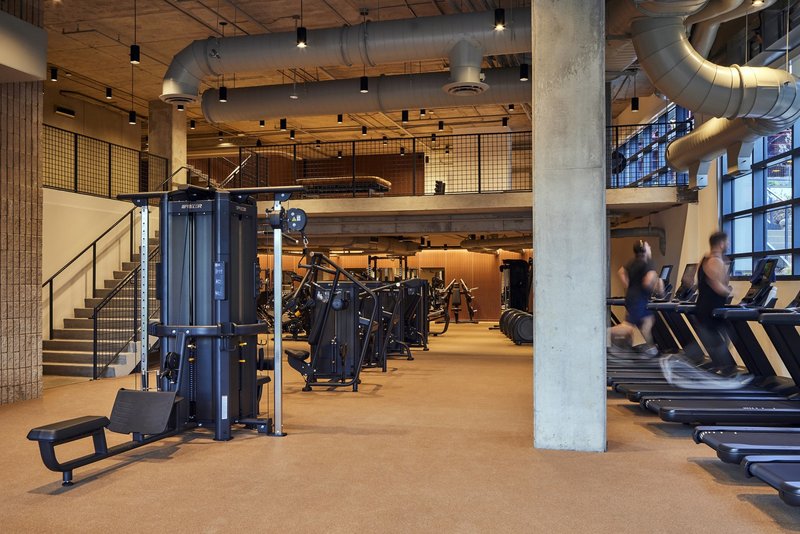
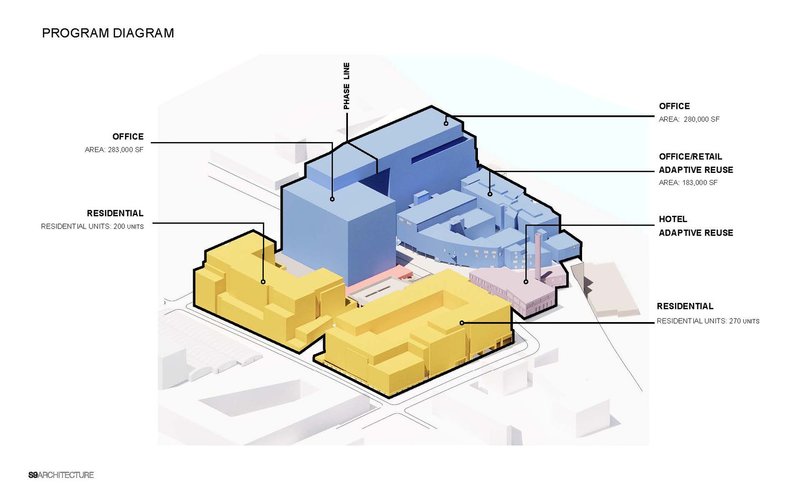
Neuhoff District integrates multiple programs into a single cohesive development. It houses office spaces, residential units, cultural institutions, and retail establishments. Restaurants, cafes, and entertainment venues activate the ground level, ensuring a lively streetscape. The project fosters a vibrant live-work-play environment that enhances Nashville’s growing urban fabric.
Sustainability and Innovation in Adaptive Reuse Architecture
Reducing Environmental Impact Through Reuse
Adaptive reuse architecture is inherently sustainable, as it reduces the need for new materials and minimizes construction waste. By preserving and repurposing existing structures, the Neuhoff District significantly lowers its carbon footprint compared to conventional new builds. The project also incorporates energy-efficient systems, green roofs, and sustainable landscape design, contributing to a more environmentally responsible urban future.
Landscape and Public Space Design
Designed in collaboration with Future Green Studio, the project integrates green spaces throughout the development. Public plazas, courtyards, and tree-lined walkways enhance the pedestrian experience while contributing to urban biodiversity. Rooftop gardens and terraces provide additional recreational spaces with panoramic views of the Nashville skyline and Cumberland River.
Redefining Nashville’s Architectural Identity
Neuhoff District is not just a restoration project; it is a redefinition of what urban renewal can achieve. By blending industrial heritage with contemporary urban design, it stands as a model for future adaptive reuse projects. The development embodies the principles of sustainability, historic preservation, and modern functionality, making it a key landmark in Nashville’s continued evolution.
The Future of Adaptive Reuse Architecture
Neuhoff District by S9 Architecture demonstrates the transformative potential of adaptive reuse architecture in revitalizing urban spaces. By repurposing an abandoned industrial site into a vibrant mixed-use destination, the project not only preserves the past but also shapes the future of urban design. This development serves as a blueprint for cities seeking to balance heritage conservation with sustainable growth, offering a compelling vision of what modern adaptive reuse can achieve.
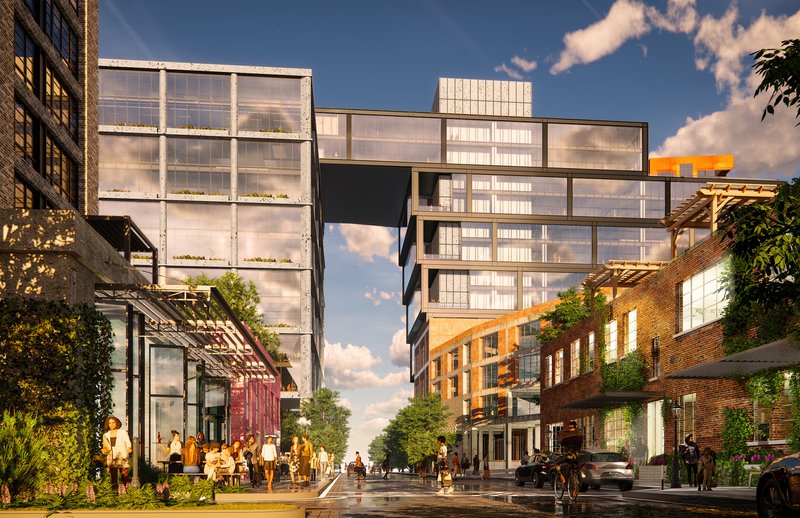
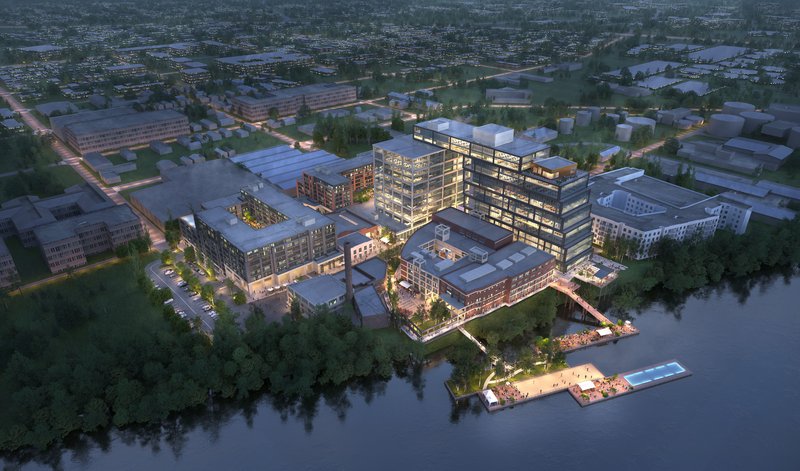
All Photographs are works of Seth Parker / Christopher Payne



Popular Articles
Popular articles from the community

Flamboyant House by Juliana Camargo + Prumo Projetos
Modern Brazilian house integrating existing tree, pool, and volumes with glass, wood, and transitional spaces blending interior, exterior, and landscape seamlessly.
An Miên Lumière Cafe by xưởng xép, Ho Chi Minh City, Vietnam
An industrial-inspired café where layered steel and warm light create a dynamic, immersive environment shaped by reflection, depth, and perception.

The Ken Roberts Memorial Delineation Competition (Krob)
As the most senior architectural drawing competition currently in operation anywhere in the world, it draws hundreds of entries each year, awarding the very best submissions in a series of medium-based categories.
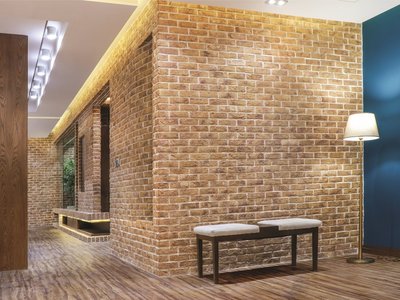
A Contemporary Take on Iranian Residential Architecture
A modern interior design in Mashhad that reinterprets brick, light, and spatial flow to create a warm, contemporary residential architecture.


Similar Reads
You might also enjoy these articles


Top 15 Architecture Competitions to Enter in 2026
From student-friendly idea competitions to prestigious international awards, here are the best architecture competitions open for entries in 2026. Updated regularly.

DIY & Engineering in Computational Design : Enter the BeeGraphy Design Awards
Showcase Your Creativity with Computational Design and Open Source Projects
Innovative Design Solutions: Award-Winning Projects from Recent Architecture Competitions
Exploring award-winning architectural projects shaping the future of design, sustainability, and community.



Explore Architecture Competitions
Discover active competitions in this discipline




The International Standard for Design Portfolios


The Global Benchmark for Architecture Dissertation Awards


The Global Benchmark for Graduation Excellence


Challenge to reimagine the Iron Throne
Comments (0)
Please login or sign up to add comments
No comments yet. Be the first to comment!