
Newlab at Michigan Central: A Landmark of Innovation and Design
Transforming Detroit's historic Book Depository, Newlab at Michigan Central blends innovation, sustainability, and Albert Kahn's architectural legacy.

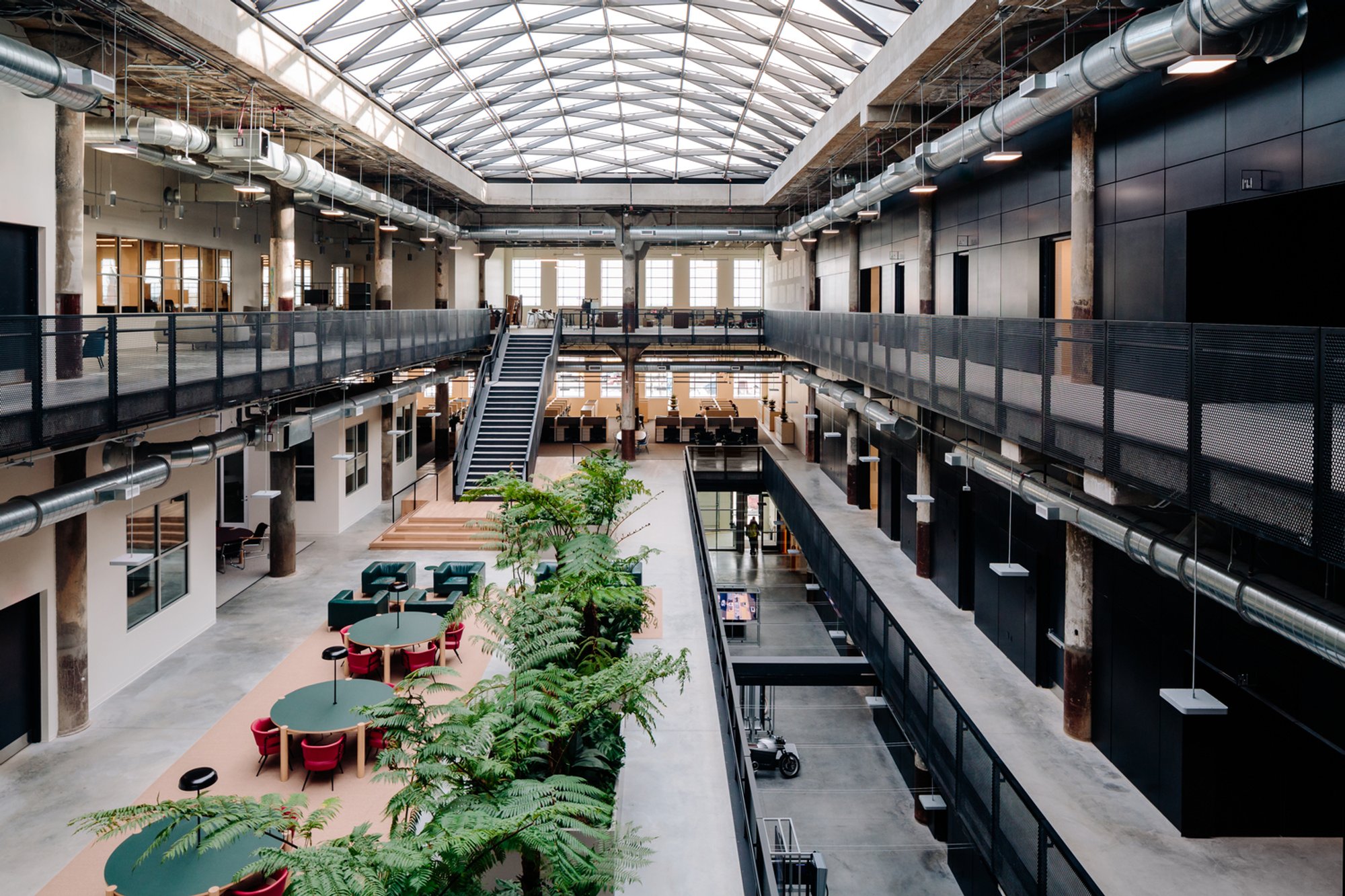
Newlab at Michigan Central stands as a beacon of innovation, blending Detroit’s rich architectural history with a forward-thinking vision for sustainable and equitable solutions. This ambitious project, designed by Civilian Projects in collaboration with Gensler, has transformed the historic Book Depository building into a cutting-edge innovation hub. Located in Detroit, Michigan, the structure spans 270,000 square feet and serves as a centerpiece for the redevelopment of the Michigan Central district.
Historical Significance of The Book Depository
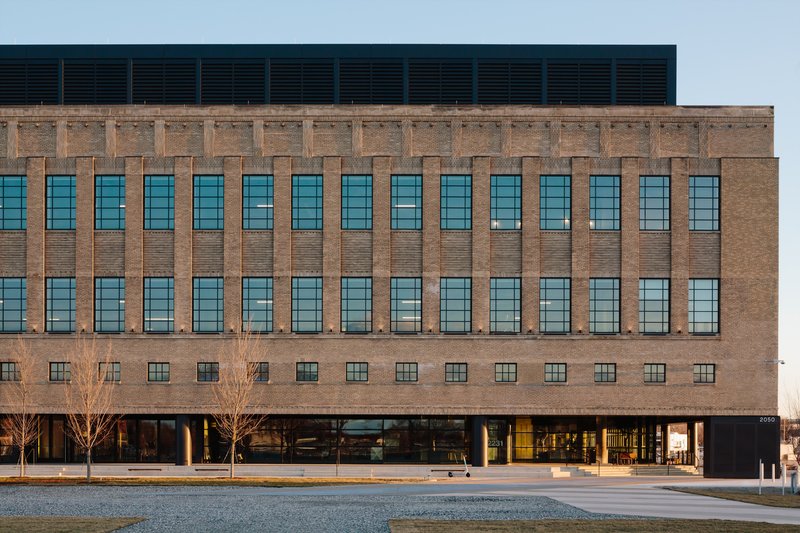
Designed in 1936 by Detroit’s iconic architect Albert Kahn, The Book Depository is an Art Deco landmark. Originally constructed as a mail-sorting station and later repurposed as book storage for Detroit’s public schools, this building is a testament to Kahn’s influence on modernist design. His work, characterized by rational proportions, minimal ornamentation, and expansive windows, had a profound impact on the global architectural landscape, inspiring movements like the Bauhaus and the works of designers such as Charlotte Perriand.
Design Vision: Honoring the Past, Embracing the Future
Civilian Projects approached the adaptive reuse of this historic structure with a design philosophy rooted in dialogue with Kahn’s architectural legacy. The design reflects the industrial heritage of Detroit while accommodating the needs of a 21st-century innovation hub.
Architectural Highlights
- Exterior Restoration: The brick façade, patinated concrete interiors, and martini-cap columns were meticulously preserved to maintain the building’s original character.
- Interior Design: The integration of modern elements with historic features creates a dynamic and collaborative environment for innovation.
Spaces and Features
Reception and Exhibition Space
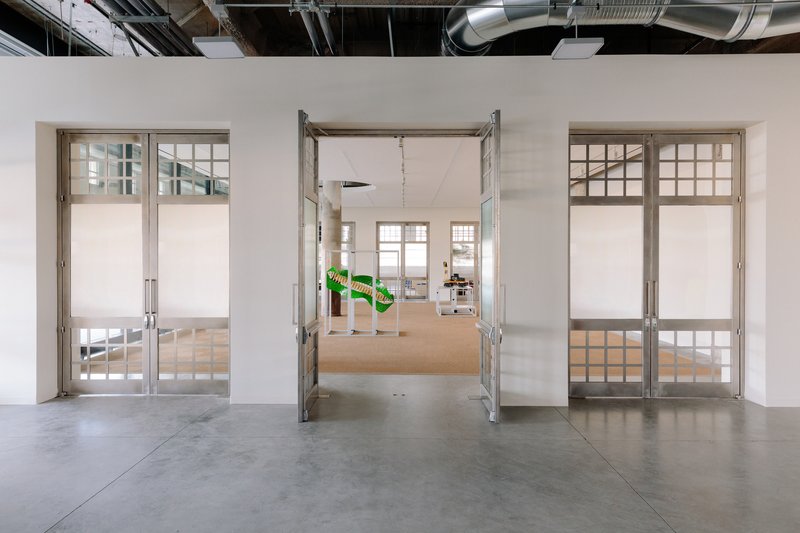
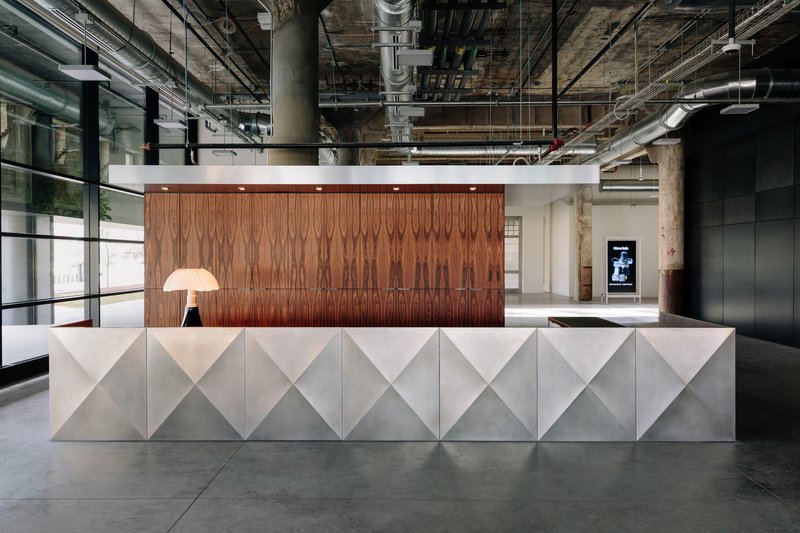
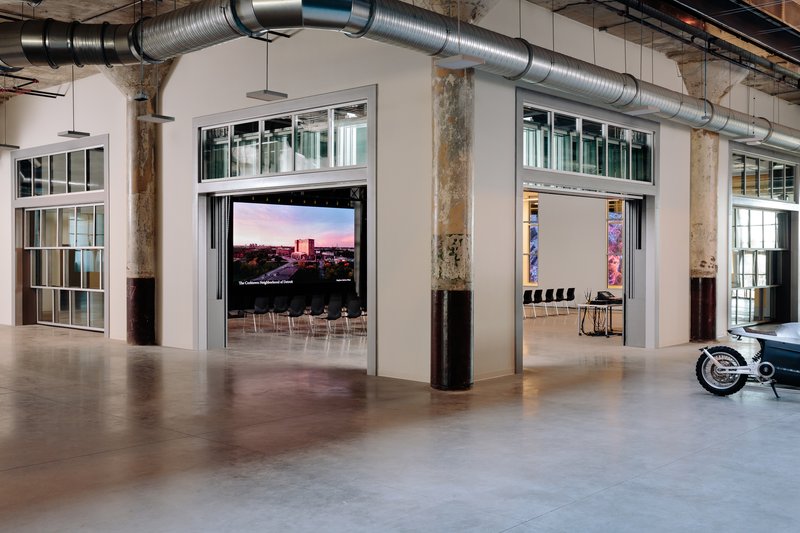
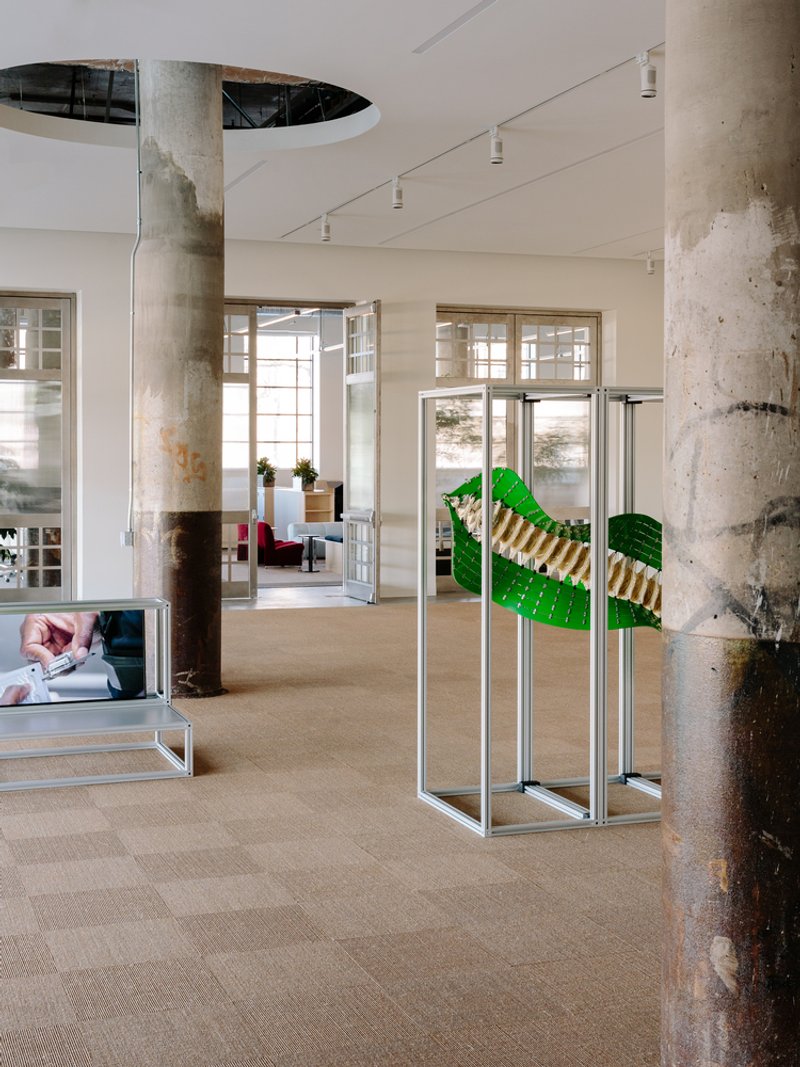
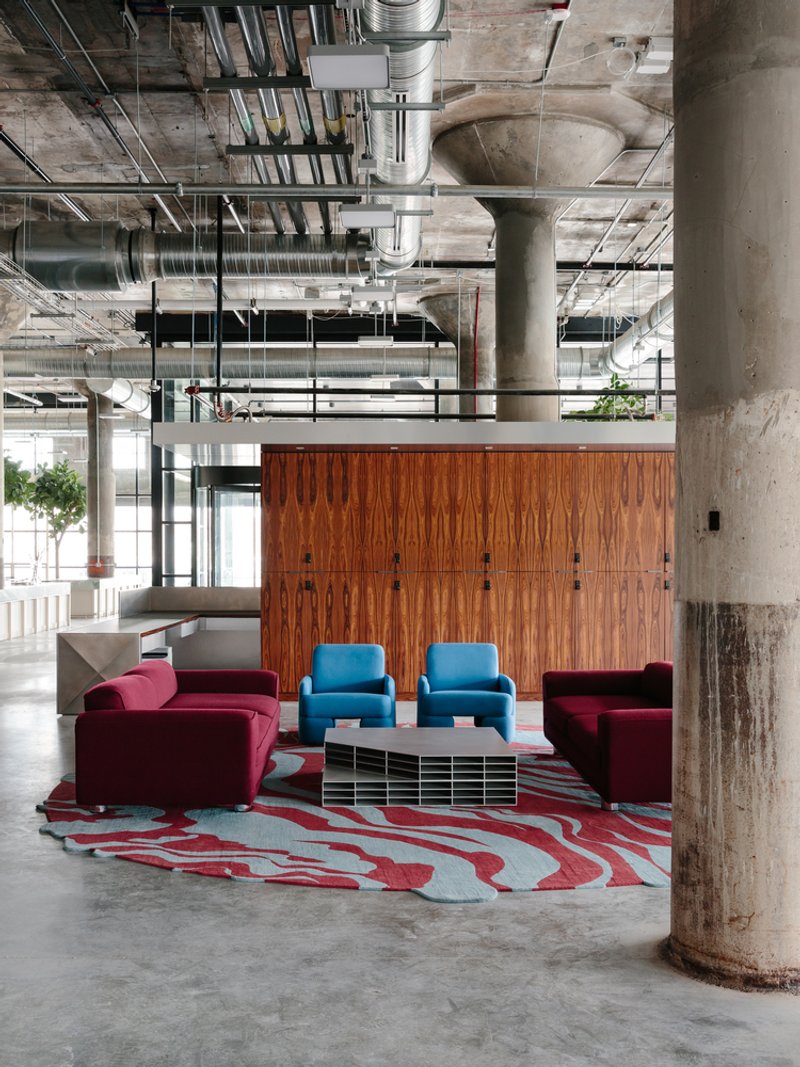
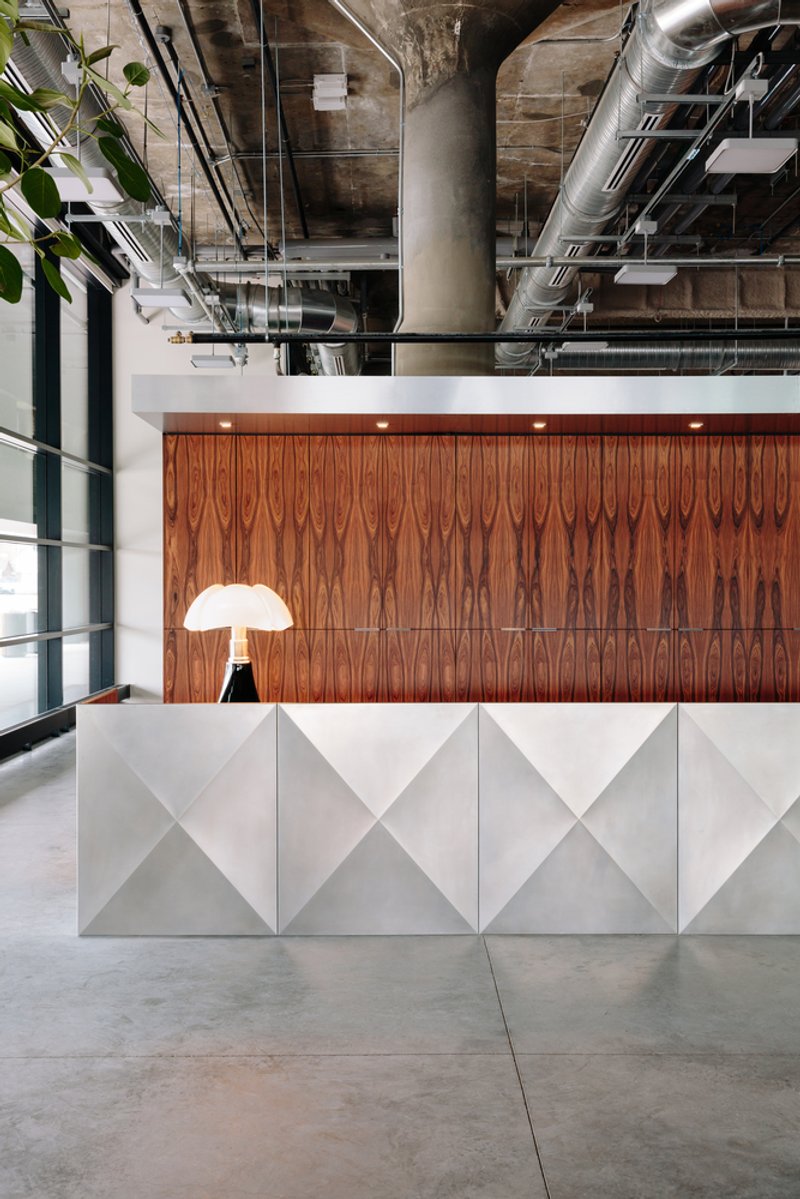
Upon entering the building, visitors are greeted by a prefabricated rosewood and stainless steel reception desk encircling a martini-glass column. Adjacent to this is a 2,000-square-foot exhibition area, accessible through three 12-foot stainless steel and ribbed glass doors. This space showcases groundbreaking advancements in mobility and technology.
Event and Prototyping Facility
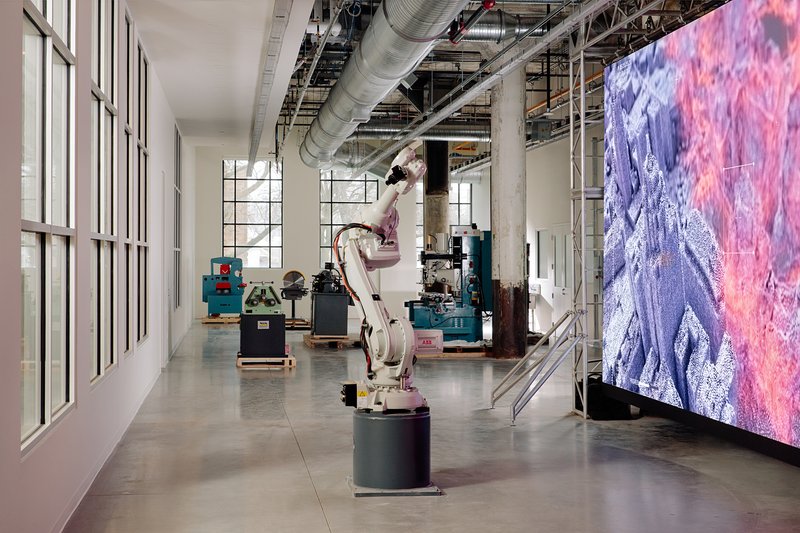
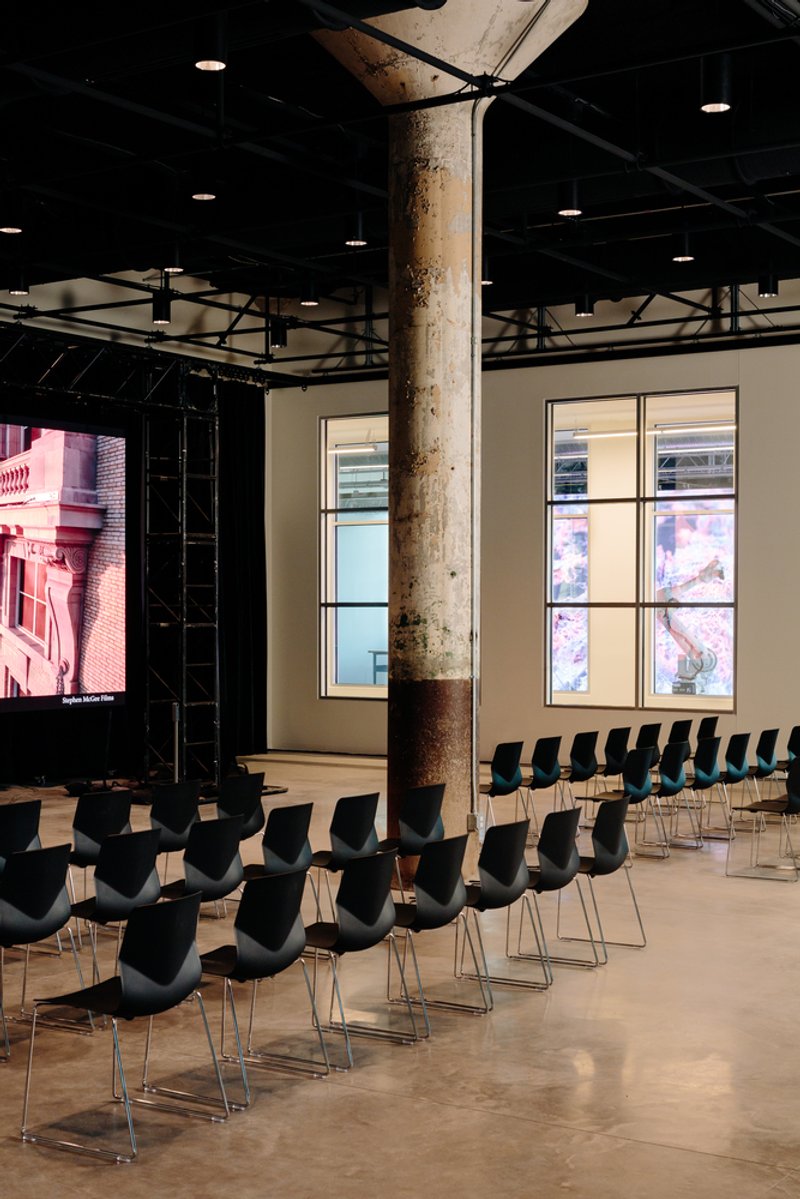
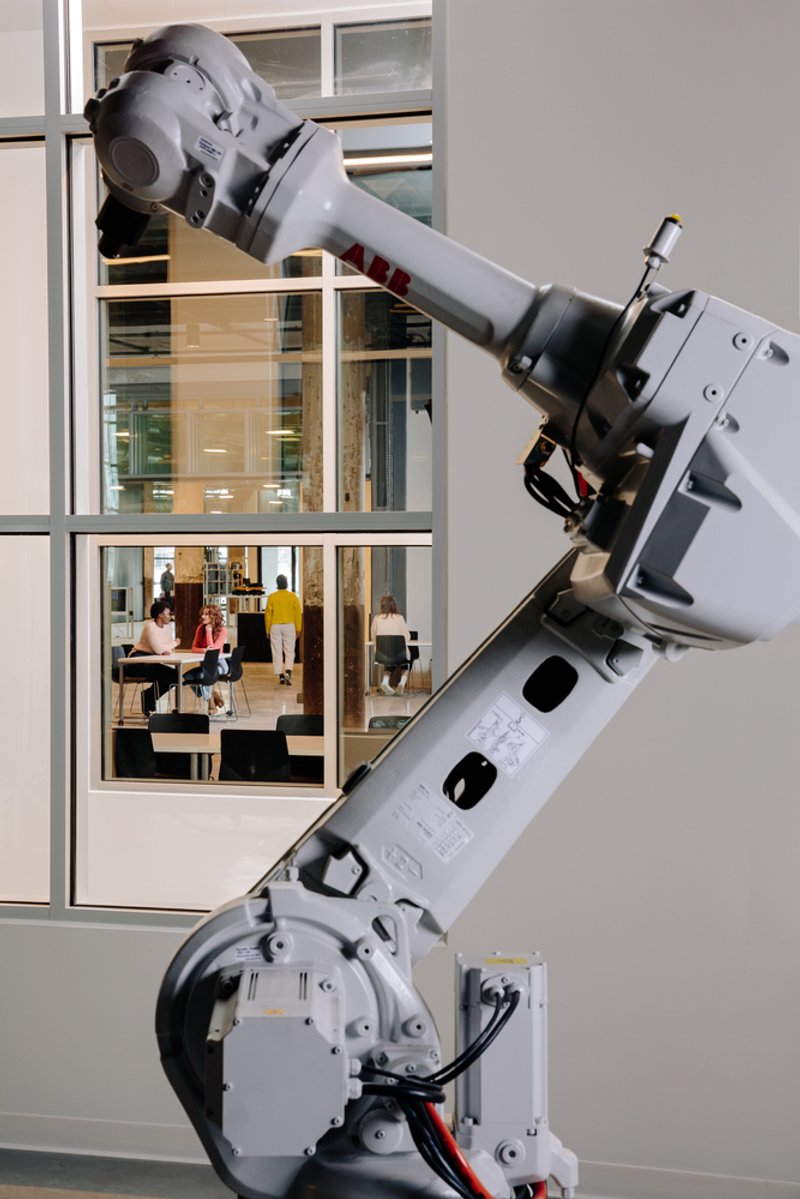
At the heart of the project lies a 200-seat event space overlooking an 11,000-square-foot robotics and prototyping facility. Four massive lift doors measuring 20’ x 15’ connect these spaces, enabling seamless transitions for community-focused programming and storytelling events.
Open Studio and Collaboration Areas
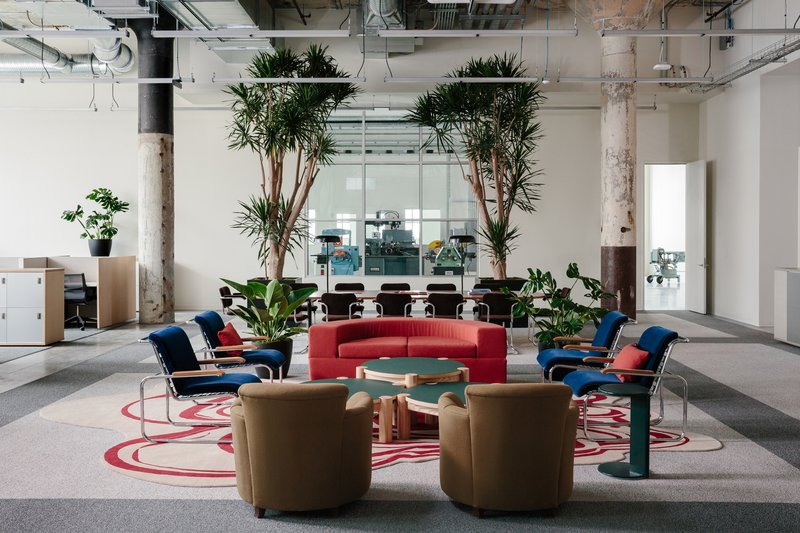
The first and second floors house open studio spaces designed to foster collaboration. These include:
- Desking and lounge areas
- Meeting and conference rooms
- Classrooms for education and training
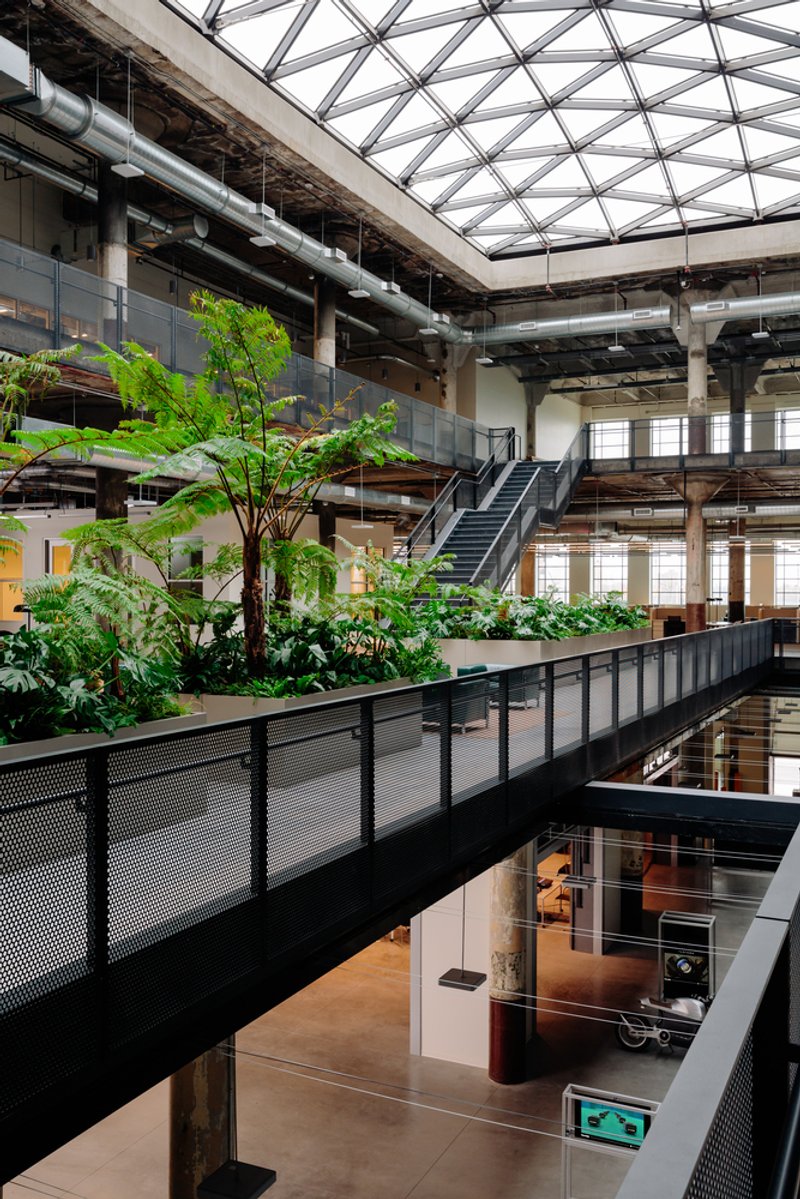
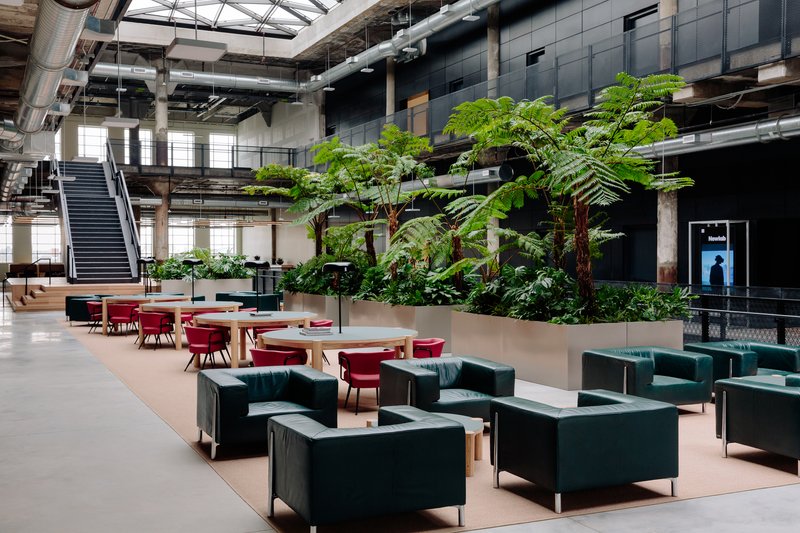
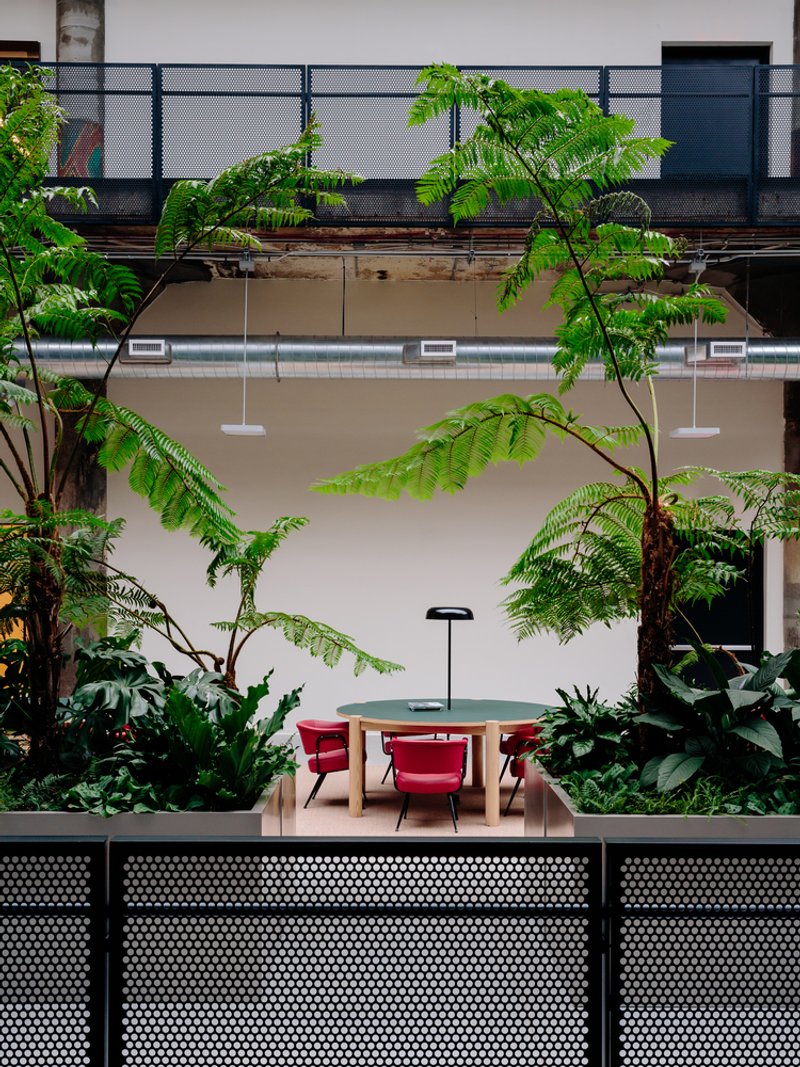
On the second floor, a double-height atrium features a year-round tree-fern park with lounge seating and worktables. The third floor offers a mix of private studios, open spaces, and a private lounge for focused work.
Basement and Connectivity
The basement level connects to the Michigan Central campus through an underground tunnel. This space includes garage studios, open studios, and additional lounges, providing flexibility and functionality for its users.
Furniture and Custom Designs
Civilian Projects curated a thoughtful selection of furniture to complement the architectural design. Key highlights include:
- American Design Classics: Pieces from Michigan-based brand MillerKnoll.
- Refinished Vintage Furniture: Carefully restored to enhance the building’s aesthetic.
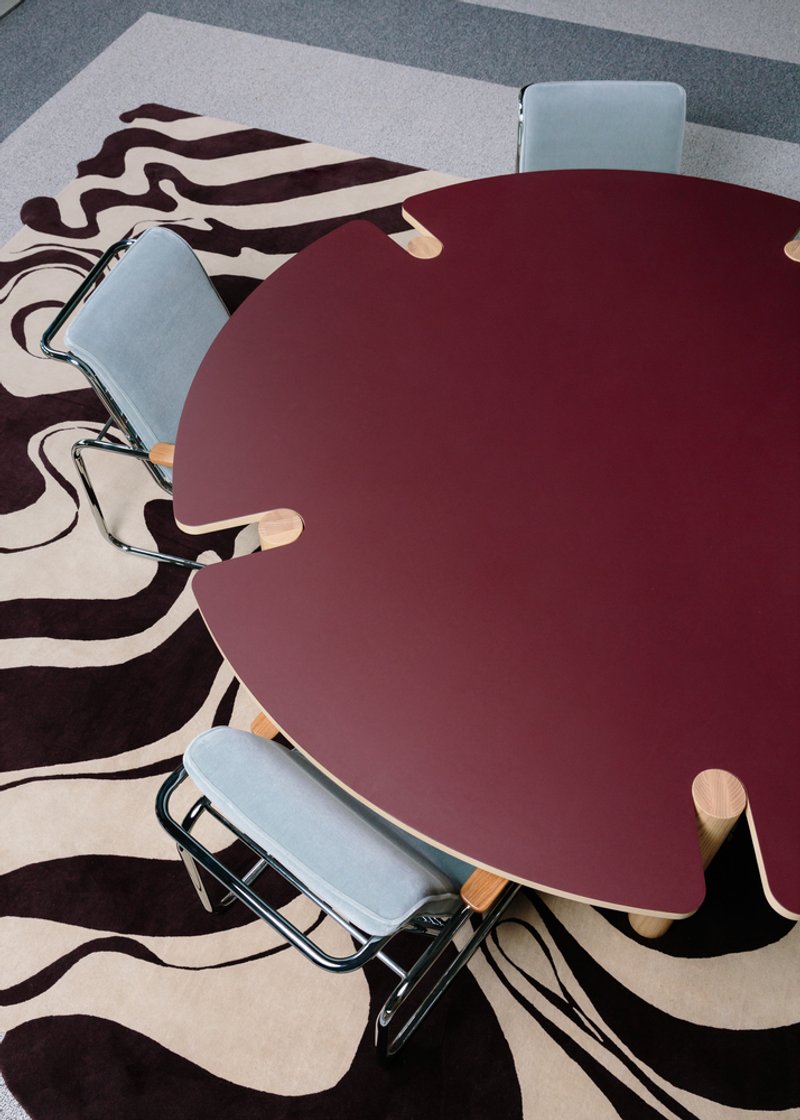
- Bespoke Pieces: Custom-designed solid ash and laminate tables and storage cabinets inspired by 1930s modernist design principles.
Sustainability and Innovation
Newlab at Michigan Central is more than just a physical space; it is a hub for pioneering solutions in mobility and sustainability. Operated by Michigan Central and Newlab, this facility aims to attract entrepreneurs and inventors focused on addressing some of society’s most pressing challenges.
Newlab at Michigan Central is a transformative project that bridges Detroit’s industrial past with its innovative future. By honoring Albert Kahn’s architectural legacy while embracing cutting-edge design and technology, this landmark serves as a vital component in revitalizing the Michigan Central district. It stands as a model for adaptive reuse, sustainability, and collaboration, offering a space where history and innovation coexist seamlessly.
All Photographs are work of Brian W. Ferry



Popular Articles
Popular articles from the community


Solar Steam: A Climate-Responsive Architecture That Redefines the Monument
A climate-responsive memorial architecture that transforms heat, decay, and time into a living system reflecting humanity’s ecological impact.
Gads Hill Early Learning Center by JGMA: Adaptive Reuse Shaping Community-Focused Educational Architecture
Adaptive reuse transforms fragmented structure into vibrant early learning center with playful façade, natural light, and community-focused sustainable design.
Atelier Macri Concept Store Interior Design by CASE-REAL
Atelier Macri store features a "ko" counter, walnut wood details, cork displays, blending retail, gallery, and seamless customer experiences.



Similar Reads
You might also enjoy these articles


The Ken Roberts Memorial Delineation Competition (Krob)
As the most senior architectural drawing competition currently in operation anywhere in the world, it draws hundreds of entries each year, awarding the very best submissions in a series of medium-based categories.

Waterfront Redevelopment and Urban Revitalization in Mumbai: Forging a New Dawn for Darukhana
A transformative waterfront redevelopment project reimagining Darukhana’s shipbreaking heritage into an inclusive urban future.

OUT-OF-MAP: A Call for Postcards on Feminist Narratives of Public Space
Rhizoma Design and Research Lab invites artists, designers, architects, researchers, and students to reflect on how feminist perspectives can reshape public space. Selected works will be exhibited in Barcelona, October 2026. Submissions open until 15 April 2026.


Documentation Work on Buddhist Wooden Temple
Architectural syncretism and cultural hybridity: A comparative study of the Buddhist temples in Chattogram Hill tracks


Explore Office Building Competitions
Discover active competitions in this discipline




The International Standard for Design Portfolios


The Global Benchmark for Architecture Dissertation Awards


The Global Benchmark for Graduation Excellence


Challenge to reimagine the Iron Throne
Comments (0)
Please login or sign up to add comments
No comments yet. Be the first to comment!