
Office in the Breeze: Sustainable Office Architecture in Japan
Office in the Breeze in Japan exemplifies sustainable office architecture, combining natural ventilation, community engagement, and ecologically sensitive design for workplace harmony.

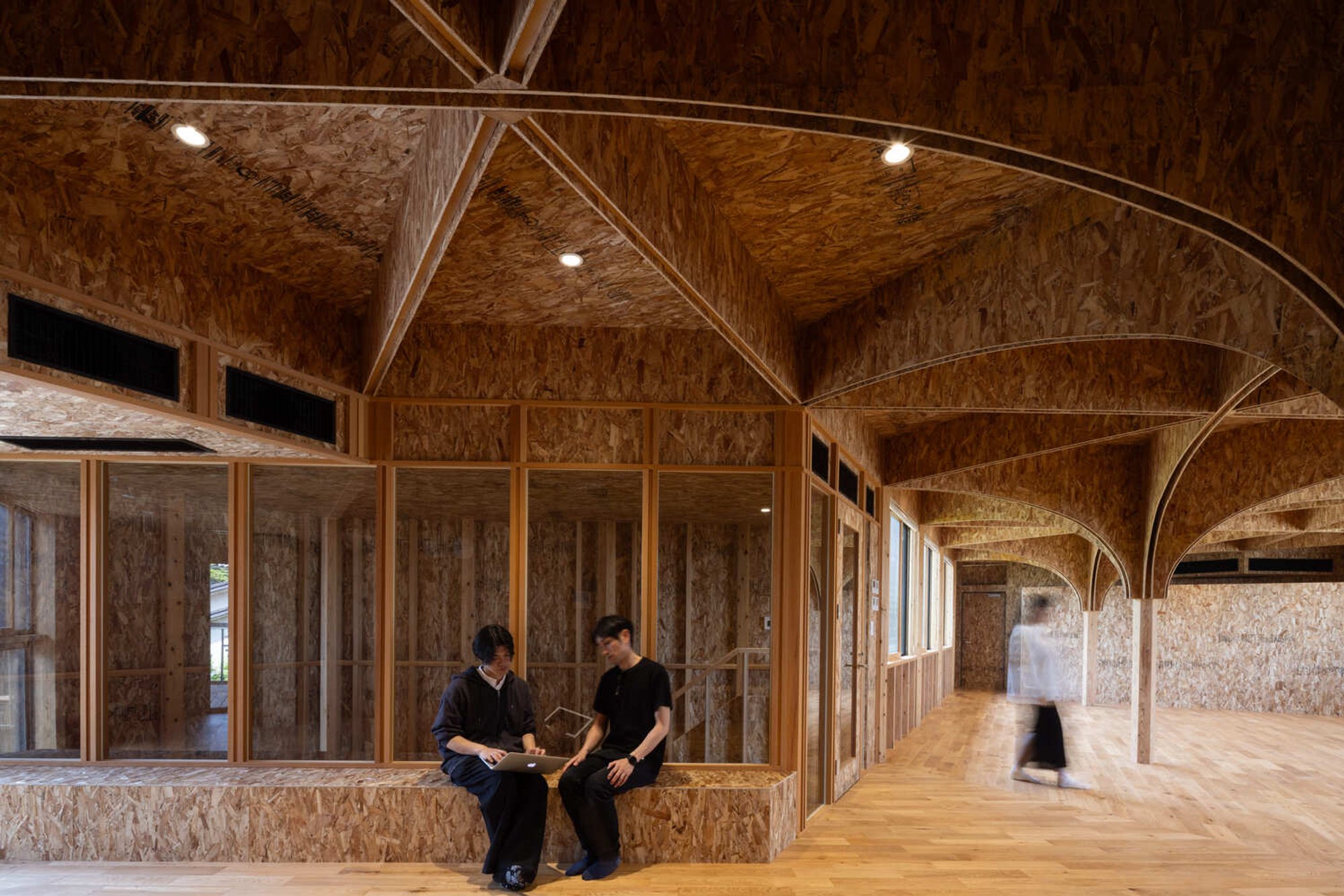
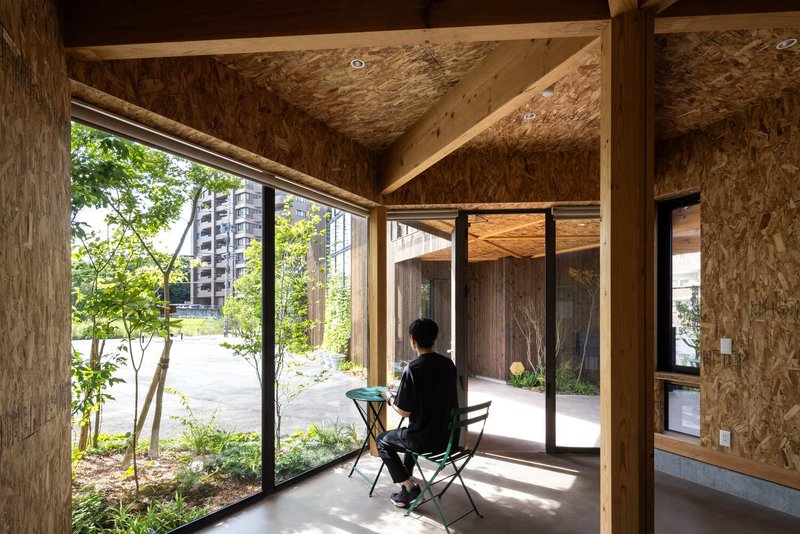
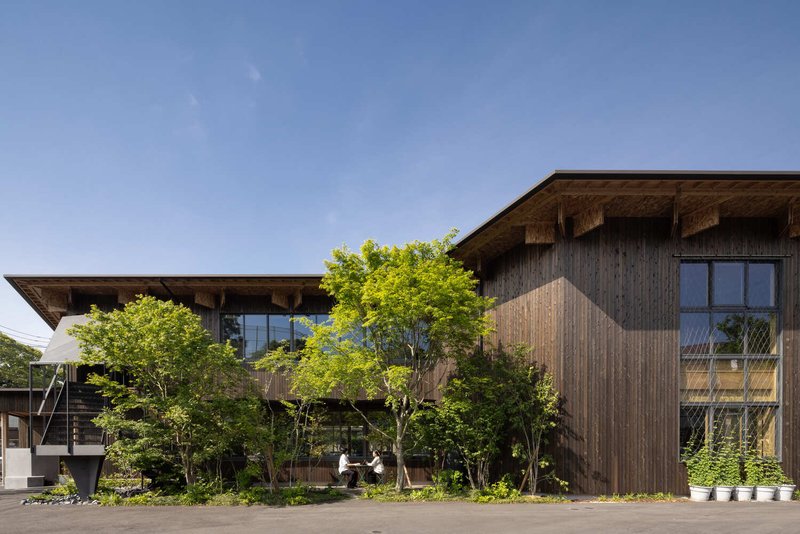
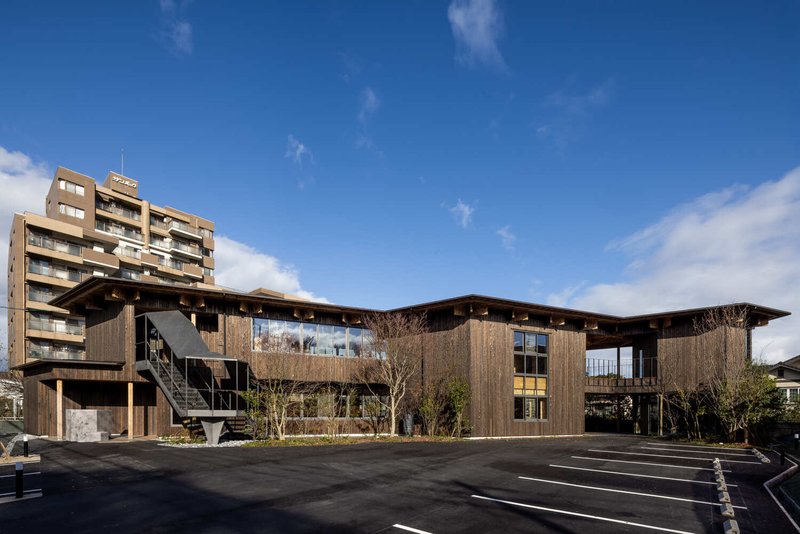
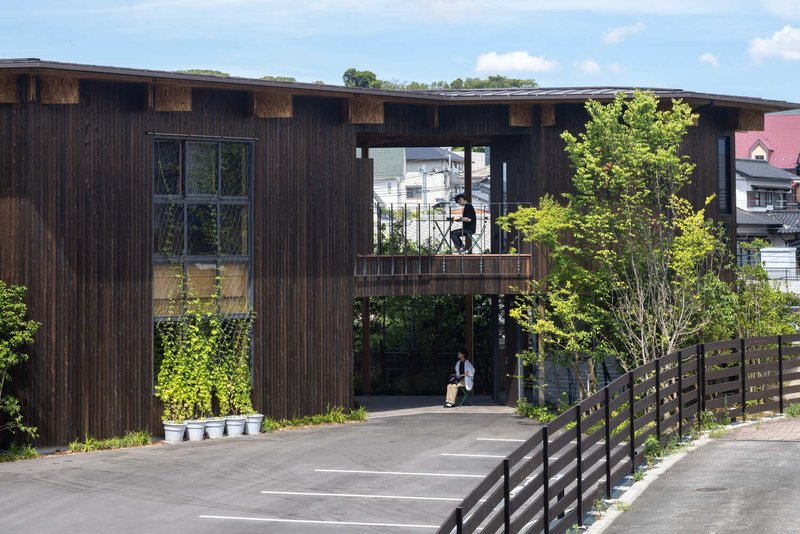
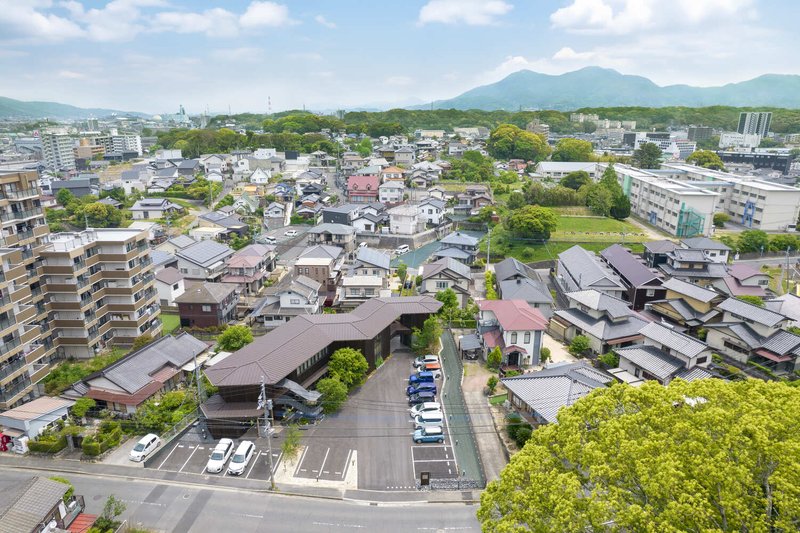
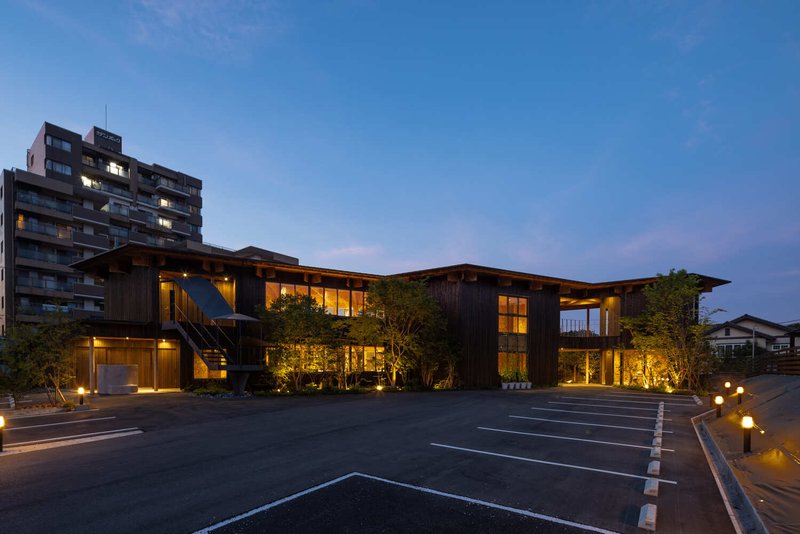
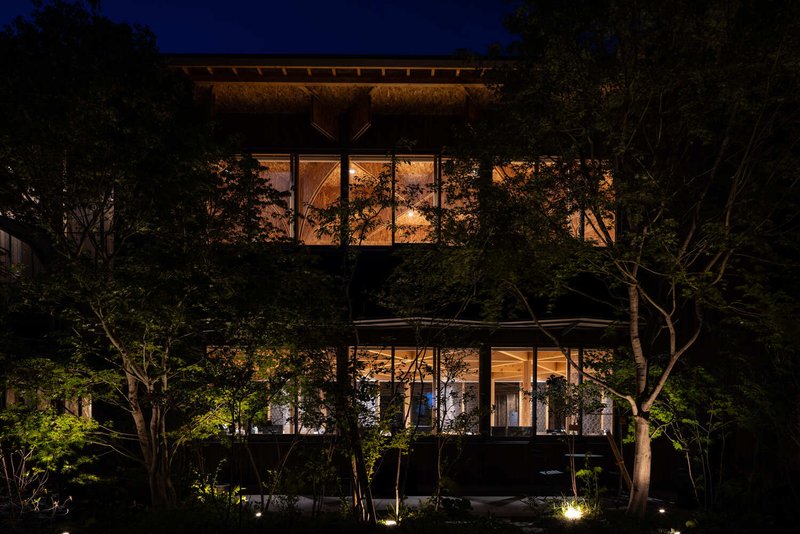
Office in the Breeze, designed by Furumori Koichi architectural design studio and Daiju Kuwahara, exemplifies sustainable office architecture in Japan. Situated in a residential neighborhood of Kitakyushu, this small office building is home to Ecoplan Corporation, a company devoted to wildlife research and environmental conservation. The architecture balances workplace functionality with ecological awareness, community engagement, and a harmonious connection with nature.
Site Context and Design Concept
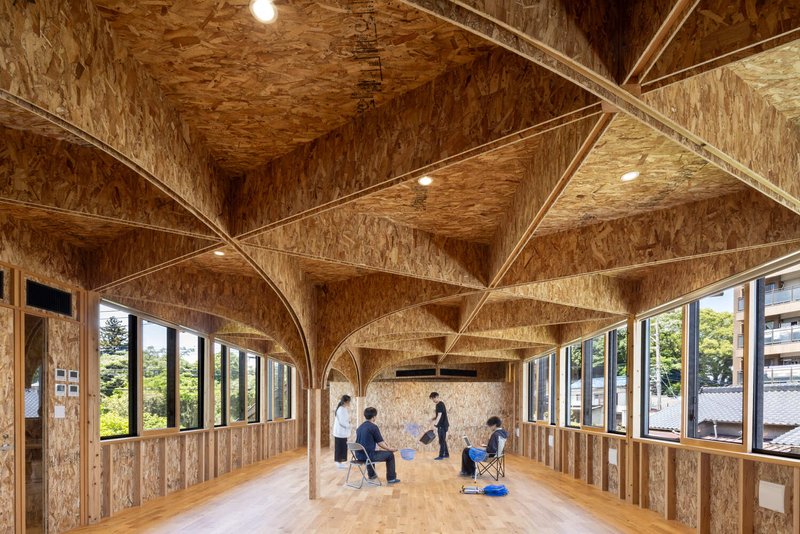
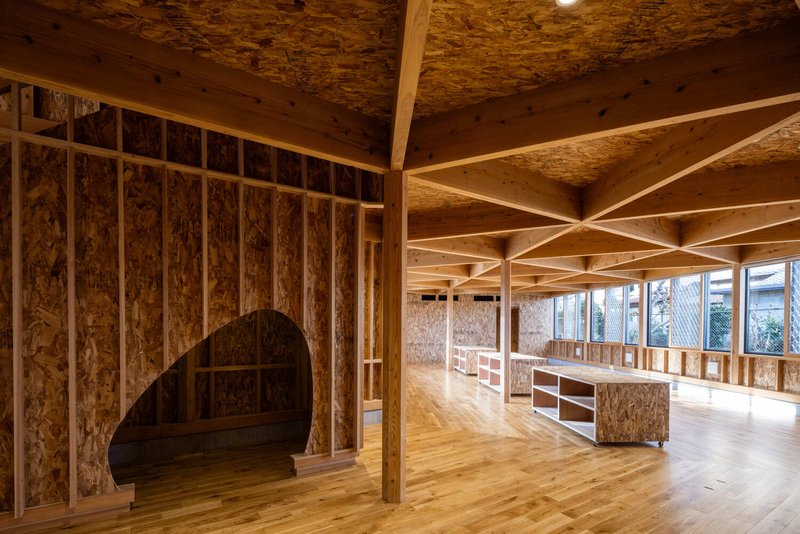
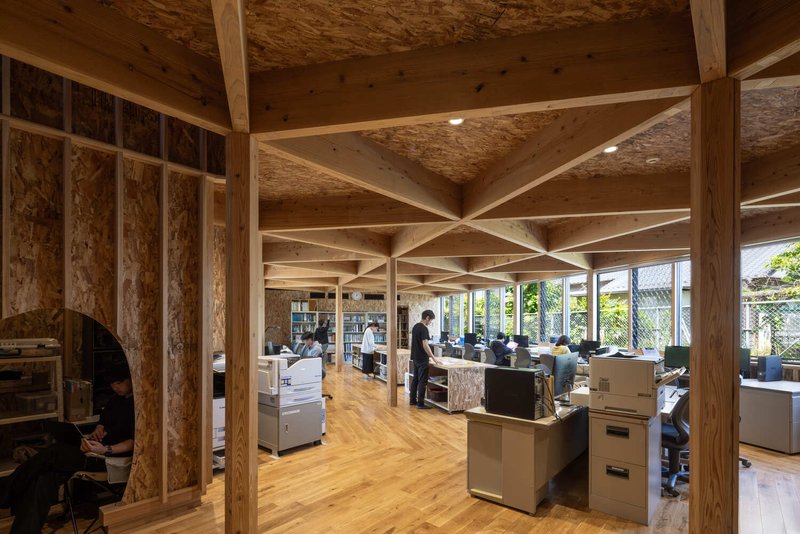
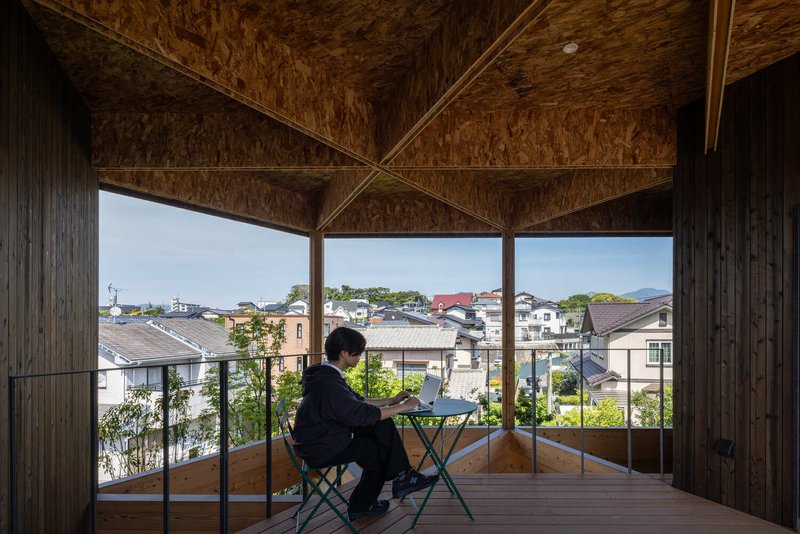
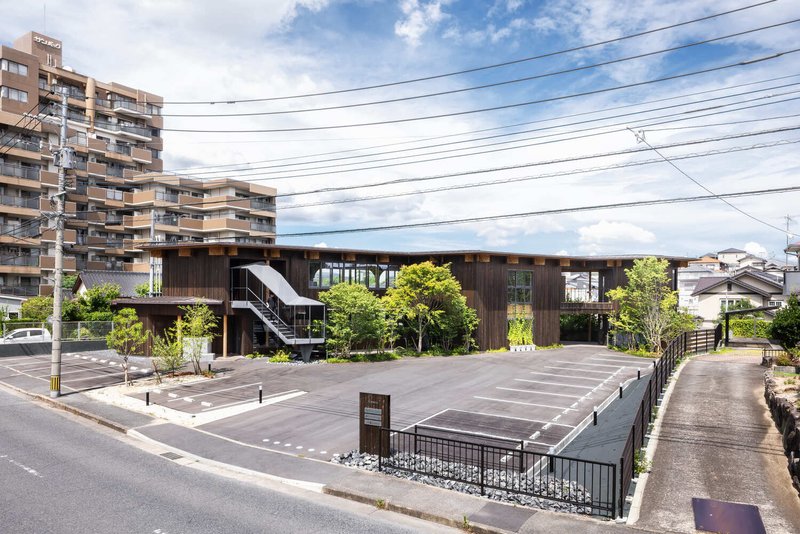
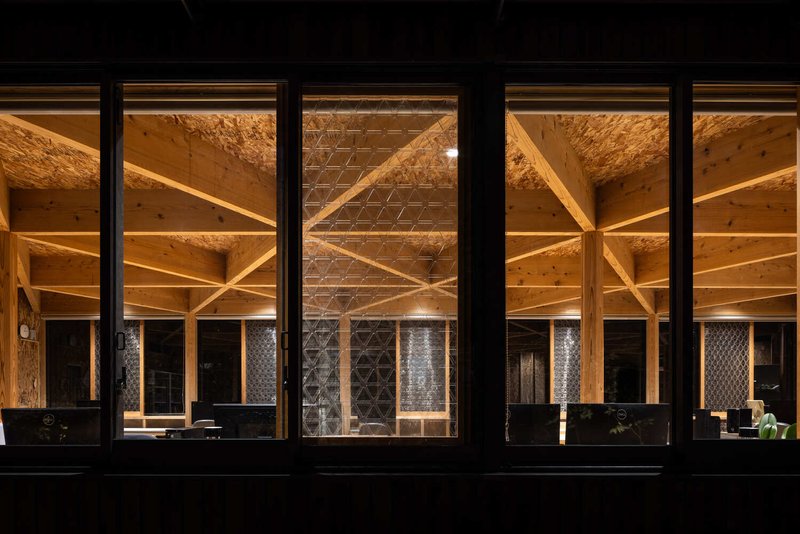
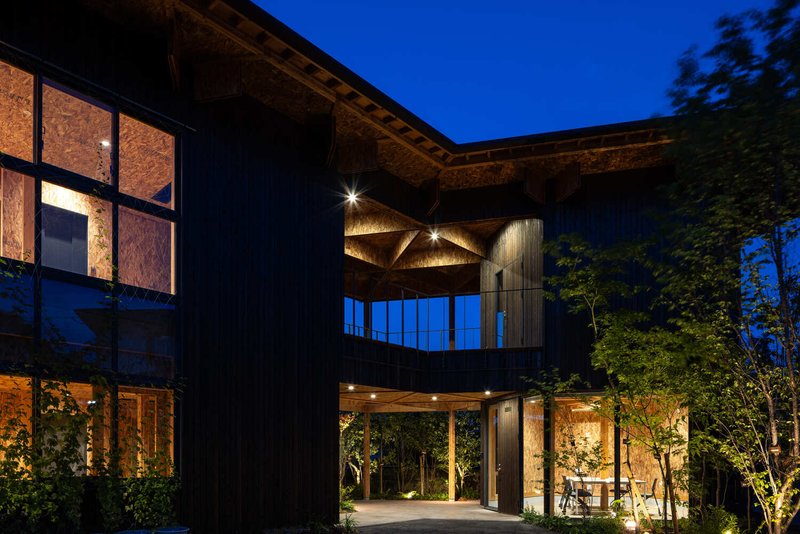
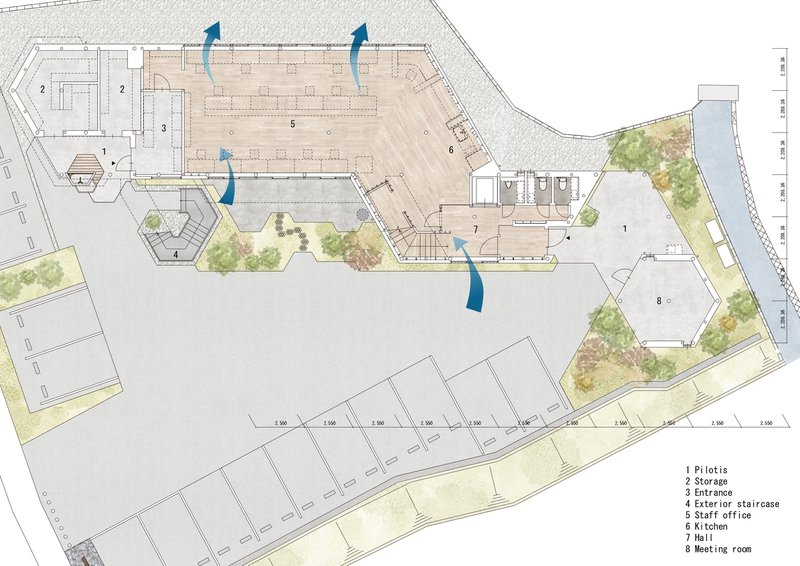
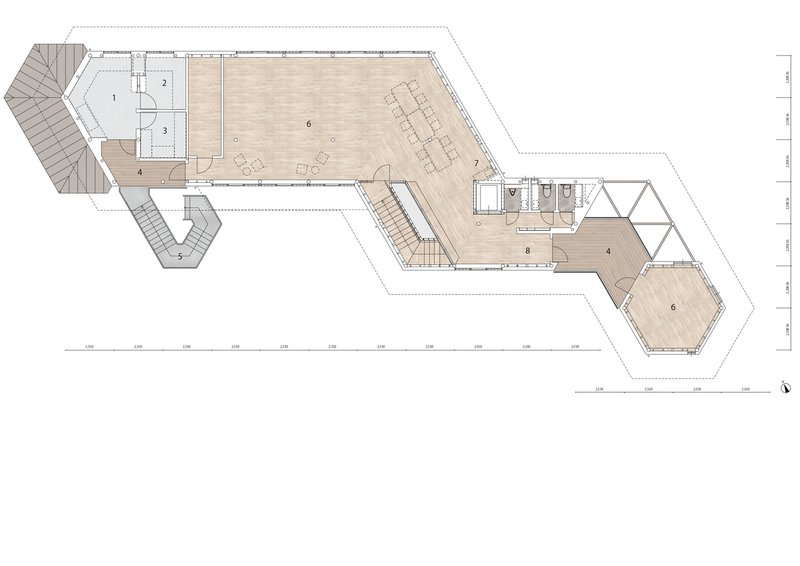
Located at the rear of a residential lot, the building avoids overwhelming the street-facing environment while responding to the unique geometry of the site. The 120-degree angled lot inspired a hexagonal structural system, reflecting naturally occurring patterns in honeycombs, snowflakes, and basalt columns. This framework optimizes spatial efficiency, structural integrity, and a subtle connection between the office and its surroundings.
Passive Ventilation and Environmental Responsiveness
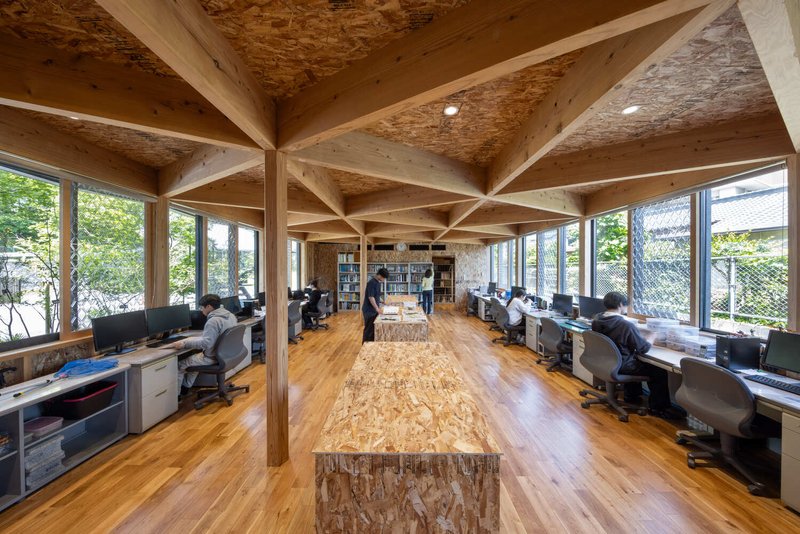
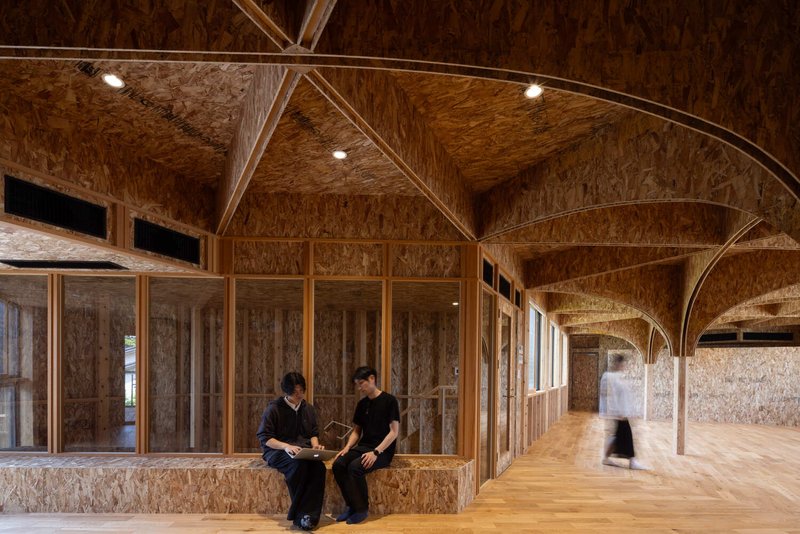
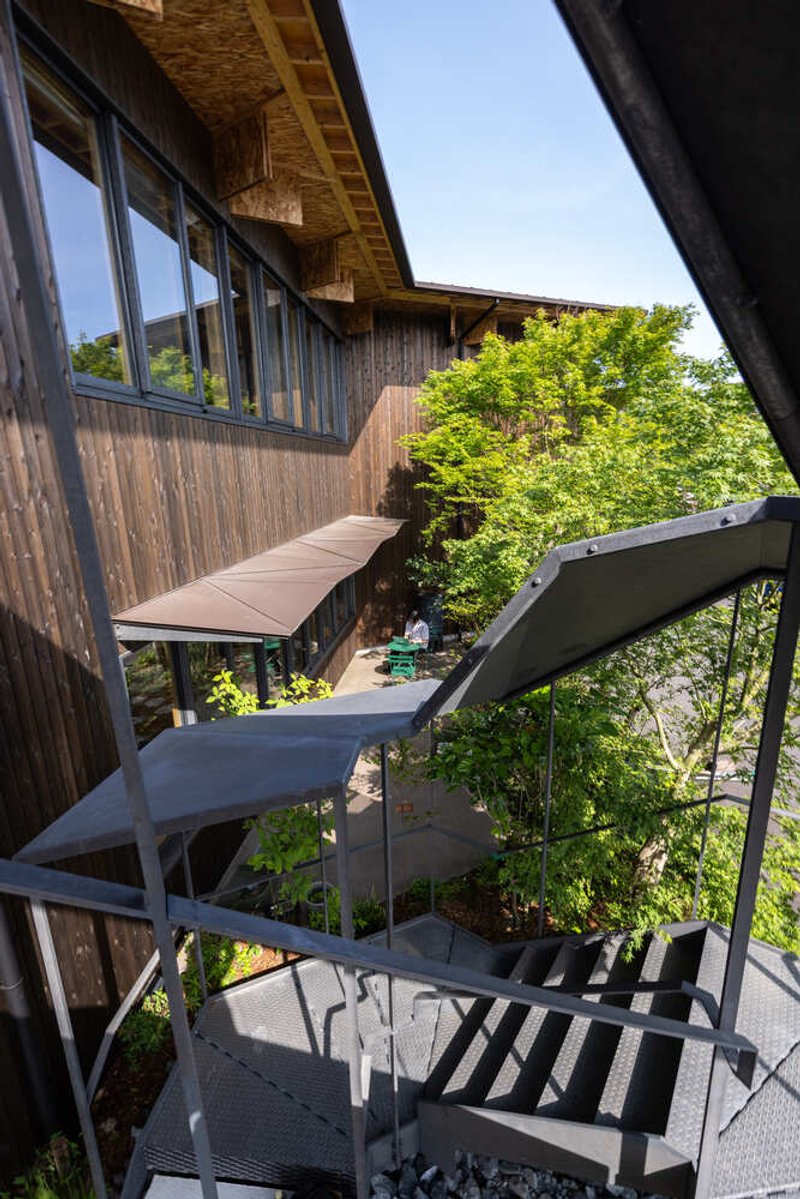
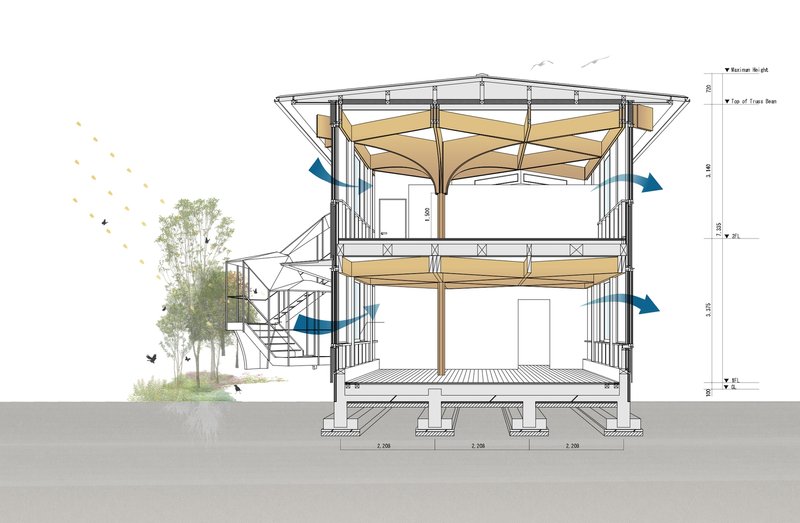
The elevated site benefits from consistent breezes, which the architects leveraged through a passive ventilation system. Collaborating with environmental engineers, custom ventilation control panels were developed, tested extensively in wind tunnels, and paired with operable glass windows. This design allows the office to enjoy natural airflow without disturbing workspace functionality, promoting sustainability and comfort.
Interior Design and Materiality
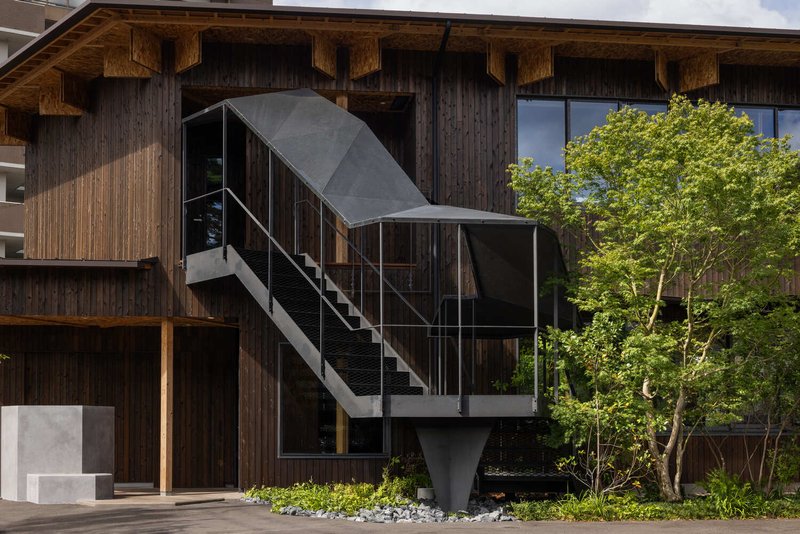
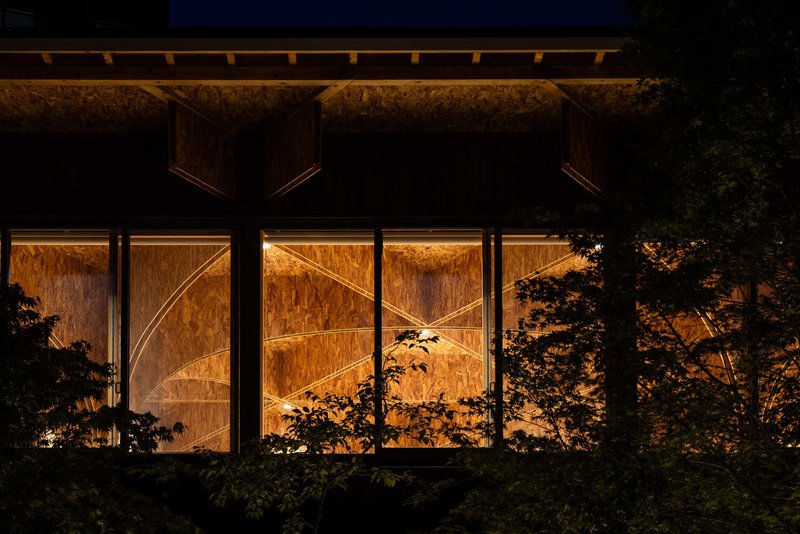
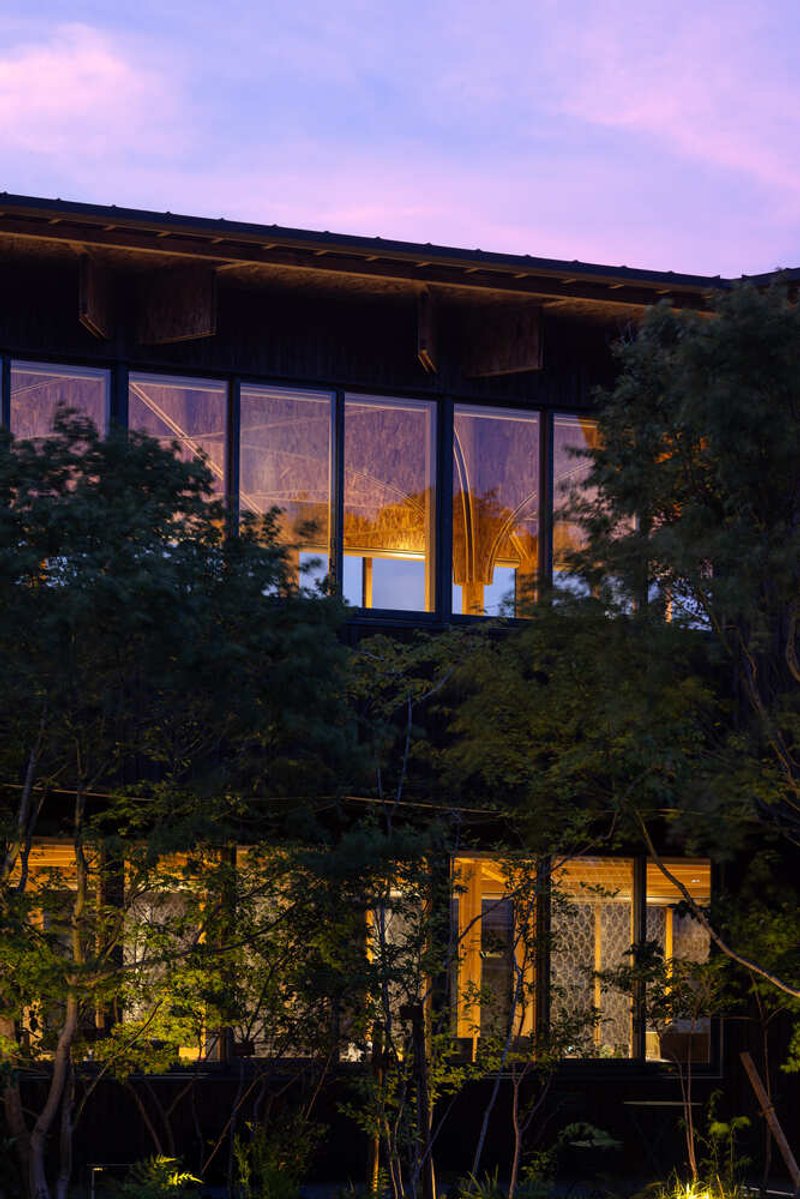
Inside, the office emphasizes natural materials, primarily wood, for warmth, texture, and connection to the environment. Exposed beams and glass partitions create transparency, while the hexagonal layout ensures efficient circulation. Tailored workspaces accommodate daily office tasks, while flexible open areas foster collaboration and community engagement.
Community Engagement Through Architecture
Beyond its workplace function, Office in the Breeze serves as a platform for environmental education. Local students and teachers regularly visit, connecting with the architects’ vision of a building that communicates ecological values. The design embodies care, curiosity, and respect for the natural world, demonstrating that office architecture can simultaneously support productivity and environmental consciousness.
Office in the Breeze is a model of sustainable office architecture in Japan, harmonizing site-sensitive design, natural ventilation, community engagement, and workplace functionality. This project illustrates how thoughtful architecture can serve both people and the planet, elevating small-scale office design into a meaningful civic and environmental statement.
All Photographs are works of Kyoko Omori




Popular Articles
Popular articles from the community

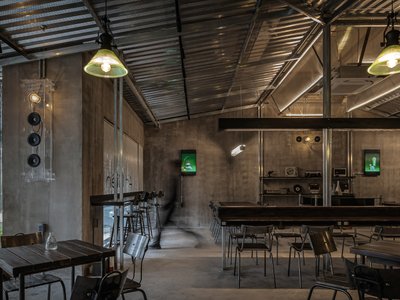
An Miên Lumière Cafe by xưởng xép, Ho Chi Minh City, Vietnam
An industrial-inspired café where layered steel and warm light create a dynamic, immersive environment shaped by reflection, depth, and perception.
On the Brooks House by Monsoon Collective – A Contemporary Kerala Home Rooted in Tradition
Kerala home blending tradition and modernity with water-inspired design, brick architecture, courtyard planning, and sustainable rainwater harvesting strategies.
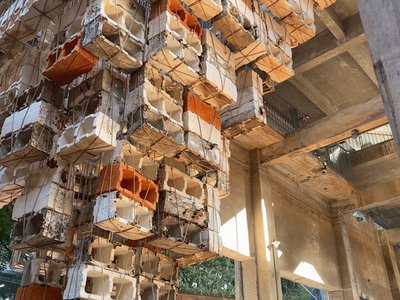
Inverted Architecture Installation by Studio Link-Arc: Exploring the Intersection of Architecture and Living Organisms
Inverted Architecture Installation by Studio Link-Arc blends mycelium, sustainability, inverted design, ecological cycles, and urban adaptive architecture in Shenzhen.

Solar Steam: A Climate-Responsive Architecture That Redefines the Monument
A climate-responsive memorial architecture that transforms heat, decay, and time into a living system reflecting humanity’s ecological impact.


Similar Reads
You might also enjoy these articles

Top 15 Architecture Competitions to Enter in 2026
From student-friendly idea competitions to prestigious international awards, here are the best architecture competitions open for entries in 2026. Updated regularly.

DIY & Engineering in Computational Design : Enter the BeeGraphy Design Awards
Showcase Your Creativity with Computational Design and Open Source Projects
Innovative Design Solutions: Award-Winning Projects from Recent Architecture Competitions
Exploring award-winning architectural projects shaping the future of design, sustainability, and community.



Explore Architecture Competitions
Discover active competitions in this discipline




The International Standard for Design Portfolios


The Global Benchmark for Architecture Dissertation Awards


The Global Benchmark for Graduation Excellence


Challenge to reimagine the Iron Throne
Comments (0)
Please login or sign up to add comments
No comments yet. Be the first to comment!