
Östermalm Hall Padel: A Sustainable Transformation by Tengbom
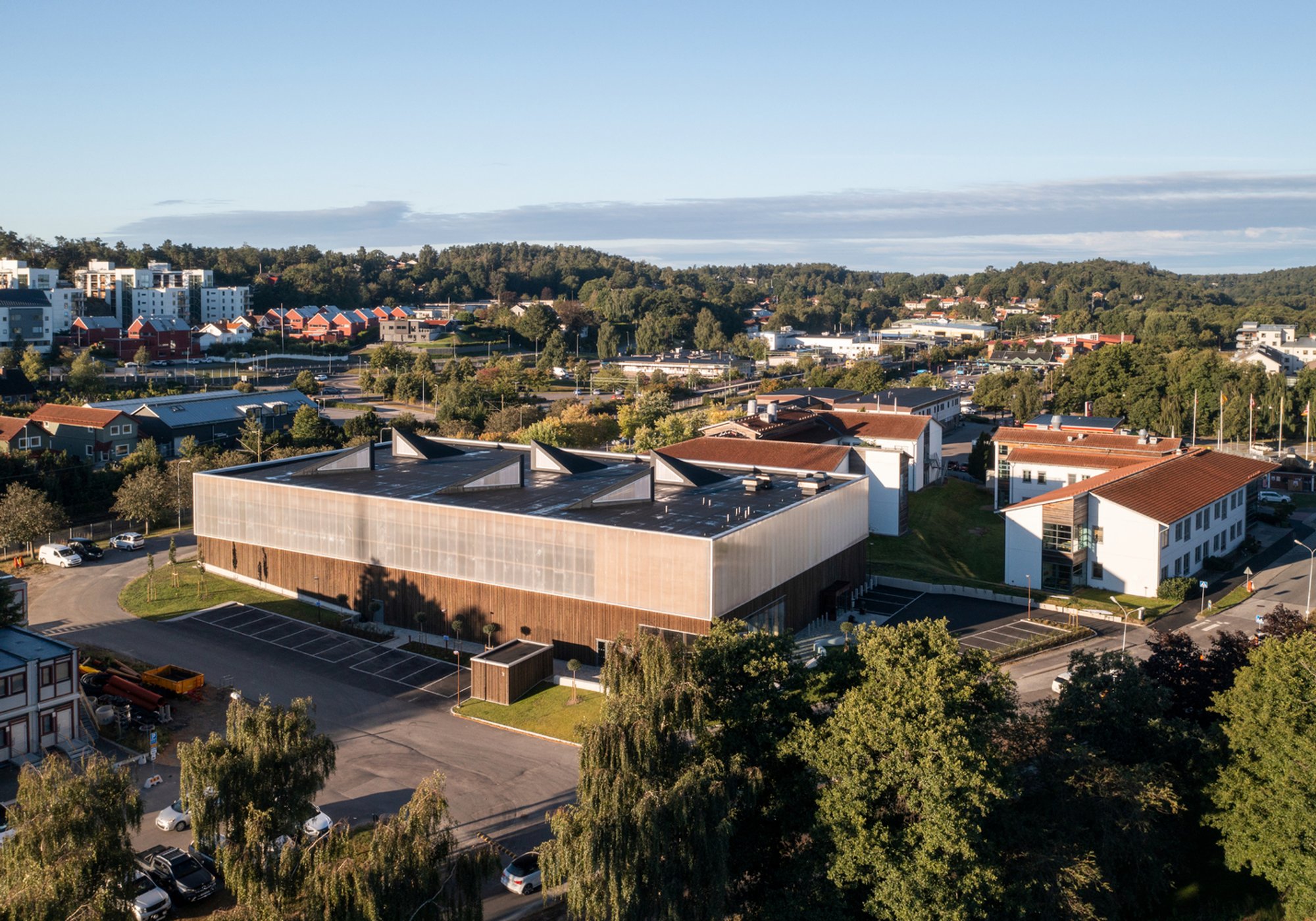
Östermalm Hall Padel is a sustainable renovation of a market hall, transforming it into a modern padel sports facility.

Östermalm Hall Padel, designed by the renowned architectural firm Tengbom, marks a unique transformation of a temporary market hall into a sustainable and functional sports facility in Mölnlycke, near Gothenburg. This innovative renovation honors the legacy of the historic Östermalm Market Hall in Stockholm, while adapting the structure for modern use. The project showcases the potential of reusing materials and preserving architectural qualities while meeting contemporary functional needs.
From Market Hall to Padel Facility:
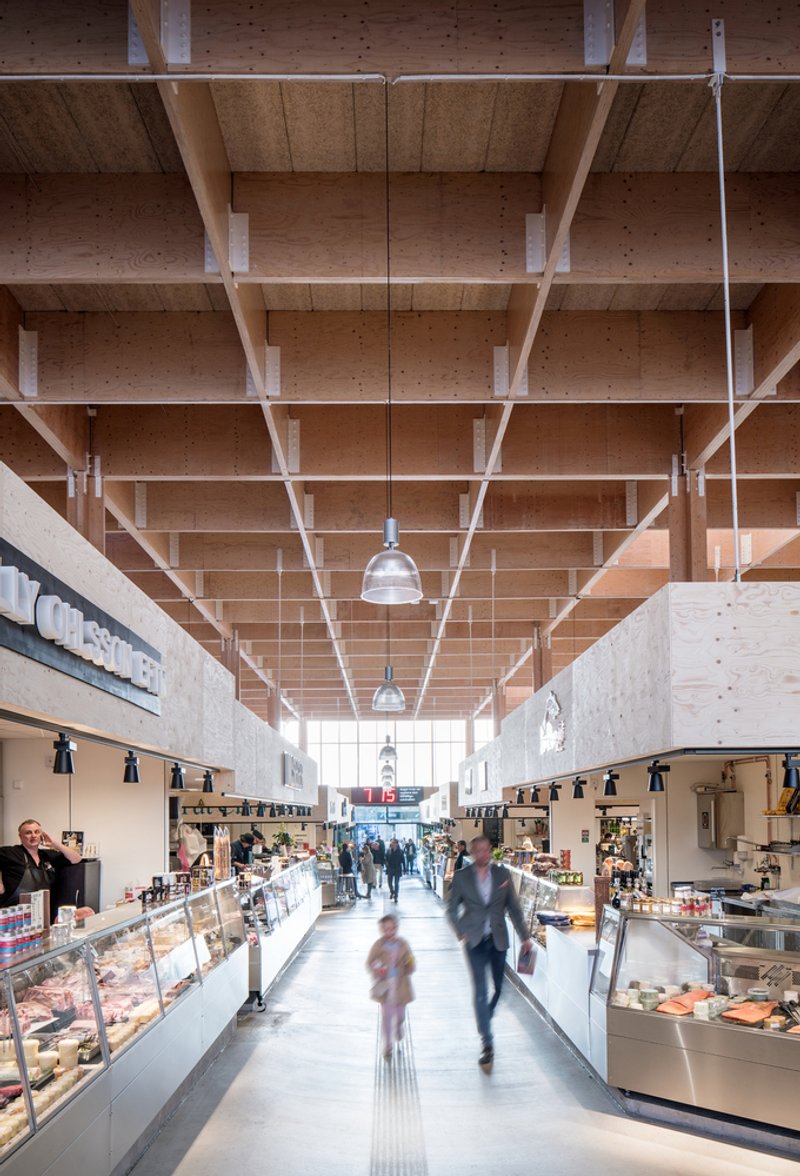
The original market hall, constructed in 1888, underwent a four-year renovation during which market traders were temporarily relocated to a prefabricated building designed by Tengbom. This temporary structure, known for its lightweight design, was constructed with glulam columns and laminated veneer lumber (LVL) beams, allowing it to be easily assembled and disassembled. The use of these materials was crucial due to the underground station beneath the square, ensuring that visitors could still navigate the space above without disruption.
Architectural Design and Materials:
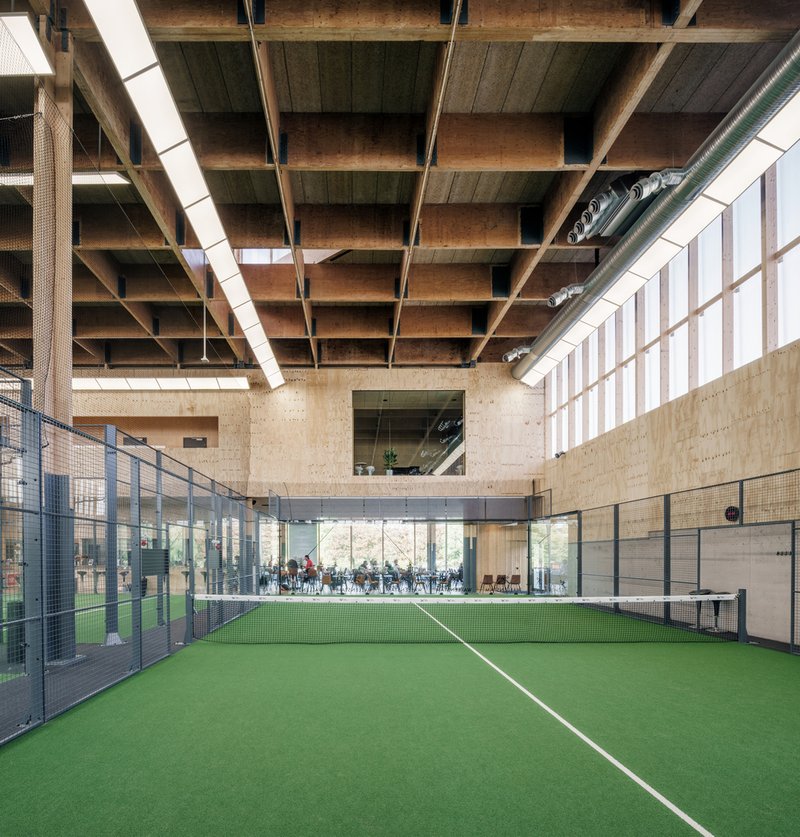
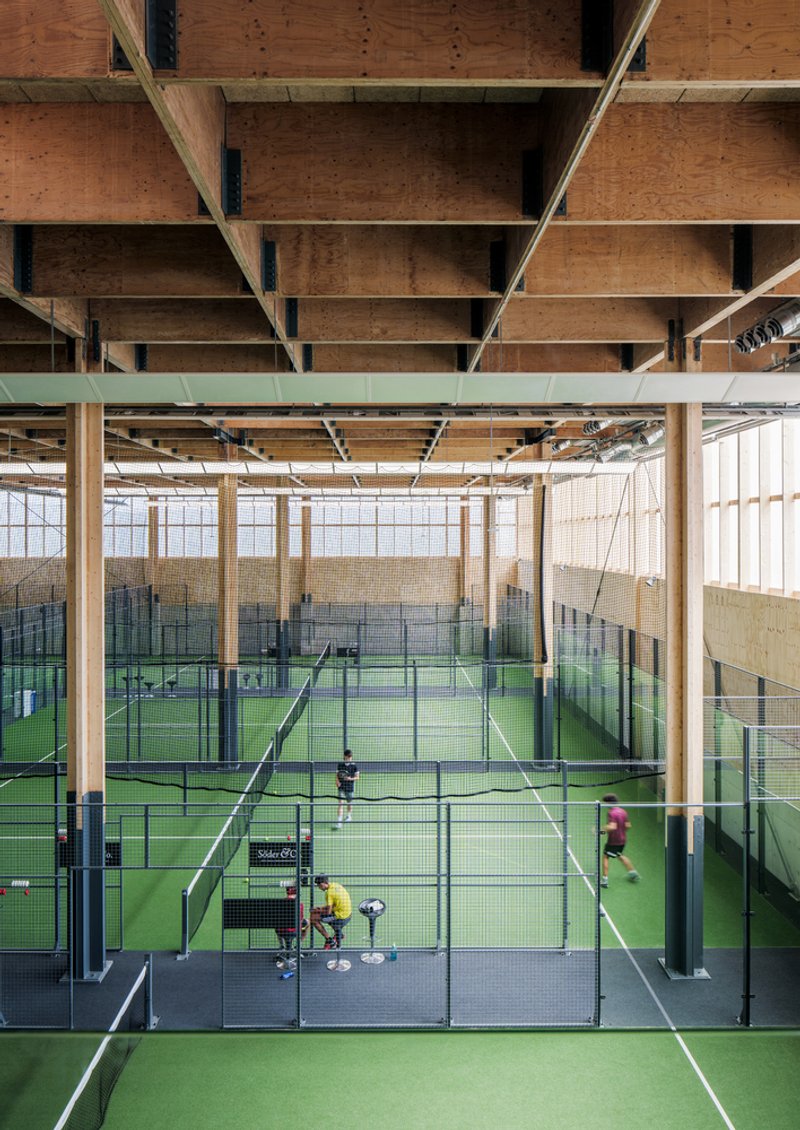
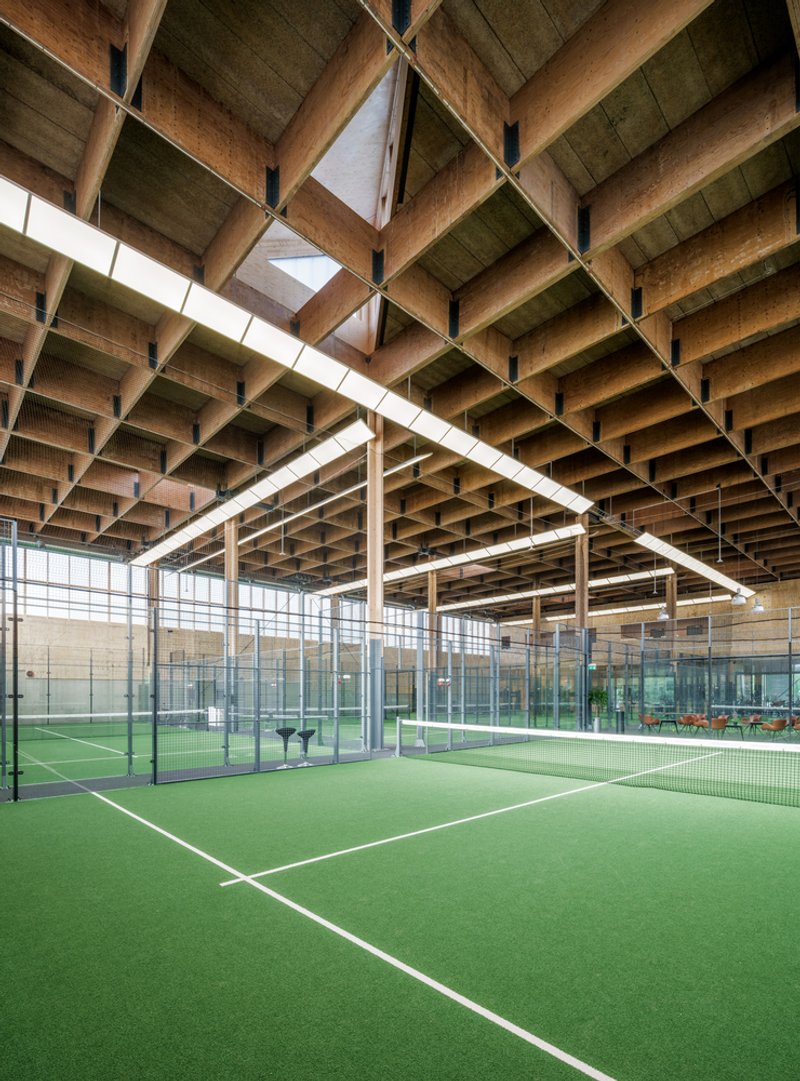
Echoing the design principles of the original market hall, the temporary building was characterized by its slim columns, spacious interiors, and abundant natural light. The building's columns were strategically designed with a cross-shaped section, meeting the intersection of LVL beams, while triangular skylights punctuated the ceiling, adding a dramatic effect to the interior. The façade was modular, with birch plywood cladding on both the interior and exterior, complemented by expansive glass windows offering stunning views of the surrounding area.
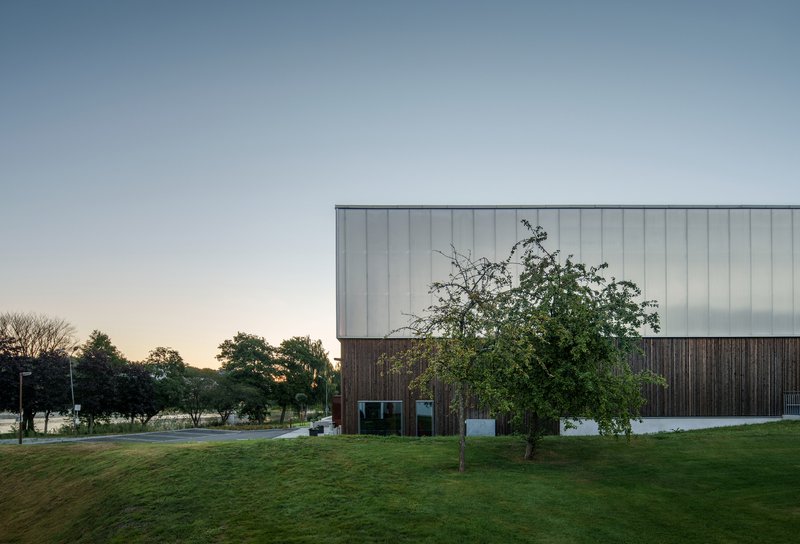
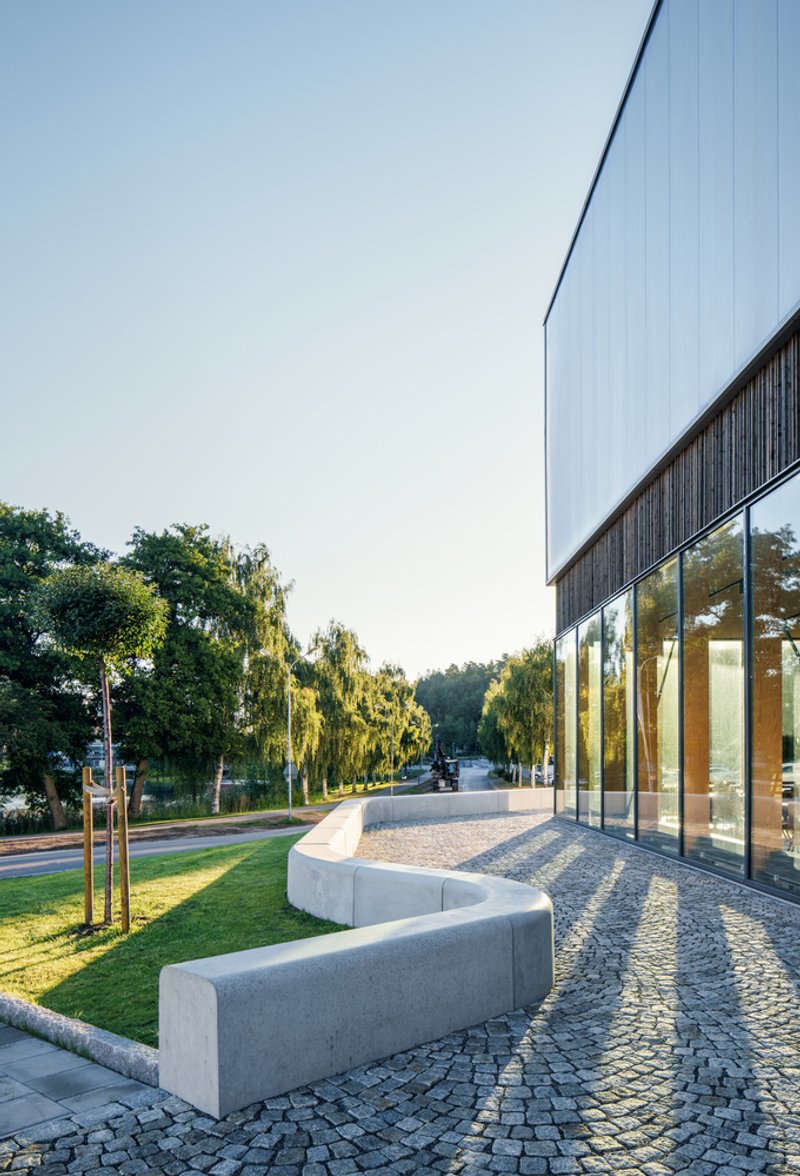
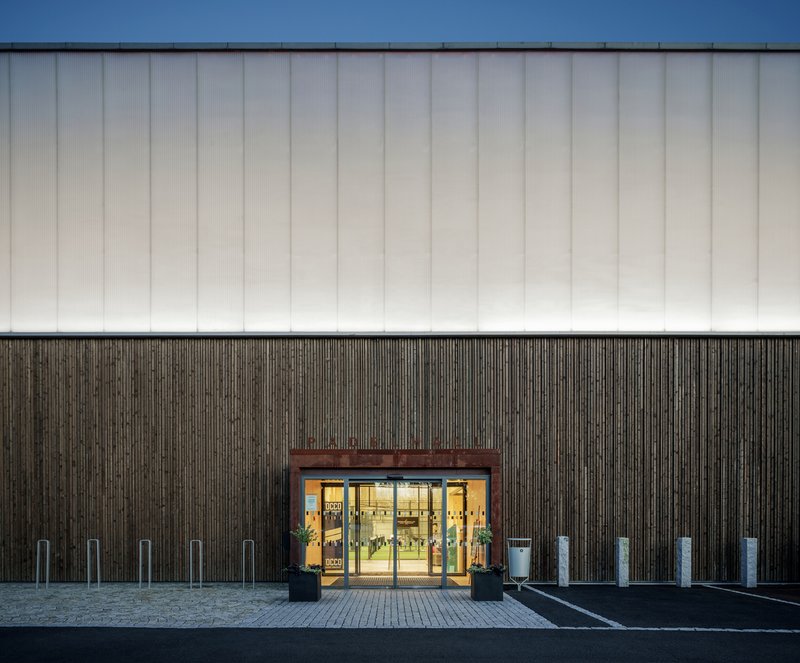
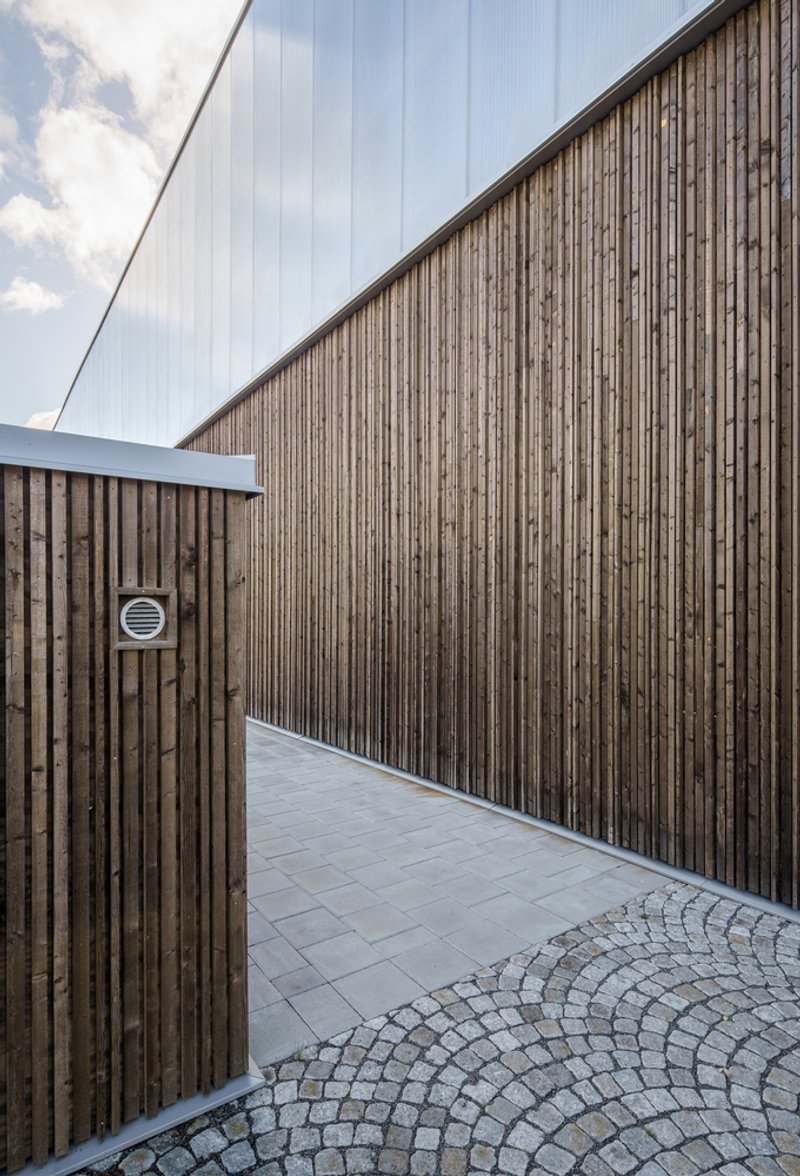
The lower façade was adorned with untreated pine battens, giving texture and depth to the surface, while the upper façade featured multiwall polycarbonate sheeting to allow diffuse daylight and create a lantern-like glow at night. This combination of materials highlights the building's unique aesthetic while ensuring energy efficiency.
Sustainability and Adaptive Reuse:
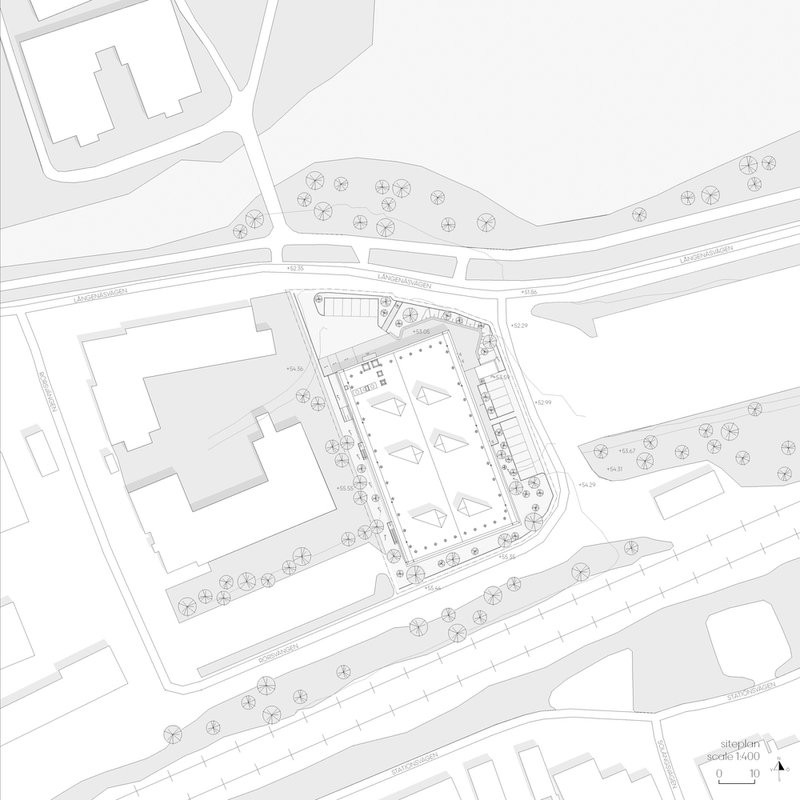
In 2020, following the reopening of the Östermalm Market Hall in Stockholm, the City of Stockholm decided to sell the temporary hall to the property company Wallenstam. Recognizing the potential for reuse, Wallenstam repurposed the structure, moving it to Mölnlycke in 2021. The hall was reconstructed on a monolithic floating slab foundation, utilizing much of the original structure, including the walls, ceiling frames, polycarbonate sheeting, and glass windows. The reuse of materials significantly reduced the environmental impact of the project, aligning with contemporary sustainability goals.
The façade was also adapted for permanent use with the addition of thermal insulation and an iron vitriol treatment to enhance durability. Inside, the wood was treated with a clear, fire-retardant coating to ensure safety and longevity.
Interior Design and Functionality:
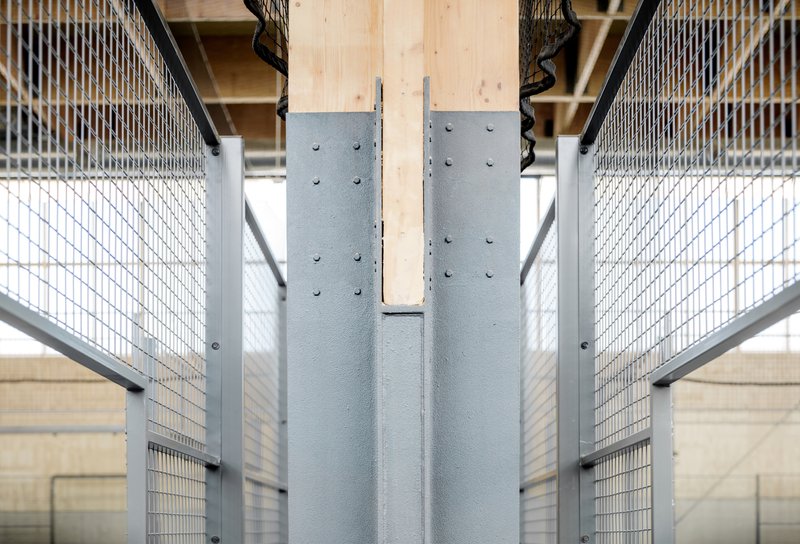
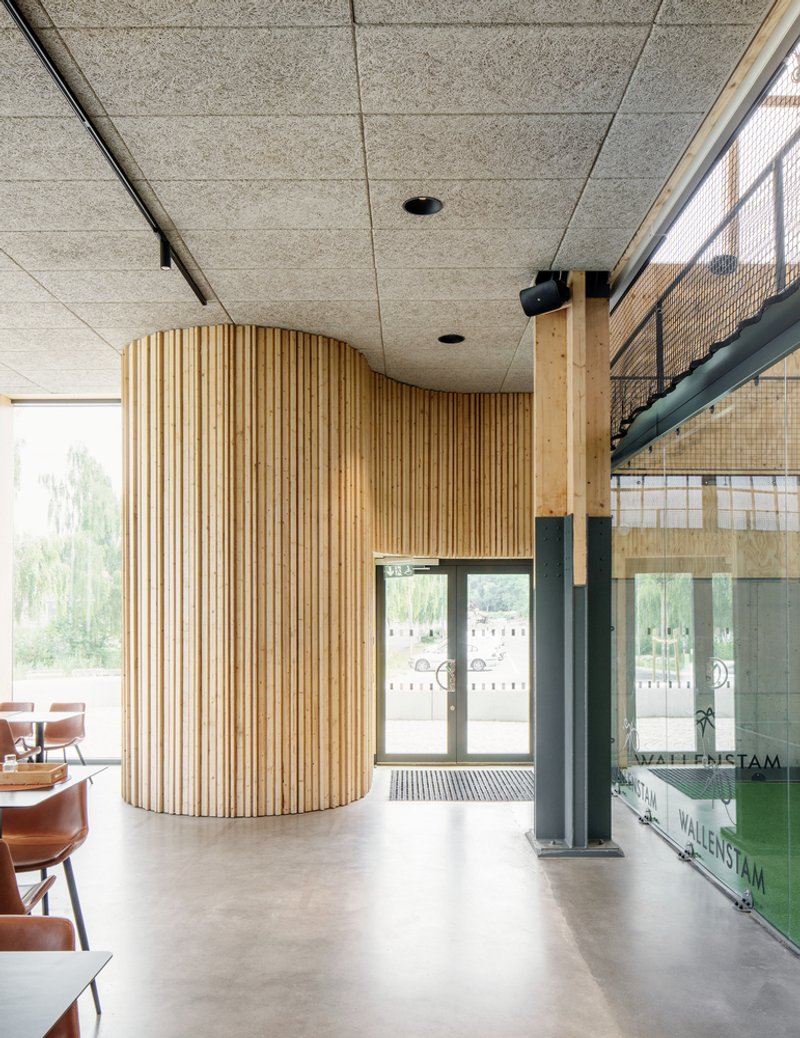
The interior of Östermalm Hall Padel was redesigned to accommodate six padel courts, a sport that requires specific spatial considerations. The building’s original columns were extended with specially crafted “steel socks,” maintaining the cross-shape and allowing for the necessary structural adjustments. Steel transfer beams now span between the columns, supporting the new layout while preserving the architectural integrity of the original design.
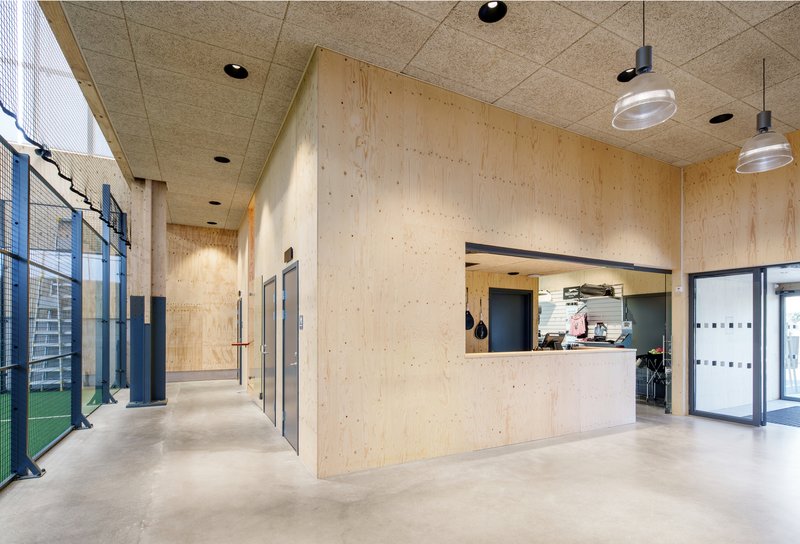
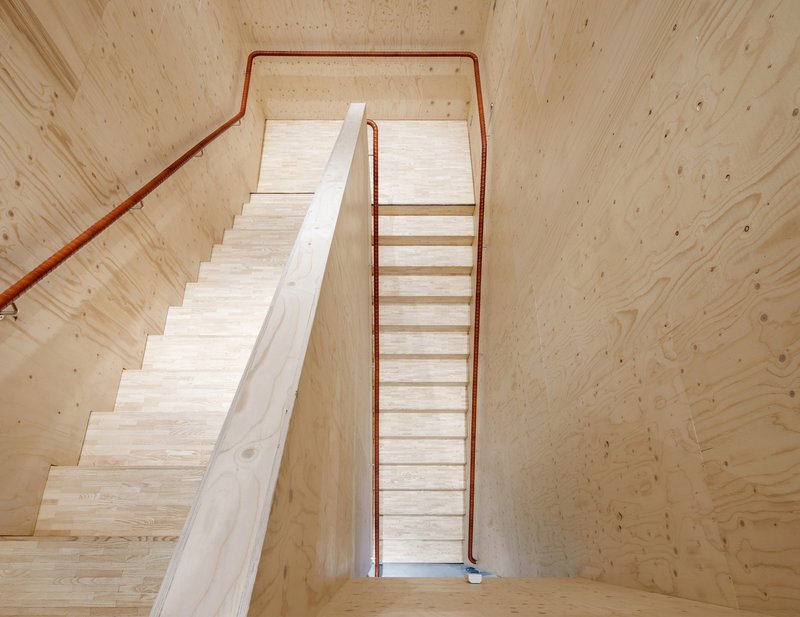
The ceiling was raised to create an open, airy environment, and the walls were covered with plywood, adding warmth and texture. The sub-ceiling features wood wool tiles, contributing to the acoustics of the space. The hall's design integrates diffuse light through the polycarbonate roof, creating a bright and welcoming atmosphere.
Functional Adaptations:
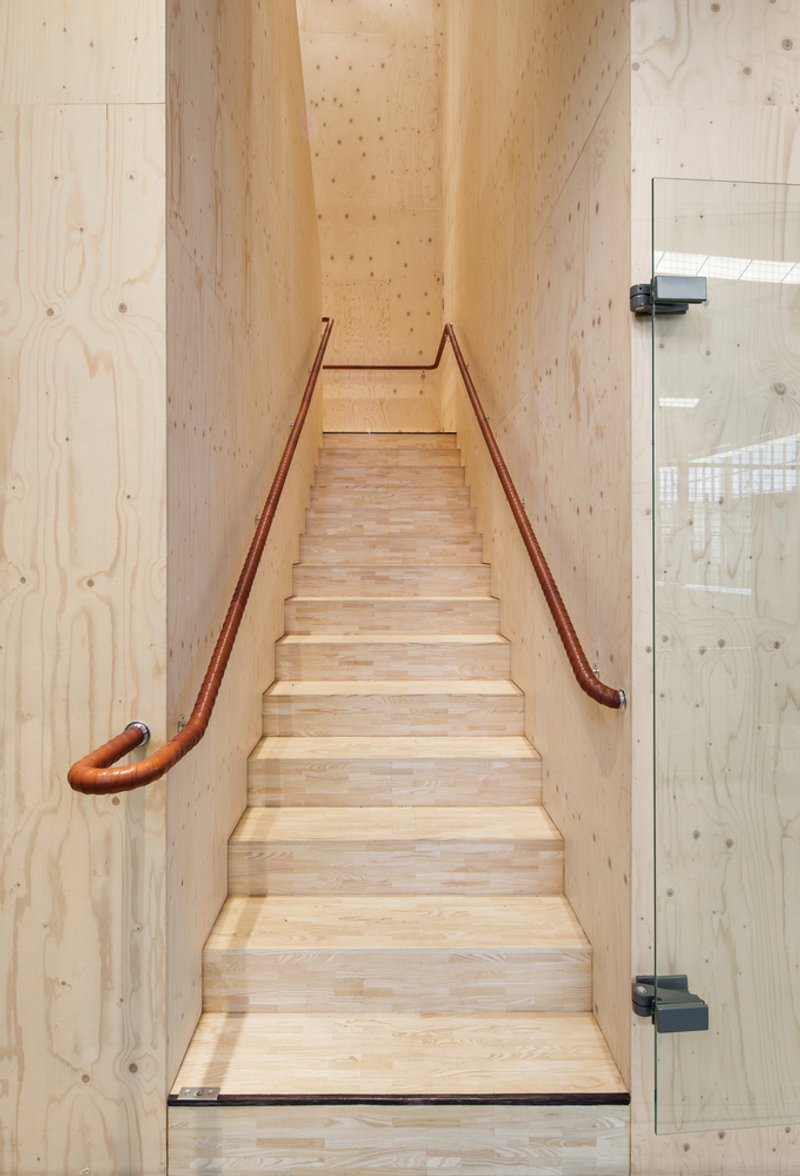
The new hall includes a mezzanine on the short side of the building, over the entrance and restaurant area, which houses staff areas, multi-purpose rooms, and a corridor with large rectangular openings that provide views into the padel courts. This mezzanine enhances the spatial experience, allowing visitors to watch the action on the courts from the restaurant and corridor while players can enjoy views of the outdoor seating area.
Östermalm Hall Padel exemplifies how adaptive reuse and sustainable design principles can be applied to create a modern facility that respects historical architecture. By preserving and reusing materials, the project demonstrates how architecture can evolve to meet contemporary needs while maintaining its cultural and architectural significance.
All Photographs are works of Felix Gerlach




Popular Articles
Popular articles from the community


The Ken Roberts Memorial Delineation Competition (Krob)
As the most senior architectural drawing competition currently in operation anywhere in the world, it draws hundreds of entries each year, awarding the very best submissions in a series of medium-based categories.

Atelier Macri Concept Store Interior Design by CASE-REAL
Atelier Macri store features a "ko" counter, walnut wood details, cork displays, blending retail, gallery, and seamless customer experiences.
On the Brooks House by Monsoon Collective – A Contemporary Kerala Home Rooted in Tradition
Kerala home blending tradition and modernity with water-inspired design, brick architecture, courtyard planning, and sustainable rainwater harvesting strategies.
Inverted Architecture Installation by Studio Link-Arc: Exploring the Intersection of Architecture and Living Organisms
Inverted Architecture Installation by Studio Link-Arc blends mycelium, sustainability, inverted design, ecological cycles, and urban adaptive architecture in Shenzhen.


Similar Reads
You might also enjoy these articles
The Ken Roberts Memorial Delineation Competition (Krob)
As the most senior architectural drawing competition currently in operation anywhere in the world, it draws hundreds of entries each year, awarding the very best submissions in a series of medium-based categories.

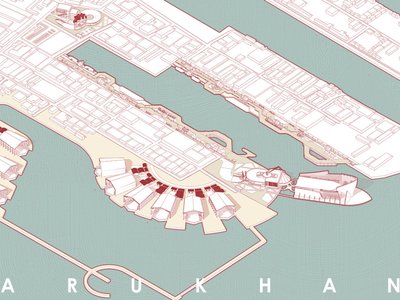
Waterfront Redevelopment and Urban Revitalization in Mumbai: Forging a New Dawn for Darukhana
A transformative waterfront redevelopment project reimagining Darukhana’s shipbreaking heritage into an inclusive urban future.

OUT-OF-MAP: A Call for Postcards on Feminist Narratives of Public Space
Rhizoma Design and Research Lab invites artists, designers, architects, researchers, and students to reflect on how feminist perspectives can reshape public space. Selected works will be exhibited in Barcelona, October 2026. Submissions open until 15 April 2026.


Documentation Work on Buddhist Wooden Temple
Architectural syncretism and cultural hybridity: A comparative study of the Buddhist temples in Chattogram Hill tracks


Explore Architecture Competitions
Discover active competitions in this discipline




The International Standard for Design Portfolios


The Global Benchmark for Architecture Dissertation Awards


The Global Benchmark for Graduation Excellence


Challenge to design a barrier free sports center
Comments (0)
Please login or sign up to add comments
No comments yet. Be the first to comment!