
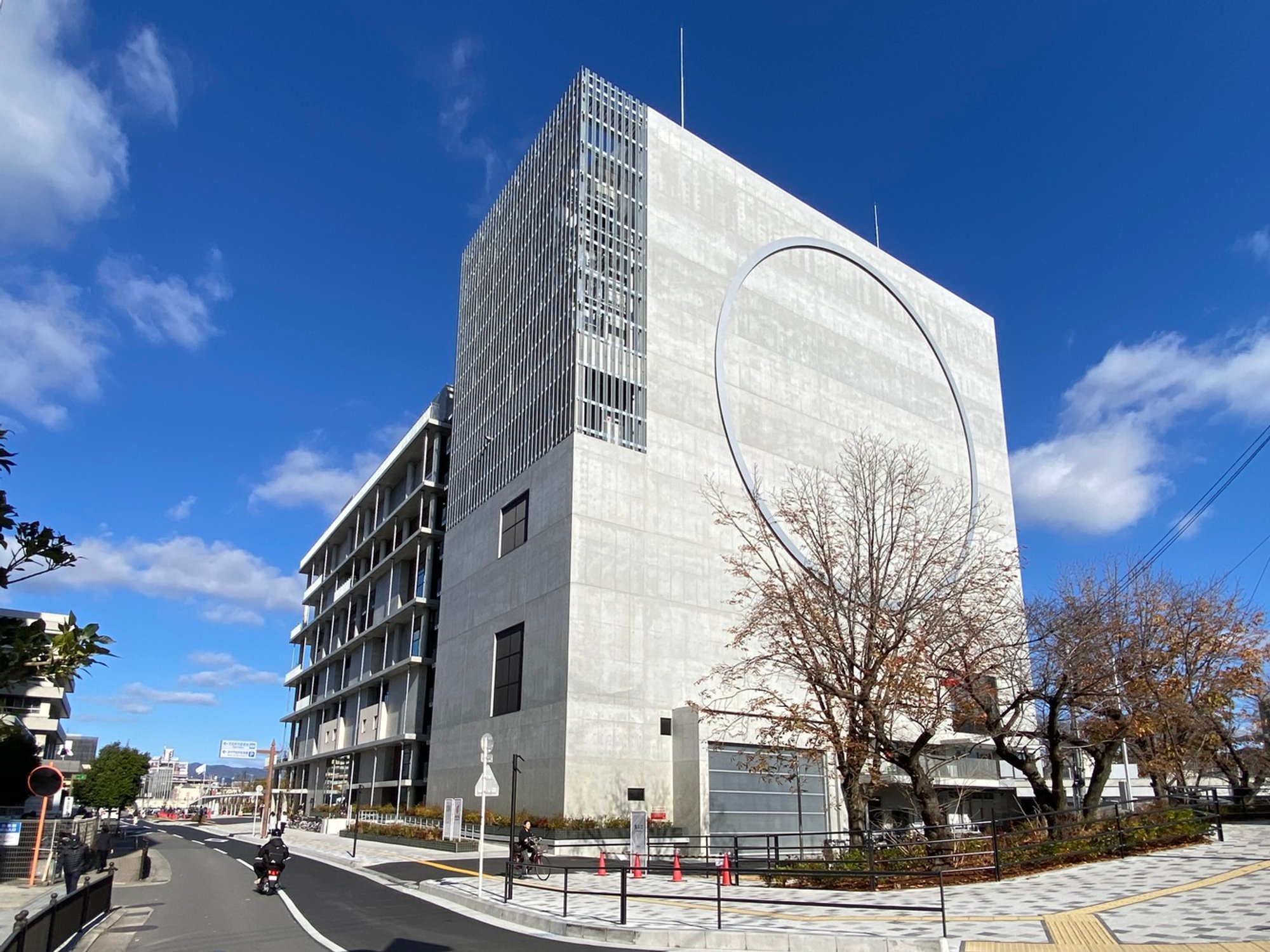
Public Cultural Complex Architecture: Ibaraki City’s ONIKURU by Toyo Ito & Associates
The Ibaraki City Cultural and Child-rearing Support Complex ONIKURU combines multifunctional spaces and innovative design to foster community engagement.

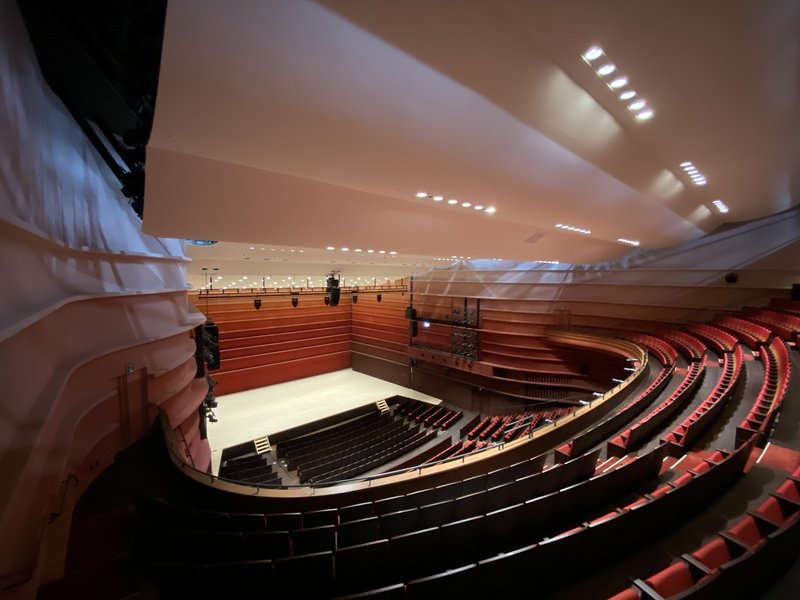
Public cultural complex architecture plays a significant role in shaping community engagement and offering multifunctional spaces that foster creativity, learning, and social connection. The Ibaraki City Cultural and Child-rearing Support Complex ONIKURU, designed by Toyo Ito & Associates in collaboration with Takenaka Corporation, stands as a prime example of how a public building can seamlessly blend functionality, aesthetics, and a sense of community. Located in Ibaraki, Japan, this cultural complex is a space that nurtures both culture and childcare, combining diverse programs like a theater, library, civic center, and even a planetarium.
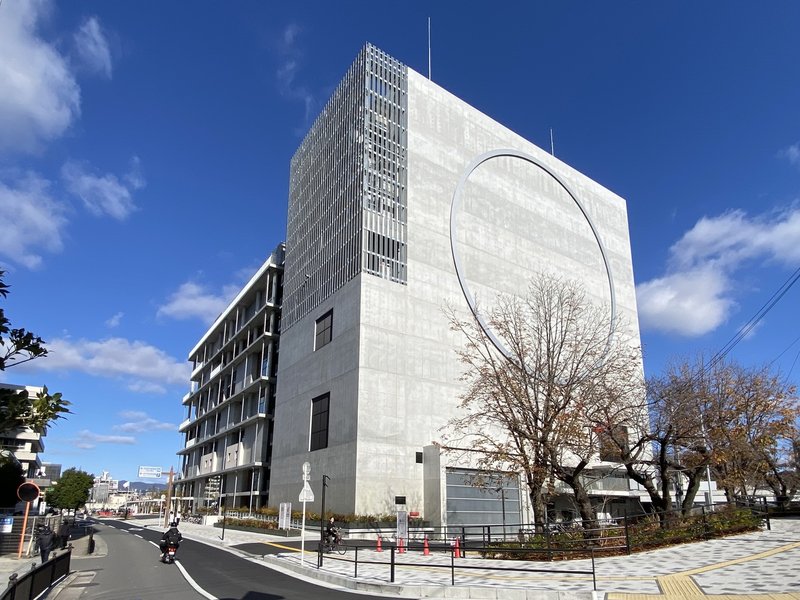
The Unassuming Exterior
At first glance, the ONIKURU building presents a modest and functional exterior, primarily constructed with unfinished 'as-struck' concrete. The design incorporates clear references to the iconic 'Dom-Ino' system, emphasizing structural slabs and pillars. This minimalist facade does not make bold architectural statements, allowing the building to blend into its surroundings and appear as just another extension of the nearby Ibaraki City Hall.
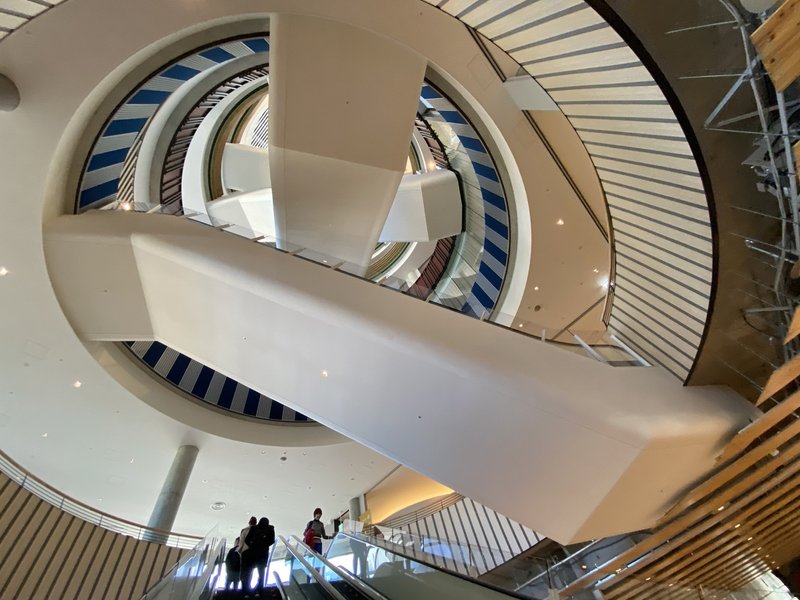
A Surprising Interior Design
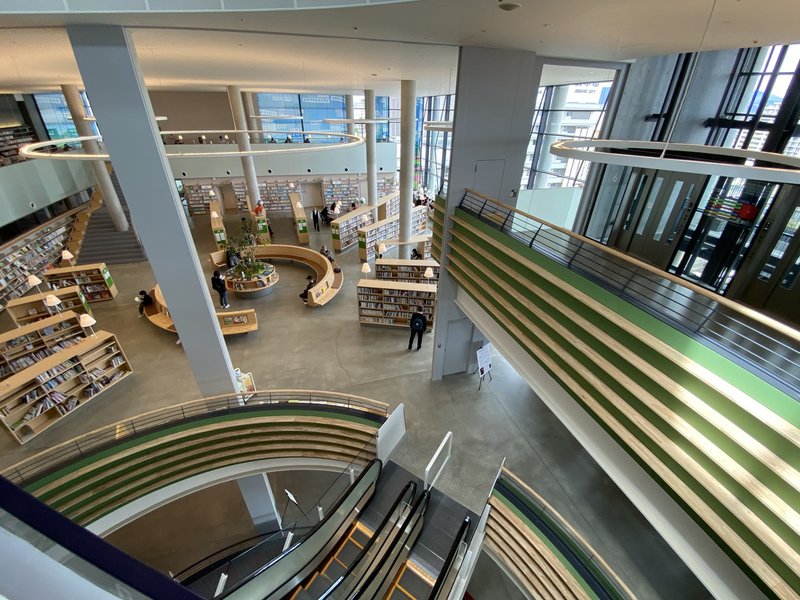
However, upon entering the building, visitors are welcomed into an entirely different architectural experience. The large circular atrium at the heart of the complex creates a visually expansive space that spans across all seven floors, linking the different functions of the building in an open and fluid manner. The escalators, positioned at different angles, do not follow a conventional parallel path, resembling the dynamic and ever-evolving spaces found in Charles de Gaulle airport in Paris. This unique design concept is referred to as the 'Vertical path,' guiding visitors through the complex in a stimulating journey of discovery.
The Functionality of Mixed Spaces
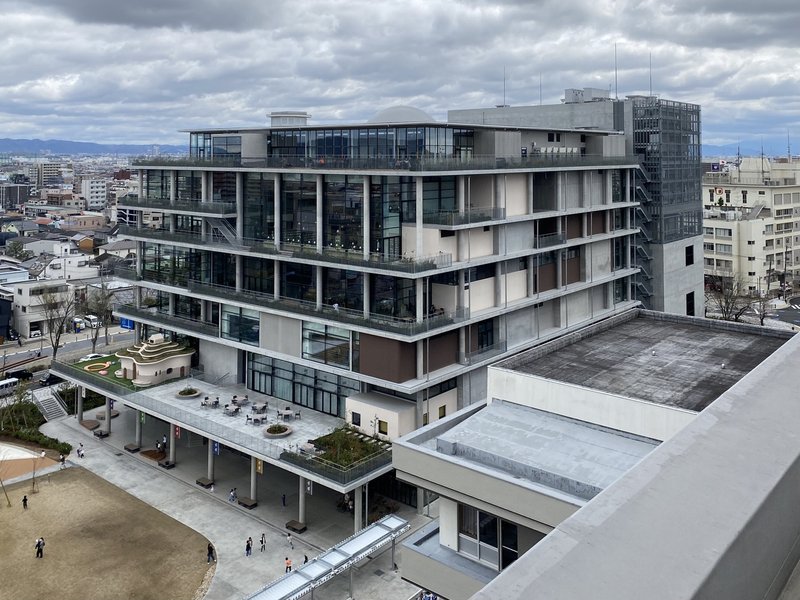
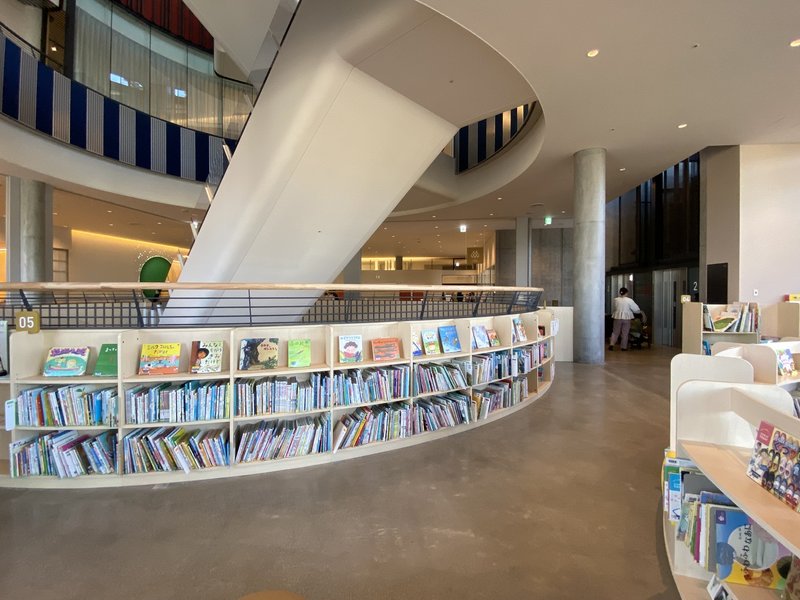
What makes the Ibaraki City Cultural and Child-rearing Support Complex stand out is its approach to spatial organization. Rather than compartmentalizing different functions into distinct floors, the building intersperses its various uses throughout the structure. For example, children's books are located on the second floor, art books on the third, and space-related books on the seventh, while the main library occupies the fifth and sixth floors. This innovative design ensures that no space is isolated; instead, multiple activities and interactions happen simultaneously, encouraging a sense of community and collaboration.
Creating Connections Through Design
The integration of different functions within the same building allows for unexpected encounters between diverse groups of people, fostering interactions that might not otherwise occur. The architecture promotes spontaneous connections, whether between children and adults in the library or between theatergoers and civic center visitors. This dynamic and inclusive environment reflects the building's aim of becoming a cultural hub that invites people from all walks of life to engage with one another.
Onikuru: A Name Full of Meaning
The name "ONIKURU" comes from a public competition in which a six-year-old proposed the term, inspired by Ibaraki Doji, a goblin character from local legends. The name signifies "a place where even scary goblins would want to come and enjoy themselves," capturing the welcoming and playful spirit of the complex.
Award-Winning Design
The innovative design of the Ibaraki City Cultural and Child-rearing Support Complex ONIKURU has been widely recognized for its architectural brilliance. In 2025, it won the Grand Prize in the Japan Architecture Award—Architecture Awards for Everyone. The building's emphasis on public participation in the design process and its ability to engage the local community earned it high praise from both professionals and the public alike.
All Photographs are works of Hiroshi Miyazawa



Popular Articles
Popular articles from the community

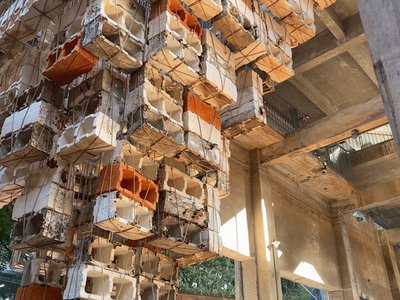
Inverted Architecture Installation by Studio Link-Arc: Exploring the Intersection of Architecture and Living Organisms
Inverted Architecture Installation by Studio Link-Arc blends mycelium, sustainability, inverted design, ecological cycles, and urban adaptive architecture in Shenzhen.
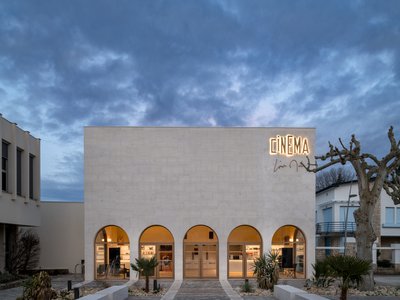
Louis Malle Cinema: A Limestone Cultural Landmark Revitalizing Community Life in Prayssac
Limestone cinema extension with public forecourt, blending heritage and modern design to create flexible cultural spaces and strengthen community interaction.
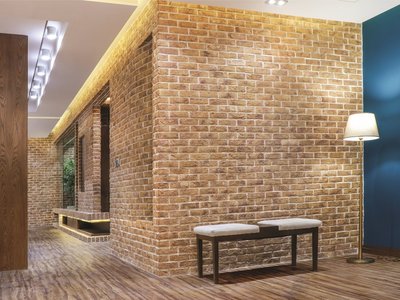
A Contemporary Take on Iranian Residential Architecture
A modern interior design in Mashhad that reinterprets brick, light, and spatial flow to create a warm, contemporary residential architecture.
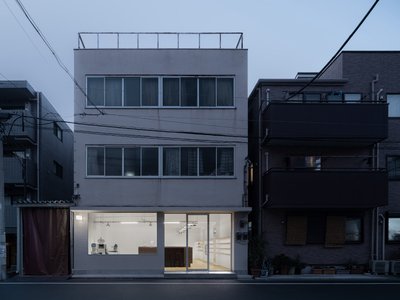
Atelier Macri Concept Store Interior Design by CASE-REAL
Atelier Macri store features a "ko" counter, walnut wood details, cork displays, blending retail, gallery, and seamless customer experiences.


Similar Reads
You might also enjoy these articles


The Ken Roberts Memorial Delineation Competition (Krob)
As the most senior architectural drawing competition currently in operation anywhere in the world, it draws hundreds of entries each year, awarding the very best submissions in a series of medium-based categories.

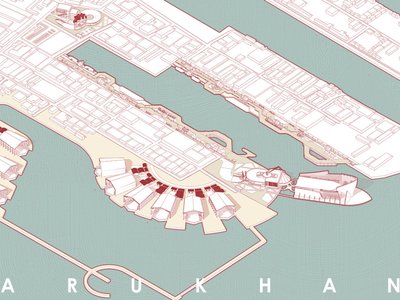
Waterfront Redevelopment and Urban Revitalization in Mumbai: Forging a New Dawn for Darukhana
A transformative waterfront redevelopment project reimagining Darukhana’s shipbreaking heritage into an inclusive urban future.
OUT-OF-MAP: A Call for Postcards on Feminist Narratives of Public Space
Rhizoma Design and Research Lab invites artists, designers, architects, researchers, and students to reflect on how feminist perspectives can reshape public space. Selected works will be exhibited in Barcelona, October 2026. Submissions open until 15 April 2026.

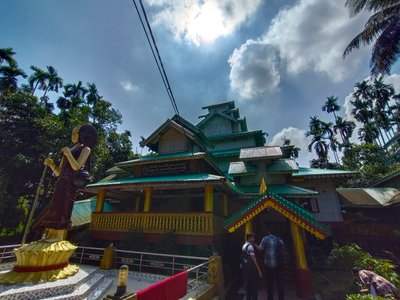
Documentation Work on Buddhist Wooden Temple
Architectural syncretism and cultural hybridity: A comparative study of the Buddhist temples in Chattogram Hill tracks

Explore Architecture Competitions
Discover active competitions in this discipline




The International Standard for Design Portfolios


The Global Benchmark for Architecture Dissertation Awards


The Global Benchmark for Graduation Excellence


Challenge to reimagine the Iron Throne
Comments (0)
Please login or sign up to add comments
No comments yet. Be the first to comment!