
Railway Park Adaptive Reuse Architecture: Revitalizing Yancheng’s Old Station into a Dynamic Public and Cultural Space
A railway station in Yancheng is reborn as a park, museum extension, and hotel through innovative adaptive reuse architecture.

Introduction: Preserving History Through Design Innovation
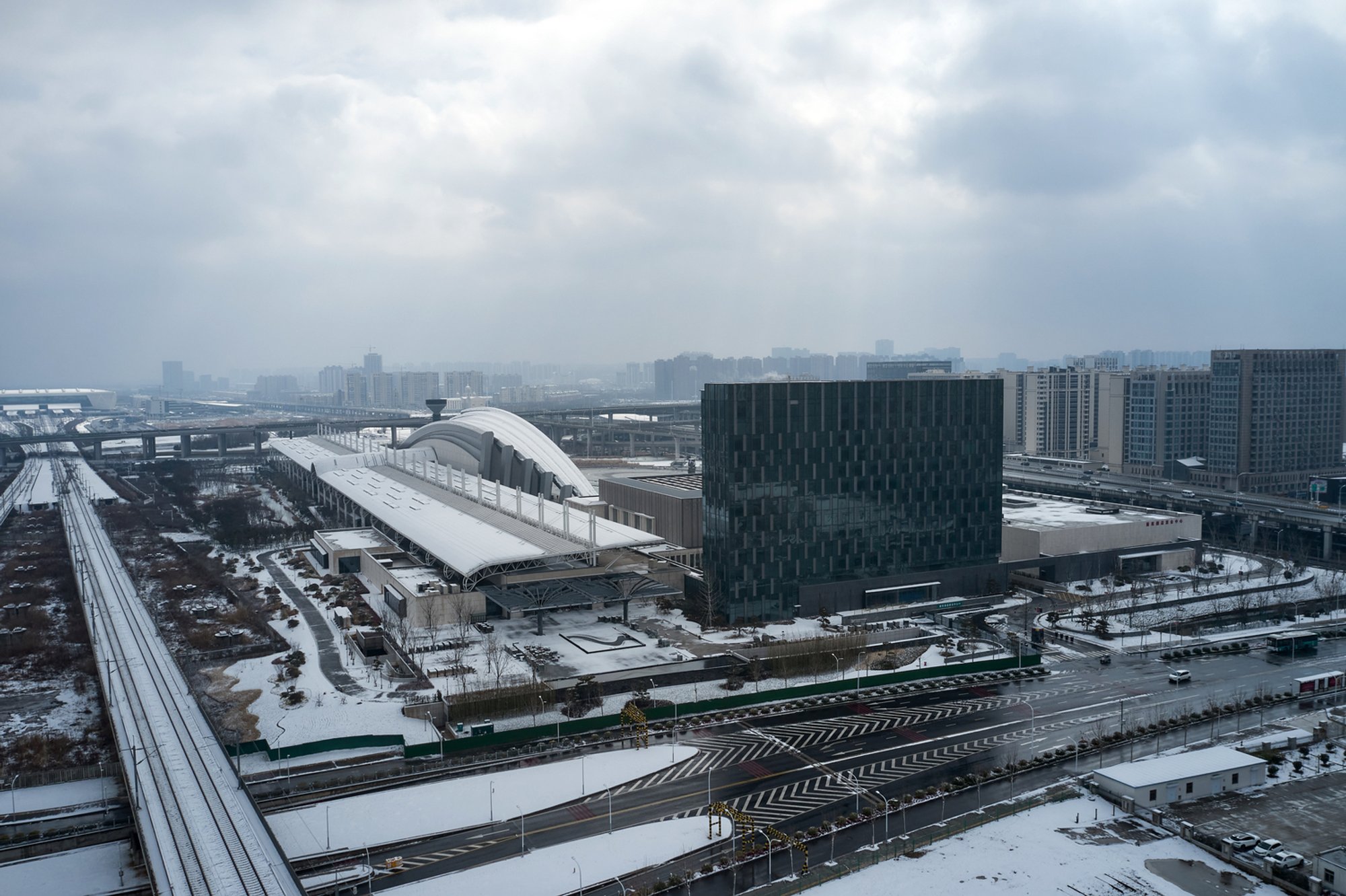
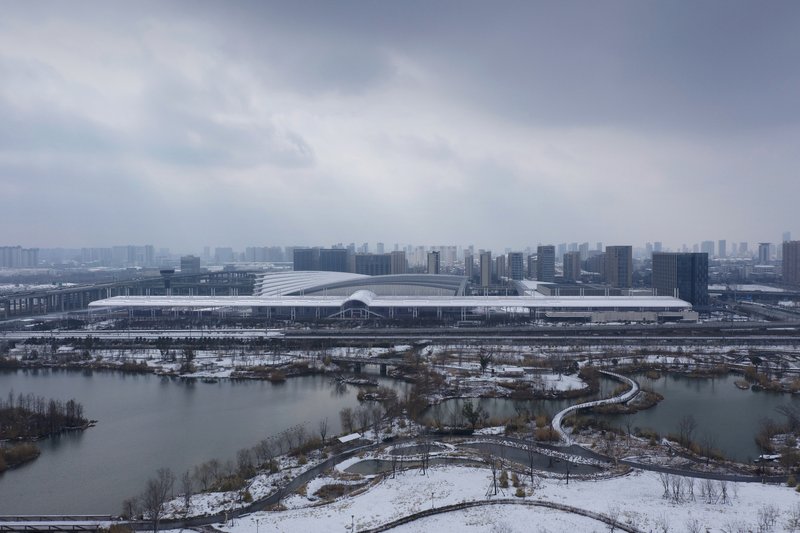
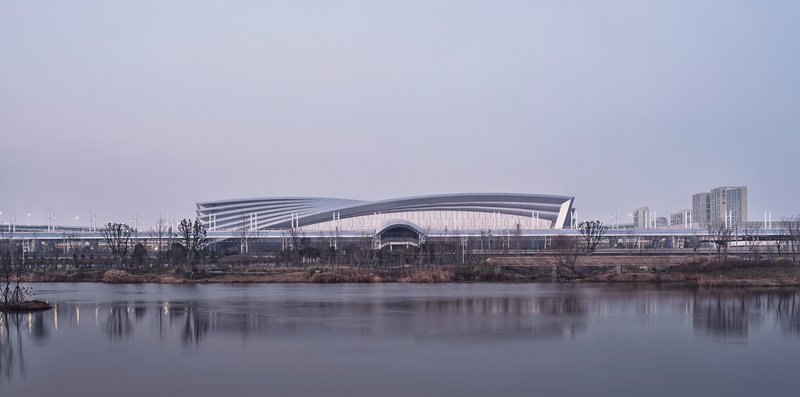
The China Yellow Sea Wetlands Museum Railway Park by DuShe Architectural Design exemplifies a visionary approach to adaptive reuse architecture. Located in Yancheng, China, this project transforms a defunct railway station into a vibrant public park, cultural node, and hospitality hub. The design not only preserves the nostalgic charm of railway infrastructure but also integrates it meaningfully with new urban and environmental functions.
A Historical Platform Reimagined
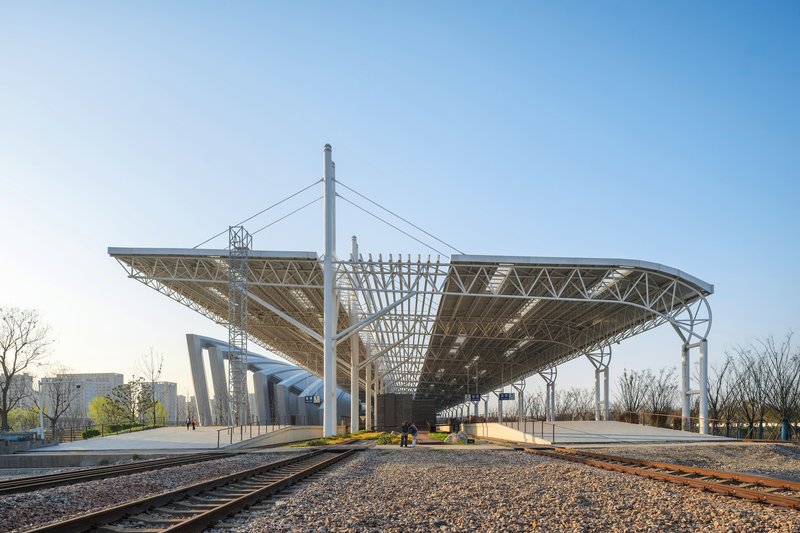
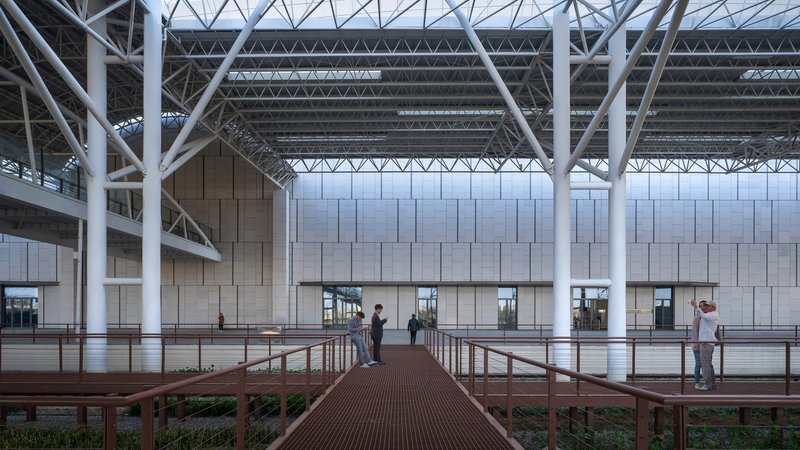
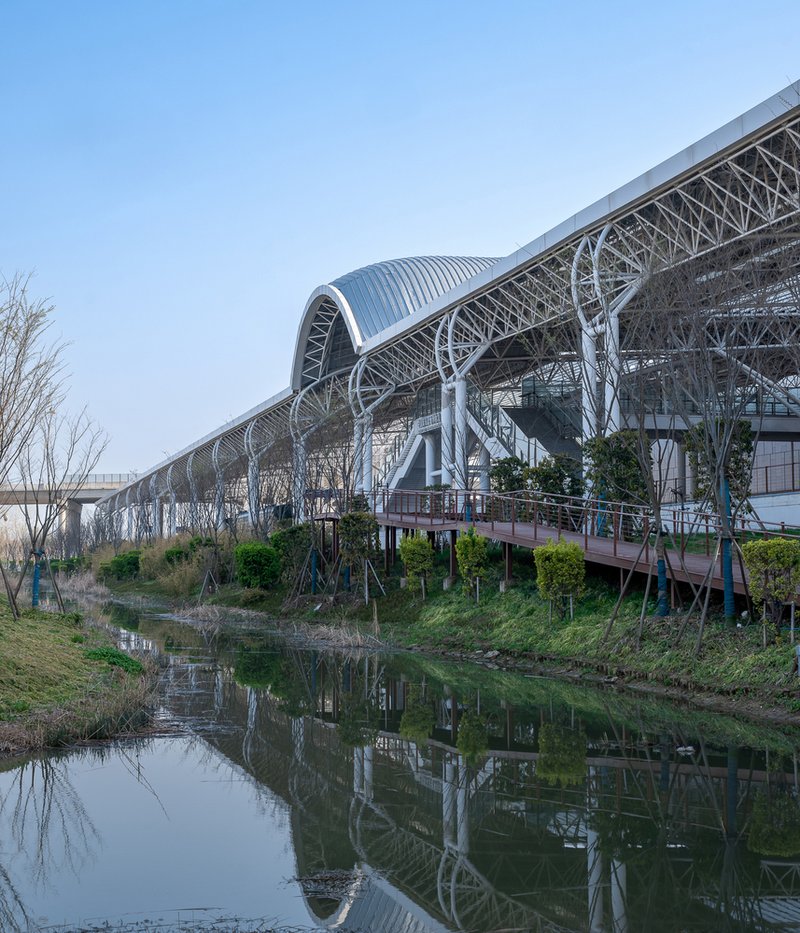
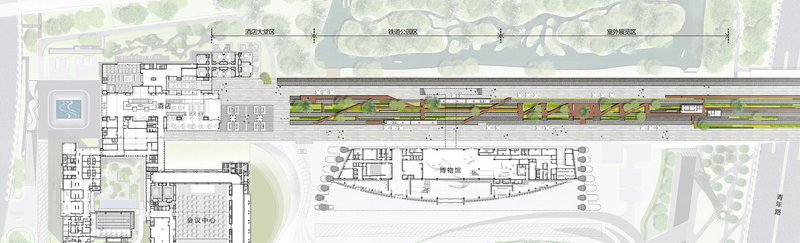
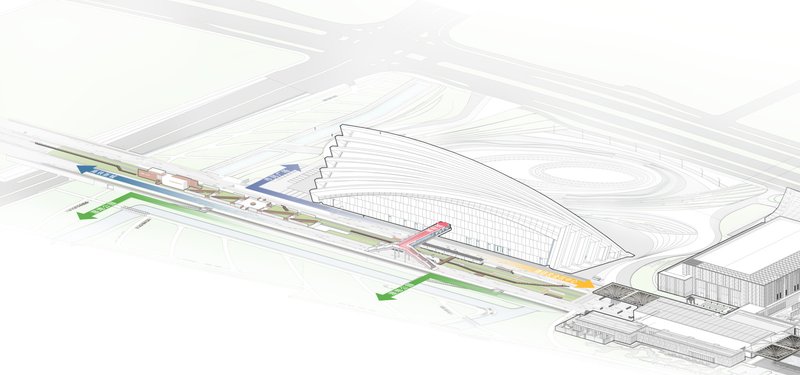
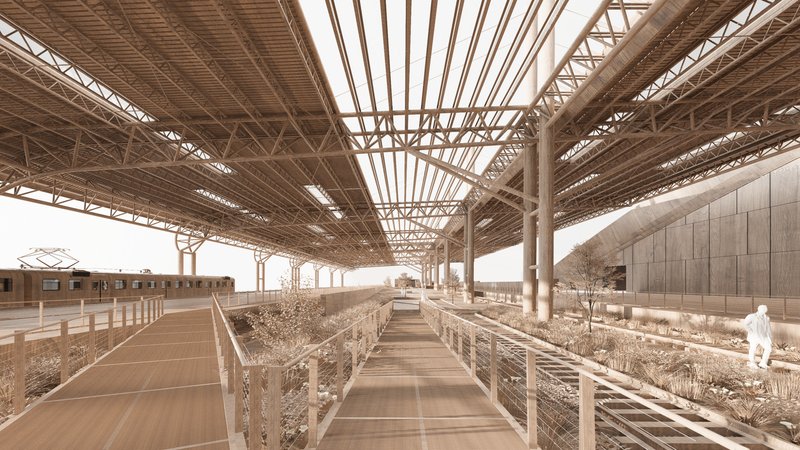
Rather than demolish the original station platform, DuShe Architectural Design integrated it into a new municipal park, harmonizing with the adjacent China Yellow Sea Wetlands Museum and surrounding development. The platform has become a vital component of a pedestrian landscape axis connecting museums, parks, hotels, and conference centers—transforming a once-desolate space into a central public artery.
Micro-Renovation Strategy: Respecting Structural Memory
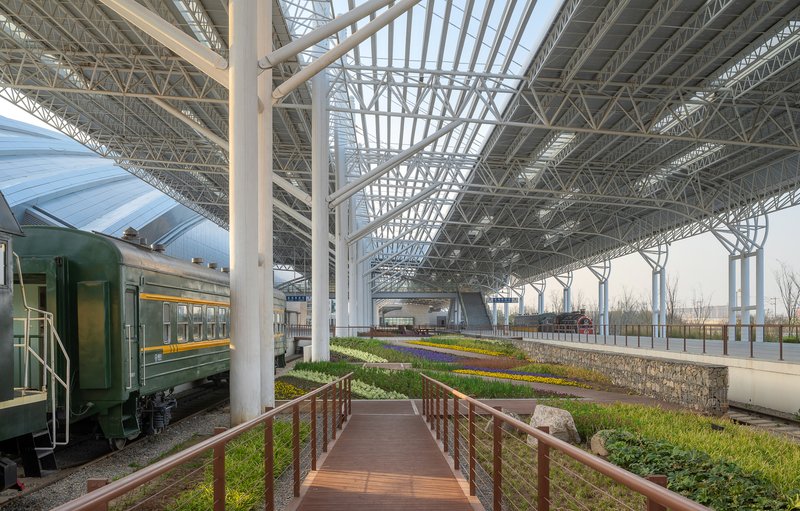
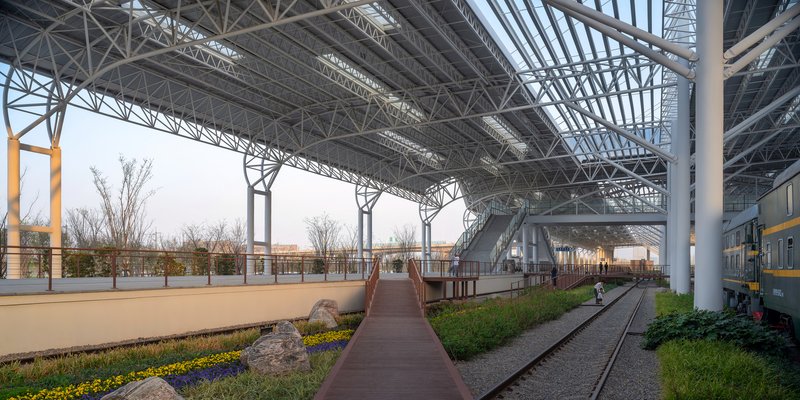
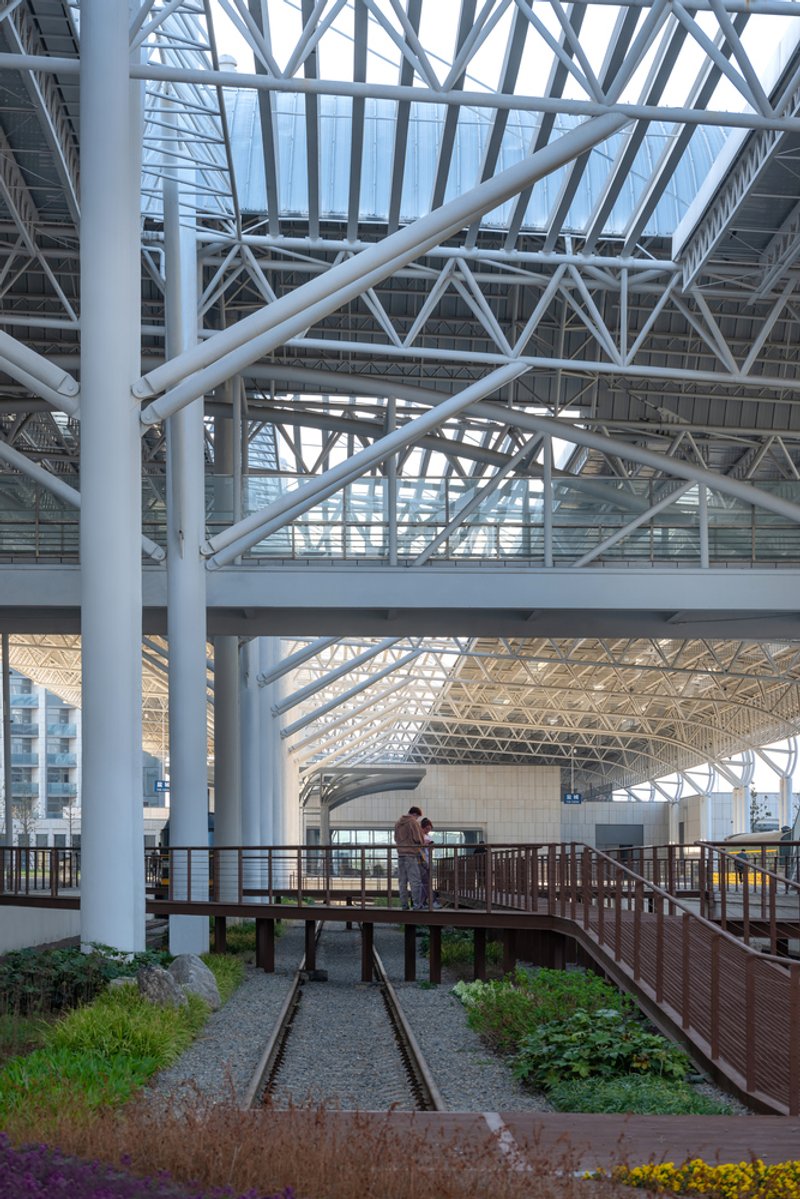
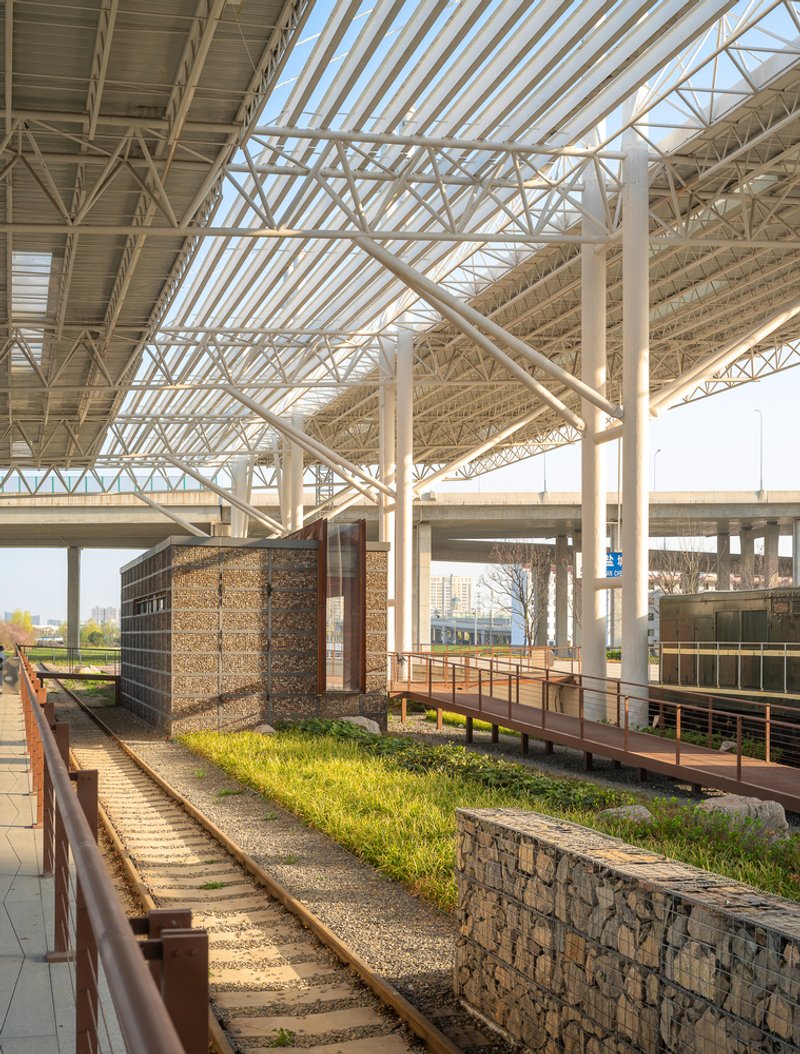
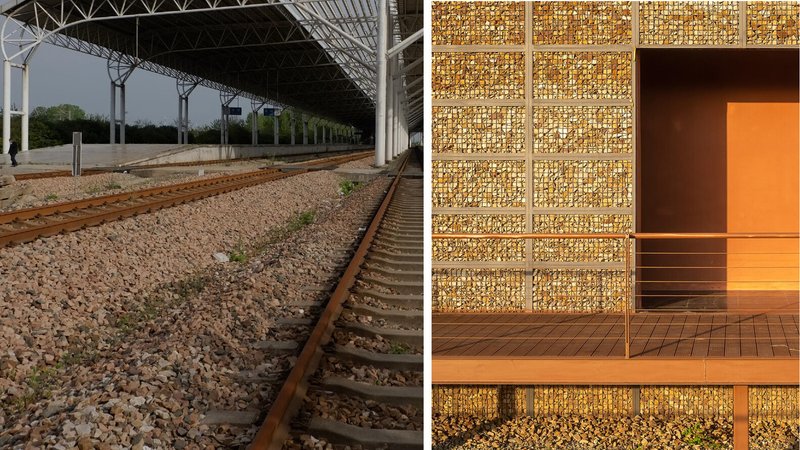
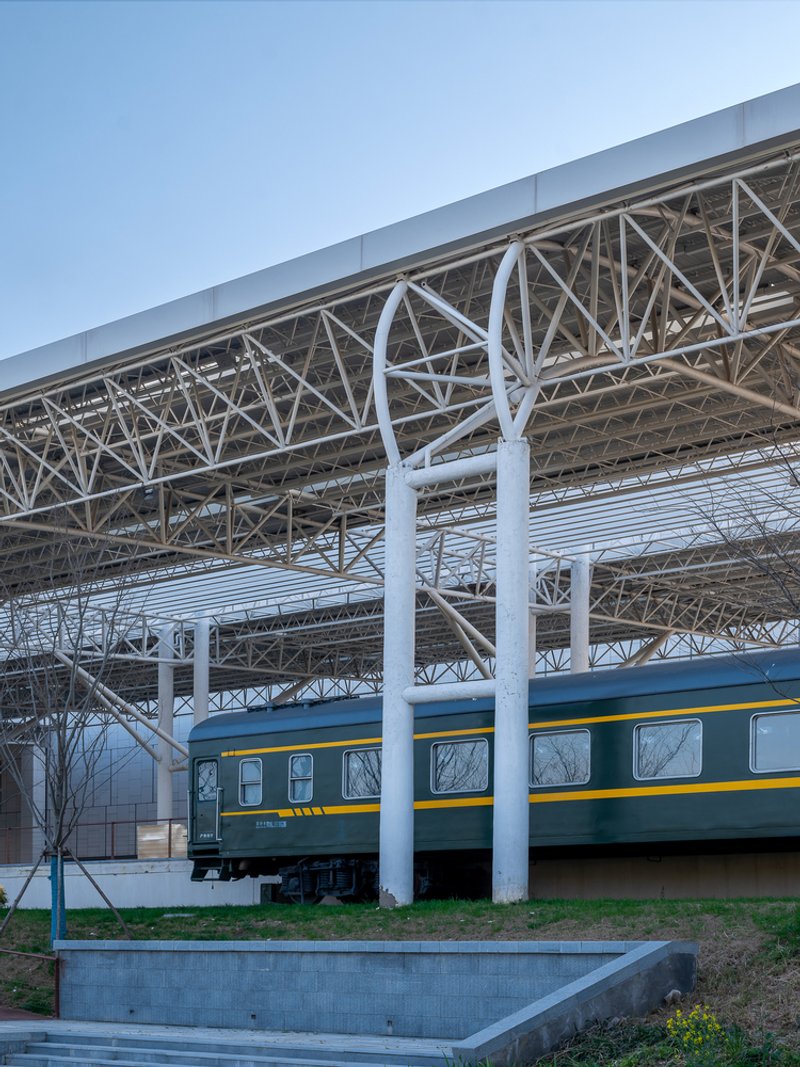
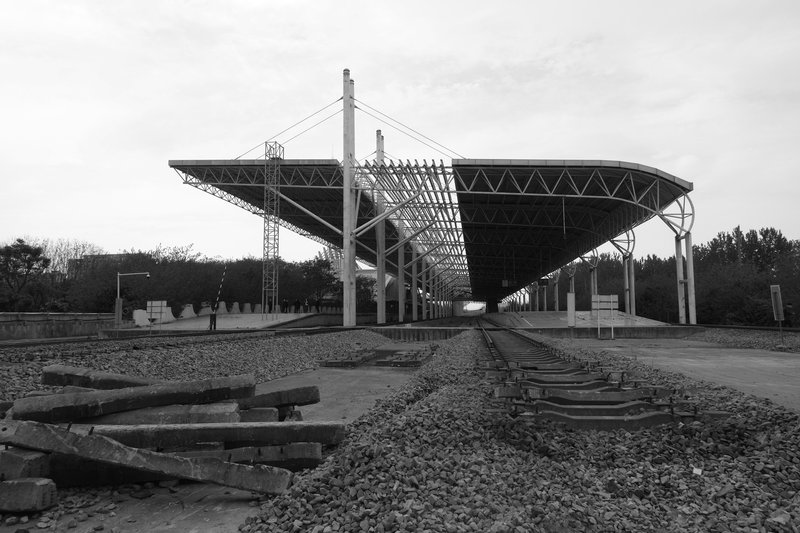
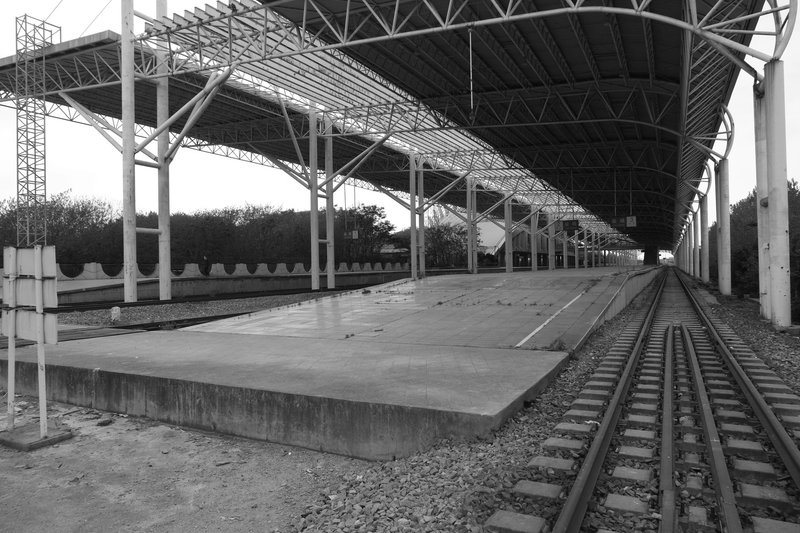
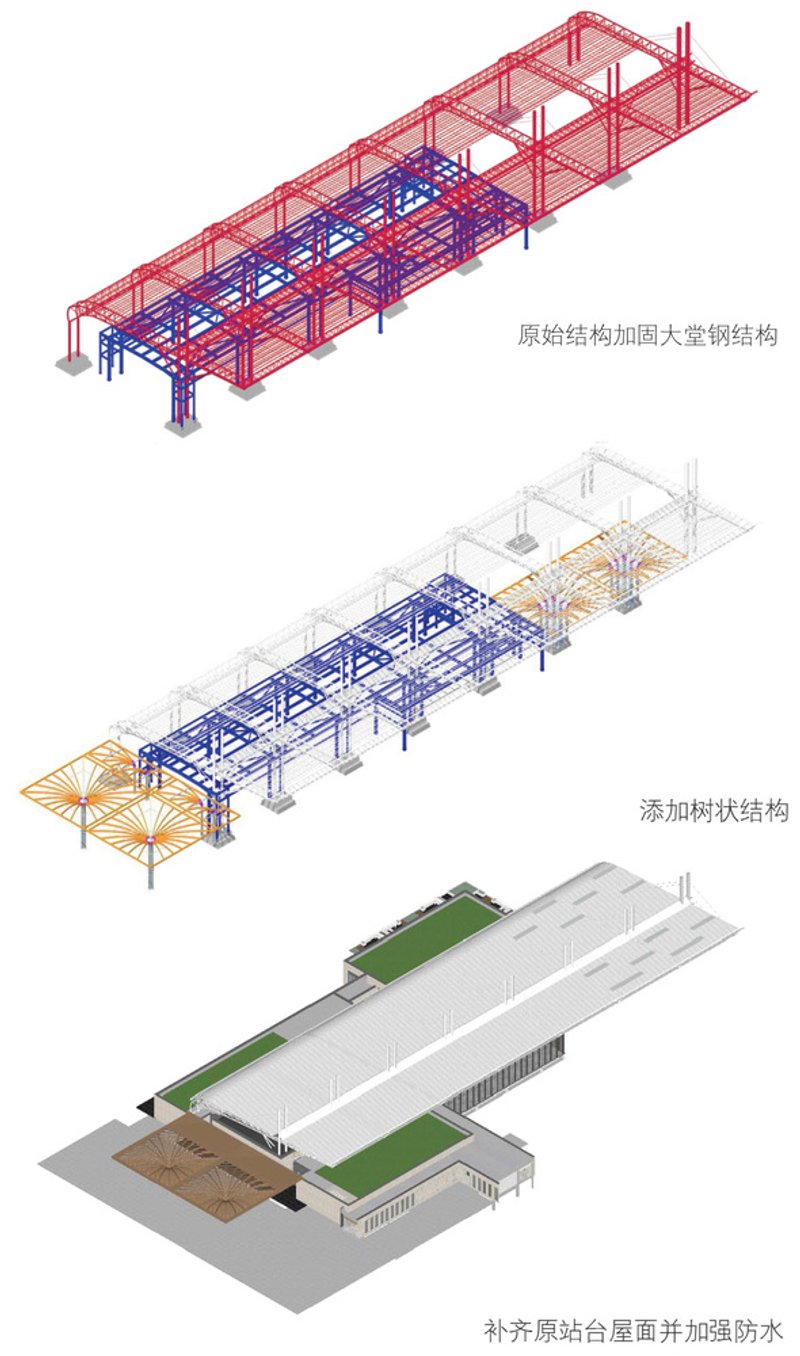
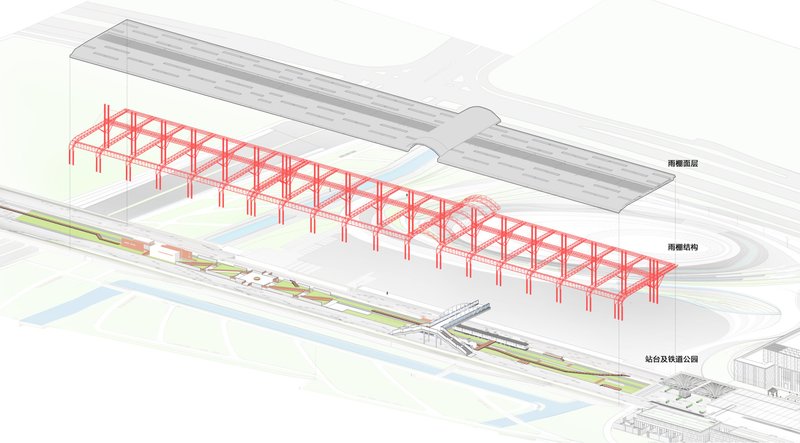
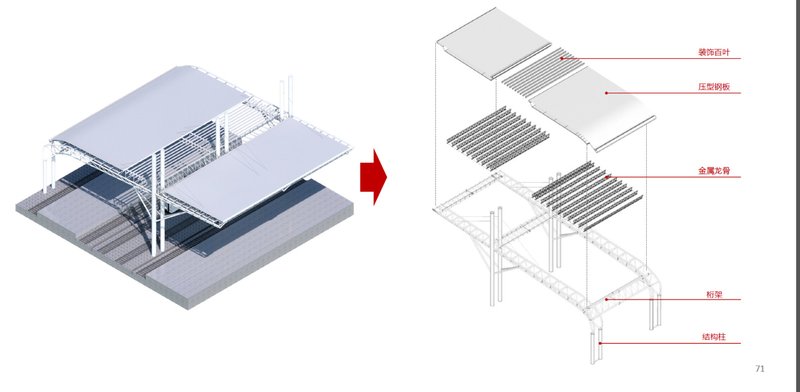
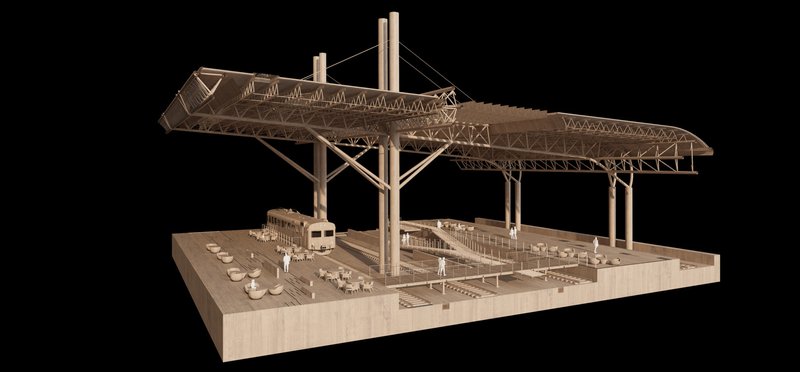
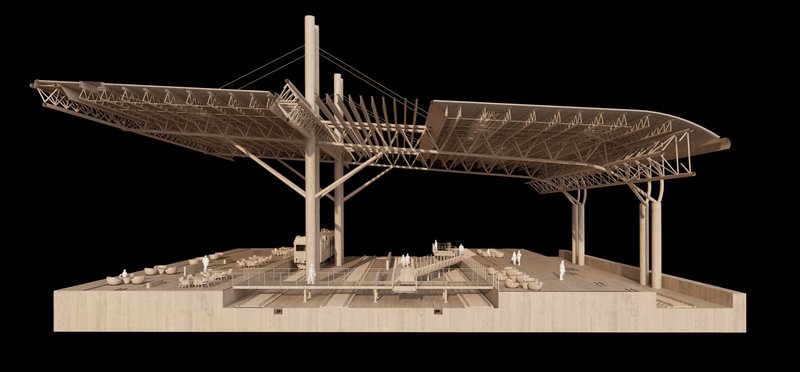
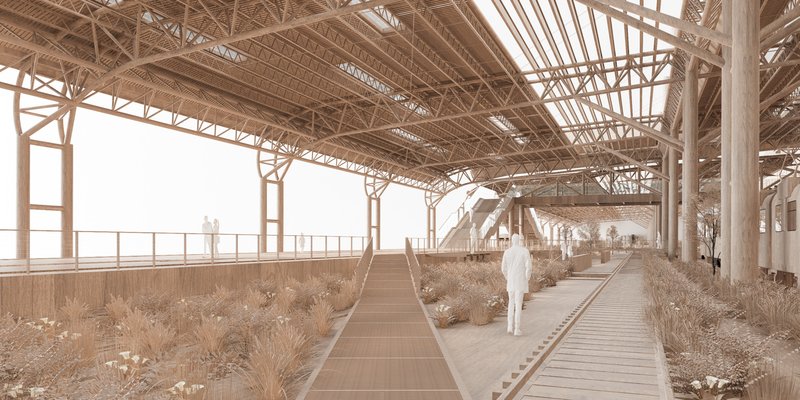
The design approach focused on “micro-renovation with light intervention.” Recognizing the emotional and historical weight of the railway platform and tracks, the architects retained key structural components such as steel columns, trusses, and tracks. Minimal interventions like repainting and anti-corrosion treatment preserved the original essence while ensuring safety and longevity.
Enhancing Spatial Experience with Natural Light
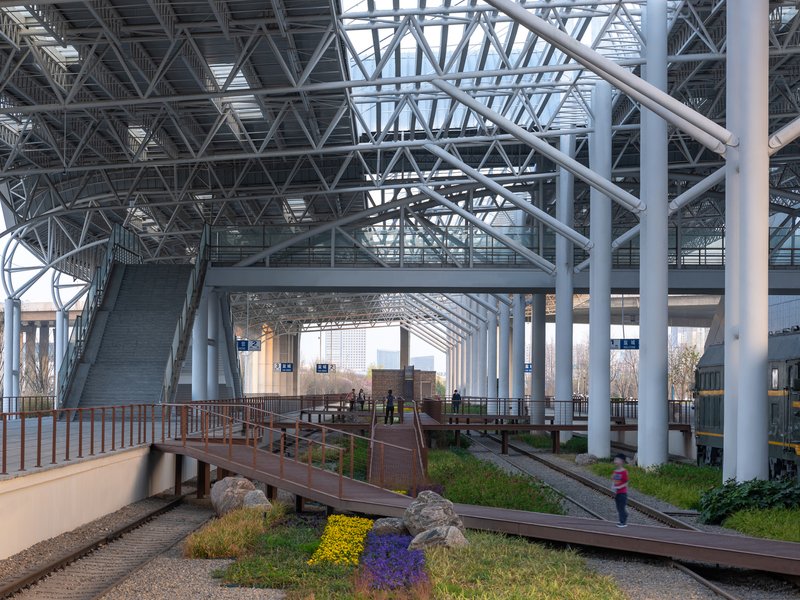
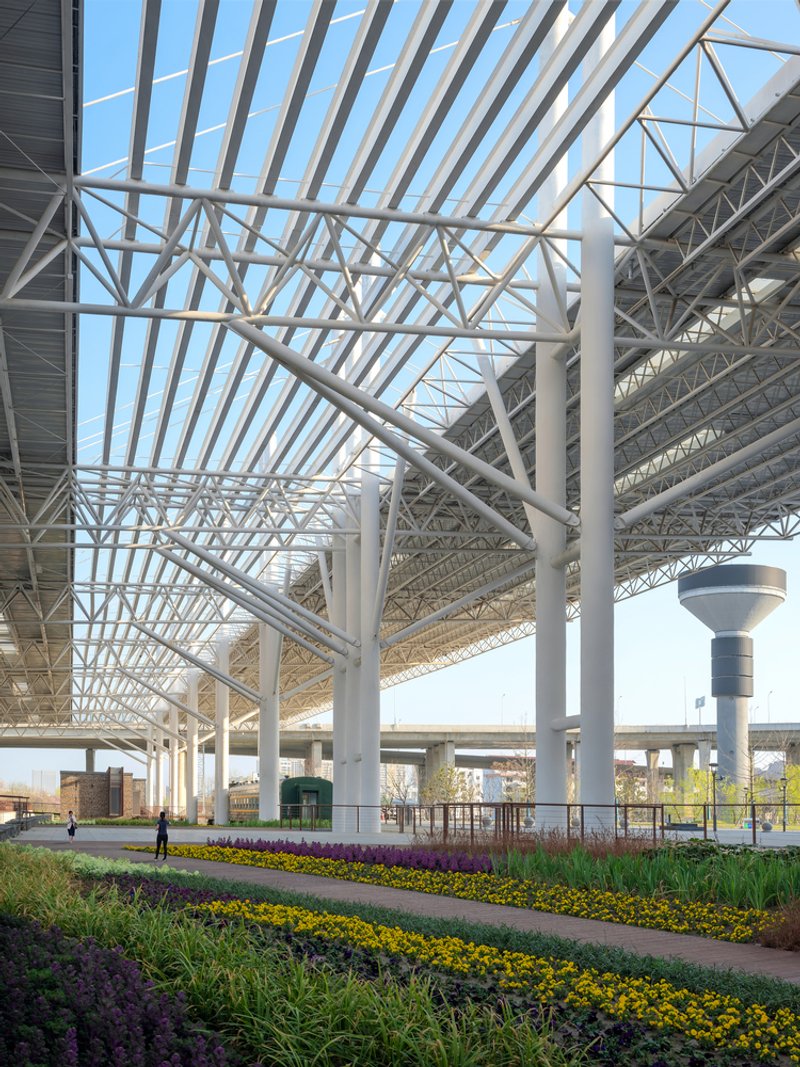
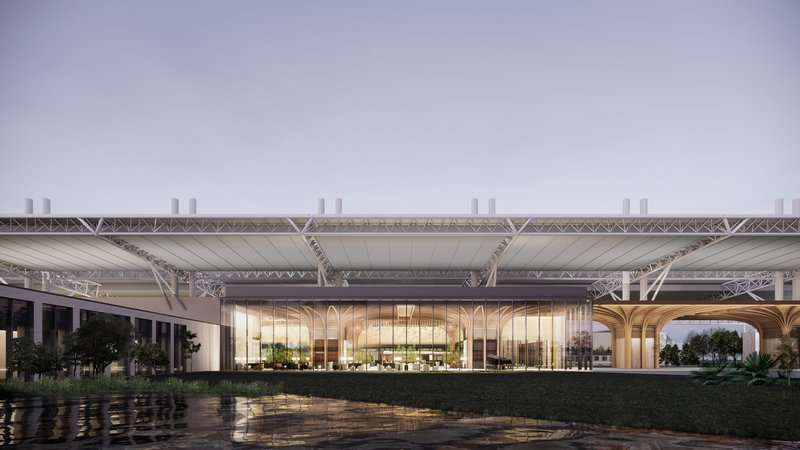
One of the defining moves in the renovation was the addition of skylights to the existing truss canopy. These skylights increase natural illumination and highlight the geometric character of the structure. The interplay between light and shadow underscores the industrial heritage of the railway while making the space more inviting and functional.
Landscape Design: From Barrier to Public Realm
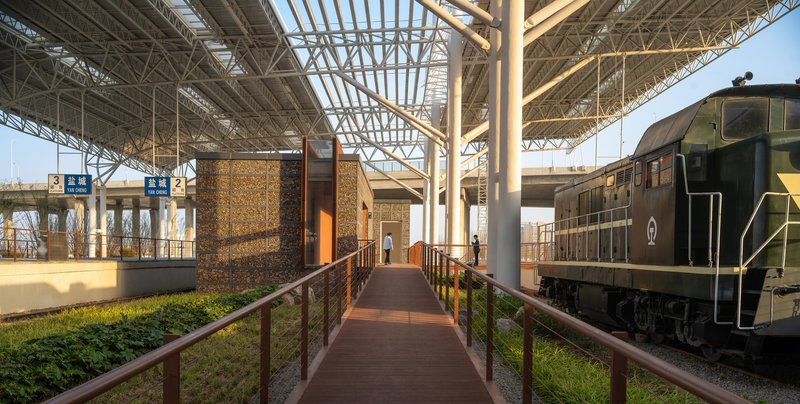
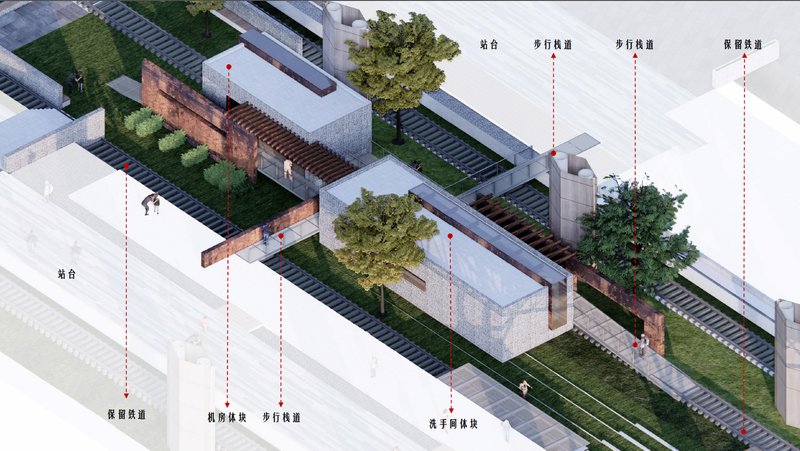
In the original platform area, the ground pavement was replaced but the railway tracks and sleepers were preserved. Diagonal plank walkways now connect both sides of the platform, transforming what was once inaccessible into a walkable, immersive public park. Old train cars have been reimagined as interactive installations where visitors can enjoy coffee, take photos, and experience the legacy of rail travel.
Gabion Architecture: Building with Local Memory
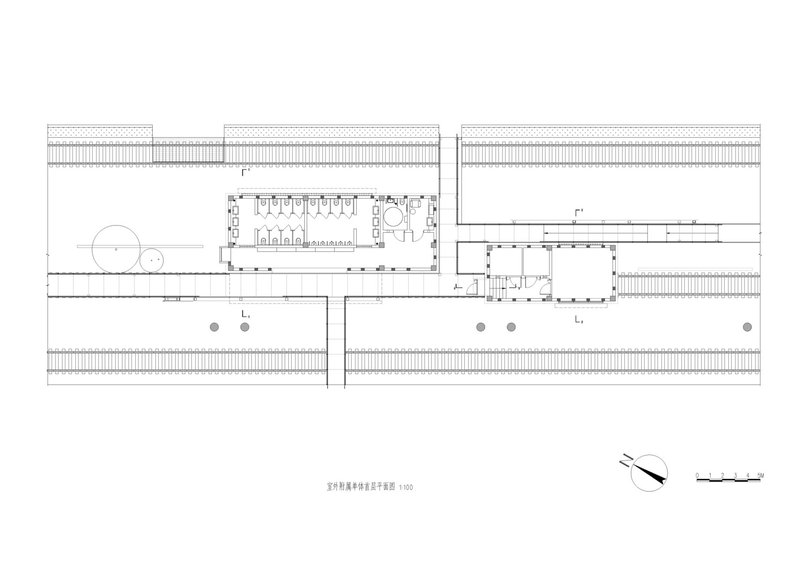
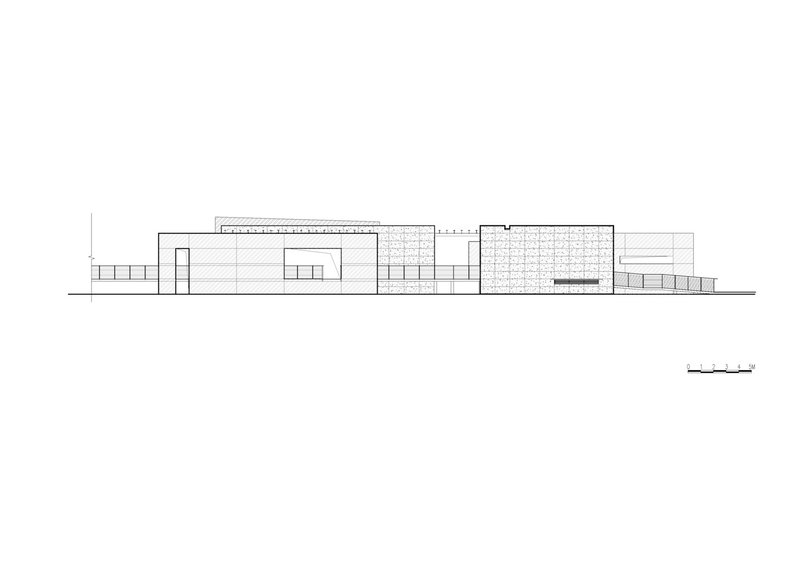
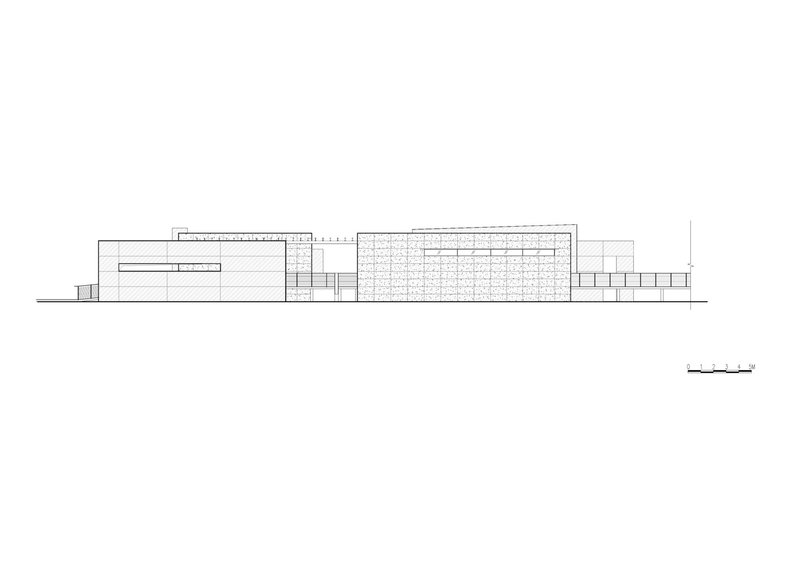
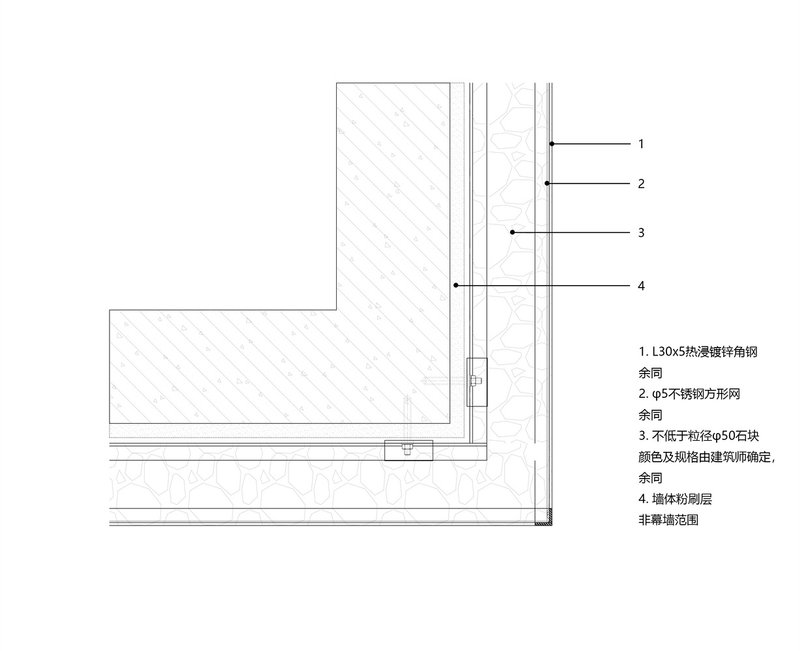
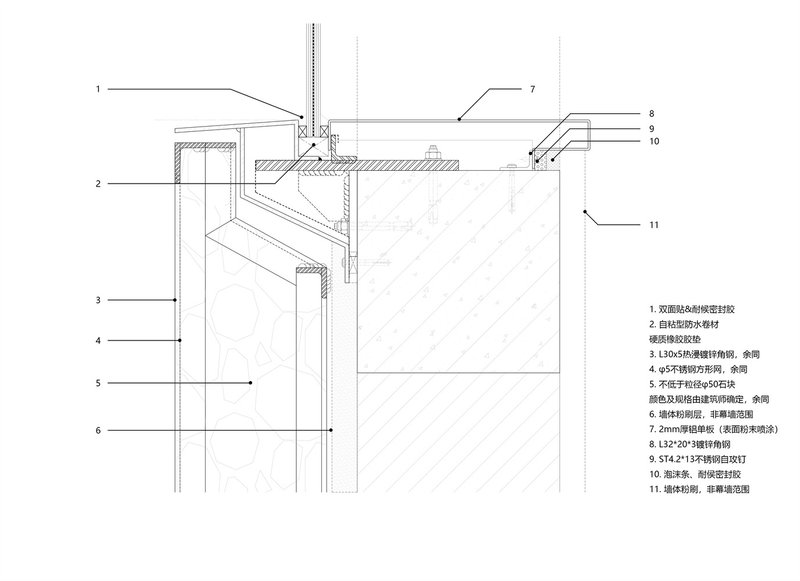
The reuse of original railway gravel for gabion walls adds a rugged, tactile layer of place-based identity. These gabions now define the facades of new support buildings, including restrooms and tech facilities. Constructed with dark weather-resistant steel and gravel-filled mesh, these structures blur the line between architecture and landscape, echoing the material history of the site.
Hotel Integration: Adaptive Reuse at Its Most Creative
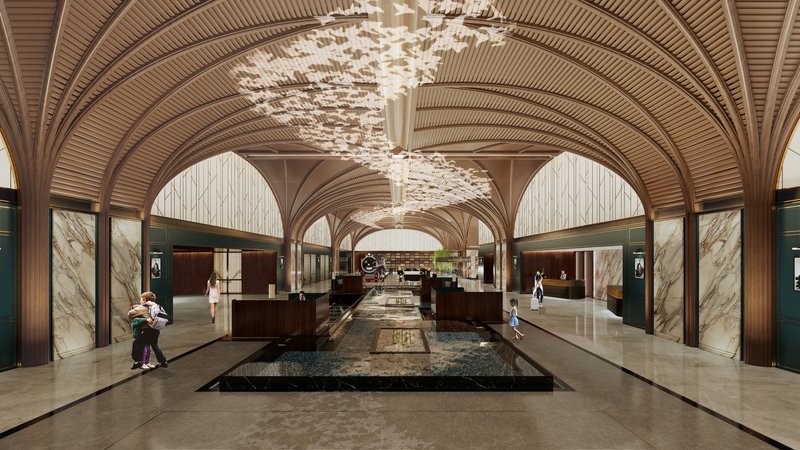
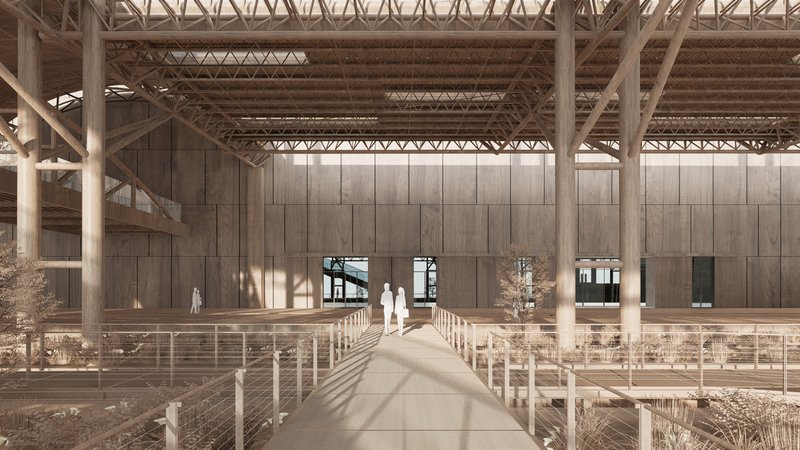
Part of the station platform was innovatively converted into the public area of a five-star hotel. Although the original station shed was a temporary structure, DuShe creatively inserted a new roof within the existing shell. This allowed for the installation of mechanical systems while turning the preserved truss structure into a dramatic interior design element. Trains were transformed into themed restaurants, and platforms became lobby bars—blending heritage and hospitality in unprecedented ways.
A Model for Future Railway Revitalization
This project sets a new benchmark for adaptive reuse in railway architecture. It demonstrates how urban memory, sustainable materials, and minimal interventions can coalesce to create a dynamic space that is socially, culturally, and economically relevant. By preserving structural authenticity while layering in modern functionality, the China Yellow Sea Wetlands Museum Railway Park becomes more than a park—it becomes a living narrative.
From Platform to Pedestrian Paradise
The Railway Park’s transformation is a compelling example of how thoughtful design can breathe new life into obsolete infrastructure. By intertwining past and present, architecture and landscape, the project stands as a powerful testament to adaptive reuse, cultural continuity, and the possibilities of public space innovation in contemporary China.
All Photographs are works of ZY Architectural Photography




Popular Articles
Popular articles from the community


Solar Steam: A Climate-Responsive Architecture That Redefines the Monument
A climate-responsive memorial architecture that transforms heat, decay, and time into a living system reflecting humanity’s ecological impact.
Flamboyant House by Juliana Camargo + Prumo Projetos
Modern Brazilian house integrating existing tree, pool, and volumes with glass, wood, and transitional spaces blending interior, exterior, and landscape seamlessly.
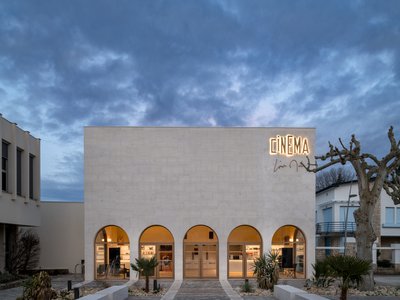
Louis Malle Cinema: A Limestone Cultural Landmark Revitalizing Community Life in Prayssac
Limestone cinema extension with public forecourt, blending heritage and modern design to create flexible cultural spaces and strengthen community interaction.
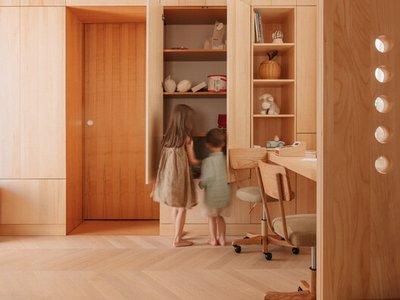
Treehouse Apartment: A Warm Timber Interior Blending Craft, Play, and Contemporary Living
Warm timber apartment with integrated treehouse, combining natural materials, craftsmanship, and playful design to create a flexible, family-oriented living environment.


Similar Reads
You might also enjoy these articles


Top 15 Architecture Competitions to Enter in 2026
From student-friendly idea competitions to prestigious international awards, here are the best architecture competitions open for entries in 2026. Updated regularly.

DIY & Engineering in Computational Design : Enter the BeeGraphy Design Awards
Showcase Your Creativity with Computational Design and Open Source Projects
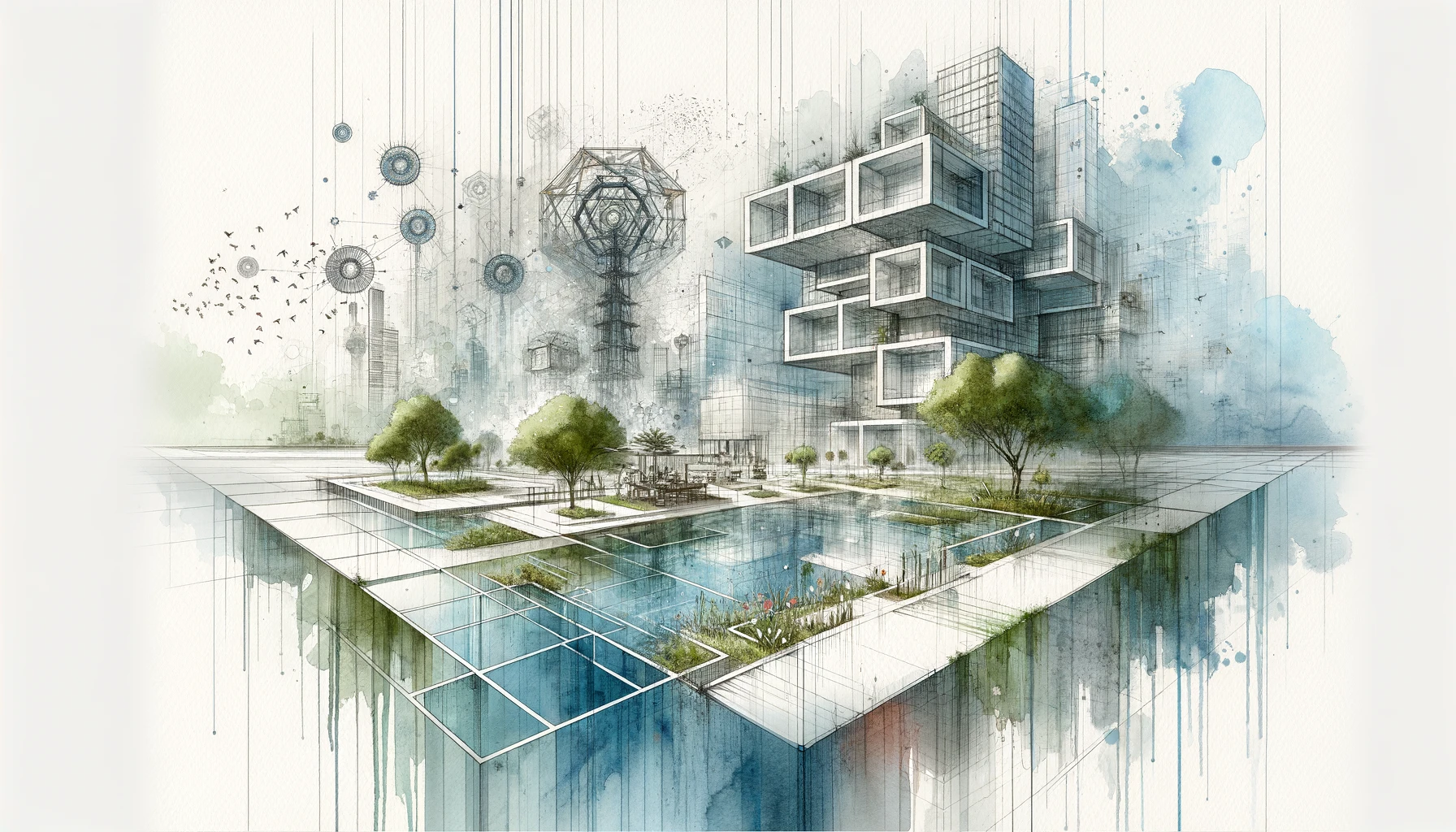
Innovative Design Solutions: Award-Winning Projects from Recent Architecture Competitions
Exploring award-winning architectural projects shaping the future of design, sustainability, and community.



Explore Architecture Competitions
Discover active competitions in this discipline




The International Standard for Design Portfolios


The Global Benchmark for Architecture Dissertation Awards


The Global Benchmark for Graduation Excellence


Challenge to reimagine the Iron Throne
Comments (0)
Please login or sign up to add comments
No comments yet. Be the first to comment!