
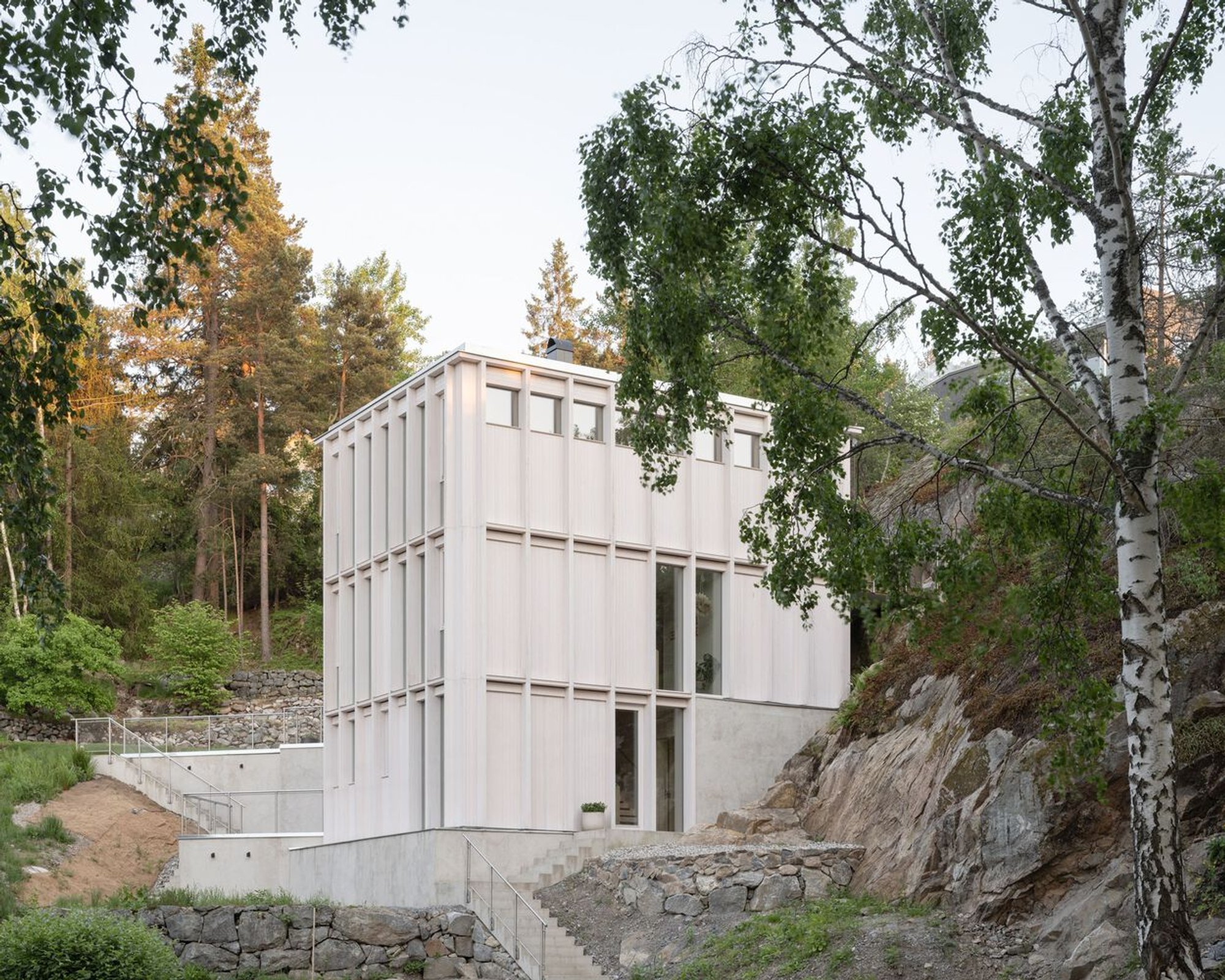
Ravine House by Kolman Boye Architects: A Masterpiece of Cliffside House Design in Sweden
Kolman Boye Architects' Ravine House masterfully exemplifies cliffside house design, blending timber architecture into Sweden’s dramatic rocky terrain.

Merging Architecture with Landscape in a Dramatic Swedish Ravine
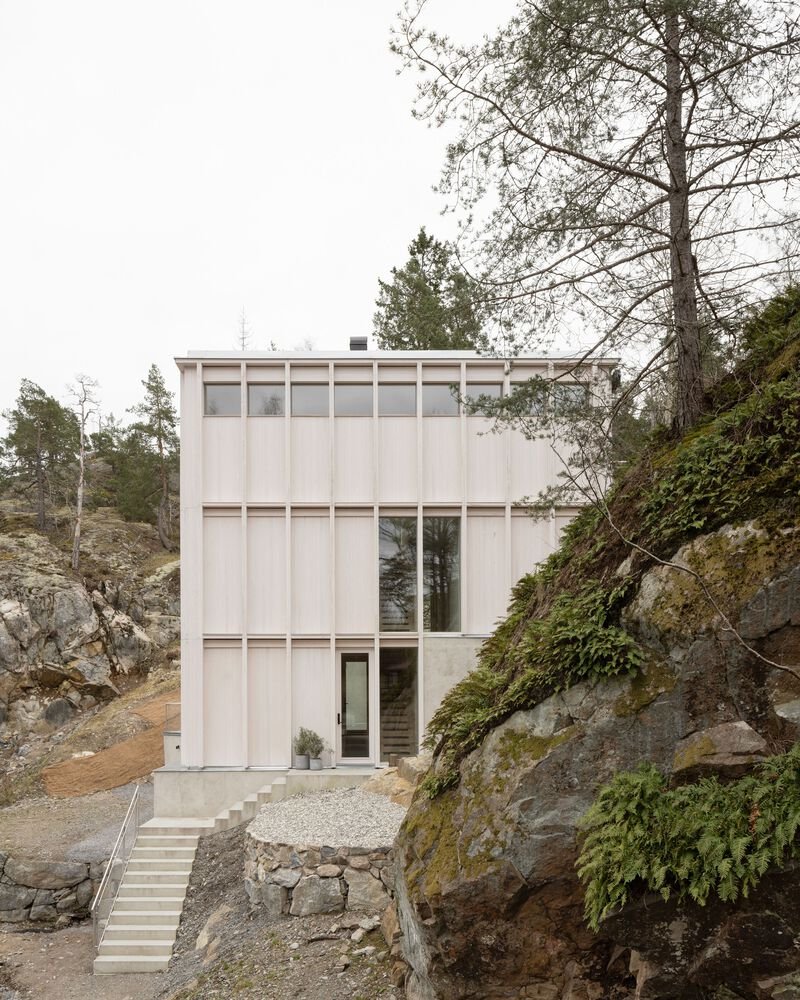
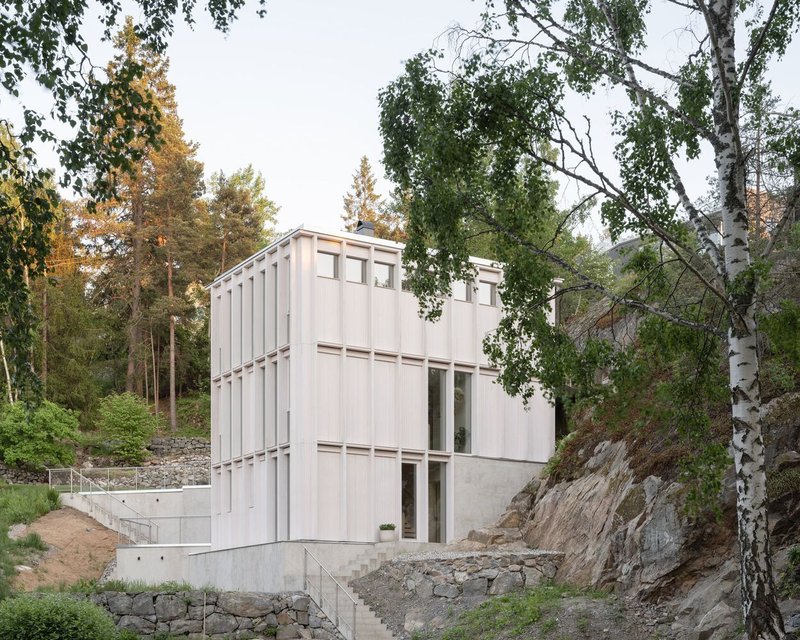
Set within a steep ravine northwest of Skurusundet in Sweden, the Ravine House by Kolman Boye Architects presents an extraordinary example of cliffside house design that harmonizes with nature while overcoming significant spatial and structural challenges. With a compact 150-square-meter footprint, this three-story residence is intricately embedded into the rugged cliffside, transforming a previously unbuildable site into a modern home that feels both sheltered and open.
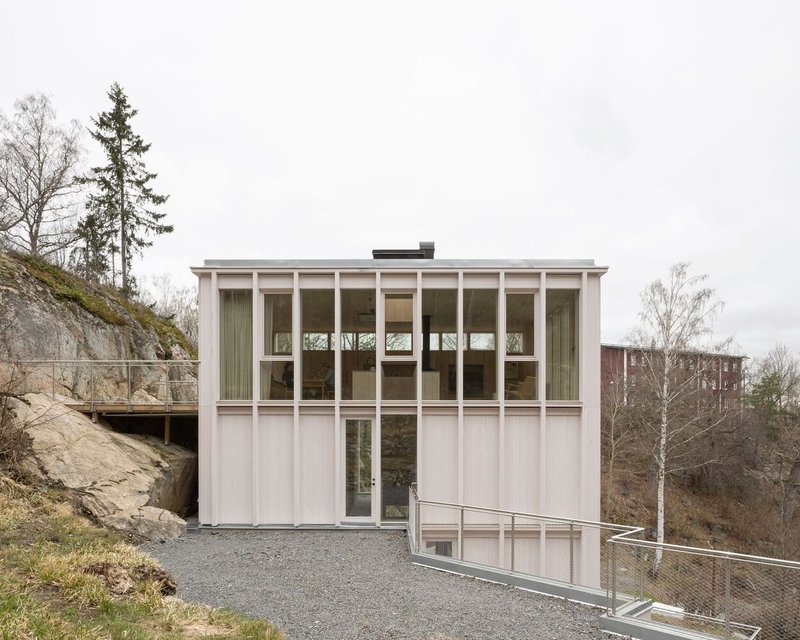
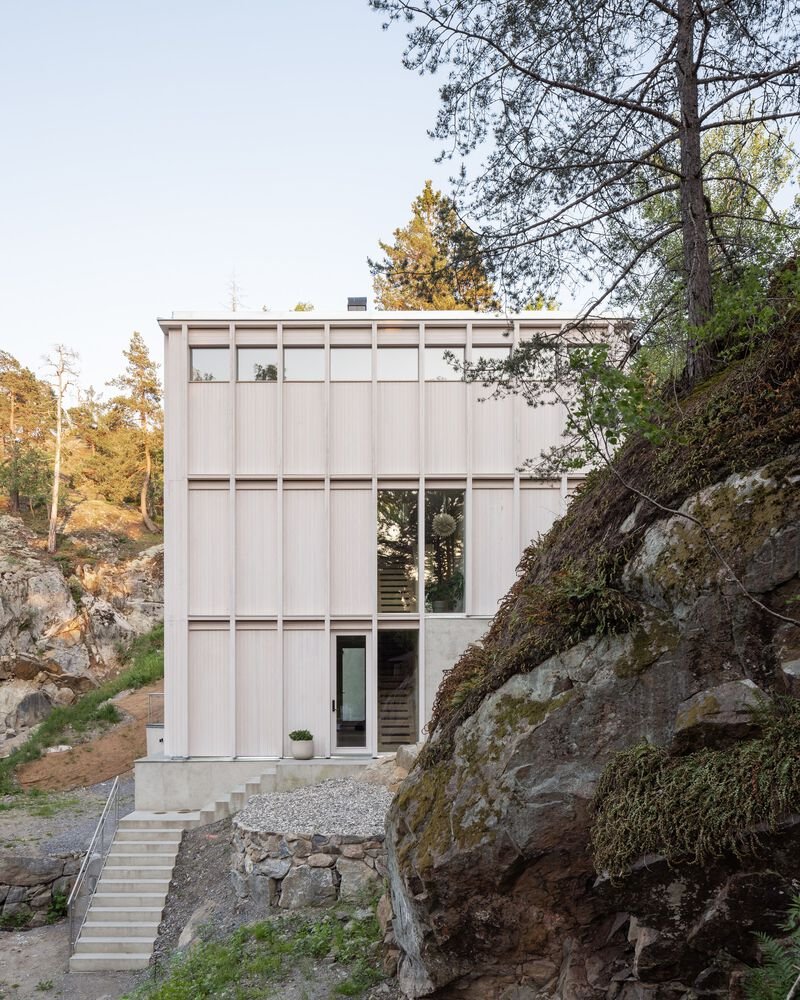
The site, bounded by towering cliffs on the east and west and featuring limited access from the road, had long deterred potential developers. But for Kolman Boye Architects, this landscape presented an opportunity to create a home defined by intimacy, material refinement, and an intimate dialogue with the natural terrain.
A Site Defined by History and Topography
Historically, this area served as a summer escape for Stockholm’s working class, with modest red-painted cottages dotting the rocky shoreline. As the region evolved into a year-round residential enclave, the Ravine House site—previously the location of a larger building—retained signs of its past. Existing terraced granite walls, stone steps, and a semicircular fish pond remained as anchors in the landscape.
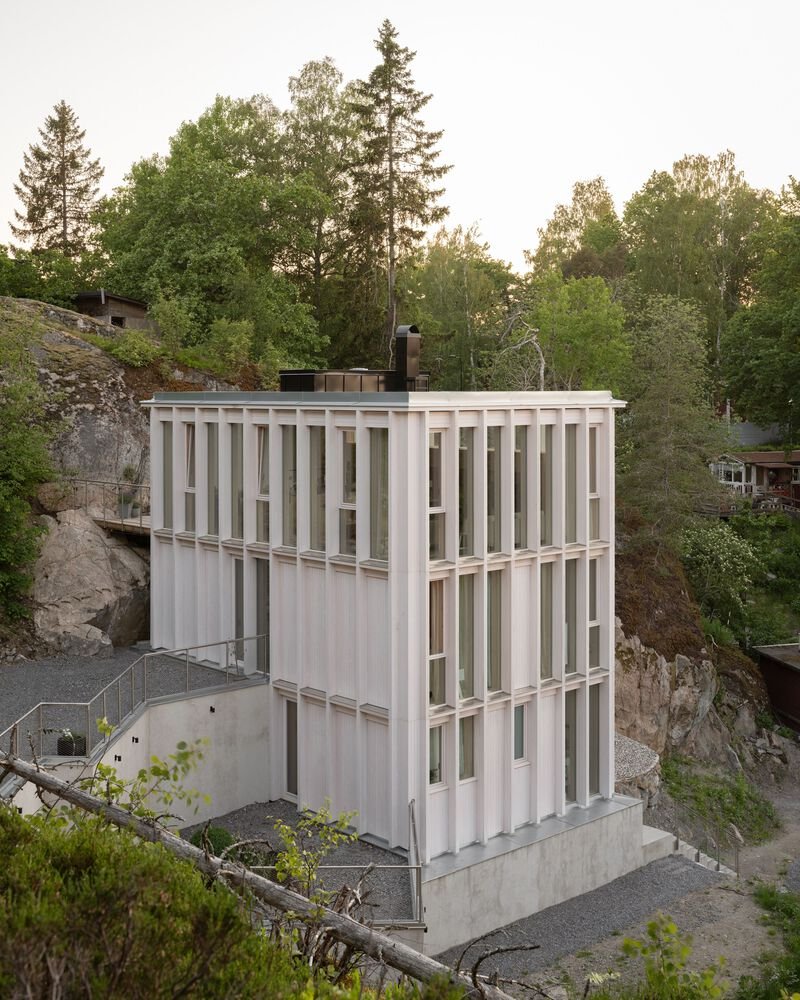
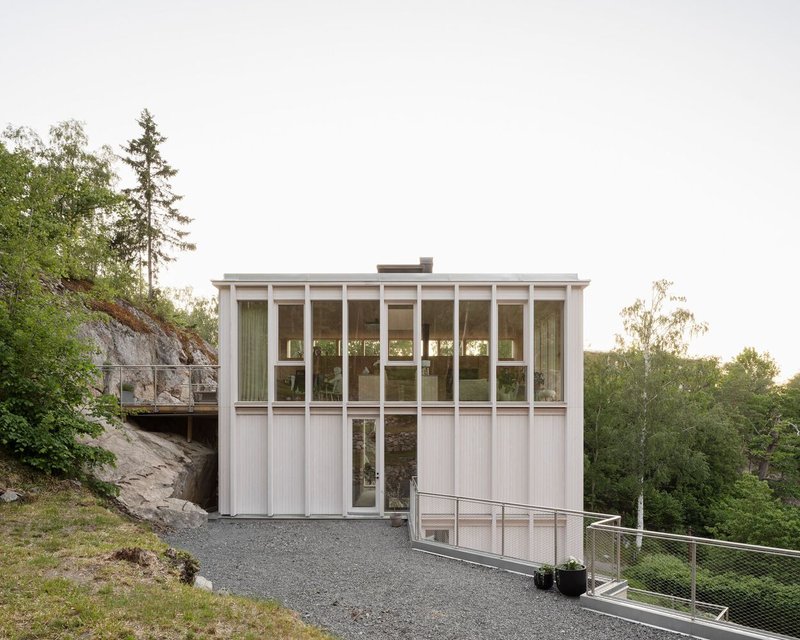
Kolman Boye Architects chose to respect these remnants, aligning the new structure with the terraces and preserving the spatial memory of the site. The result is a residence that feels both contemporary and timeless, grounded in the Swedish architectural tradition while addressing the demands of modern life.
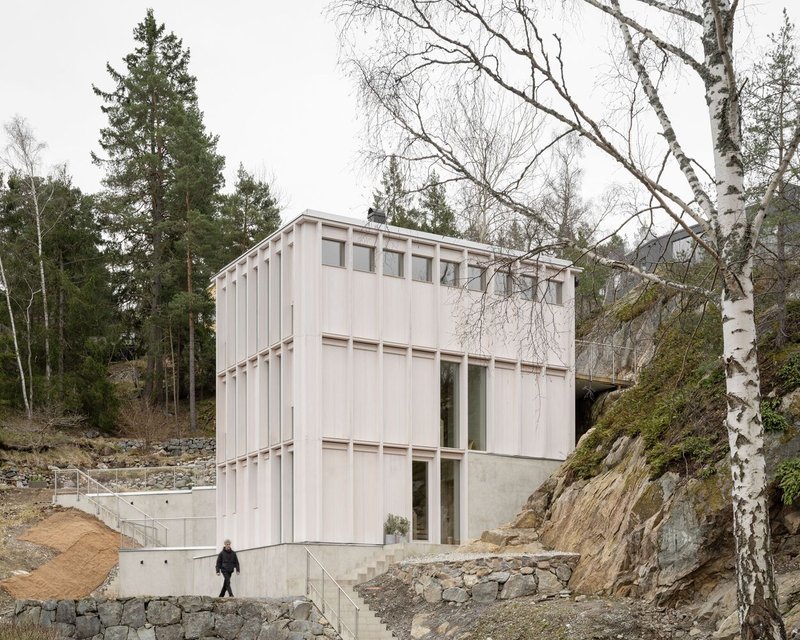
Innovative Cliffside House Design: Structure and Form
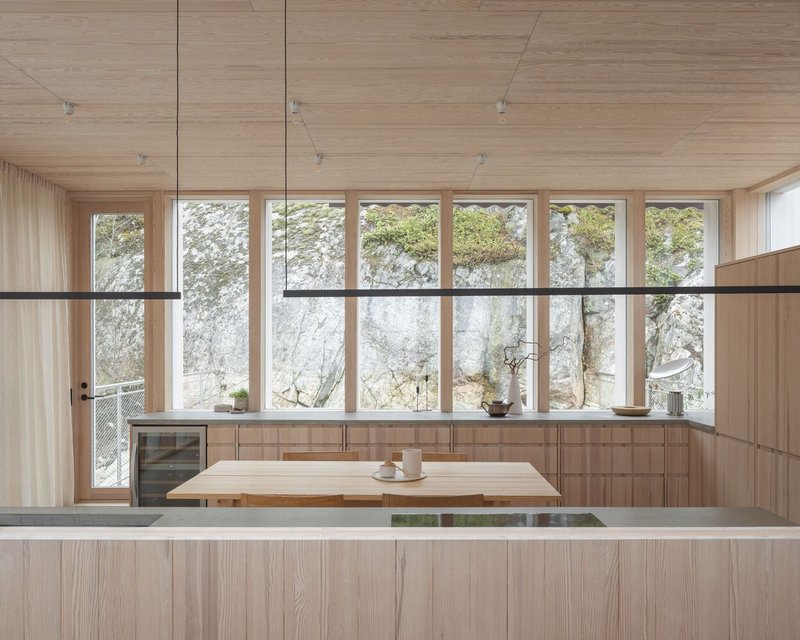
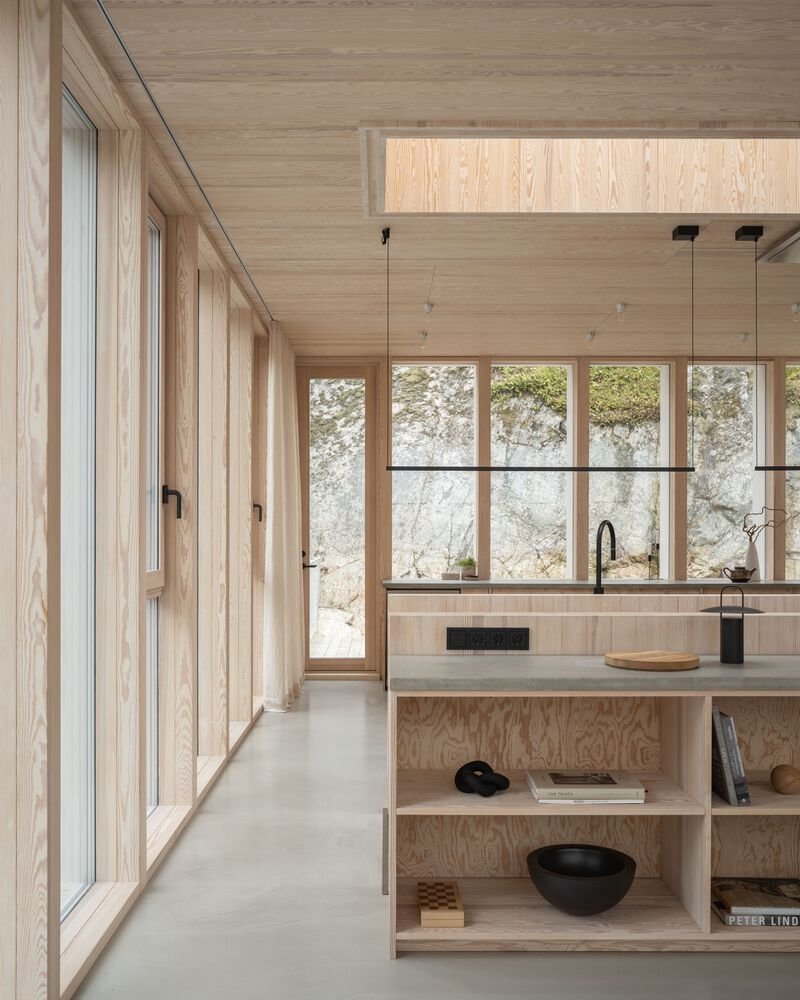
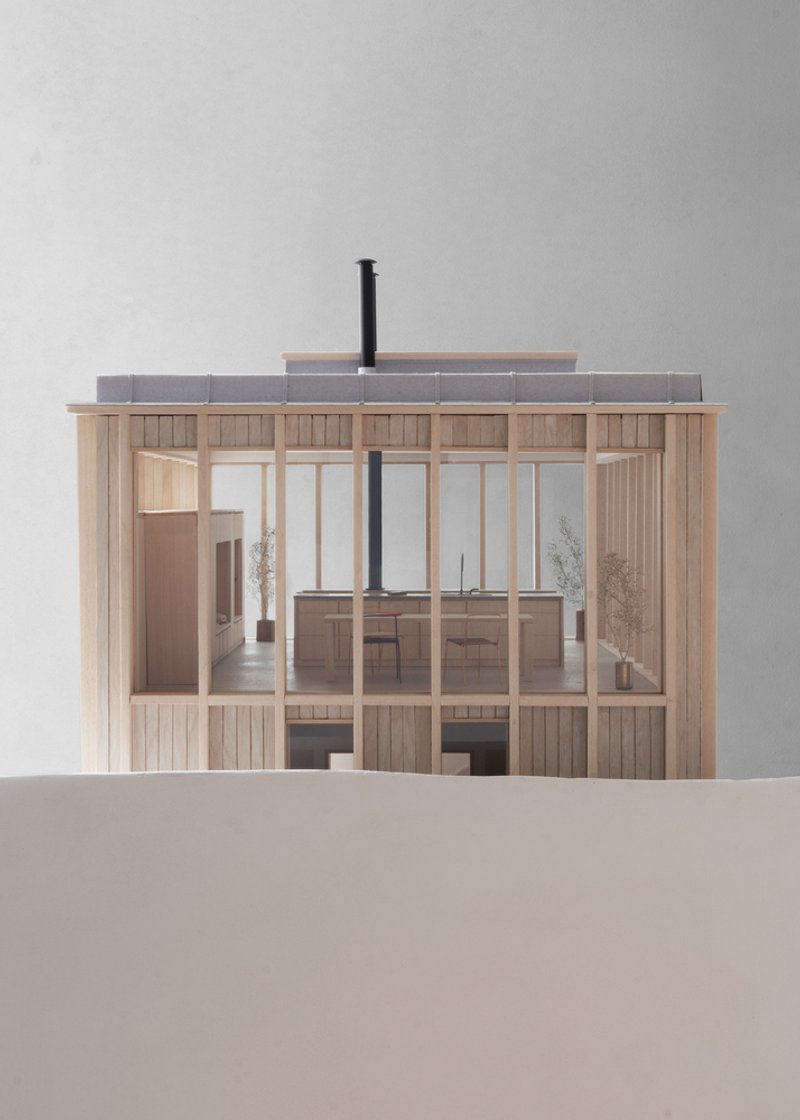
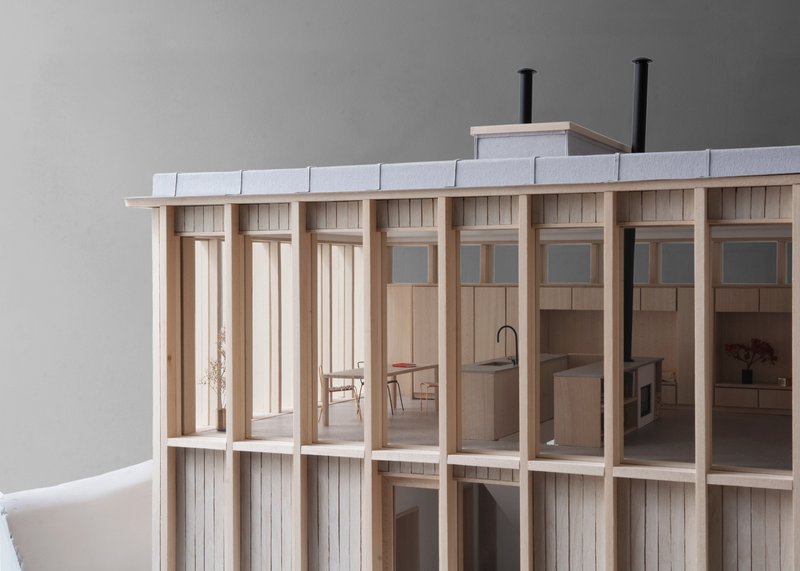
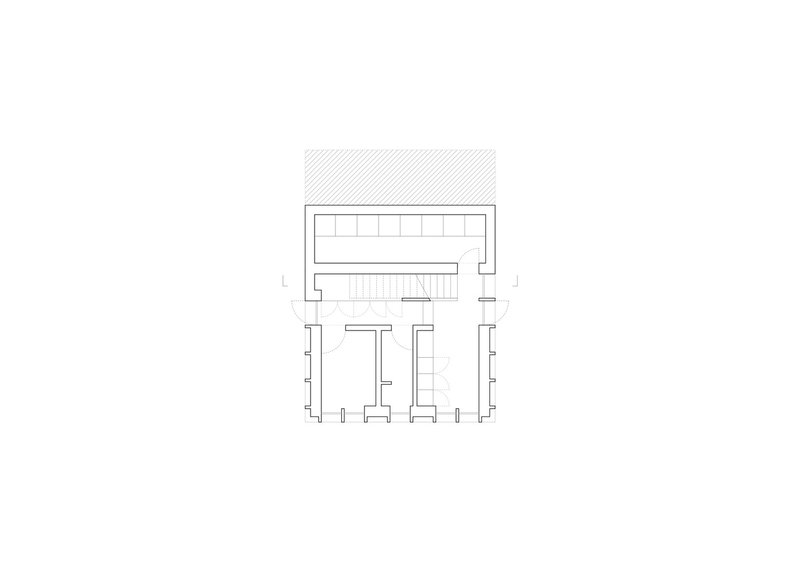
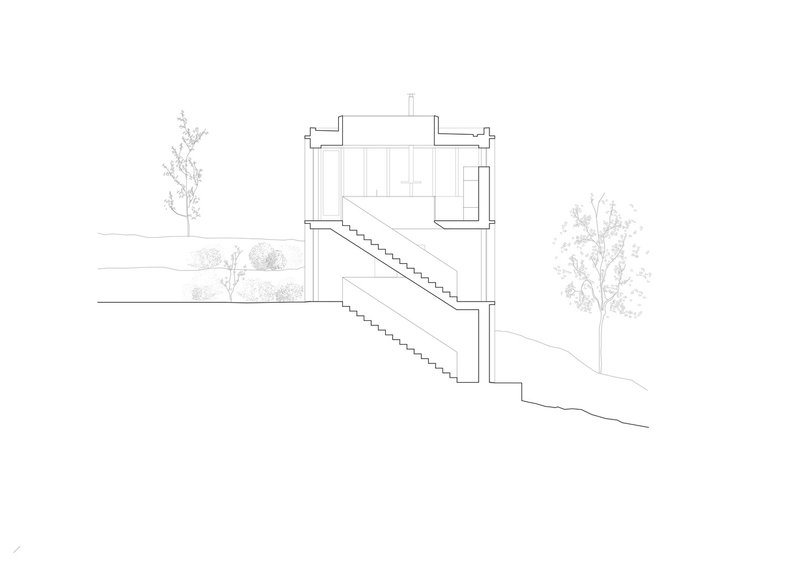
The design embraces verticality, utilizing the steep slope to distribute living functions across three levels. The base level contains utility and technical spaces, partially embedded in the rock. The middle floor, accessed via the entrance path, houses the bedrooms and wardrobes. The top floor—flooded with natural light—is a fully glazed open-plan living area with kitchen and lounge, offering panoramic views of the Stockholm port inlet.
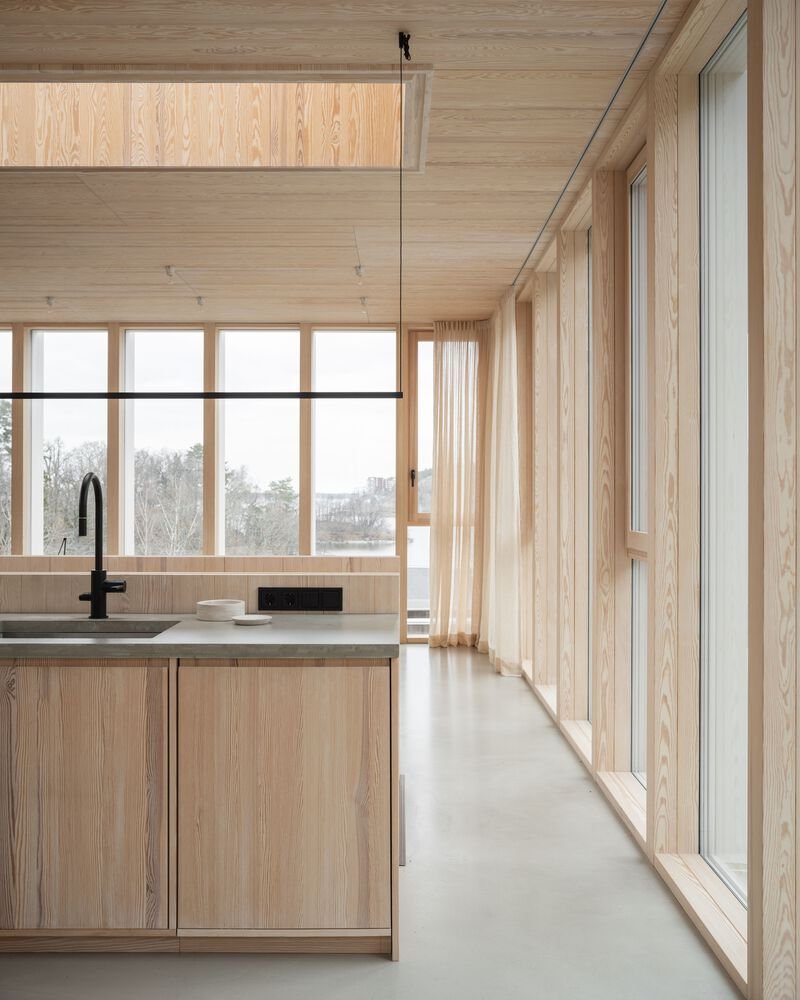
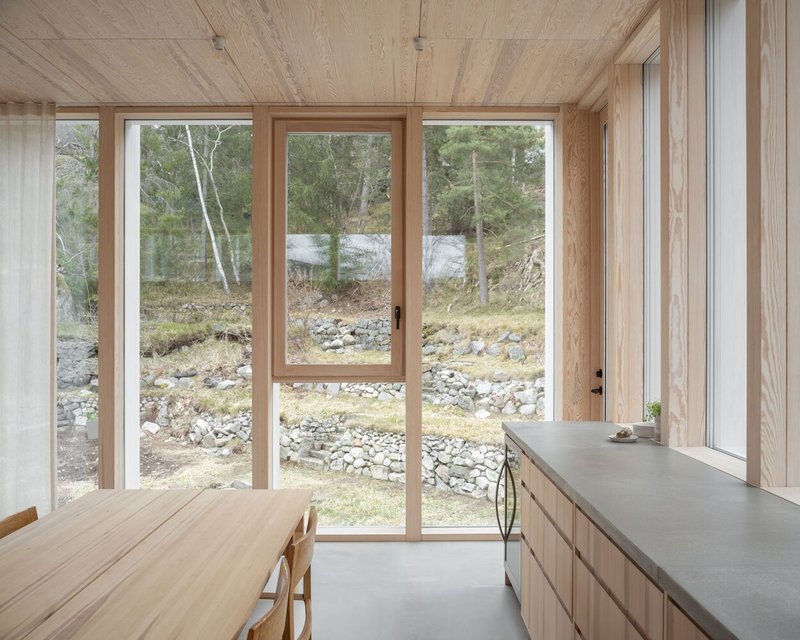
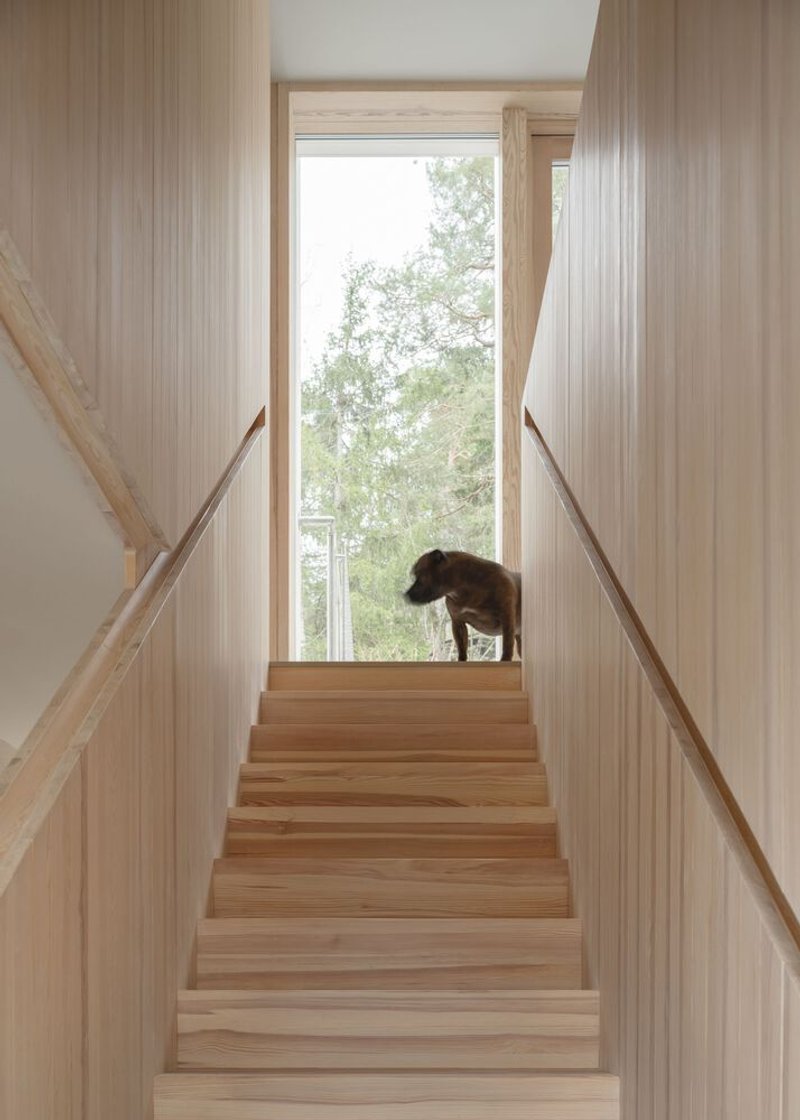
This vertical arrangement allows each floor to connect directly with the outdoor terraces, ensuring the house is in constant dialogue with its surroundings. A central timber staircase unifies the levels, guiding movement through a compact yet efficient floor plan.
Timber Craftsmanship and Sustainable Materiality
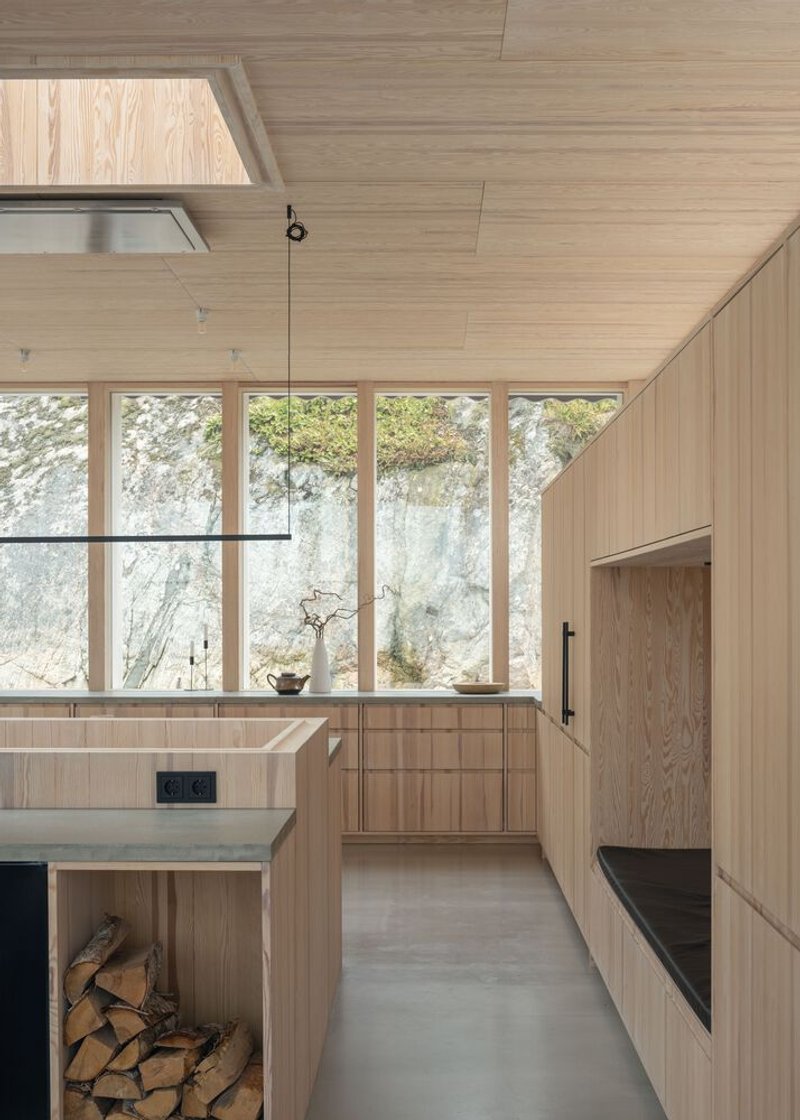
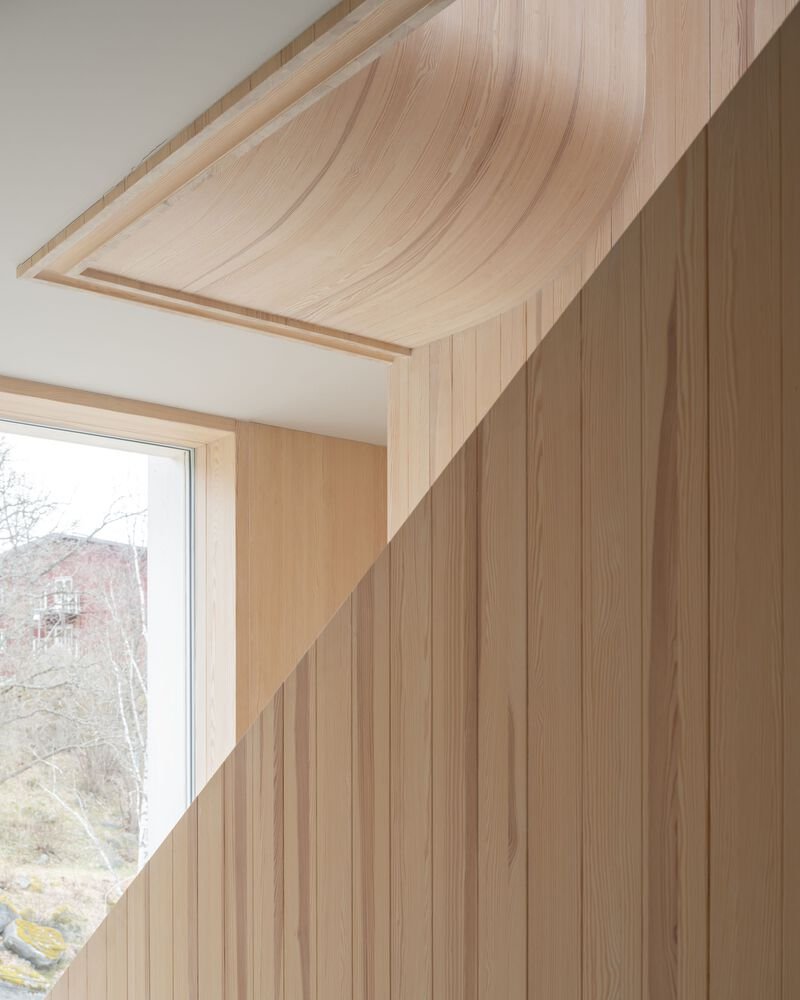
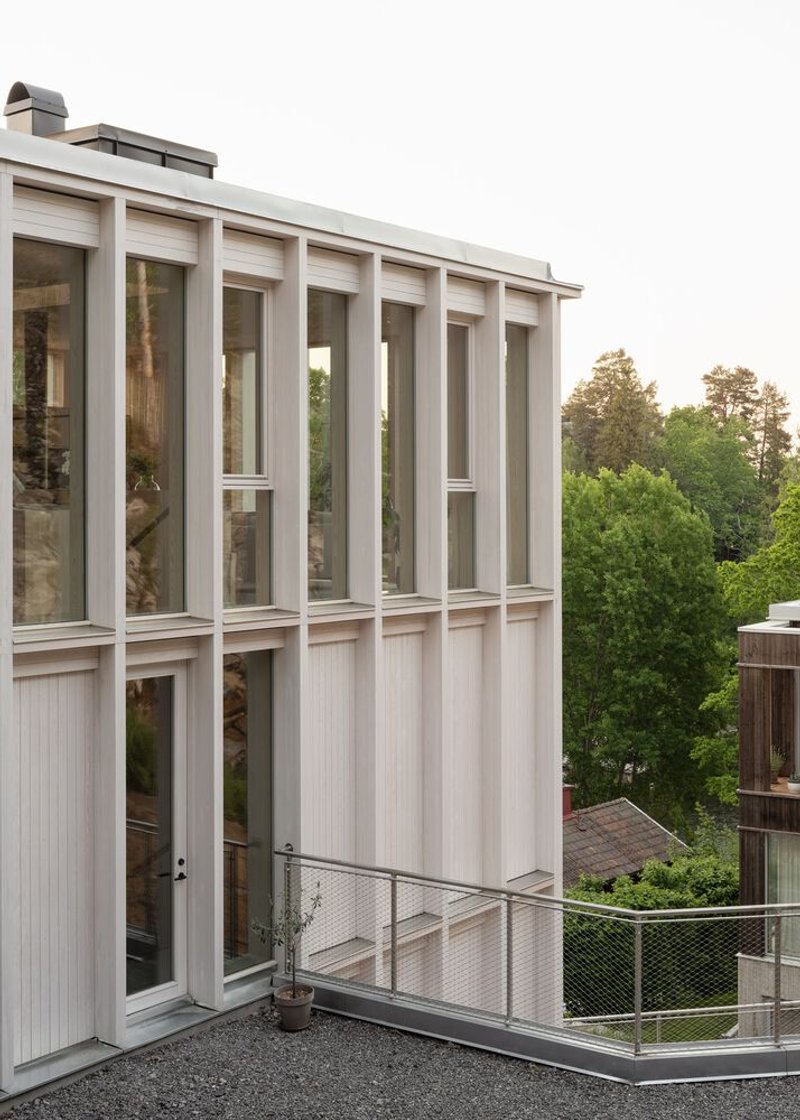
True to Scandinavian architectural values, the Ravine House showcases exquisite timber detailing and a thoughtful approach to materials. Pinewood, a humble and abundant local resource, is elevated through a select-saw-glue process that separates flawless grain from knotty sections. The knot-free portions form the visible interior finishes, while structural elements use the more rustic off-cuts.
This commitment to sustainable building and material upcycling reflects Kolman Boye’s broader design ethos. Just as the home merges with the cliffs, the materials themselves reflect a harmony between affordability, sustainability, and beauty.
Architecture That Embraces and Respects the Terrain
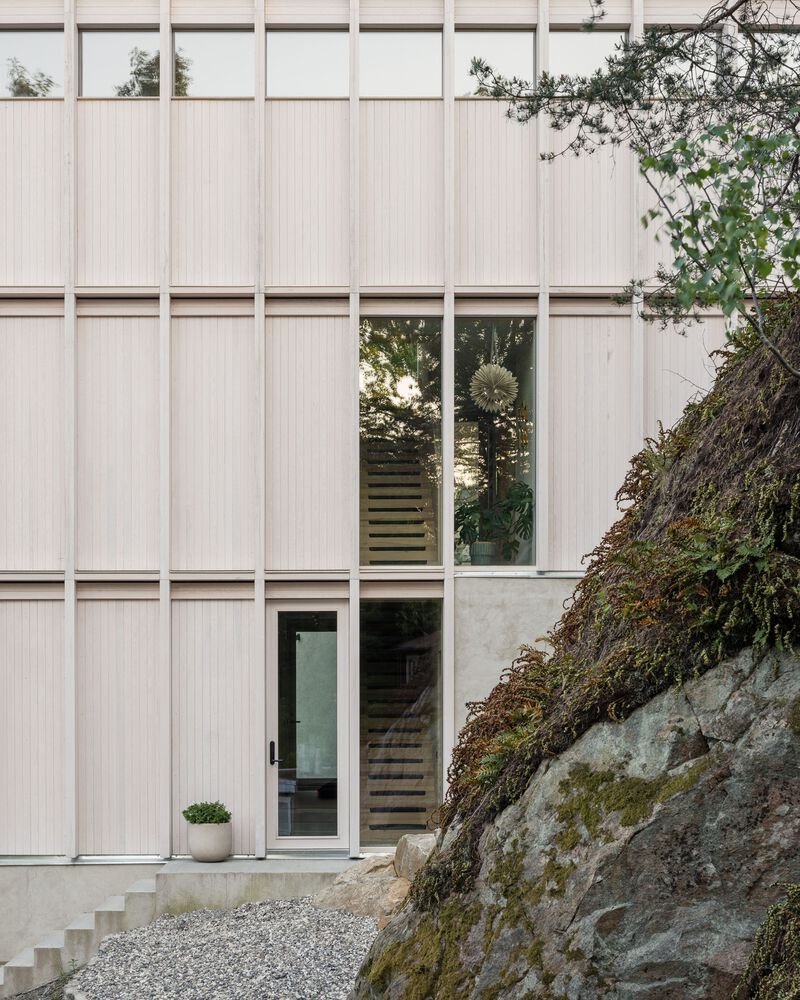
The Ravine House is not just built on a cliffside—it is built into it. Its compact design, minimal visual impact, and sensitive alignment with the topography demonstrate the power of cliffside house design to turn constraint into creative freedom. The building does not dominate its environment but rather complements and reveals it.
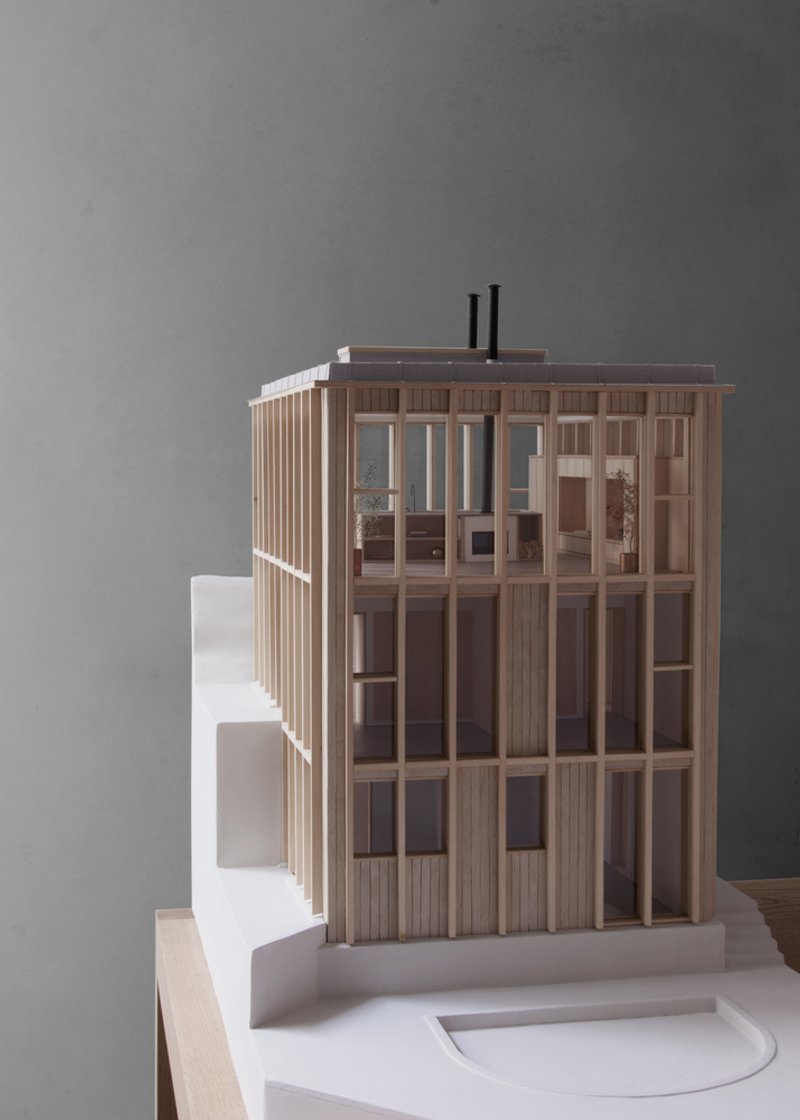
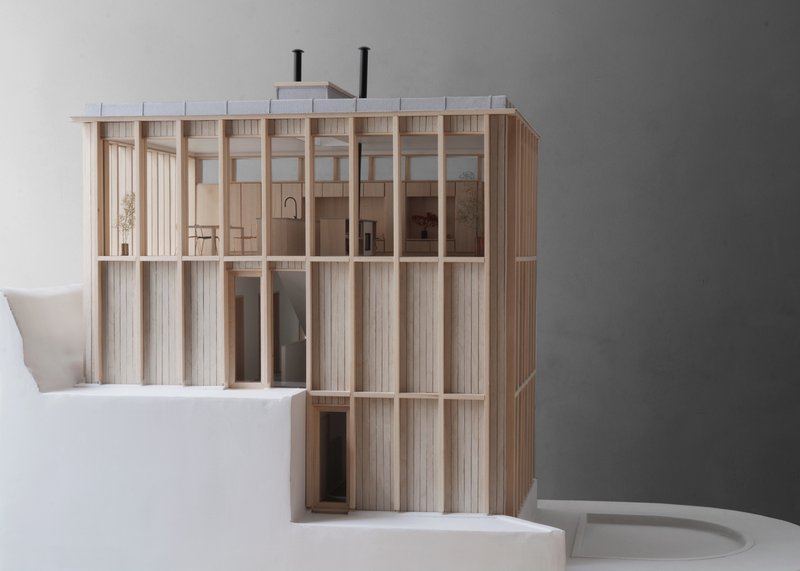
Timber cladding arranged in horizontal and vertical patterns introduces a disciplined aesthetic that contrasts with the irregular geology of the ravine. This opposition heightens the home’s architectural character, establishing a distinct identity while remaining rooted in place.
A Subtle Monument to Site-Specific Architecture
Kolman Boye Architects have crafted more than a residence—they have created a home that becomes one with the terrain. The Ravine House exemplifies how cliffside house design can be both highly contextual and deeply poetic, responding to natural forces with sensitivity and precision.
In its scale, material expression, and connection to landscape, the project celebrates a return to thoughtful, site-responsive architecture. It reminds us that the best homes don’t fight the land—they become part of it.
All the photographs are works of Johan Dehlin




Popular Articles
Popular articles from the community


Solar Steam: A Climate-Responsive Architecture That Redefines the Monument
A climate-responsive memorial architecture that transforms heat, decay, and time into a living system reflecting humanity’s ecological impact.


The Ken Roberts Memorial Delineation Competition (Krob)
As the most senior architectural drawing competition currently in operation anywhere in the world, it draws hundreds of entries each year, awarding the very best submissions in a series of medium-based categories.
Inverted Architecture Installation by Studio Link-Arc: Exploring the Intersection of Architecture and Living Organisms
Inverted Architecture Installation by Studio Link-Arc blends mycelium, sustainability, inverted design, ecological cycles, and urban adaptive architecture in Shenzhen.




Similar Reads
You might also enjoy these articles

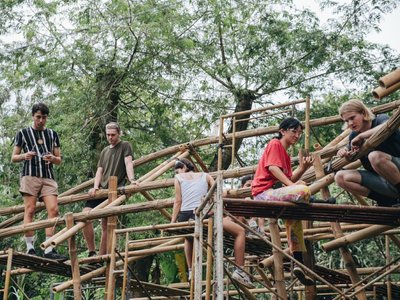
Bamboo Housing Challenge 2026: Design Affordable, Sustainable Homes Using Bamboo
An international design competition by Bamboo U and IBUKU inviting architects and designers to reimagine affordable housing using bamboo — with the winning design built full-scale in Bali.

Computational Design & Education: Beegraphy Design Awards Introduces 7th Category (Featuring Jiyun's Innovative Approach)
Dive into Beegraphy’s 7th Design Awards category, where computational design meets education to create immersive, interactive learning tools, inspired by Jiyun’s work.

From Parametric Lighting to Urban Furniture: Join the 2nd Workshop in Beegraphy’s Computational Design Series
Dive into Cutting-Edge Design Techniques and Practical Applications with Industry Experts


Explore Architecture Competitions
Discover active competitions in this discipline




The International Standard for Design Portfolios


The Global Benchmark for Architecture Dissertation Awards


The Global Benchmark for Graduation Excellence


Challenge to reimagine the Iron Throne
Comments (0)
Please login or sign up to add comments
No comments yet. Be the first to comment!