
ROSA Pavilion: A Masterpiece of Contemporary Architecture in the Chilean Highlands
The ROSA Pavilion by Pezo von Ellrichshausen in Chile blends minimalist design with nature, offering a unique architectural experience.

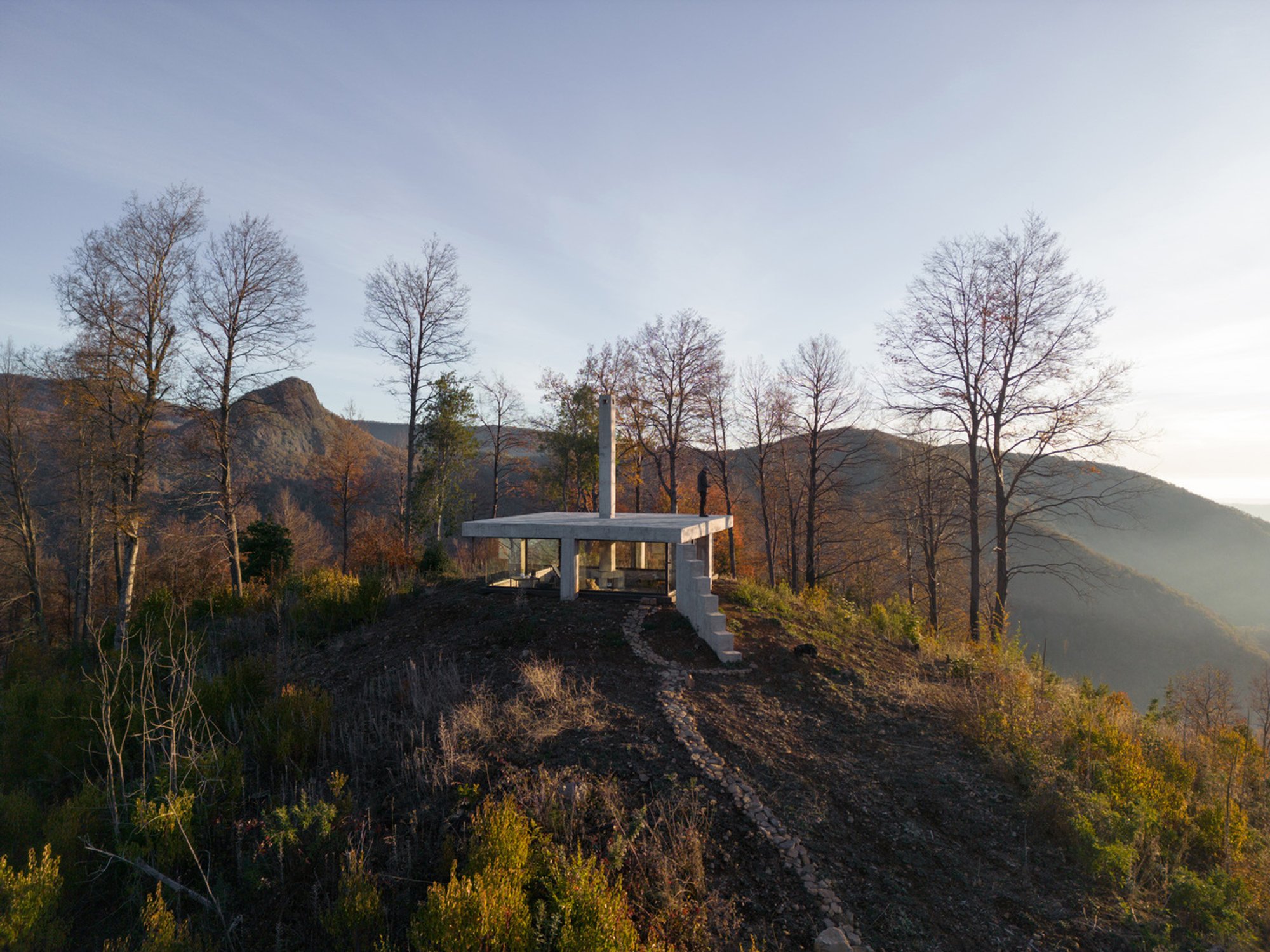
The ROSA Pavilion stands as a striking example of minimalist architectural design, merging seamlessly with the natural landscape of Yungay, Chile. Designed by the renowned architectural firm Pezo von Ellrichshausen, this pavilion not only offers a visual treat but also highlights the intricate relationship between architecture and its environment. The pavilion, though small in scale, reflects a deep understanding of spatial design and environmental interaction. With its humble yet impactful presence, the ROSA Pavilion is an architectural gem that deserves exploration.
Design Concept: Architecture in Harmony with Nature
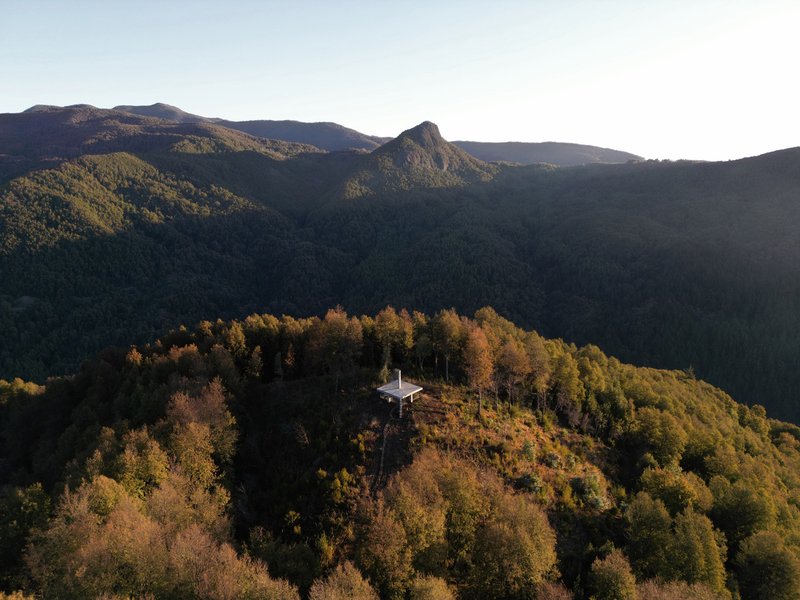
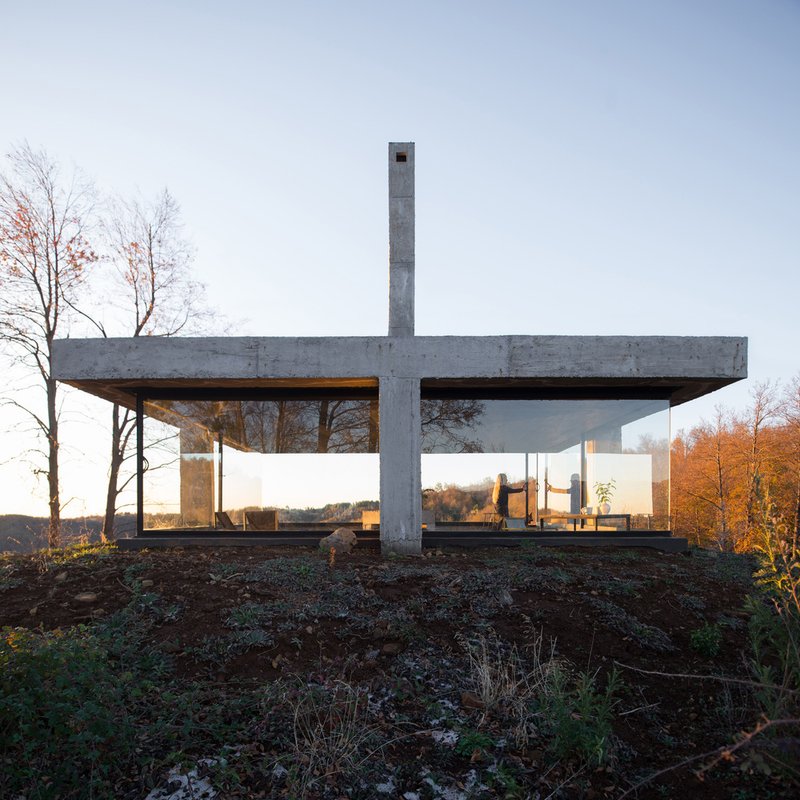
The ROSA Pavilion occupies a unique spot in the rugged terrain of a mountain river's path. Its 40 m² footprint rests atop a small hillrock, symbolizing the seamless blend of man-made design and the surrounding natural world. The pavilion stands alone, supported by four thick columns at each side’s midpoint, creating a minimalistic platform that is barely separated from the earth beneath it.
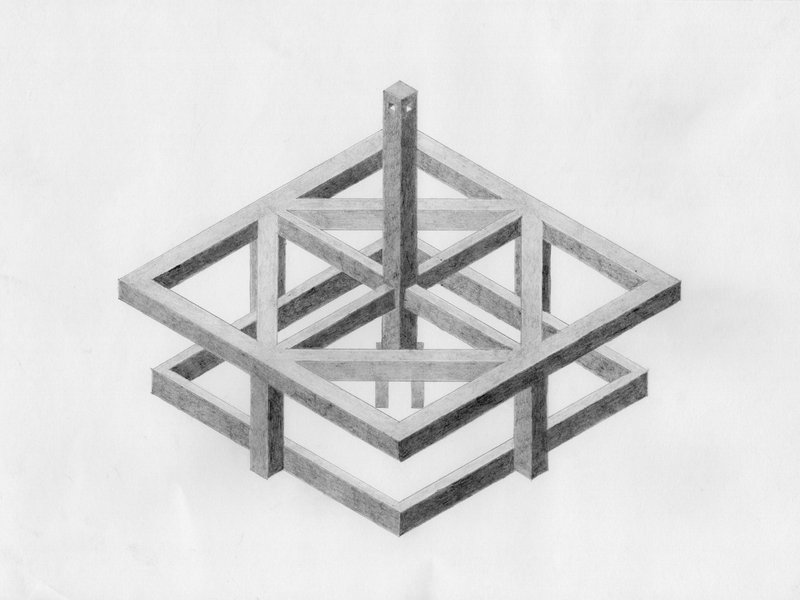
Pezo von Ellrichshausen’s design incorporates elements that are both static and seismic, ensuring that the structure can withstand the harsh conditions of the mountainous environment. The rotational stress of this concrete structure is carefully controlled through crossed and diagonal beams embedded into the slab, demonstrating a sophisticated engineering approach.
Structural Integrity: The Heart of ROSA Pavilion
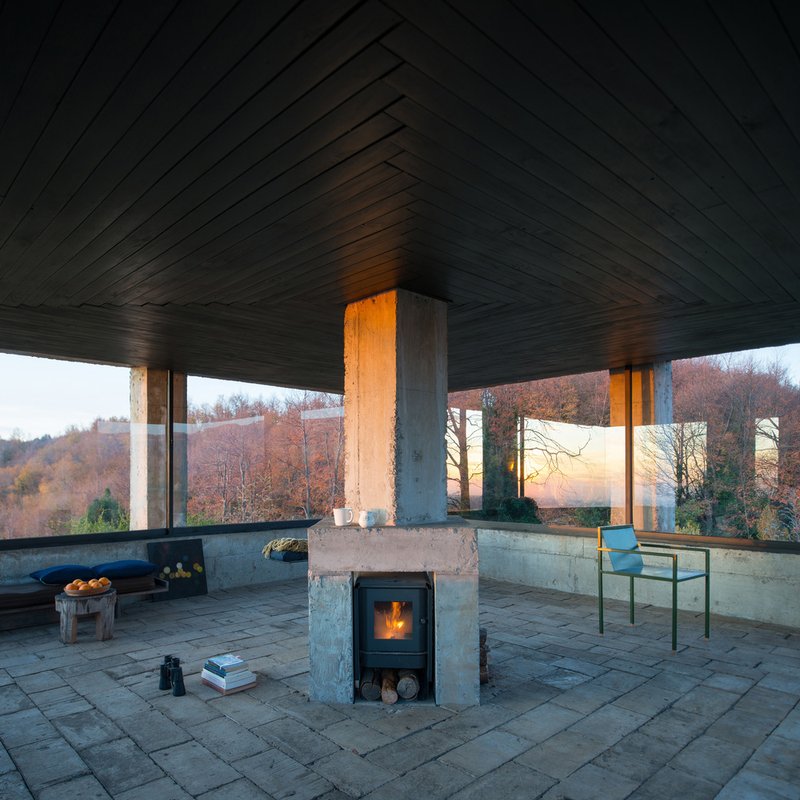
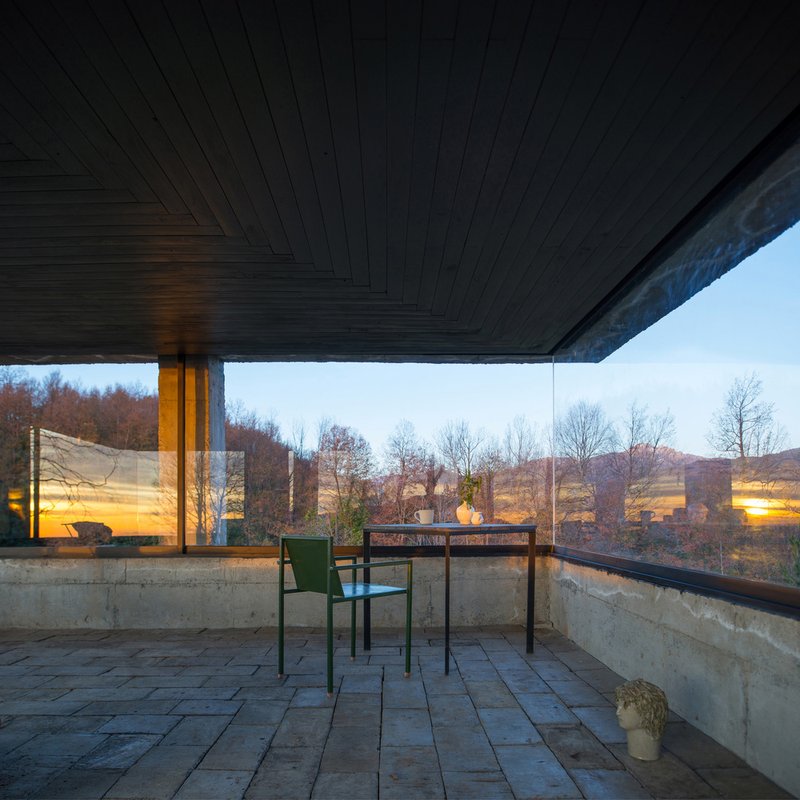
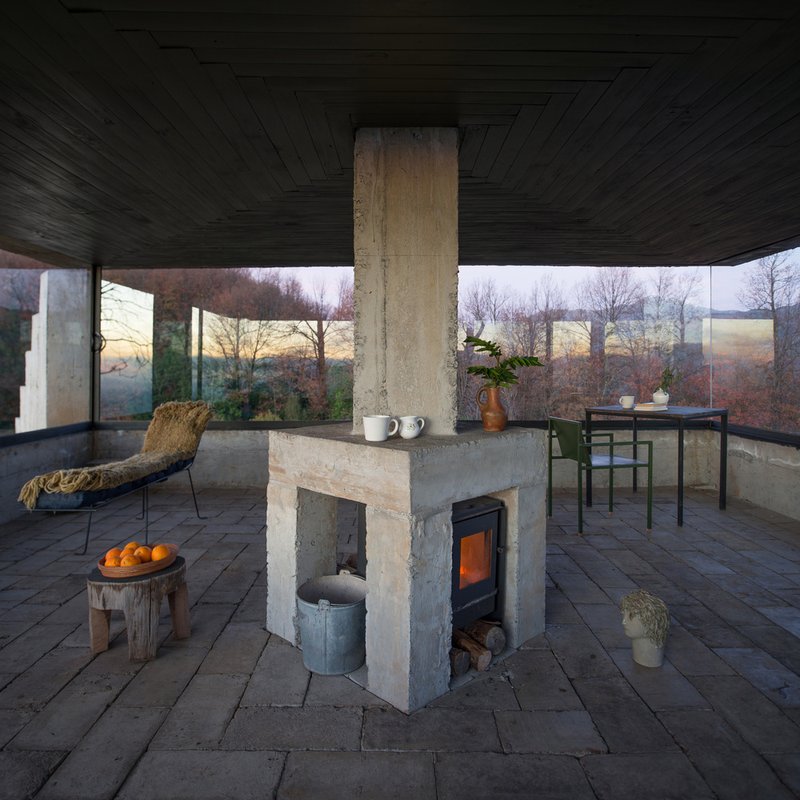
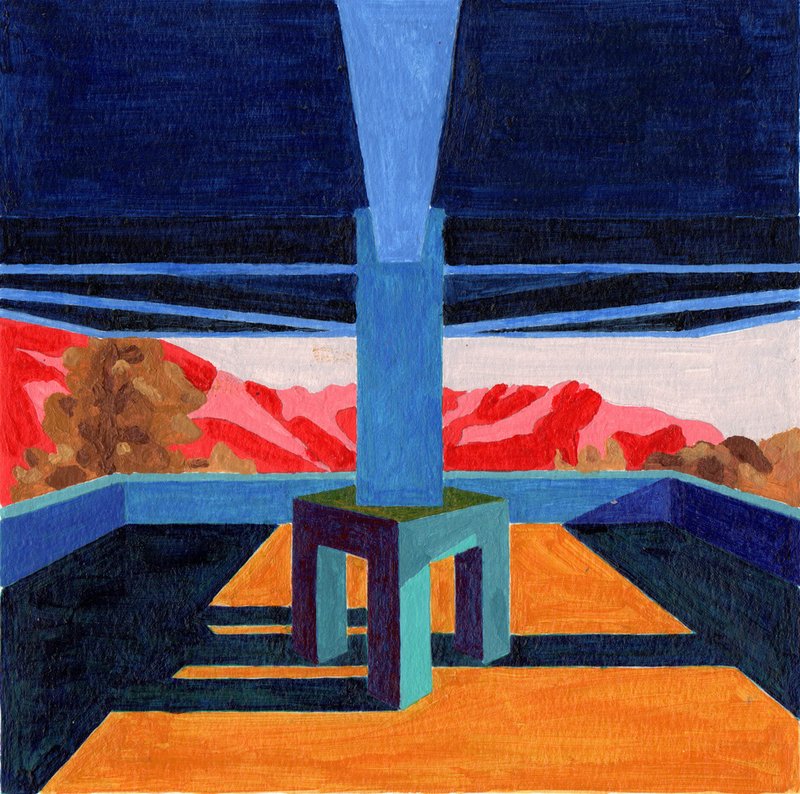
At the core of the pavilion is a structural chimney, positioned centrally under the platform. This chimney acts as the gravitational core of the building, ensuring stability while also enhancing the overall aesthetic. The two corners of the pavilion are outfitted with fixed glass panels, while the other two corners feature sliding panels that can open up to form balconies, offering unparalleled views of the surrounding landscape. The interior of the pavilion remains open and airy, with minimal partitions, allowing it to function as a single, expansive room divided into four quadrants.
Unique Architectural Elements
One of the standout features of the ROSA Pavilion is its roof terrace, where the structural chimney transforms into the central pole of a rudimentary sundial. This thoughtful design choice serves as an abstract representation of time, linking the pavilion’s modern architectural elements with the natural cycle of the environment.
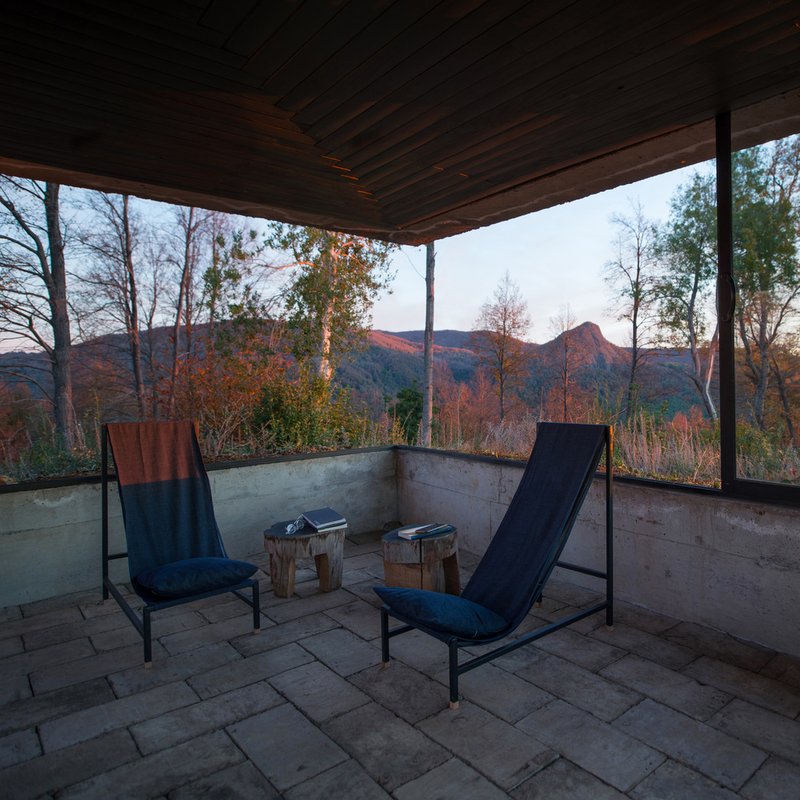
In terms of spatial experience, the ROSA Pavilion embraces its dual nature. It allows visitors to experience both the grounded, "cave-like" atmosphere beneath the platform and the airy, elevated sensation above it, as if floating in the clouds. This dynamic interplay between the two realms enhances the architectural experience, offering a deep connection with nature.
The ROSA Pavilion: A Modern Interpretation of Traditional Architecture
The ROSA Pavilion is more than just a structure; it’s a metaphor for the duality of human experience. Its design reflects a balance between tradition and innovation, offering an intimate, fire-lit experience for those who venture up the hill to visit. For architectural enthusiasts, this pavilion is an exploration of how contemporary architecture can resonate with timeless elements of nature.
Architectural Design Philosophy
Mauricio Pezo and Sofia von Ellrichshausen’s philosophy emphasizes a sense of humility in architecture. They focus on creating spaces that respect their environment while pushing the boundaries of design. The ROSA Pavilion embodies this ethos, showing how even a modest, compact structure can have a profound impact when thoughtfully placed within its surroundings.
ROSA Pavilion as a Modern Architectural Landmark
The ROSA Pavilion by Pezo von Ellrichshausen is a powerful example of how contemporary architecture can harmonize with nature. The pavilion’s design not only highlights the beauty of the landscape but also invites visitors to experience a profound connection with both the earth and the sky. Its seamless integration into the Chilean highlands makes it a must-see architectural wonder, offering insights into the future of sustainable and minimalist design.




Popular Articles
Popular articles from the community


Solar Steam: A Climate-Responsive Architecture That Redefines the Monument
A climate-responsive memorial architecture that transforms heat, decay, and time into a living system reflecting humanity’s ecological impact.
Atelier Macri Concept Store Interior Design by CASE-REAL
Atelier Macri store features a "ko" counter, walnut wood details, cork displays, blending retail, gallery, and seamless customer experiences.
Inverted Architecture Installation by Studio Link-Arc: Exploring the Intersection of Architecture and Living Organisms
Inverted Architecture Installation by Studio Link-Arc blends mycelium, sustainability, inverted design, ecological cycles, and urban adaptive architecture in Shenzhen.
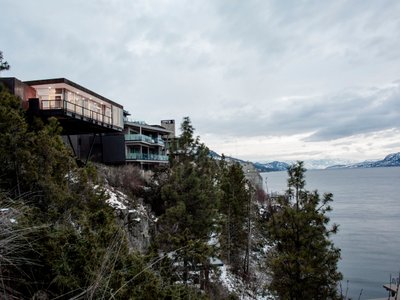
Alton Cliff House: A Harmonious Retreat by f2a Architecture in Lake Country, Canada
Alton Cliff House blends corten steel, prefabrication, and sustainable design, creating a luxurious, energy-efficient retreat perched on Canadian cliffs.

Similar Reads
You might also enjoy these articles


The Ken Roberts Memorial Delineation Competition (Krob)
As the most senior architectural drawing competition currently in operation anywhere in the world, it draws hundreds of entries each year, awarding the very best submissions in a series of medium-based categories.

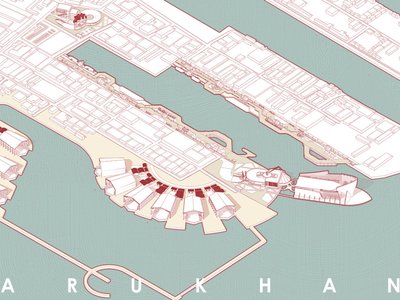
Waterfront Redevelopment and Urban Revitalization in Mumbai: Forging a New Dawn for Darukhana
A transformative waterfront redevelopment project reimagining Darukhana’s shipbreaking heritage into an inclusive urban future.

OUT-OF-MAP: A Call for Postcards on Feminist Narratives of Public Space
Rhizoma Design and Research Lab invites artists, designers, architects, researchers, and students to reflect on how feminist perspectives can reshape public space. Selected works will be exhibited in Barcelona, October 2026. Submissions open until 15 April 2026.

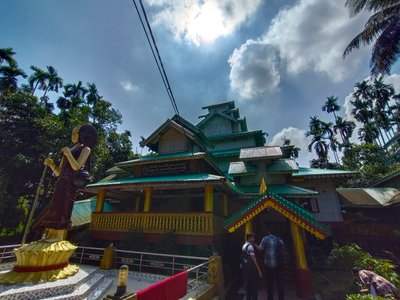
Documentation Work on Buddhist Wooden Temple
Architectural syncretism and cultural hybridity: A comparative study of the Buddhist temples in Chattogram Hill tracks


Explore Architecture Competitions
Discover active competitions in this discipline




The International Standard for Design Portfolios


The Global Benchmark for Architecture Dissertation Awards


The Global Benchmark for Graduation Excellence

Challenge to design a portable theatre
Comments (0)
Please login or sign up to add comments
No comments yet. Be the first to comment!