
Spline
Pocket Home

Spline is a comprehensive, compact, and cost-effective solution to temporary modular housing. Consisting of modified C-shaped blocks with an area of about 25 sq. m., the modules fit together to form a meandering corridor space. The modifications were provided to enhance the interior spaces as well as provide more surface area to the walls. This makes up for better fenestrations and an effective use of limited space.
There is an efficient use of floor space with a comfortable living, cooking, sleeping, and bathroom areas. The module opens to a cosy living space with ample overhead storage and additional storage space underneath the sofa. A coat and shoe rack fits right at the entrance. The L-shaped couch provides comfortable seating with the angular wall providing an agreeable location for a TV unit and a good viewing angle. A window frames the backside of the couch giving adequate natural light and ventilation, making the space livelier. As one moves towards the interior one encounters an open kitchen system. The narrow hallway has been efficiently converted to a well-equipped kitchen with multiple cabinet spaces. A window frames the view of the gas stove to take care of ventilation and the open shelves give a convenient storage. A convertible table has been given at the bridge of the cooking and living areas which works as a dining space enough to accommodate a couple of residents. A partition wall marks the end of the kitchen, providing a sense of privacy to the sleeping space. A small closet bathroom is provided just before the sleeping quarter which is equipped with the basic services of a washbasin, W/C, and a shower cabinet. The bedroom of the module has been designed such that it doubles as a study with the murphy bed closing up to form a desk. A unique wardrobe design has been provided to accommodate the study chairs for the same. A window on the slant wall makes for natural ventilation. Blinds have been given to preserve privacy in the space.
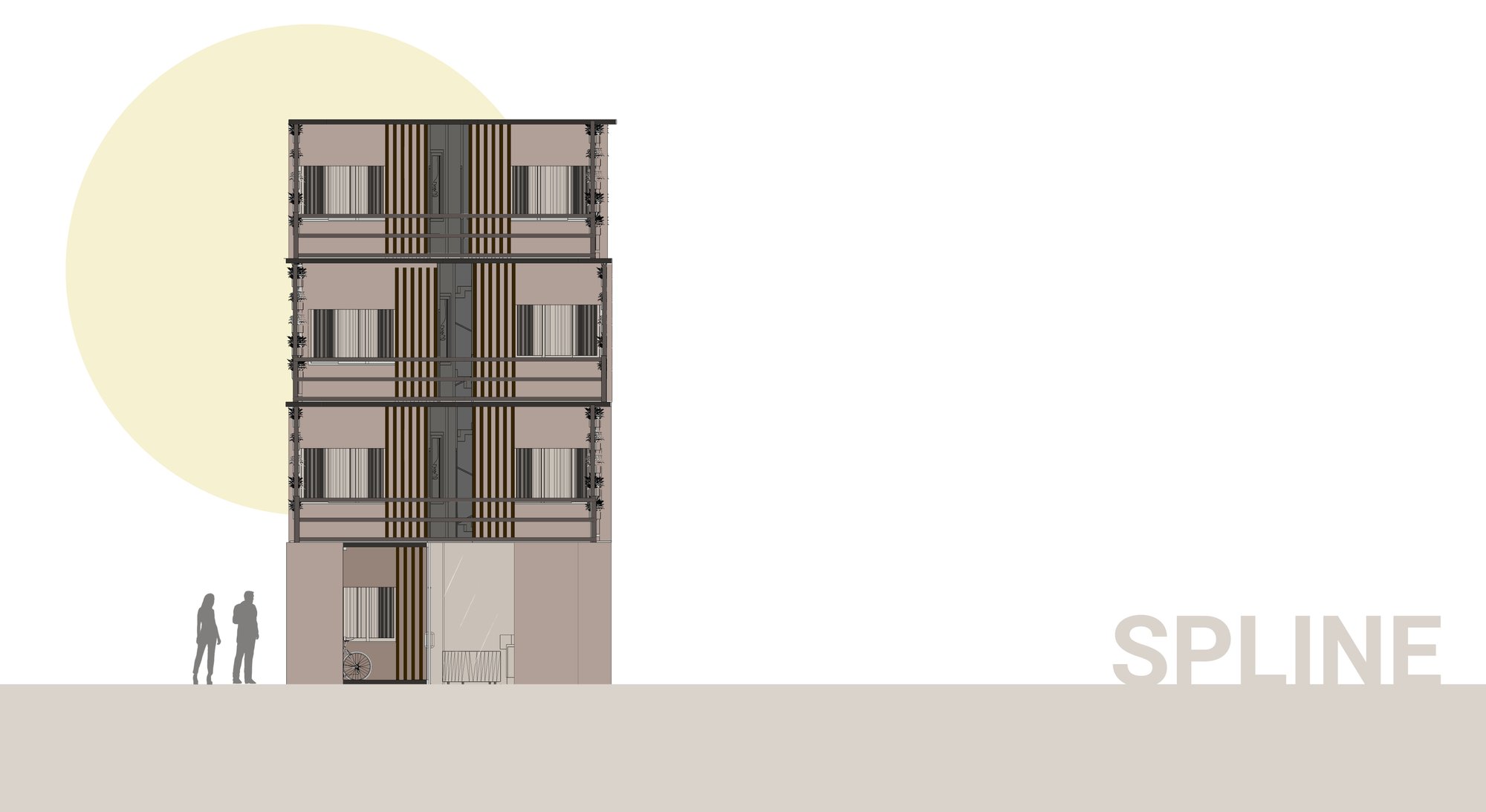
The enclosure consists of 12 overall modules which are stacked in threes. The alternate mirrored orientation on each floor creates usable pockets and gives an interesting façade to the building. Keeping in mind the linear nature of the site and the evident lack of natural light and ventilation, communal balconies have been provided on each floor to give a refreshing sight and a vantage point over the streets. These are fenced with metal planters which give a cool and serene vibe to the place. The unique stacking coupled with the slanting nature of the walls creates meandering hallway spaces. These narrow spaces open up to the vast balconies giving a sense of expansion in the overcrowded city.
The entrance to the building is marked by a lobby space, a security cabin, and a cycle stand. The change in materiality gives a unique identity to this place. An exposed brick lobby with glass panels creates a welcoming sight for the onlookers. The lobby accommodates an inquiry desk and a waiting area along with a service toilet. A semi-open passageway separates the security cabin and the lobby, giving the guard a good vantage point of the comings and goings of the lodgers. The passageway leads to a cycle stand to give convenient parking to the boarders.
A simple dog-legged staircase system is provided at the end of the hallway. This semi-open staircase runs vertically making it easy to access each floor. Similar planter railings have been provided for the staircase block as the balcony to unify it to the building.
The modules are designed to be built of prefabricated sandwich panels. Such a system was chosen to protect the building from the harsh New York winter and provide a convenient and economical solution. The panels have a wooden cladding on the exterior giving the form a rustic look. Towards the interiors a plaster layer has been provided to make the compact space feel more open. A foam insulation layer in the middle plays a protective role in the context.
Elegant curves have been used in the front façade giving the building an interesting identity. The staggered modules, the wooden paneling, and the exposed brick make the building stand out in the context.
Spline is an attempt at activating the unused alleyway and providing affordable accommodation in the dense landscape of New York.


Popular Articles
Popular articles from the community

Ippolito Fleitz Group Identity Architects Turn Eight Floors in Shanghai into a Vertical Creative City
Publicis Groupe's new headquarters in Xintiandi reimagines the office as a courtyard-driven urban landscape stacked across eight floors.
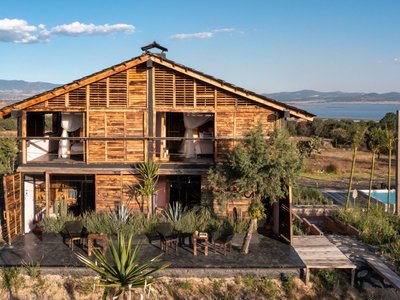
Fausto Terán and Toro Fuse Japanese Craft with Mexican Tradition in a Lakeside Retreat
Nakamura House pairs Shou-Sugi-Ban charred pine with handmade clay tile at the foot of Atlangatepec Lagoon in Mexico.
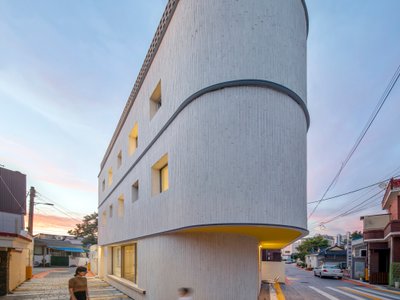
YOAP Architects Round a Corner in Yeongcheon with a Cylindrical Community Hub
A 197-square-meter brick and ribbed-clad tower turns a forgotten alley corner in South Korea into a public garden with a low threshold.
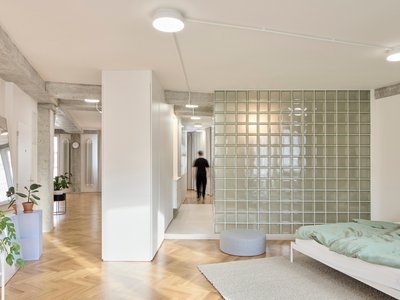
RDTH architekti Rips Out Nearly Every Wall in a Prague Apartment and Replaces Them with Furniture
A 101-square-meter post-war flat in Prague trades rigid partitions for a single rotated furniture block, curtains, and glass concrete.


Similar Reads
You might also enjoy these articles

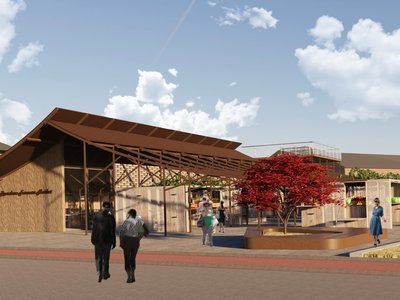
The Rhythm of Seasons
A Farmers' Market Connecting Nature and the City

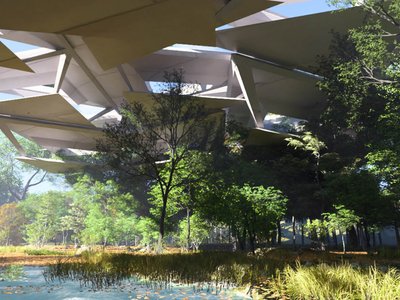

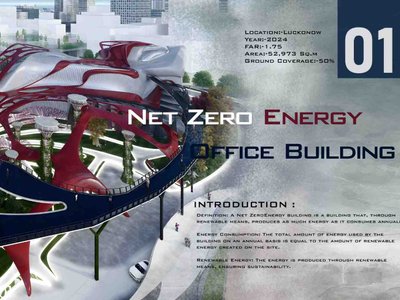
More Than a Building-Designing a Living System
More Than a Building-Designing a Living System
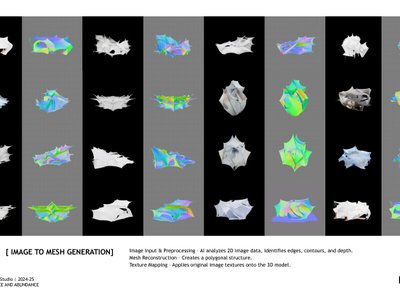
Base Beyond
DESERT COMPOUND ARID: TOURISM OF ABSENCE AND ABUNDANCE


Explore Residential Building Competitions
Discover active competitions in this discipline




The Global Benchmark for Architecture Dissertation Awards


Challenge to design mud housing for contemporary communities
Comments (2)
Please login or sign up to add comments
Amazing work !! 👏
Amazing work and great thought process done 👍🏻👏