
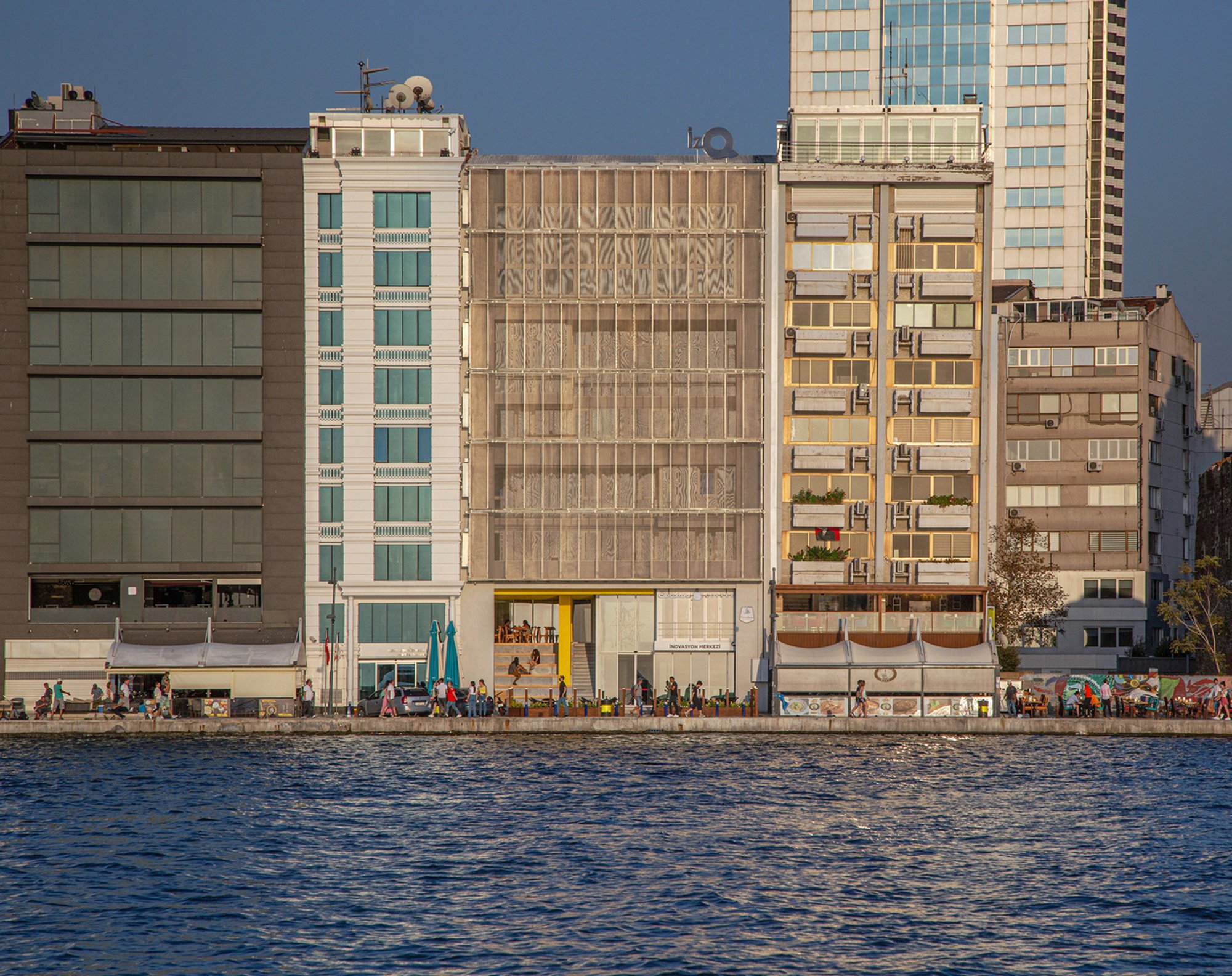
Student Community Center at Yangtze Delta Region Institute by TJAD Time & Space Architecture Studio
A multifunctional campus hub blending living, learning, and recreation, reconnecting students through layered courtyards, rooftop pathways, and concrete network design.

Located in Quzhou, China, the Student Community Center at the Yangtze Delta Region Institute by TJAD Time & Space Architecture Studio redefines what it means to live, learn, and connect in an increasingly digital age. Designed in 2022, this 19,488-square-meter multifunctional complex serves as a living laboratory for re-engaging students with real, physical campus life amid the pervasive dominance of virtual interaction.
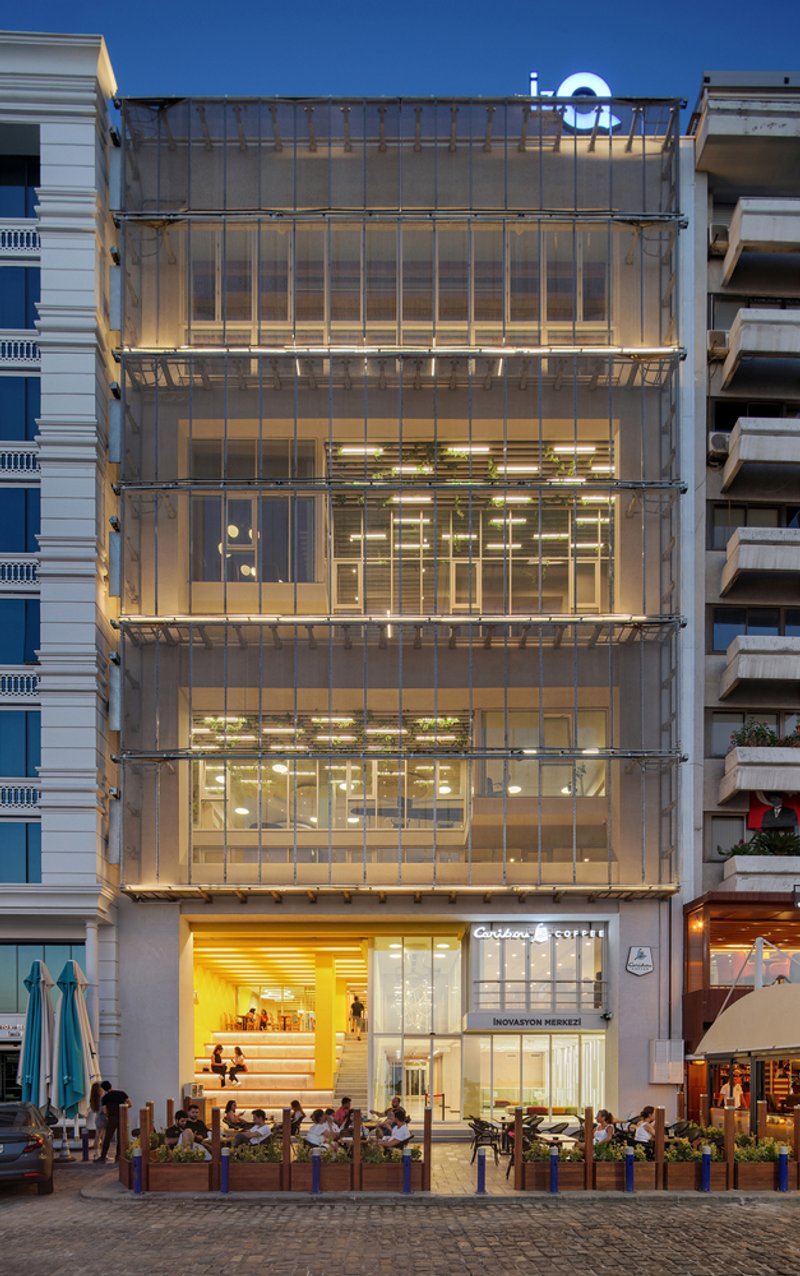
Reclaiming Real Space in a Digital World
In an era when online networks shape daily routines, the architects sought to bring students “back to the real world.” The Student Community Center bridges virtual and physical life, transforming the idea of a “digital network” into a tangible architectural experience. By fostering direct, face-to-face encounters, the building promotes a renewed sense of community and belonging within the campus.
Micro-Topography and Urban Integration
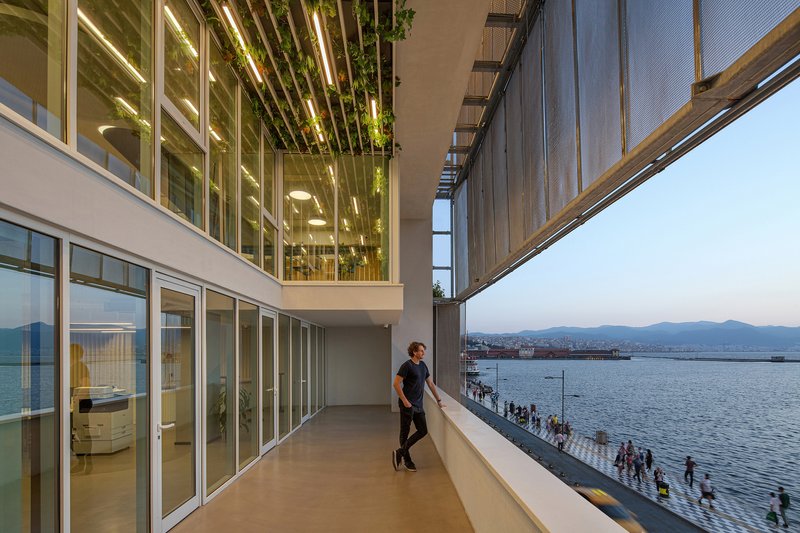
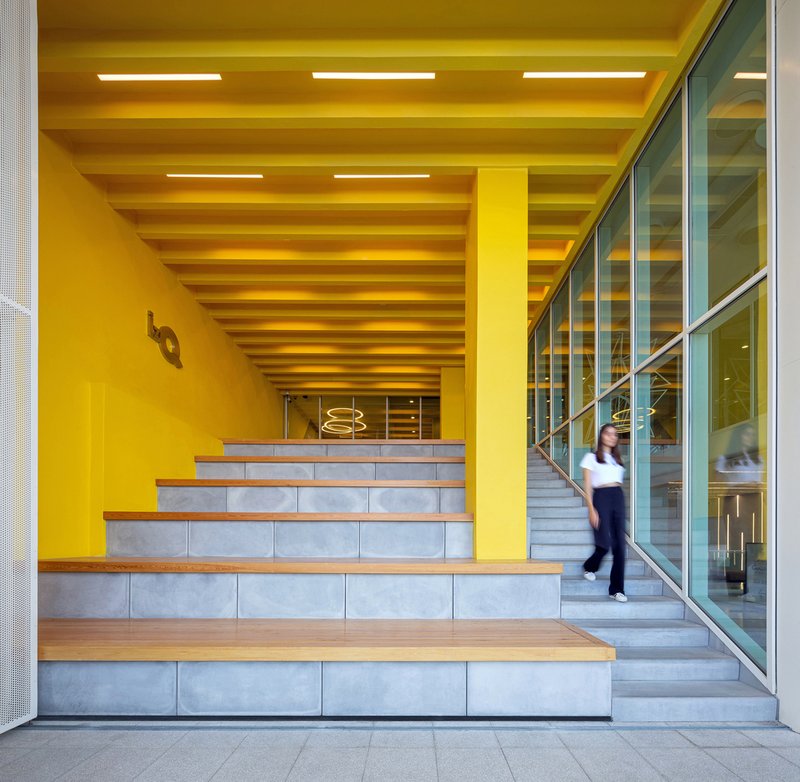
The project sits within the Quzhou High-speed Railway New City, a rapidly developing district characterized by complex micro-topography. With a ten-meter elevation difference from north to south, the site is surrounded by industrial structures to the north and east, a central water landscape to the west, and lush mountains to the south. As one of the institute’s first-phase projects, the center functions as a self-contained ecosystem — offering student accommodation, social spaces, sports facilities, dining, and learning zones in a single integrated structure.
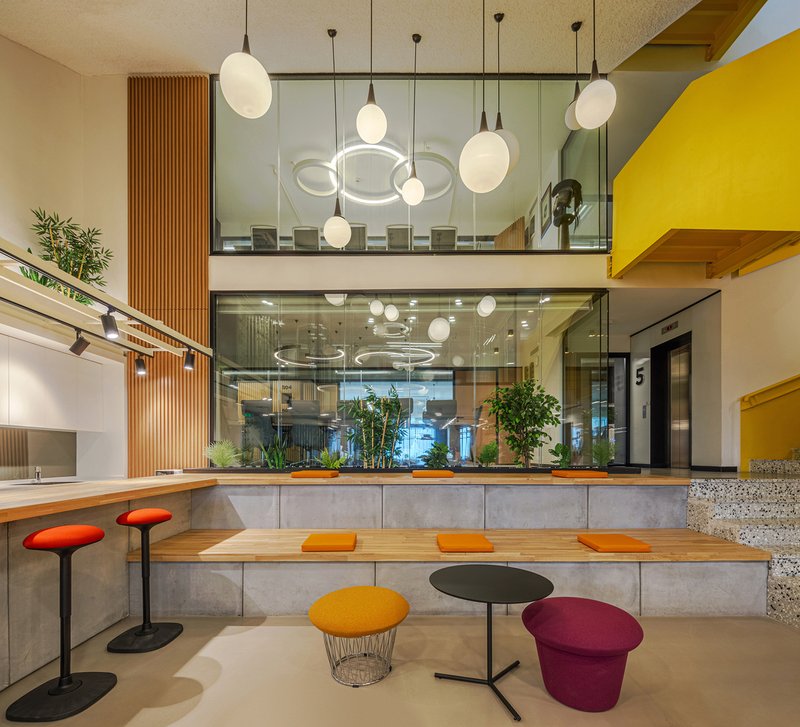
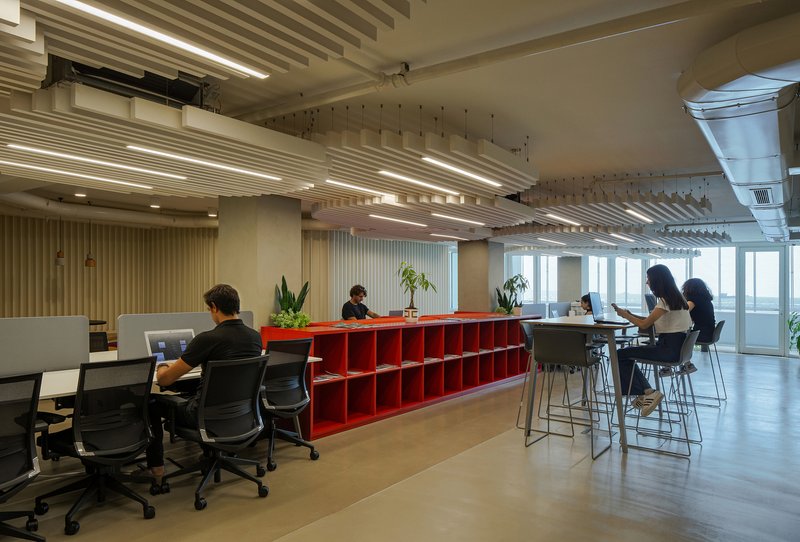
Architectural Concept: A Concrete Internet
Inspired by the aggregative logic of the Internet, the architects translated the idea of digital interconnectivity into a three-dimensional physical network. The design consists of five modular volumes, each forming a “node” in this architectural web. Together, they create a cohesive yet dynamic “settlement” where living, learning, and recreation coexist fluidly.
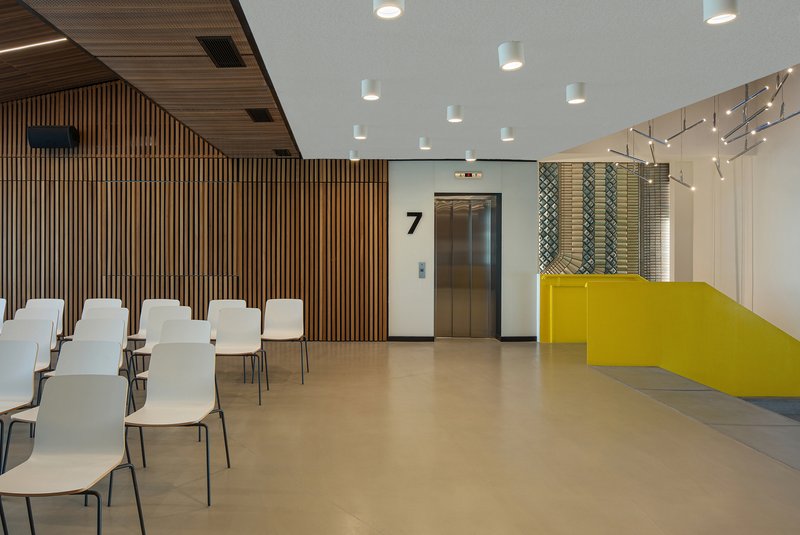
Each volume expresses its unique identity through materiality:
- Dormitories feature dark red brick louvers and rhythmically proportioned balconies.
- Commercial and dining areas are wrapped in warm, wood-toned metal grilles that evoke the texture of bamboo.
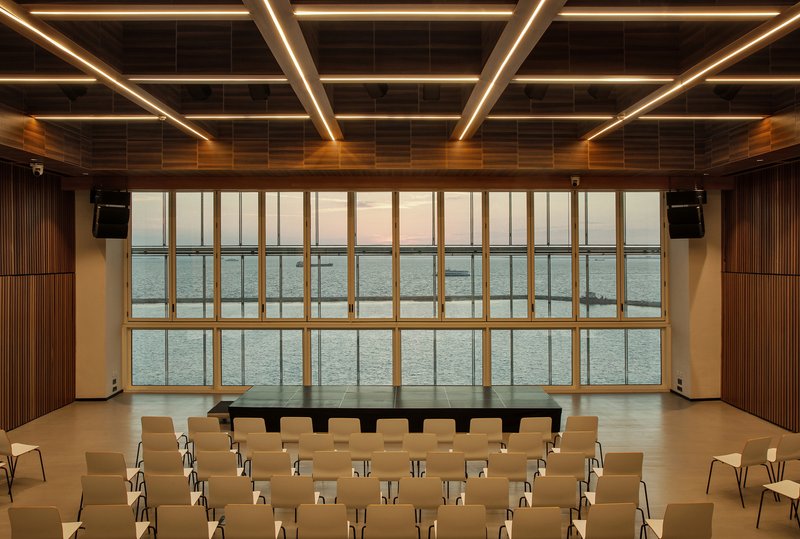
- Sports and study zones are defined by exposed concrete and expansive glass facades, emphasizing transparency and activity.
Through repetition and connection, these modules embody the concept of a “concrete Internet”—a built environment that aggregates people, experiences, and interactions in real space.
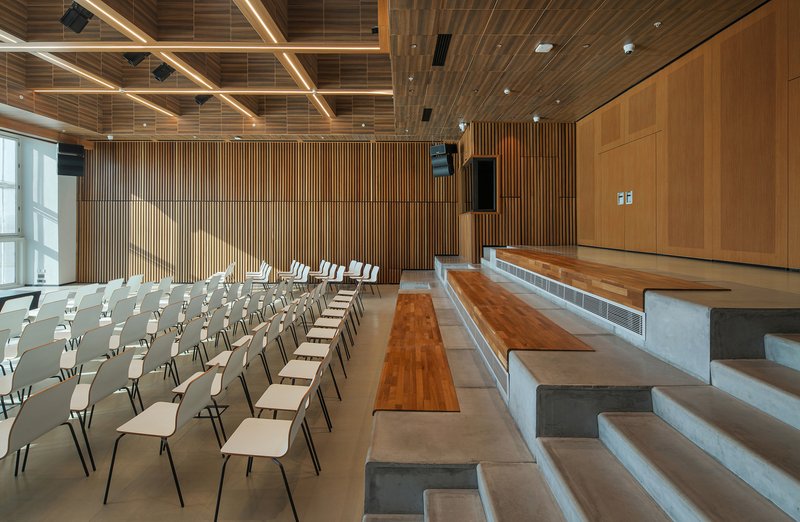
Three-Dimensional Connectivity
A key feature of the design is its interlinked rooftop circulation system, which turns often-unused roof surfaces into active public zones. The architects introduced a dual-path network:
- The internal path ensures seamless circulation between functions.
- The external path doubles as a leisure and activity route, featuring a red circular plastic runway that loops across the rooftops, blending with rough yellow acrylic and fair-faced concrete.
This elevated loop not only connects dormitories, learning spaces, and recreation areas but also becomes a vivid architectural landscape — a place where students can walk, meet, and engage with the campus skyline and surrounding greenery.
Multi-Node Courtyards and Human Interaction
At the heart of the Student Community Center are its multi-node courtyards, each designed to enrich the student experience through layered visual and spatial connections.
- The main courtyard centers around nature, providing open views and a calm retreat.
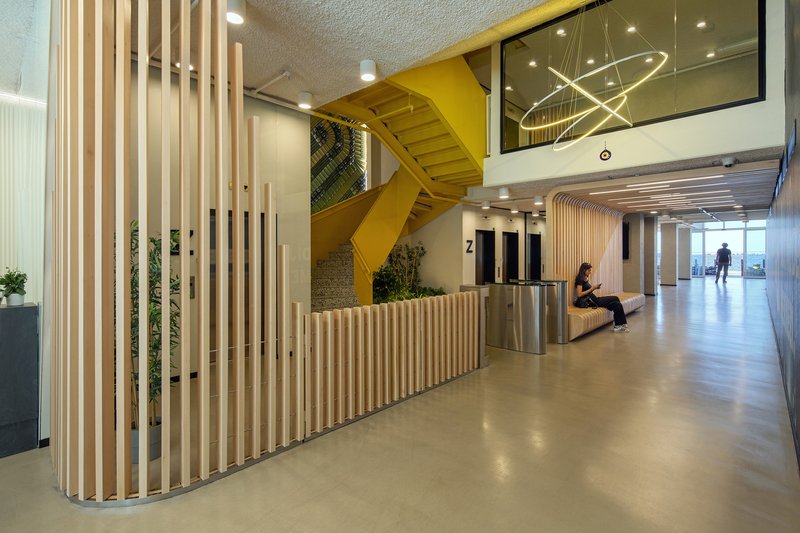
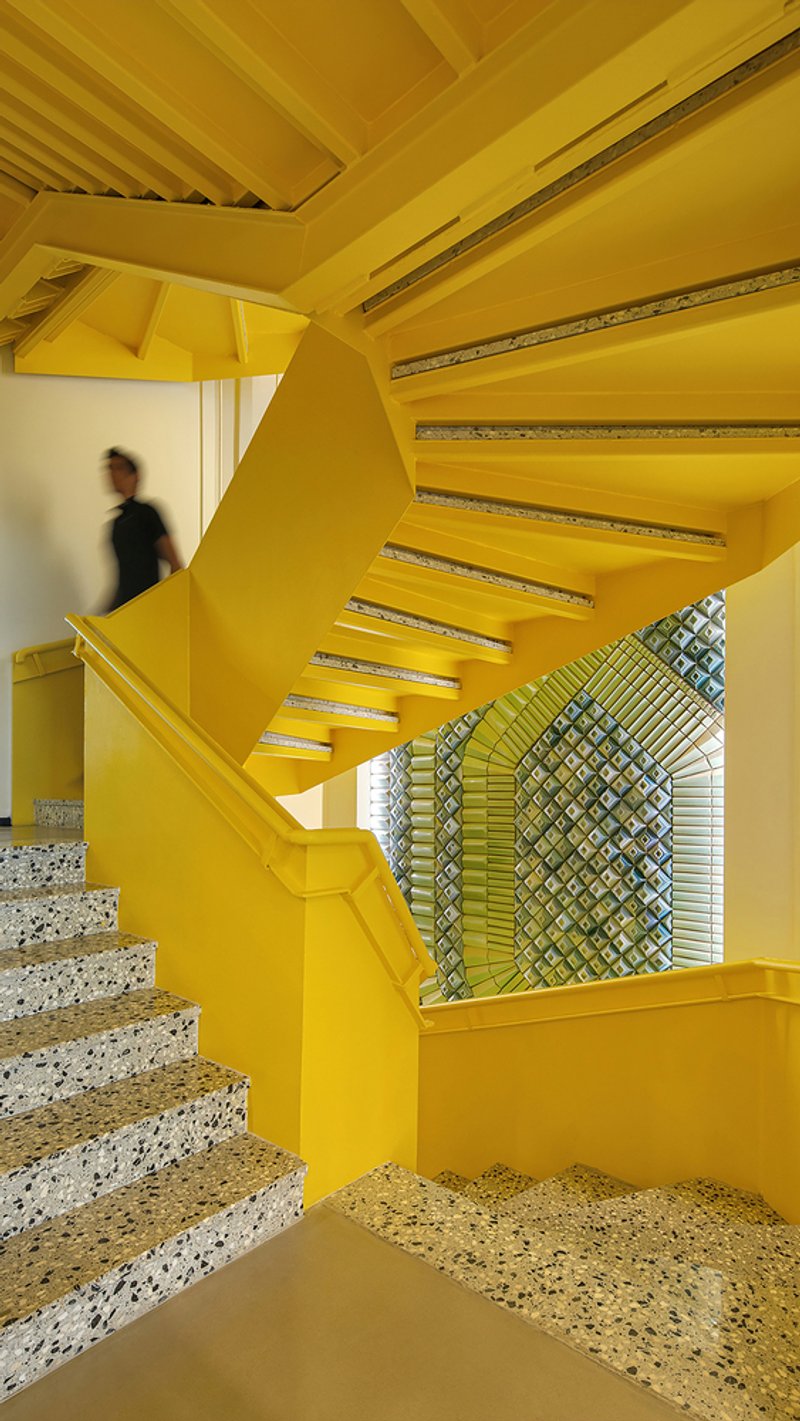
- The middle courtyard features a sculptural staircase as a social and spatial focal point.
- The sports courtyard is anchored by a half-basketball court surrounded by viewing walkways.
- The study courtyard introduces quieter, contemplative spaces framed by concrete shear walls and glass boxes for reading and reflection.
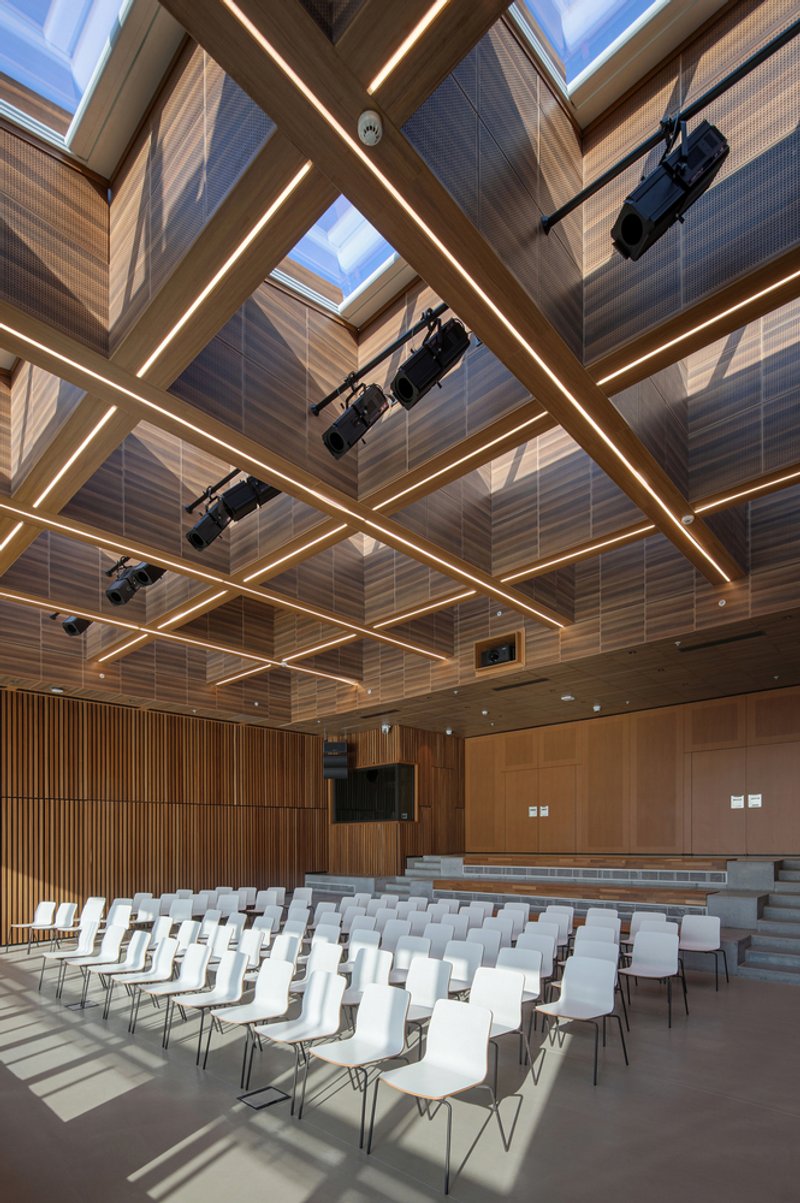
These interlocking open spaces create opportunities for seeing and being seen, reinforcing a sense of community while blurring boundaries between indoor and outdoor environments.
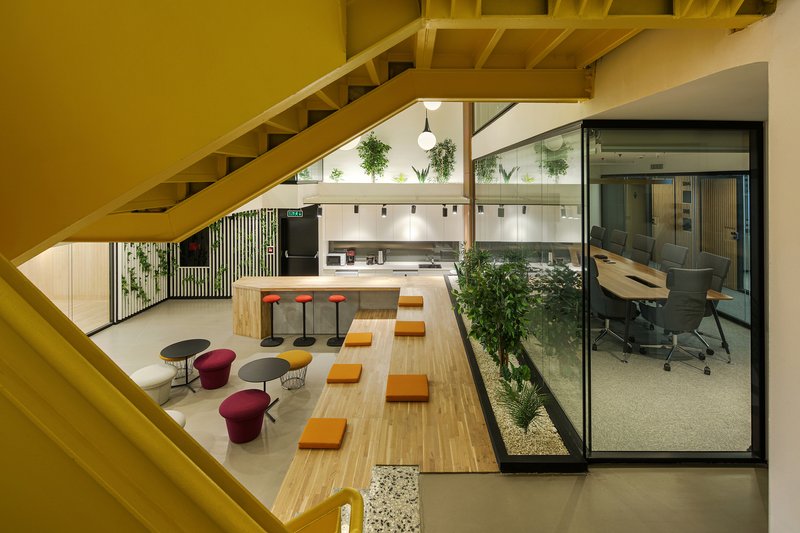
Material Honesty and Emotional Resonance
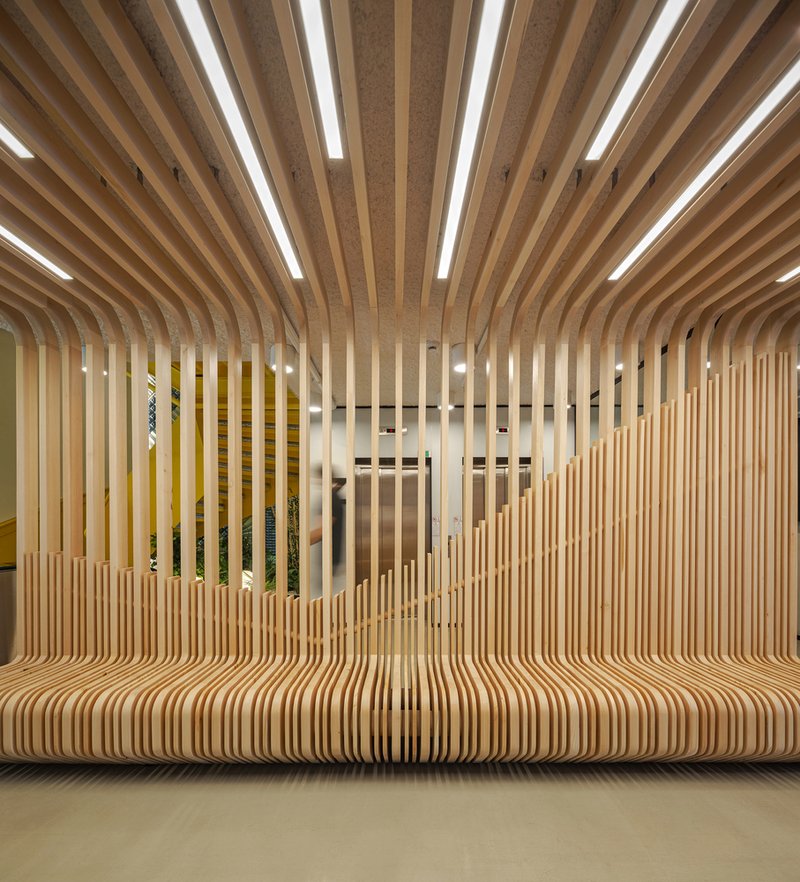
TJAD’s material palette — fair-faced concrete, metal, glass, and brick — celebrates simplicity, permanence, and warmth. This tactile quality reconnects users to their environment, stimulating sensory and emotional engagement. By anchoring the design in human scale and material authenticity, the architects foster an emotional bond between students and their campus.
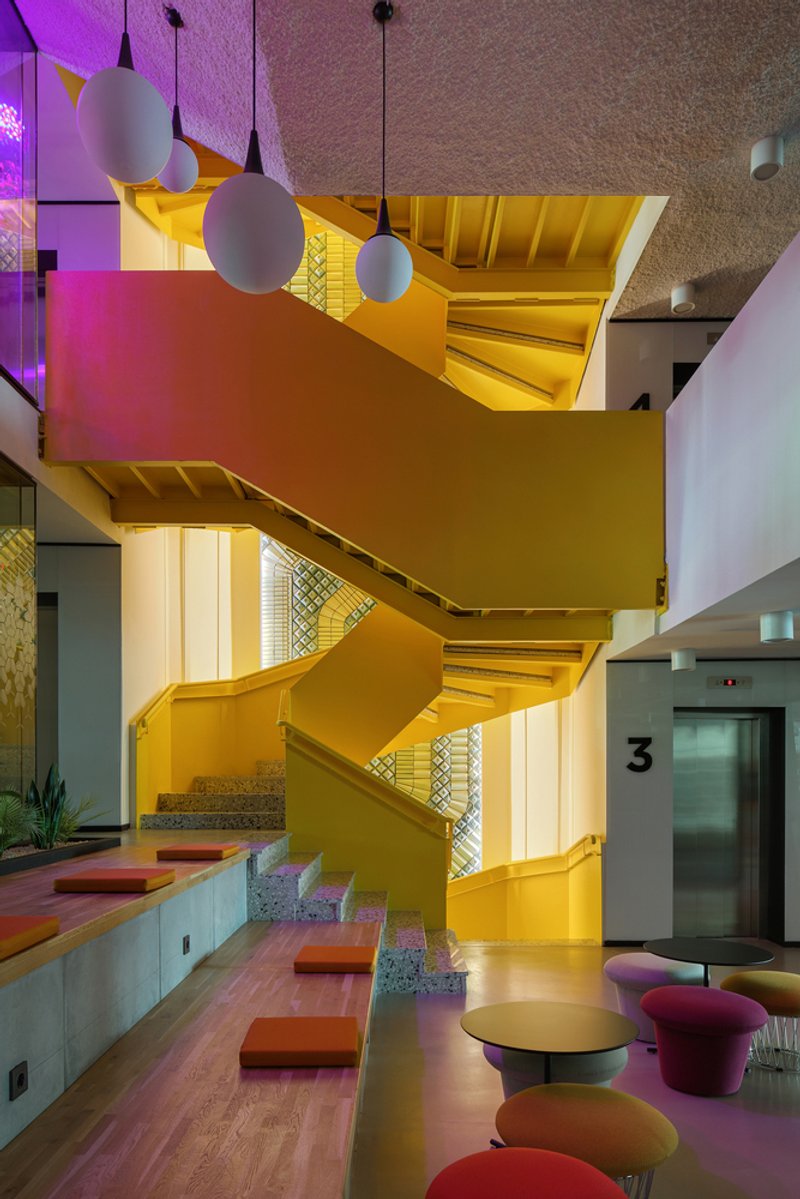
A New Social Architecture for Learning Communities
The Student Community Center at Yangtze Delta Region Institute exemplifies how architecture can rebuild social connections in the digital era. By transforming the concept of a “network” into a physical experience of movement, visibility, and interaction, the project revitalizes campus life and encourages students to reinhabit shared spaces. Through its layered courtyards, three-dimensional circulation, and thoughtful material expression, the center becomes more than a building — it’s a living framework for community, creativity, and connection.
All Photographs are works of ZY Architectural Photography, Ma Yuan Photography, Ming Yin



Popular Articles
Popular articles from the community

Inverted Architecture Installation by Studio Link-Arc: Exploring the Intersection of Architecture and Living Organisms
Inverted Architecture Installation by Studio Link-Arc blends mycelium, sustainability, inverted design, ecological cycles, and urban adaptive architecture in Shenzhen.

Solar Steam: A Climate-Responsive Architecture That Redefines the Monument
A climate-responsive memorial architecture that transforms heat, decay, and time into a living system reflecting humanity’s ecological impact.

The Ken Roberts Memorial Delineation Competition (Krob)
As the most senior architectural drawing competition currently in operation anywhere in the world, it draws hundreds of entries each year, awarding the very best submissions in a series of medium-based categories.
Louis Malle Cinema: A Limestone Cultural Landmark Revitalizing Community Life in Prayssac
Limestone cinema extension with public forecourt, blending heritage and modern design to create flexible cultural spaces and strengthen community interaction.
Similar Reads
You might also enjoy these articles
The Ken Roberts Memorial Delineation Competition (Krob)
As the most senior architectural drawing competition currently in operation anywhere in the world, it draws hundreds of entries each year, awarding the very best submissions in a series of medium-based categories.

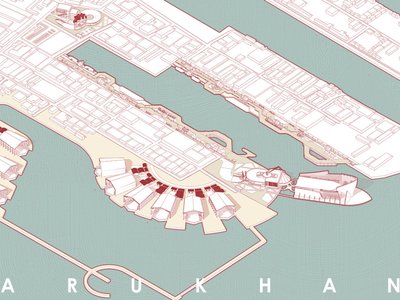
Waterfront Redevelopment and Urban Revitalization in Mumbai: Forging a New Dawn for Darukhana
A transformative waterfront redevelopment project reimagining Darukhana’s shipbreaking heritage into an inclusive urban future.
OUT-OF-MAP: A Call for Postcards on Feminist Narratives of Public Space
Rhizoma Design and Research Lab invites artists, designers, architects, researchers, and students to reflect on how feminist perspectives can reshape public space. Selected works will be exhibited in Barcelona, October 2026. Submissions open until 15 April 2026.

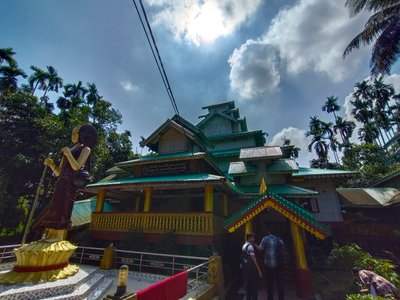
Documentation Work on Buddhist Wooden Temple
Architectural syncretism and cultural hybridity: A comparative study of the Buddhist temples in Chattogram Hill tracks

Explore Office Building Competitions
Discover active competitions in this discipline




The International Standard for Design Portfolios


The Global Benchmark for Architecture Dissertation Awards


The Global Benchmark for Graduation Excellence


Challenge to reimagine the Iron Throne
Comments (0)
Please login or sign up to add comments
No comments yet. Be the first to comment!