
Sustainable Architecture Design: Innovating with the House of 6000 Blocks
Exploring the innovative and sustainable design of the House of 6000 Blocks by Márcio Flávio Motta.


In the realm of modern architecture, sustainable design principles are not just trends but necessities. As the world gravitates towards more eco-friendly and resource-efficient practices, the architecture industry is at the forefront of integrating sustainability into the heart of building designs. A prime example of this innovative approach is the "House of 6000 Blocks," designed by Márcio Flávio Motta in Juiz de Fora, Brazil.
The Vision Behind the House of 6000 Blocks
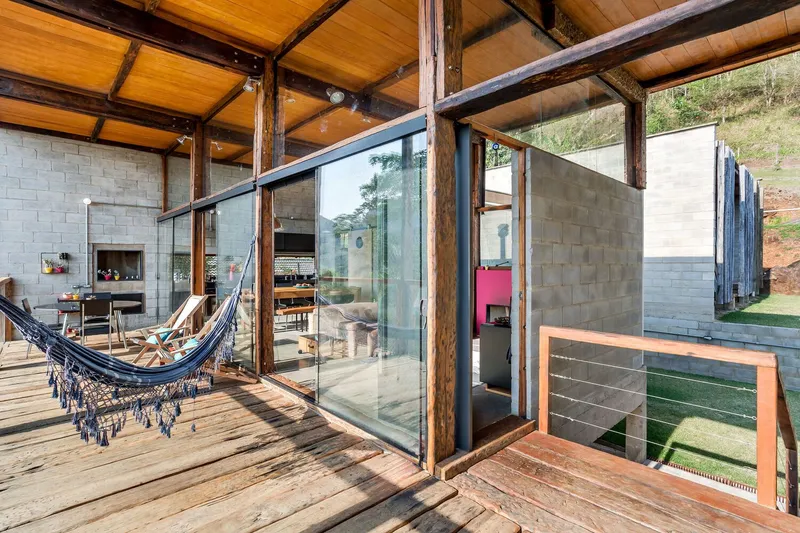
Nestled on a challenging plot with a 30-meter slope and positioned 18 meters above street level, the House of 6000 Blocks is a testament to architectural ingenuity and sustainable design. The project embarked on a clear mission: to protect and inhabit the landscape, offering panoramic views that stretch across the vast territory. This initiative underscores the essence of sustainable architecture design, where the goal is to harmonize with the environment rather than dominate it.


Design and Sustainability
Material Innovation
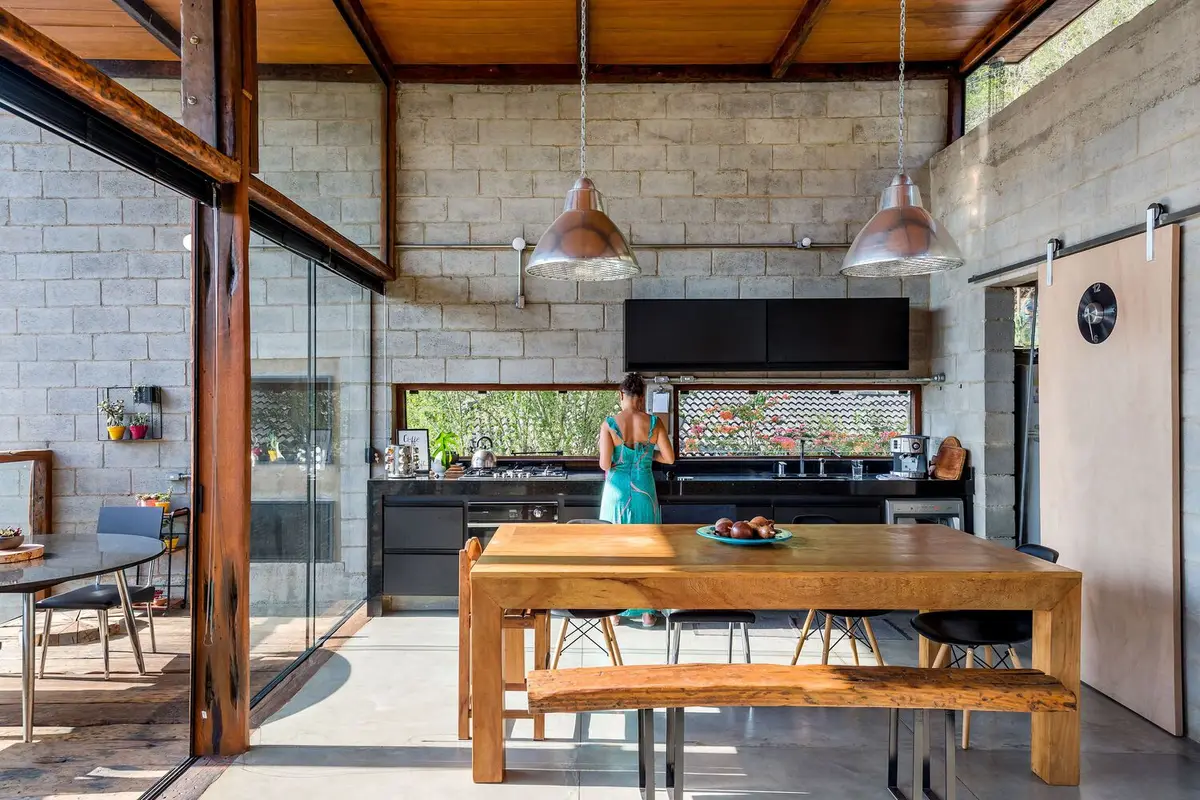
The house's unique name, "House of 6000 Blocks," reflects its innovative use of materials. The structure predominantly employs concrete block masonry and a modular wooden structure assembled from unfolded railway sleepers. These materials were chosen not only for their aesthetic appeal but also for their sustainability credentials. Railway sleepers, a reclaimed material, offer a second life to what would otherwise be waste, embodying the principles of sustainable architecture design.

Functional Segmentation
The design divides the house into two main blocks, each dedicated to specific functions: socializing and permanence. This segmentation allows for efficient use of space and resources, ensuring that each area is optimized for its intended purpose while minimizing the environmental footprint.


Integration with the Landscape
The architects placed a strong emphasis on integrating the building with its surrounding landscape. The house's strategic positioning and design choices, such as the raised body closer to the street and the transparent east/west direction, facilitate a seamless blend between the interior and the vast outdoors. This not only enhances the aesthetic value of the property but also promotes natural ventilation and lighting, reducing the need for artificial climate control and lighting.

Sustainable Features
The house incorporates several sustainable features, including the use of jequitiba wooden boards for roofing and wooden pillars that function as permanent braces. The modular structure, determined by the average length of the sleeper (2.80m), exemplifies the efficiency of design and resource use. Additionally, the west facade's pivot panels are a strategic response to control sunlight and winds, further emphasizing the home's sustainable design ethos.

The House of 6000 Blocks by Márcio Flávio Motta is more than just an architectural marvel; it's a beacon of sustainable architecture design. Through innovative material use, functional segmentation, and seamless integration with the landscape, this project sets a benchmark for future constructions. It proves that sustainable design is not only viable but desirable in creating spaces that respect and enhance their natural surroundings.
As the world continues to evolve, projects like the House of 6000 Blocks serve as a reminder of what is possible when creativity meets sustainability. This approach to architecture not only benefits the environment but also creates healthier, more inspiring spaces for people to live in.

All photographs are work of Bruno Meneghitti,André Miguel Coronha


Popular Articles
Popular articles from the community


The Ocean Hive: Sustainable Architecture for a Self-Sufficient Civilization at Sea
The Ocean Hive imagines sustainable architecture at sea, where modular habitats, algae, wave power and ocean waste sustain a growing colony.

Little Red Riding Hood: Architectural Design as a Journey Through Fear, Light, and Storytelling
Little Red Riding Hood reimagines the fairy tale through architectural design shaped by fear, light, scale, memory, uncertainty, and choice.

Co-life: Sustainable Architecture for Age-Friendly Community Living
Co-life reimagines sustainable architecture for seniors through courtyards, rammed earth, shared gardens, and spaces designed for belonging.

Conexión: Biophilic Design Reimagines High-Rise Living in Hong Kong
Conexión reimagines high-rise living in Hong Kong through biophilic design, green facades, shared spaces, daylight, water and nature within.

Similar Reads
You might also enjoy these articles

FAMM Arquitectura Organizes Ten Villas Around Courtyards and Jungle in Nosara, Costa Rica
El Molino pairs two elongated volumes with deep overhangs and timber louvers to build a compact coastal community five minutes from the beach.
Oscar Niemeyer's Ibirapuera Park Pavilions Define São Paulo's Cultural Identity in Concrete and Curve
A constellation of modernist volumes set within São Paulo's most important urban park, conceived for the city's 400th anniversary in 1954.
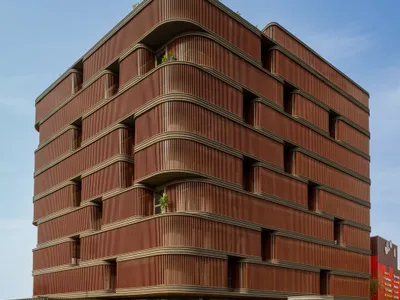
Sanjay Puri Architects Wraps a Jaipur Office Tower in Capsule-Shaped Green Buffers
A nine-level climate-responsive workplace near Jaipur Airport uses stacked planter terraces and aluminium screens to fight 40°C heat.
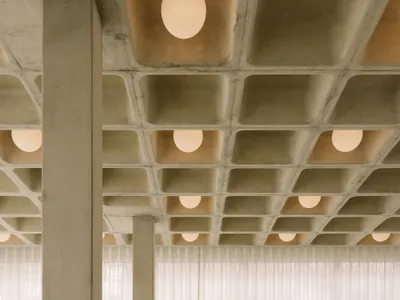
RHO Converts a Berlin Spree-Side Industrial Courtyard into Enkime's 1,000 m² Agency Headquarters
A social media agency's new home in Charlottenburg trades glossy branding for concrete waffle ceilings, glazed tile, and sheer curtains.

Explore Brazilian Architecture Competitions
Discover active competitions in this discipline

Challenge to design mud housing for contemporary communities

Challenge to reimagine the Iron Throne

Photograph architecture without architects

Illustrate the lost glory of Angkor Wat - Render Challenge
Comments (0)
Please login or sign up to add comments
No comments yet. Be the first to comment!