
Sustainable Architecture in Paraguay: Lomas Verdes House by Kike Martinez and Marcos Martinez
Explore the sustainable design of Lomas Verdes House in Paraguay, highlighting eco-friendly materials, rainwater harvesting, and traditional architecture.

Sustainable Architecture in Paraguay: Lomas Verdes House by Kike Martinez and Marcos Martinez
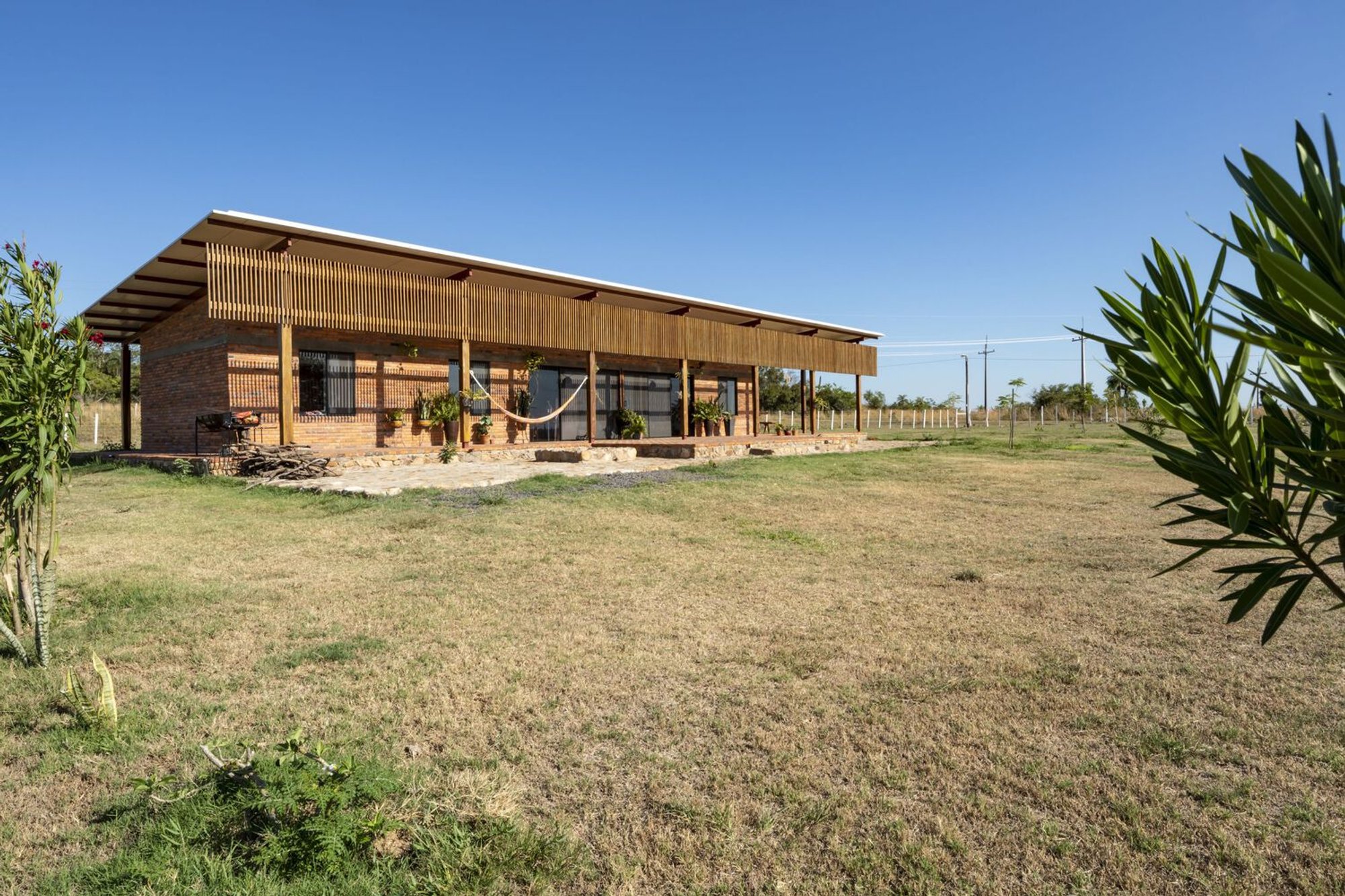
Sustainable architecture is not just a growing trend in modern design; it's an essential practice for addressing the environmental challenges we face today. In Paraguay, the Lomas Verdes House, designed by Kike Martinez and Marcos Martinez, exemplifies how architecture can be both environmentally conscious and culturally relevant. Situated on a remote site in Caapucú, Paraguay, this residential project embraces sustainable practices and local building traditions to create a home that is both functional and harmonious with its surroundings.
The Concept of Sustainable Architecture in Paraguay
Sustainable architecture focuses on minimizing a building's environmental impact through thoughtful design, material selection, and energy-efficient systems. This concept is especially crucial in areas like Paraguay, where the climate, limited resources, and the need for economic development must be carefully considered in the design process.
The Lomas Verdes House represents a perfect example of how sustainable architecture can be applied in the context of rural Paraguay. Designed with the region's specific conditions in mind, the house employs local materials, reduces environmental impact, and fosters a connection between the home and nature. The architects, Kike Martinez and Marcos Martinez, combined modern design with traditional building techniques to create a structure that is not only sustainable but also deeply integrated into the local landscape.
Site-Specific Design Decisions for Sustainable Living
Location and Environmental Considerations
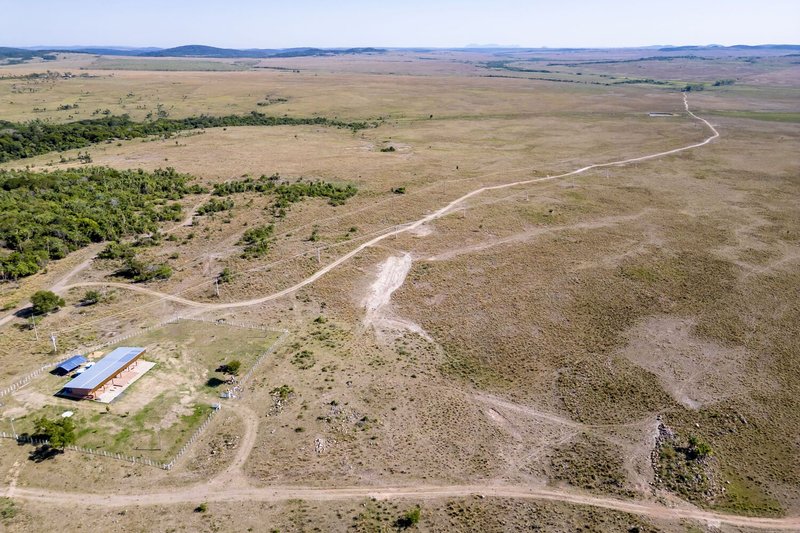
The Lomas Verdes House is located 130 km from Asunción, in a sparsely vegetated area on the edge of a hill overlooking a meadow. The remote location presented challenges in terms of access to resources like piped water, electricity, and reliable construction materials. Additionally, the site experiences strong winds, limited rainfall, and rocky soil. These environmental factors had a significant influence on the design and construction choices made by the architects.
A thorough site analysis helped the architects make informed decisions to optimize the house’s sustainability. The use of local labor and materials minimized transportation-related environmental impacts, and the choice to build using a wet construction system helped reduce the project’s carbon footprint.
Key Elements of the Lomas Verdes House’s Sustainable Design
1. Local and Natural Materials
One of the central principles of sustainable architecture is the use of locally sourced materials to minimize environmental impact. For the Lomas Verdes House, the architects focused on using materials extracted directly from the site or sourced from the surrounding area. This approach not only reduced the need for transportation but also ensured that the materials were well-suited to the local climate.
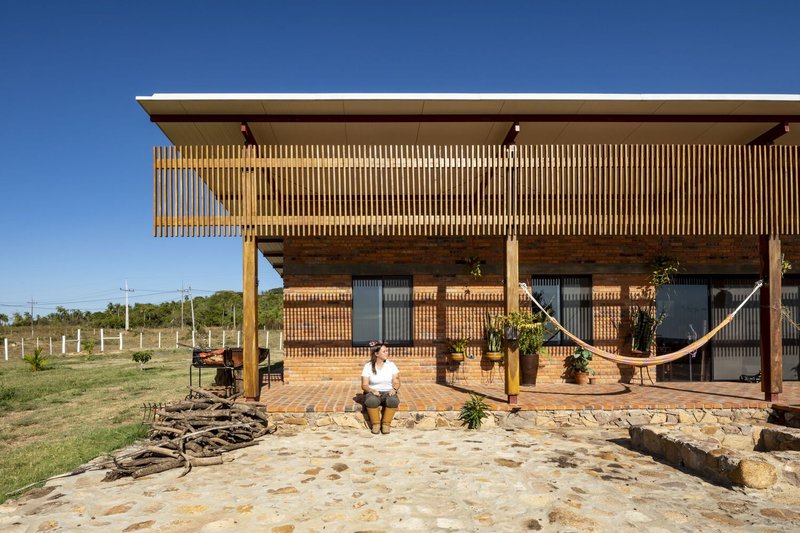
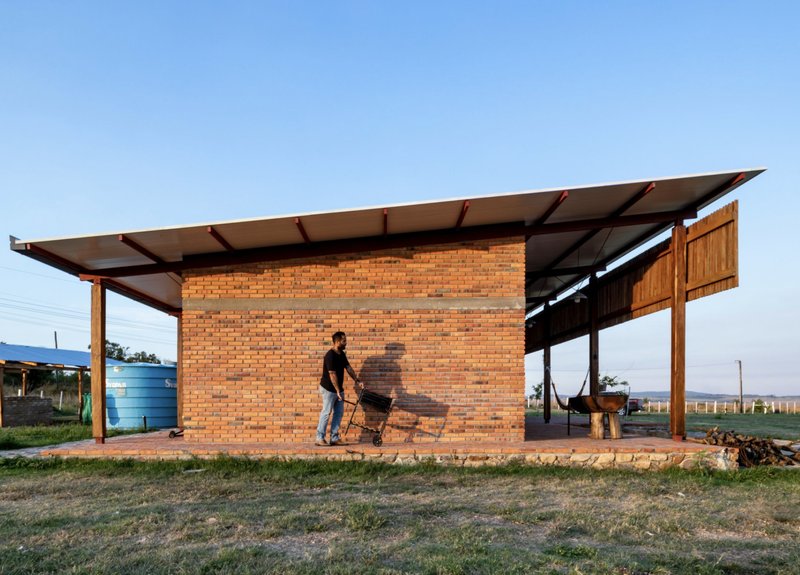
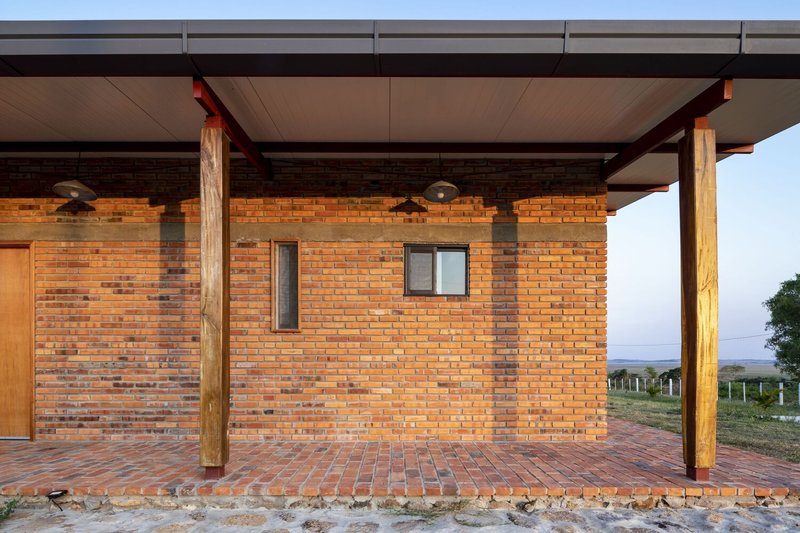
The house rests on a stone podium, made from rock quarried directly from the site, further integrating the building into its environment. The use of local materials also supports the local economy and promotes the use of traditional construction methods that are both durable and climate-responsive.
2. Efficient Roof Design for Rainwater Harvesting
Sustainability is often about finding practical solutions to environmental challenges. In the case of the Lomas Verdes House, the architects designed the roof with a single slope to facilitate rainwater collection. Given the region's limited rainfall, capturing and storing rainwater for future use is an essential feature. The collected water is stored in reservoirs, ensuring a sustainable water supply for the household without relying on external infrastructure.
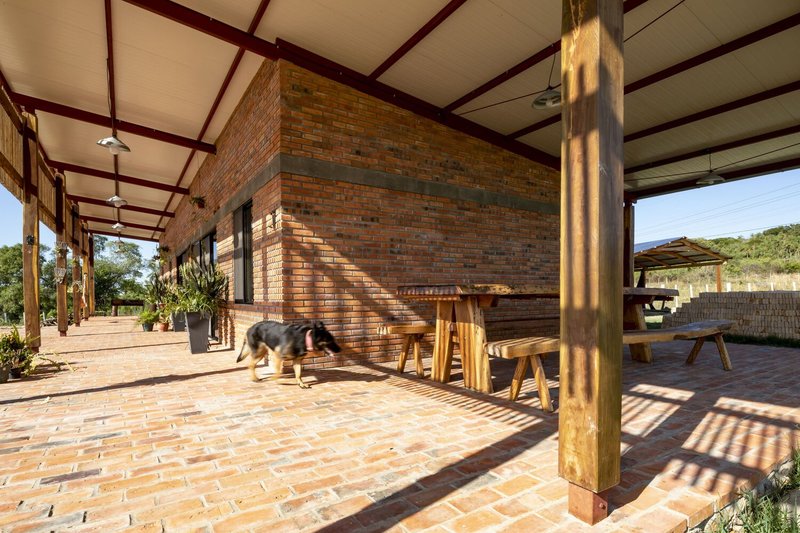
The roof itself is constructed from corrugated metal, which provides thermal and acoustic insulation. This insulation helps regulate the interior temperature, keeping the house cool in the summer and warm in the winter, reducing the need for energy-intensive cooling or heating systems.
3. Solar Protection and Ventilation
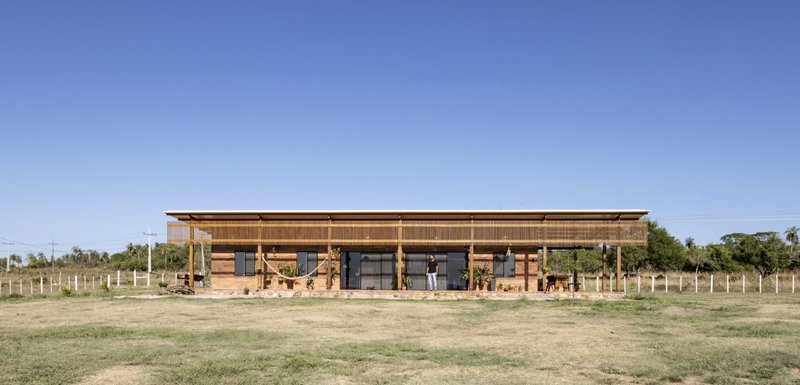
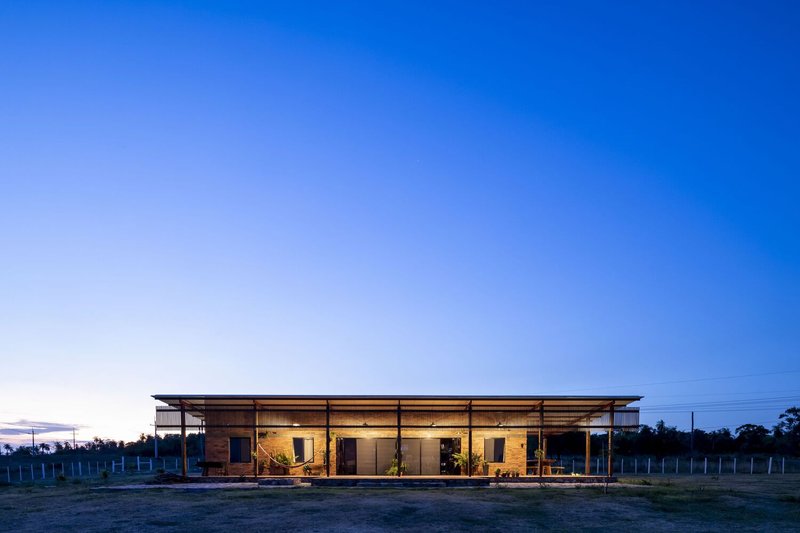
The house’s layout and materials also address solar exposure. The services and utilities are located to the west, where they are less affected by the direct sun. Perimeter galleries and a wooden sunshade are strategically placed to protect the house's interior from the sun’s heat while maintaining natural ventilation. This passive cooling design reduces the need for mechanical air conditioning and allows for natural air flow, ensuring a comfortable indoor environment.
4. Flexible and Expandable Design
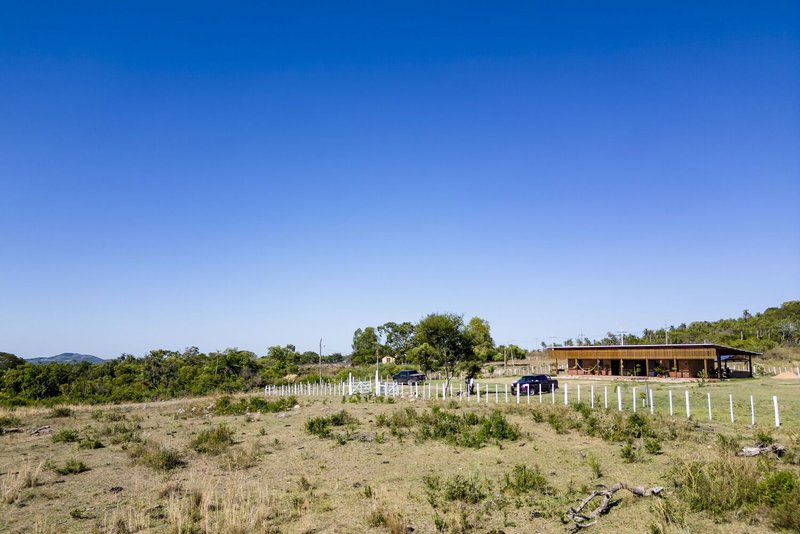
Another key aspect of sustainable architecture is flexibility—the ability to adapt to changing needs over time. The Lomas Verdes House is designed as a longitudinal bar, which allows for potential future expansions. This flexibility means that the house can grow with the needs of its inhabitants, minimizing the need for extensive renovations or new constructions in the future.
Cultural and Climatic Relevance in Sustainable Architecture
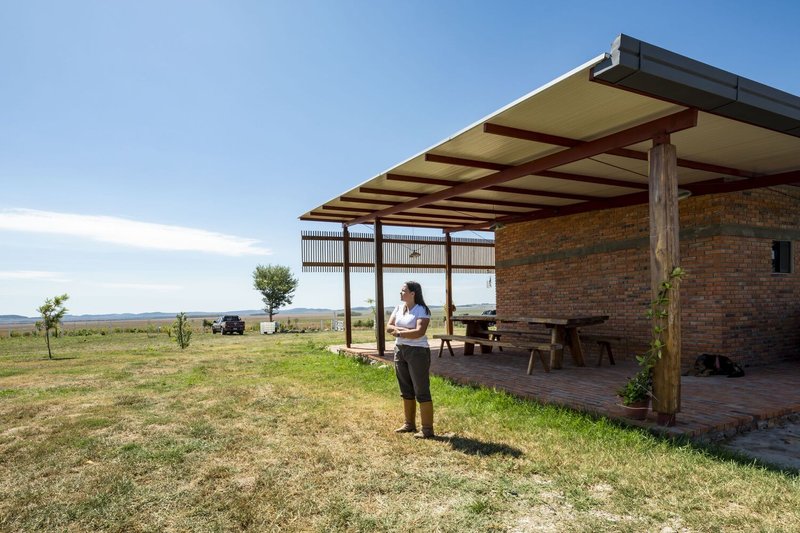
The Lomas Verdes House is not only an example of sustainable architecture in Paraguay, but it also embodies the country’s rich cultural and architectural heritage. The design takes inspiration from the traditional rural typologies of the Culata Jovai and Corredor Jere, which are designed to provide protection from the subtropical climate while creating spaces for communal living.
Intermediate spaces, essential in rural Paraguay’s architecture, play a vital role in the Lomas Verdes House. These spaces act as a buffer between the interior of the house and the harsh outdoor elements, providing shaded areas that are crucial for comfortable living in the region’s hot summers. The integration of these traditional forms with modern sustainable practices allows the Lomas Verdes House to feel rooted in the cultural context while providing a model for future sustainable homes in Paraguay.
A Model for Sustainable Architecture in Paraguay
The Lomas Verdes House by Kike Martinez and Marcos Martinez sets an exemplary standard for sustainable architecture in Paraguay. By addressing environmental challenges, using local materials, and incorporating traditional building practices, this project demonstrates how architecture can harmonize with nature while meeting modern needs.
As the world continues to confront climate change and resource scarcity, sustainable architecture in Paraguay and beyond will become increasingly vital. The Lomas Verdes House is a shining example of how thoughtful, sustainable design can contribute to a greener, more resilient future.




Popular Articles
Popular articles from the community

Gads Hill Early Learning Center by JGMA: Adaptive Reuse Shaping Community-Focused Educational Architecture
Adaptive reuse transforms fragmented structure into vibrant early learning center with playful façade, natural light, and community-focused sustainable design.
Inverted Architecture Installation by Studio Link-Arc: Exploring the Intersection of Architecture and Living Organisms
Inverted Architecture Installation by Studio Link-Arc blends mycelium, sustainability, inverted design, ecological cycles, and urban adaptive architecture in Shenzhen.

Free Architecture Competitions You Can Enter Right Now
No entry fees, real prizes. Here are the best free architecture competitions open for submissions in 2026.
Atelier Macri Concept Store Interior Design by CASE-REAL
Atelier Macri store features a "ko" counter, walnut wood details, cork displays, blending retail, gallery, and seamless customer experiences.

Similar Reads
You might also enjoy these articles


The Ken Roberts Memorial Delineation Competition (Krob)
As the most senior architectural drawing competition currently in operation anywhere in the world, it draws hundreds of entries each year, awarding the very best submissions in a series of medium-based categories.
Waterfront Redevelopment and Urban Revitalization in Mumbai: Forging a New Dawn for Darukhana
A transformative waterfront redevelopment project reimagining Darukhana’s shipbreaking heritage into an inclusive urban future.
OUT-OF-MAP: A Call for Postcards on Feminist Narratives of Public Space
Rhizoma Design and Research Lab invites artists, designers, architects, researchers, and students to reflect on how feminist perspectives can reshape public space. Selected works will be exhibited in Barcelona, October 2026. Submissions open until 15 April 2026.

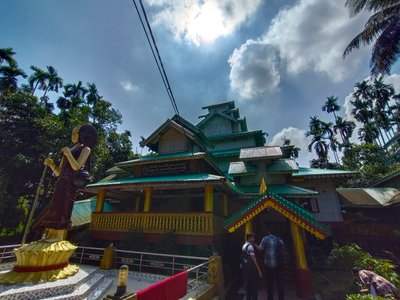
Documentation Work on Buddhist Wooden Temple
Architectural syncretism and cultural hybridity: A comparative study of the Buddhist temples in Chattogram Hill tracks

Explore Architecture Competitions
Discover active competitions in this discipline




The International Standard for Design Portfolios


The Global Benchmark for Architecture Dissertation Awards


The Global Benchmark for Graduation Excellence


Challenge to reimagine the Iron Throne
Comments (0)
Please login or sign up to add comments
No comments yet. Be the first to comment!