
Sustainable School Architecture: C.A.H.S. School Ayakkad by Studio Acis
C.A.H.S. School Ayakkad exemplifies sustainable school architecture, integrating adaptive reuse, passive cooling, and cultural heritage into a cohesive learning environment.

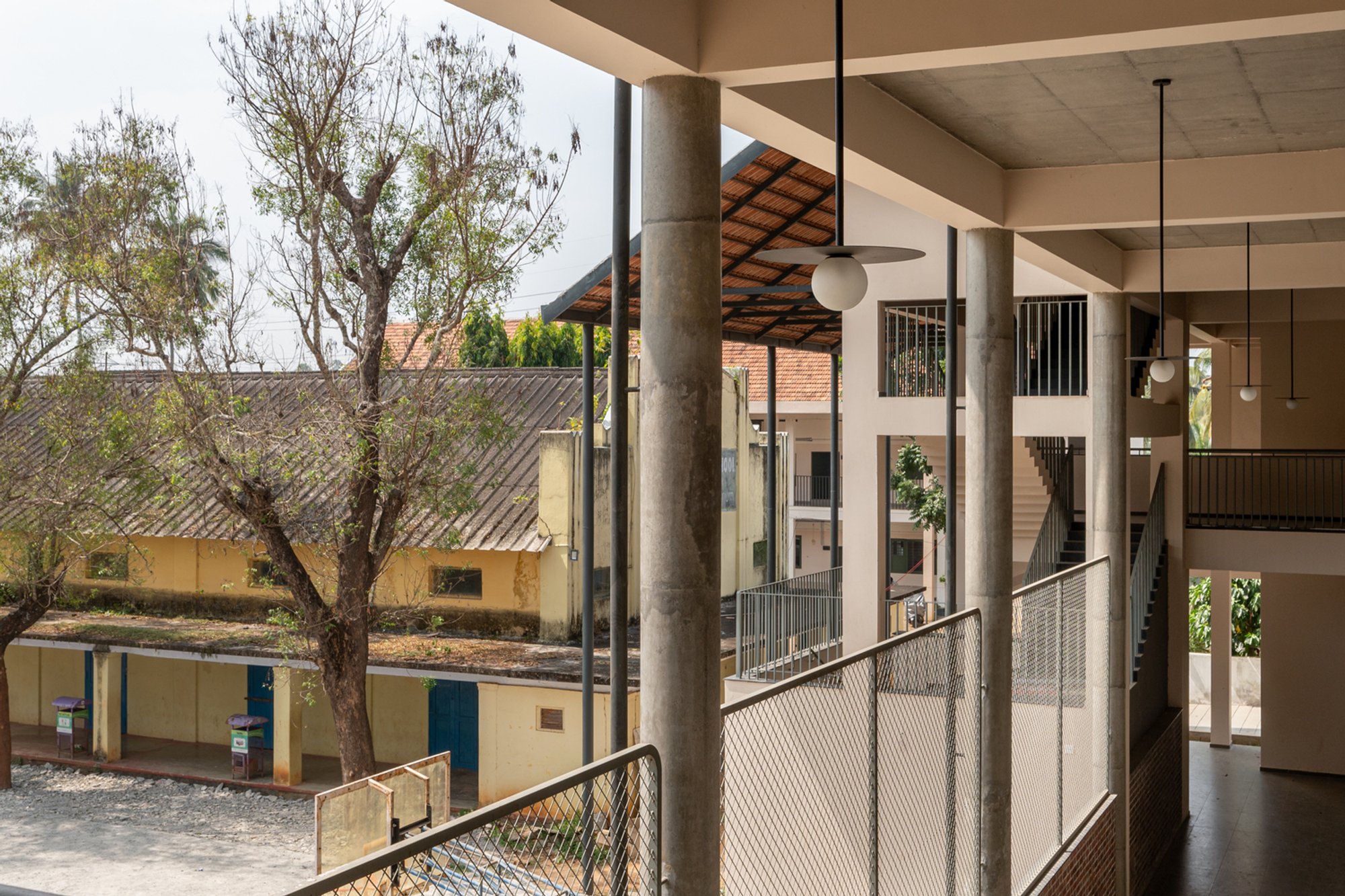
The C.A.H.S. School Ayakkad, designed by Studio Acis, is a prime example of sustainable school architecture, seamlessly blending tradition, modern functionality, and environmental sensitivity. Nestled in the rural landscape of Palakkad, India, the school is surrounded by lush paddy fields and native greenery, offering an escape from urban chaos. The design reimagines educational spaces by integrating adaptive reuse, preservation, and innovative new construction.
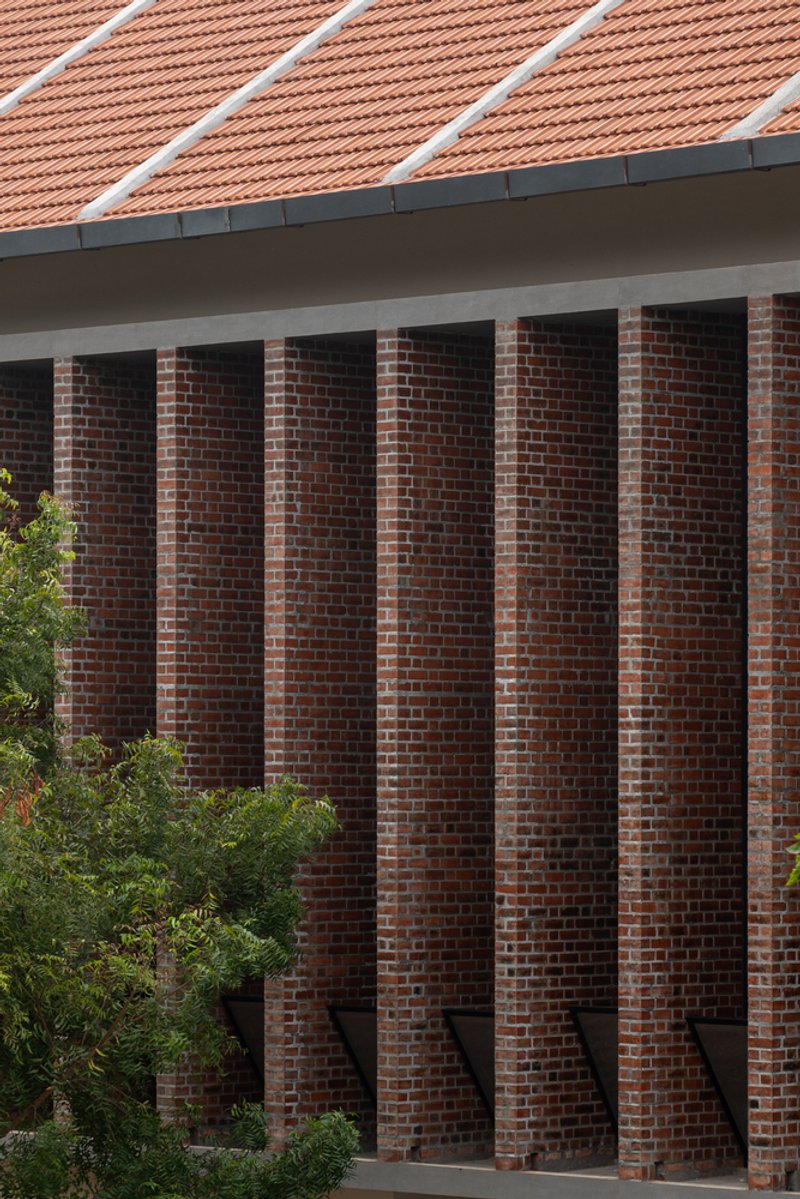
A Holistic Master Plan for Educational Transformation
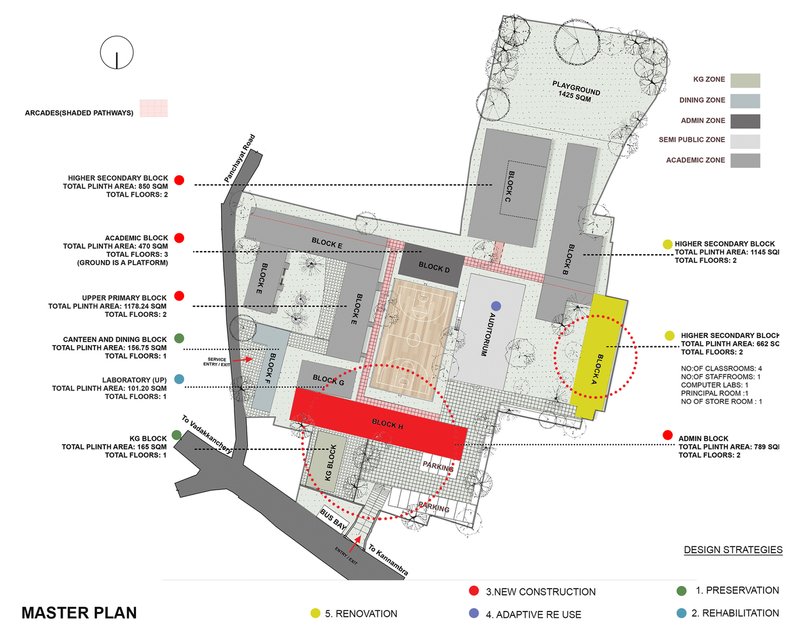
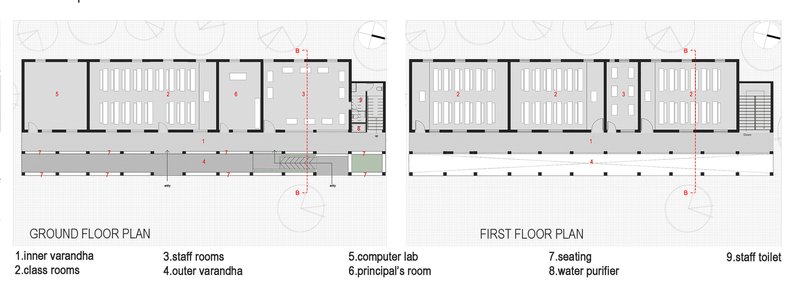
Before its transformation, the site consisted of poorly planned structures built in different orientations over various periods. The project required a comprehensive master plan to unify the campus while maintaining economic and environmental sustainability. The redevelopment was structured in six phases, incorporating strategies such as preservation, rehabilitation, adaptive reuse, and new construction.
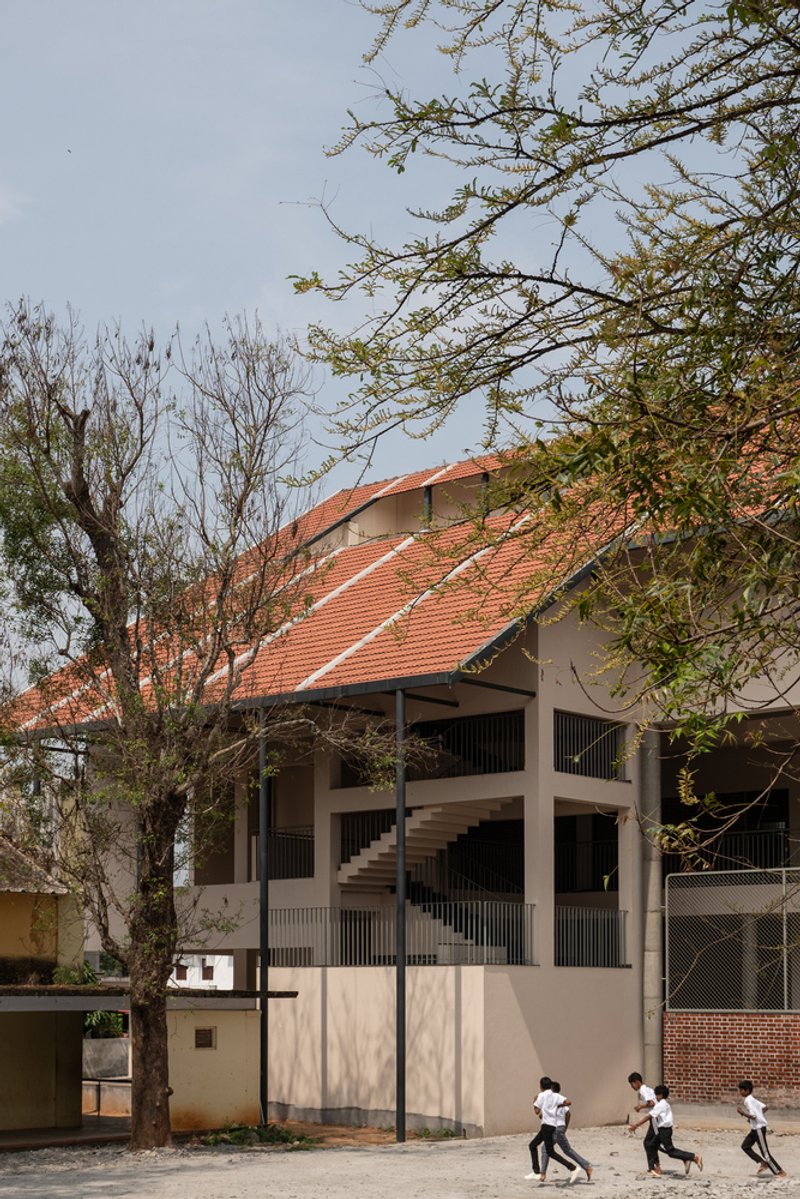
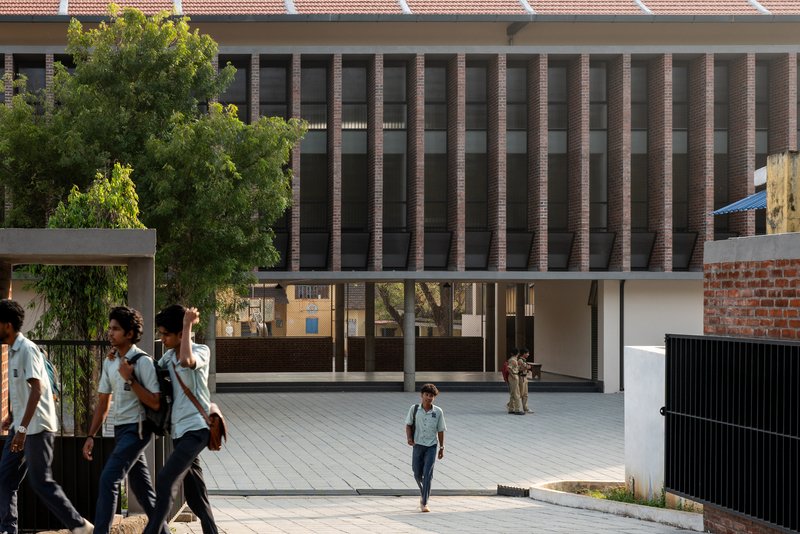
The first phase introduced Block H, the new administration building, while the second phase focused on renovating the higher secondary block, Block A. Future phases will involve demolitions, new constructions, and continued adaptive reuse to enhance the overall school infrastructure. The biggest challenge in execution was balancing the design vision with budget constraints while ensuring a cohesive and efficient educational environment.
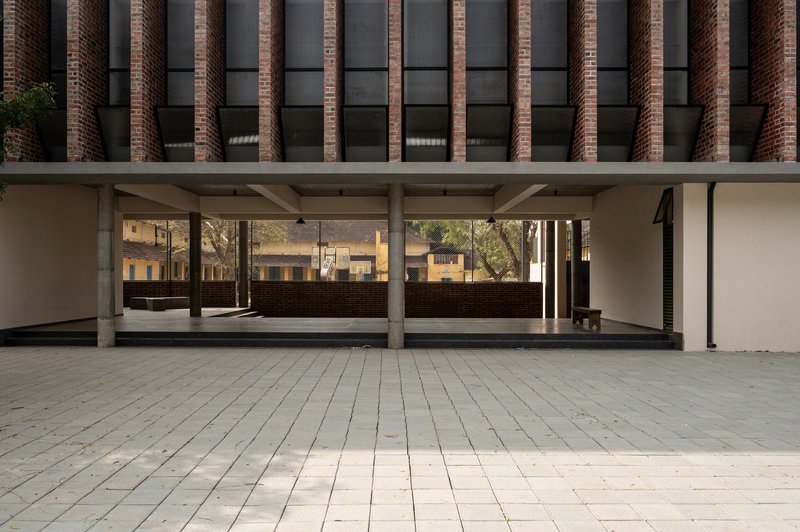
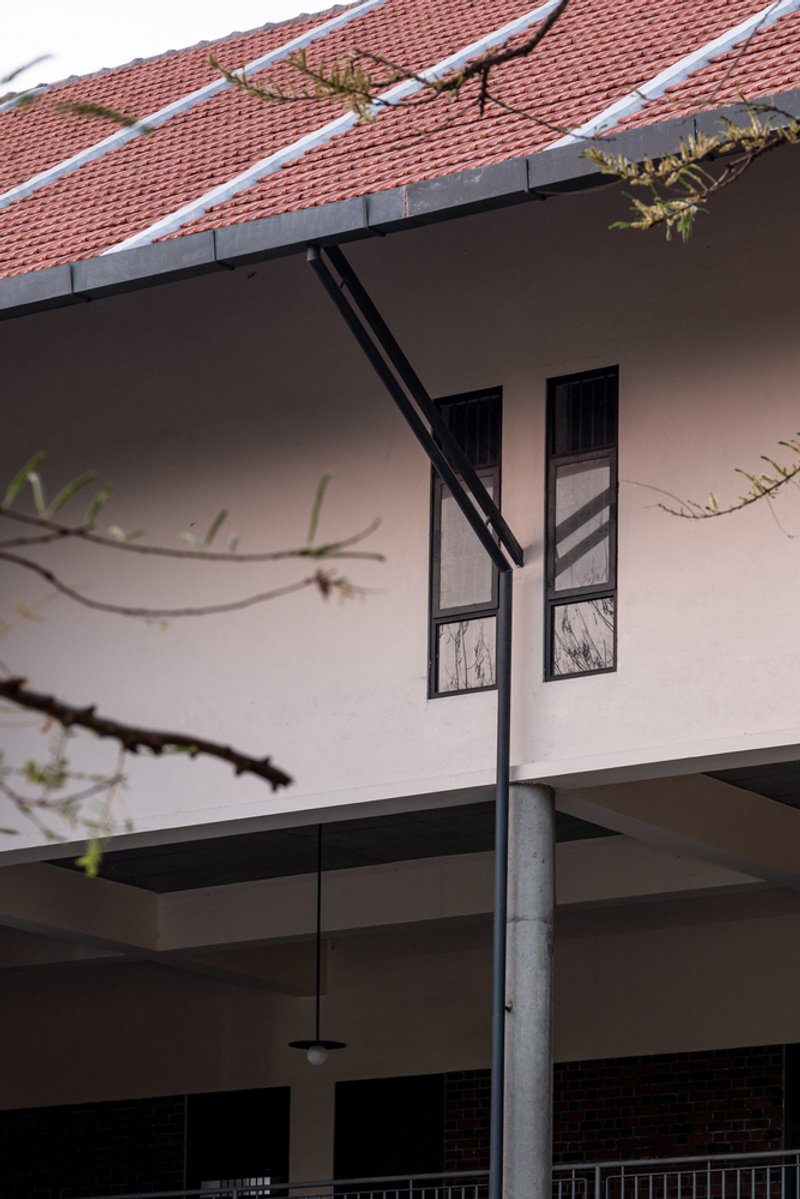
Block H: A Linear, Functional Hub for Learning
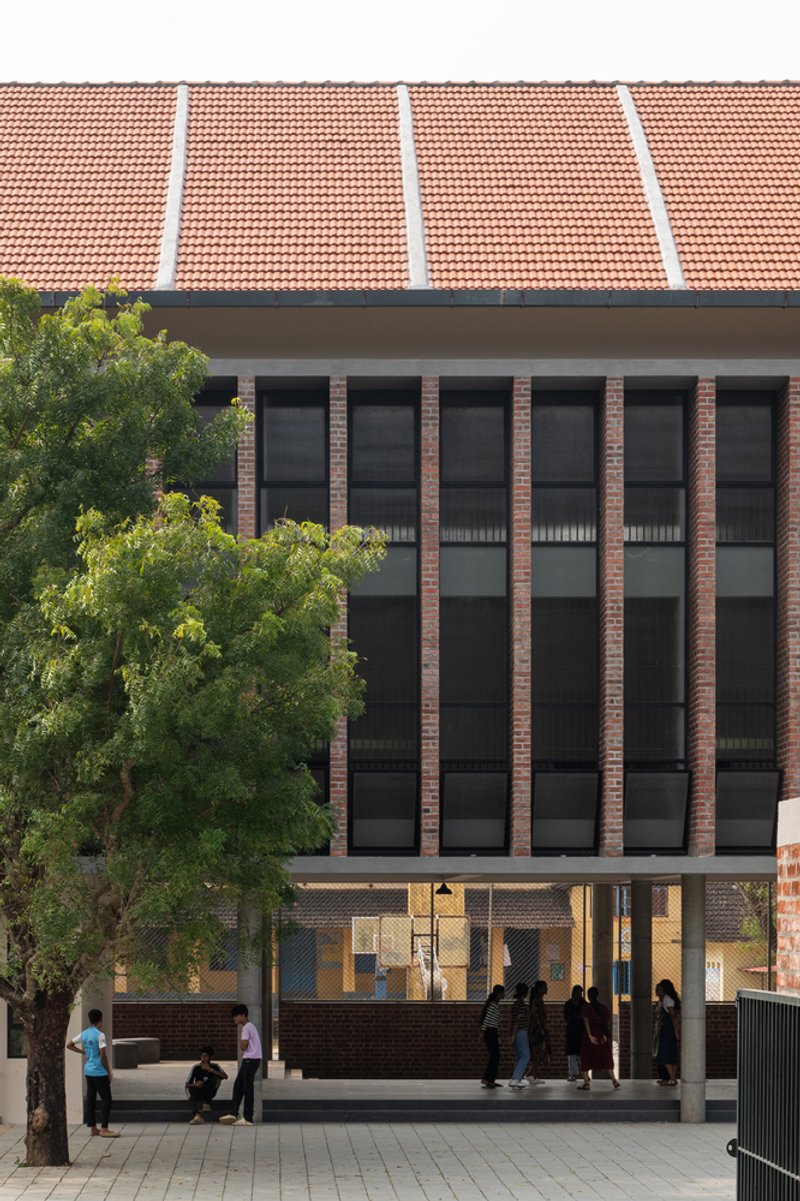
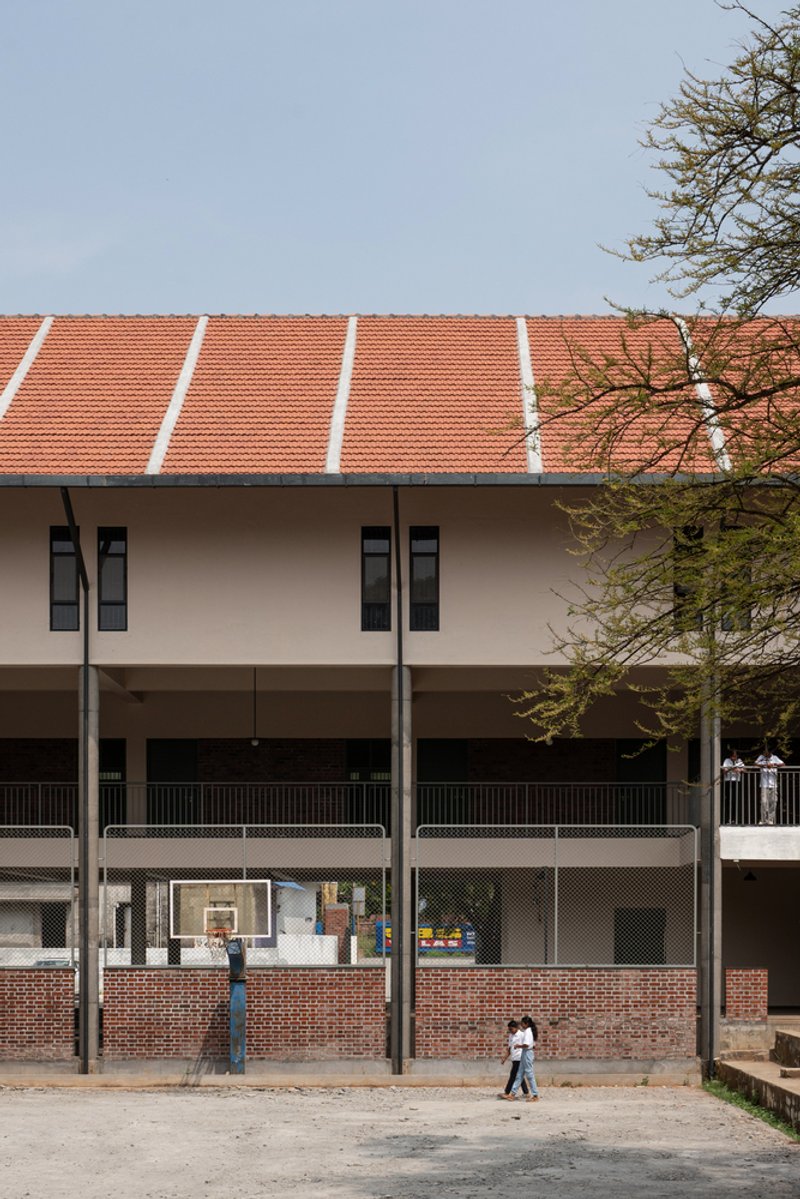
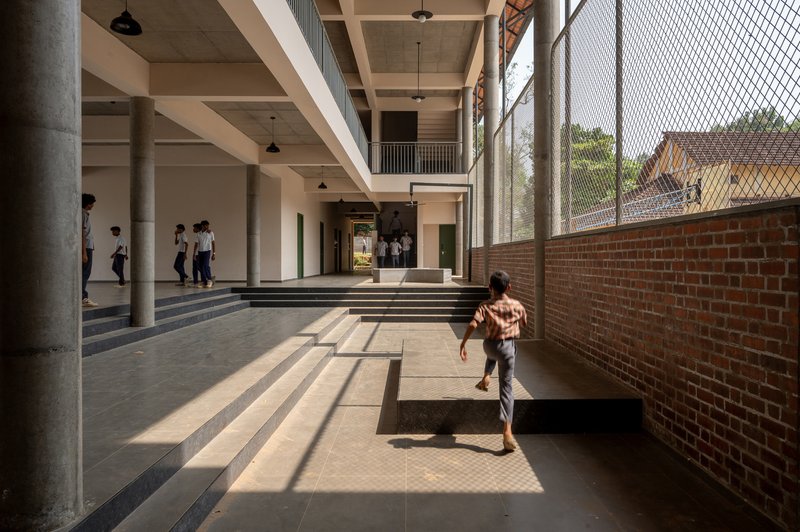
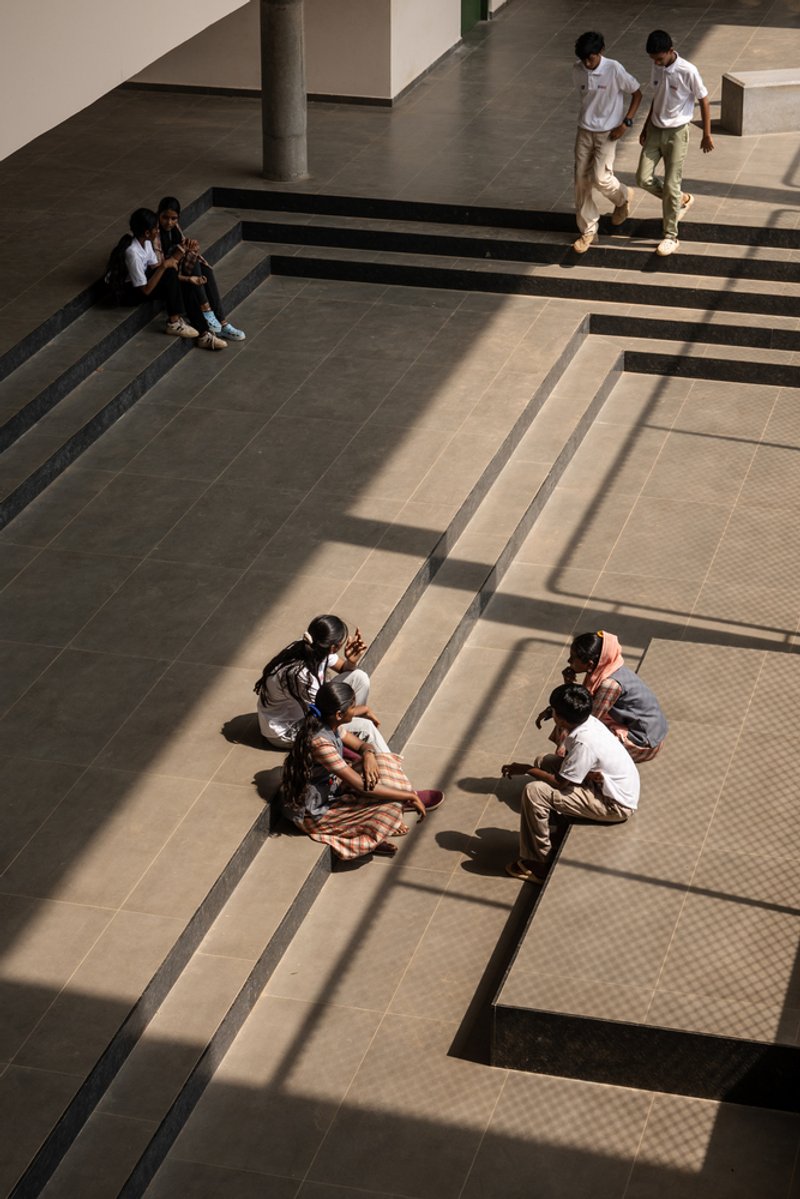
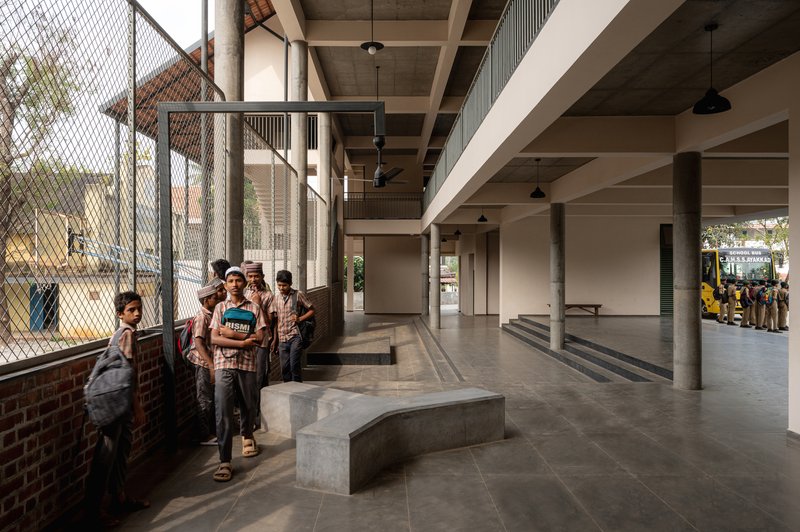
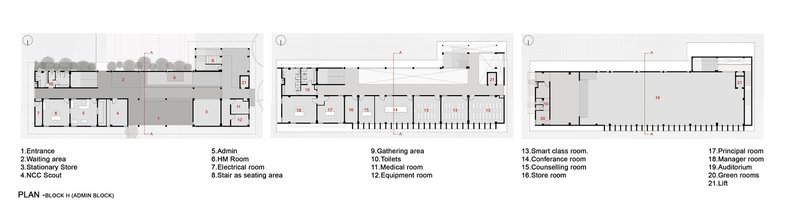
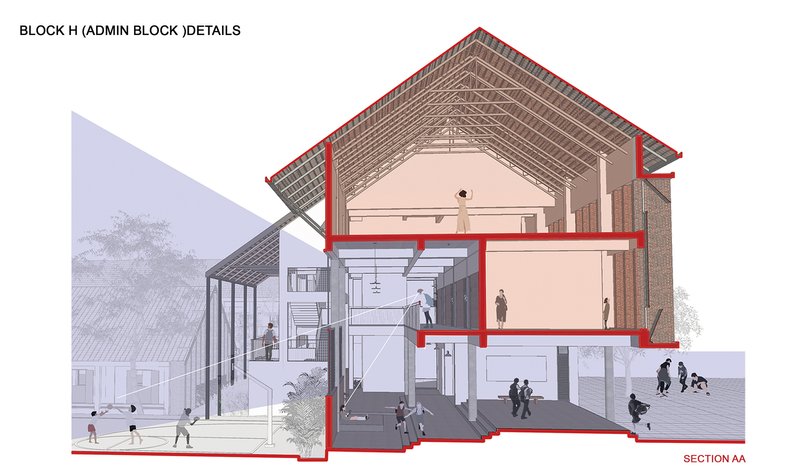
The Admin Block (Block H) spans 20,659 square feet and serves as the central axis of the school. Designed to segregate public and private zones, it accommodates meeting rooms, classrooms, and a multi-functional auditorium. Its open ground floor acts as a natural gateway, fostering interaction between students, faculty, and the landscape.
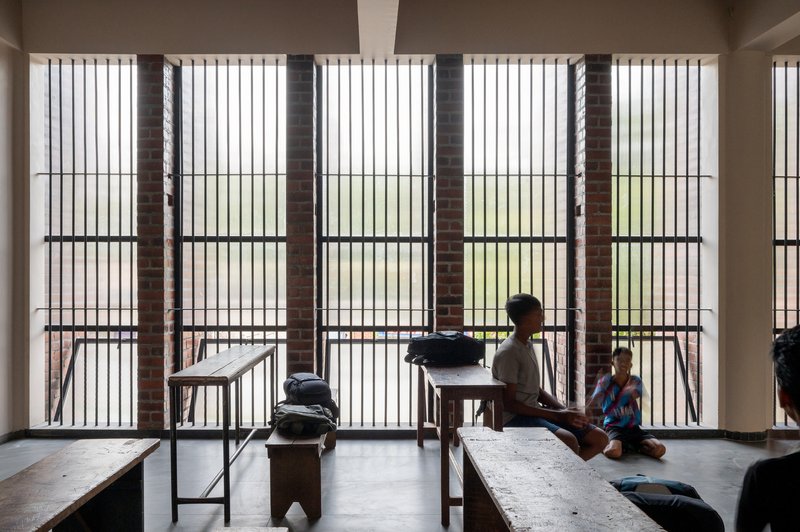
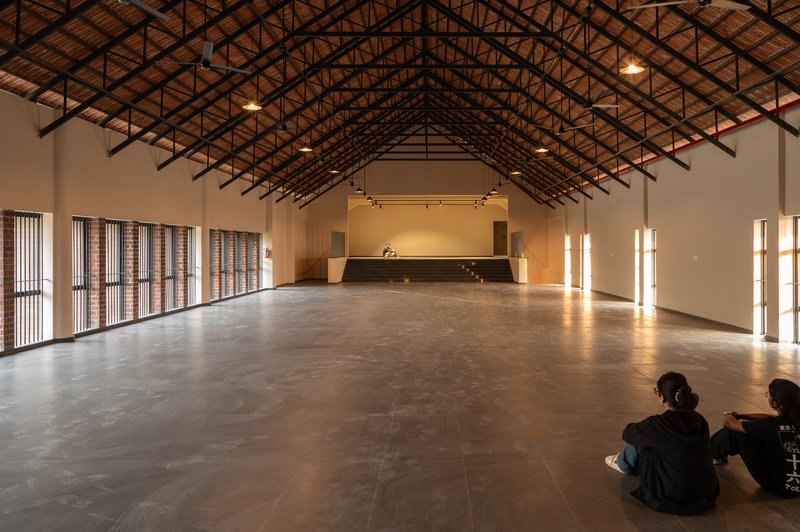
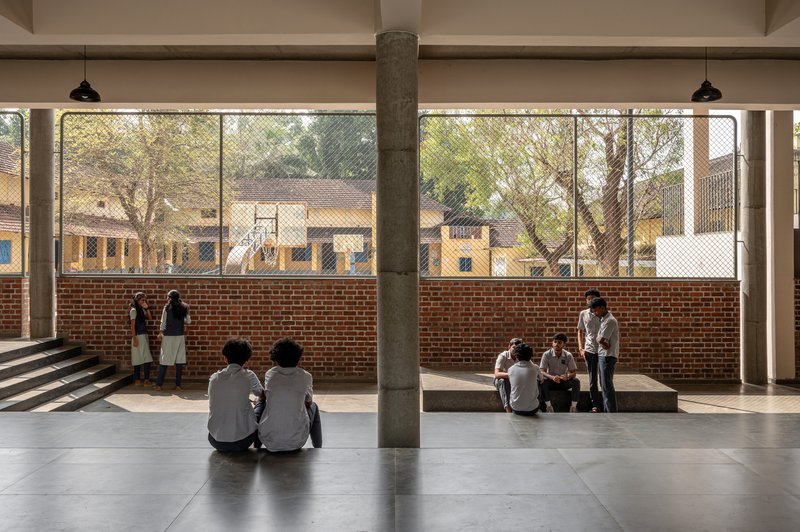
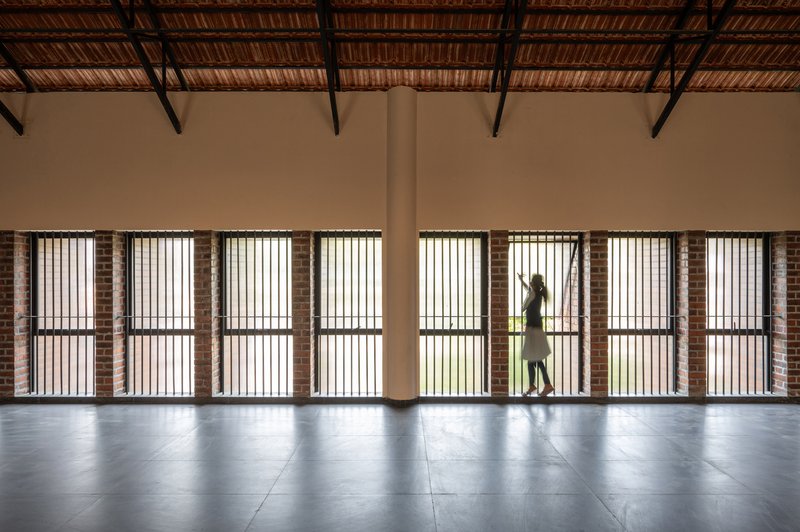
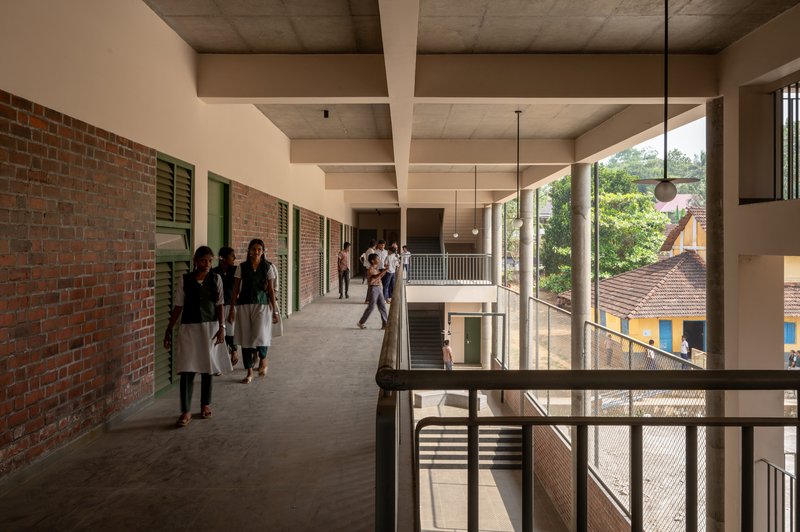
The first floor features semi-open spaces, with verandas running parallel to the building, visually linking different levels. Elements such as north-facing linear windows, double-height spaces, and light-filled gathering pockets create a vibrant, engaging atmosphere. The raw concrete textures and earthy tones reflect an aesthetic balance between tradition and modernity, enhancing both functionality and visual appeal.
Block A: Revitalizing Tradition through Adaptive Reuse
The second phase focused on renovating Block A, an 8,720-square-foot structure, by drawing inspiration from traditional Kerala architecture. A new outer layer of columns and an extended roof transformed the space, creating shaded corridors that enhance natural ventilation and comfort.
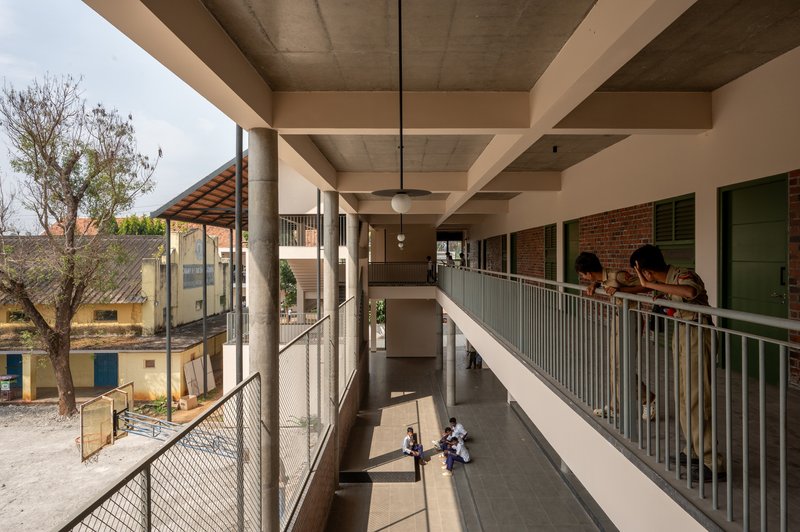
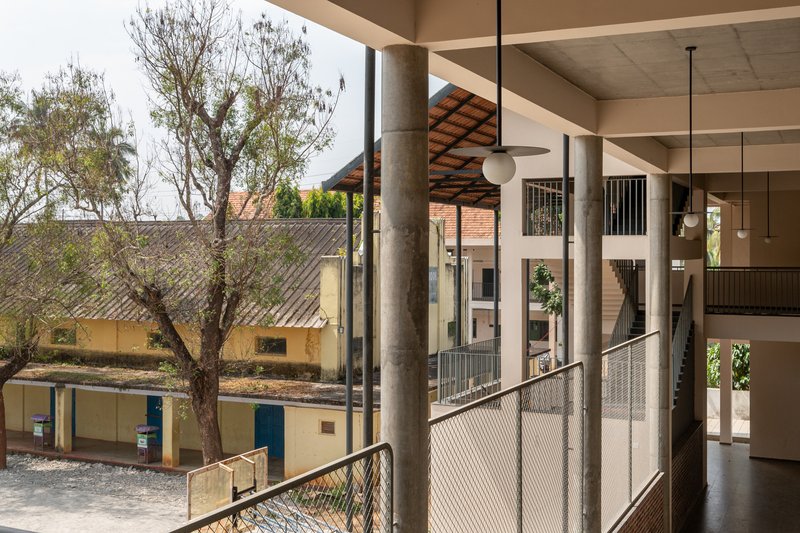
Muted colors, strategic light filtration, and imposing verandas define the building’s elegant yet functional character. These redesign elements ensure protection from the sun and rain, fostering active learning, social engagement, and emotional well-being. The intervention seamlessly integrates heritage with contemporary design, making the space adaptable for modern educational needs while maintaining cultural authenticity.
Sustainability and Cultural Sensitivity in Educational Design
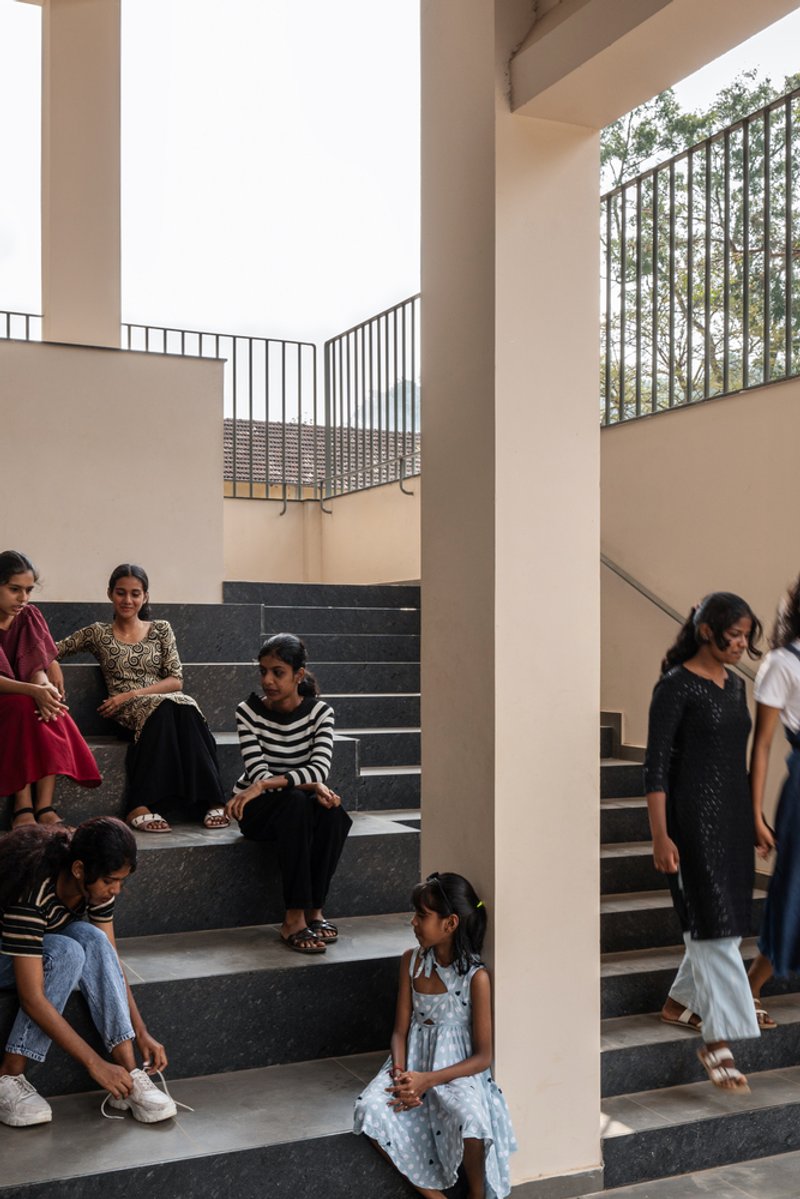
The C.A.H.S. School Ayakkad is a model of sustainable school architecture, prioritizing passive cooling, spatial flexibility, and environmental integration. Floor-to-floor balconies enhance natural ventilation and daylighting, reducing reliance on artificial lighting and mechanical cooling. The courtyards and verandas encourage social interaction, making the campus feel open, breathable, and community-driven.
By harmonizing traditional design principles with modern sustainability, the school redefines how educational institutions in rural settings can function as culturally rooted yet future-ready learning environments. The thoughtful balance between heritage, open spaces, and contemporary educational needs ensures that the school remains a sanctuary for learning, collaboration, and growth for generations to come.
All Photographs are works of Studio IKSHA



Popular Articles
Popular articles from the community

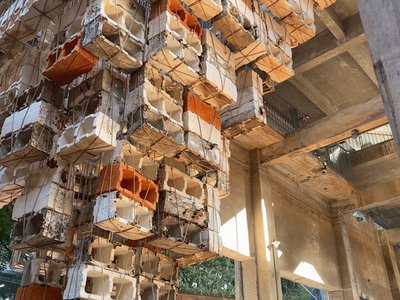
Inverted Architecture Installation by Studio Link-Arc: Exploring the Intersection of Architecture and Living Organisms
Inverted Architecture Installation by Studio Link-Arc blends mycelium, sustainability, inverted design, ecological cycles, and urban adaptive architecture in Shenzhen.
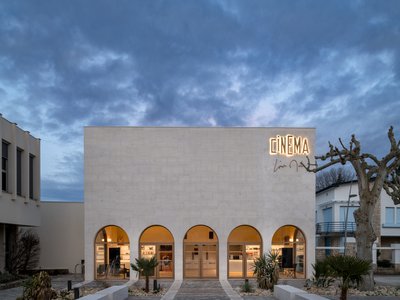
Louis Malle Cinema: A Limestone Cultural Landmark Revitalizing Community Life in Prayssac
Limestone cinema extension with public forecourt, blending heritage and modern design to create flexible cultural spaces and strengthen community interaction.
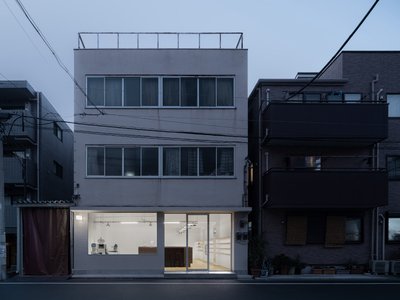
Atelier Macri Concept Store Interior Design by CASE-REAL
Atelier Macri store features a "ko" counter, walnut wood details, cork displays, blending retail, gallery, and seamless customer experiences.

Solar Steam: A Climate-Responsive Architecture That Redefines the Monument
A climate-responsive memorial architecture that transforms heat, decay, and time into a living system reflecting humanity’s ecological impact.

Similar Reads
You might also enjoy these articles


Top 15 Architecture Competitions to Enter in 2026
From student-friendly idea competitions to prestigious international awards, here are the best architecture competitions open for entries in 2026. Updated regularly.

DIY & Engineering in Computational Design : Enter the BeeGraphy Design Awards
Showcase Your Creativity with Computational Design and Open Source Projects
Innovative Design Solutions: Award-Winning Projects from Recent Architecture Competitions
Exploring award-winning architectural projects shaping the future of design, sustainability, and community.



Explore Architecture Competitions
Discover active competitions in this discipline




The International Standard for Design Portfolios


The Global Benchmark for Architecture Dissertation Awards


The Global Benchmark for Graduation Excellence


Challenge to design public laboratory
Comments (0)
Please login or sign up to add comments
No comments yet. Be the first to comment!