
Sustainable School Architecture: The Whittle School and Studios Suzhou Campus
The article highlights the sustainable architecture and innovative design of the Whittle School and Studios Suzhou campus in China.

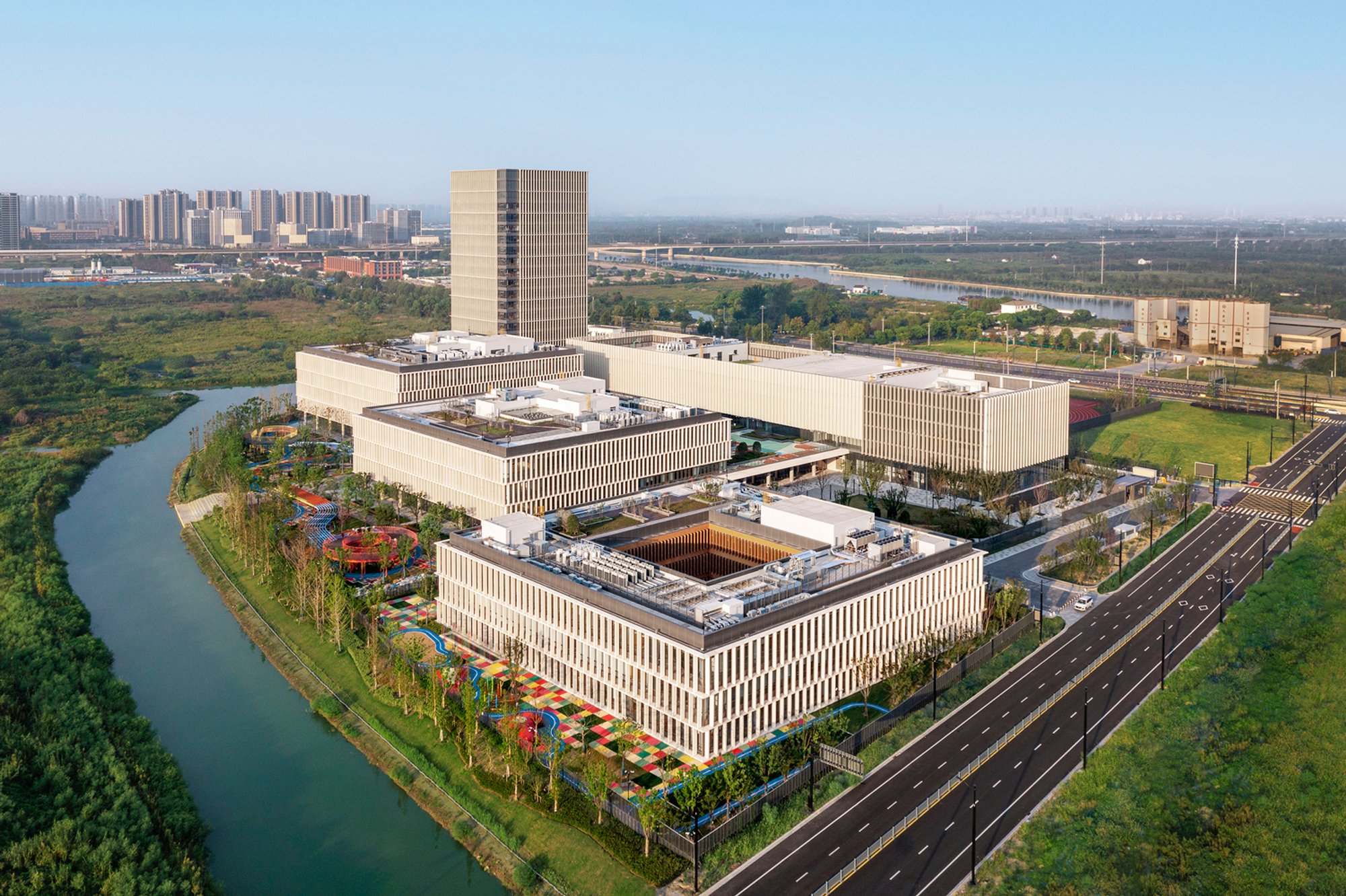
The Whittle School and Studios Suzhou, designed by Perkins Eastman, is an exemplary model of sustainable school architecture. Located in Suzhou, China, this state-of-the-art campus occupies a 7.5-hectare waterfront site and is designed to accommodate 2,500 students from Pre-K through 12th grade. The campus is strategically placed within the high-speed rail new town district, only 19 minutes from Shanghai, combining cutting-edge architecture with a commitment to sustainability.
Architectural Design Philosophy
Masterplan and Site Integration
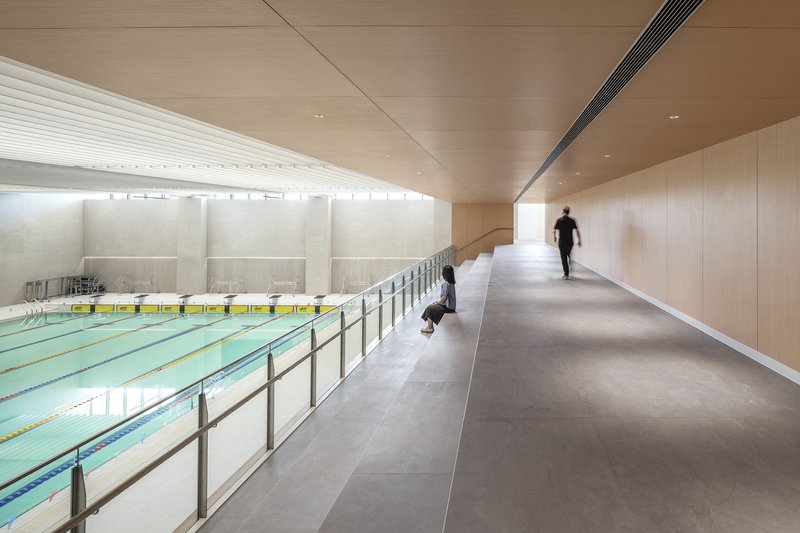
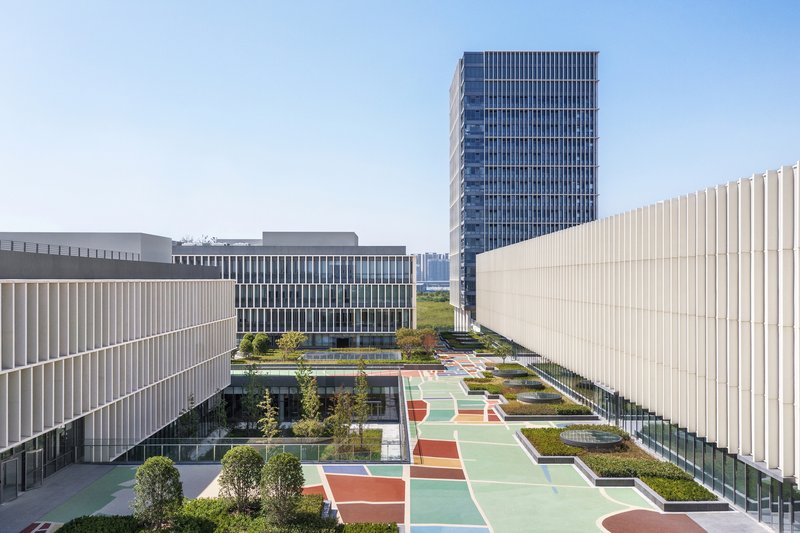
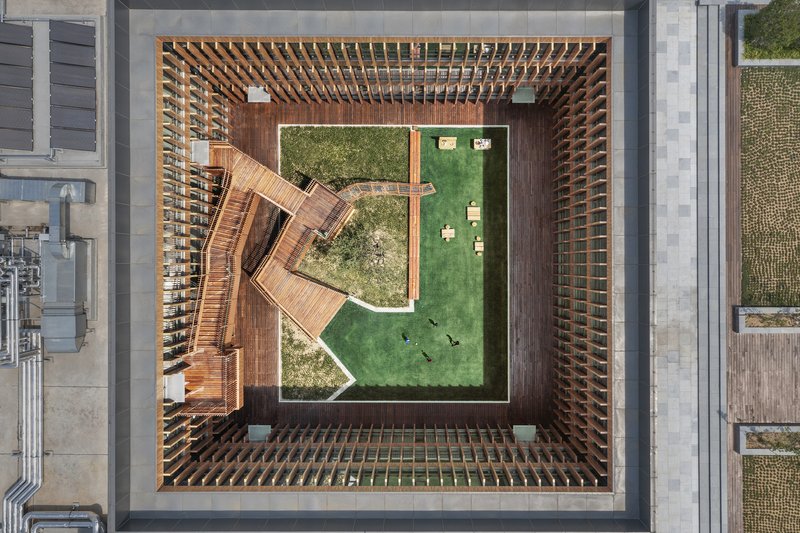
The design of the Whittle School and Studios Suzhou is driven by a strong sustainable design ethos that takes full advantage of the natural environment. The campus is divided into two distinct zones—an active, boisterous area near the highway and a serene, contemplative academic zone along the canal. This zoning maximizes the benefits of the surrounding natural features, with views and access to water playing a key role in shaping the campus layout.
- Active Sports and Living Zone: This area is designed for social and athletic activities, aligning with the more dynamic aspects of student life.
- Academic Zone: Situated along the canal, this tranquil area fosters focused learning and contemplation.
Sustainable Building Features
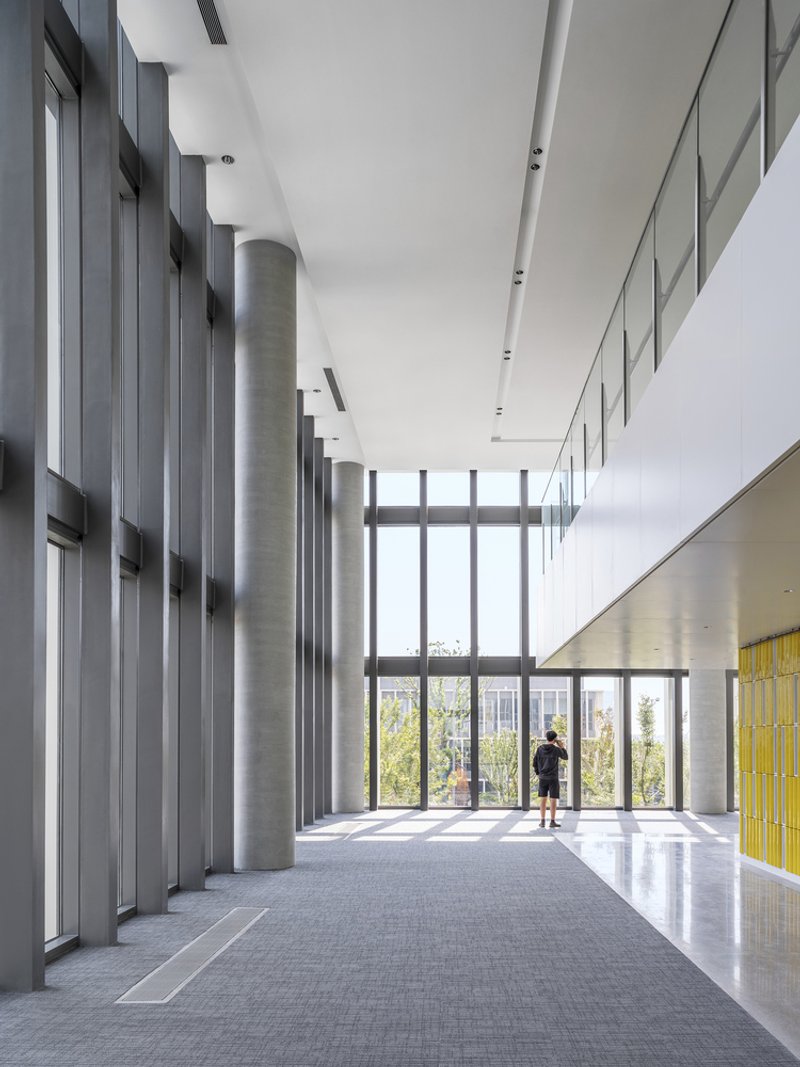
The campus layout optimizes natural light, with three distinct academic pavilions arranged along the canal, ensuring each zone benefits from ample daylight and natural views. This approach not only enhances the learning environment but also contributes to energy efficiency, reducing reliance on artificial lighting.
Innovative Use of Green Design
The Whittle School and Studios Suzhou campus goes beyond the basics of sustainable school architecture. The design incorporates several green building practices that minimize environmental impact while maximizing educational benefits. The campus is designed to meet LEED for Schools Silver certification and China Greenstar (two-star) requirements, ensuring that sustainability is at the heart of every building.
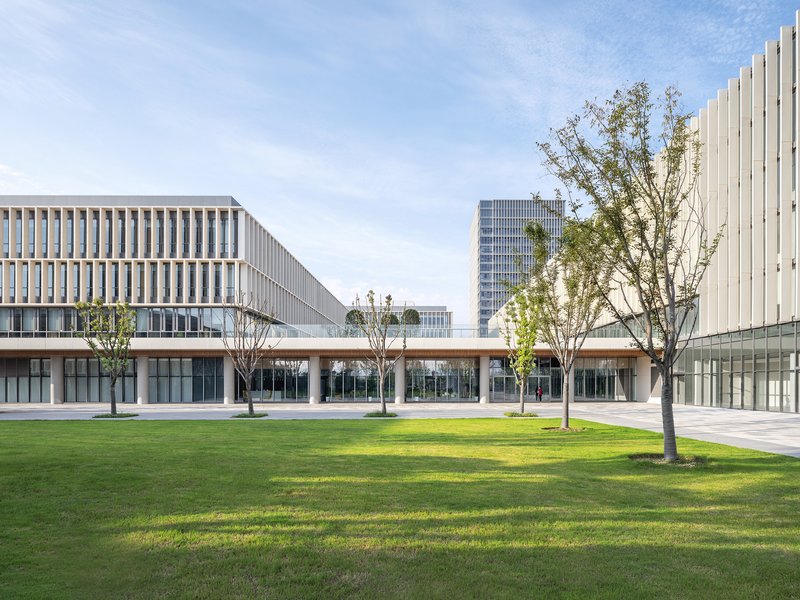
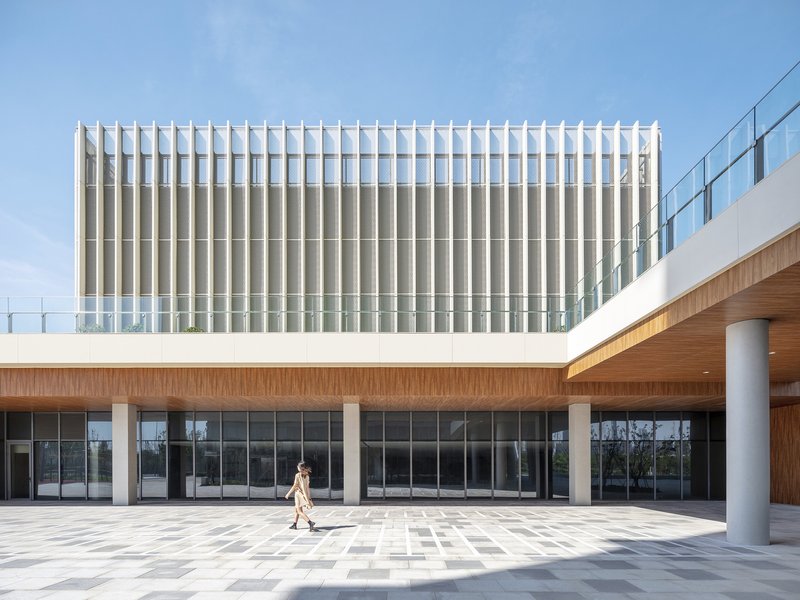
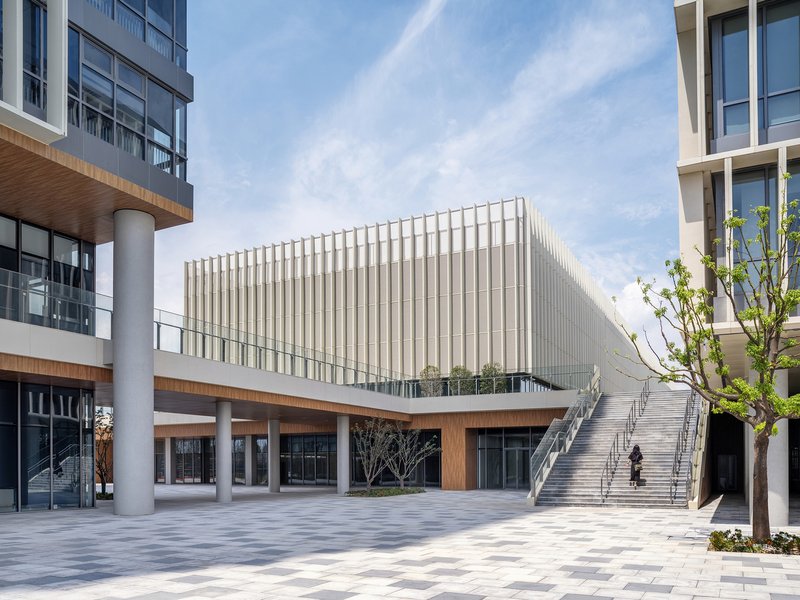
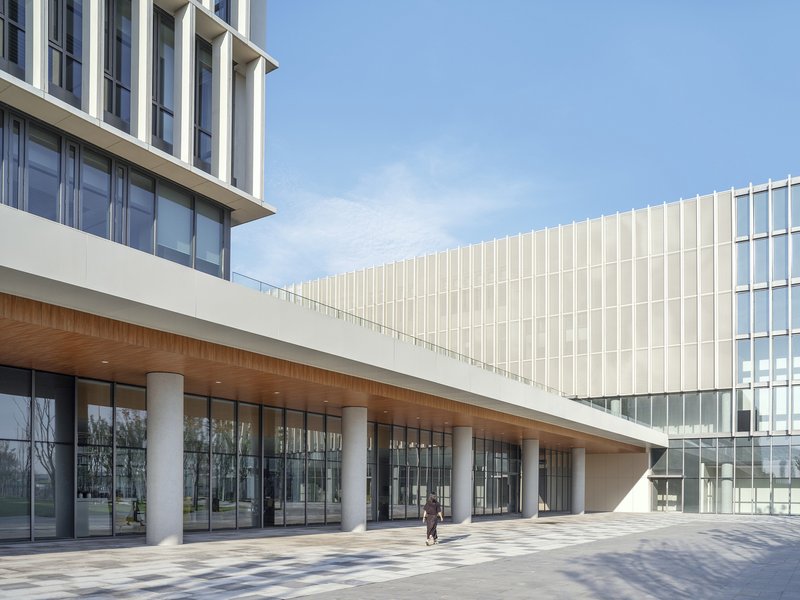
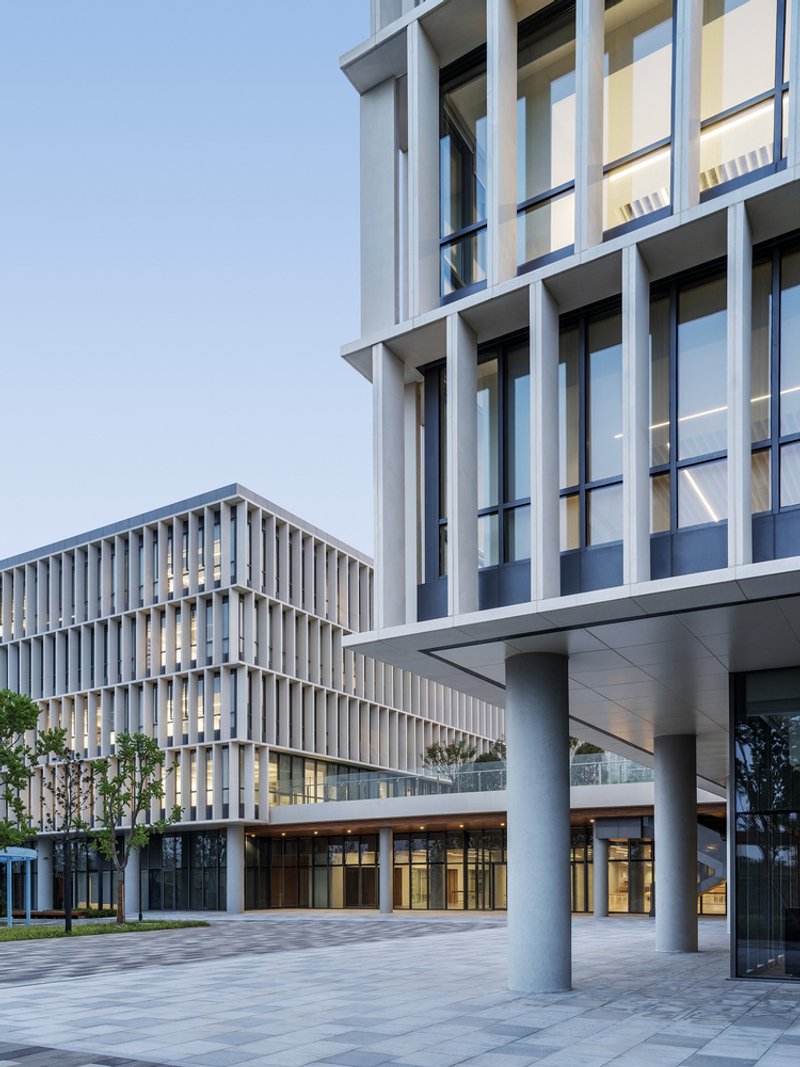
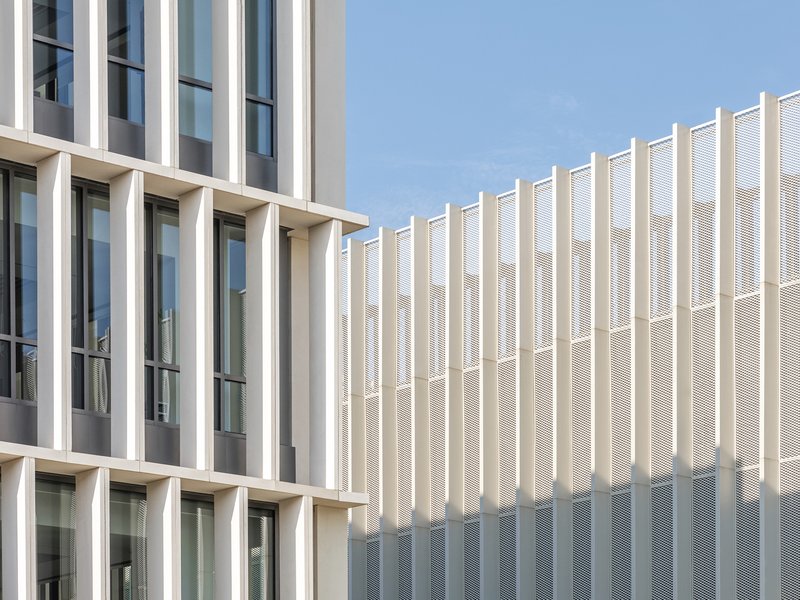
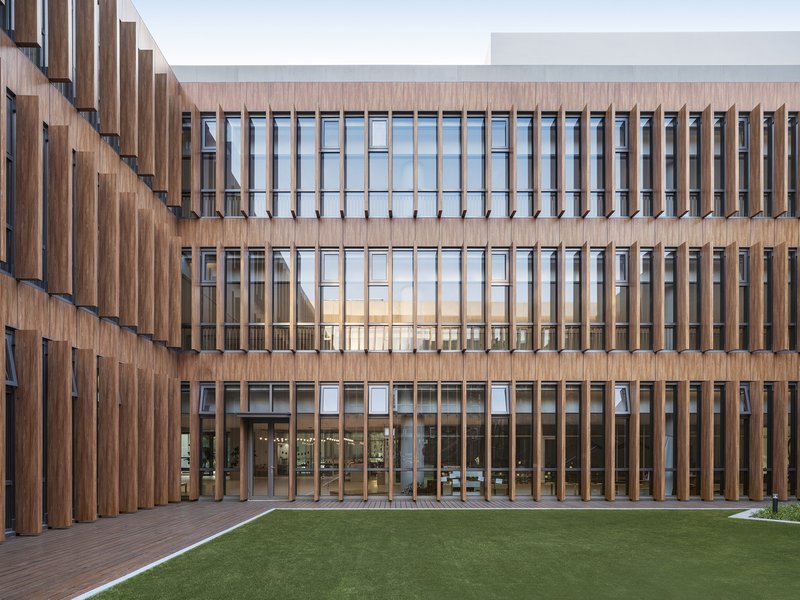
- Brise-Soleil Facades: One of the standout architectural features is the use of high-tech brise-soleil, a sun-shading system that wraps around the exterior of the buildings. These screens are designed to optimize daylight access while reducing glare and heat, contributing to the energy efficiency of the campus. Made from ultra-high-performance concrete (UHPC), these brise-soleil structures are not only functional but also contribute to the aesthetic identity of the campus.
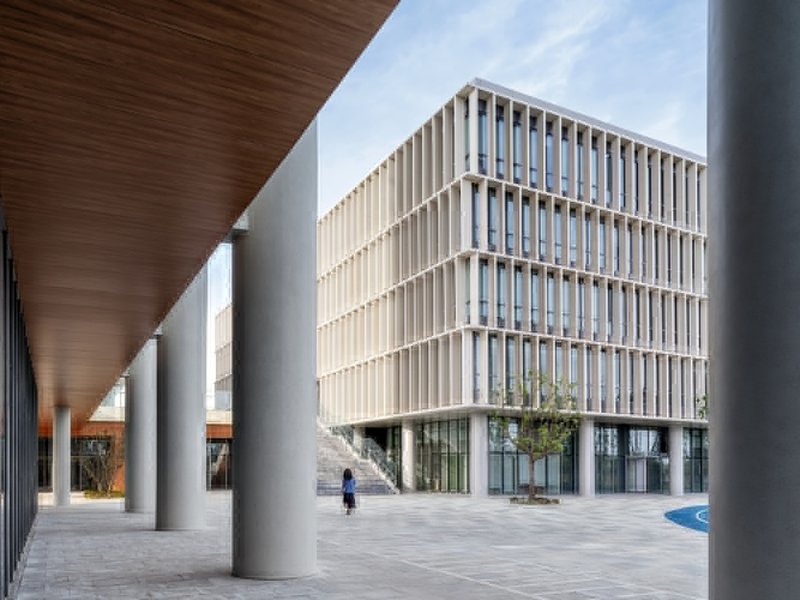
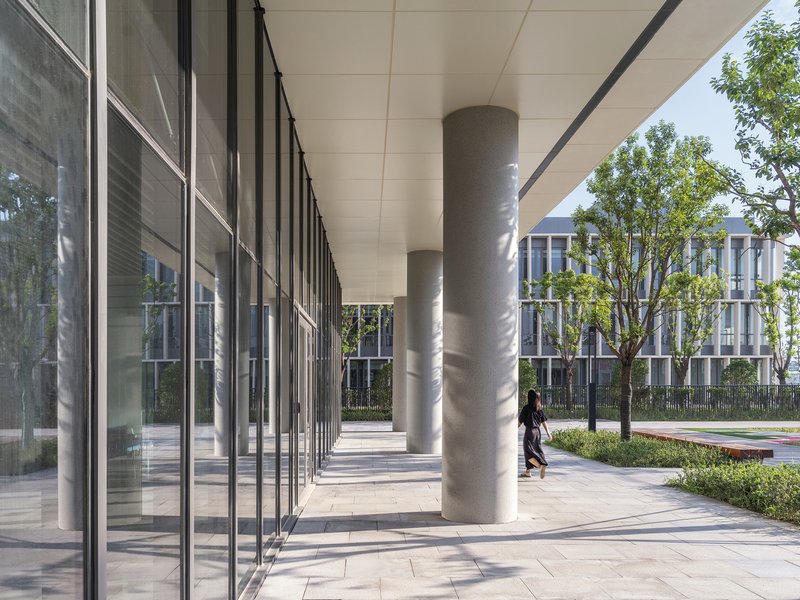
- Loggia Design: The campus features a series of loggias—one-story sheltered outdoor pathways—along the ground floor. These covered walkways provide students with a shaded route to navigate the campus, offering protection from the sun and rain while encouraging interaction with the surrounding landscape. This sustainable feature promotes the use of outdoor spaces year-round, enhancing the student experience.
A Vision for the Future of Education
Flexible Learning Spaces
At the core of the Whittle School's design is its flexible learning spaces. These adaptable environments foster interdisciplinary and project-based learning, making them ideal for a school that emphasizes experiential and bilingual education. The design encourages a fluid, collaborative atmosphere, aligning perfectly with the Whittle philosophy that “learning happens anywhere, all the time.”
Sports and Performing Arts Facilities
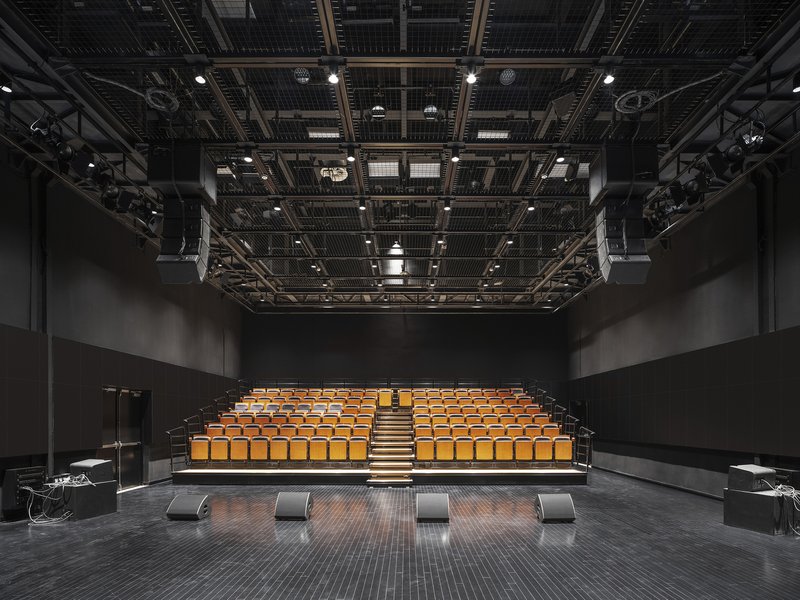
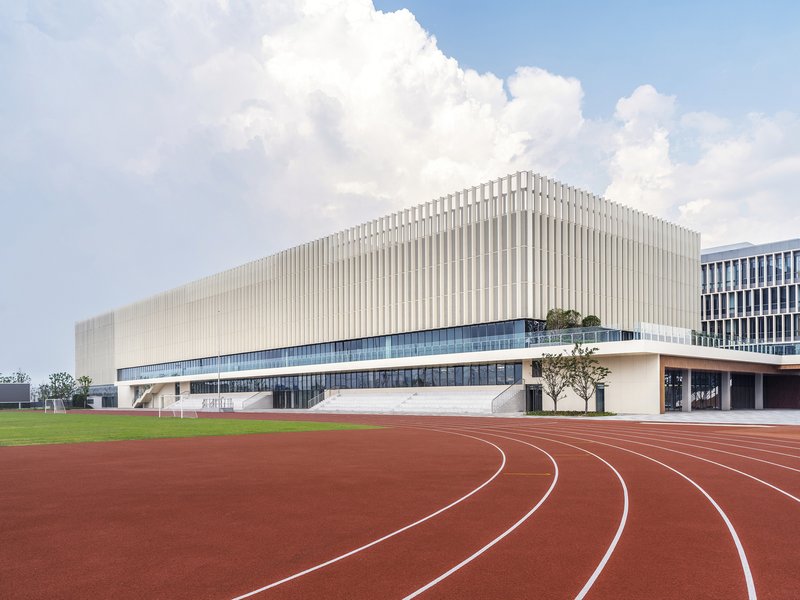
The campus includes a shared sports and performing arts center designed as a community hub for both students and faculty. Situated between the academic and active zones, this center offers facilities for physical education, performance arts, and communal activities, fostering a sense of unity and collaboration.
The Residential Hall
The residential hall, which accommodates up to 1,000 students, is strategically located along the canal. This private, peaceful setting provides students with a serene living environment that supports their academic and personal growth, all while maintaining a focus on sustainability and well-being.
Sustainable School Architecture as a Global Standard
The Whittle School and Studios Suzhou is a prime example of how sustainable school architecture can be integrated into modern educational campuses. By combining high-performance building systems, green design principles, and a focus on creating flexible, collaborative learning environments, the campus sets a new standard for educational architecture in Asia and around the world. This visionary design not only meets the needs of students today but also ensures a sustainable, environmentally responsible future for generations to come.
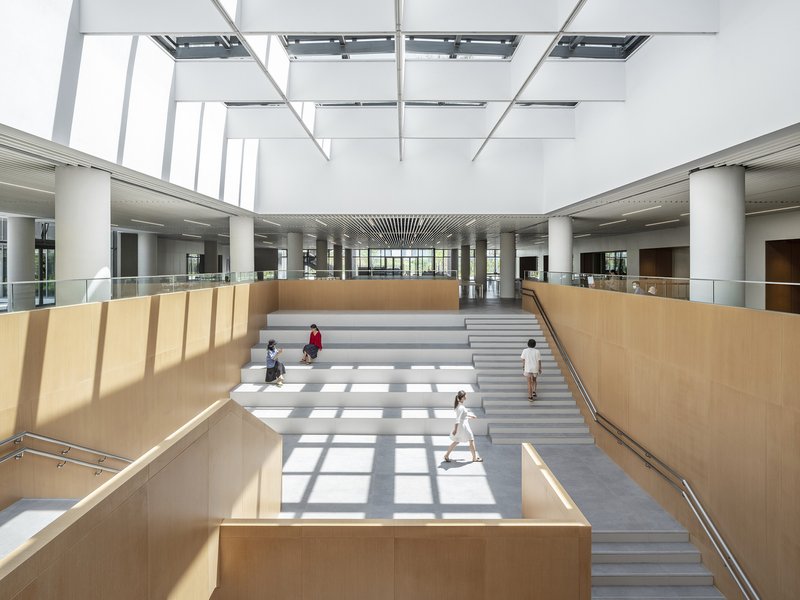
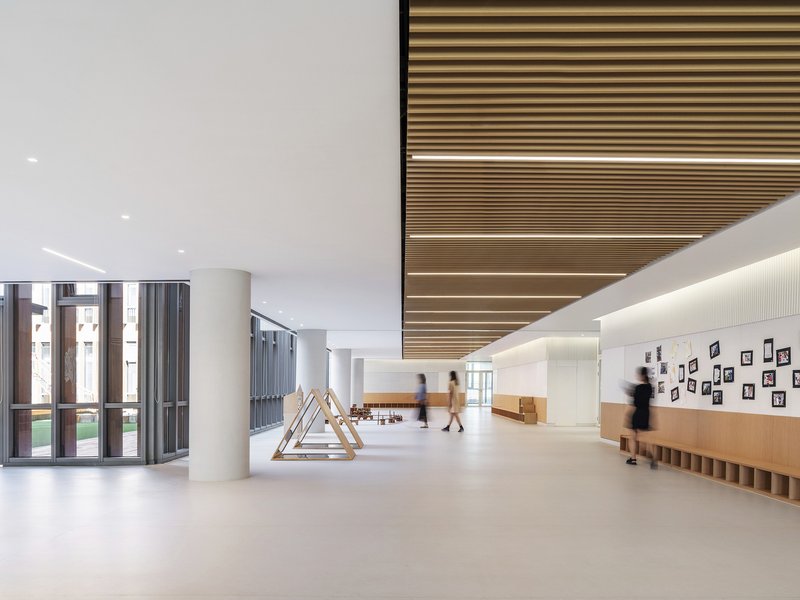
All photographs are work of Fangfang Tian




Popular Articles
Popular articles from the community

Free Architecture Competitions You Can Enter Right Now
No entry fees, real prizes. Here are the best free architecture competitions open for submissions in 2026.




Solar Steam: A Climate-Responsive Architecture That Redefines the Monument
A climate-responsive memorial architecture that transforms heat, decay, and time into a living system reflecting humanity’s ecological impact.
Atelier Macri Concept Store Interior Design by CASE-REAL
Atelier Macri store features a "ko" counter, walnut wood details, cork displays, blending retail, gallery, and seamless customer experiences.


Similar Reads
You might also enjoy these articles


The Ken Roberts Memorial Delineation Competition (Krob)
As the most senior architectural drawing competition currently in operation anywhere in the world, it draws hundreds of entries each year, awarding the very best submissions in a series of medium-based categories.

Waterfront Redevelopment and Urban Revitalization in Mumbai: Forging a New Dawn for Darukhana
A transformative waterfront redevelopment project reimagining Darukhana’s shipbreaking heritage into an inclusive urban future.

OUT-OF-MAP: A Call for Postcards on Feminist Narratives of Public Space
Rhizoma Design and Research Lab invites artists, designers, architects, researchers, and students to reflect on how feminist perspectives can reshape public space. Selected works will be exhibited in Barcelona, October 2026. Submissions open until 15 April 2026.


Documentation Work on Buddhist Wooden Temple
Architectural syncretism and cultural hybridity: A comparative study of the Buddhist temples in Chattogram Hill tracks


Explore Architecture Competitions
Discover active competitions in this discipline




The International Standard for Design Portfolios


The Global Benchmark for Architecture Dissertation Awards


The Global Benchmark for Graduation Excellence


Challenge to design public laboratory
Comments (0)
Please login or sign up to add comments
No comments yet. Be the first to comment!