
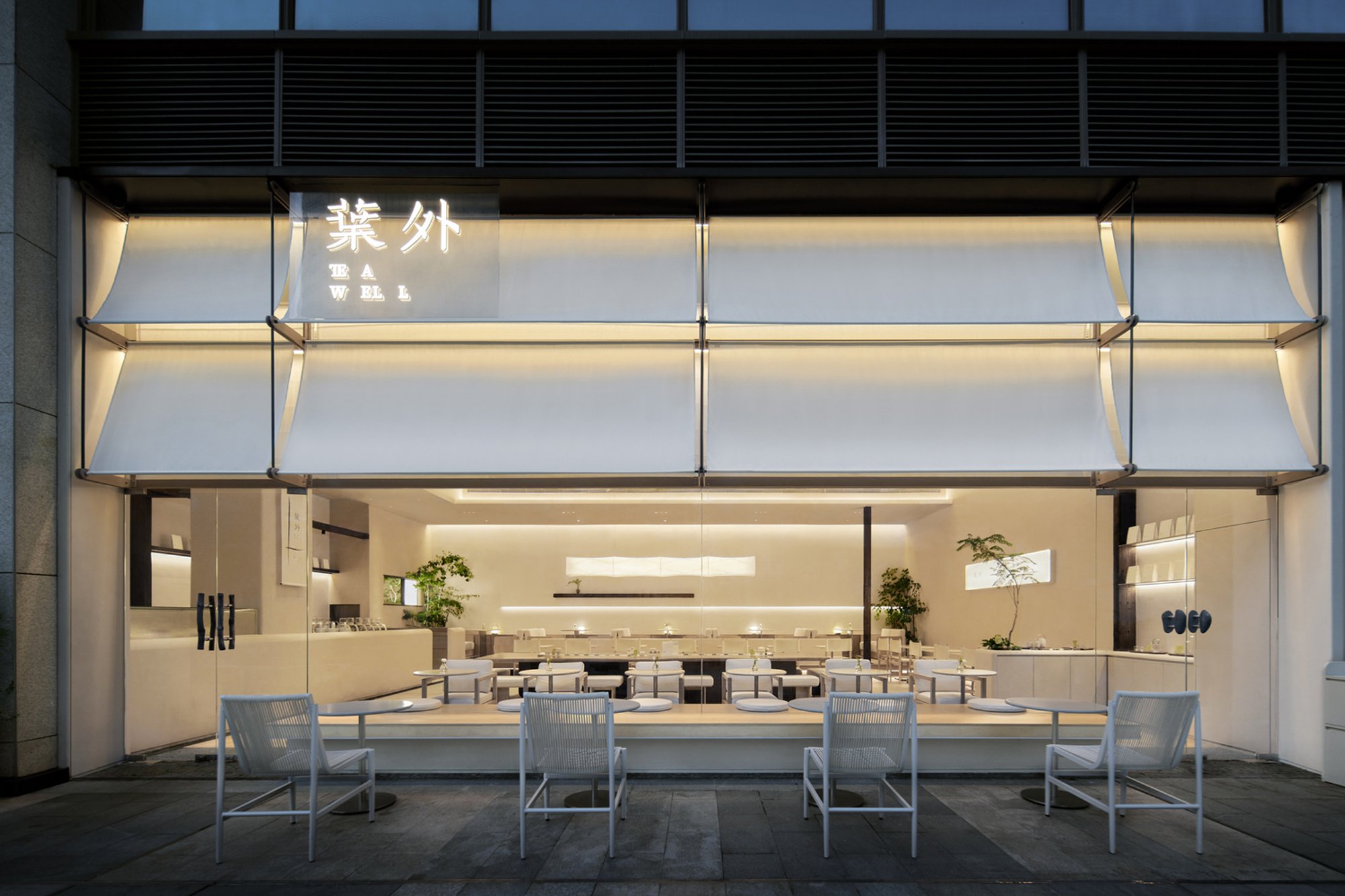
TEA WELL Store by Ruhaus Studio: A Contemporary Ode to Oriental Aesthetics and Tea Culture
TEA WELL Store blends Oriental aesthetics with minimalist design, creating a serene tea space rooted in nature, texture, and tranquility.

Location: Coastal City, Shenzhen, China Design Firm: Ruhaus Studio Area: 230 m² Year Completed: 2023 Lead Architects: Dandan Zhu, Yiru Wang Photography: © yuuuunstudio
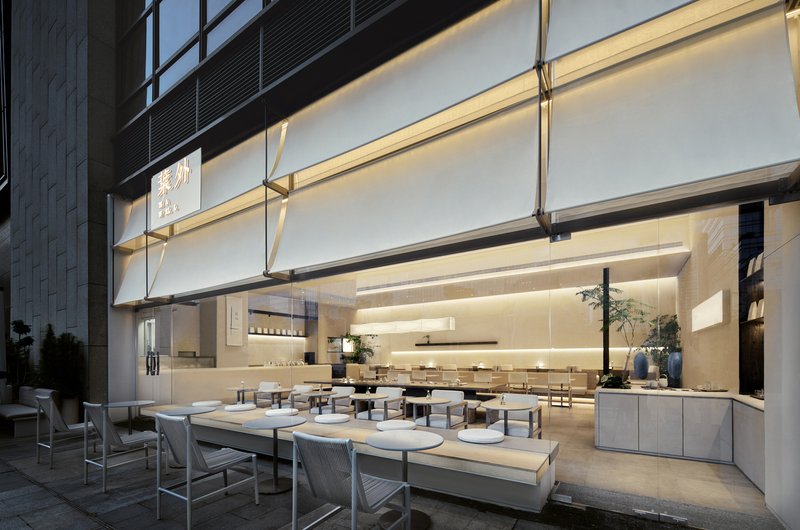
A Modern Tea Space Inspired by Oriental Heritage
The TEA WELL Store in Coastal City, Shenzhen, designed by Ruhaus Studio, is a harmonious blend of traditional Eastern philosophy and contemporary spatial design. This is the fifth store by TEA WELL and marks a key moment in the brand’s evolution. With a deep reverence for pure tea culture, the space serves as a serene refuge where modern urban life meets timeless Oriental aesthetics.
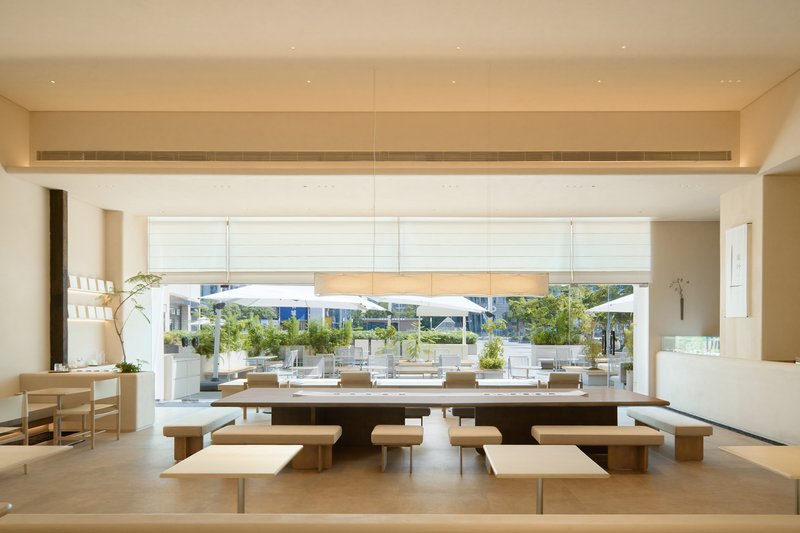
Philosophy of Time, Nature, and Contemporary Oriental Living
The design ethos of TEA WELL is rooted in the acceptance and flow of time. Drawing from the essence of traditional Chinese ink painting and natural observation, Ruhaus Studio reimagines a sensory and emotional experience for the young generation. The result is an immersive tea space that emphasizes calmness, introspection, and a deep emotional resonance with nature.
The architects sought to reconstruct an “Oriental world” — not as a nostalgic replica, but as a contemporary re-interpretation that speaks to today's aesthetics, emotions, and rituals.
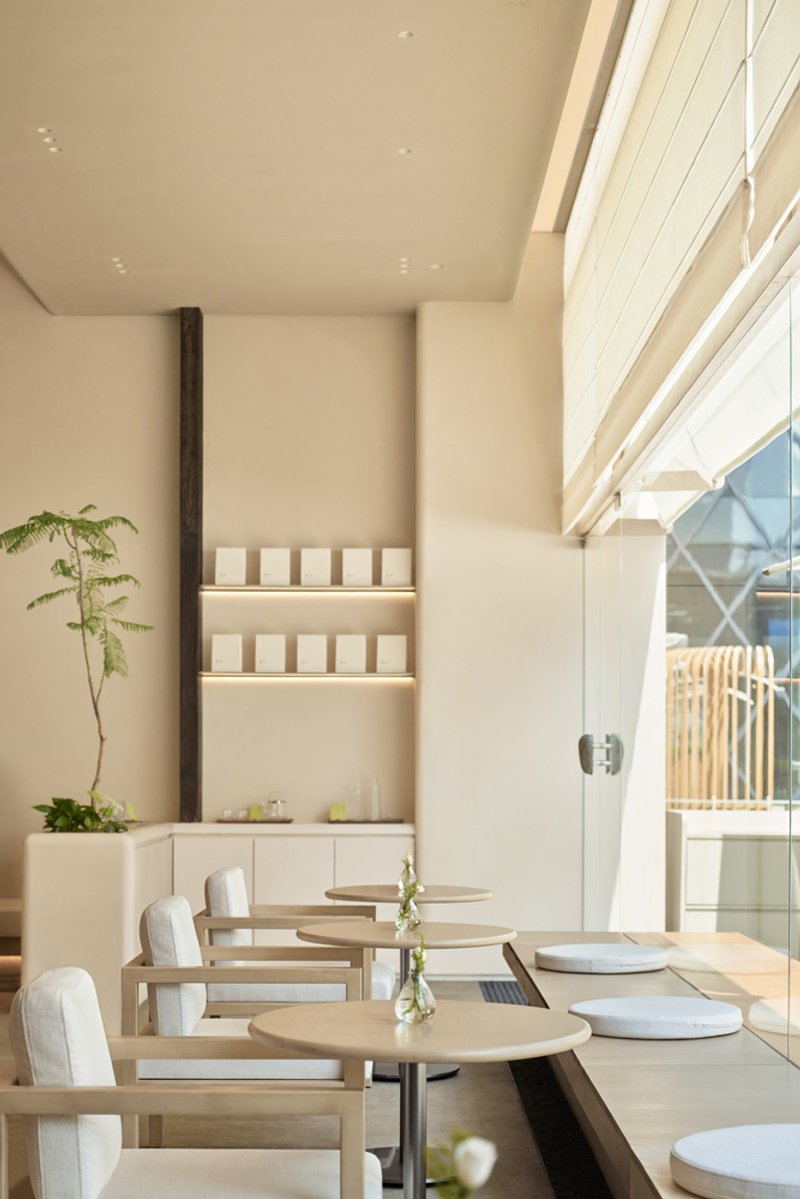
Design Strategy: Eaves and Terraces as Spatial Poetry
Located at a prominent corner within the bustling Coastal City complex, the store's architecture deliberately adopts a restrained, minimalist approach to counterbalance the commercial chaos outside. Instead of building something entirely new, the design evokes memories of idealized landscapes and poetic atmospheres.
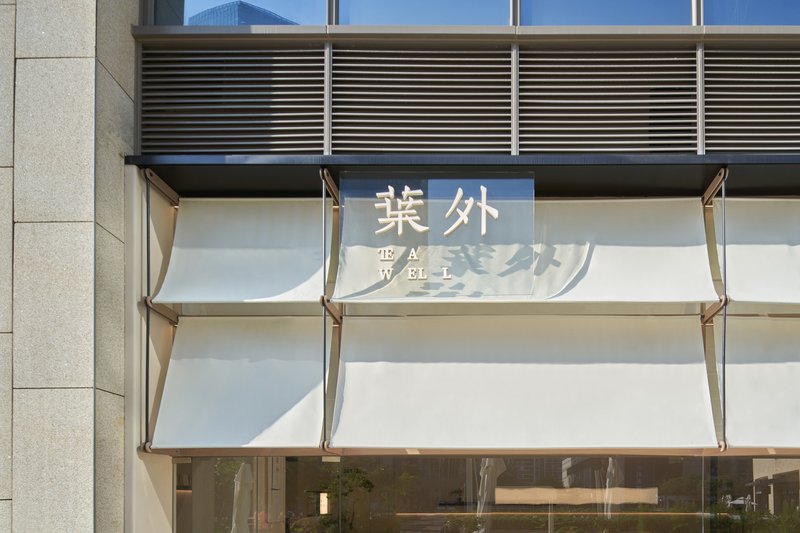
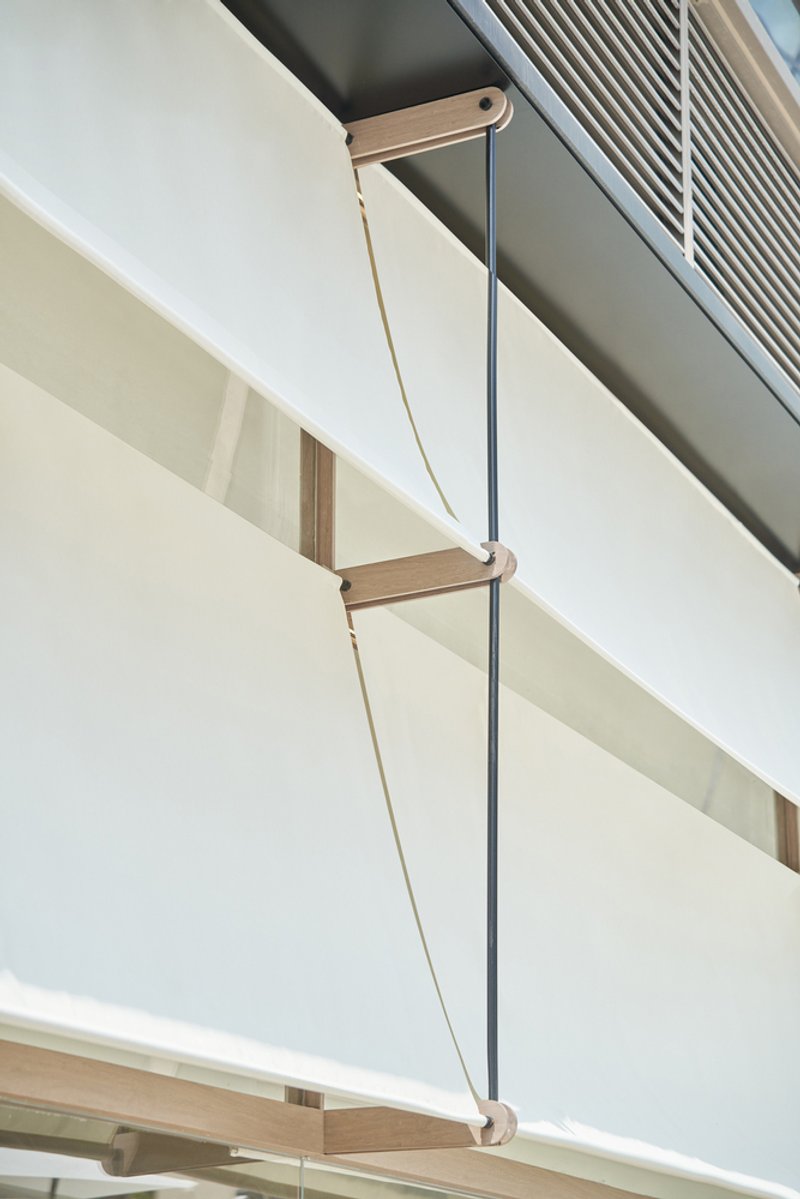
The defining element is the double eave structure. It serves a dual purpose:
- Filtering Shenzhen’s intense summer light, softening the indoor ambiance.
- Framing views outward, inviting a sense of transcendence while hiding high-rise distractions beyond the store.
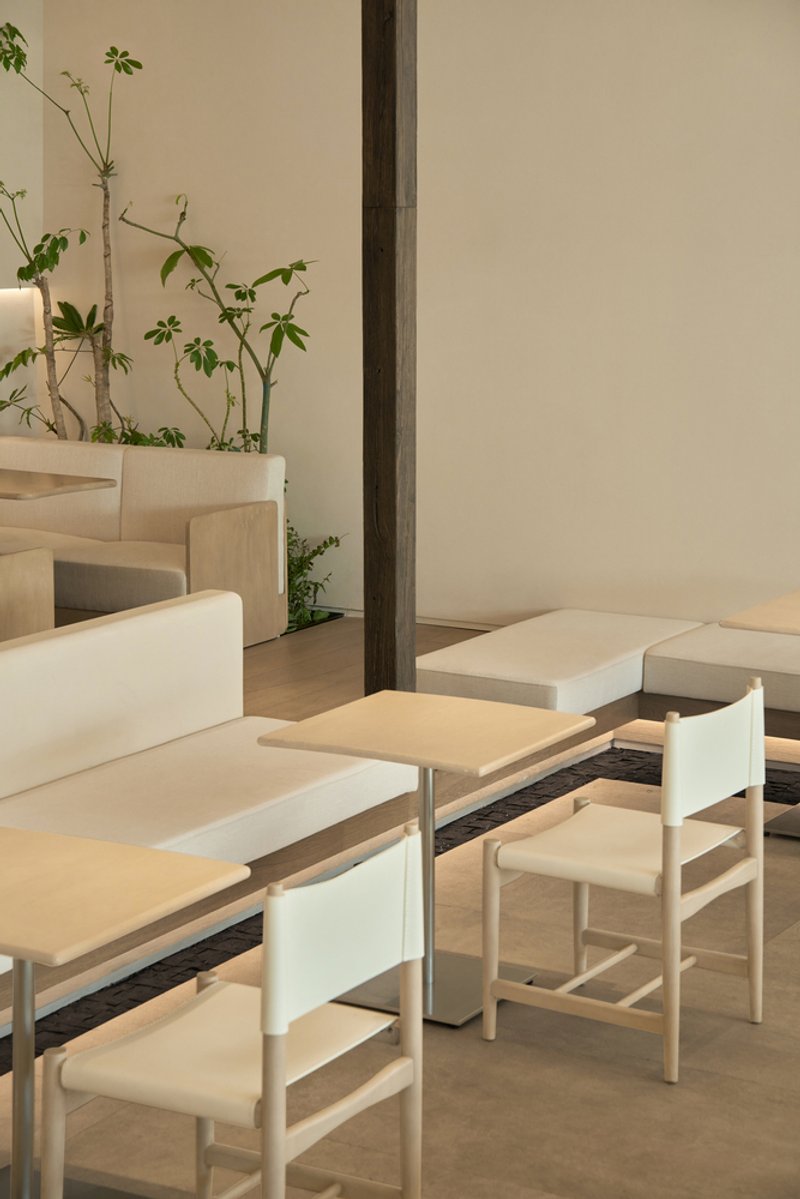
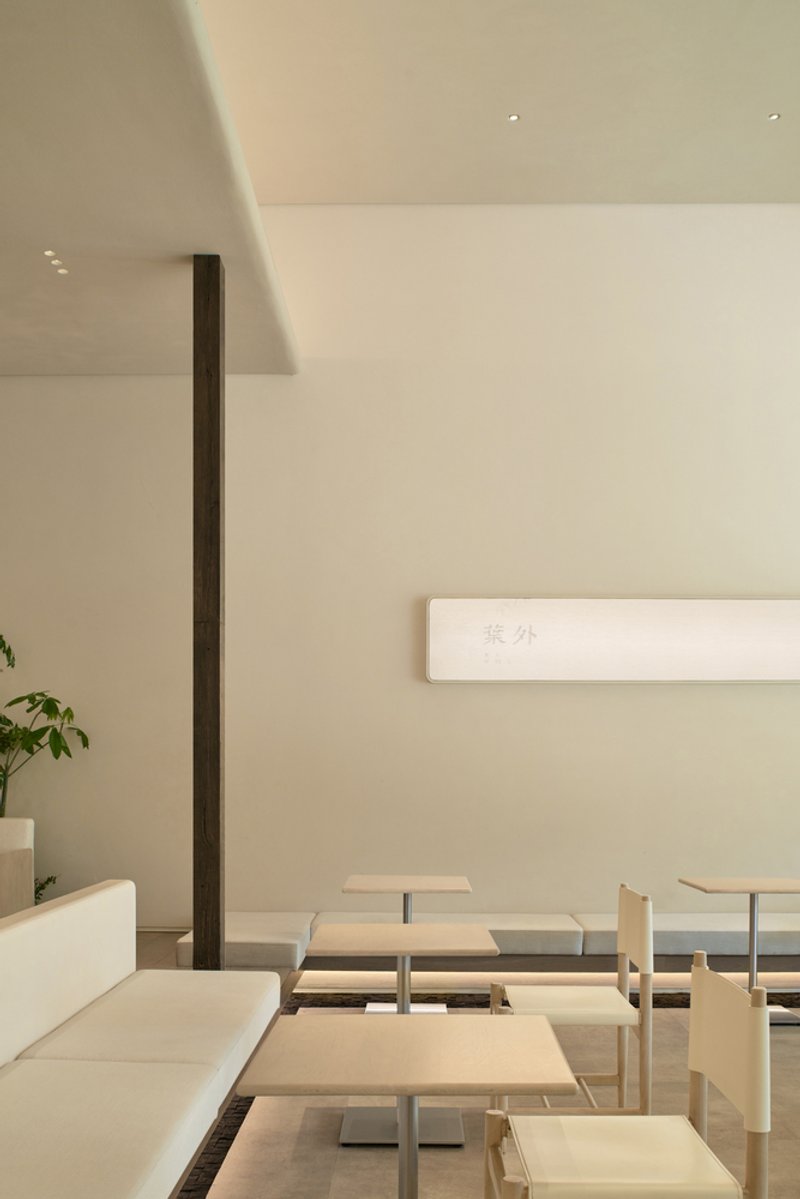
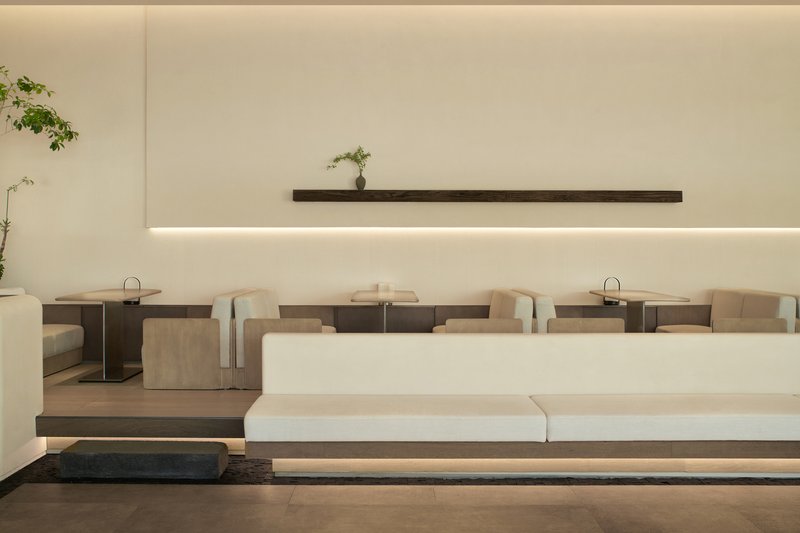
The suspended eave design visually removes heavy structural components, allowing uninterrupted spatial connections inside and out. At the far end, a raised exclusive seating platform offers privileged views of a carefully framed natural vignette, enhancing the sense of intimacy and spatial layering.
Visual Focus and Material Balance
At the heart of the space lies the folded bar counter — the central operational hub and a strong visual anchor. Its form is streamlined to hide equipment and reduce visual noise, allowing the architecture to “breathe.”
Key visual moments include:
- A bold monochromatic wall stroke, referencing calligraphy.
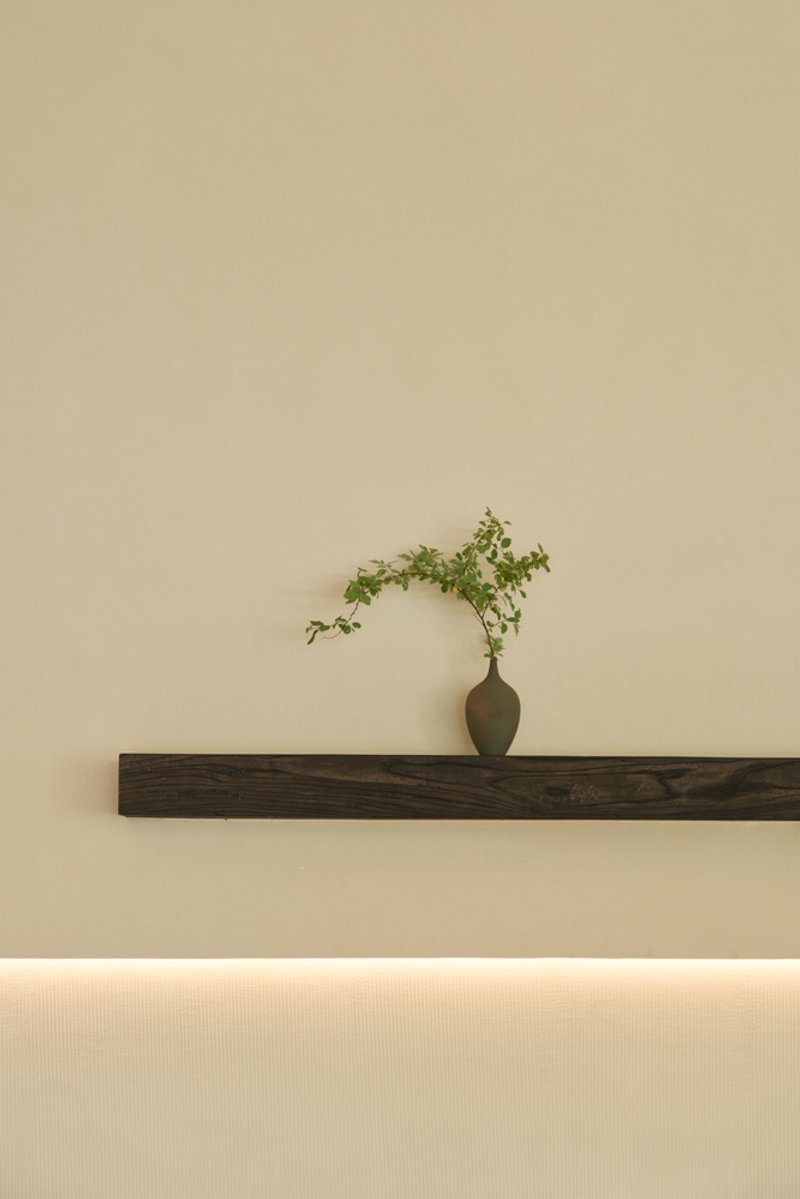
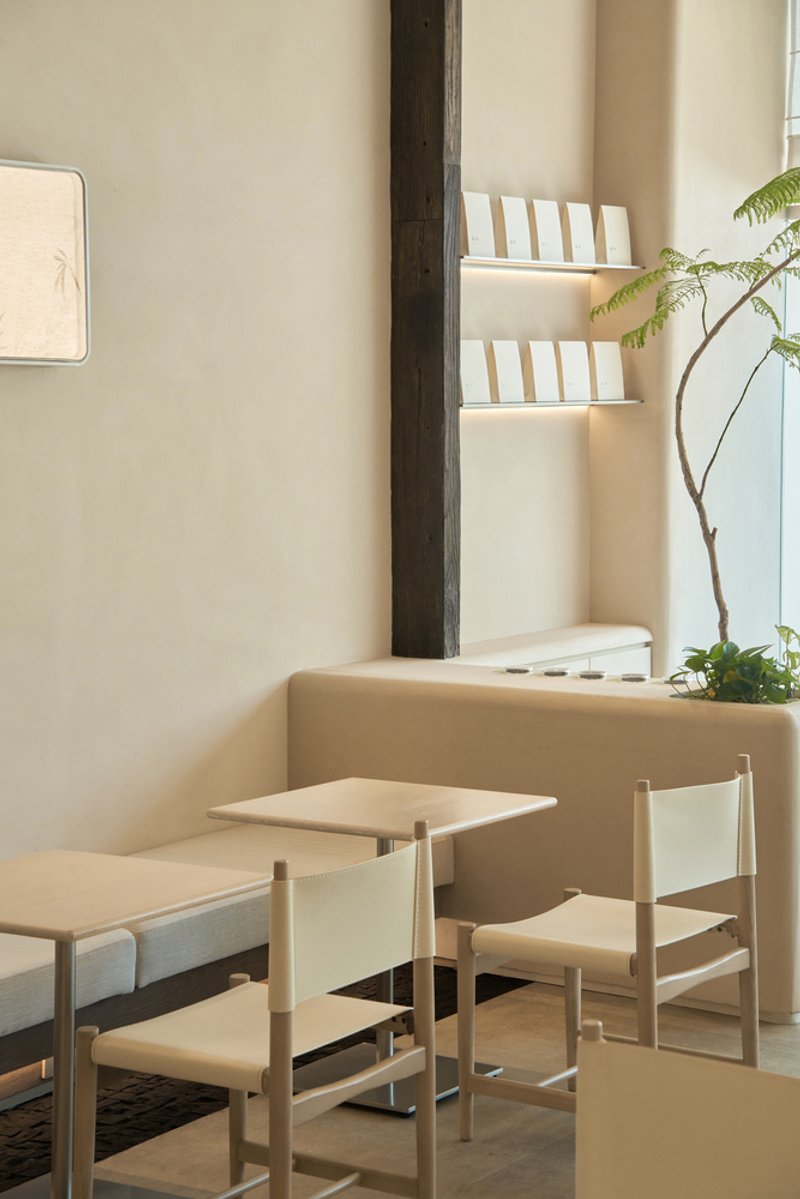
- The use of weathered wood and dark cobblestones, offering texture while promoting relaxation.
- Controlled lighting that adds soft contrast and rhythm, pulling the visitor’s gaze across the room without overwhelming it.
This minimalist yet expressive language mirrors the logic of classical painting: each design move is intentional, honest, and emotionally grounded.
Material Language: Textural Storytelling Through Subtlety
The interior material palette is a poetic collage of natural and handmade textures. The walls are finished in base-tone paints with hand-cut grooves, echoing ink wash layers. Flooring of natural-edged wood boards, linen-blend cushions, and woven surface accents enhance tactile richness.
This layered tactility does not distract; rather, it supports the meditative tone of the space and contributes to a sensory experience that feels rooted in Eastern traditions while being fully modern.
Ceremonial Tea Experience in the Heart of the Space
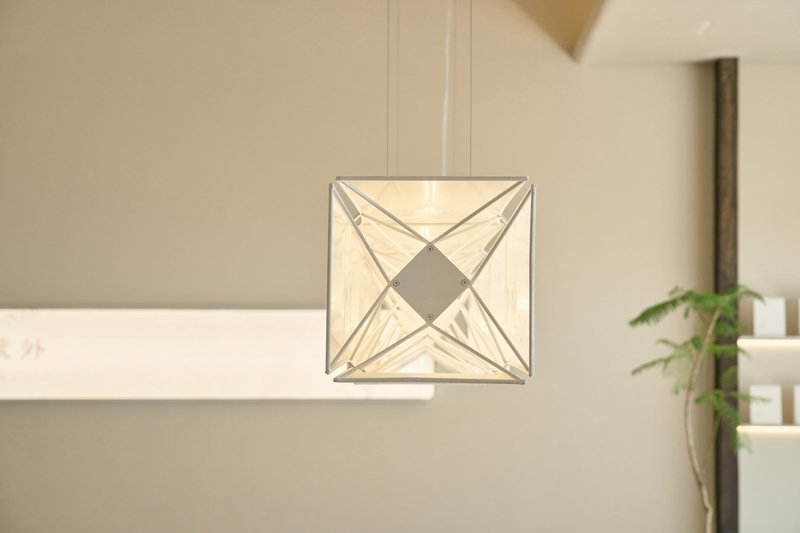
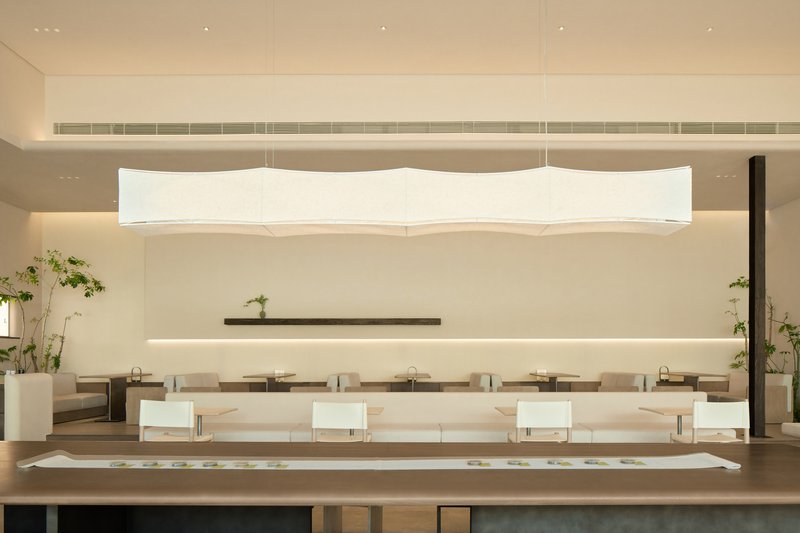
A monumental central tea table serves both as a gathering point and ceremonial object. It draws from classical Chinese forms but is scaled to impress and invite. Hovering above it is a suspended long lantern, an abstract reinterpretation of traditional Chinese lanterns, which brings warmth and volume without visual weight.
The soft lines and curvature of the lamp, paired with its ethereal materials, lend the space a lightness — as if the objects themselves were brushstrokes floating through the air.
Zen-Inspired Outdoor Courtyard
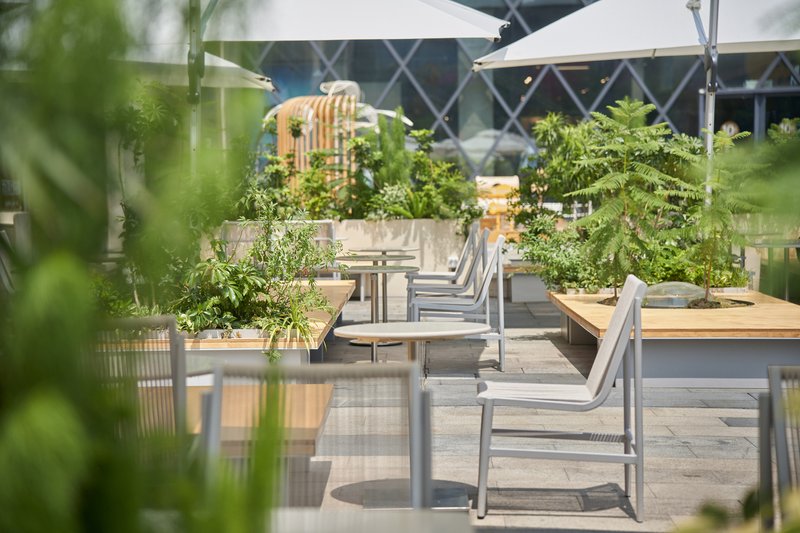
A true highlight of the TEA WELL Store is the outdoor Zen courtyard, which recreates a literati-style setting — a place for casual conversation, grounded tea-drinking, and contemplation. Inspired by the ancient “榻 (tà)” seating platform, the courtyard features oversized timber benches and loose floor cushions amid lush greenery.
This contemporary garden pavilion not only extends the tea experience but connects the visitor to a slower, more mindful rhythm, dissolving the boundary between indoor serenity and outdoor freedom.
A Timeless Space for a Contemporary Tea Ritual
The TEA WELL Store by Ruhaus Studio is more than a tea shop — it's a spatial narrative that fuses traditional aesthetics with modern sensibility, creating an experience that is both tactile and emotional. It invites visitors to pause, reflect, and reconnect — with the ritual of tea, with natural textures, and ultimately, with themselves.



Popular Articles
Popular articles from the community


The Ken Roberts Memorial Delineation Competition (Krob)
As the most senior architectural drawing competition currently in operation anywhere in the world, it draws hundreds of entries each year, awarding the very best submissions in a series of medium-based categories.

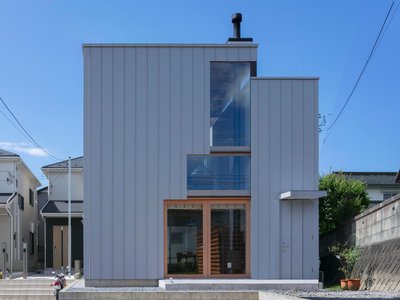
Split House: A Compact Urban Home Blending Privacy, Light, and Flexible Living in Japan
Compact Japanese home featuring DOMA space, flexible café potential, passive lighting, privacy zoning, and sustainable urban living design.

Solar Steam: A Climate-Responsive Architecture That Redefines the Monument
A climate-responsive memorial architecture that transforms heat, decay, and time into a living system reflecting humanity’s ecological impact.
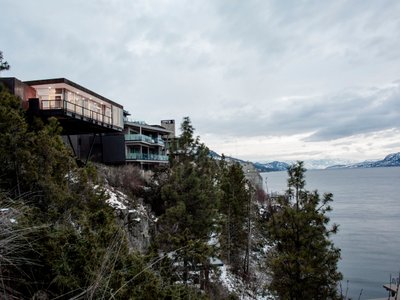
Alton Cliff House: A Harmonious Retreat by f2a Architecture in Lake Country, Canada
Alton Cliff House blends corten steel, prefabrication, and sustainable design, creating a luxurious, energy-efficient retreat perched on Canadian cliffs.

Similar Reads
You might also enjoy these articles
The Ken Roberts Memorial Delineation Competition (Krob)
As the most senior architectural drawing competition currently in operation anywhere in the world, it draws hundreds of entries each year, awarding the very best submissions in a series of medium-based categories.


Waterfront Redevelopment and Urban Revitalization in Mumbai: Forging a New Dawn for Darukhana
A transformative waterfront redevelopment project reimagining Darukhana’s shipbreaking heritage into an inclusive urban future.

OUT-OF-MAP: A Call for Postcards on Feminist Narratives of Public Space
Rhizoma Design and Research Lab invites artists, designers, architects, researchers, and students to reflect on how feminist perspectives can reshape public space. Selected works will be exhibited in Barcelona, October 2026. Submissions open until 15 April 2026.


Documentation Work on Buddhist Wooden Temple
Architectural syncretism and cultural hybridity: A comparative study of the Buddhist temples in Chattogram Hill tracks

Explore Architecture Competitions
Discover active competitions in this discipline




The International Standard for Design Portfolios


The Global Benchmark for Architecture Dissertation Awards


The Global Benchmark for Graduation Excellence


Challenge to design luxury tourism on rails
Comments (0)
Please login or sign up to add comments
No comments yet. Be the first to comment!