
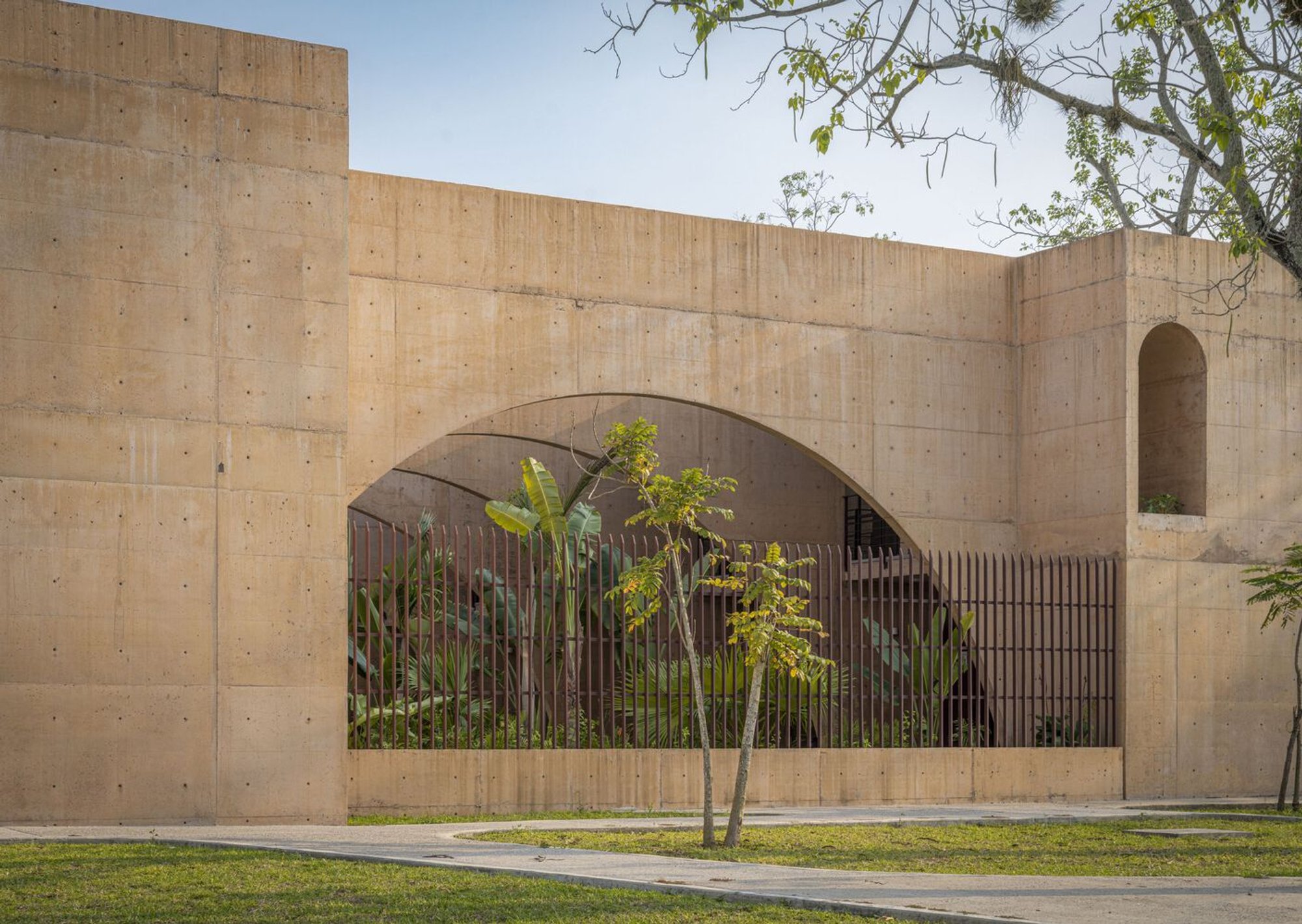
The Community Development Center by CCA Centro de Colaboración Arquitectónica
A sustainable community architecture project, the CDC in Jalpa de Méndez, Mexico, promotes cultural engagement, sustainability, and social development through innovative design.

Sustainable community architecture is redefining urban landscapes by creating spaces that not only serve social and cultural needs but also integrate environmentally conscious design principles. One such remarkable example is the Community Development Center (CDC) in Jalpa de Méndez, Mexico, designed by CCA Centro de Colaboración Arquitectónica. This project stands as a testament to how architecture can enhance community participation, foster identity, and embrace sustainability.
Urban Renewal and Community Impact
The Community Development Center (CDC) was conceived as part of an urban master plan for SEDATU, aiming to revitalize three major public spaces in Jalpa de Méndez:
- The High-Performance Sports Center
- The Community Development Center (CDC)
- The Recreational Park "El Campestre"
The CDC serves as a cultural and educational hub, providing inclusive development opportunities for the local population. The project fosters social integration, skill development, and civic participation, aligning with the broader goal of sustainable community architecture.
Architectural Concept and Design Approach
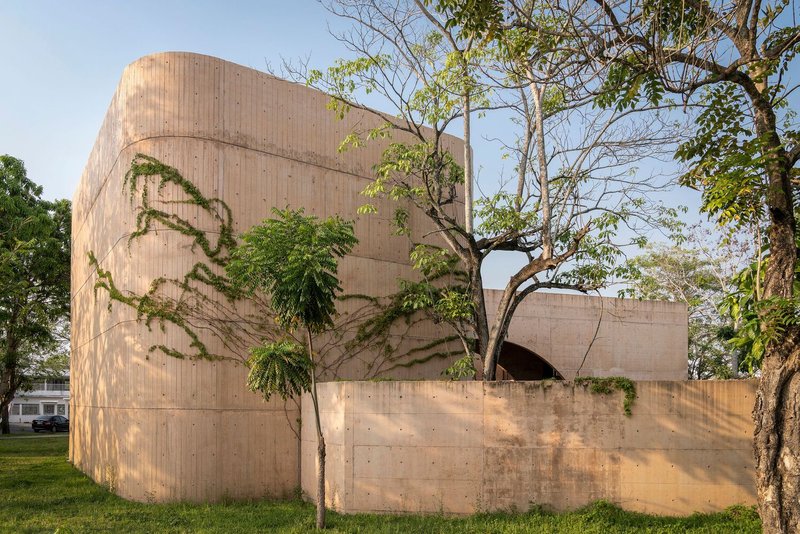
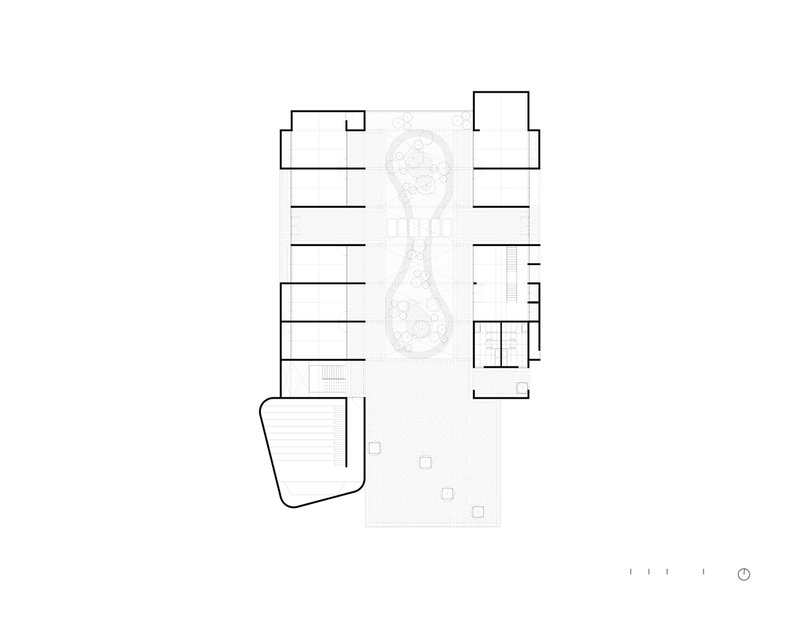
The architectural vision of the Community Development Center was to create a habitable sculptural piece that seamlessly blends functionality with aesthetics. The design incorporates:
- Workshops and multi-purpose rooms to support community engagement
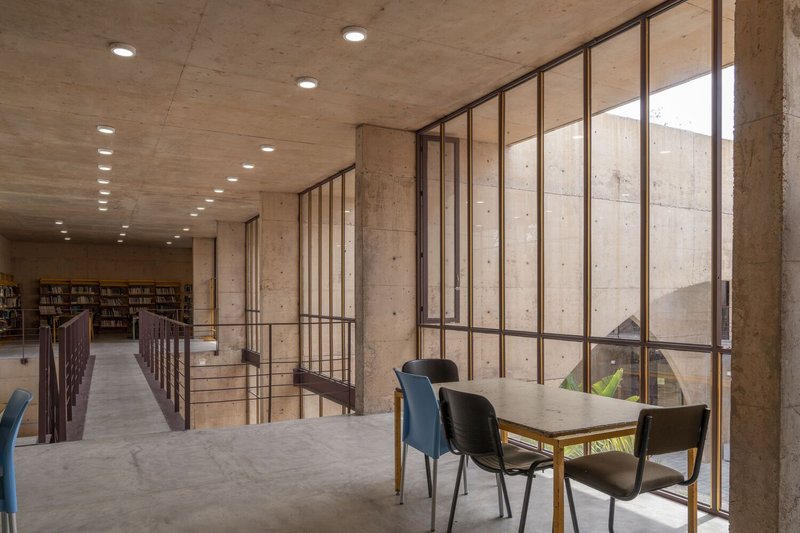
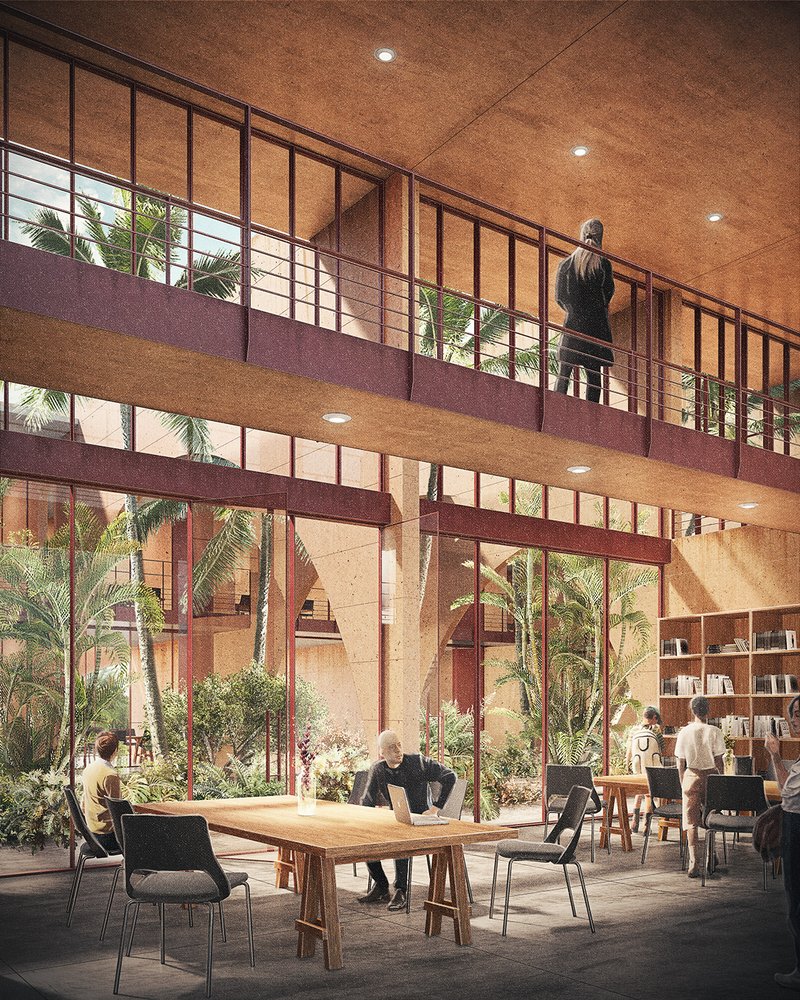
- A library and an auditorium for educational and cultural activities
- An administrative area for efficient space management
Structural Innovation and Materiality
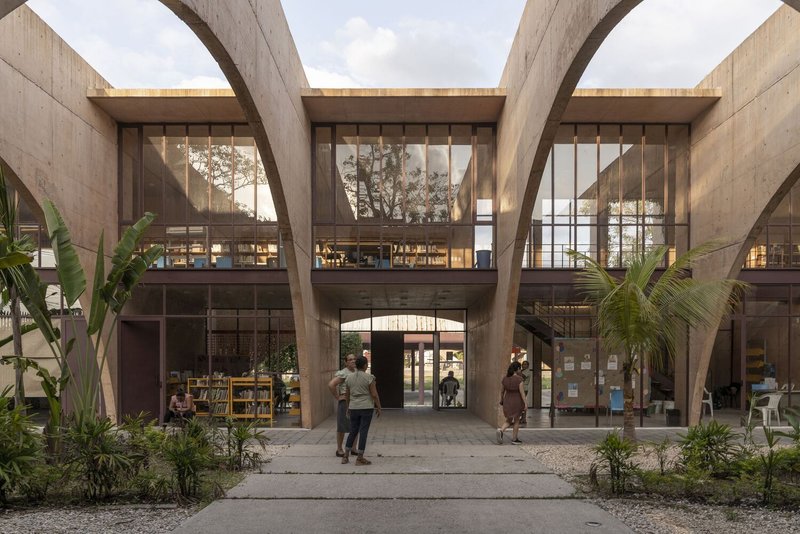
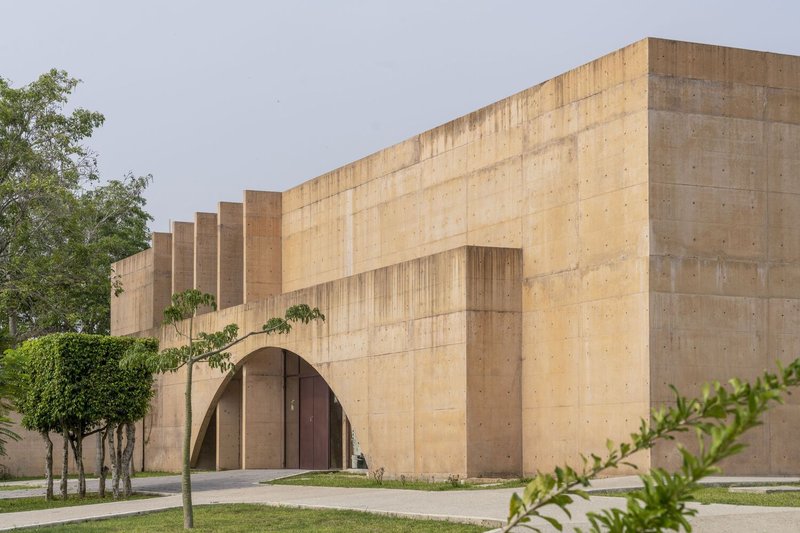
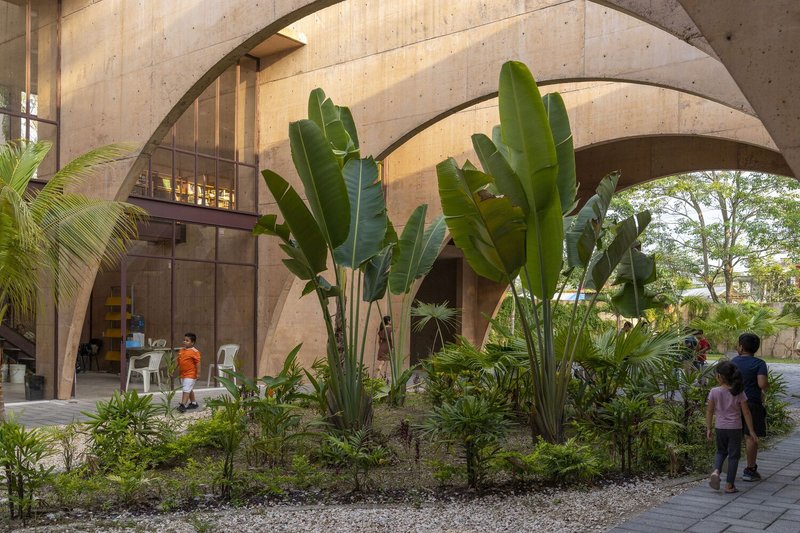
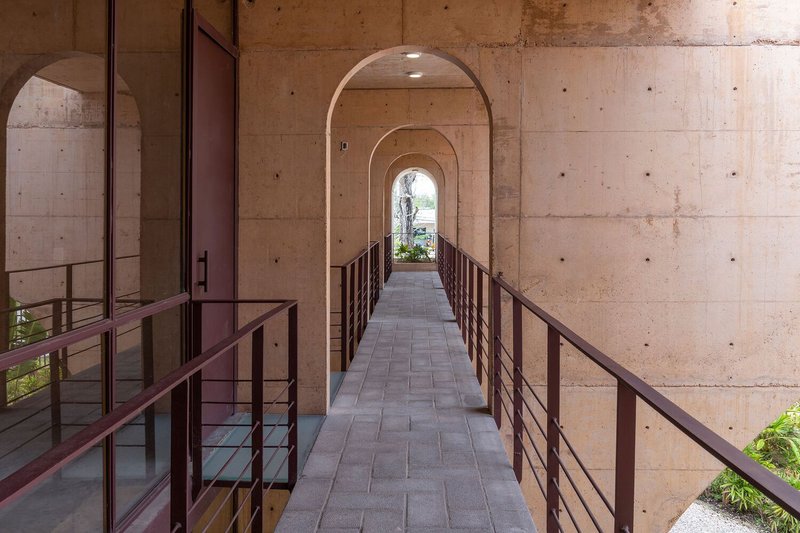
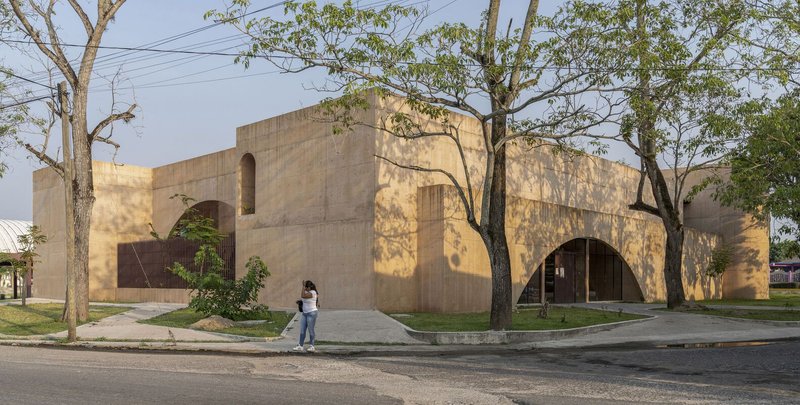
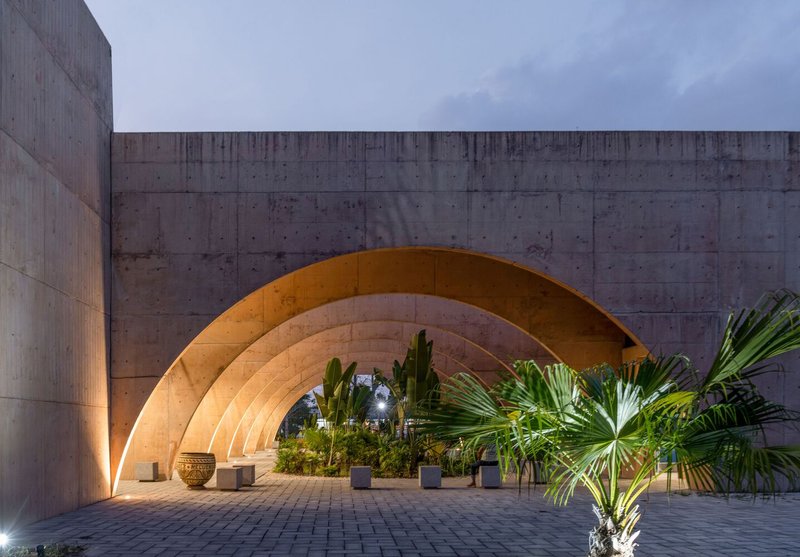
The building is defined by its eight monumental concrete panels perforated with semicircular arches. These perforations not only create an iconic facade but also improve air circulation and natural lighting, essential features in sustainable architecture.
To enhance thermal comfort and durability, the orange-toned concrete used in construction reflects the regional quarry stone, a material deeply rooted in the historical and climatic context of Jalpa de Méndez.
Biophilic Design and Sustainability Features
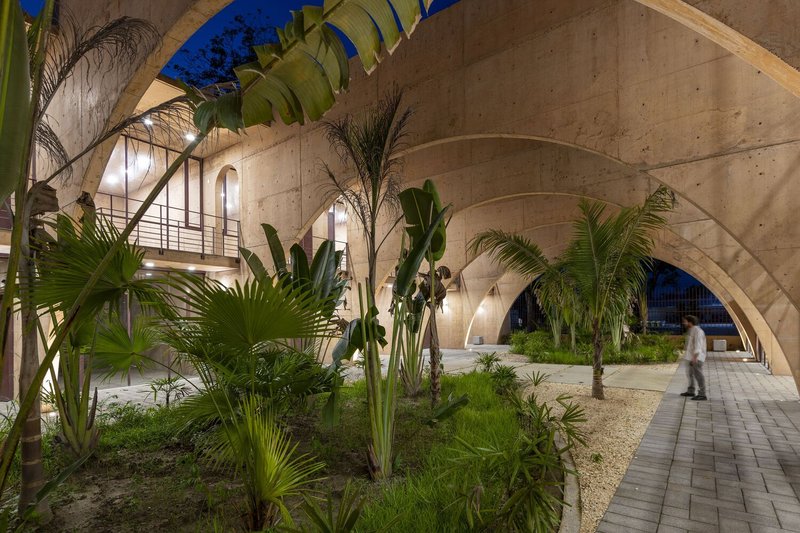
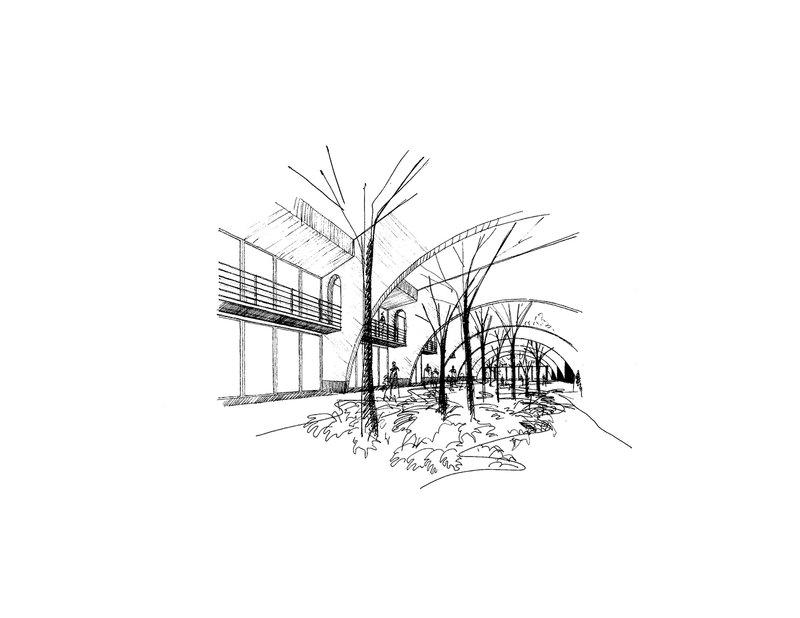
One of the standout features of the CDC is its integration of biophilic design principles. A central interior garden serves as an urban oasis, offering a microclimate that improves air quality and provides a serene social space. This approach aligns with the growing emphasis on green architecture and sustainability in community projects.
Energy Efficiency and Environmental Responsiveness
- Natural Ventilation: The semicircular arches allow cross-ventilation, reducing reliance on artificial cooling.
- Daylighting Strategies: The open design ensures ample natural light, minimizing energy consumption.
- Locally Sourced Materials: The use of regional materials reduces the carbon footprint associated with transportation.
Cultural Identity and Community Participation
Sustainable community architecture is not just about eco-friendly materials; it also integrates cultural and social elements that empower local communities. The CDC embodies traditional Mexican architecture, inspired by conventual structures and regional artisanal craftsmanship.
Engaging Local Artisans and Workers
The project embraced a participatory construction process, involving local workers and craftsmen, leading to:
- The fusion of modern design techniques with traditional construction methods
- A strengthened sense of ownership and pride among community members
- A lasting impact on the architectural landscape of Tabasco

A Model for Sustainable Community Architecture
The Community Development Center "La Guadalupe" is more than just a building; it is a social catalyst that promotes education, cultural activities, and sustainable living. Through thoughtful design, sustainable materials, and community involvement, this project sets a benchmark for future community-focused architectural endeavors.
As cities continue to expand, embracing sustainable community architecture will be key to fostering resilient, inclusive, and environmentally responsible urban spaces.
All the photographs are work of Jaime Navarro




Popular Articles
Popular articles from the community

Gads Hill Early Learning Center by JGMA: Adaptive Reuse Shaping Community-Focused Educational Architecture
Adaptive reuse transforms fragmented structure into vibrant early learning center with playful façade, natural light, and community-focused sustainable design.

Free Architecture Competitions You Can Enter Right Now
No entry fees, real prizes. Here are the best free architecture competitions open for submissions in 2026.
Alton Cliff House: A Harmonious Retreat by f2a Architecture in Lake Country, Canada
Alton Cliff House blends corten steel, prefabrication, and sustainable design, creating a luxurious, energy-efficient retreat perched on Canadian cliffs.



Similar Reads
You might also enjoy these articles


The Ken Roberts Memorial Delineation Competition (Krob)
As the most senior architectural drawing competition currently in operation anywhere in the world, it draws hundreds of entries each year, awarding the very best submissions in a series of medium-based categories.

Waterfront Redevelopment and Urban Revitalization in Mumbai: Forging a New Dawn for Darukhana
A transformative waterfront redevelopment project reimagining Darukhana’s shipbreaking heritage into an inclusive urban future.

OUT-OF-MAP: A Call for Postcards on Feminist Narratives of Public Space
Rhizoma Design and Research Lab invites artists, designers, architects, researchers, and students to reflect on how feminist perspectives can reshape public space. Selected works will be exhibited in Barcelona, October 2026. Submissions open until 15 April 2026.


Documentation Work on Buddhist Wooden Temple
Architectural syncretism and cultural hybridity: A comparative study of the Buddhist temples in Chattogram Hill tracks


Explore Public Building Competitions
Discover active competitions in this discipline




The Global Benchmark for Architecture Dissertation Awards


The Global Benchmark for Graduation Excellence


Challenge to design locus for the upliftment of human rights


Challenge to design an urban locus of culture and heritage
Comments (0)
Please login or sign up to add comments
No comments yet. Be the first to comment!