
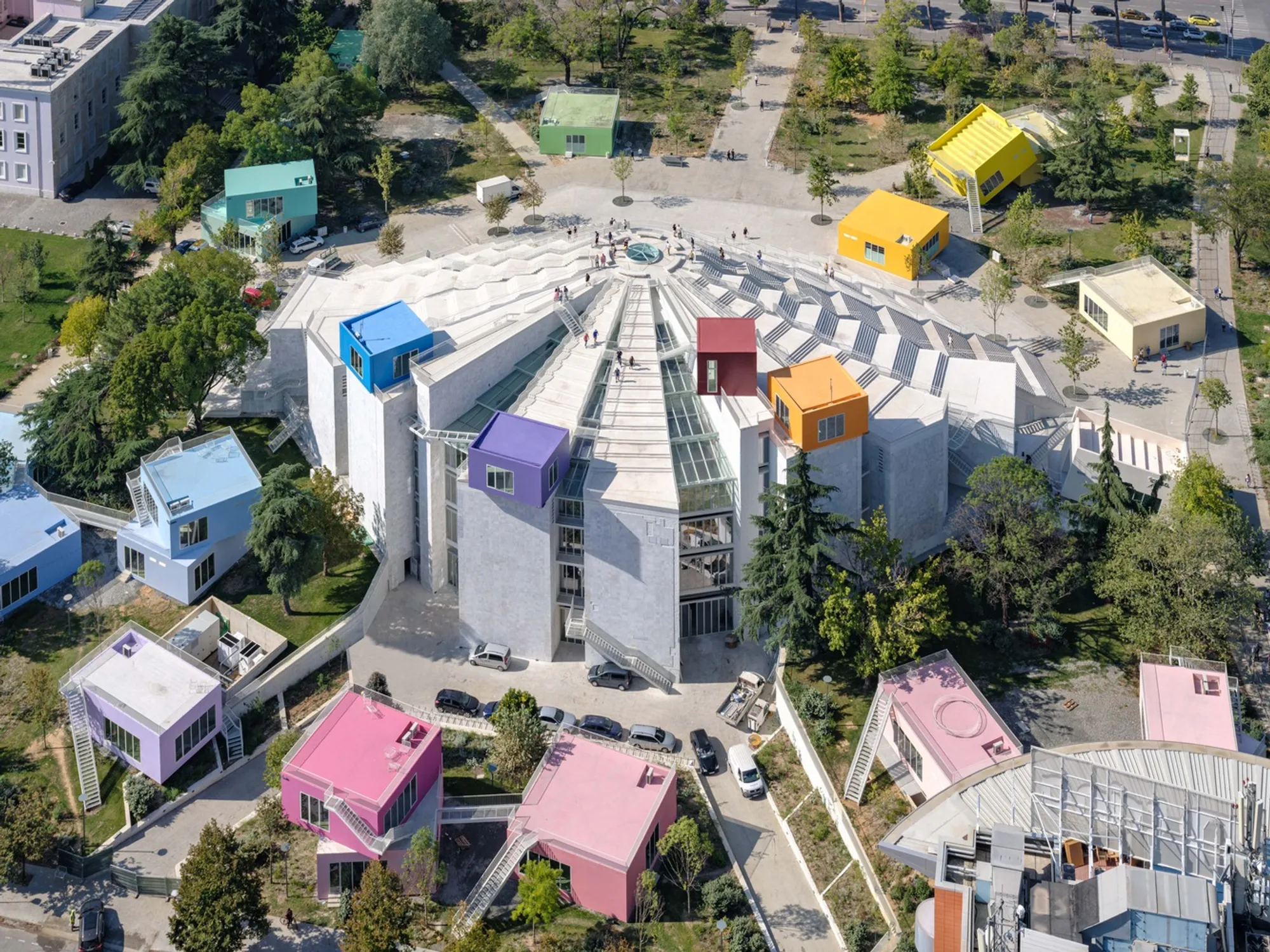
The Transformation of Tirana’s Pyramid: A Cultural and Educational Hub
The Pyramid of Tirana, redesigned by MVRDV, transforms from a communist relic into a vibrant cultural and educational hub in Albania.


The Pyramid of Tirana, a once-controversial relic of Albania’s communist past, has been given a new life by renowned architecture firm MVRDV. Located in the heart of Tirana, Albania, this historic brutalist structure has been repurposed into a vibrant cultural and educational center. Originally built in 1988 as a museum dedicated to former dictator Enver Hoxha, the pyramid has undergone a dramatic transformation, embracing its role as a public landmark rather than a symbol of its past.
A New Era for the Pyramid
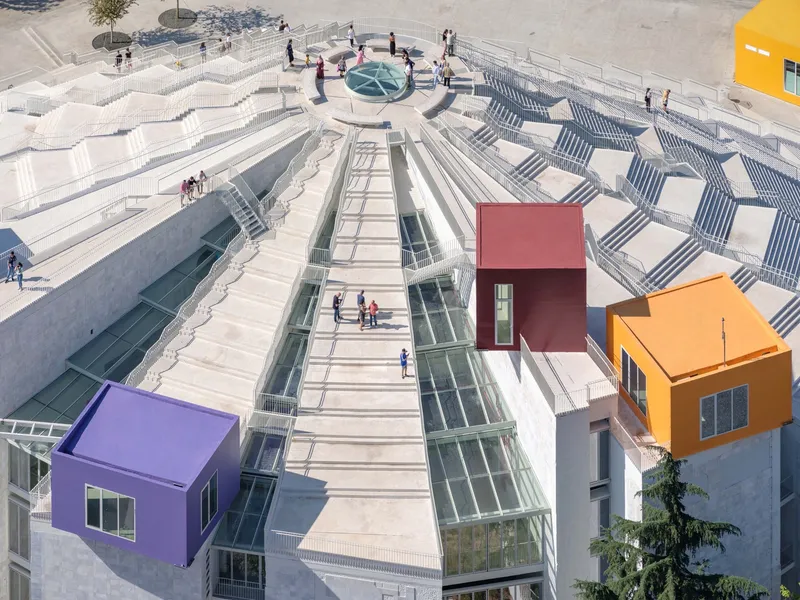
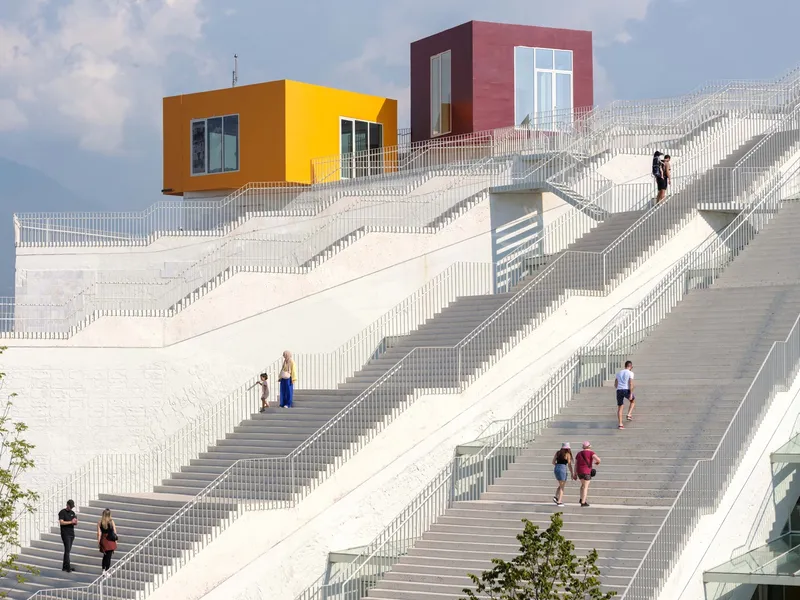
Rather than demolishing the concrete structure, MVRDV’s design reclaims and reinvents it. The Pyramid is now a multi-functional space surrounded by a newly designed park, offering various public activities. The building’s sloped facades, once climbed by adventurous youth, now feature integrated steps, allowing visitors to ascend safely and enjoy panoramic city views. Additionally, an elevator provides access to the top for those unable to climb, maintaining inclusivity.
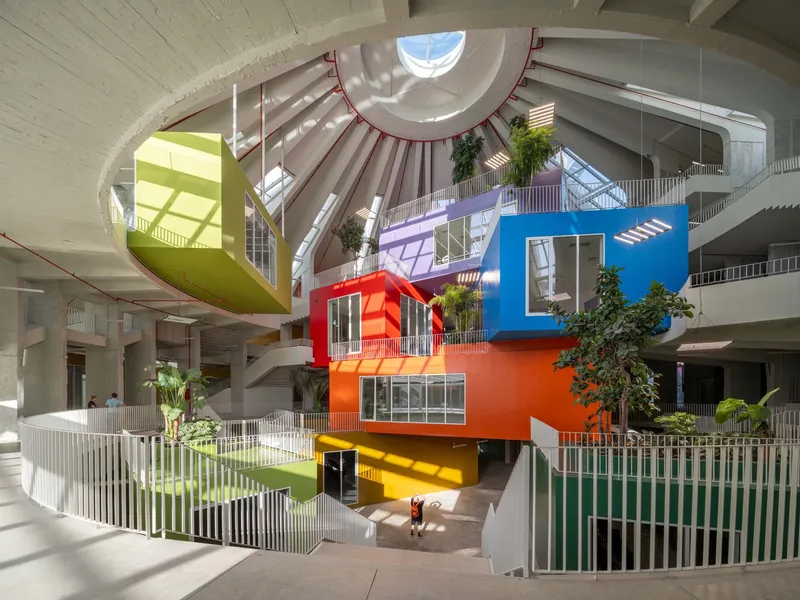
The interior has been reimagined to house a diverse range of spaces, including:
- TUMO Tirana, a free educational program for youth aged 12-18, offering training in technology-related fields like software development, robotics, animation, and music production.
- Start-up offices, incubators, creative studios, and co-working spaces, fostering entrepreneurship and innovation.
- Cafés, restaurants, and event spaces, creating a lively atmosphere for both locals and tourists.
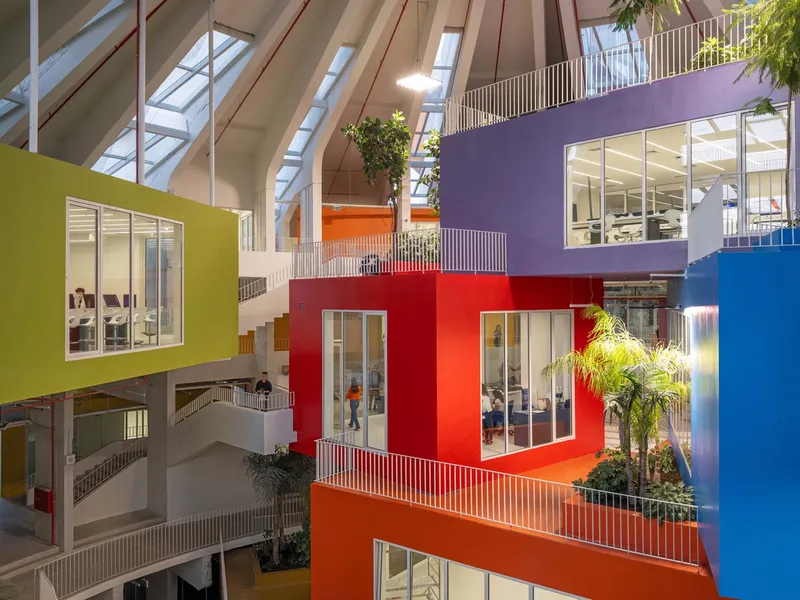
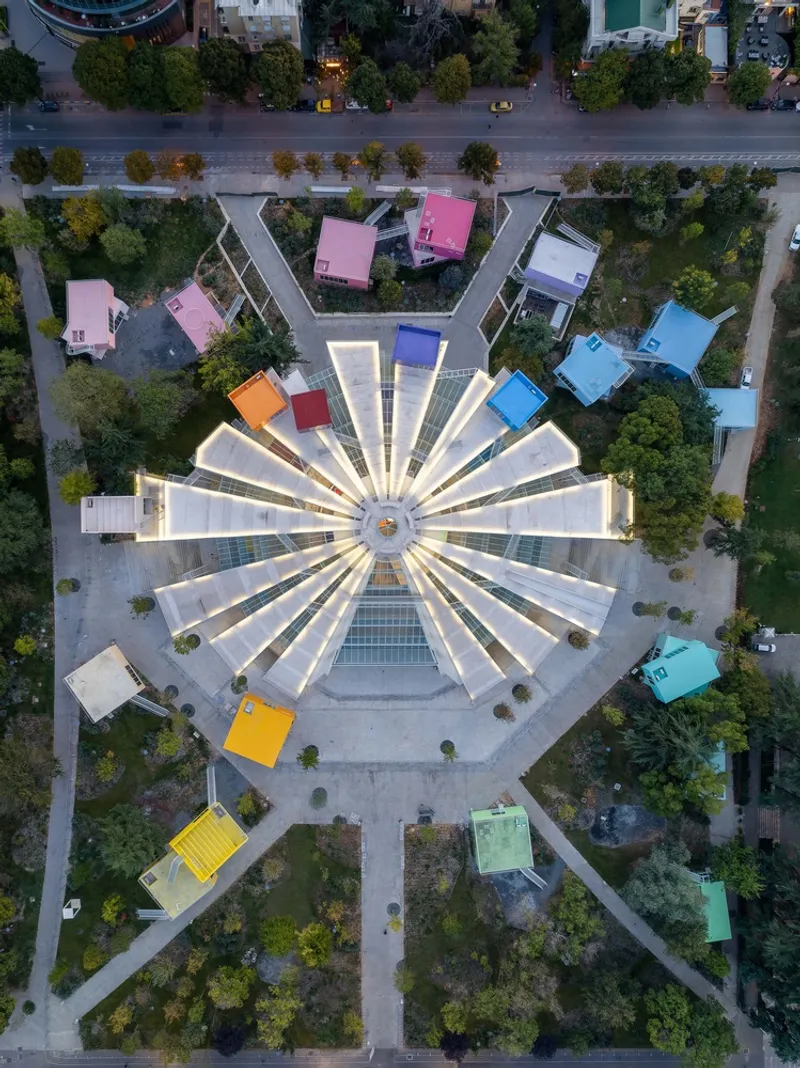
From Dictatorship to Democracy: A Symbol of Change
Over the decades, the Pyramid of Tirana has served multiple functions—a nightclub, a NATO base during the Kosovo War, and a broadcast center—each reflecting the country’s evolving history. The 2017 decision to preserve the structure was driven by public sentiment, with many Albanians viewing it as a symbol of resilience and transformation.
Now, MVRDV’s renovation highlights adaptive reuse in architecture, proving that brutalist landmarks can be repurposed rather than destroyed. The project aligns with sustainable design principles, as it minimizes waste and embraces a circular economy approach by retaining the original concrete shell. Additionally, energy efficiency is prioritized—only the educational spaces require climate control, significantly reducing energy consumption.
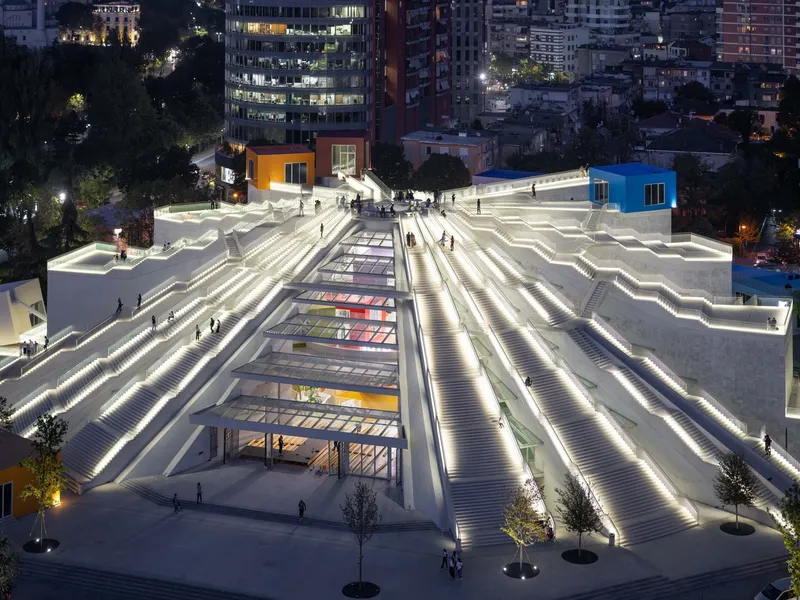
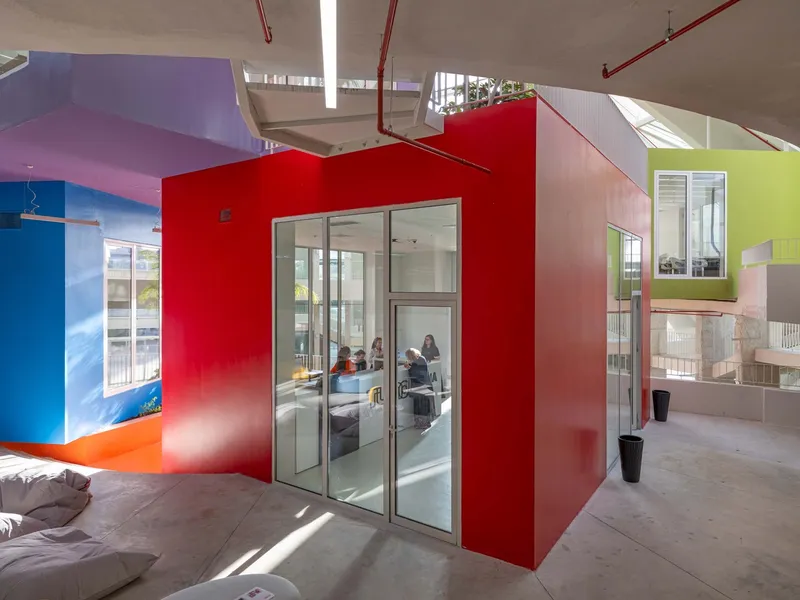
A New Cultural Landmark in Tirana
Since its completion in 2023, the renovated Pyramid has rapidly become a popular attraction, drawing both locals and visitors. With its colorful modular additions, interactive spaces, and commitment to social sustainability, the Pyramid is now a dynamic hub for education, innovation, and cultural engagement.
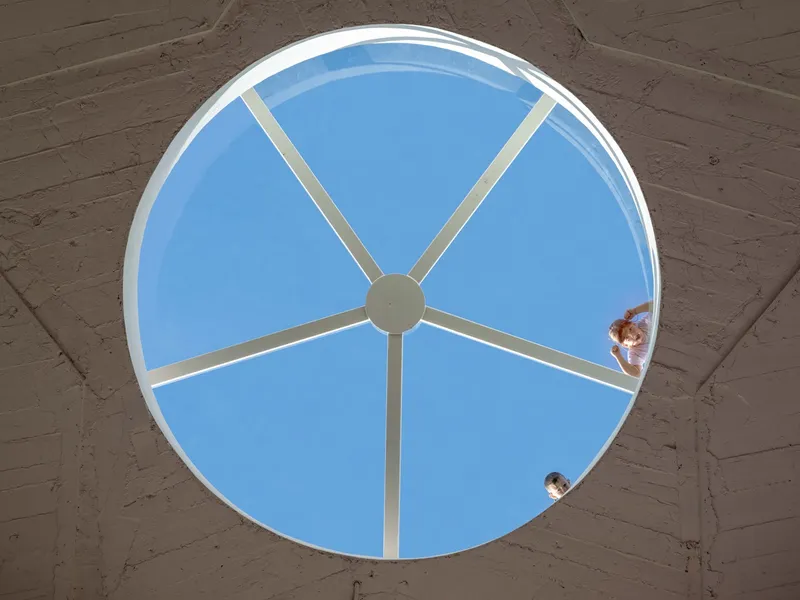
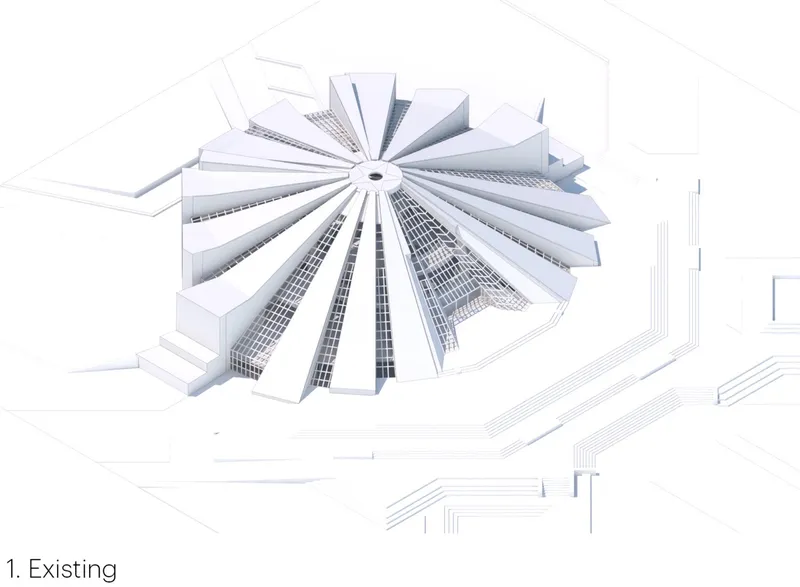
All Photographs are works of Ossip van Duivenbode



Popular Articles
Popular articles from the community


Hill & Cross Opera: Sculptural Opera House Architecture Shaped by Tallinn’s Landscape and Identity
Hill & Cross Opera reimagines opera house architecture in Tallinn through its sculptural hill, civic plaza, glass wave and a luminous cross.

EW PARK: Sustainable Architecture Reimagines the Future of Urban Parking
EW PARK reimagines city parking as a modular wooden tower combining automation, solar energy, electric mobility, and adaptable urban design.

The Ocean Hive: Sustainable Architecture for a Self-Sufficient Civilization at Sea
The Ocean Hive imagines sustainable architecture at sea, where modular habitats, algae, wave power and ocean waste sustain a growing colony.

Co-life: Sustainable Architecture for Age-Friendly Community Living
Co-life reimagines sustainable architecture for seniors through courtyards, rammed earth, shared gardens, and spaces designed for belonging.

Similar Reads
You might also enjoy these articles


Hodi-Mandai Geram
Project Function: Preservation and revitalization of the Intangible heritage and socio-spatial identity of the Hodi by Housing, Cultural Memory Center, Sacred Grove, landscape, local tourism economy


Olio Towers: A Mid-Rise for Performers That Fuses Housing, Rehearsal, and Stage
Located blocks from Houston's Theater District, this modular tower stacks living units around a central performance atrium.

Oasis: Modular Green Housing Carved into Dhaka's Urban Fabric
A shortlisted Plugin Housing entry reclaims unauthorized settlements in Dhaka with stepped concrete volumes, green roofs, and ventilation-driven design.

Black Hole: A Floating Megastructure for the Post-Physical Era
Emiliano Mazzarotto envisions a spherical, self-scaling arena where e-sports, digital hotels, and holographic stadiums replace traditional public space.

Explore Architecture Competitions
Discover active competitions in this discipline



Challenge to design public laboratory


Challenge to reimagine the Iron Throne


Photograph architecture without architects


Illustrate the lost glory of Angkor Wat - Render Challenge
Comments (0)
Please login or sign up to add comments
No comments yet. Be the first to comment!