
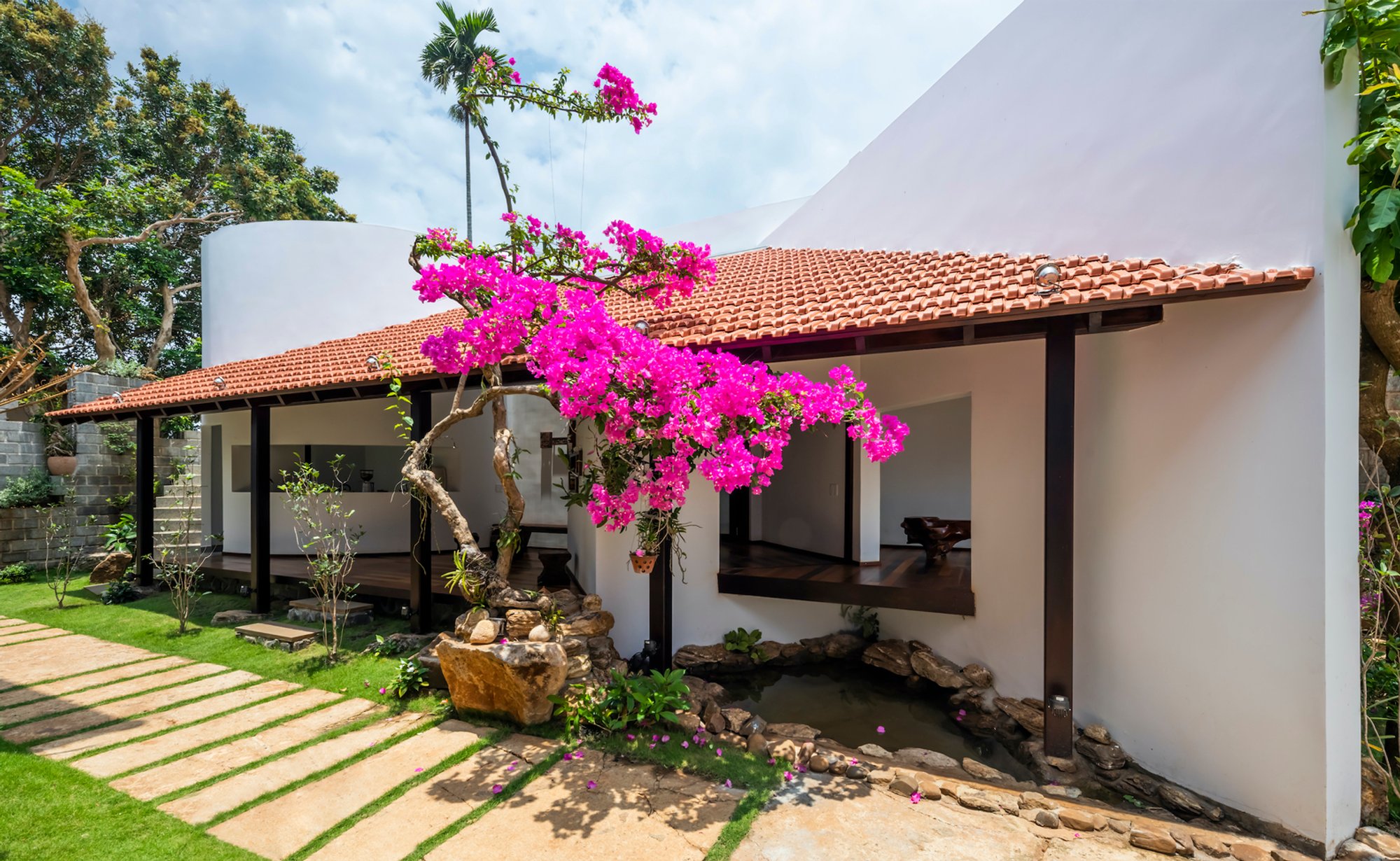
Trúc Lâm Anh Retreat by 6717 Studio: A Vietnamese Vernacular Architecture Retreat in the Central Highlands
A modern retreat in Vietnam blending vernacular architecture, natural materials, and cultural heritage into a tranquil, sustainable haven.

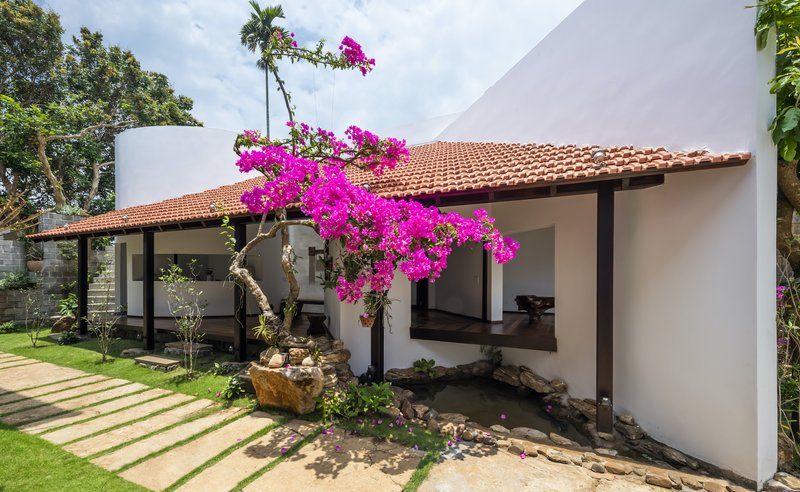
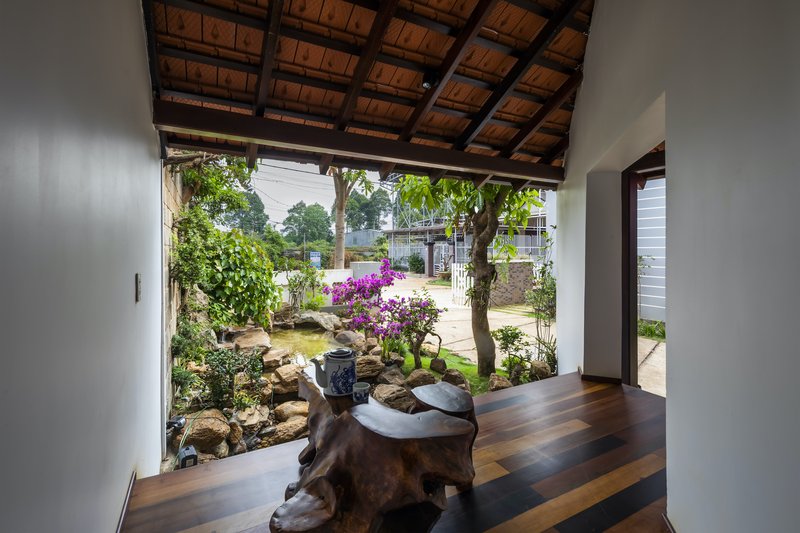
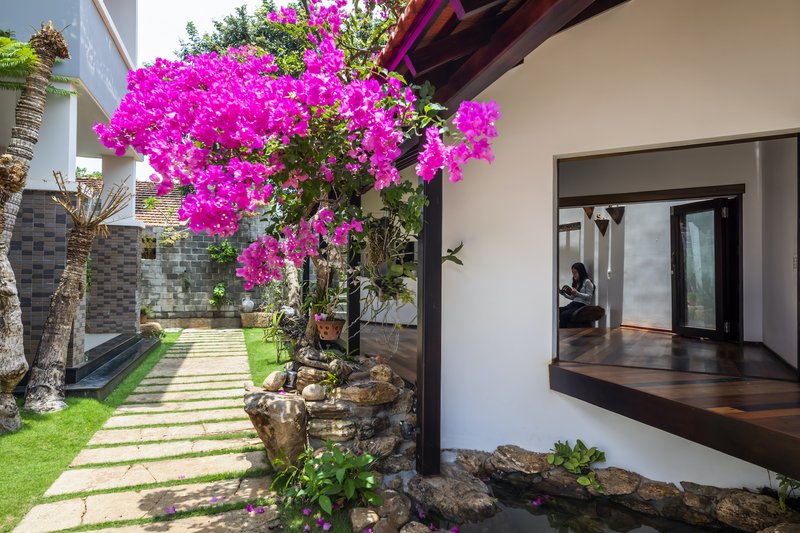
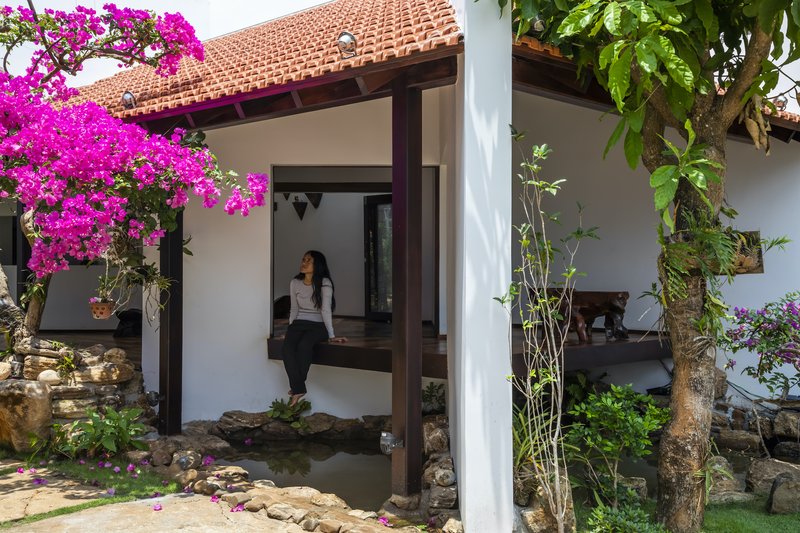
Located just 4 kilometers southeast of Buon Ma Thuot, Trúc Lâm Anh Retreat by 6717 Studio is a masterful blend of Vietnamese vernacular architecture and modern design principles. This 50-square-meter retreat stands quietly nestled within a lush family garden, offering a peaceful and intimate sanctuary apart from the bustle of urban life. Crafted as both a personal workspace and a place to welcome guests, the structure thoughtfully draws from rural traditions while embracing a refined contemporary aesthetic.
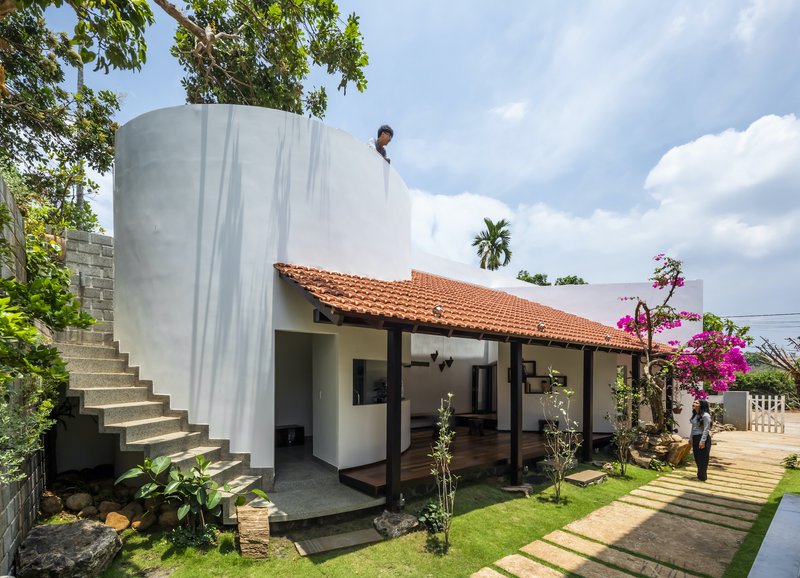
Reimagining the “Chái”: A Traditional Space Reinterpreted
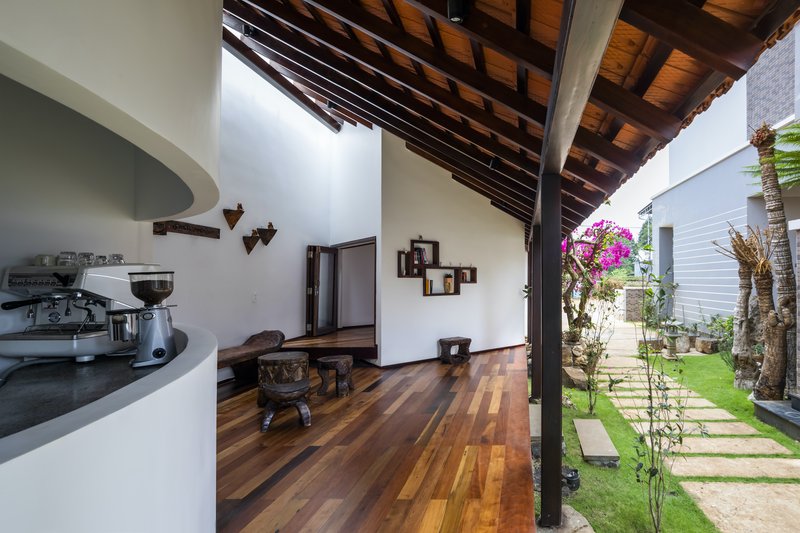
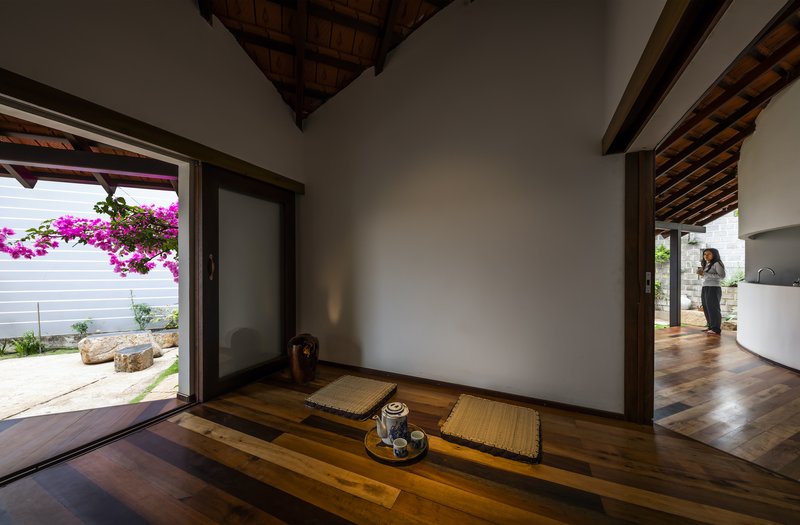
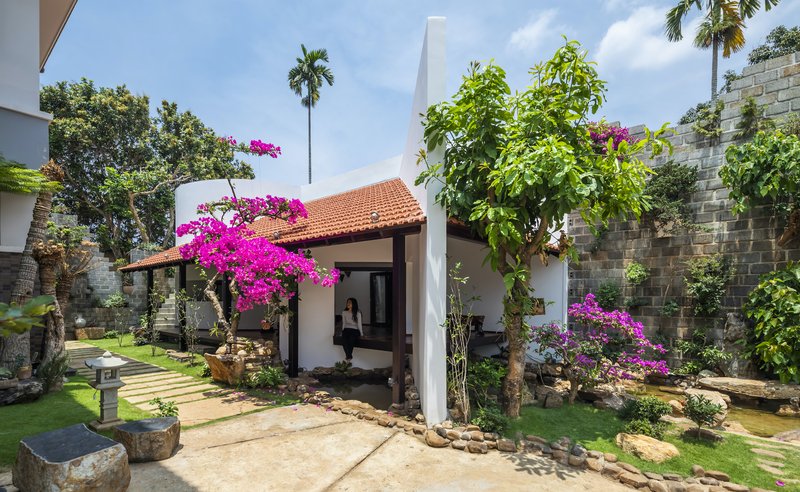
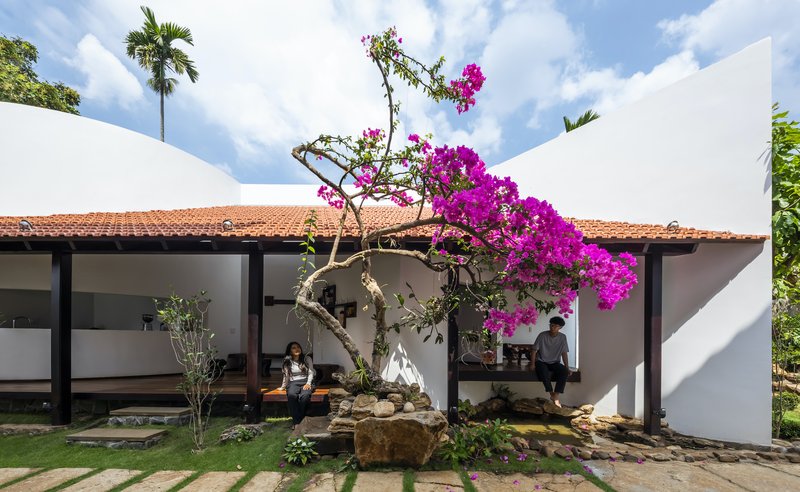
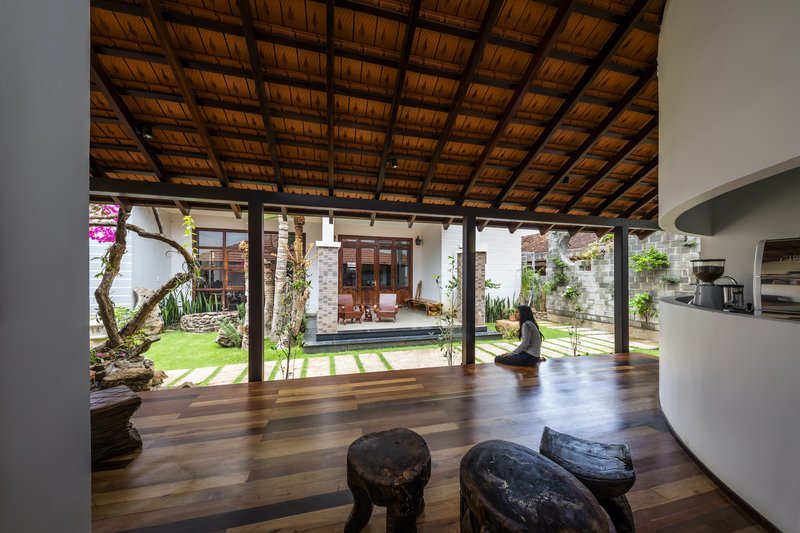
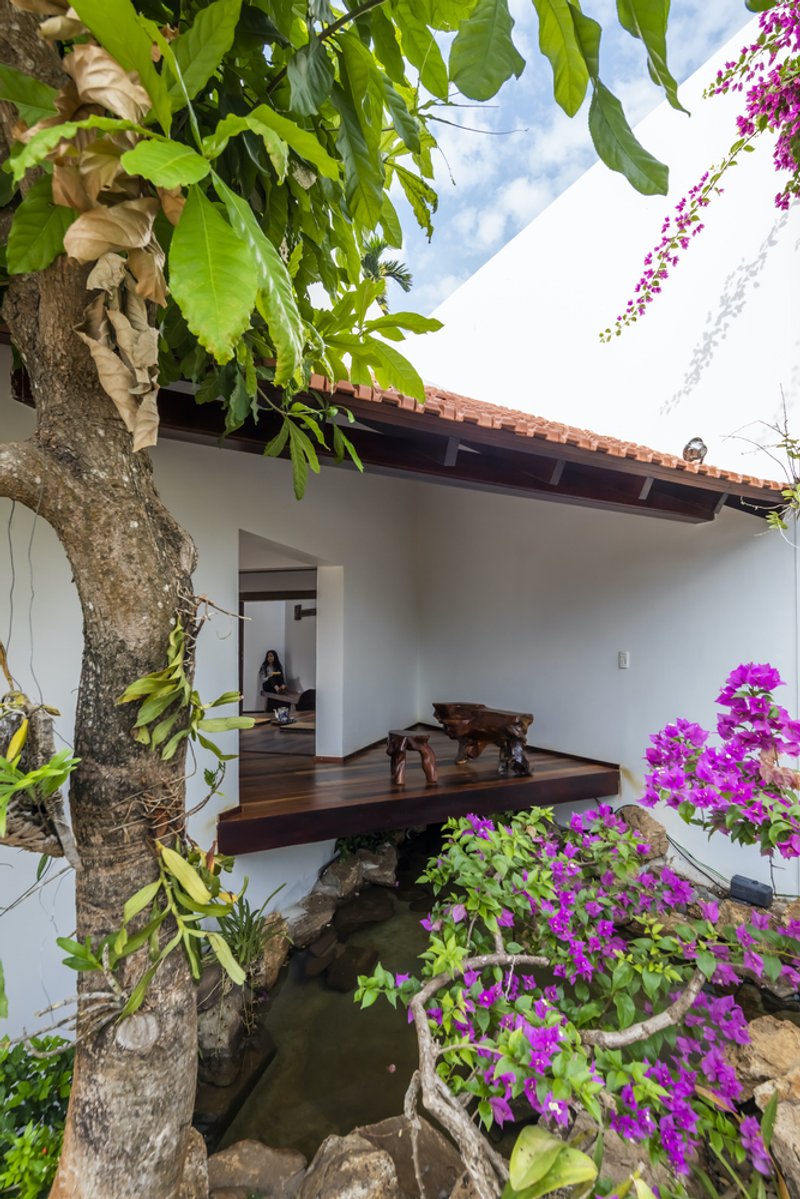
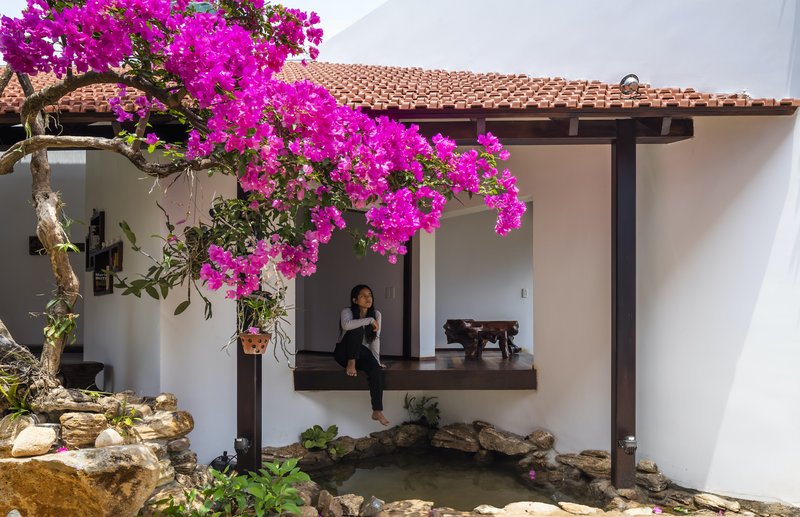
The design concept takes inspiration from the Vietnamese “Chái”—an extension of the main home that serves as a multipurpose zone for communal gatherings, food preparation, or relaxation. In traditional settings, the “Chái” embodies openness and simplicity, usually constructed with minimal doors and extended roofs that allow for seamless cross-ventilation and shaded respite. The architects reinterpreted this typology with a refined architectural language, crafting a transitional space that feels both expansive and connected. The result is a structure that resonates with warmth, familiarity, and subtle elegance.
Integrating Heritage with Contemporary Form
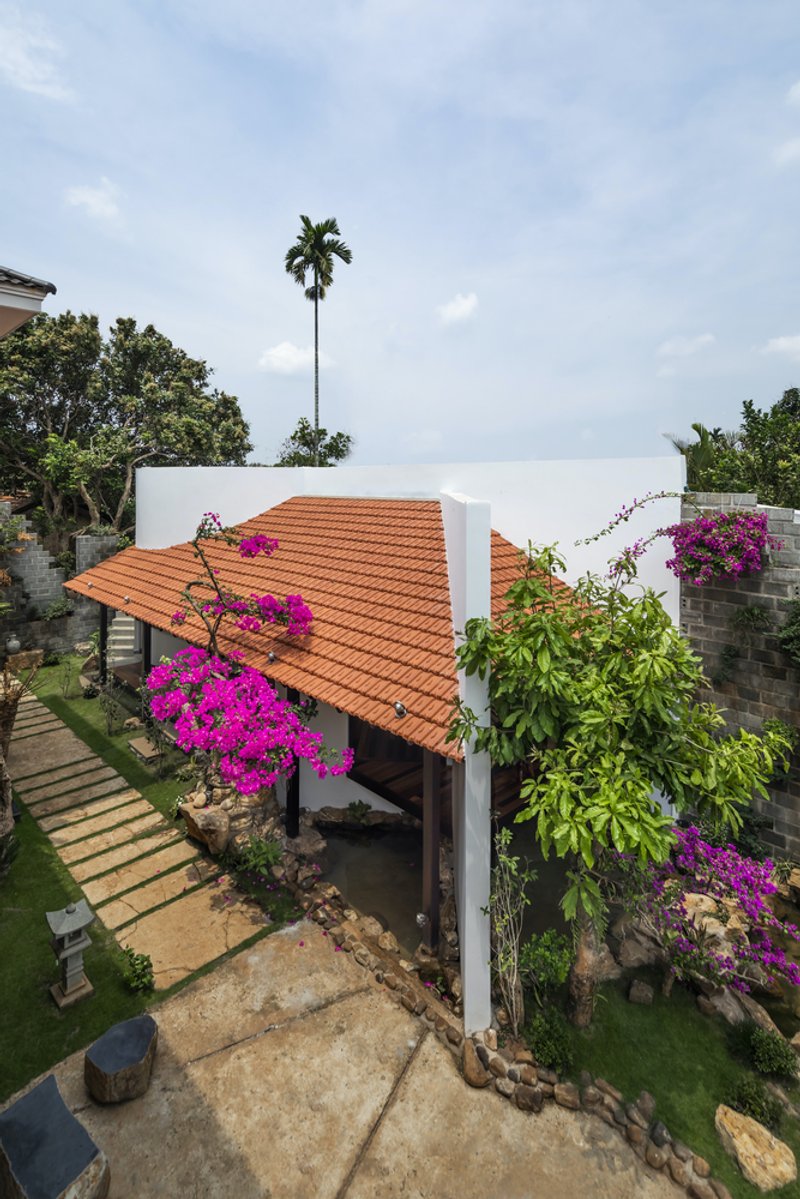
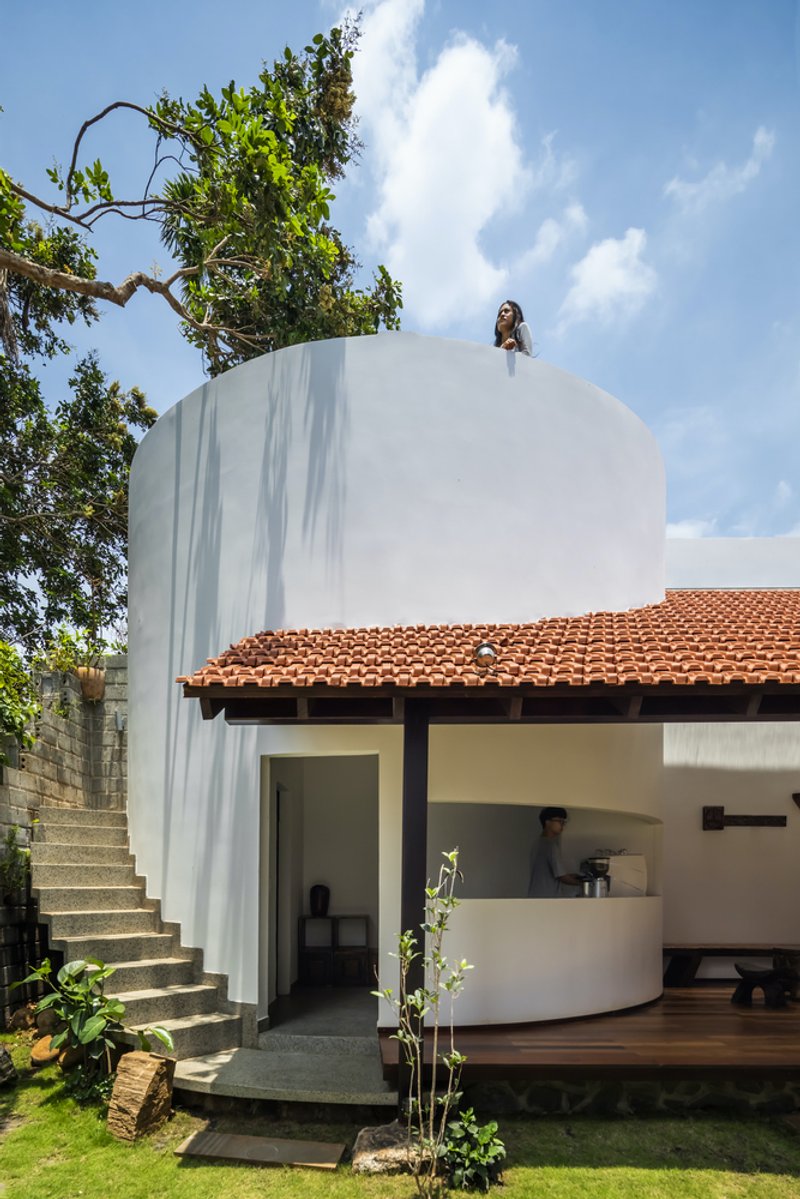
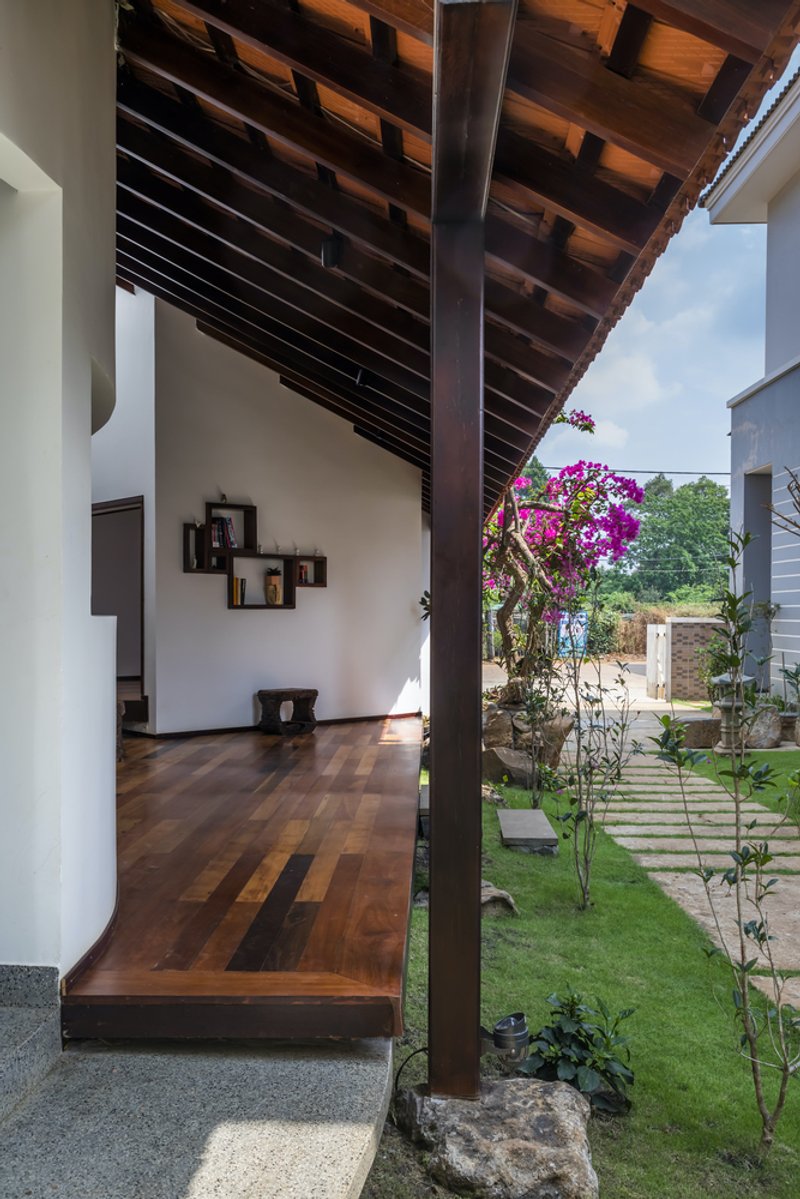
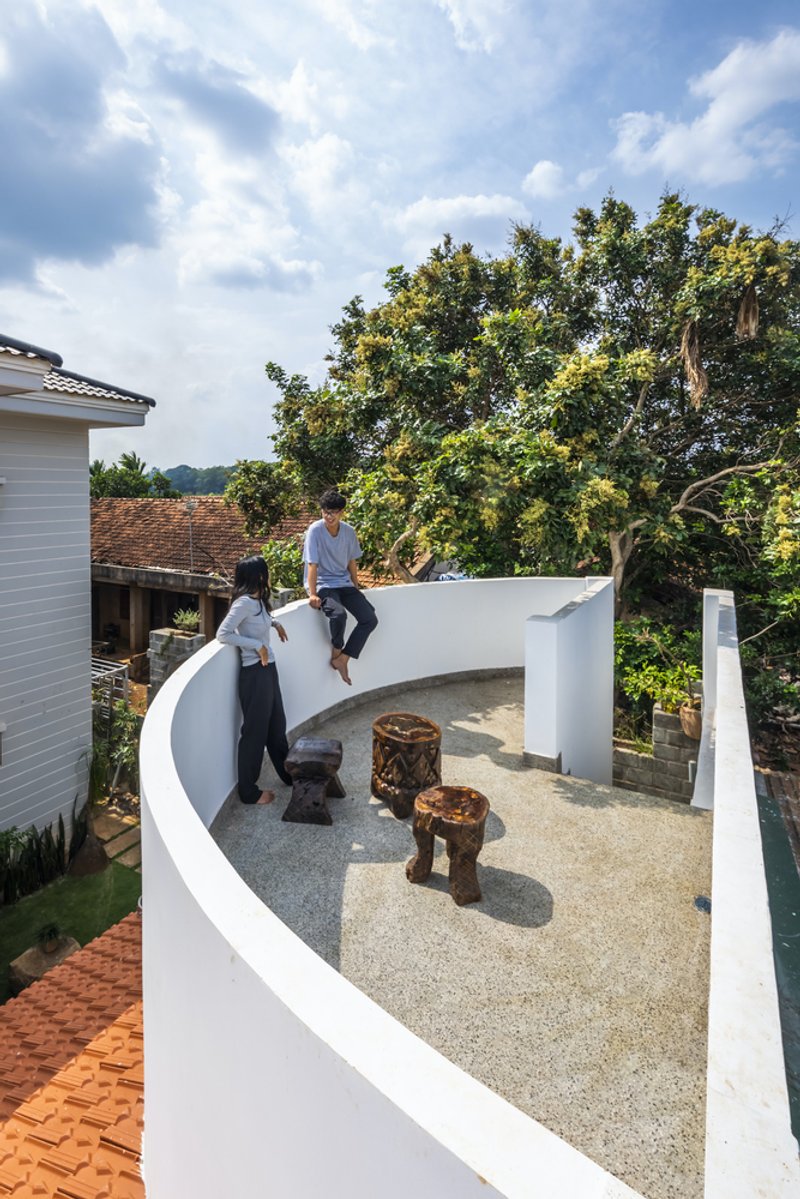
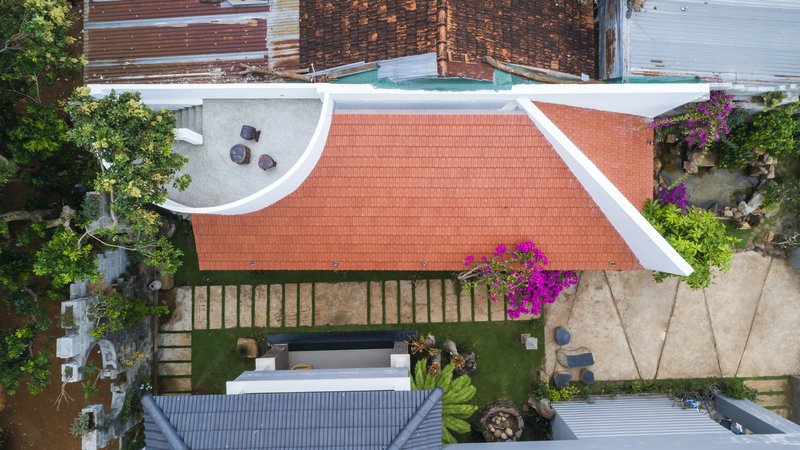
Trúc Lâm Anh Retreat is a celebration of Vietnamese vernacular architecture, harmoniously fusing the cultural vernacular of “Hàng Hiên”—a covered outdoor corridor common in stilt houses—with clean, modern lines. The retreat bridges tradition and innovation by combining symbolic elements of the Central Highlands' indigenous dwellings with minimalist design strategies. Rather than using a flat, monolithic façade, the structure is revealed through a gradual spatial experience composed of layered forms, slanted walls, and an elegantly curved staircase ascending to a rooftop terrace.
Architecture Rooted in Local Craft and Sustainability
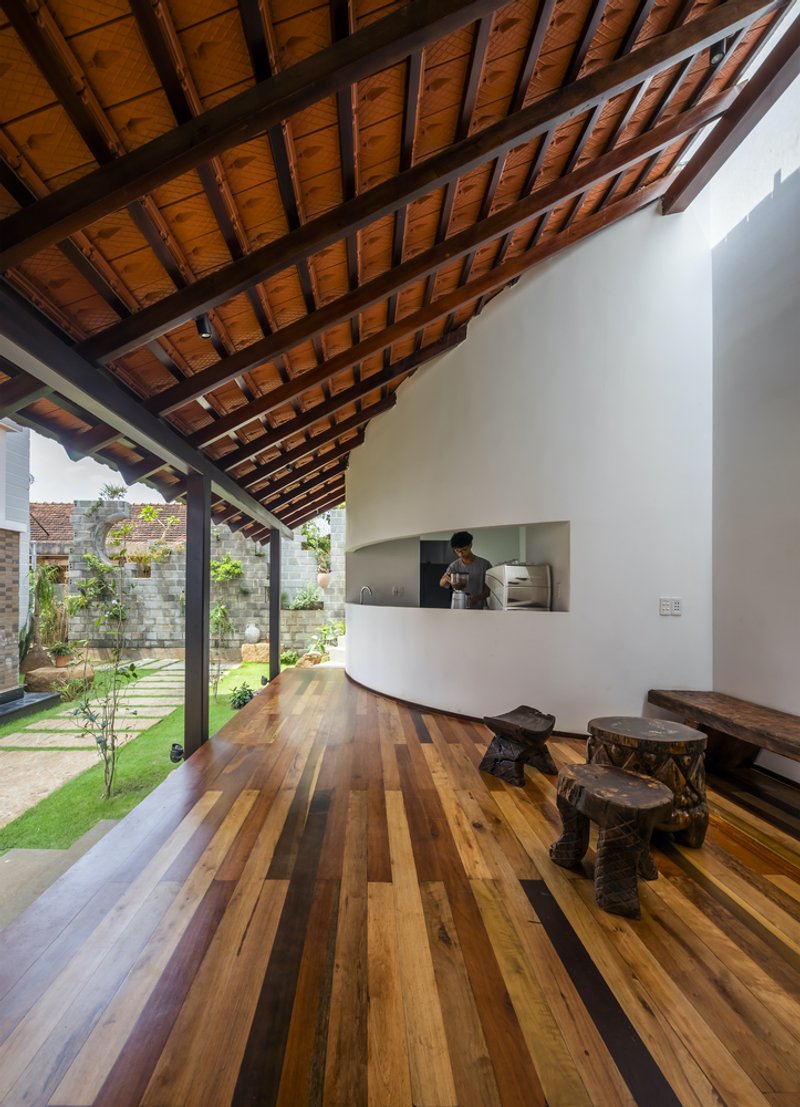
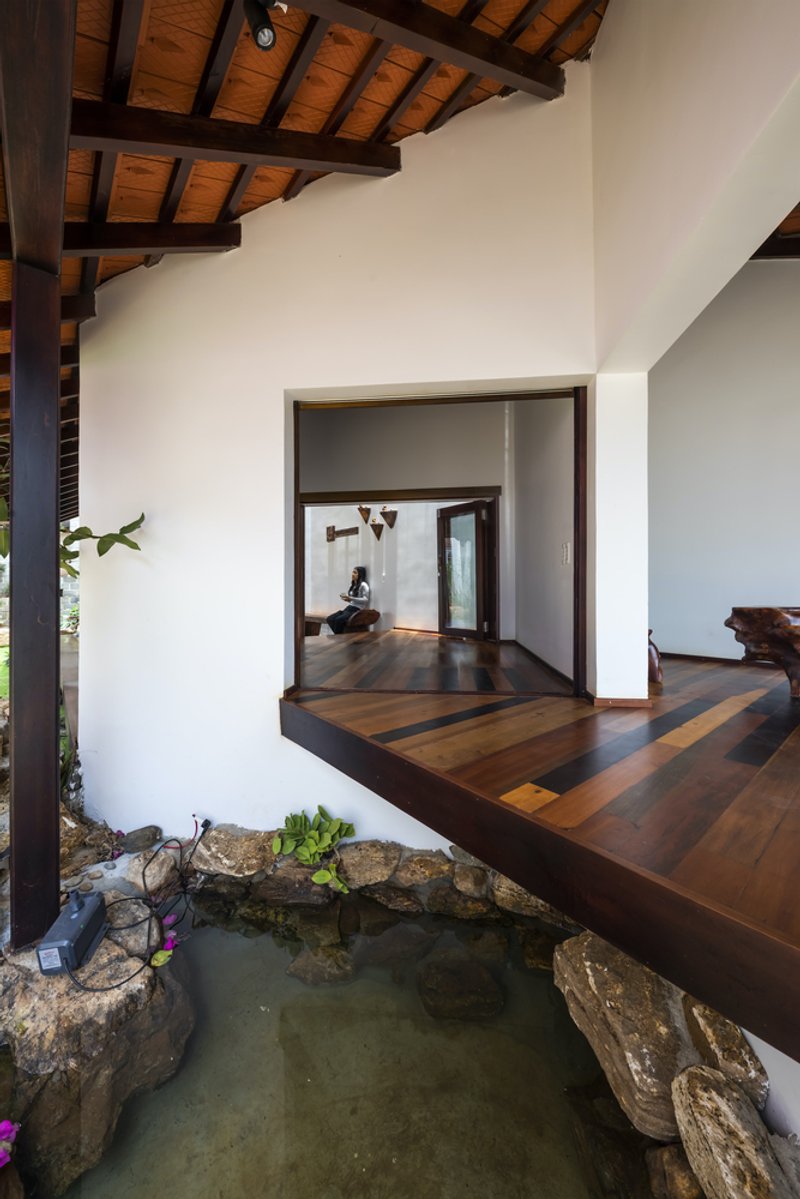
The retreat’s identity is firmly rooted in its context through the use of locally sourced, sustainable materials. Natural stone, clay tiles, terrazzo, and reclaimed wood from old homes were carefully selected to reflect the rustic beauty and resource-conscious traditions of the Central Highlands. These elements are not just sustainable choices; they also imbue the retreat with a warm, tactile presence that aligns with the surrounding landscape. Earth-toned finishes echo the natural forest palette, grounding the retreat in its environment both visually and spiritually.
A Spatial Narrative of Stillness and Movement
The architectural composition is based on the interplay of stillness and movement, interior and exterior, tradition and transformation. The two main volumes—the functional block and the multipurpose block—are linked by intermediary open spaces that allow air, light, and people to flow freely. This strategy dissolves the boundary between indoors and outdoors, creating a meditative ambiance that enhances the retreat’s purpose as a sanctuary. As the journey unfolds through overlapping planes and into the open rooftop, the spatial narrative culminates in a poetic moment of elevation and reflection.
A Tranquil Cultural Refuge
Trúc Lâm Anh Retreat is more than an architectural project—it is a cultural refuge that embodies the Vietnamese spirit of connection, humility, and respect for the land. It redefines the traditional retreat not as an isolated luxury, but as a culturally responsive space where people can engage with heritage, nature, and themselves. By blending vernacular typologies with contemporary insight, 6717 Studio has crafted a timeless architectural gesture that speaks gently but powerfully of place, memory, and meaning.
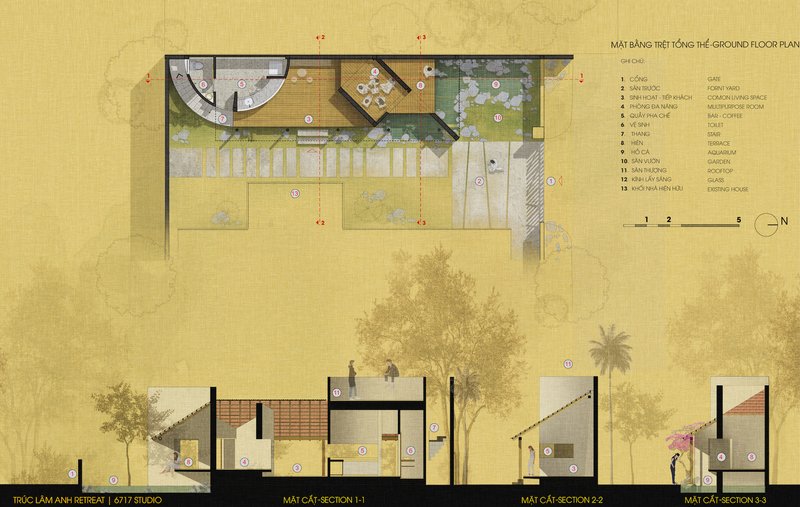
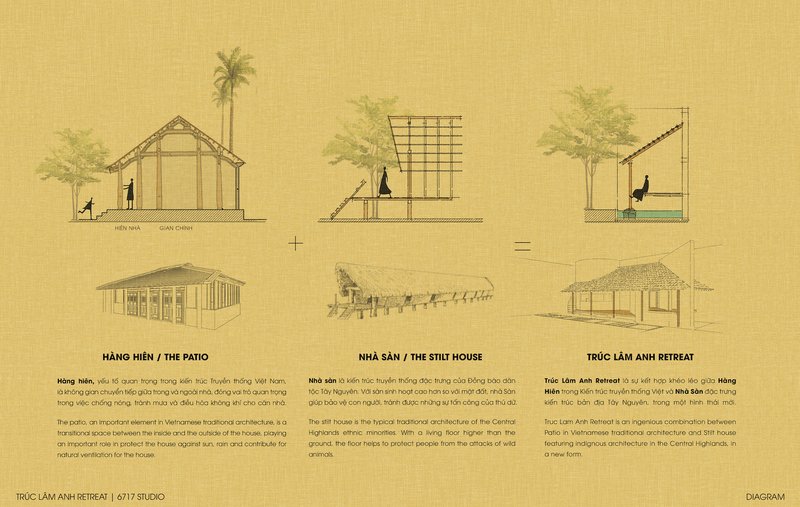
All photographs are works of Hiroyuki Oki




Popular Articles
Popular articles from the community

On the Brooks House by Monsoon Collective – A Contemporary Kerala Home Rooted in Tradition
Kerala home blending tradition and modernity with water-inspired design, brick architecture, courtyard planning, and sustainable rainwater harvesting strategies.
A Contemporary Take on Iranian Residential Architecture
A modern interior design in Mashhad that reinterprets brick, light, and spatial flow to create a warm, contemporary residential architecture.
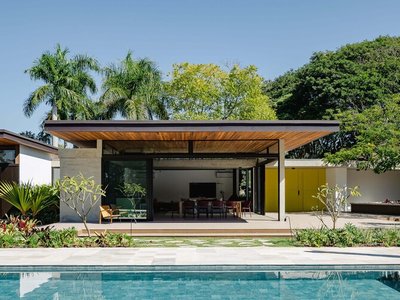
Flamboyant House by Juliana Camargo + Prumo Projetos
Modern Brazilian house integrating existing tree, pool, and volumes with glass, wood, and transitional spaces blending interior, exterior, and landscape seamlessly.
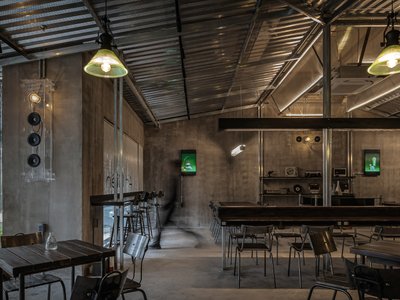
An Miên Lumière Cafe by xưởng xép, Ho Chi Minh City, Vietnam
An industrial-inspired café where layered steel and warm light create a dynamic, immersive environment shaped by reflection, depth, and perception.


Similar Reads
You might also enjoy these articles

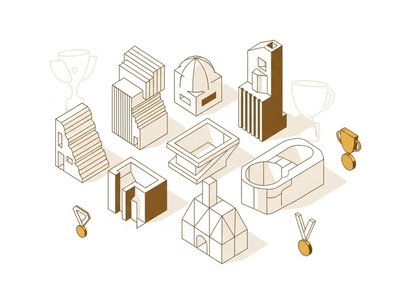
Top 15 Architecture Competitions to Enter in 2026
From student-friendly idea competitions to prestigious international awards, here are the best architecture competitions open for entries in 2026. Updated regularly.

DIY & Engineering in Computational Design : Enter the BeeGraphy Design Awards
Showcase Your Creativity with Computational Design and Open Source Projects
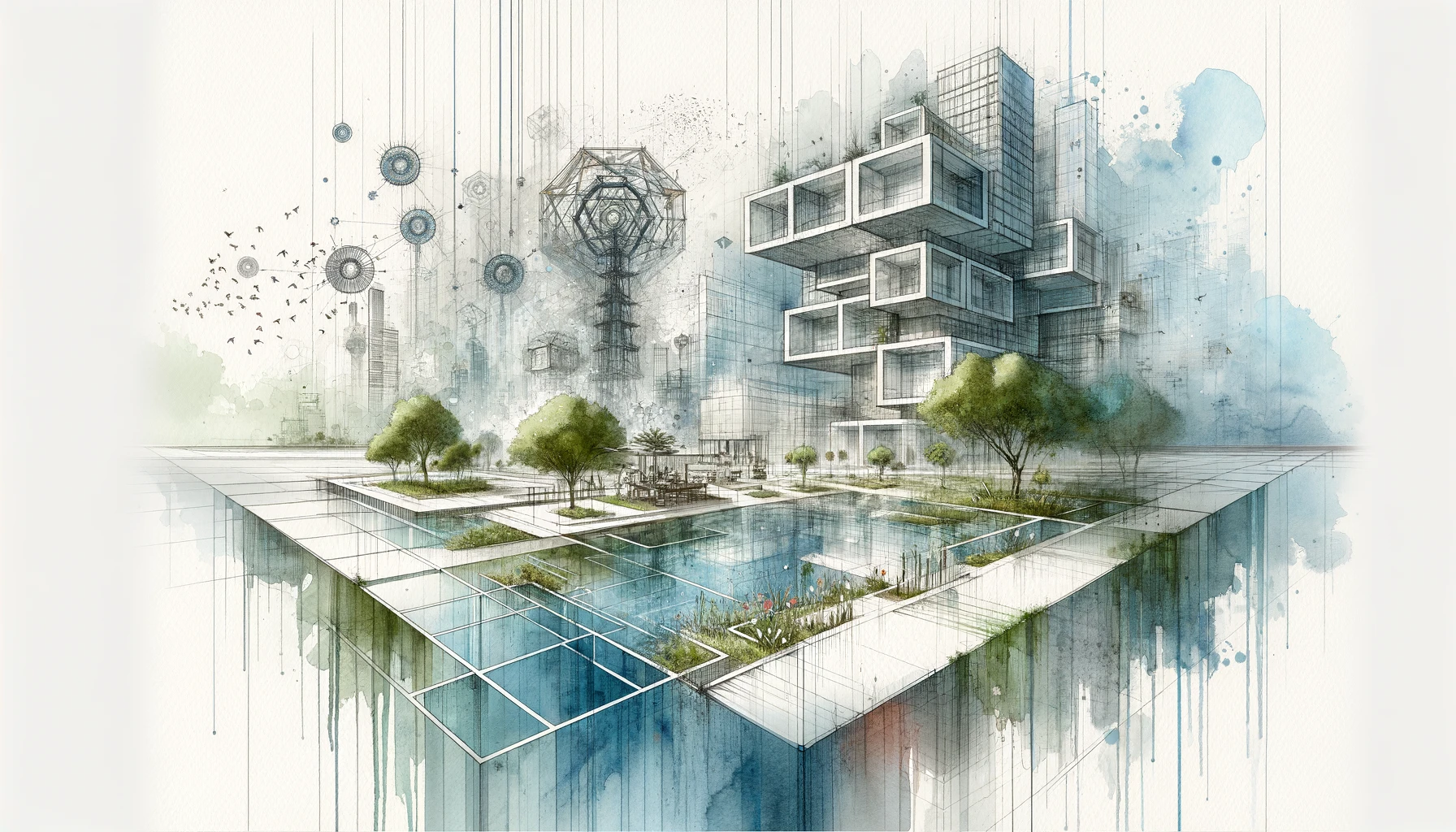
Innovative Design Solutions: Award-Winning Projects from Recent Architecture Competitions
Exploring award-winning architectural projects shaping the future of design, sustainability, and community.


Explore Architecture Competitions
Discover active competitions in this discipline




The International Standard for Design Portfolios


The Global Benchmark for Architecture Dissertation Awards


The Global Benchmark for Graduation Excellence


Challenge to reimagine the Iron Throne
Comments (0)
Please login or sign up to add comments
No comments yet. Be the first to comment!