
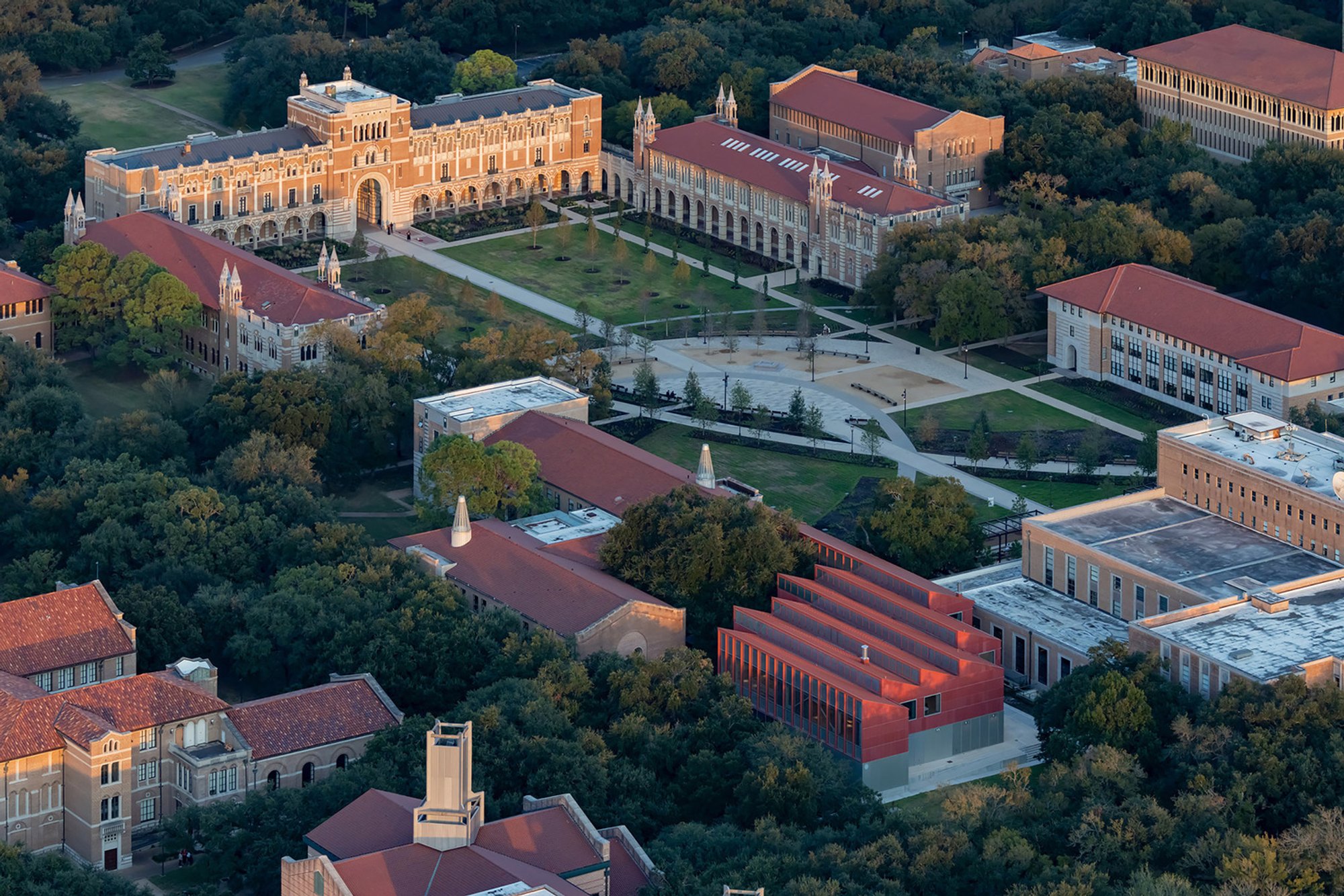
William T. Cannady Hall: A Landmark in Educational Architecture
William T. Cannady Hall at Rice University blends historic context with modern design, fostering sustainable architectural research, collaboration, and innovative learning.

Introduction to Cannady Hall
William T. Cannady Hall is a 22,000-square-foot architectural addition to the Rice School of Architecture in Houston. Designed by the acclaimed Swiss firm Karamuk Kuo in collaboration with Kendall/Heaton Associates, this project marks Karamuk Kuo's first completed work in the United States. The building is purposefully designed to enhance architectural production, research, and exhibition, creating a dynamic environment for students and faculty alike.
Named in honor of Professor Emeritus William T. Cannady, the hall commemorates his decades-long contributions to the school and his lead gift, which was instrumental in realizing the project.
Architectural Context and Design Philosophy
Cannady Hall is strategically located along Rice University's historic quadrangle, adjacent to MD Anderson Hall. The design respects and dialogues with the existing campus fabric, which includes James Stirling's iconic 1980s addition—his first building in the U.S.—and the recent renovations by Kwong Von Glinow.
The building serves as a bridge between historic architectural heritage and future-focused design innovation, positioning the Rice School of Architecture to lead in architectural research and education for the next 50 years.
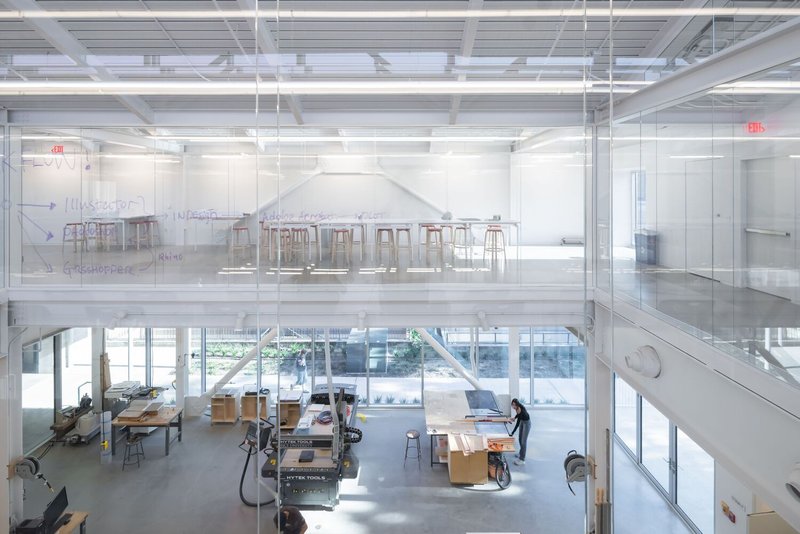
Sustainable and Forward-Looking Design
Dean Igor Marjanović emphasizes, "Cannady Hall is more than a building; it embodies our commitment to sustainability, learning, and the future of architectural discourse."
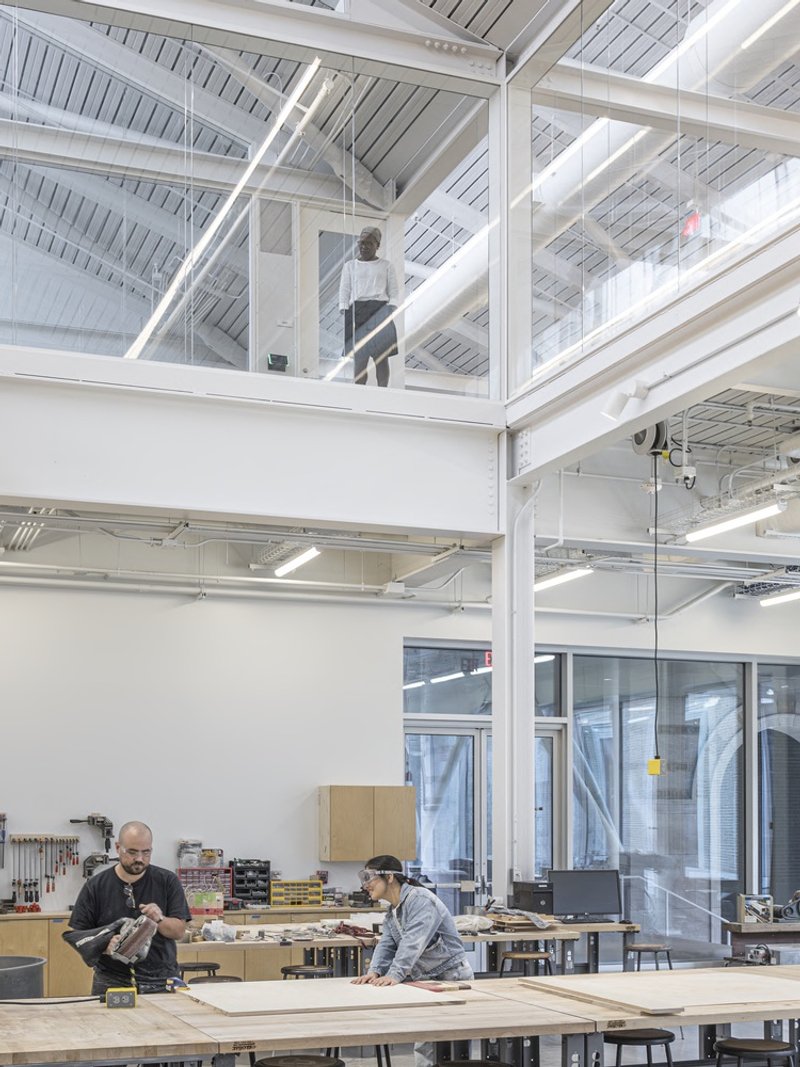
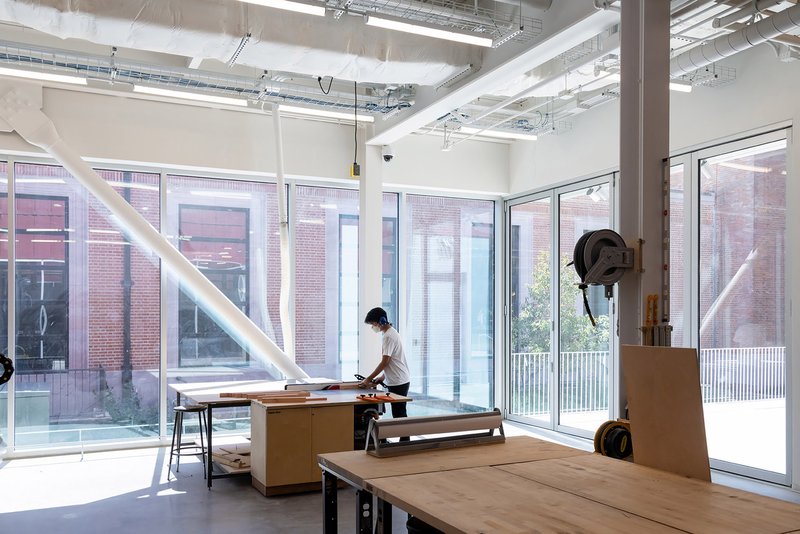
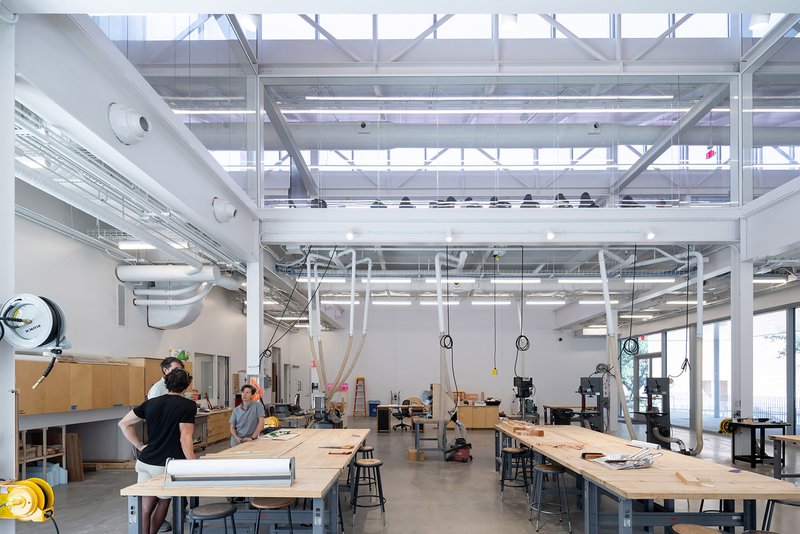
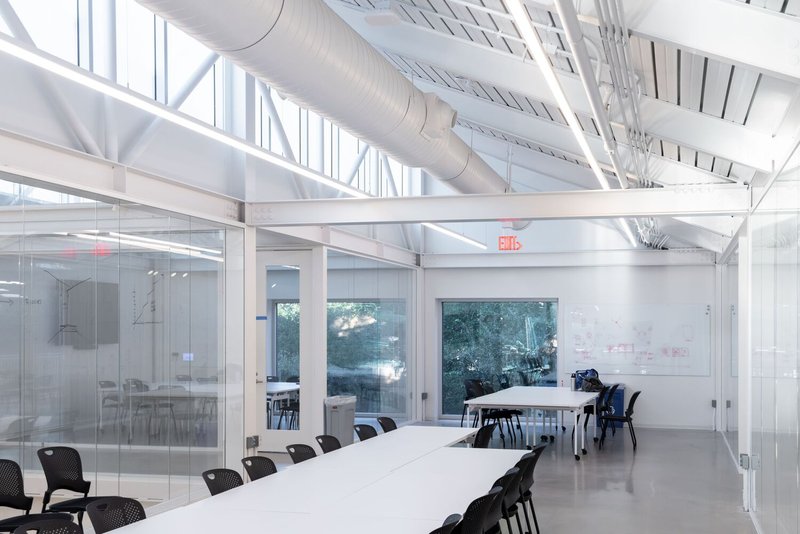
The design integrates sustainable materials and modern building techniques while maintaining harmony with the campus’s historic context. From natural lighting and glass facades to wood finishes and exposed beams, every element of Cannady Hall reflects a balance between aesthetic innovation and environmental responsibility.
Interior Spaces
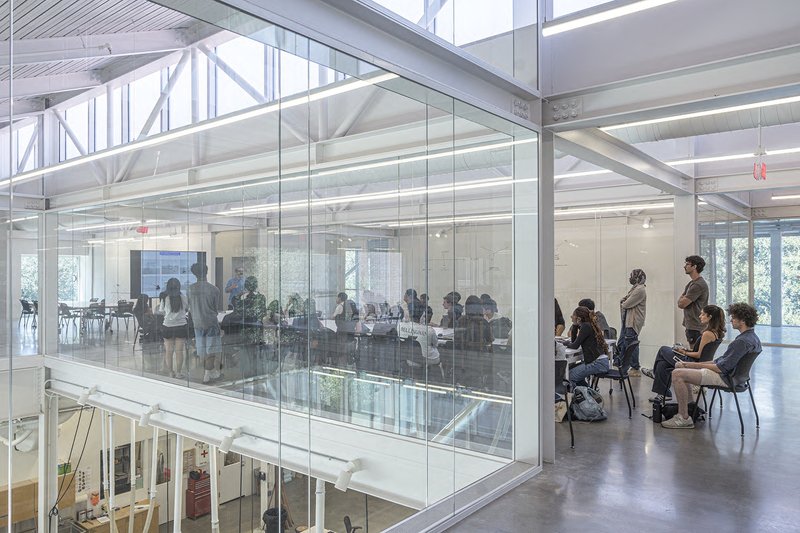
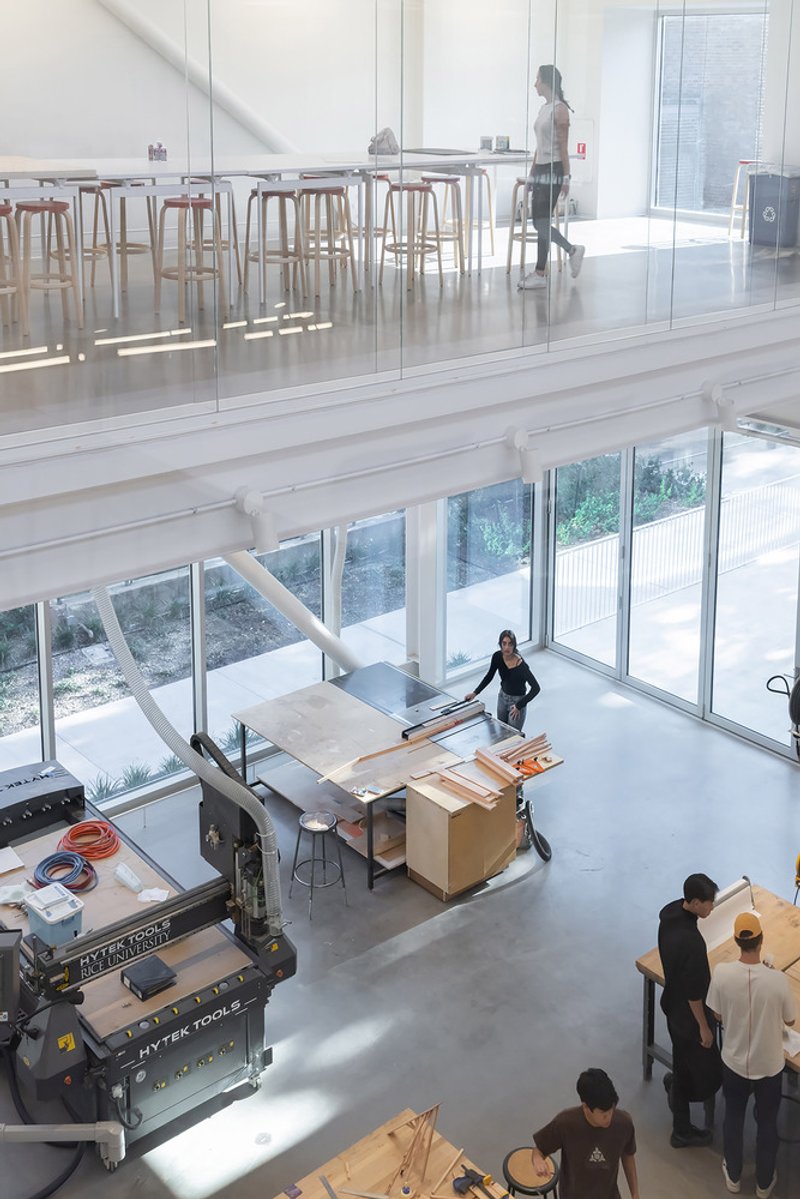
The interior is meticulously crafted to encourage collaboration, creativity, and exploration. Key features include:
- Open courtyards and arcades for social interaction
- Flexible studio and exhibition spaces
- Thoughtfully designed kitchen and lounge areas
- Use of timber, concrete, and glass to create a warm, modern, and sustainable atmosphere
The building’s interiors foster a strong sense of community while supporting cutting-edge architectural research and learning.
Exterior Design
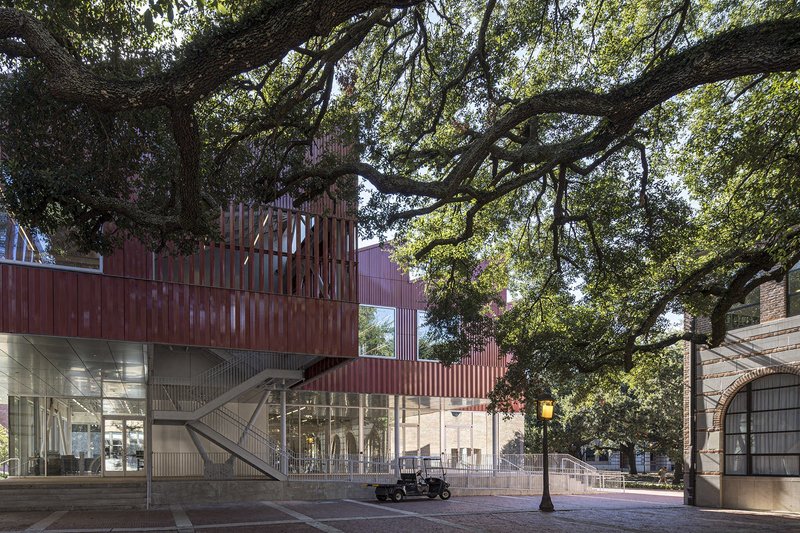
The exterior of Cannady Hall combines modern materials such as ALPOLIC panels and Ludowici roof tiles with traditional masonry elements to create a timeless yet contemporary aesthetic. Its courtyards and arcades encourage visual and spatial continuity, engaging students and visitors with both the campus and the wider architectural context.
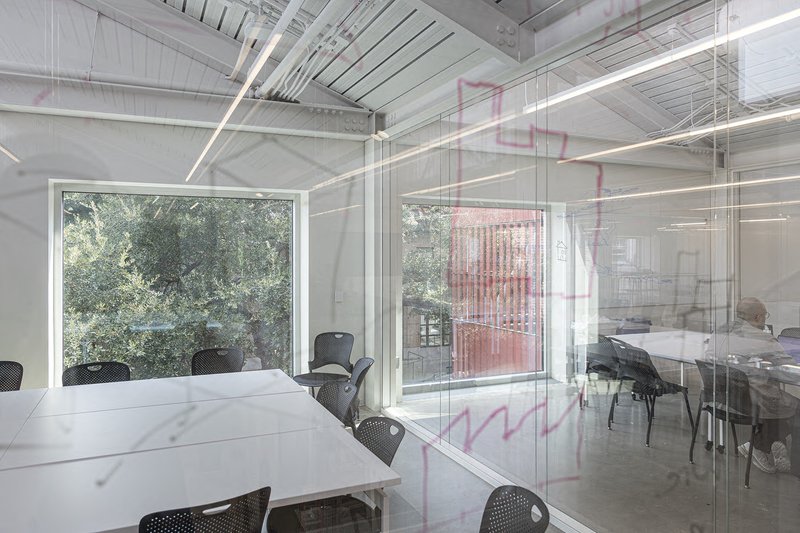
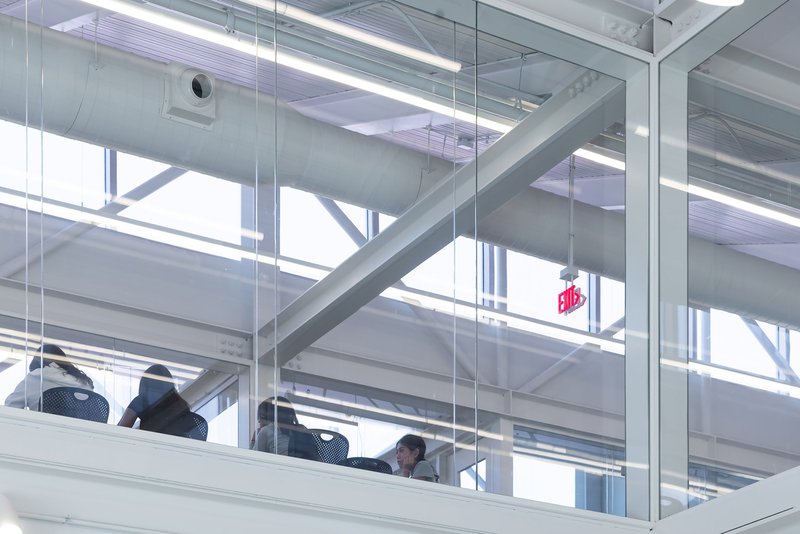
William T. Cannady Hall is a remarkable achievement in educational architecture, merging historic respect, sustainability, and contemporary innovation. This building not only honors Professor Cannady’s legacy but also inspires the next generation of architects to push the boundaries of design, research, and architectural thinking.
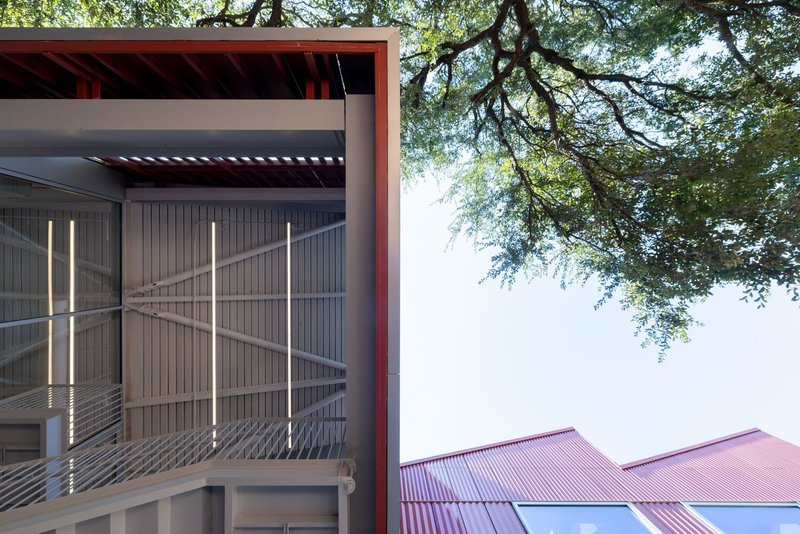
All Photographs are works of Iwan Baan, Laurian Ghinitoiu



Popular Articles
Popular articles from the community

Atelier Macri Concept Store Interior Design by CASE-REAL
Atelier Macri store features a "ko" counter, walnut wood details, cork displays, blending retail, gallery, and seamless customer experiences.
Alton Cliff House: A Harmonious Retreat by f2a Architecture in Lake Country, Canada
Alton Cliff House blends corten steel, prefabrication, and sustainable design, creating a luxurious, energy-efficient retreat perched on Canadian cliffs.

Solar Steam: A Climate-Responsive Architecture That Redefines the Monument
A climate-responsive memorial architecture that transforms heat, decay, and time into a living system reflecting humanity’s ecological impact.




Similar Reads
You might also enjoy these articles


The Ken Roberts Memorial Delineation Competition (Krob)
As the most senior architectural drawing competition currently in operation anywhere in the world, it draws hundreds of entries each year, awarding the very best submissions in a series of medium-based categories.


Waterfront Redevelopment and Urban Revitalization in Mumbai: Forging a New Dawn for Darukhana
A transformative waterfront redevelopment project reimagining Darukhana’s shipbreaking heritage into an inclusive urban future.

OUT-OF-MAP: A Call for Postcards on Feminist Narratives of Public Space
Rhizoma Design and Research Lab invites artists, designers, architects, researchers, and students to reflect on how feminist perspectives can reshape public space. Selected works will be exhibited in Barcelona, October 2026. Submissions open until 15 April 2026.


Documentation Work on Buddhist Wooden Temple
Architectural syncretism and cultural hybridity: A comparative study of the Buddhist temples in Chattogram Hill tracks


Explore Architecture Competitions
Discover active competitions in this discipline




The International Standard for Design Portfolios


The Global Benchmark for Architecture Dissertation Awards


The Global Benchmark for Graduation Excellence


Challenge to design public laboratory
Comments (0)
Please login or sign up to add comments
No comments yet. Be the first to comment!