
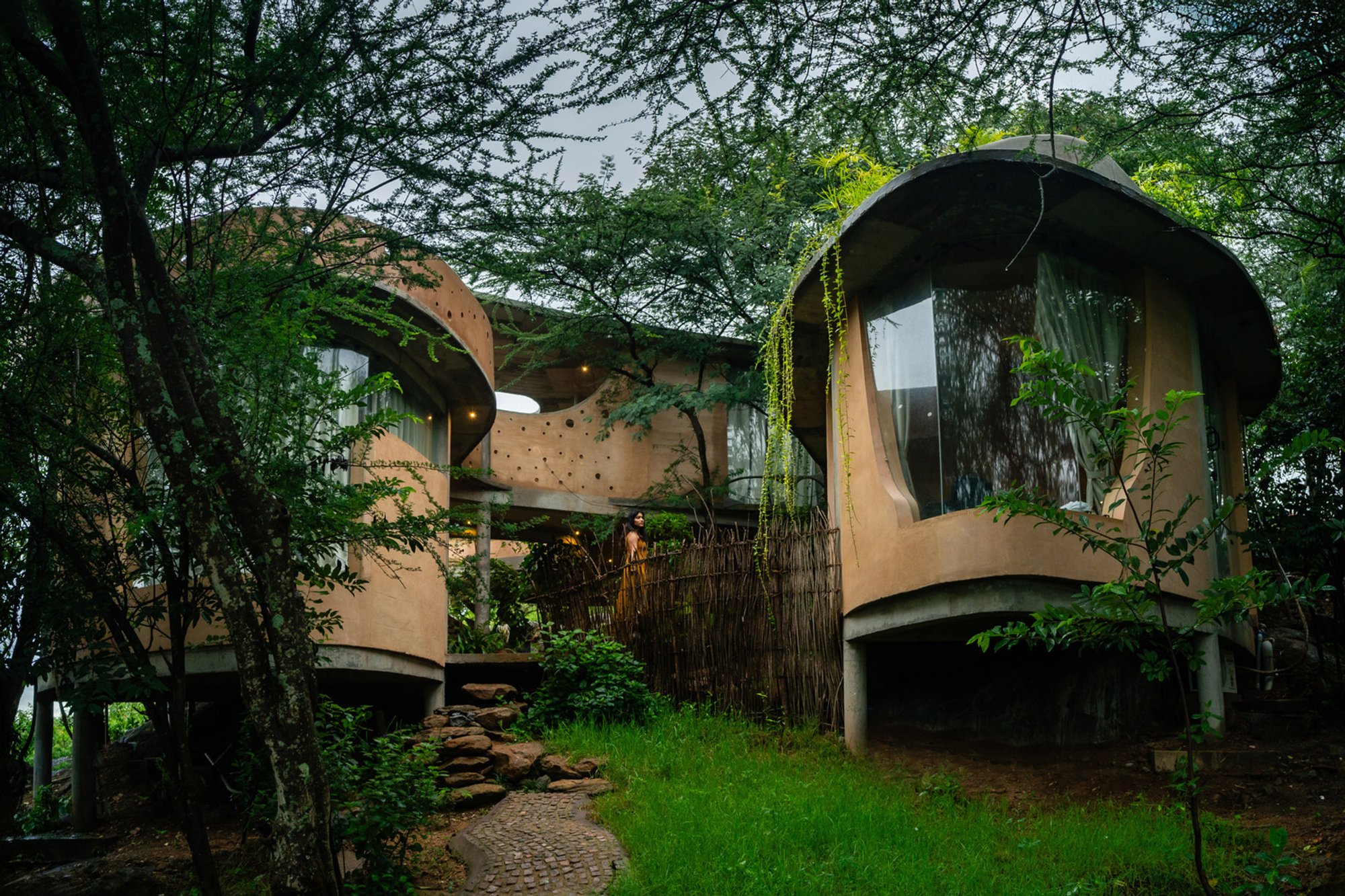
Winterfell House by Prithvi Architects: A Sustainable Earth House in India Embracing Nature and Terrain
A nature-integrated sustainable earth house in Tamil Nadu by Prithvi Architects, blending organic materials with accessible, eco-conscious design.

Introduction to Winterfell House: Architecture in Harmony with Nature
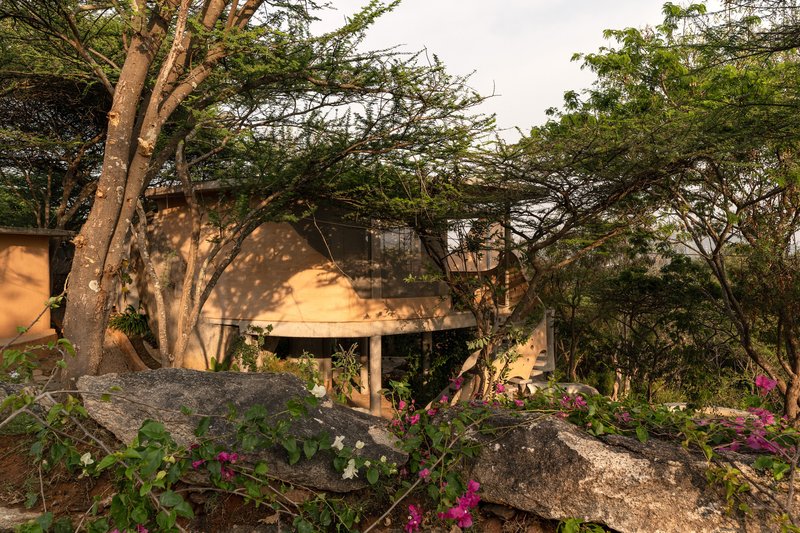
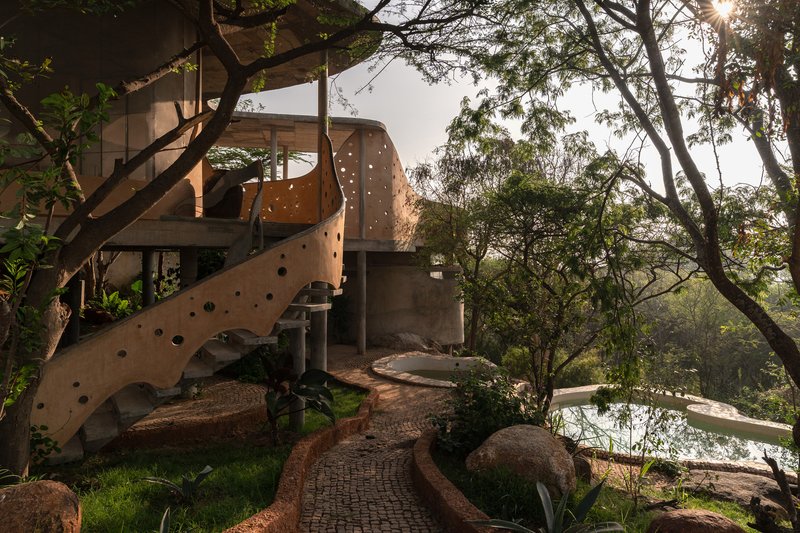
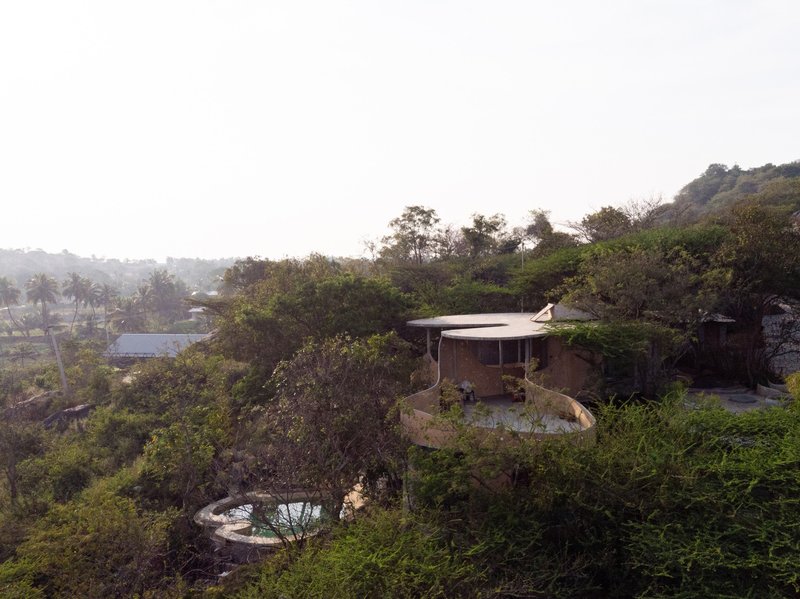
Nestled in the tranquil village of Shoolagiri within the Sanctity Ferme community of Tamil Nadu, Winterfell House by Prithvi Architects stands as a compelling example of a sustainable earth house in India. Designed in 2023, this 1700 ft² residence camouflages with the natural landscape, offering a serene and eco-conscious retreat away from the chaos of urban life. With a commitment to environmental preservation, the house embraces the existing topography and vegetation, setting a new standard for sustainable residential architecture.
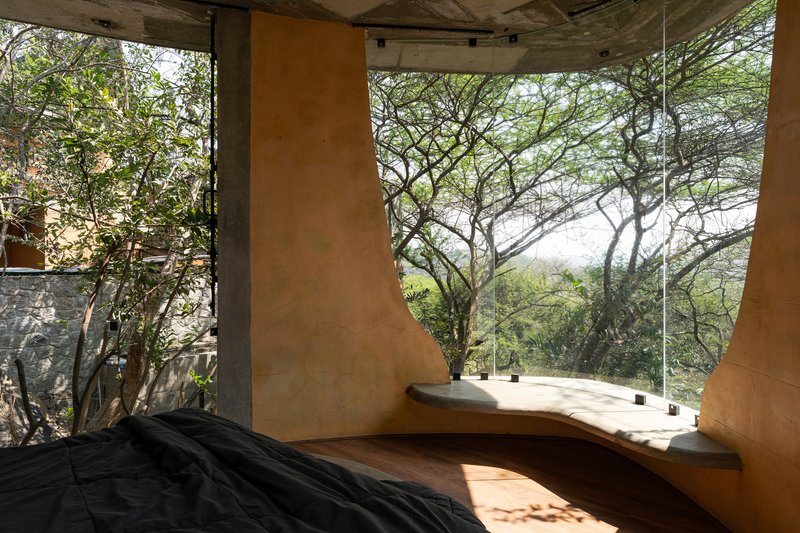
Site-Specific Design Rooted in Landscape
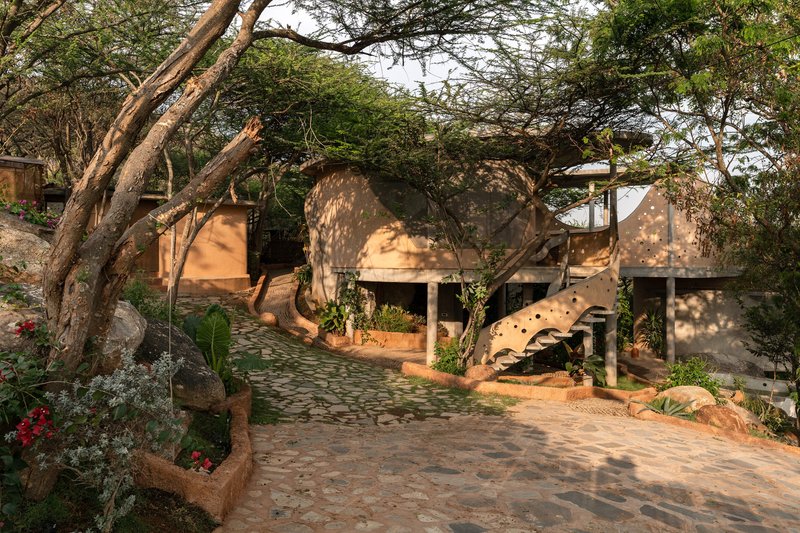
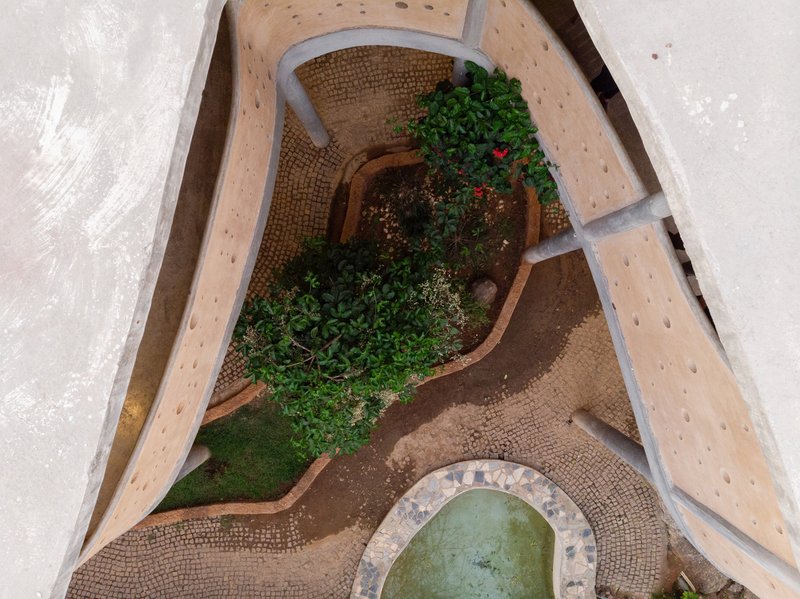
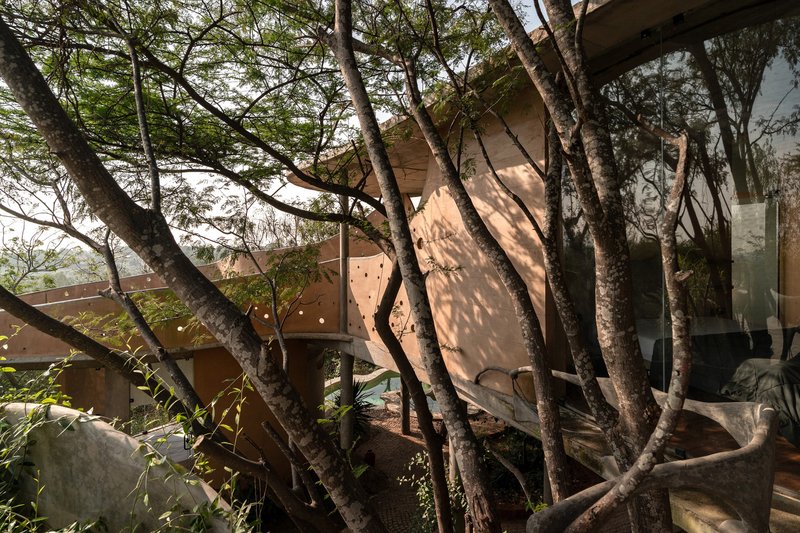
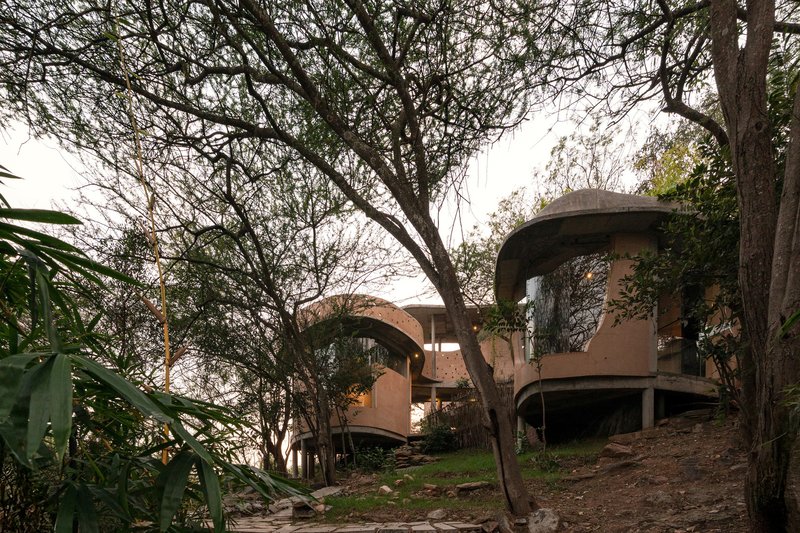
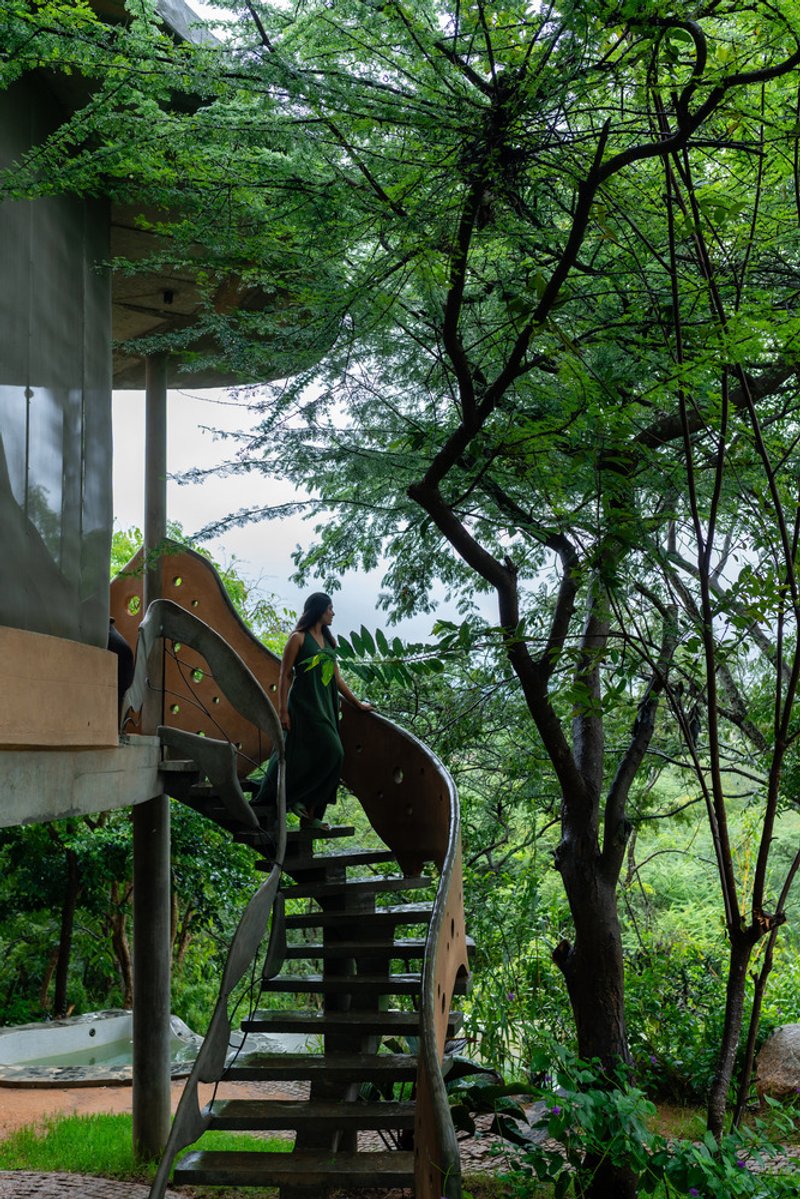
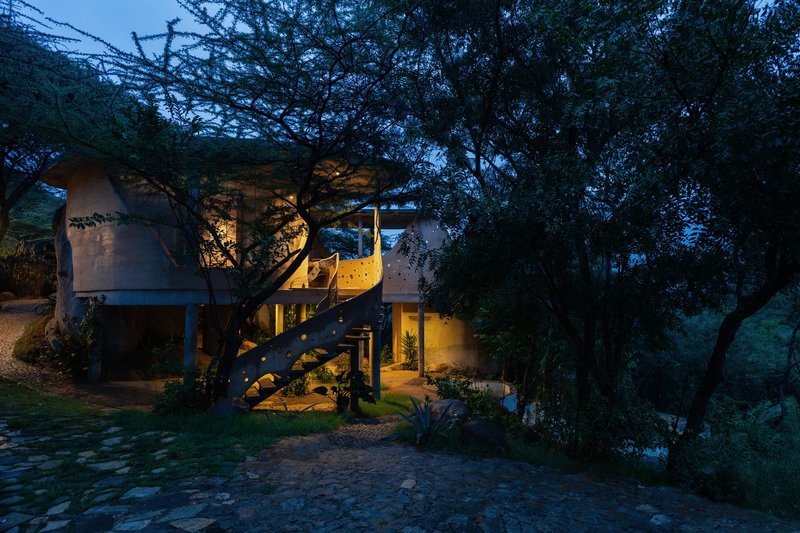
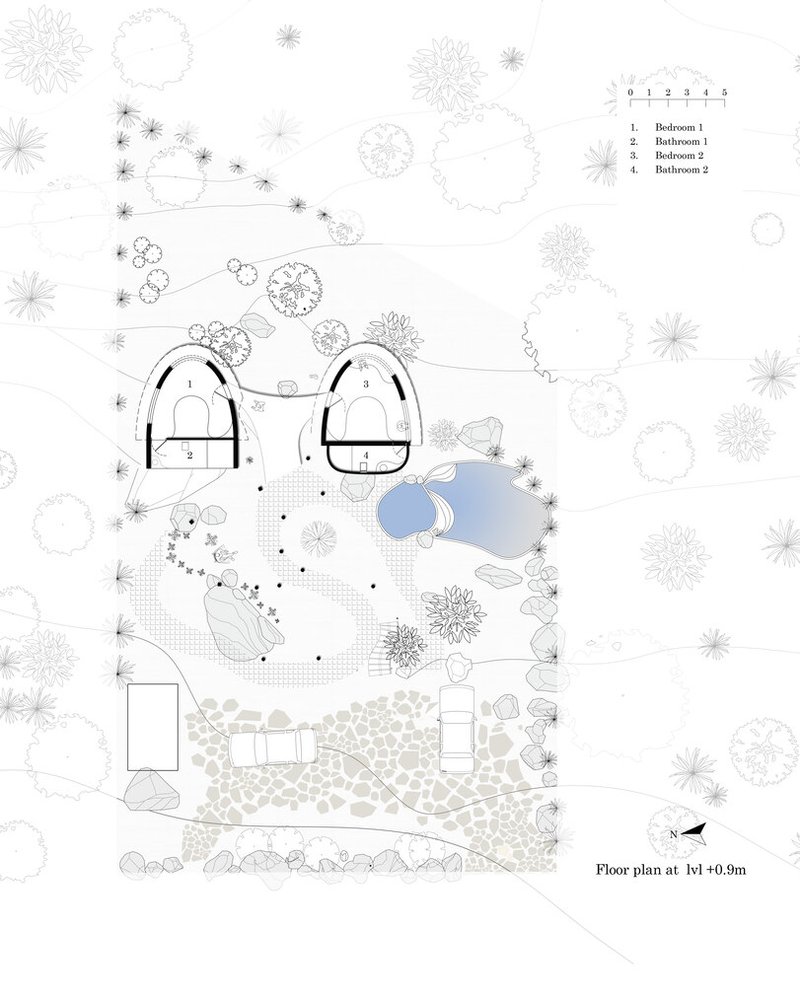
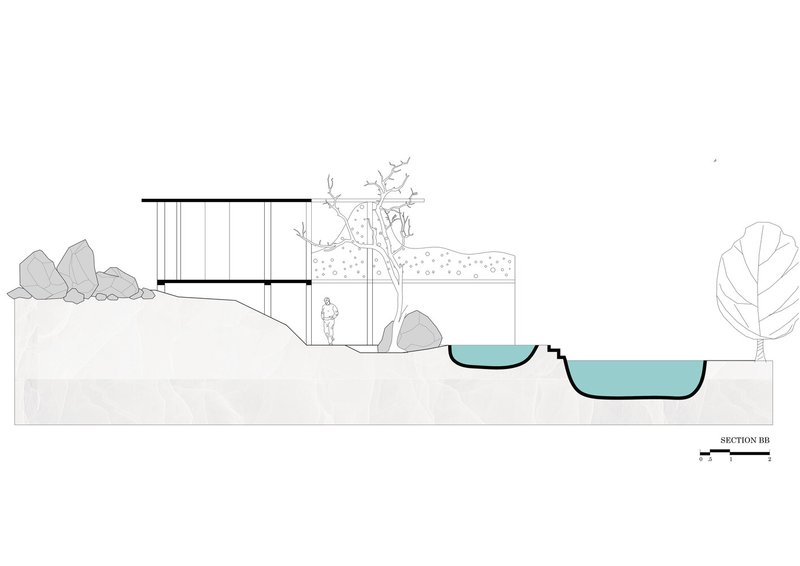
Winterfell’s design is intrinsically tied to its setting. Located on a terrain surrounded by native flora and dramatic boulders, the architecture folds into the landscape rather than imposing upon it. The structure’s positioning and form are dictated by the land’s natural contours. It is slightly elevated to preserve natural drainage patterns, minimizing environmental disruption and ensuring durability during monsoon seasons.
A Philosophy of Universal and Accessible Design
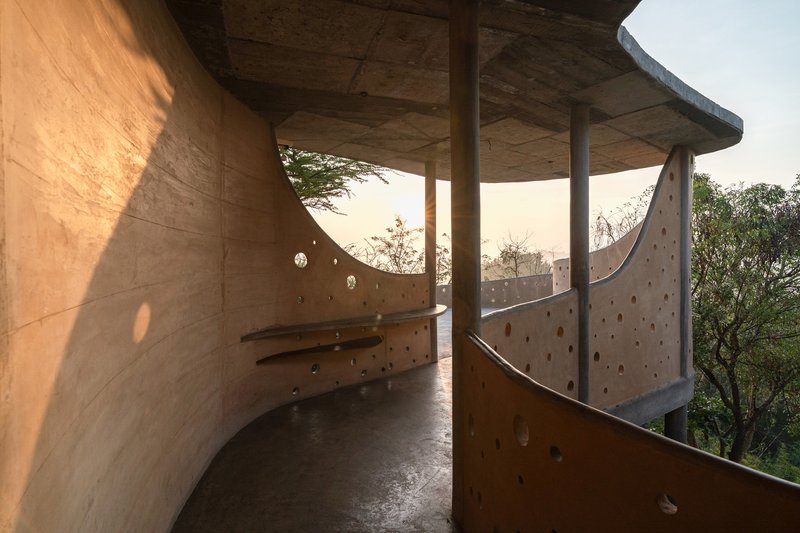
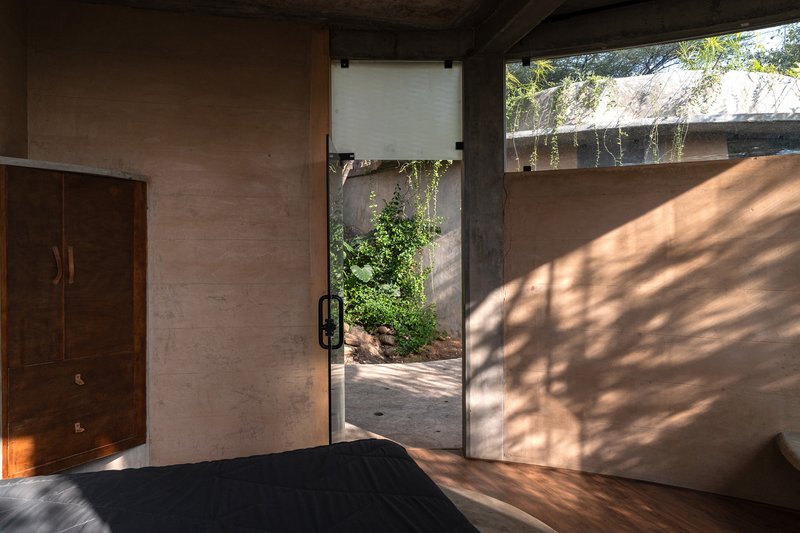
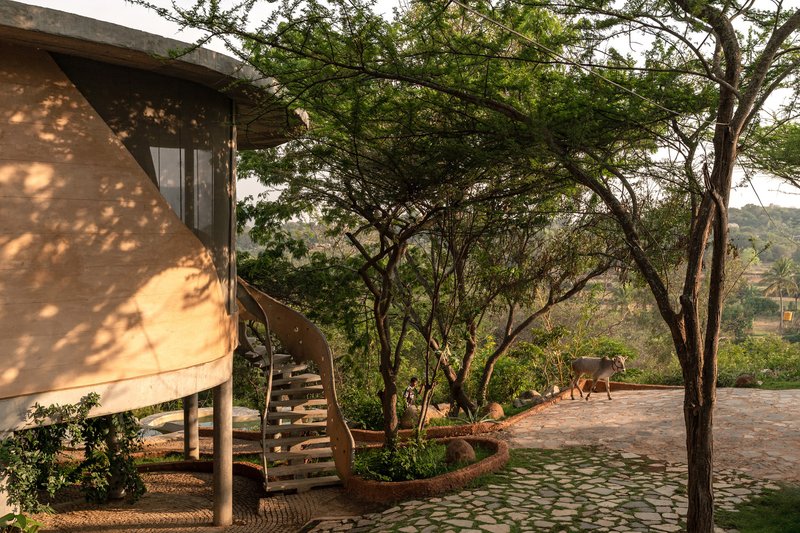
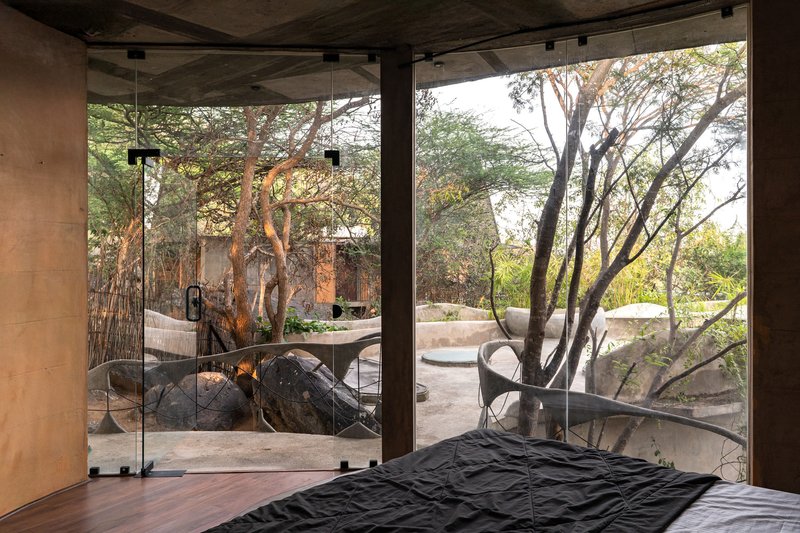
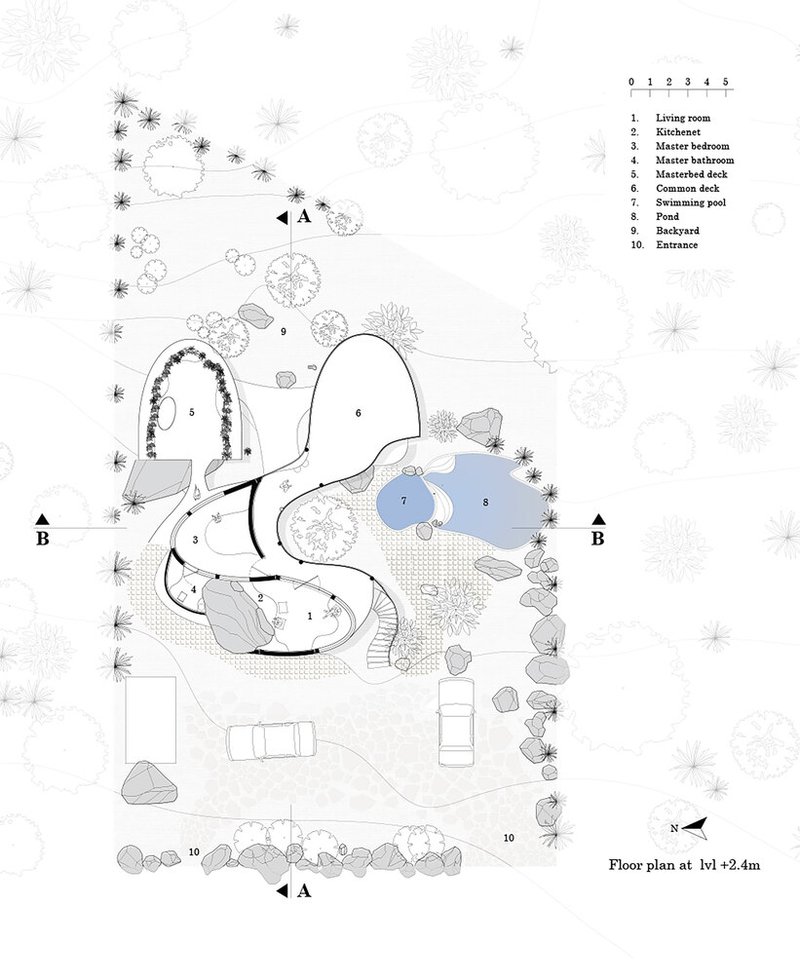
In alignment with Universal Design Principles, Winterfell is conceived as an accessible home where every space is usable regardless of physical ability. The layout flows with the land’s undulations while maintaining easy transitions between indoor and outdoor spaces. This inclusive approach enhances both usability and aesthetic value, making the home a functional and emotionally connected living space.
Sustainable Materials and Earth-Friendly Construction Techniques
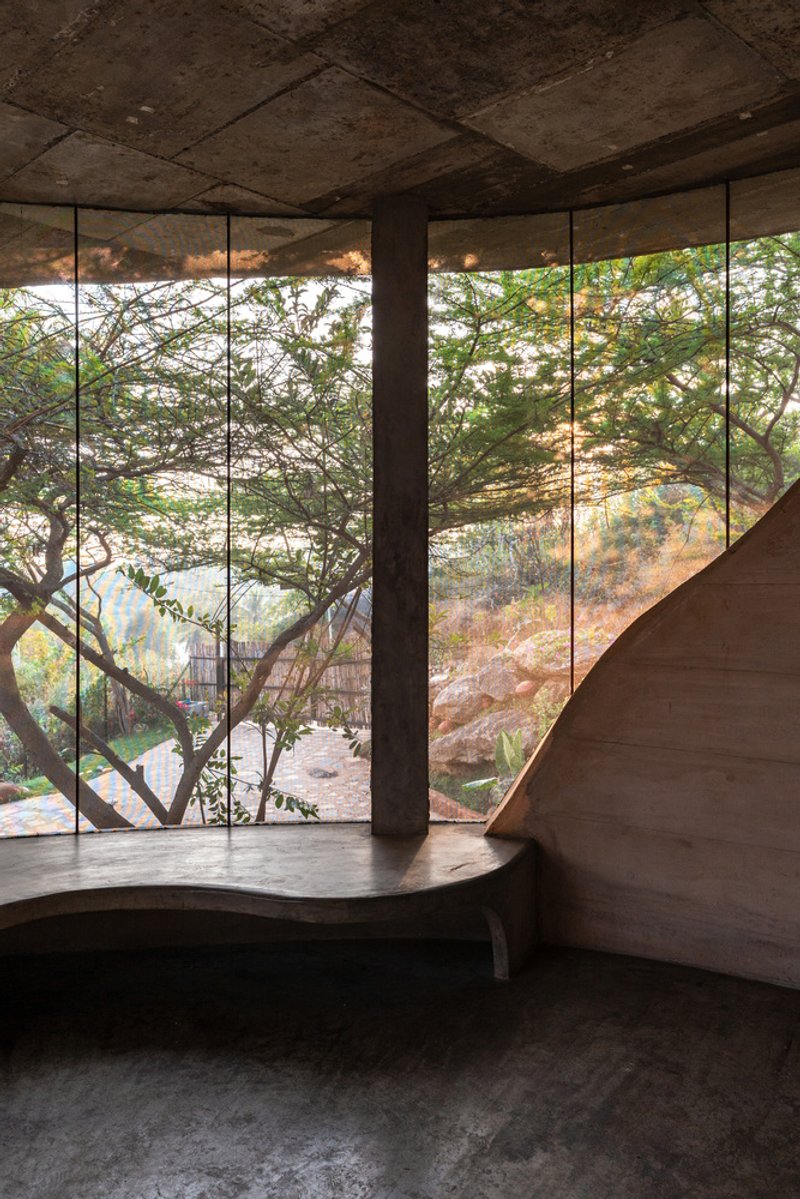
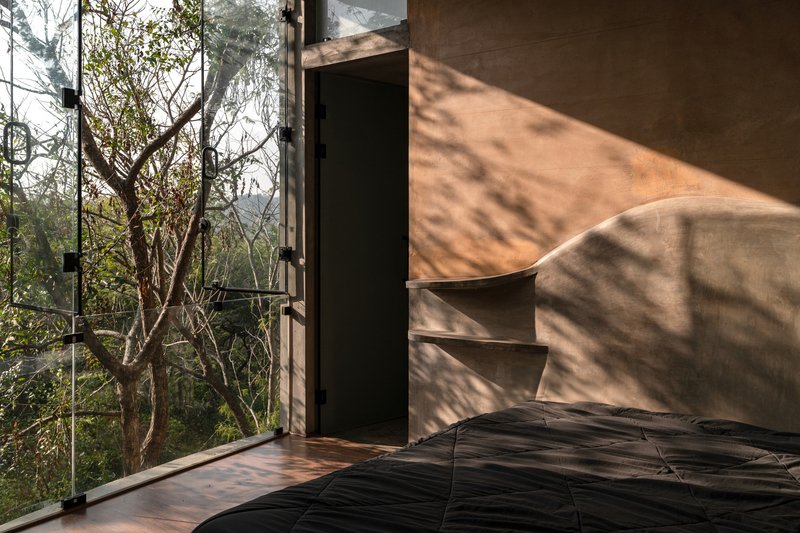
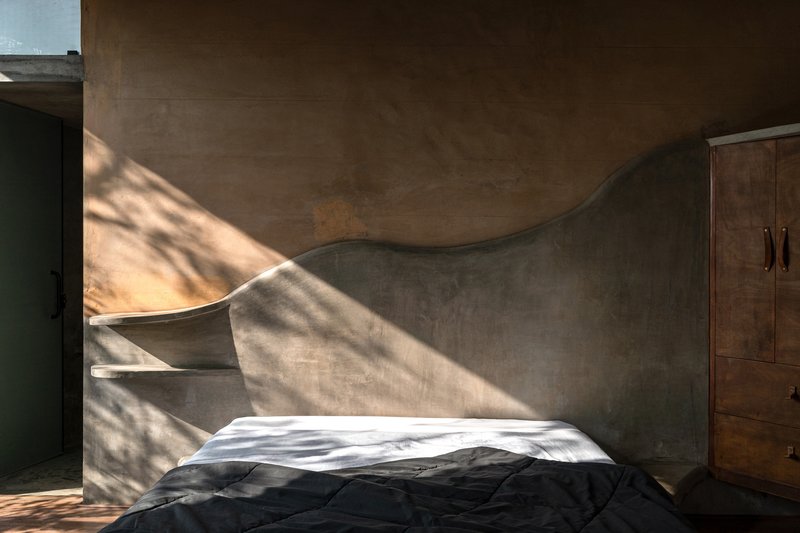
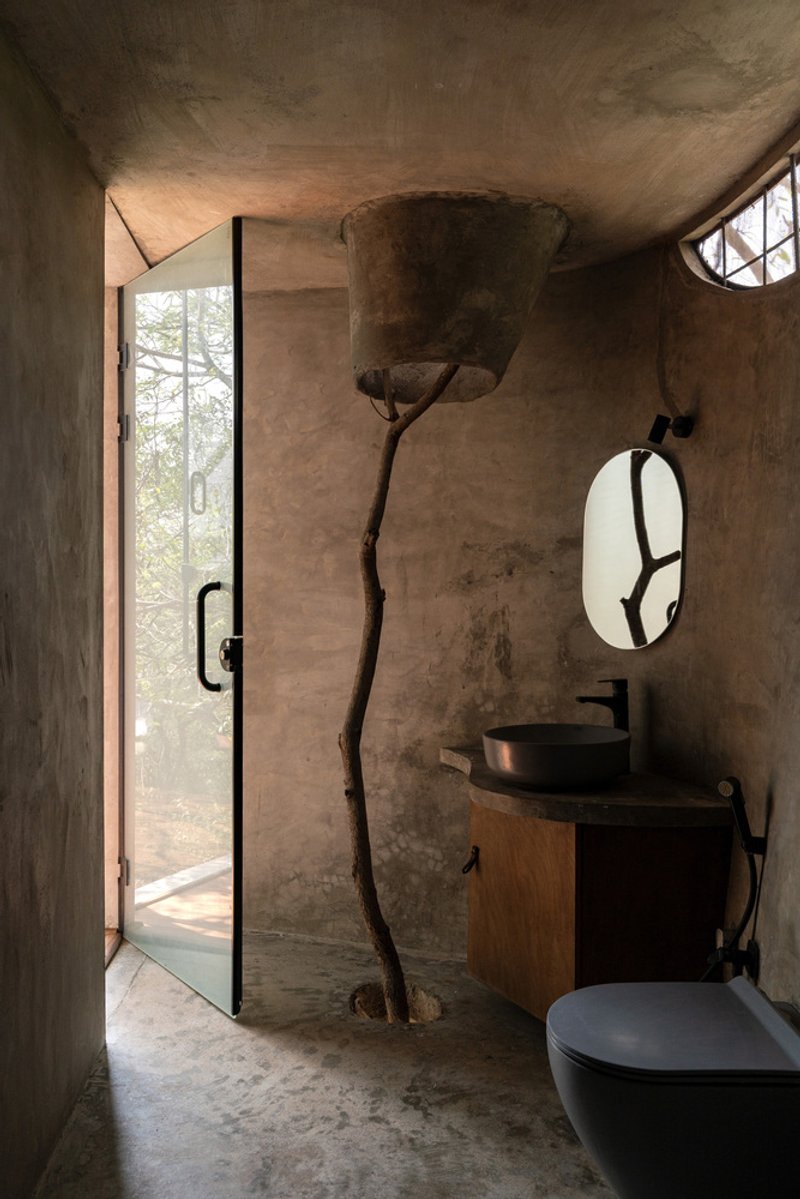
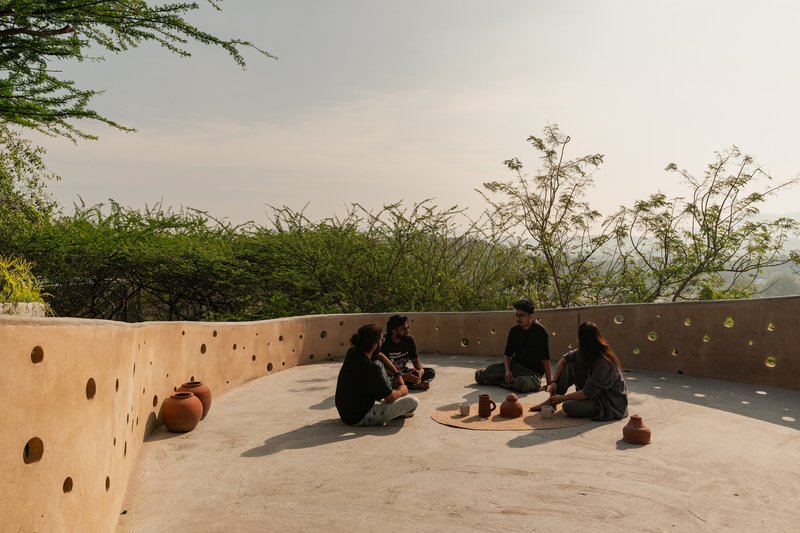
Winterfell House embodies the ethos of sustainability through its construction methods and materials. The primary walls are made using mud, bringing thermal comfort and an organic warmth to the interiors. Techniques such as poured earth concrete, containing minimal cement, and the use of ferrocement for lightweight components reduce the ecological footprint while ensuring structural strength.
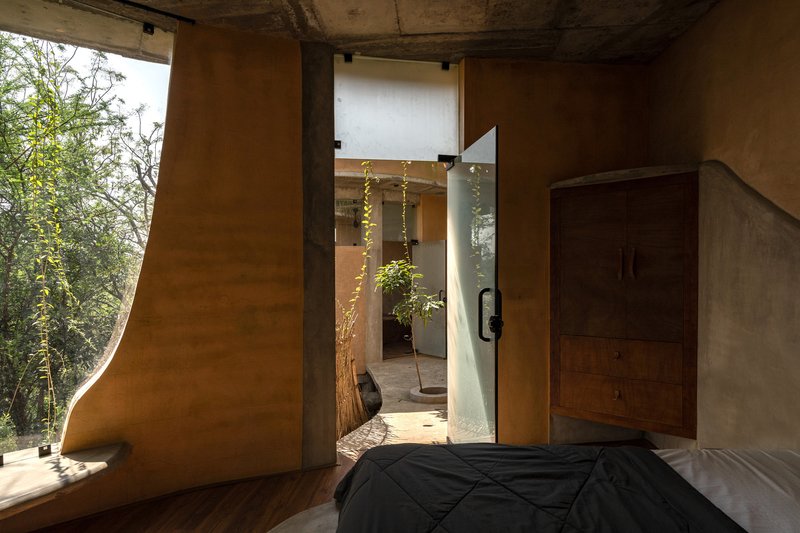
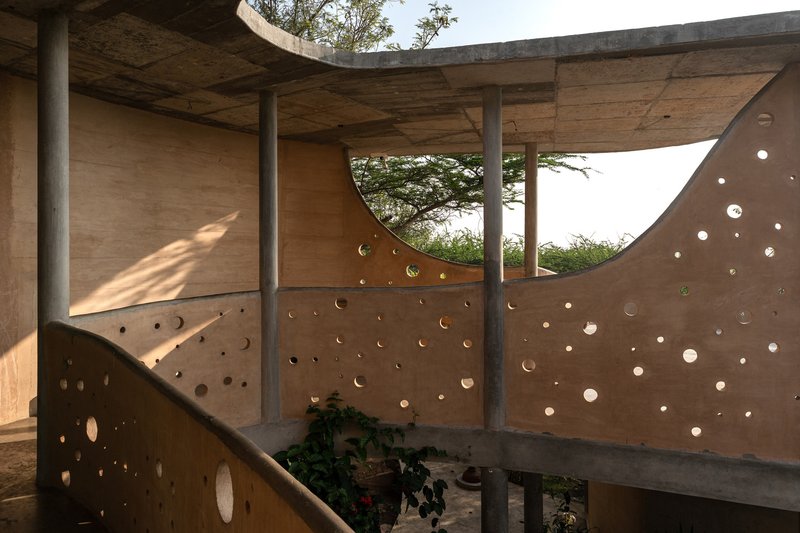
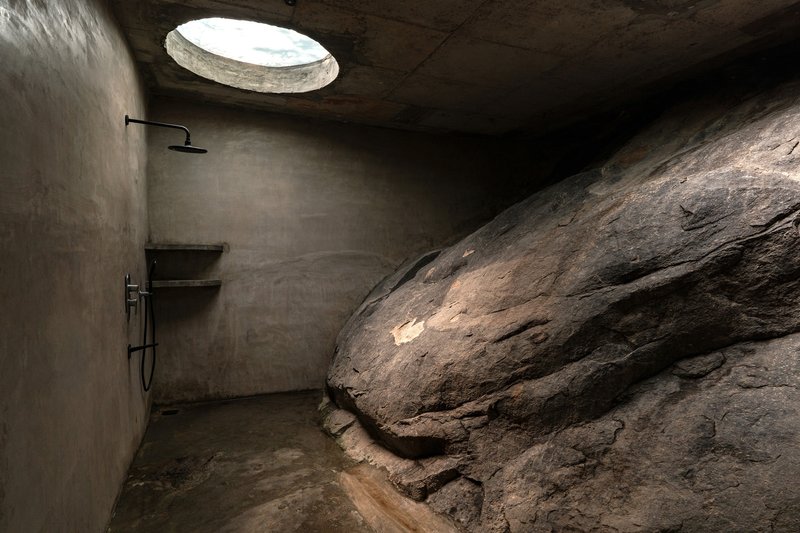
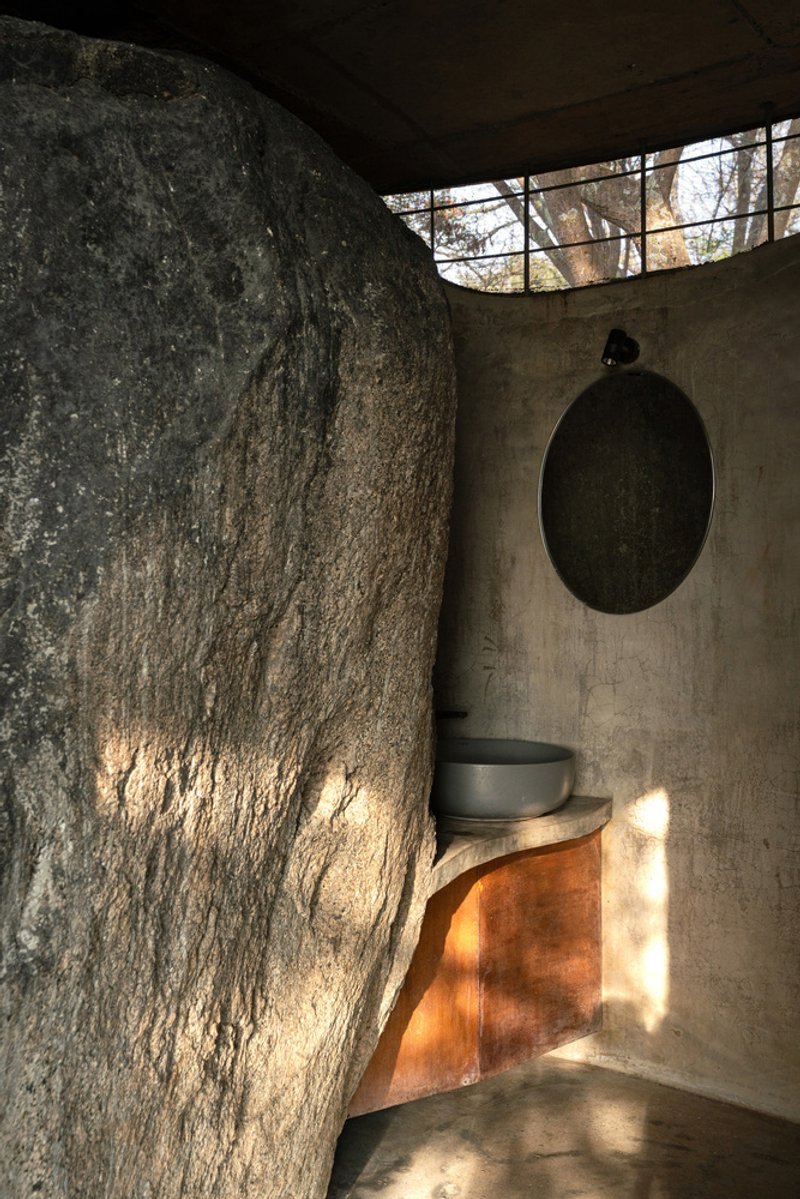
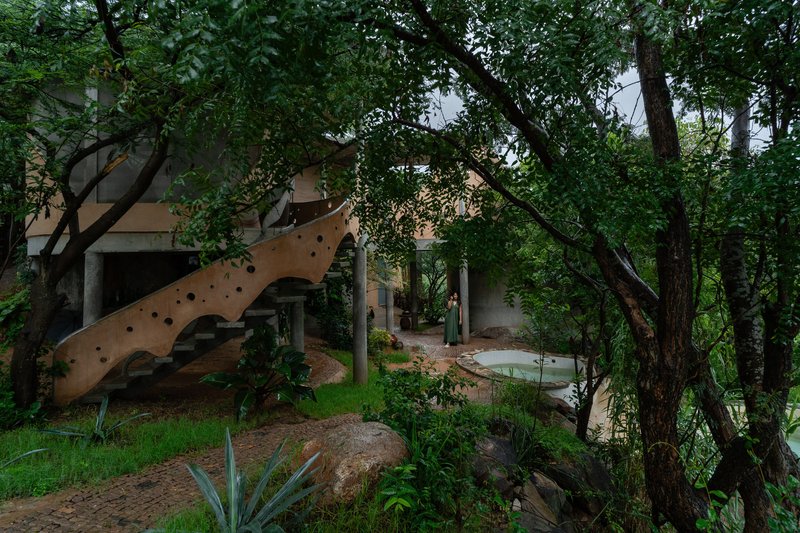
Service zones like toilets and staircases feature finishes in gray tones that echo the site’s natural rock palette. This thoughtful selection of materiality reinforces a harmonious architectural language rooted in local context and environmental sensitivity.
Natural Integration with Panoramic Views
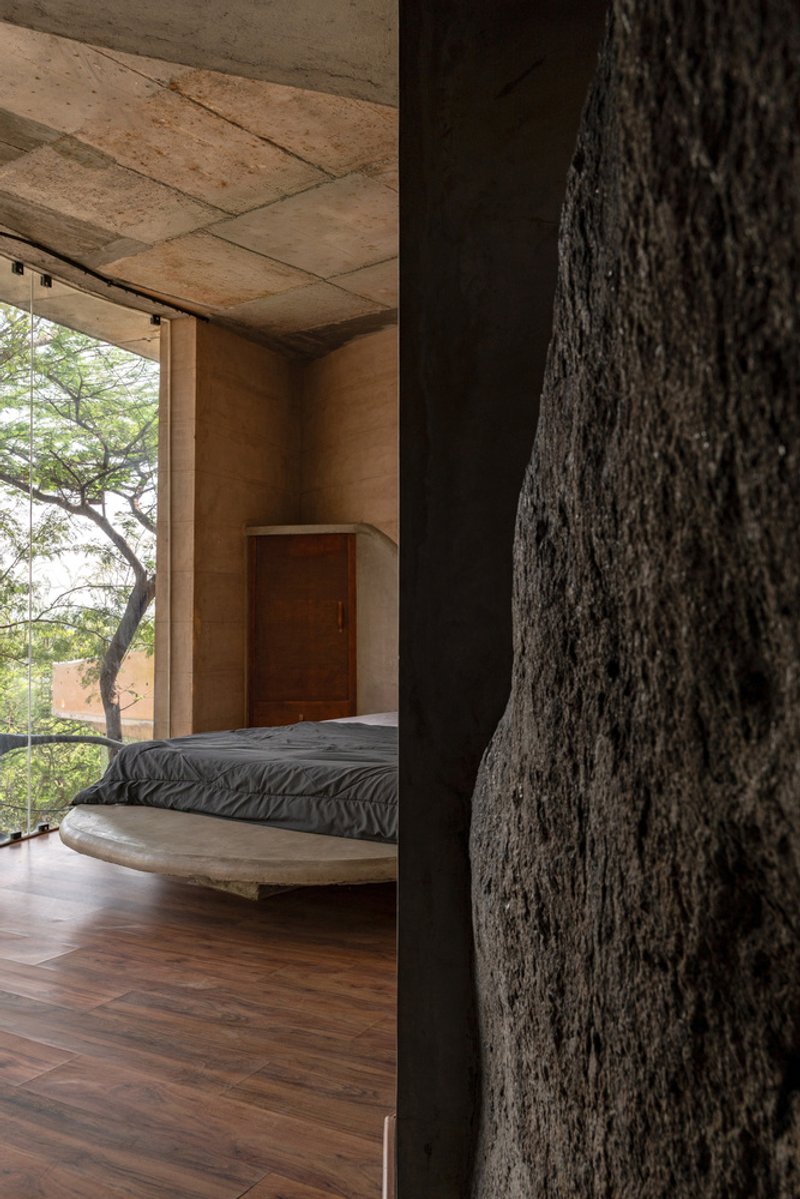
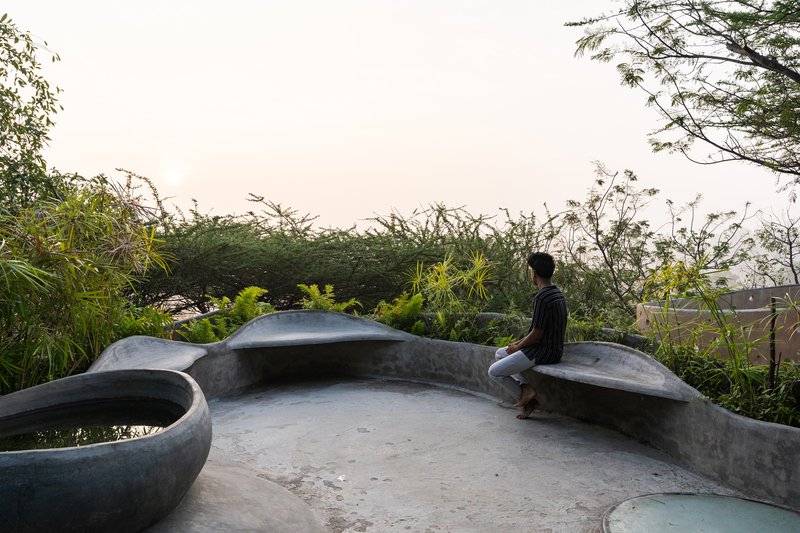
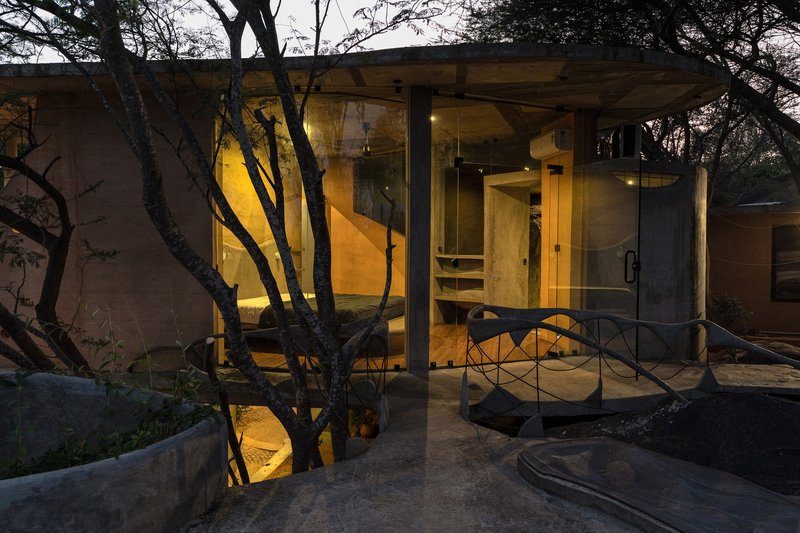
The architectural narrative is punctuated by the seamless integration of views and natural light. Open decks, curved glass panels, and mesh windows allow the indoors to flow into the expansive outdoors. At the northeastern edge of the site, a natural depression has been transformed into a dual-level swimming pool—one side shallow and child-friendly, the other deeper for adults—maximizing utility while respecting the existing landscape.
Eco-Conscious Landscape and Hardscape
The landscaping at Winterfell reinforces its ecological mission. Native tropical plants and existing trees are preserved and enhanced, creating a lush, low-maintenance ecosystem. Hardscapes such as ramps and pathways are built from locally sourced cobblestones, and the parking space is finished with reclaimed granite from a nearby quarry, reducing the need for new material production.
Interior Architecture: Minimalism Rooted in Material Honesty
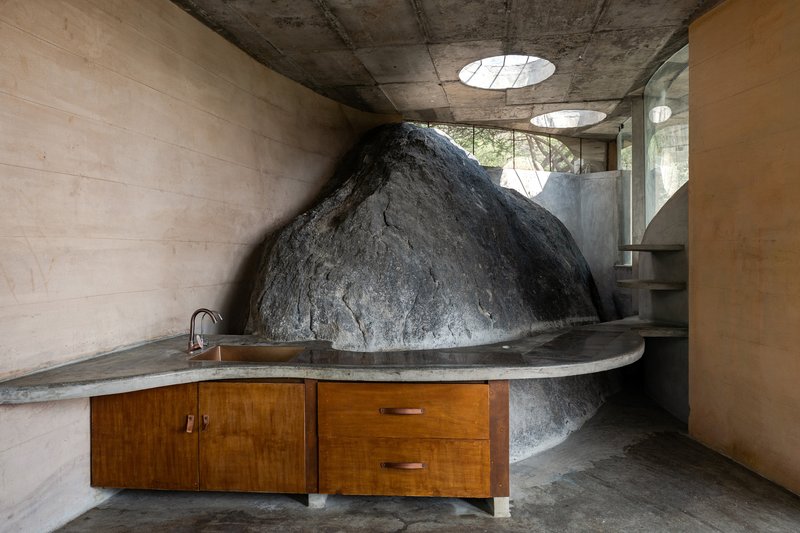
Inside, Winterfell House continues its story of minimalism and authenticity. The interiors feature built-in furniture, including wardrobes, beds, seating, and kitchen counters, eliminating excess and emphasizing functionality. Terrazzo flooring introduces a polished, durable surface, while exposed concrete slabs retain the shuttering marks from construction, preserving the raw beauty of the material.
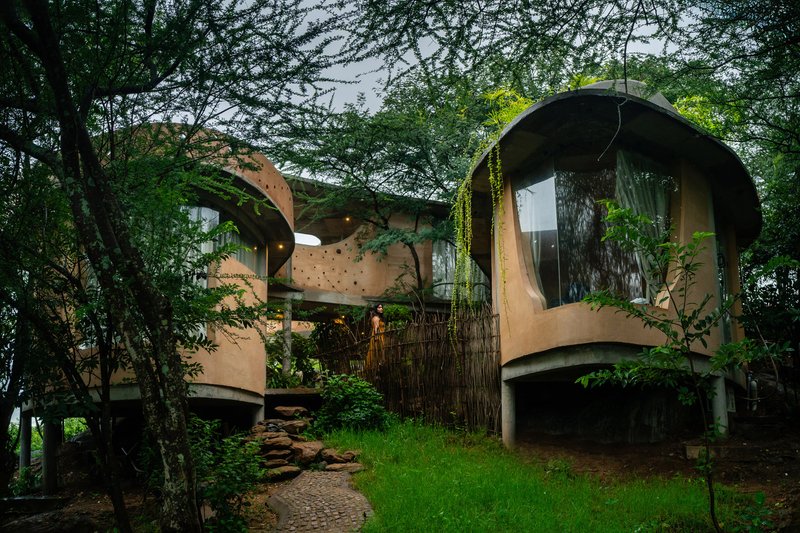
The palette is neutral and earthy, enhancing the calm, meditative quality of the space. Light, ventilation, and visual continuity are prioritized to maintain a seamless interaction between the built and natural environments.
A Living Statement of Sustainable Earth Architecture
Winterfell House is more than a residence; it is a living statement of sustainable earth house design in India. Every choice—from materiality and construction to orientation and landscaping—reflects a philosophy of environmental respect and organic integration. Prithvi Architects have crafted a dwelling that does not dominate its landscape but exists as part of it, fostering a holistic connection between human life and nature.
All Photographs are works of Syam Sreesylam, Jino Sam



Popular Articles
Popular articles from the community

A Contemporary Take on Iranian Residential Architecture
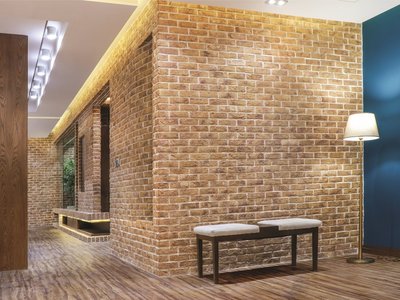
A modern interior design in Mashhad that reinterprets brick, light, and spatial flow to create a warm, contemporary residential architecture.


The Ken Roberts Memorial Delineation Competition (Krob)
As the most senior architectural drawing competition currently in operation anywhere in the world, it draws hundreds of entries each year, awarding the very best submissions in a series of medium-based categories.
Inverted Architecture Installation by Studio Link-Arc: Exploring the Intersection of Architecture and Living Organisms
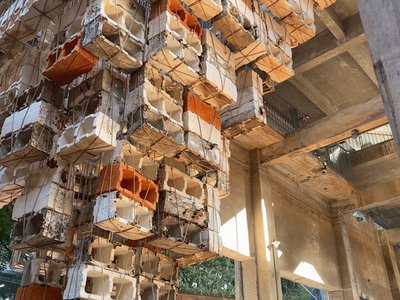
Inverted Architecture Installation by Studio Link-Arc blends mycelium, sustainability, inverted design, ecological cycles, and urban adaptive architecture in Shenzhen.
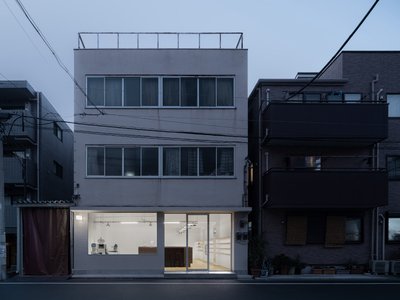
Atelier Macri Concept Store Interior Design by CASE-REAL
Atelier Macri store features a "ko" counter, walnut wood details, cork displays, blending retail, gallery, and seamless customer experiences.


Similar Reads
You might also enjoy these articles

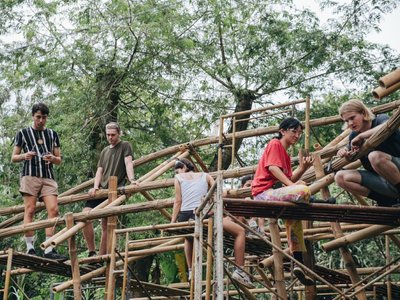
Bamboo Housing Challenge 2026: Design Affordable, Sustainable Homes Using Bamboo
An international design competition by Bamboo U and IBUKU inviting architects and designers to reimagine affordable housing using bamboo — with the winning design built full-scale in Bali.

Computational Design & Education: Beegraphy Design Awards Introduces 7th Category (Featuring Jiyun's Innovative Approach)
Dive into Beegraphy’s 7th Design Awards category, where computational design meets education to create immersive, interactive learning tools, inspired by Jiyun’s work.

From Parametric Lighting to Urban Furniture: Join the 2nd Workshop in Beegraphy’s Computational Design Series
Dive into Cutting-Edge Design Techniques and Practical Applications with Industry Experts

Introducing Sphere by UNI: Pioneering a New Era in AEC Industry
Unlocking Global Potential with BIM and Agile Management

Explore Architecture Competitions
Discover active competitions in this discipline




The International Standard for Design Portfolios


The Global Benchmark for Architecture Dissertation Awards


The Global Benchmark for Graduation Excellence


Challenge to reimagine the Iron Throne
Comments (0)
Please login or sign up to add comments
No comments yet. Be the first to comment!