
1640 14th St by HGA: A Model of Sustainable Commercial Architecture in Santa Monica
An exploration of 1640 14th St in Santa Monica, a pioneering example of sustainable commercial architecture and community-focused design.

Revitalizing Urban Space with a Sustainable Vision
Located in a once-industrial neighborhood of Santa Monica, California, 1640 14th St is a forward-thinking mixed-use development by HGA that redefines sustainable commercial architecture. Commissioned by Los Angeles-based developer Redcar Ltd., the project breathes new life into a former tow yard by introducing a three-story commercial complex designed to foster community connection, wellness, and environmental resilience.
Urban Infill with Community at its Core
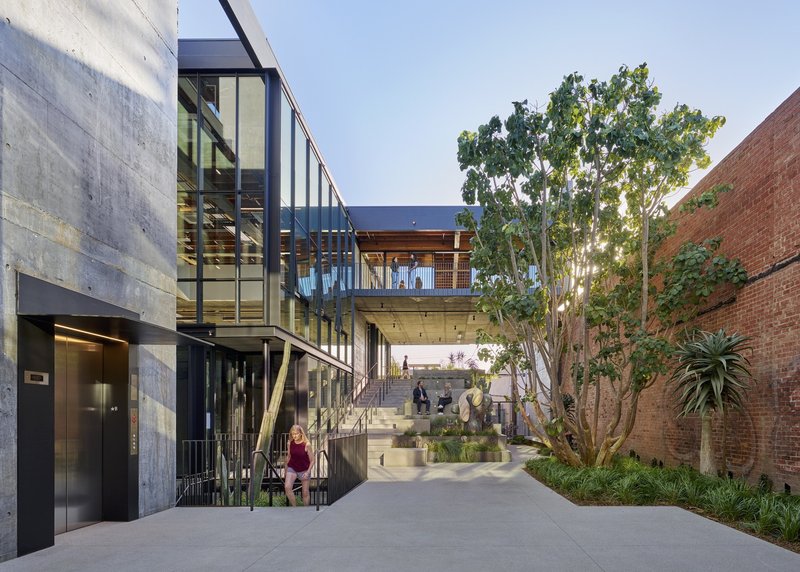
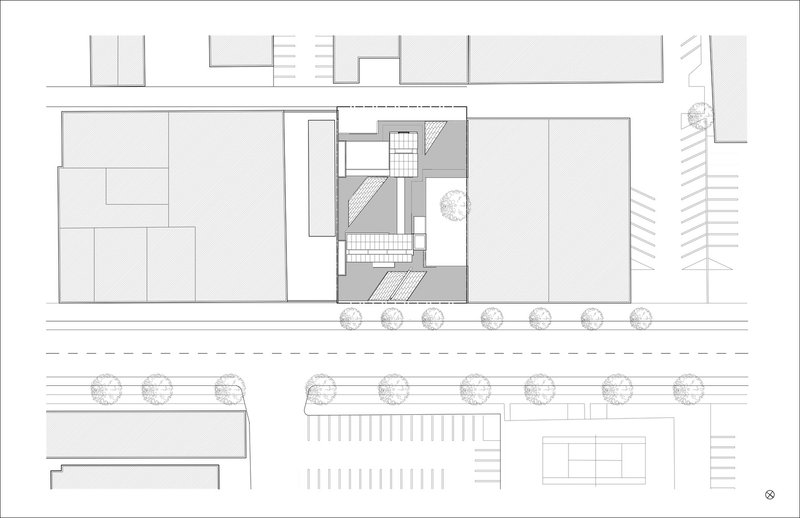
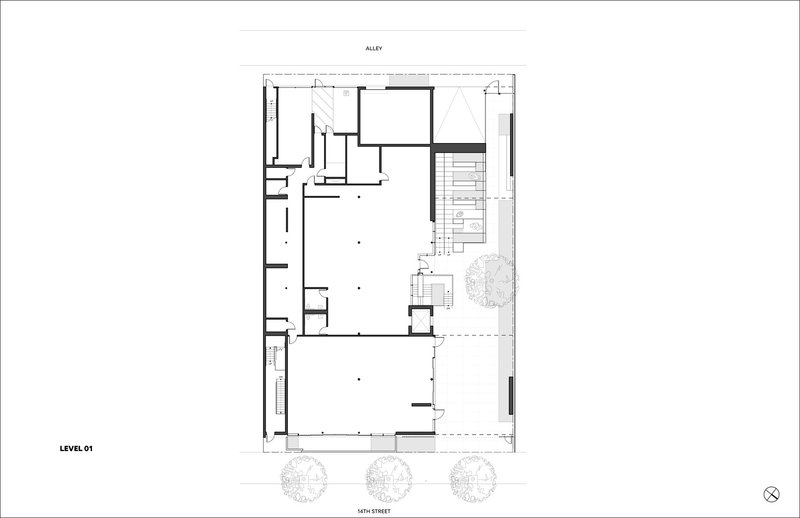
The building responds to Santa Monica’s larger civic master plan by increasing pedestrian connectivity in a city long divided by the interstate. Designed as a ground-up, urban infill project, it integrates a mix of functions—creative offices, a street-facing restaurant, and a vibrant courtyard paseo—into a site-specific solution that encourages walkability, inclusion, and neighborhood activation.
Spatial Strategy and Courtyard Integration
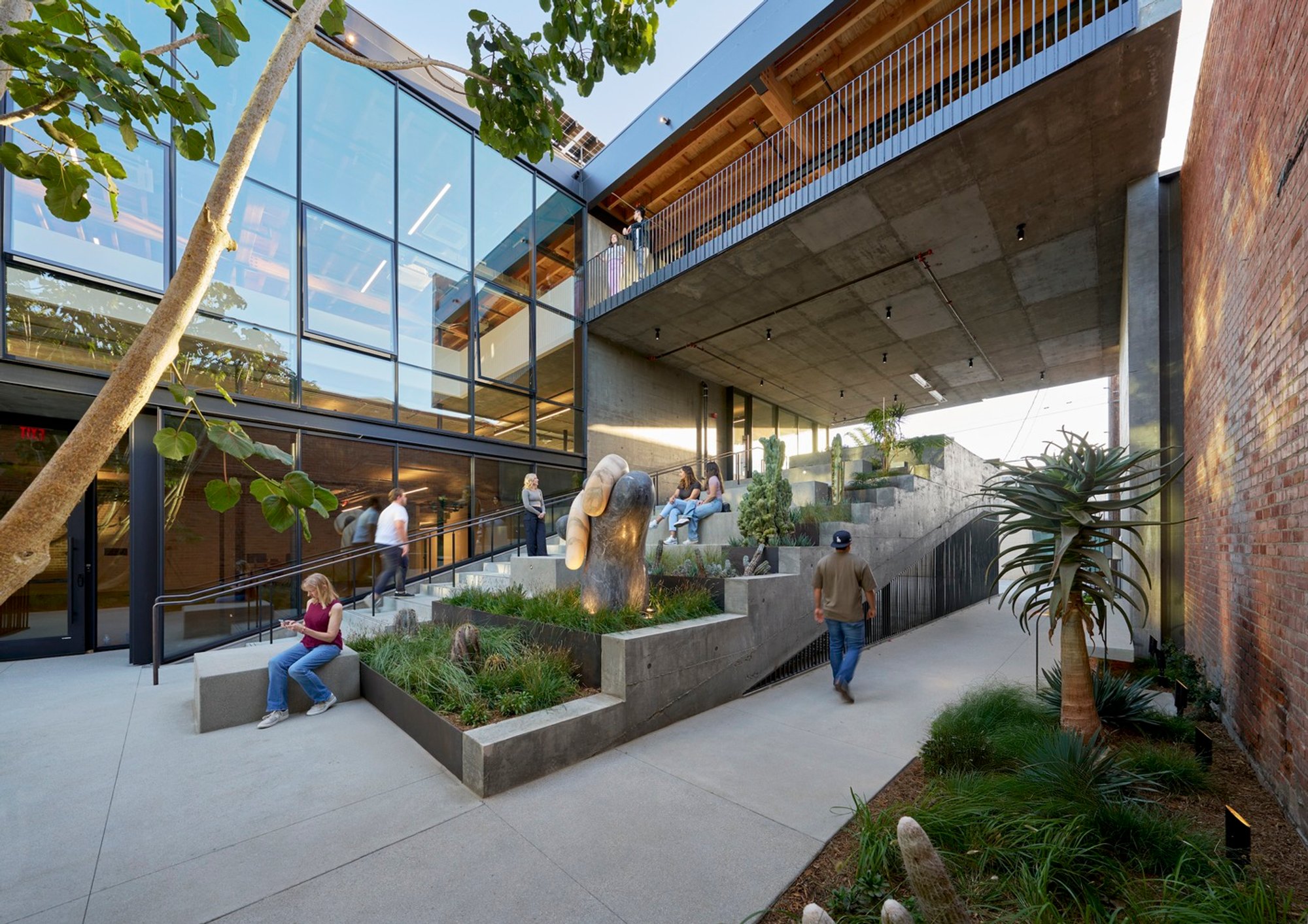
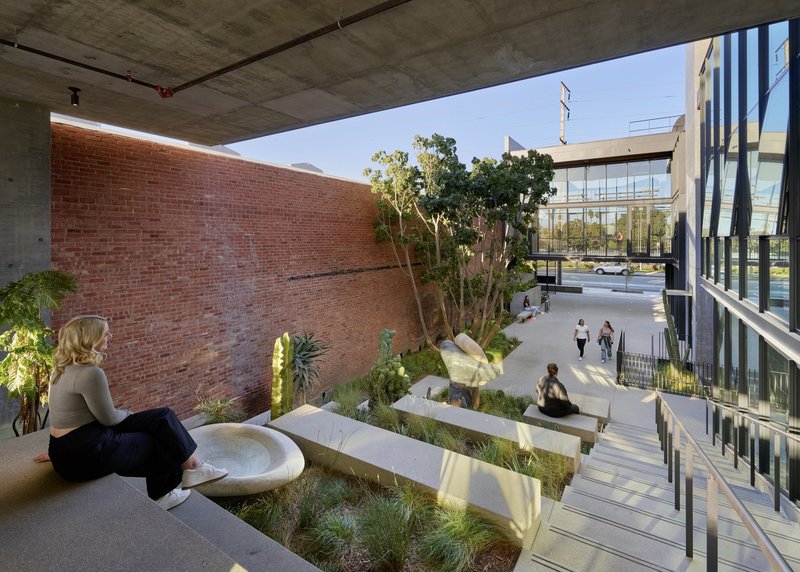
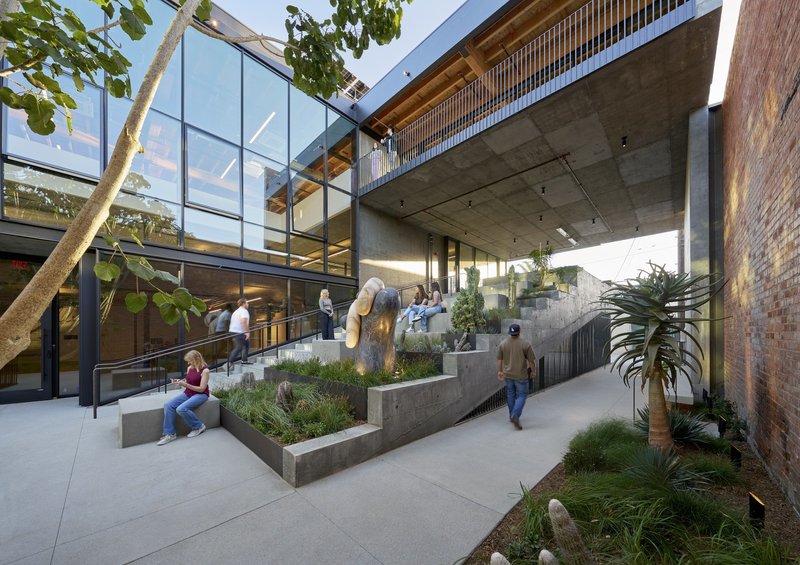
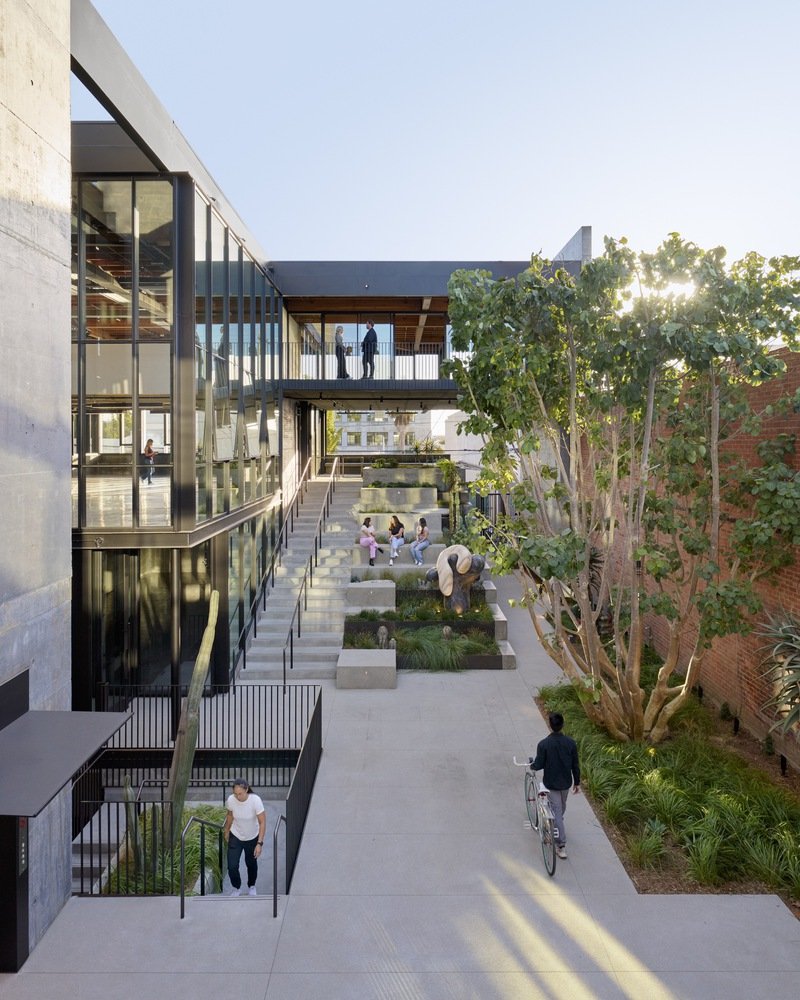
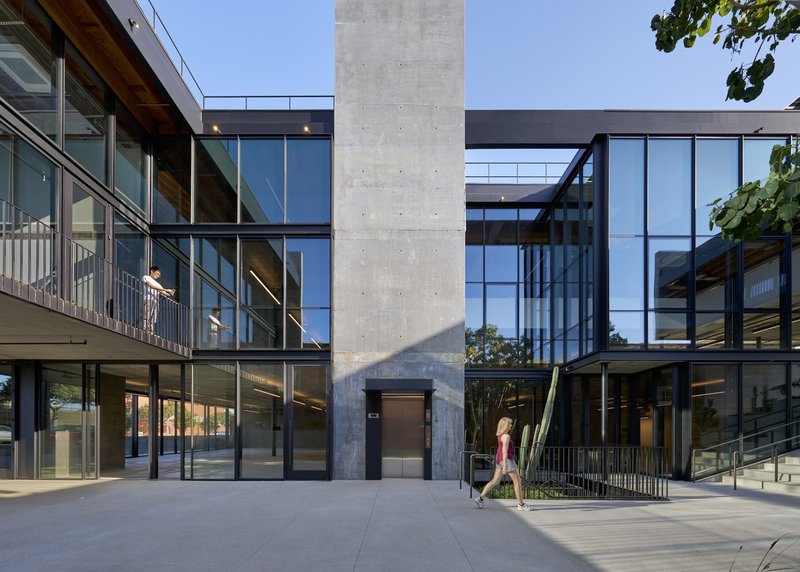
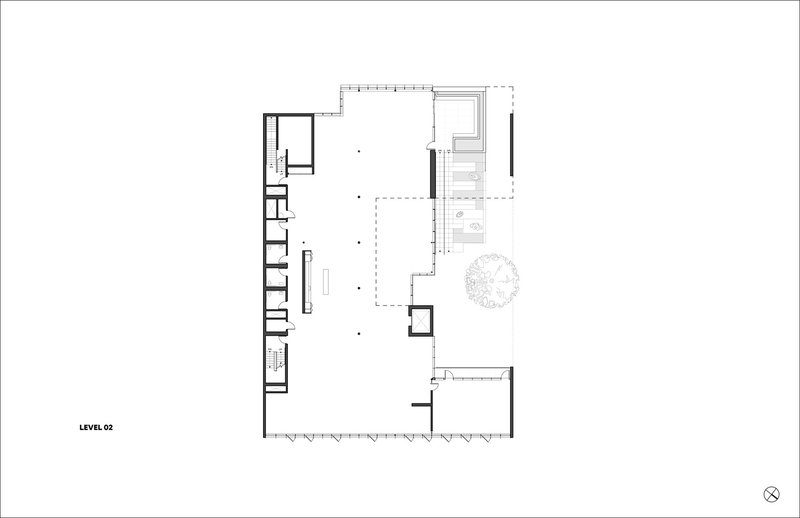
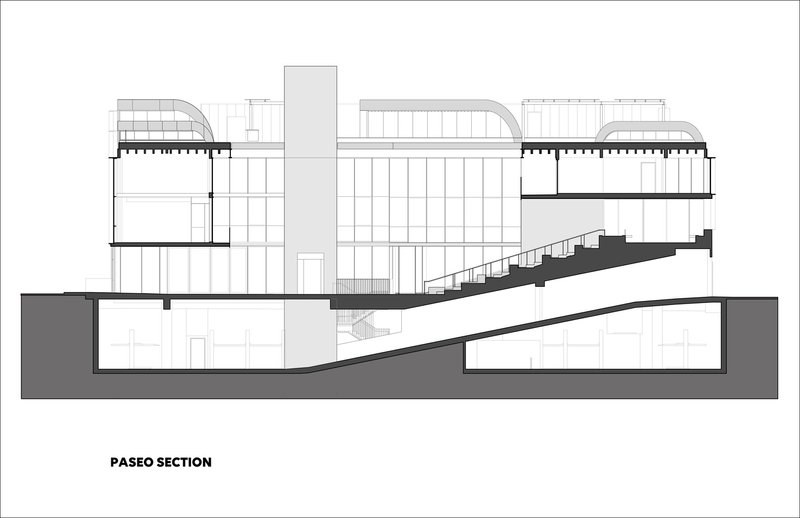
At the heart of the development is a landscaped courtyard, or paseo, which connects the public street to a nearby park. This outdoor social spine is not only a central circulation route but a dynamic public realm where tenants and passersby can interact. By organizing the program around this shared space, the architecture promotes spontaneous gathering and enhances the sense of openness throughout the site.
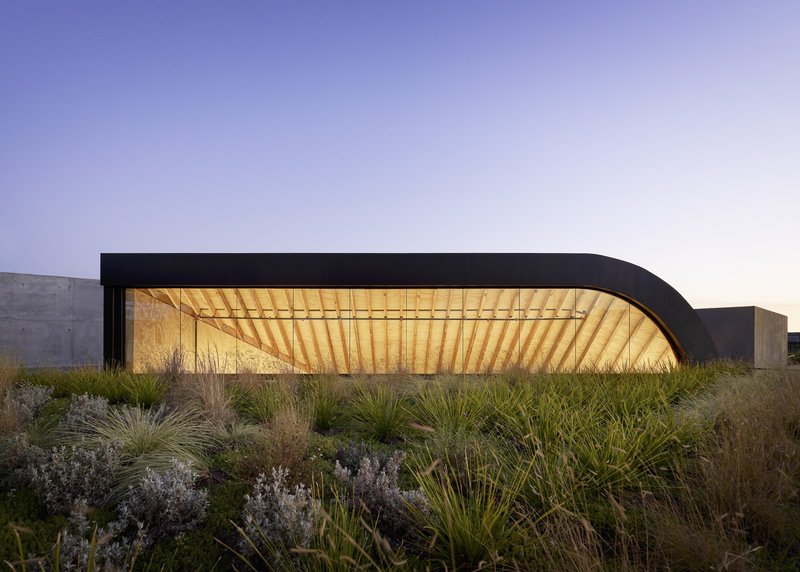
Architectural Form Informed by Local Heritage
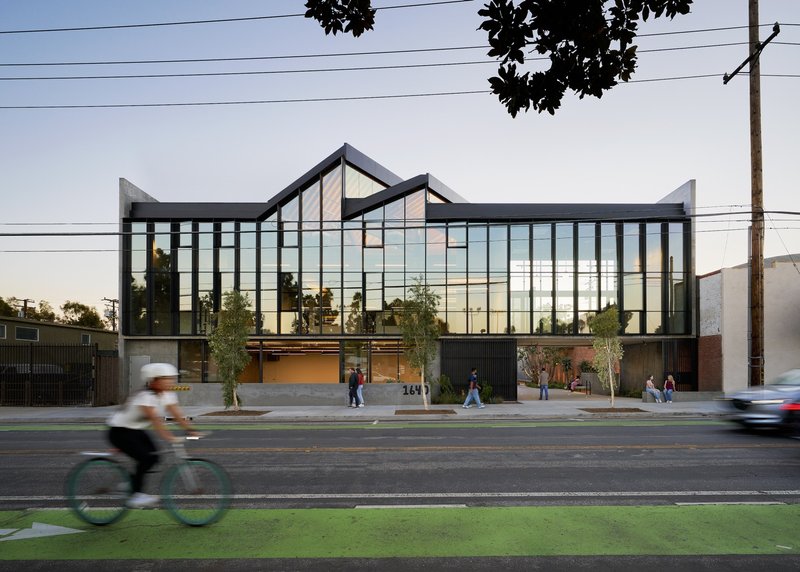
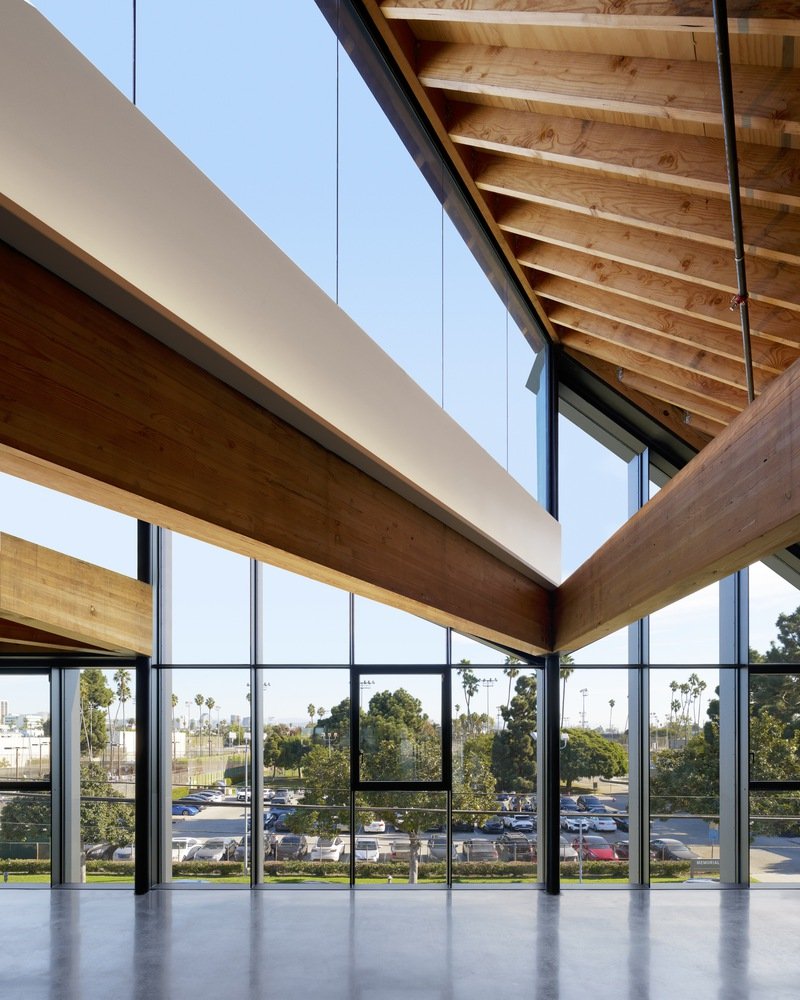
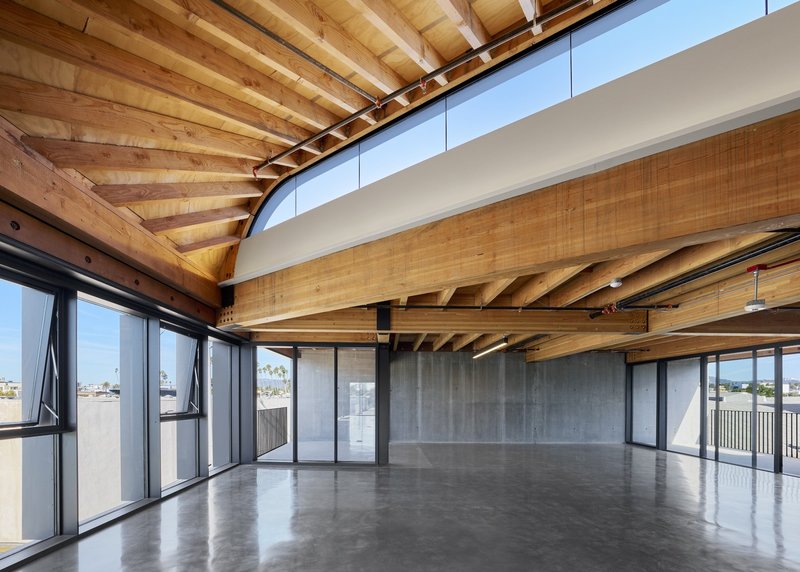
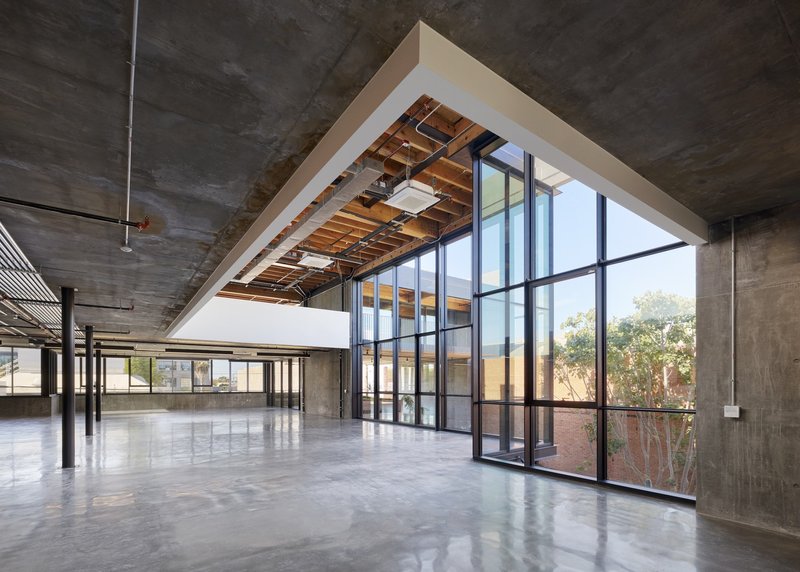
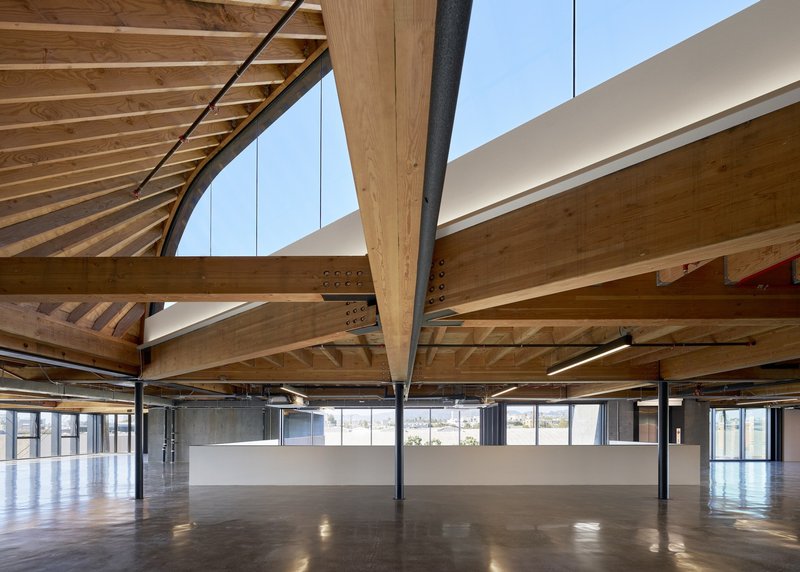
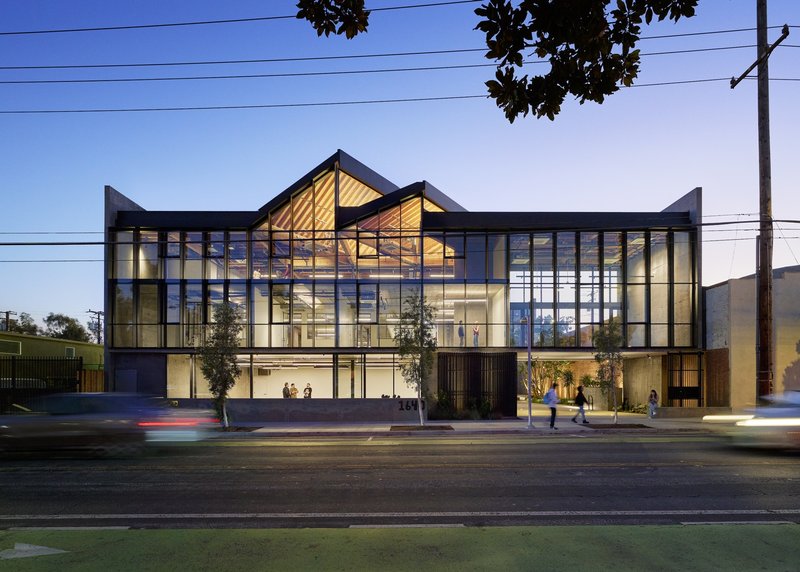
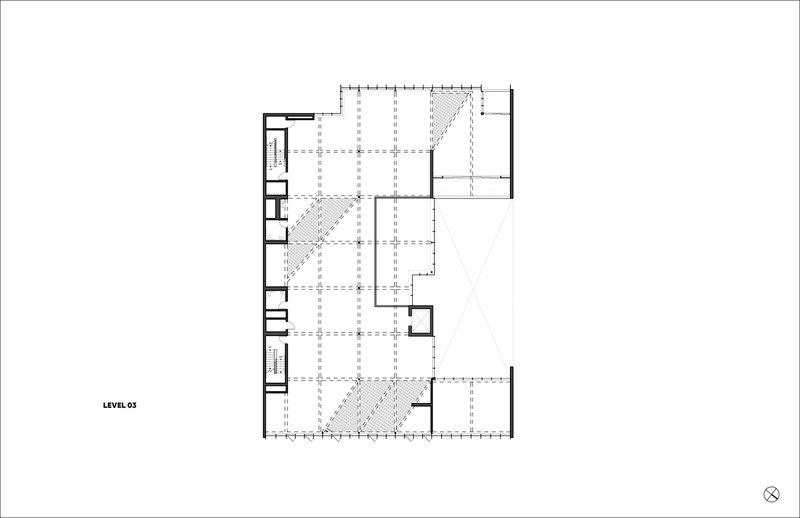
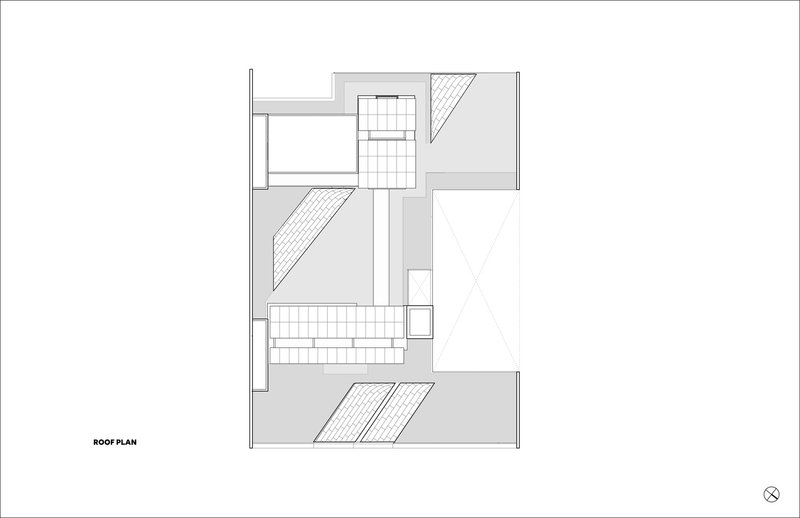
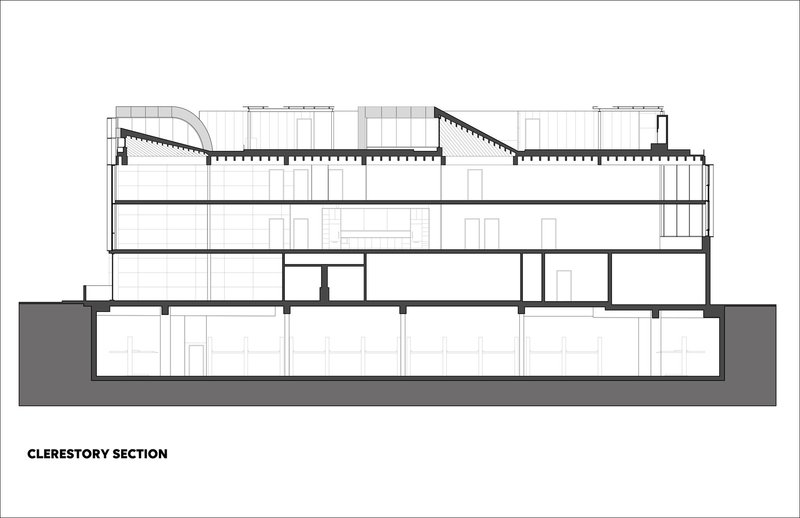
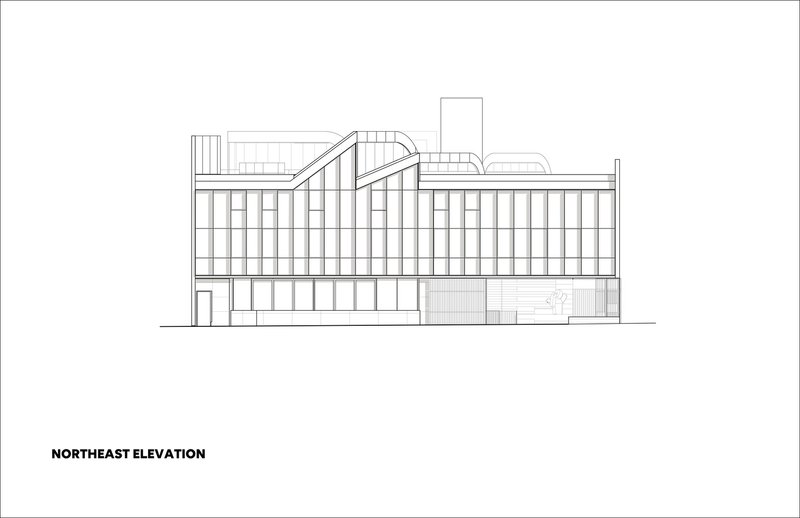
The structure’s roofline features curved profiles derived from historic warehouse stick frames, a nod to the industrial past of the area. These double-height spaces are crowned with north-facing clerestories that bring in abundant daylight, reducing the need for artificial lighting and enhancing occupant comfort. Private terraces on all floors provide additional outdoor areas, reinforcing the building’s indoor-outdoor dialogue.
Passive Design Meets Renewable Innovation
A key feature of this sustainable commercial architecture is its integration of passive design strategies. The building maximizes daylight through clerestory glazing and uses high-performance, north-facing glass to minimize solar heat gain while preserving transparency. Operable windows facilitate cross-ventilation, significantly reducing the reliance on mechanical cooling systems despite generous glazing throughout the structure.
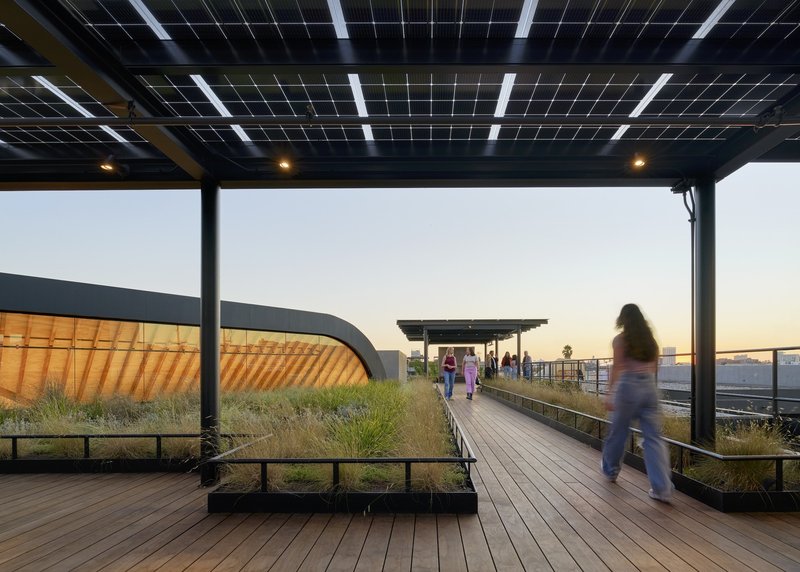
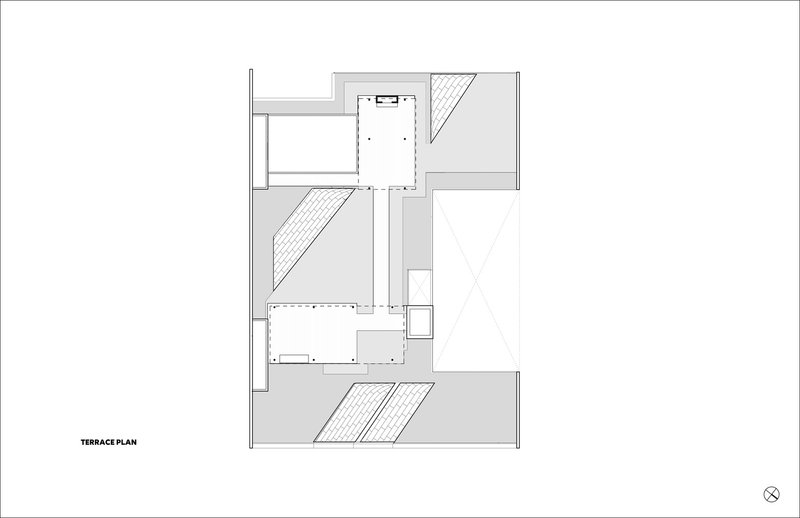
On the rooftop, a trellis-mounted solar photovoltaic array doubles the requirements of Santa Monica’s ZNE (Zero Net Energy) Reach Code. This renewable system not only powers the building but also shades rooftop gathering areas, blending energy performance with comfort and usability.
Material Strategy and Local Sourcing
Sustainability is further reinforced through thoughtful material selection. Locally fabricated steel windows and doors, along with natural and regionally sourced construction materials, contribute to a reduced carbon footprint. The emphasis on durability and low-maintenance finishes ensures the building’s longevity while aligning with environmental responsibility.
Health, Wellness, and Social Connectivity
Designed with occupant well-being in mind, 1640 14th St prioritizes natural ventilation, daylight, and biophilic design. The courtyard and rooftop garden—both landscaped with native plantings—offer tranquil, restorative environments that support mental and physical health. These green zones serve as extensions of workspaces and foster a culture of community engagement among tenants and visitors alike.
The ground-floor restaurant opens directly onto the street and paseo, transforming what was once a private, industrial lot into a vibrant public amenity. In doing so, the building not only enhances its commercial function but also contributes to the broader urban fabric of Santa Monica.
A Template for Sustainable Urban Growth
1640 14th St represents a shift in commercial development—one that values context, sustainability, and social impact. Through architectural innovation, ecological stewardship, and civic engagement, HGA’s design offers a compelling model for how sustainable commercial architecture can shape healthier cities and stronger communities.
All Photographs are works of Eric Staudenmaier




Popular Articles
Popular articles from the community

Alton Cliff House: A Harmonious Retreat by f2a Architecture in Lake Country, Canada
Alton Cliff House blends corten steel, prefabrication, and sustainable design, creating a luxurious, energy-efficient retreat perched on Canadian cliffs.
Fifth NRE Jazz Club – De Bever Architecten: Eindhoven’s Revitalized Cultural Hub
Historic gas factory transformed into Fifth NRE Jazz Club blending modern sustainability, jazz culture, dining, and heritage architecture seamlessly.

Solar Steam: A Climate-Responsive Architecture That Redefines the Monument
A climate-responsive memorial architecture that transforms heat, decay, and time into a living system reflecting humanity’s ecological impact.
Inverted Architecture Installation by Studio Link-Arc: Exploring the Intersection of Architecture and Living Organisms
Inverted Architecture Installation by Studio Link-Arc blends mycelium, sustainability, inverted design, ecological cycles, and urban adaptive architecture in Shenzhen.

Similar Reads
You might also enjoy these articles


The Ken Roberts Memorial Delineation Competition (Krob)
As the most senior architectural drawing competition currently in operation anywhere in the world, it draws hundreds of entries each year, awarding the very best submissions in a series of medium-based categories.

Waterfront Redevelopment and Urban Revitalization in Mumbai: Forging a New Dawn for Darukhana
A transformative waterfront redevelopment project reimagining Darukhana’s shipbreaking heritage into an inclusive urban future.

OUT-OF-MAP: A Call for Postcards on Feminist Narratives of Public Space
Rhizoma Design and Research Lab invites artists, designers, architects, researchers, and students to reflect on how feminist perspectives can reshape public space. Selected works will be exhibited in Barcelona, October 2026. Submissions open until 15 April 2026.


Documentation Work on Buddhist Wooden Temple
Architectural syncretism and cultural hybridity: A comparative study of the Buddhist temples in Chattogram Hill tracks


Explore Architecture Competitions
Discover active competitions in this discipline




The International Standard for Design Portfolios


The Global Benchmark for Architecture Dissertation Awards


The Global Benchmark for Graduation Excellence


Challenge to reimagine the Iron Throne
Comments (0)
Please login or sign up to add comments
No comments yet. Be the first to comment!