

A Case Study of OIT Brasil Offices by Juliana Santana Arquitetura
This article explores the sustainable and ergonomic design features of the OIT Brasil Offices by Juliana Santana Arquitetura.


In the heart of Brasília, Brazil, the OIT Brasil Offices stand as a testament to innovative office design and sustainable architecture. Designed by Juliana Santana Arquitetura and completed in 2022, this project exemplifies modern architectural principles blended with environmental consciousness. This article delves into the specifics of this architectural marvel, focusing on its design elements, sustainable features, and ergonomic considerations, optimized for the keyword "sustainable office design".
Emphasizing Sustainability in Office Design
Design and Architecture of OIT Brasil Offices
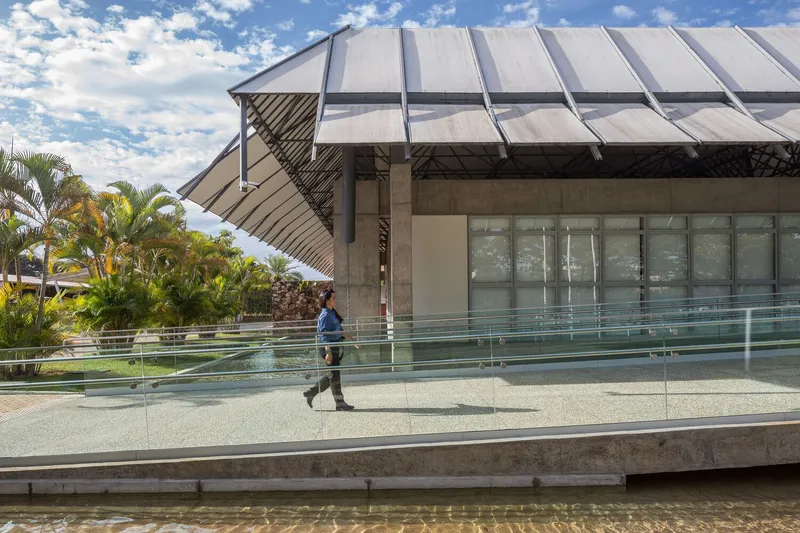
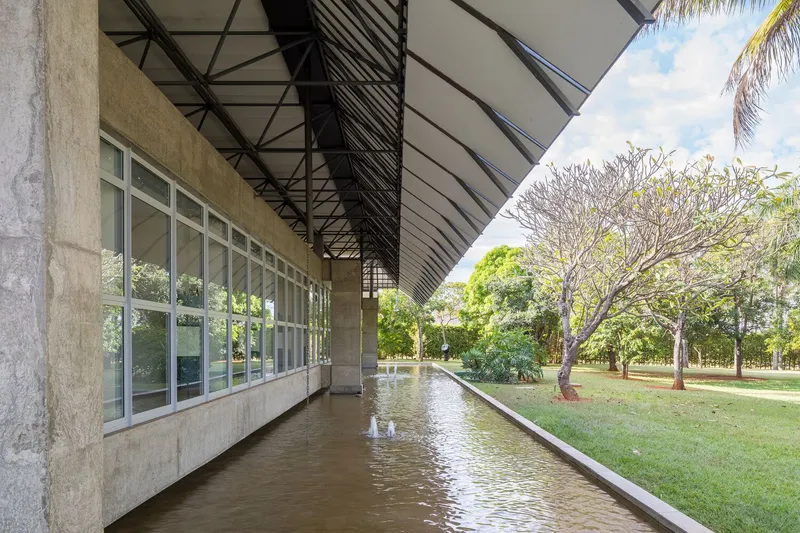
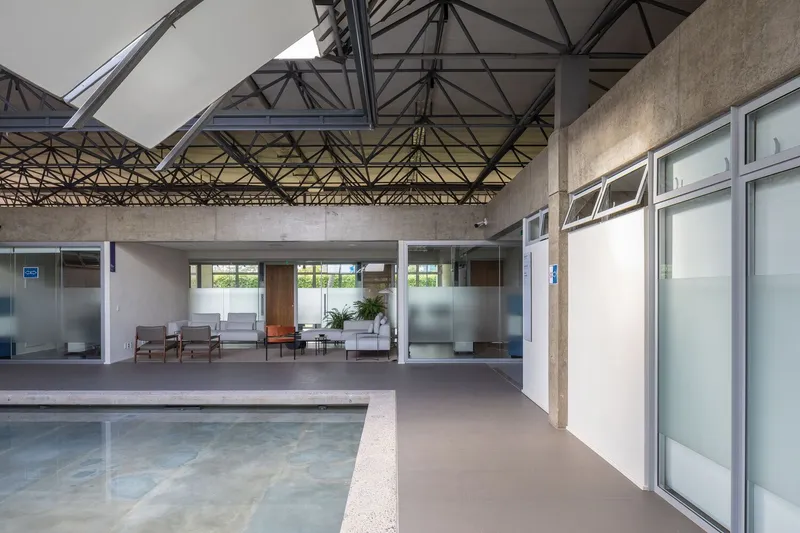
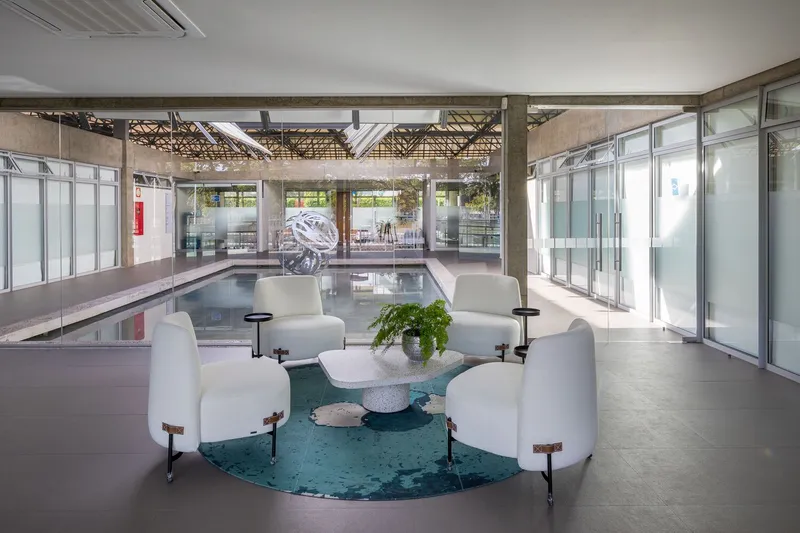
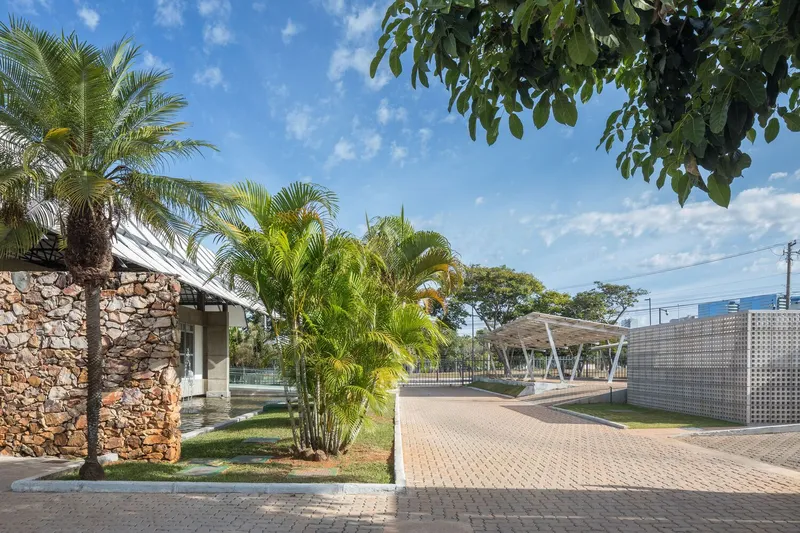
The OIT Brasil Offices project by Juliana Santana Arquitetura spans an impressive area of 1000 m², featuring a design that prioritizes safety, health, ergonomics, and sustainability. The architectural strategy preserves key elements of the original building while introducing modern materials and technologies. The fusion of exposed concrete, overhead steel structures, and water mirrors with modern elements like cementitious board coverings and mineral panels showcases a blend of old and new.


Sustainable Features and Environmental Impact
A cornerstone of the OIT Brasil Offices' design is its commitment to sustainability. The project incorporates features such as dry construction techniques, replacement of facade glass for improved thermal performance, and the use of reflective paint on the roof to minimize heat absorption. These elements significantly reduce the building's energy requirements, aided further by an efficient LED lighting system and a photovoltaic installation capable of generating 75 kW of power, covering up to 70% of the building’s energy needs.


Advanced Ergonomic and Soundproofing Solutions in Office Design
Ergonomic Considerations in Workspace Layout
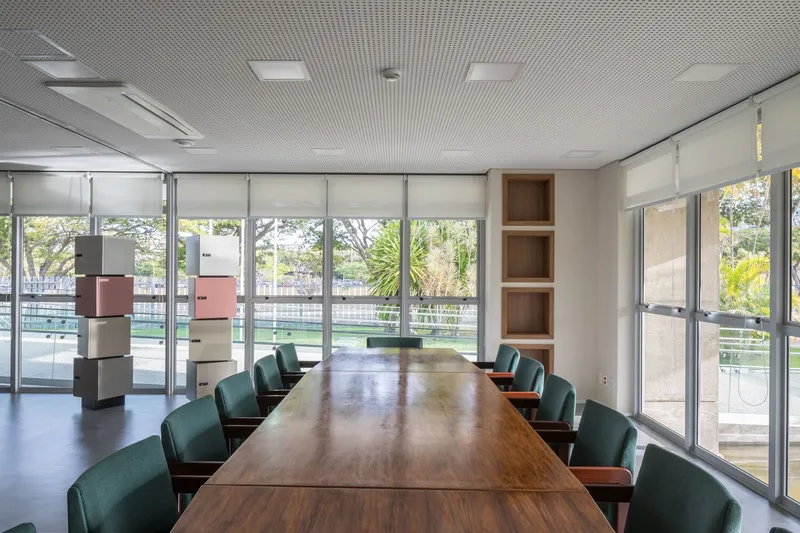
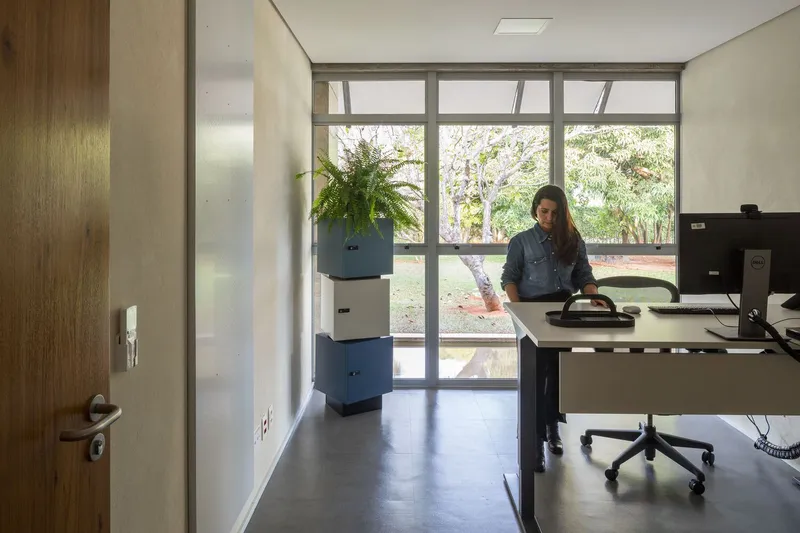
Juliana Santana Arquitetura has placed a strong emphasis on creating ergonomic work environments within the OIT Brasil Offices. Furniture with enhanced ergonomic features has been selected to ensure comfort and reduce the physical strain for office workers. Ergonomics extends beyond furniture, with spatial design that includes ample natural lighting and intelligently zoned spaces for different work activities.


Soundproofing for Optimal Work Environment
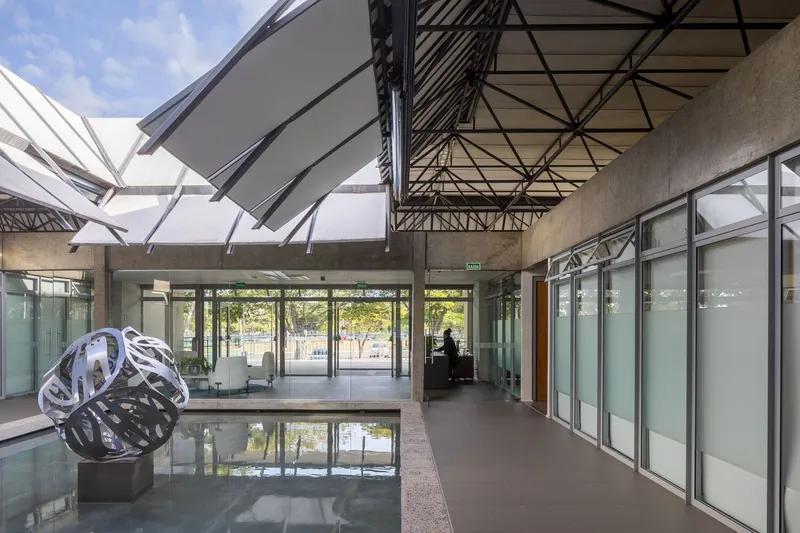
Soundproofing is a critical aspect of modern office design, especially in dynamic environments like the OIT Brasil Offices. The use of gypsum boards with glass wool in workspaces and specialized materials in high-activity areas such as training rooms and the director’s office ensures a quiet work environment. This is complemented by double-glazing and acoustic treatment ceilings that isolate and manage sound efficiently.

Integration of Technology and Design for Enhanced Functionality
Smart Use of Materials and Technology
The integration of smart materials and technology in the OIT Brasil Offices not only supports sustainability but also enhances functionality. The choice of materials like mineral panels and frosted glass films enhances maintenance efficiency and privacy without sacrificing natural light. Additionally, the strategic placement of vinyl flooring provides durability and contributes to the building’s overall sound management strategy.

Modernizing Essential Spaces: Kitchen and Dining Facilities
The modernization of the pantry and kitchen areas in the OIT Brasil Offices was aimed at expanding and upgrading these essential spaces. State-of-the-art installations and finishes were employed to create a welcoming and functional dining area for employees, further emphasizing the project's holistic approach to office design.
The OIT Brasil Offices by Juliana Santana Arquitetura exemplify how sustainable office design can be achieved without compromising on aesthetics, functionality, or environmental responsibility. This project serves as a blueprint for future constructions aiming to blend innovative design with sustainability. With every architectural element and design decision geared towards creating a sustainable and efficient workspace, the OIT Brasil Offices not only reflect the future of office architecture but also demonstrate how businesses can thrive in harmony with the environment.
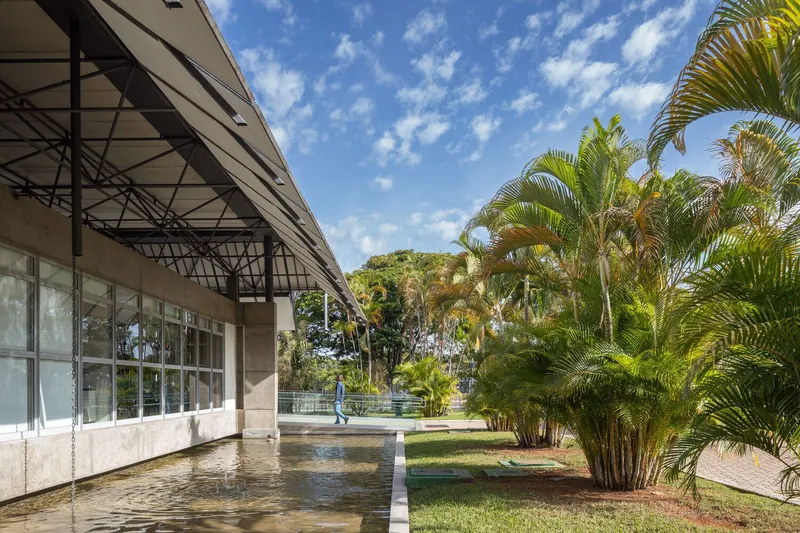
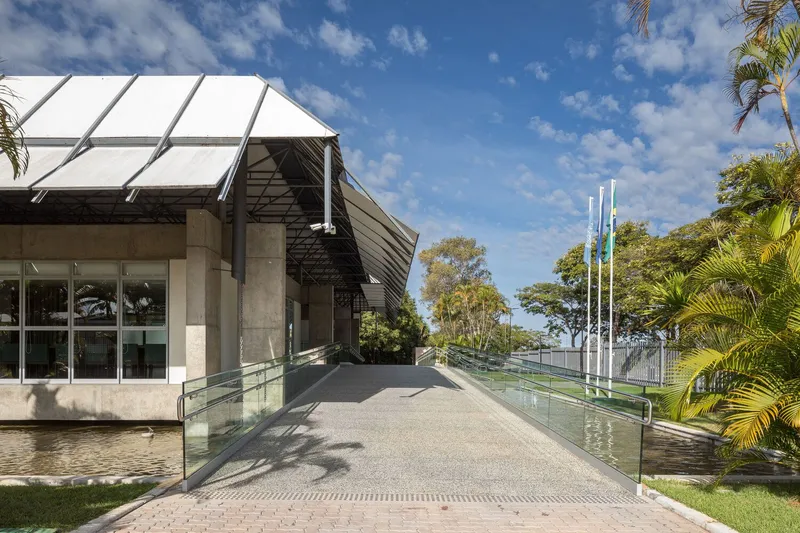
All the photographs are work of Haruo Mikami


Popular Articles
Popular articles from the community


Jaramillo Van Sluys Arquitectura and Urbanismo Turn a Demolished Registry Lot in Quito into an Orchard Plaza
In Quito's Centro Histórico, a 2,800 m² plaza exposes the San Agustín convent wall and redraws its lost Augustinian orchard in volcanic stone.

longwave studio Reorganizes a 112 m² Tainan Apartment Around the Daily Routines of a Family and Two Cats
In Tainan, Taiwan, birch plywood, rust-red furniture and a freestanding plaster wall link arrival, storage, work and family life in one apartment.

U.GA Architects Wraps an Oval Rooftop Pool in Curved Board-Formed Concrete on Busan's Jeollidan-gil
In Busan's Jeonpo-dong, a 454 m² mixed-use block stacks a neighborhood facility, guest rooms and an oval rooftop pool inside spiraling concrete walls.

Cube Design Draws an Ecological Corridor Between Two Shenzhen Hills with the Nankai Building
Beside Shenzhen's container docks, the Nankai Building pairs stacked balconies with a climbing green screen to connect two hillsides across its height.

Similar Reads
You might also enjoy these articles


Hodi-Mandai Geram
Project Function: Preservation and revitalization of the Intangible heritage and socio-spatial identity of the Hodi by Housing, Cultural Memory Center, Sacred Grove, landscape, local tourism economy


Olio Towers: A Mid-Rise for Performers That Fuses Housing, Rehearsal, and Stage
Located blocks from Houston's Theater District, this modular tower stacks living units around a central performance atrium.

Oasis: Modular Green Housing Carved into Dhaka's Urban Fabric
A shortlisted Plugin Housing entry reclaims unauthorized settlements in Dhaka with stepped concrete volumes, green roofs, and ventilation-driven design.

Black Hole: A Floating Megastructure for the Post-Physical Era
Emiliano Mazzarotto envisions a spherical, self-scaling arena where e-sports, digital hotels, and holographic stadiums replace traditional public space.

Explore Office De Architects Competitions
Discover active competitions in this discipline

Challenge to reimagine the Iron Throne

Photograph architecture without architects

Illustrate the lost glory of Angkor Wat - Render Challenge

Design challenge to reuse E-waste
Comments (0)
Please login or sign up to add comments
No comments yet. Be the first to comment!