
Adaptive Reuse Cultural Center: The Yard in Dalian by Neri&Hu
The Yard transforms industrial ruins into a contemplative adaptive reuse cultural center blending history, materiality, and urban community engagement.


Revitalizing Memory Through Architecture
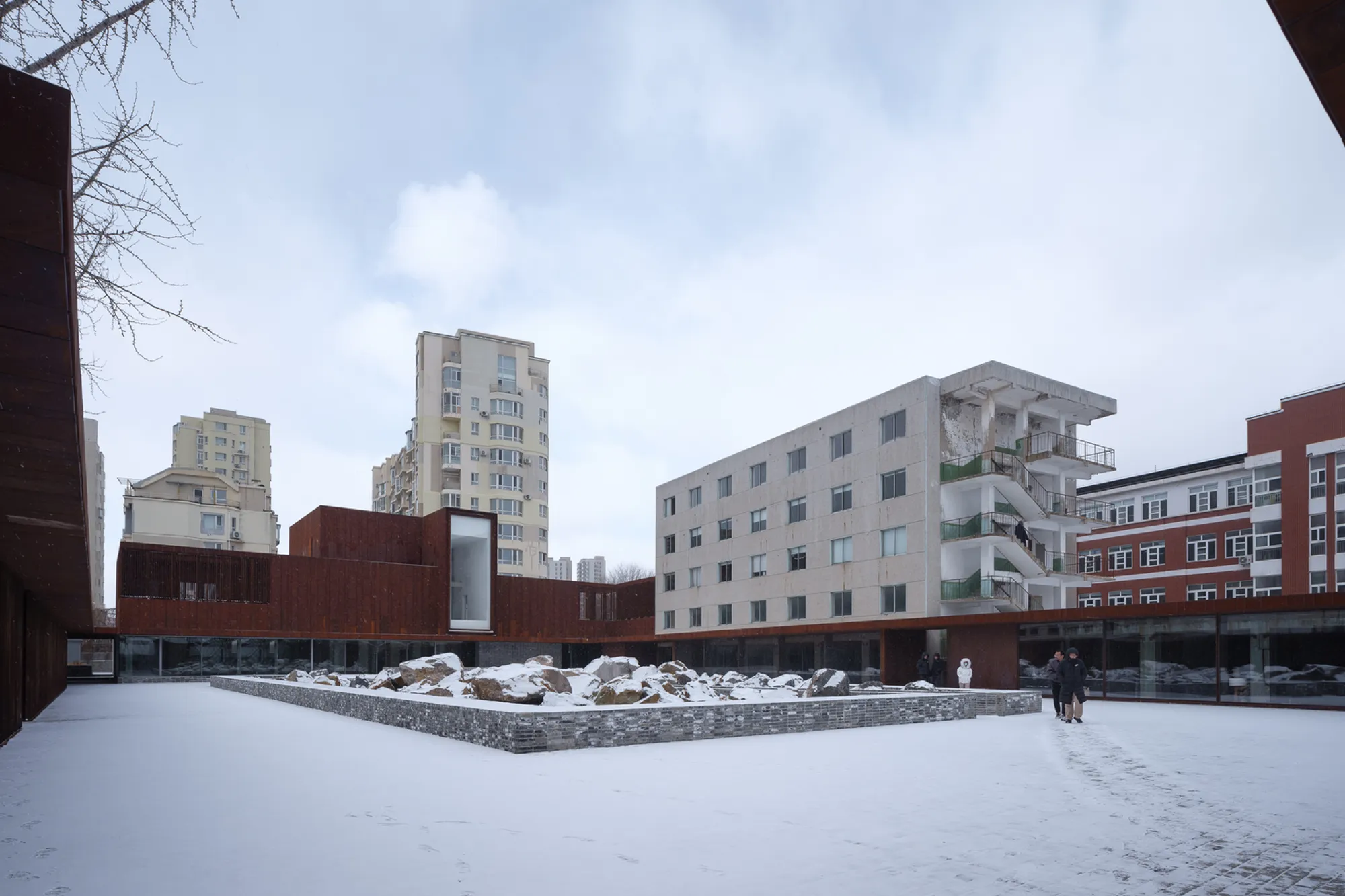
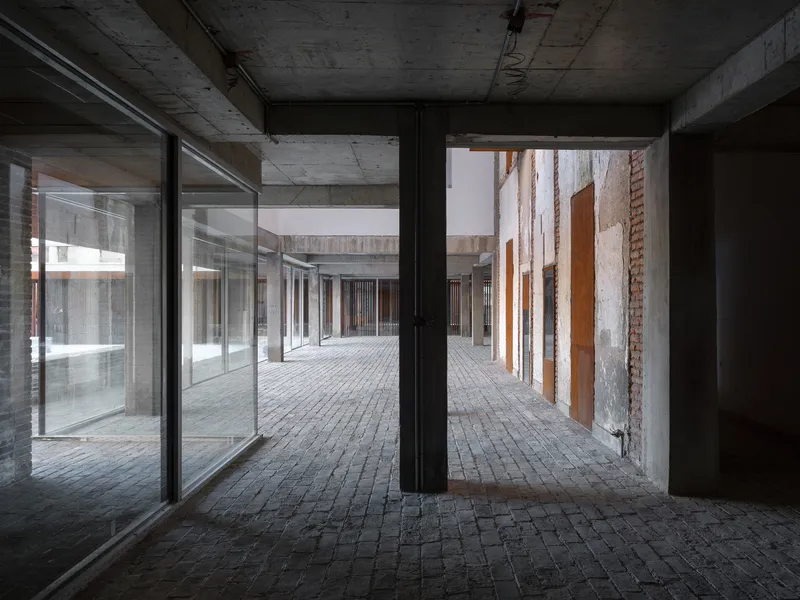
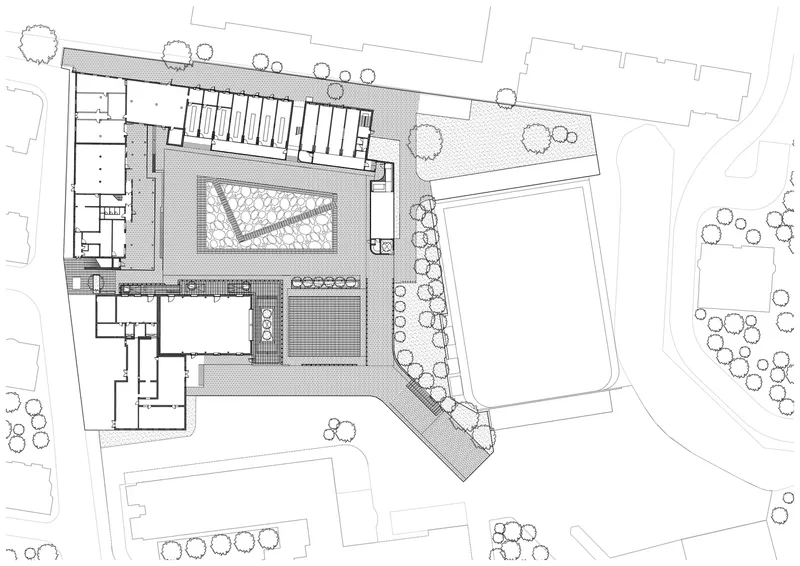
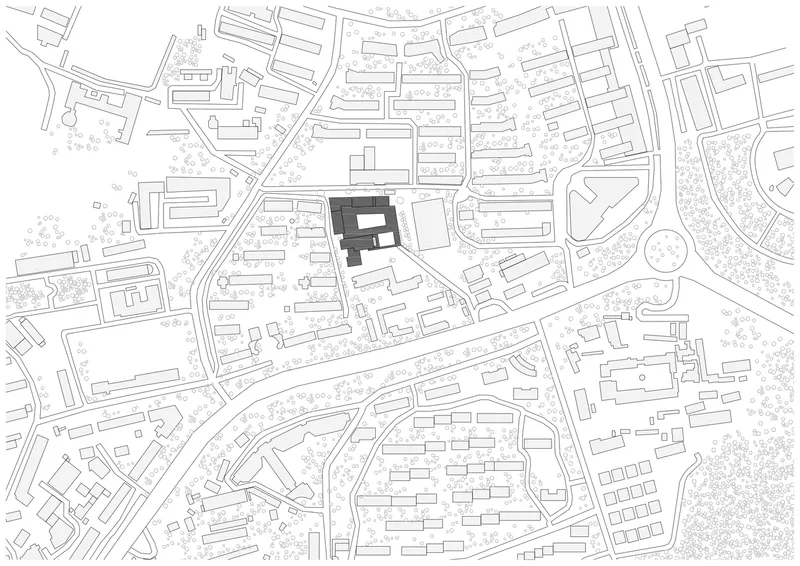
Located in the heart of Dalian, China, The Yard by Neri&Hu Design and Research Office is a powerful example of adaptive reuse cultural center design. Set within a formerly industrial compound of six disparate buildings, this 4,631 m² project transforms a forgotten urban pocket into a vibrant public destination that bridges heritage and contemporary culture. Originally serving as warehouses, dormitories, and offices for a chemical research institute, the site is now reimagined as a unified architectural experience that invites reflection, interaction, and renewal.

The Vision Behind The Yard
The concept of The Yard emerged from the site's quiet, hidden nature—a rare urban sanctuary. Surrounded by university campuses and software parks, it offered the opportunity to serve the neighboring academic and cultural communities. Neri&Hu saw this site not only as a development opportunity but as a chance to preserve and reinterpret a fading chapter of urban memory through an adaptive reuse cultural strategy.



A Courtyard-Centered Cultural Hub
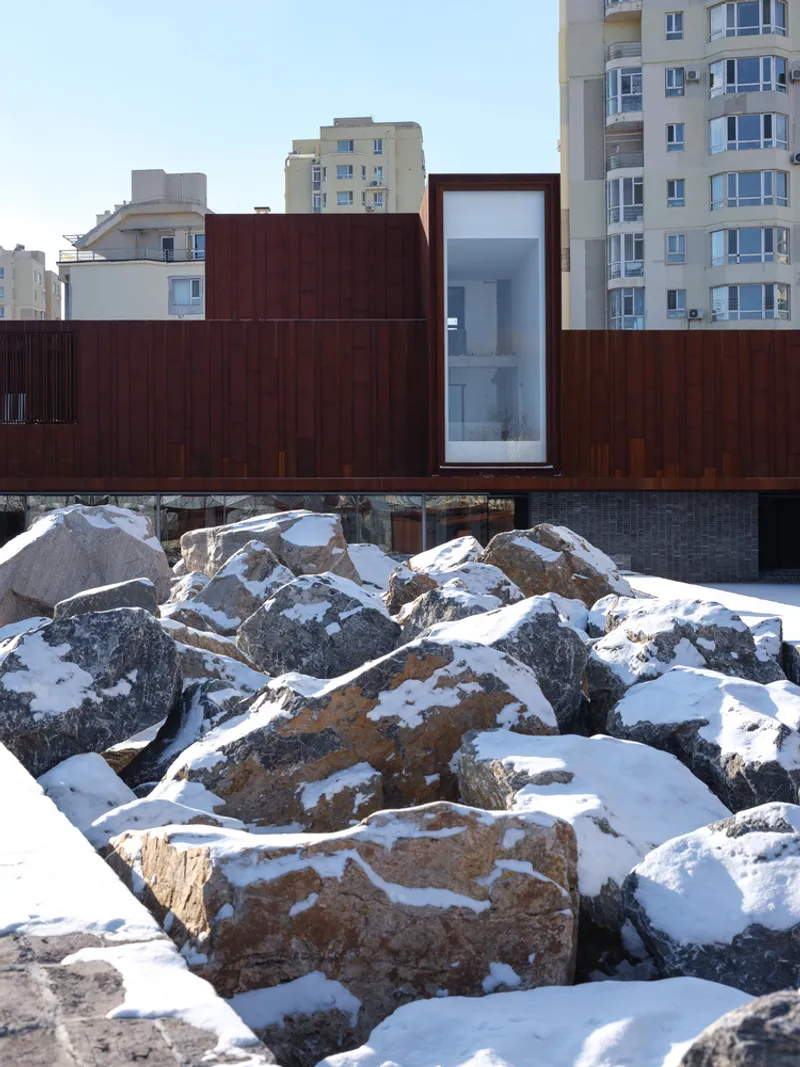
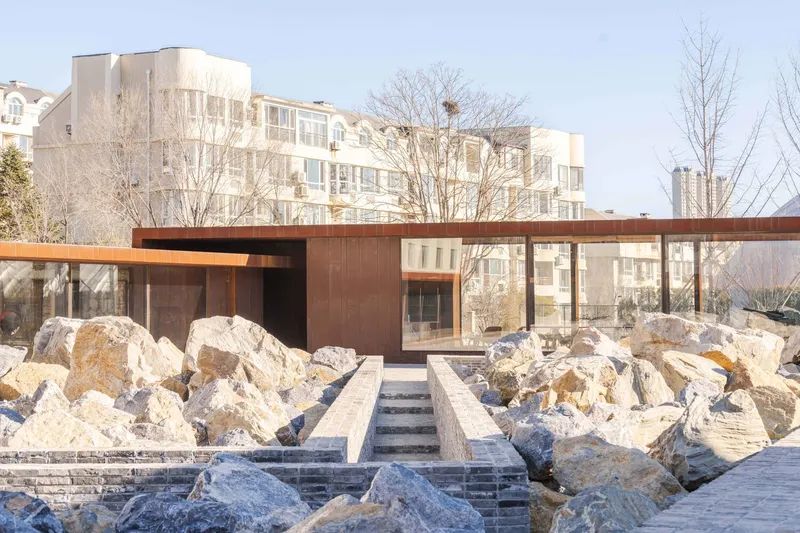
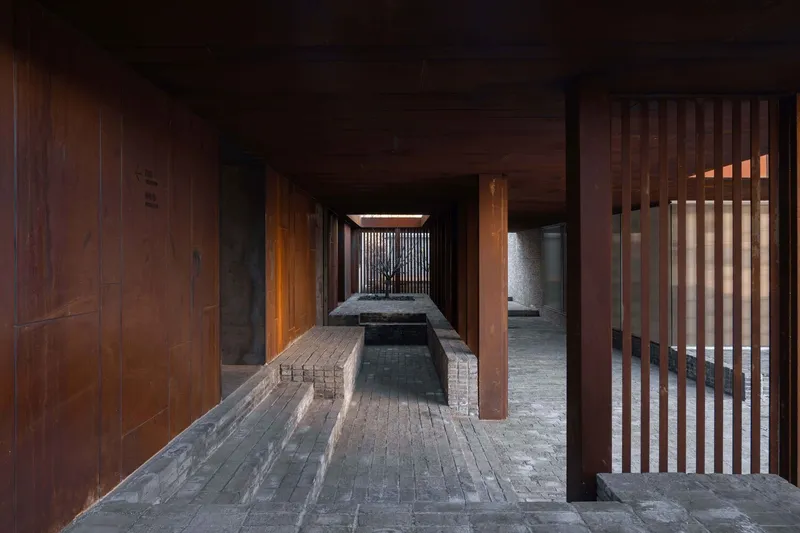
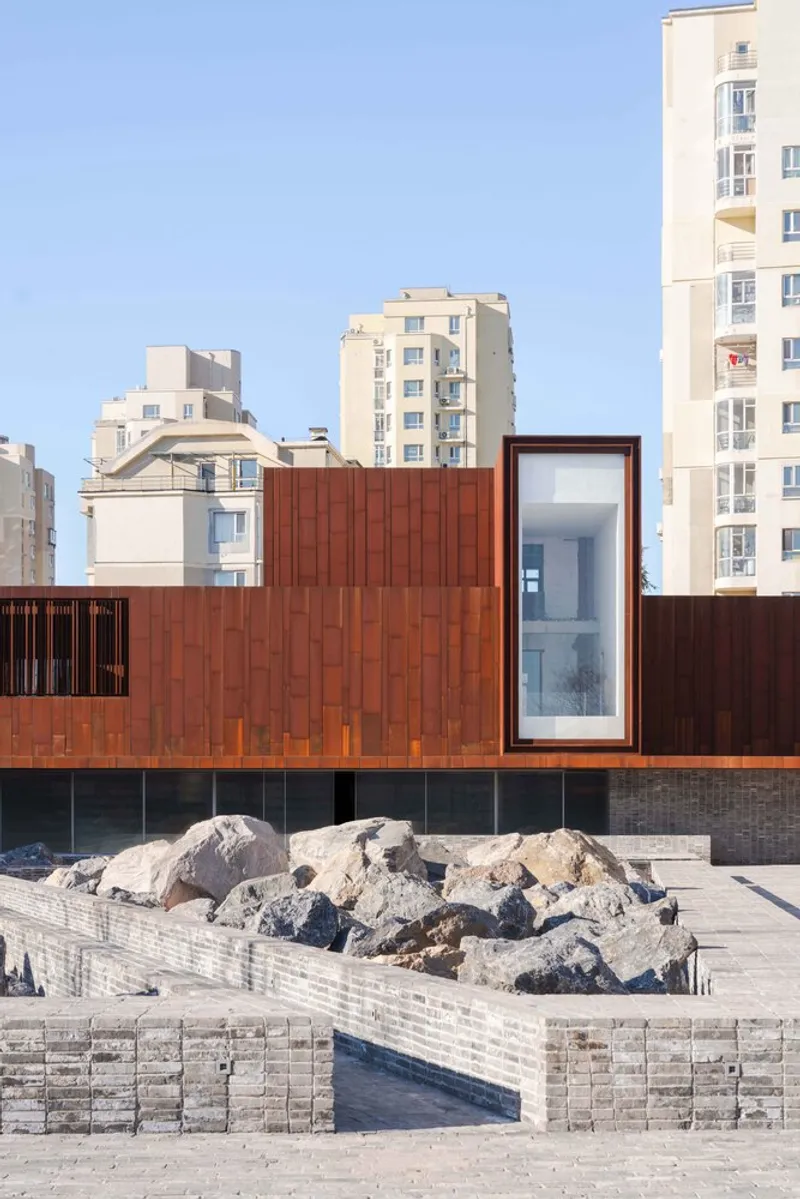
The original U-shaped layout of the buildings surrounded a vacant parking lot, introverted and underused. Neri&Hu's intervention completes the courtyard with architectural inserts—new walls, screens, and canopies—redefining spatial relationships while maintaining the original geometry. The courtyard, inspired by traditional Chinese gardens, acts as a contemplative retreat, anchored by a large stone feature and surrounded by shaded walkways and layered facades.


Multifunctional Program and Public Engagement
The Yard is a cultural and commercial hybrid. It houses galleries, a cinema, a small theater, lifestyle retail, hospitality spaces, and offices. The former dormitory is transformed into a functioning office, while a new public library welcomes visitors at the entrance. This layered programming ensures the space operates as a year-round community anchor while promoting creative and economic exchange.


Material Honesty and Historic Resonance
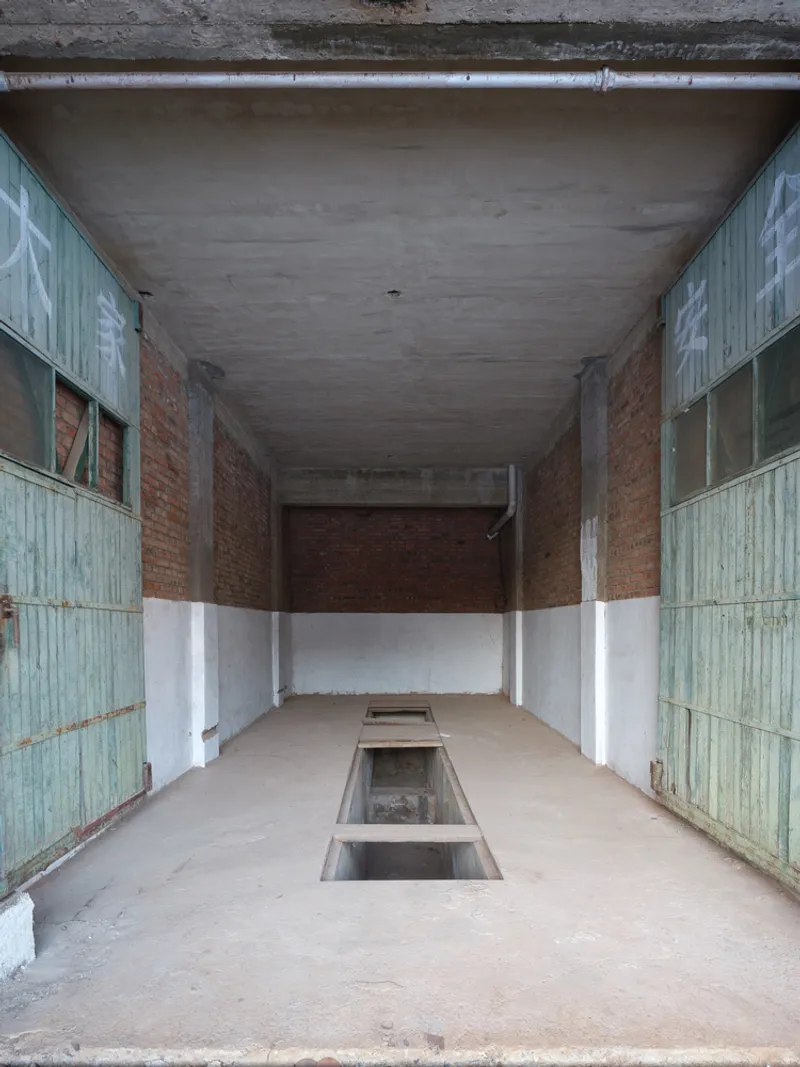
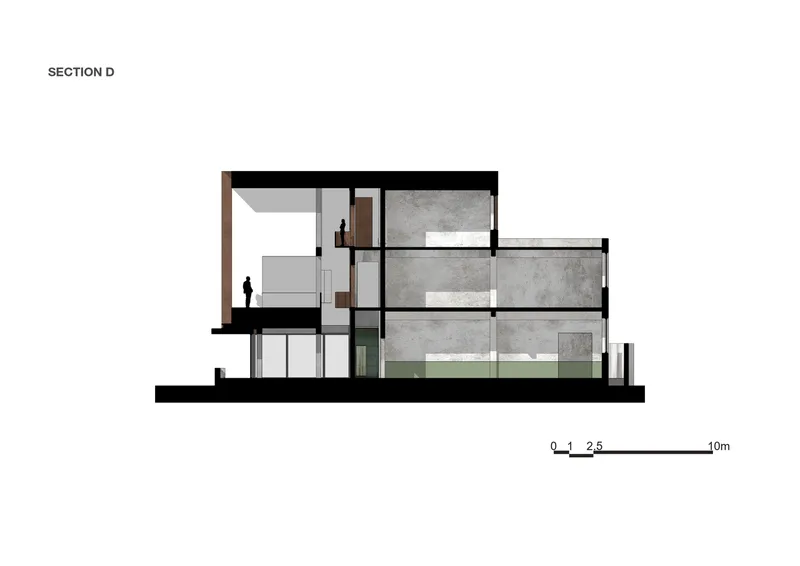
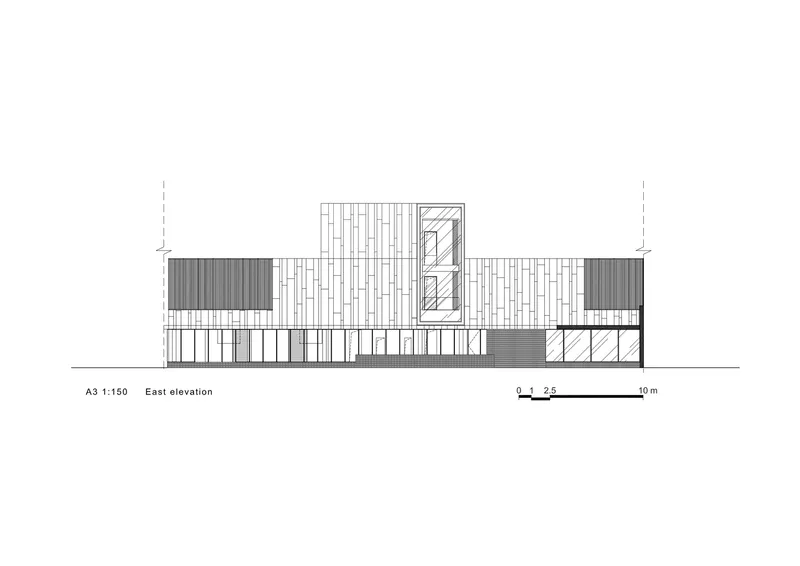
The material strategy underscores the site’s industrial history and layered evolution. Neri&Hu employed Corten steel as the dominant surface material for its ability to weather naturally and document the passage of time. Stucco, exposed brick, and new lime plaster finishes are carefully juxtaposed to emphasize contrast, enabling old structures to coexist with new interventions without erasure.
Architectural Dialogue Between Past and Present
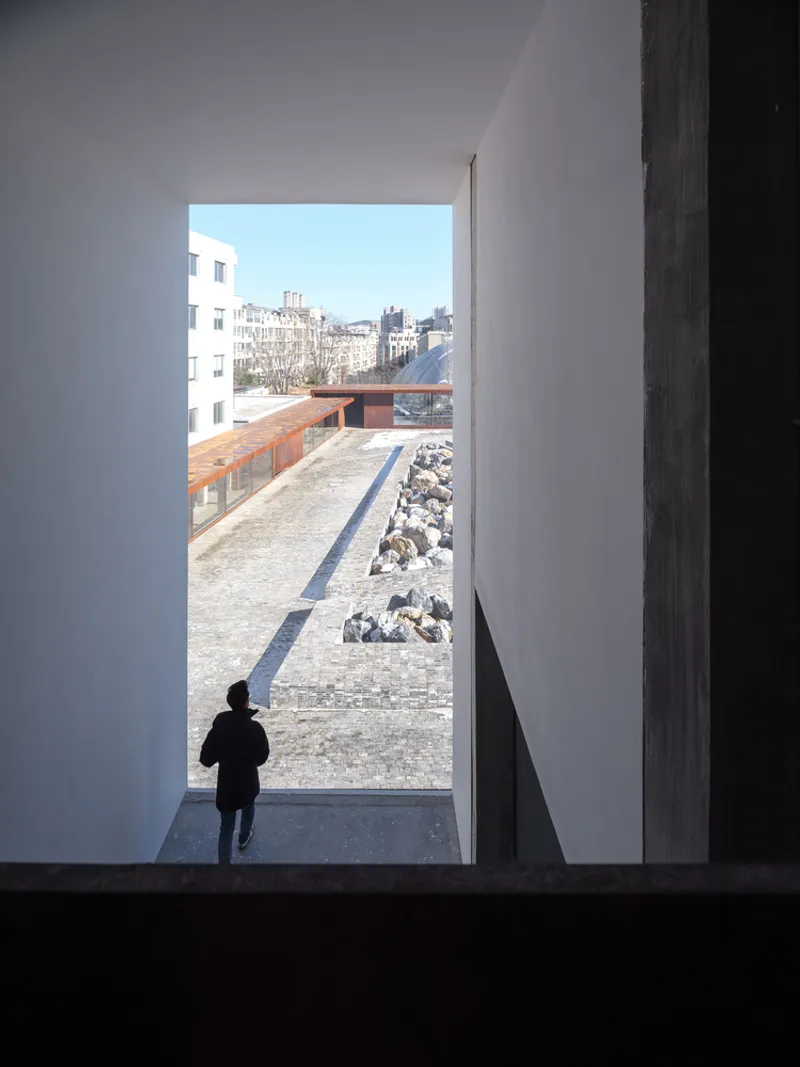
Interior design celebrates imperfection and process. Existing building elements are partially exposed and preserved. New insertions are clean, monolithic, and rational. This tension creates an architectural dialogue that avoids mimicry and instead embraces contrast—honoring both memory and modernity. The Yard becomes a case study in how adaptive reuse cultural centers can communicate temporal depth while inviting future narratives.


A Contemporary Chinese Garden of Culture
Framing the central courtyard as a garden and refuge, Neri&Hu draws on the traditional Chinese concept of hidden beauty—spaces that reveal themselves slowly, encouraging pause and exploration. In an urban context increasingly defined by density and speed, The Yard’s quiet, deliberate architecture offers something rare: a space to reflect on continuity in the face of rapid change.


All photographs are works of DONG Image, Runzi Zhu




Popular Articles
Popular articles from the community


Co-life: Sustainable Architecture for Age-Friendly Community Living
Co-life reimagines sustainable architecture for seniors through courtyards, rammed earth, shared gardens, and spaces designed for belonging.

Co-Life: Senior Housing Design That Reconnects Older Adults With the City
Co-Life reimagines senior housing design through healing gardens, shared streets, workshops, and a sustainable community across generations.

The Earth Pod: 3D Printed Homes for Resilient Refugee Communities
The Earth Pod reimagines refugee housing through 3D printed homes made from clay, combining resilience, self-sufficiency, and rapid shelter.

The Ocean Hive: Sustainable Architecture for a Self-Sufficient Civilization at Sea
The Ocean Hive imagines sustainable architecture at sea, where modular habitats, algae, wave power and ocean waste sustain a growing colony.


Similar Reads
You might also enjoy these articles

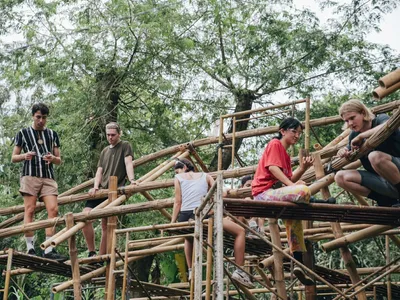
Bamboo Housing Challenge 2026: Design Affordable, Sustainable Homes Using Bamboo
An international design competition by Bamboo U and IBUKU inviting architects and designers to reimagine affordable housing using bamboo — with the winning design built full-scale in Bali.
Computational Design & Education: Beegraphy Design Awards Introduces 7th Category (Featuring Jiyun's Innovative Approach)
Dive into Beegraphy’s 7th Design Awards category, where computational design meets education to create immersive, interactive learning tools, inspired by Jiyun’s work.
From Parametric Lighting to Urban Furniture: Join the 2nd Workshop in Beegraphy’s Computational Design Series
Dive into Cutting-Edge Design Techniques and Practical Applications with Industry Experts

Last Call: Unleash Your Architectural Genius in SHAK's Kindergarten Design Competition
Urgent call for architects to join SHAK's kindergarten design competition before the looming deadline

Explore Architecture Competitions
Discover active competitions in this discipline



Challenge to reimagine the Iron Throne


Photograph architecture without architects


Illustrate the lost glory of Angkor Wat - Render Challenge


Design challenge to reuse E-waste
Comments (0)
Please login or sign up to add comments
No comments yet. Be the first to comment!