
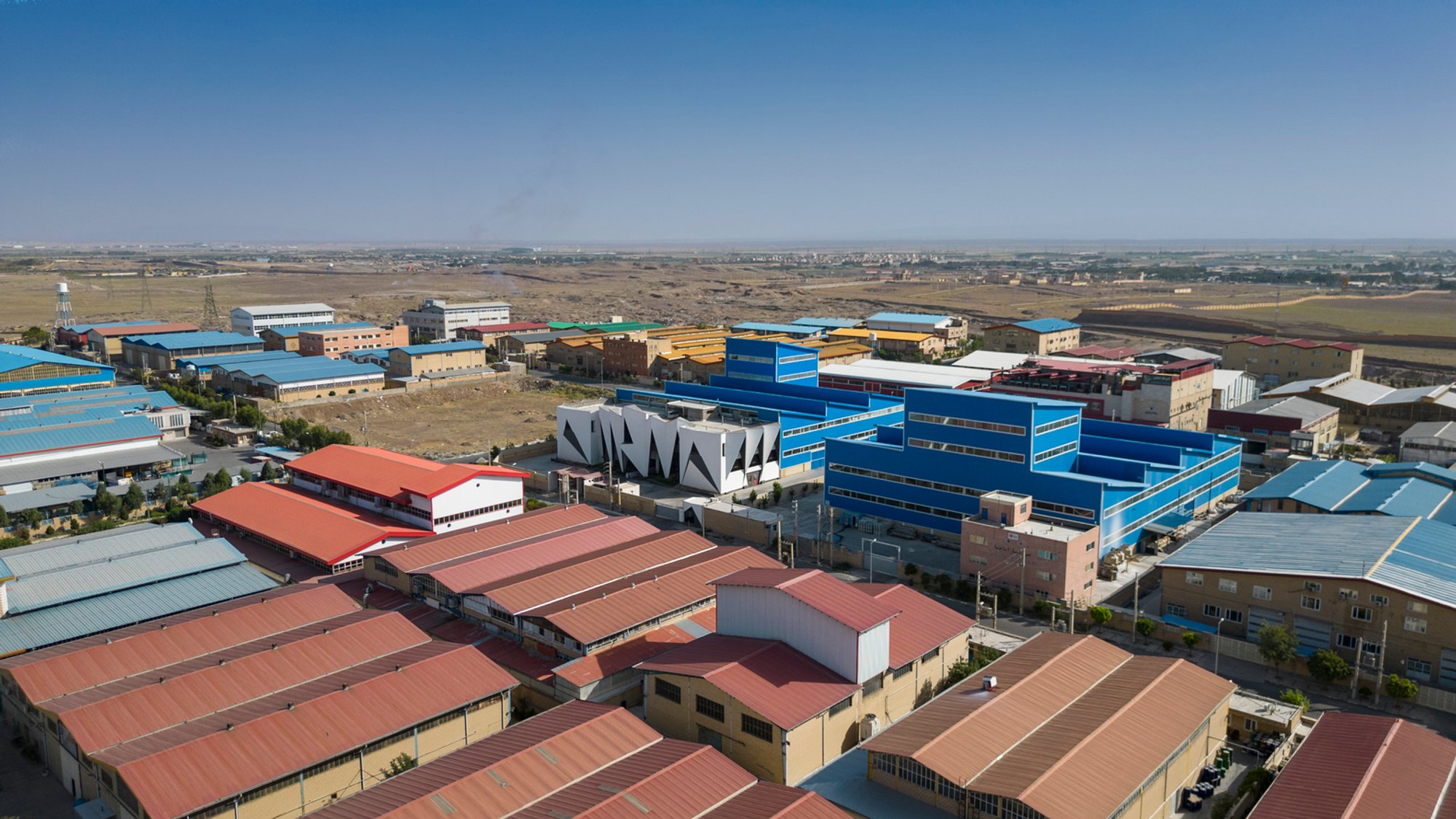
AnAhitA Factory Office Building by ShahrA Shahr – A Contemporary Reinterpretation of Industrial Architecture in Tajrish
A bold factory office blending branding, native architecture, and courtyard-focused design, redefining industrial spaces with identity, light, and dynamic geometric forms.

The AnAhitA Factory Office Building in Tajrish, Iran, designed by ShahrA Shahr, represents a bold rethinking of industrial architecture in a context long dominated by monotonous shed typologies. Completed in 2023 with a total built area of 2,500 m², the project redefines the spatial, visual, and cultural expectations of factory architecture through branding-driven design, native spatial cues, and a carefully orchestrated sequence of open and semi-open spaces.
Photographed by Khatereh Eshqi and Mohammad Amini, the building stands as one of the most significant contemporary works of the ShahrA Shahr Architecture Office, addressing the rigid morphology of Iranian industrial towns and introducing a new architectural narrative that invites engagement rather than passive acceptance.
Redefining Industrial Identity Through Architectural Branding
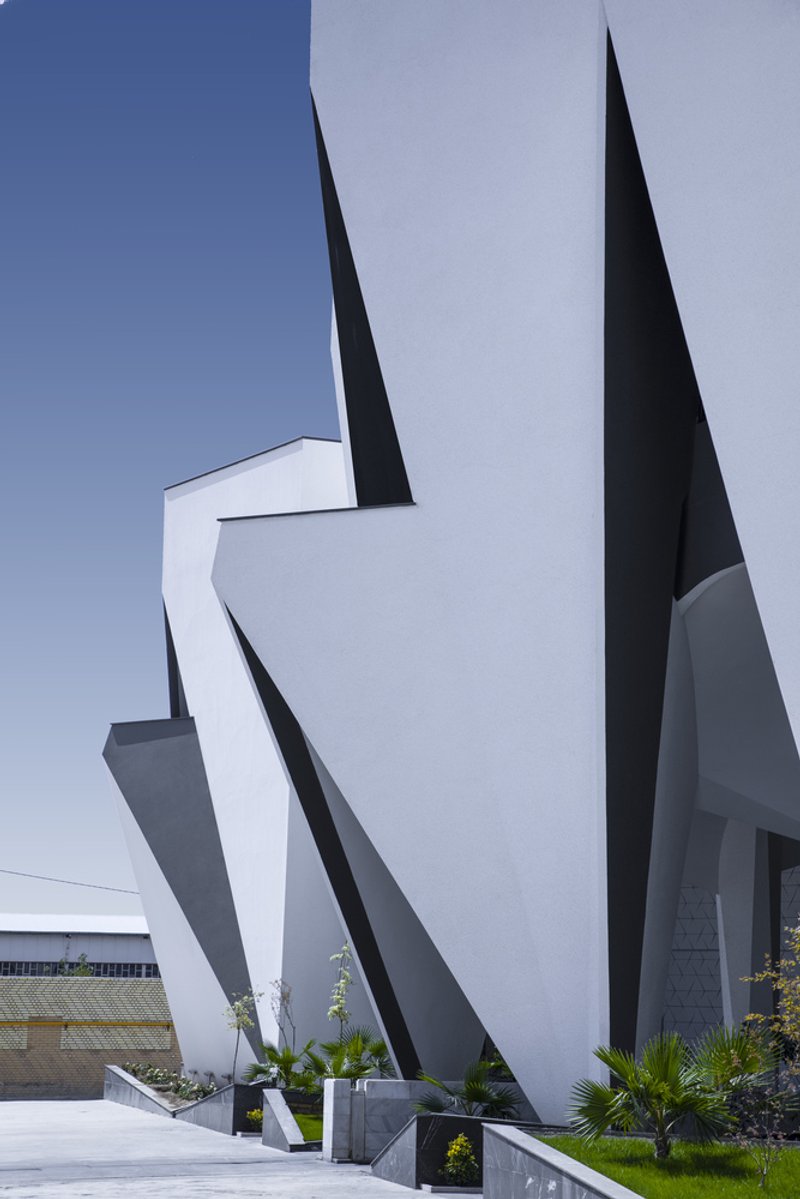
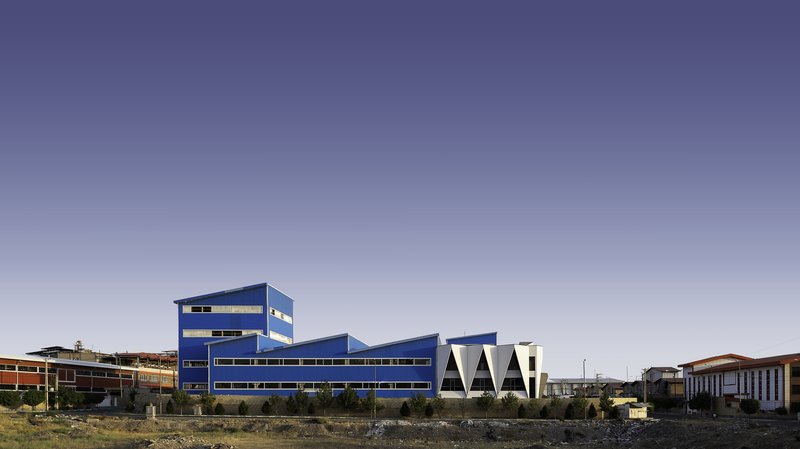
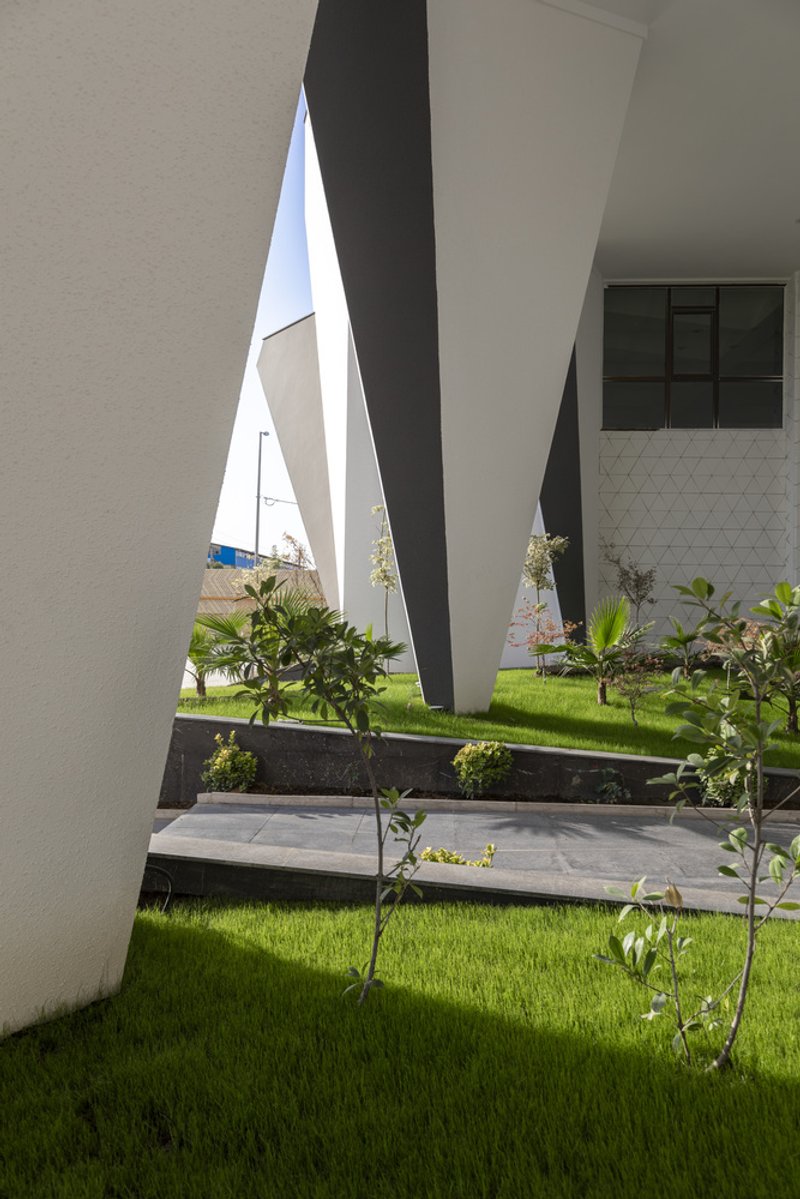
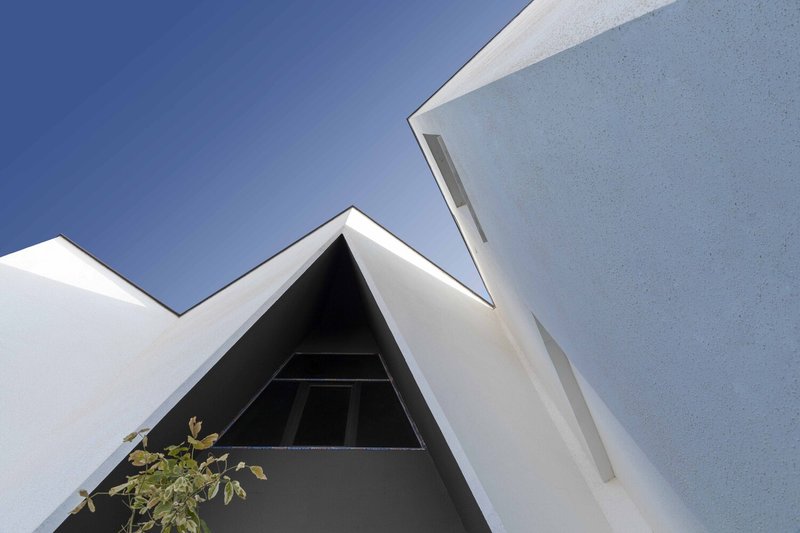
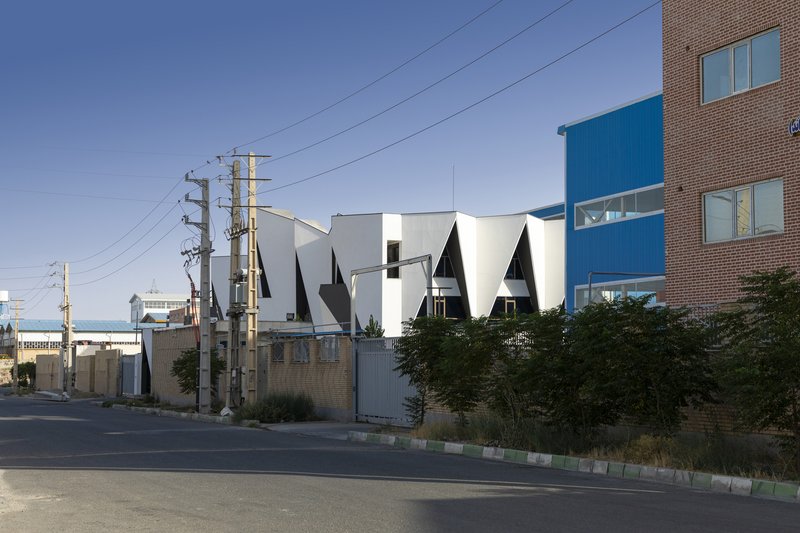
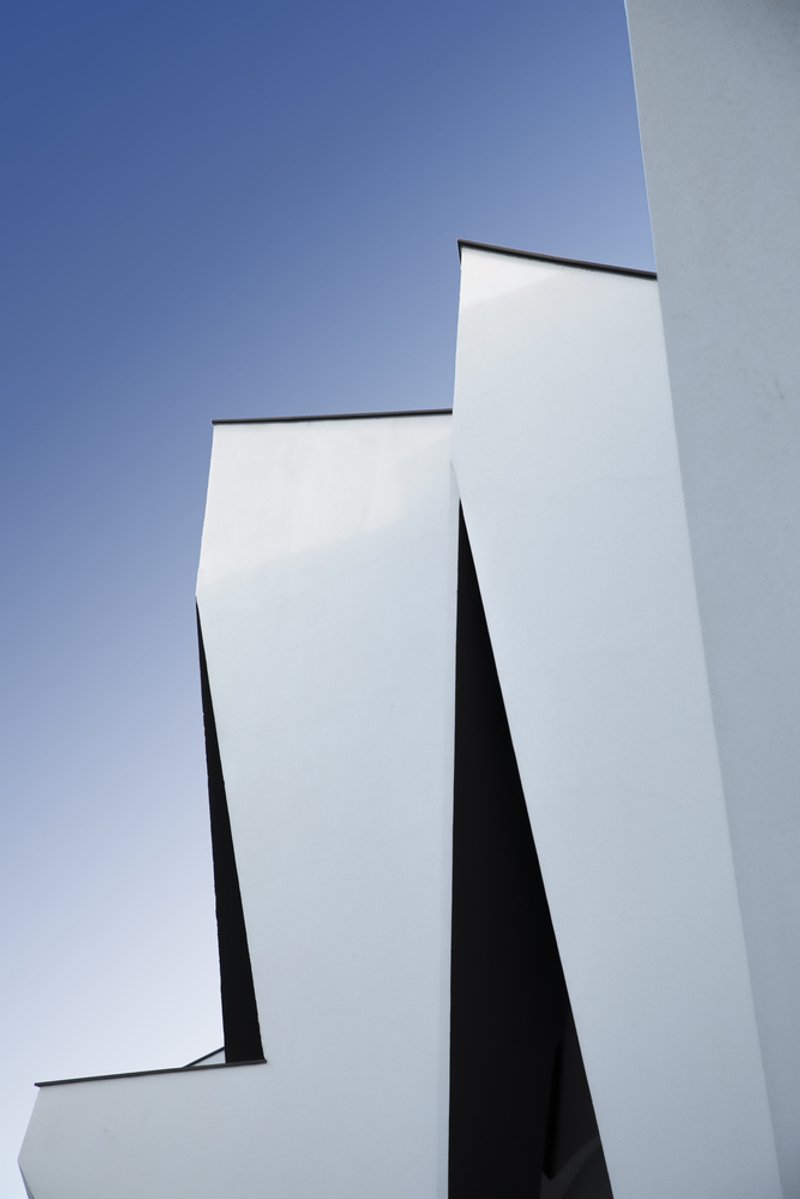
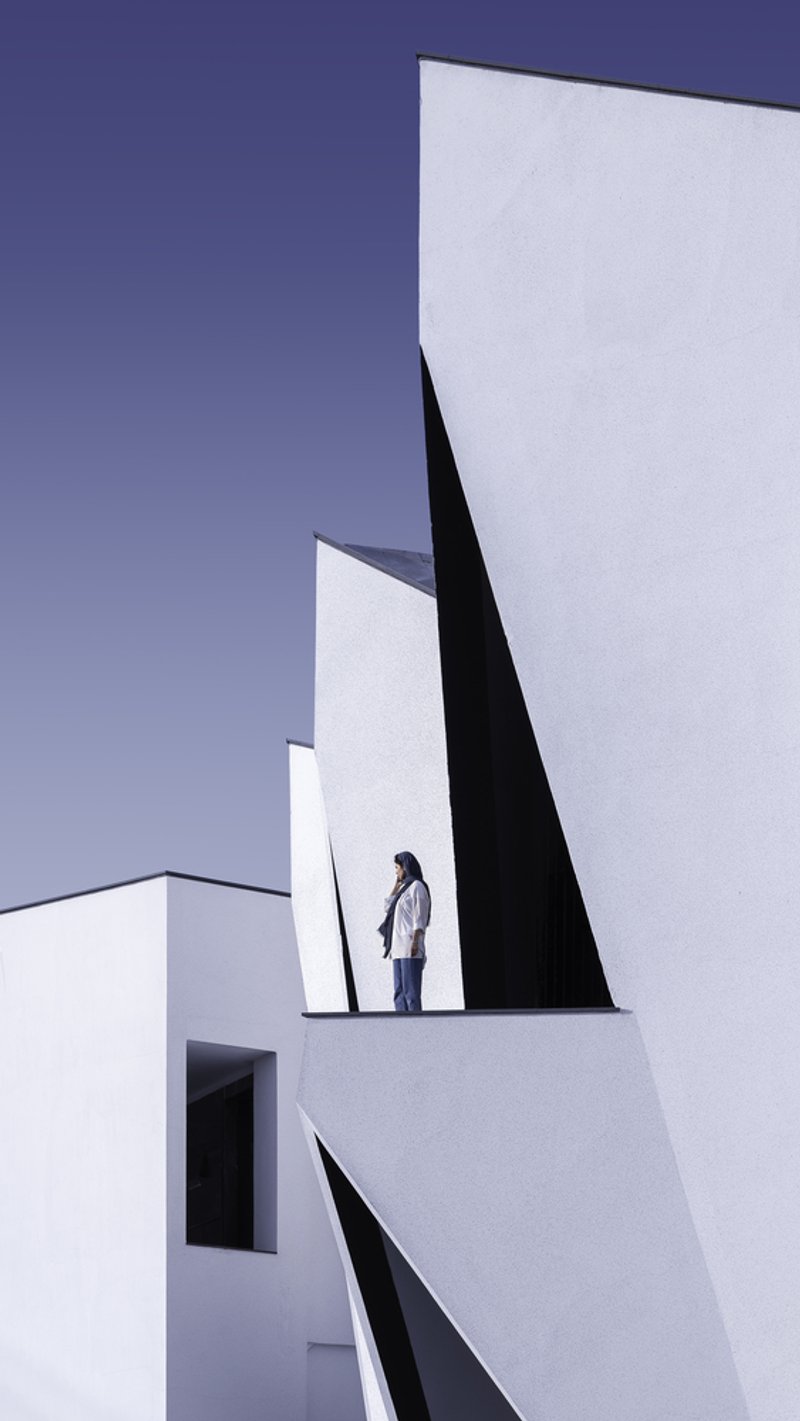
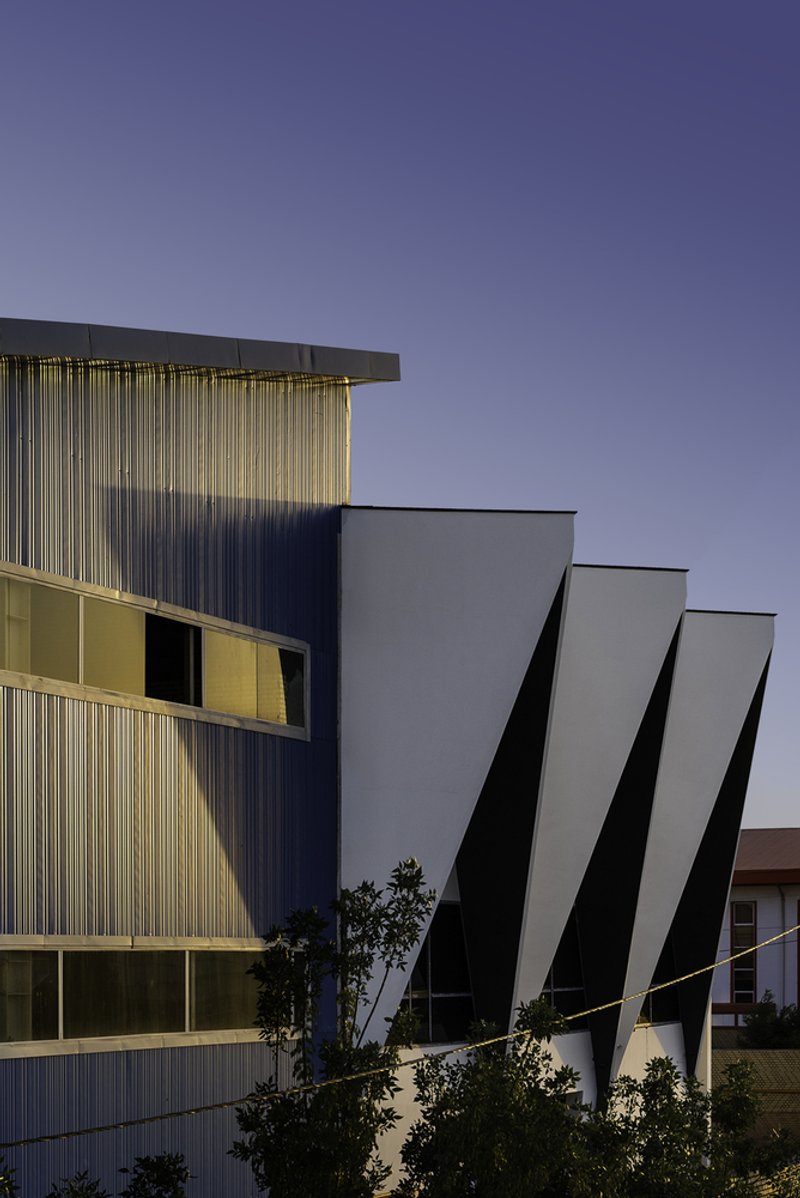
Industrial towns in Iran are typically filled with repetitive halls and triangular-roofed sheds. The AnAhitA project critiques this uniform morphology and uses it as a platform for reimagination. The architects derive the building’s core formal language from the dynamic geometry of the industrial shed, merging it with the visual identity of the brand — specifically the repeated English letter “A” found in the AnAhitA name.
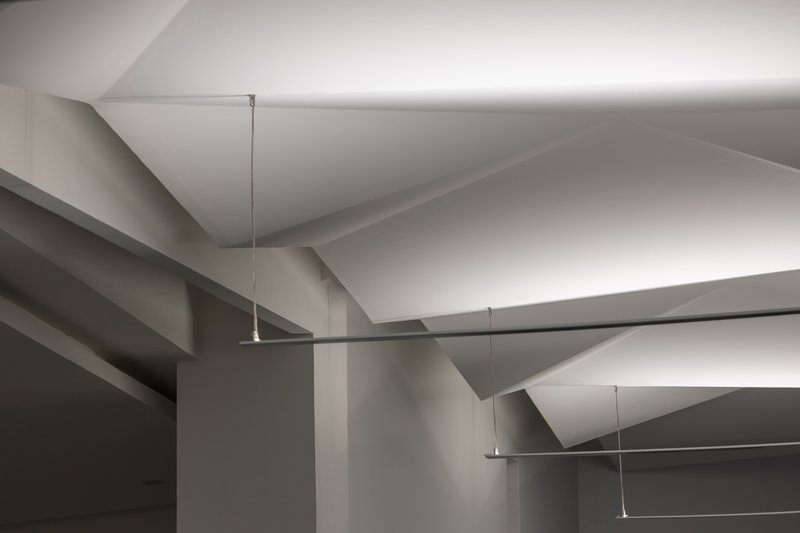
This “A-shaped” motif guides the user from the very first point of contact. It is embedded in the gate, echoed in the configuration of the green spaces, emphasized along the façade and skyline, and repeated in interior details. The project transforms a simple brand letter into an all-encompassing architectural experience, allowing users to physically navigate and inhabit the brand’s identity as they move through the building.
Creating a Spatial Hierarchy Through Courtyard-Centric Design
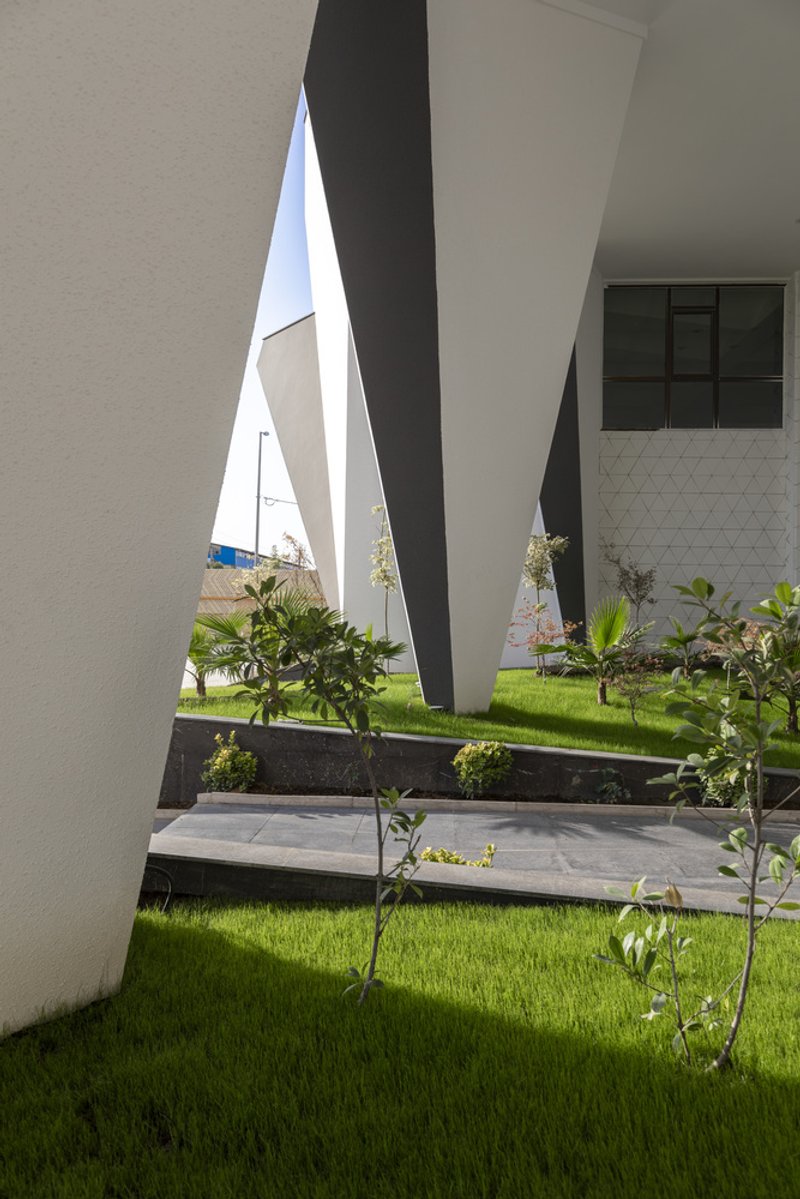
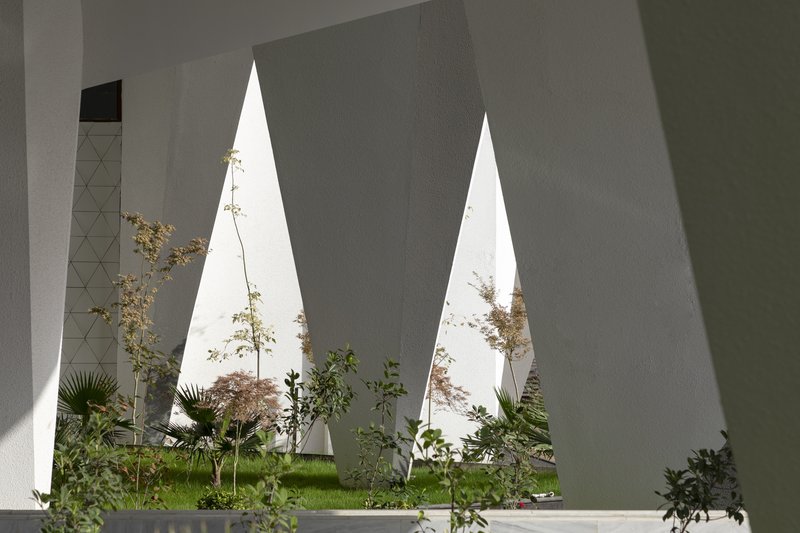
The building’s spatial organization centers on a large middle courtyard formed by subtracting mass from the ground and first floors. This void generates a clear hierarchy and connects various operational layers of the building. The ground floor hosts workrooms, storage spaces, and laboratories positioned in close proximity to the production halls. This ensures seamless workflow and operational efficiency.
On the first floor, administrative spaces, production monitoring, and sales-cycle management overlook the courtyard. Acting as an intermediate layer between the labor-intensive ground floor and the executive spaces above, this level benefits from constant visual and spatial connection with both working zones.
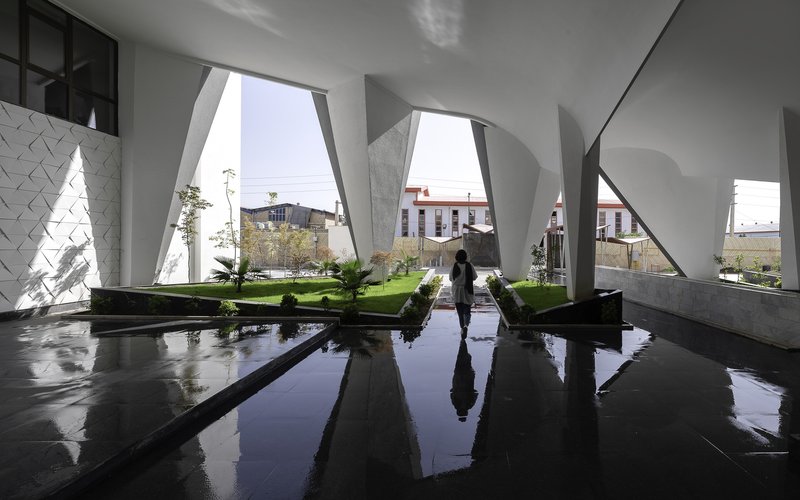
The courtyard serves as the heart of the complex, enhanced by greenery, natural light, water, and controlled shading. These elements elevate the environmental quality of the workspace, turning an industrial building into a humane and contemplative environment where circulation, rest, and visual interaction intersect.
Merging Native Architectural Elements with Contemporary Office Functions
The AnAhitA Factory Office Building integrates symbols of Iranian vernacular design into its internal components. Inspired by native combinations of shapes and colors, the interior design draws from regional heritage while aligning with the industrial brand’s visual narrative. This merging of cultural memory with modern production concepts creates a work environment that is both contextually grounded and future-oriented.
Internal elements express the rhythm of the production chain, allowing users to experience the architectural language in tactile and visual forms. Materials, textures, and geometric accents reflect both the industrial character of the facility and the cultural sensibilities of its region.
A New Dialogue with Society Through Architectural Expression
ShahrA Shahr’s approach to the AnAhitA project goes beyond constructing a functional office building. It aims to spark dialogue within a society accustomed to uniform industrial landscapes. By presenting a different architectural behavior — one rooted in narrative, symbolism, and spatial quality — the building challenges prevailing expectations and encourages reflection.
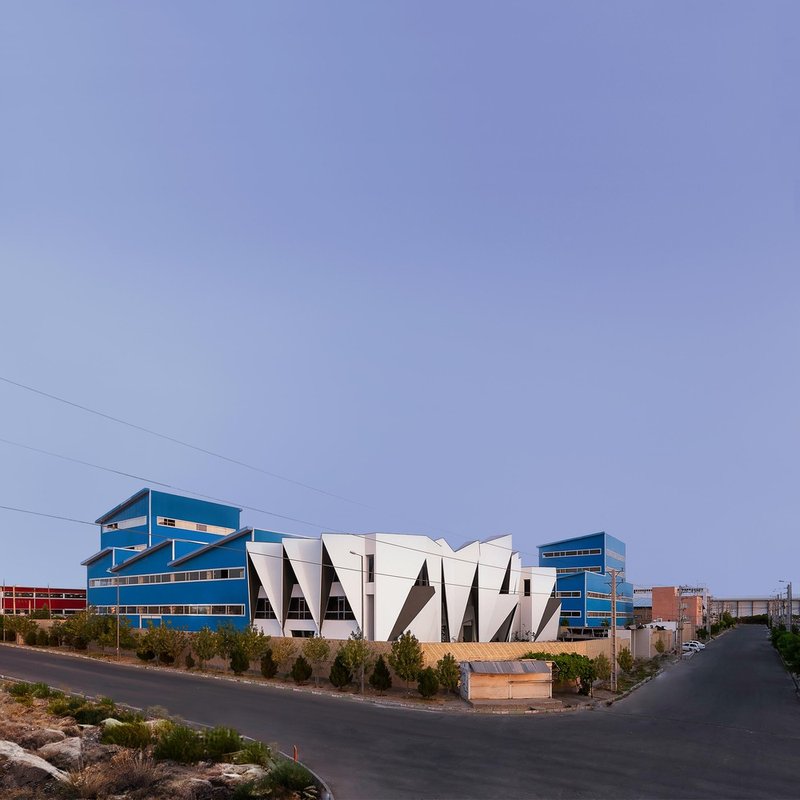

All photographs are works of Khatereh Eshqi, Mohammad Amini



Popular Articles
Popular articles from the community

Solar Steam: A Climate-Responsive Architecture That Redefines the Monument
A climate-responsive memorial architecture that transforms heat, decay, and time into a living system reflecting humanity’s ecological impact.
Fifth NRE Jazz Club – De Bever Architecten: Eindhoven’s Revitalized Cultural Hub
Historic gas factory transformed into Fifth NRE Jazz Club blending modern sustainability, jazz culture, dining, and heritage architecture seamlessly.
Inverted Architecture Installation by Studio Link-Arc: Exploring the Intersection of Architecture and Living Organisms
Inverted Architecture Installation by Studio Link-Arc blends mycelium, sustainability, inverted design, ecological cycles, and urban adaptive architecture in Shenzhen.

Free Architecture Competitions You Can Enter Right Now
No entry fees, real prizes. Here are the best free architecture competitions open for submissions in 2026.

Similar Reads
You might also enjoy these articles


The Ken Roberts Memorial Delineation Competition (Krob)
As the most senior architectural drawing competition currently in operation anywhere in the world, it draws hundreds of entries each year, awarding the very best submissions in a series of medium-based categories.
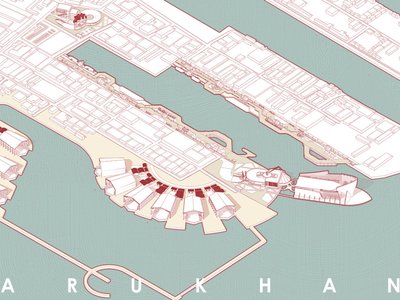
Waterfront Redevelopment and Urban Revitalization in Mumbai: Forging a New Dawn for Darukhana
A transformative waterfront redevelopment project reimagining Darukhana’s shipbreaking heritage into an inclusive urban future.
OUT-OF-MAP: A Call for Postcards on Feminist Narratives of Public Space
Rhizoma Design and Research Lab invites artists, designers, architects, researchers, and students to reflect on how feminist perspectives can reshape public space. Selected works will be exhibited in Barcelona, October 2026. Submissions open until 15 April 2026.

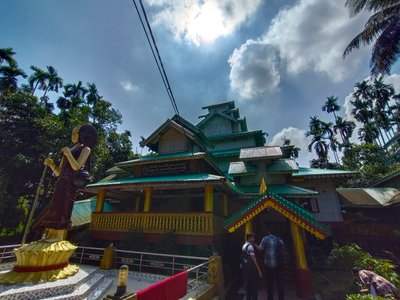
Documentation Work on Buddhist Wooden Temple
Architectural syncretism and cultural hybridity: A comparative study of the Buddhist temples in Chattogram Hill tracks

Explore Office Building Competitions
Discover active competitions in this discipline




The International Standard for Design Portfolios


The Global Benchmark for Architecture Dissertation Awards


The Global Benchmark for Graduation Excellence


Challenge to reimagine the Iron Throne
Comments (0)
Please login or sign up to add comments
No comments yet. Be the first to comment!