

AON Building by LKSA: Harmonizing Urban Context and Natural Landscape
AON Building by LKSA blends urban solidity and natural openness, featuring flexible interiors, textured stone façade, terraces, and forest-facing visual connections.


Architects: LKSA
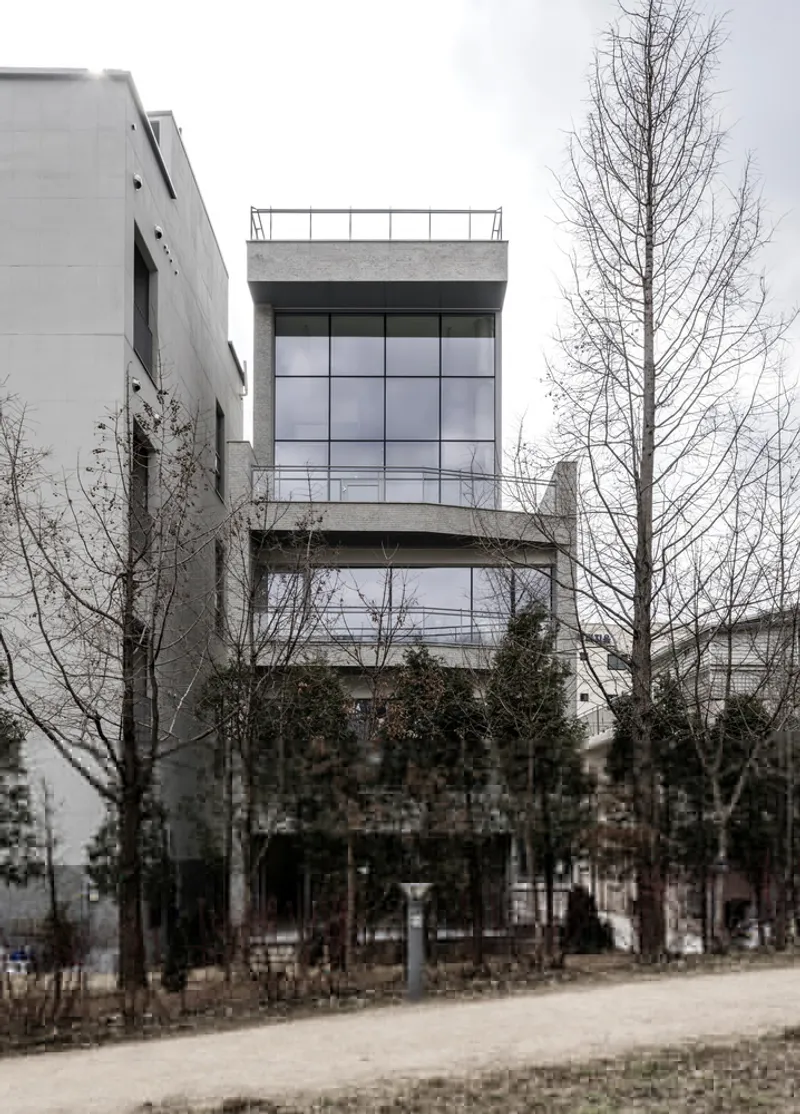
Situated at the terminus of the Gyeongui Line Forest Park, the AON Building embraces a unique juxtaposition of urban and natural contexts. A 20-meter-wide road borders the front of the site, while the lush parkland stretches behind. The architectural strategy responds directly to these contrasting environments: the road-facing façade features minimal openings, projecting a solid and robust mass, while the park-facing side maximizes transparency, fostering a visual and spatial dialogue with the forest.
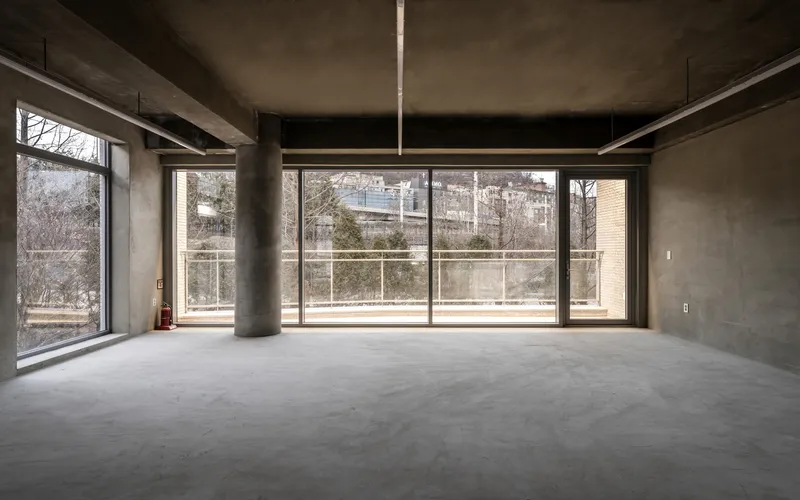
This duality emphasizes both privacy and openness, allowing the building to feel grounded in the urban environment while inviting the natural landscape into the visitor experience.

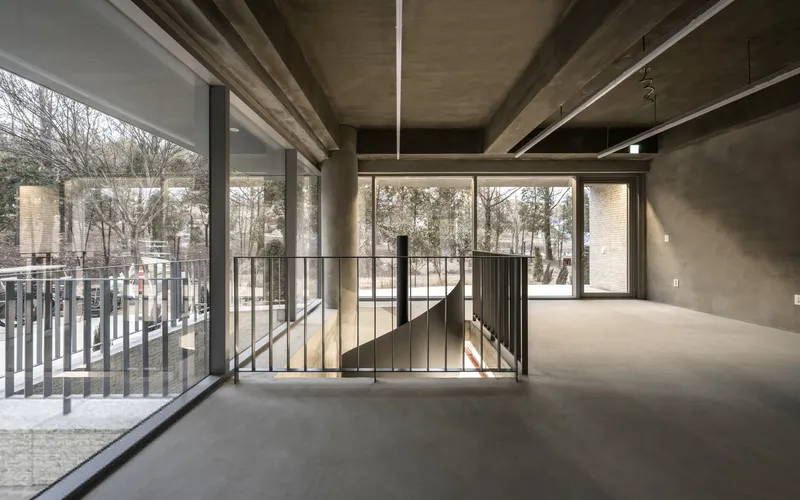
Design Concept and Spatial Experience
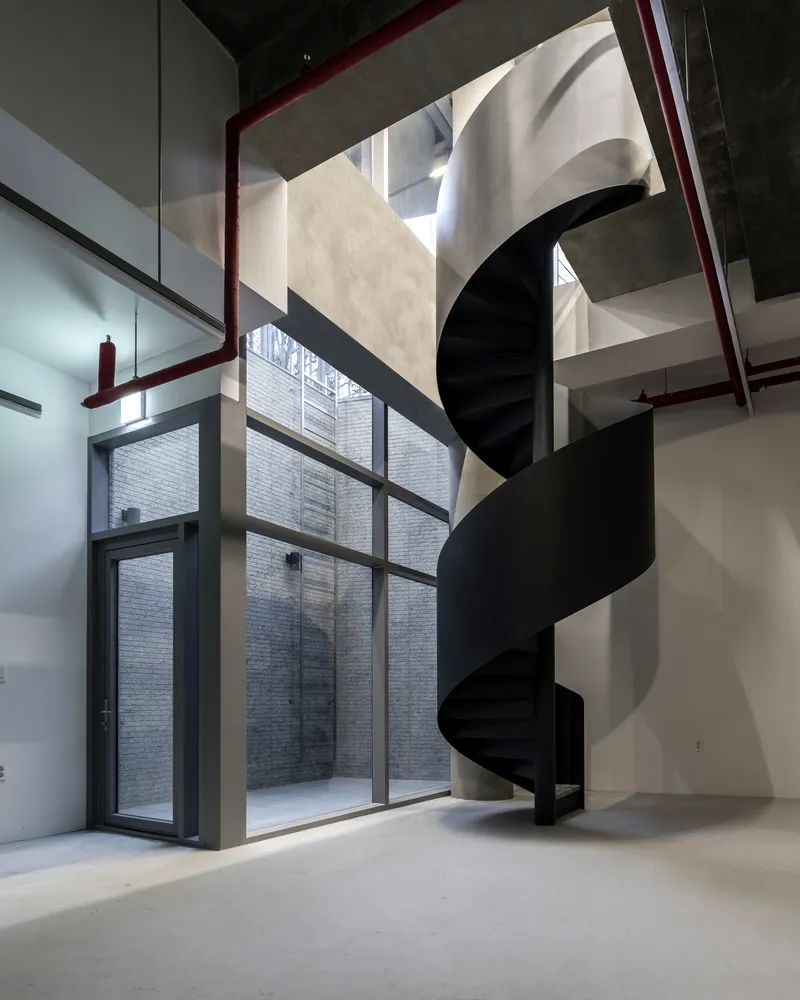
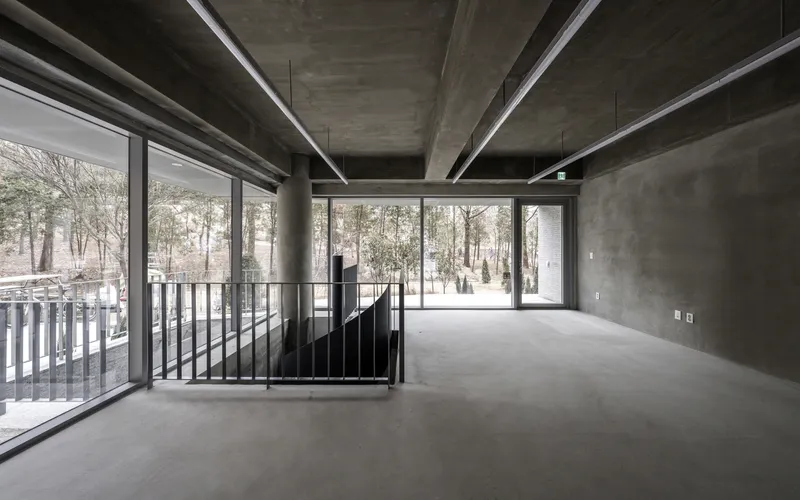
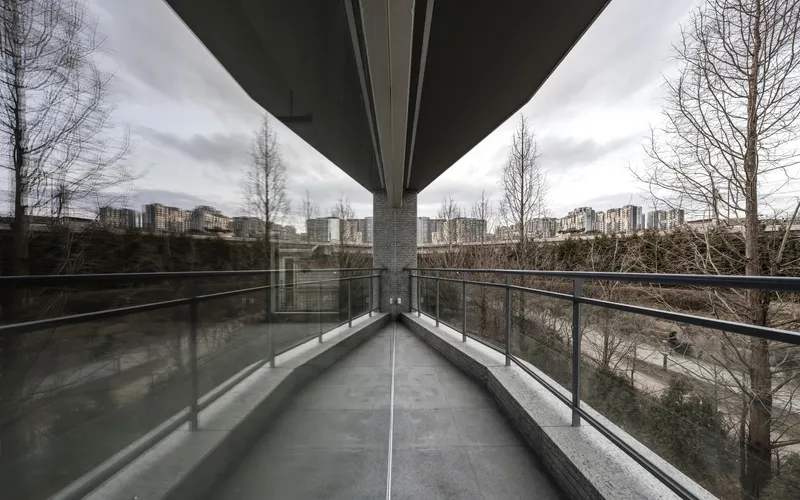
As a community-oriented facility, the interior prioritizes flexibility and openness. Large, adaptable spaces accommodate a variety of sub-programs, from exhibitions to community gatherings. Each floor includes outdoor terraces, encouraging informal interactions with the surrounding park and enhancing the building’s connection to nature.
Visitors experience a seamless transition from the structured urban streetscape to the immersive greenery of the Gyeongui Line Forest Park, reinforcing the building’s role as both a public amenity and a cultural landmark.

Architectural Details and Materiality
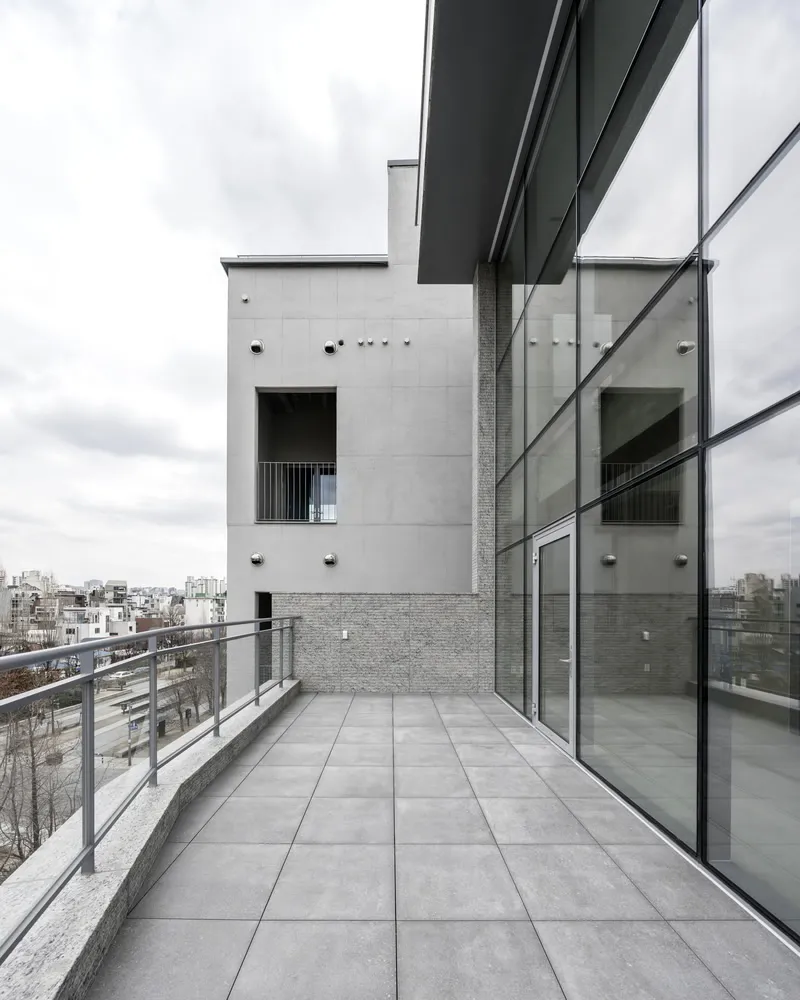
The stone façade is articulated with meticulous precision. Horizontal joints are cut every 50mm to create subtle texture variation, while chamfered sill stones and lintels form robust, sculptural openings. On the street-facing side, the building enjoys freedom in spatial configuration, unimpeded by neighboring structures or sunlight restrictions.
This thoughtful detailing underscores the architects’ intent to create a building that is both durable and tactile, blending urban solidity with natural engagement.
Visitor Experience and Environmental Interaction
The AON Building encourages visitors to engage deeply with its surroundings. Park-facing openings provide visual permeability, allowing occupants to connect with the changing seasons of the forest. Through these strategies, the building becomes more than just a structure; it acts as a mediator between urban life and nature, offering contemplative and interactive experiences for everyone.


All photographs are works of Gu Uijin


Popular Articles
Popular articles from the community


Opera on the Sea: Driftwood Logic Shapes a Timber Opera House on Estonia's Coast
Trevor Orgill's opera house translates the entangled drift of floating timber into a civic building where wood, water, and music converge.
Temporary Home for Dogs: A Reversed Zoo Rethinks Animal Shelter Architecture
In Bucharest, a sinuous corridor and freed landscape flip the logic of containment, designing a shelter that works to make itself unnecessary.

Faces of the Soviet Avant-Garde: Turning Moscow's Street Names into an Open-Air Museum
A network of sculptural installations across a Moscow residential district transforms forgotten architect names into spatial encounters with cultural memor

Tsunami Convergenics: Turning Catastrophic Ocean Forces into Underwater Housing Infrastructure
A speculative underwater settlement off the coast of Onagawa, Japan, treats tsunamis and typhoons as energy sources rather than threats.

Similar Reads
You might also enjoy these articles


Hodi-Mandai Geram
Project Function: Preservation and revitalization of the Intangible heritage and socio-spatial identity of the Hodi by Housing, Cultural Memory Center, Sacred Grove, landscape, local tourism economy


Olio Towers: A Mid-Rise for Performers That Fuses Housing, Rehearsal, and Stage
Located blocks from Houston's Theater District, this modular tower stacks living units around a central performance atrium.

Oasis: Modular Green Housing Carved into Dhaka's Urban Fabric
A shortlisted Plugin Housing entry reclaims unauthorized settlements in Dhaka with stepped concrete volumes, green roofs, and ventilation-driven design.

Black Hole: A Floating Megastructure for the Post-Physical Era
Emiliano Mazzarotto envisions a spherical, self-scaling arena where e-sports, digital hotels, and holographic stadiums replace traditional public space.

Explore Aotu Architecture Office Competitions
Discover active competitions in this discipline

Challenge to reimagine the Iron Throne

Photograph architecture without architects

Illustrate the lost glory of Angkor Wat - Render Challenge

Design challenge to reuse E-waste
Comments (0)
Please login or sign up to add comments
No comments yet. Be the first to comment!