
Astro tourism: Architects design an observatory pavilion for night sky seekers.
‘Gaze’ - Installations competition - Result story

We are curious beings; wanting to explore and learn led us to understand the unknown skies. The earliest written records of these observations can be traced to 1600 B.C. The Babylonians studied and created records of star positions, planets, and eclipses.
This study and sense of exploration quickly grew into more practical tools. Monitoring the motion of stars and planets became the primary means of navigation and time tracking. Human history has witnessed major celestial events which even might have changed the course of history.
Cultures throughout time have gazed up, wondering and questioning our place in the universe. This intense fascination resulted in the invention of telescopes to see the unseen.
Since then, the history of astronomical observations has evolved into philosophy, literature, and different branches of science.
In recent years we have seen celestial events of the transit of Venus and witnessed the supernova 1987A go off in real-time.
Though we are the same beings who chased eclipses and got all romantic over starry skies, today we see the sky differently than it was 10 years ago.
With meteor showers every year and decoding constellations under different skies, the night-sky gazing has taken a turn. A new trend of Astro-tourism is on the rise worldwide. Light and air pollution have caused people to go to remote locations to experience the night sky. Astro-tourism offers people a gateway and the most natural way to reconnect with the outside world, a way to look up and disconnect for a while with technology. Temporary amenities for these activities do give a one-night experience.
How can we enrich this remote experience with facilities that will enrich sky-gazing and provide comfort?
The nocturnal sky is sublime and inaccessible. When looking at it, we experience the most ancient sensation. The increase in public participation to experience this sensation is also a credit to it being a segment of sustainable tourism, as there is no damage to any form of resources.
People travel short or long distances to observe and enjoy the dark sky. Can we provide places of experience to act as a window to the stars?
If yes, then can we make these visits more worthy and comfortable? Can we create observation spaces that act as temporary habitats while maintaining the crux of the activity?
Brief: The aim of the competition was to create an observatory pavilion for night sky seekers.
Design a prototype that can be placed anywhere and replicated all over the site.
Some of the Best competition projects are as follows:
Winning Project: Lens to The Stars
By: Andreea Aftene
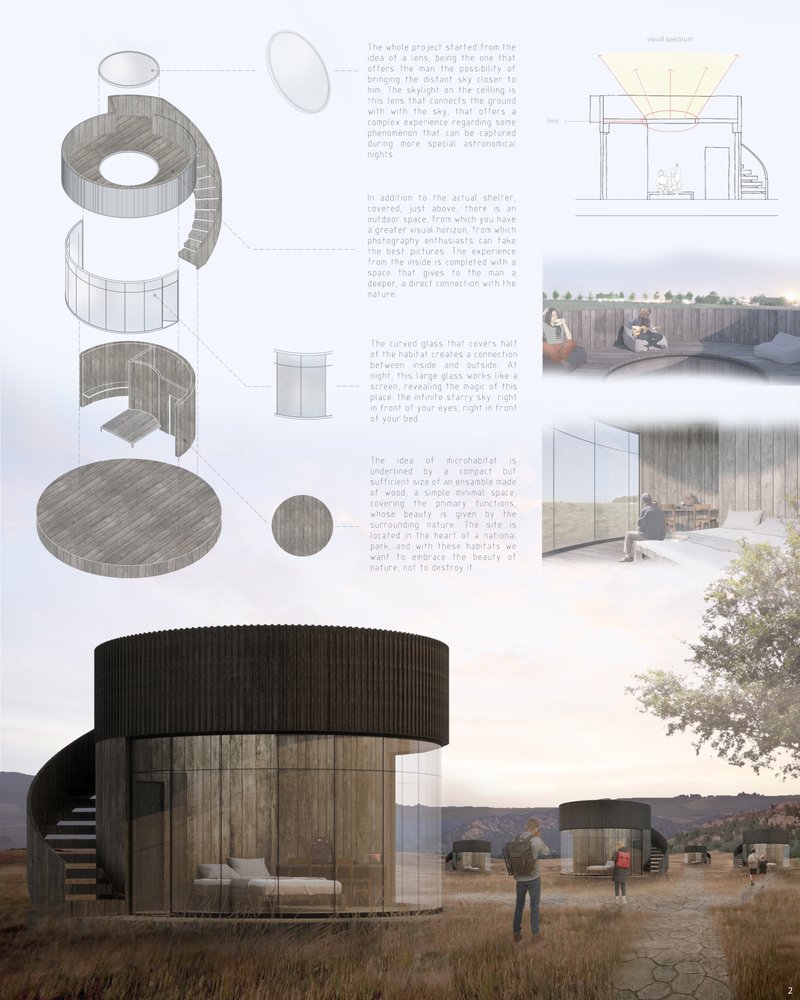
Fig: 1 Site and exploded view
Description: Being in the heart of a National Park in Heves, Hungary, our main intention was to build something that embraces the beauty of nature without destroying it. Using mainly local materials such as wood, we created a module, a microhabitat that is multiplied on the site, resulting an ensemble, a place meant to give you a deep connection with the universe.
--------------------
People’s Choice: Orion's Pavilion
By: Jeffrey Zee, George Duo & Christopher Chow
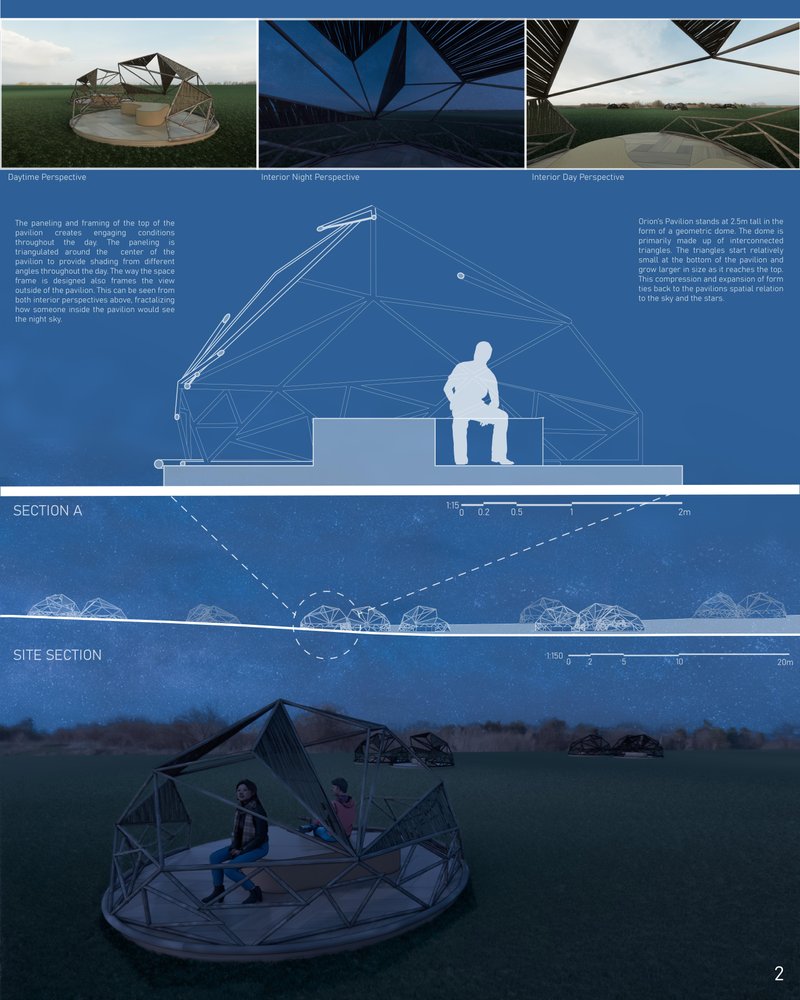
Fig: 2 Section plan and Perspective view
Description: The Orion's pavilion is a stargazing pavilion located in Hortobágyi National Park, Hungary. The pavilion aims to capture and enhance the stargazing experience through its design and form. It works with the site to create a minimal carbon footprint that utilizes the minimal resources required to construct.
------------------------
Editor’s Choice: Hortobágy Puszta Observatory Pavilion
By: Dana Ibrahim
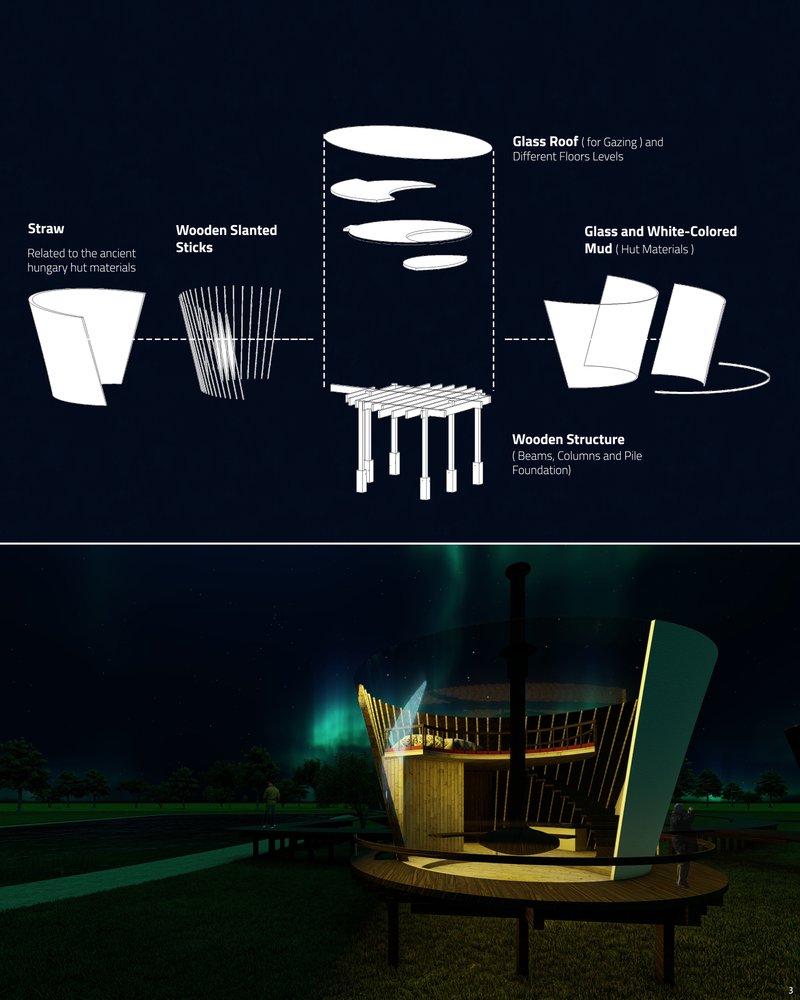
Fig: 3 Exploded and exterior view
Description: It was born from the earth and goes towards the sky. It embraces us and shows the sky. The primary idea of this competition is created from a human view angle in different positions, sitting, lounging, and lying when looking at the sky. We designed a slant wall for lying and lounging on according to the optimal human view angel and created portals to the sky.
------------------------
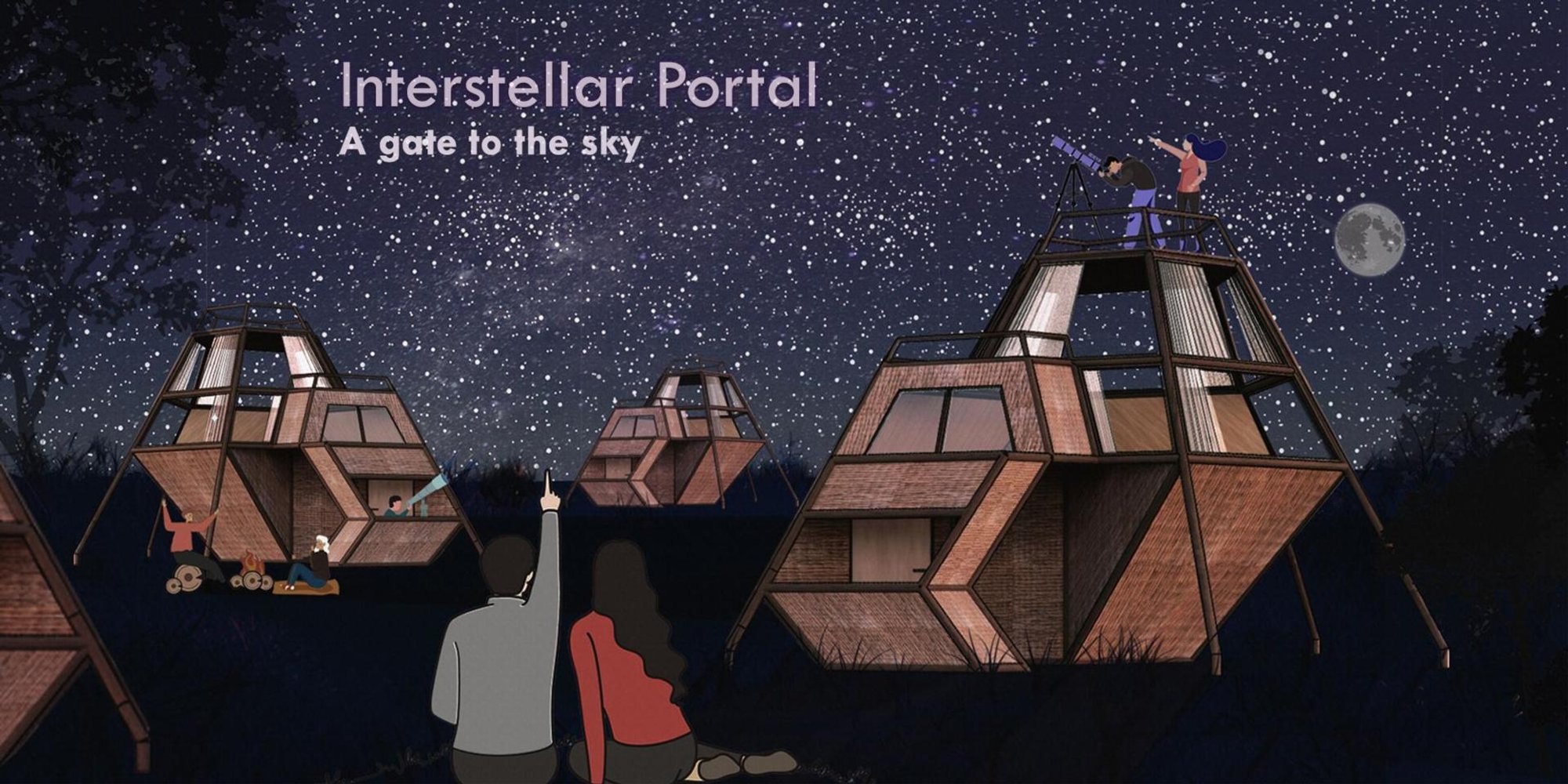
Editor’s Choice: Interstellar Portal
By: Parisa Masoudizad, Amirreza Banayan & Maryam Piraste
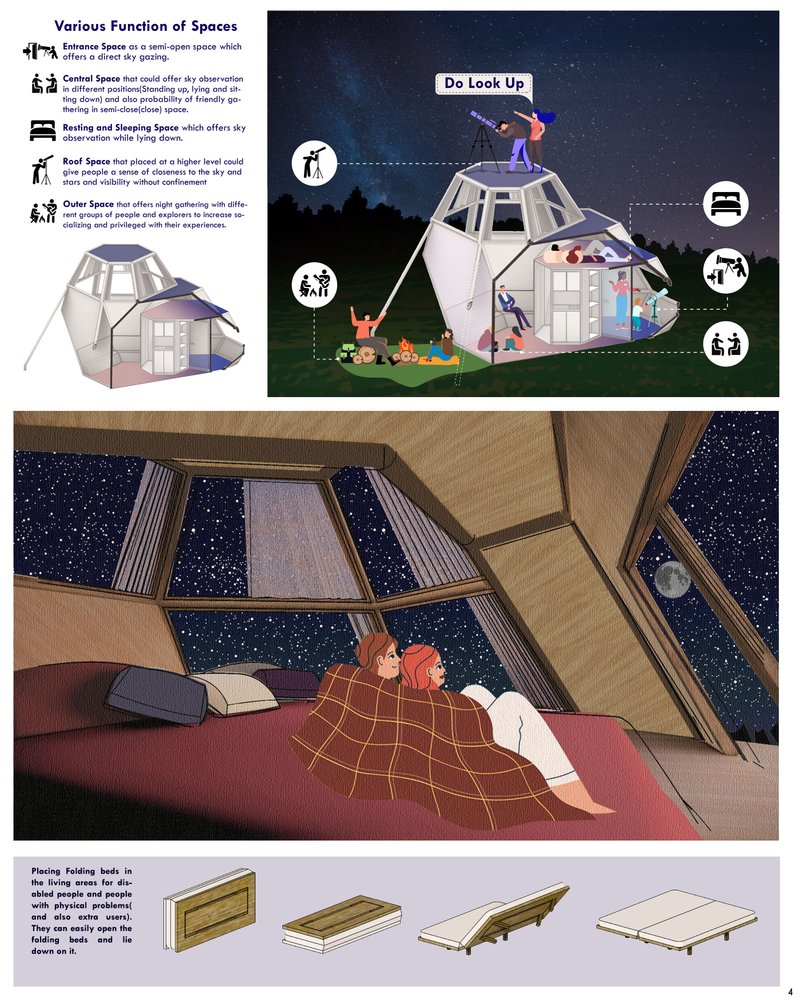
Fig: 4 Function of spaces and interior view
Description: It was born from the earth and goes towards the sky. It embraces us and shows the sky. The primary idea of this competition is created from a human view angle in different positions, sitting, lounging, and lying when looking at the sky. We designed a slant wall for lying and lounging on according to the optimal human view angel and created portals to the sky.

Follow us on social media: Facebook | Instagram | LinkedIn | Twitter | Youtube
References (3)




Popular Articles
Popular articles from the community

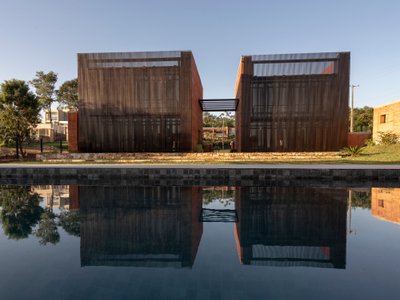
BAUEN Builds Two Rammed Earth Volumes in Paraguay Inspired by the Ovenbird's Nest
In San Bernardino, a house of compacted earth channels the instinct of a constructive bird to shelter life from the Paraguayan summer.
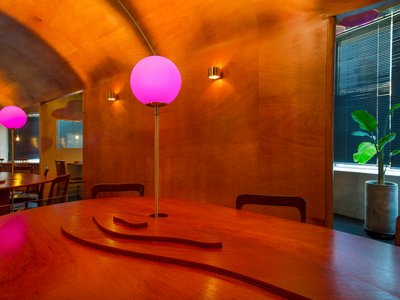
Indiesalon Carves a Plywood Cave into a Seoul Bistro's Second Floor
Munhwa Bistro's second Seongsu branch wraps diners in a laminated timber vault laced with colored light and mirror illusions.
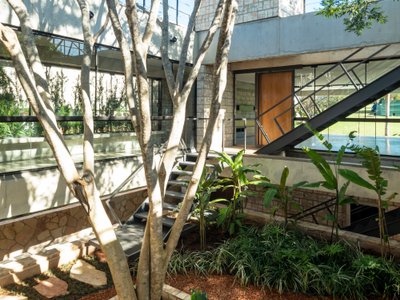
OMCM arquitectos Builds a Summer House in Paraguay from Quarry Waste Blocks and Three Sacred Trees
In the young hillside neighborhood of Altos, a 696-square-meter concrete volume hovers on six pillars around three preserved native Yvyraju trees.
IDIN Architects Wraps a Hua Hin Hotel Around a Private Courtyard to Escape the City
Dusit D2 Hua Hin turns an urban infill site in Thailand's family vacation heartland into a self-contained resort through courtyard planning.

Similar Reads
You might also enjoy these articles

Of Water & Spirit: Reimagining an Offshore Oil Rig Through Adaptive Reuse Architecture
Transforming an abandoned offshore oil rig into a museum of water, memory, and renewal through adaptive reuse architecture.
Cyber Oyster: A Visionary Adaptive Reuse Architecture Project Transforming Abandoned Oil Rigs Through Oyster Bionics
An adaptive reuse architecture concept transforming abandoned offshore oil platforms into self-healing marine ecosystems inspired by oyster bionics.
La Macchina Adriatica by Adriana Jul Camargo
An adaptive reuse architecture project transforming abandoned Adriatic oil rigs into a floating museum, research hub, and living sea observatory.
Mechanism of Memories: Adaptive Architecture Reimagines Offshore Structures as Living Cultural Machines
Floating adaptive architecture transforms abandoned offshore structures into cultural spaces that preserve memory, habitation, and human connection.


Explore Installations Competitions
Discover active competitions in this discipline




The Global Benchmark for Architecture Dissertation Awards

Challenge to design a portable theatre

Challenge to design a portable music platform

Challenge to design an open learning module for the elderly
Comments (0)
Please login or sign up to add comments
No comments yet. Be the first to comment!