

Atelier in Kamakura: A Timeless Traditional Japanese House Renovation
A thoughtful renovation of a 90-year-old Japanese house in Kamakura, preserving its heritage while embracing modern design and environmental harmony.


Reviving Heritage Through Renovation
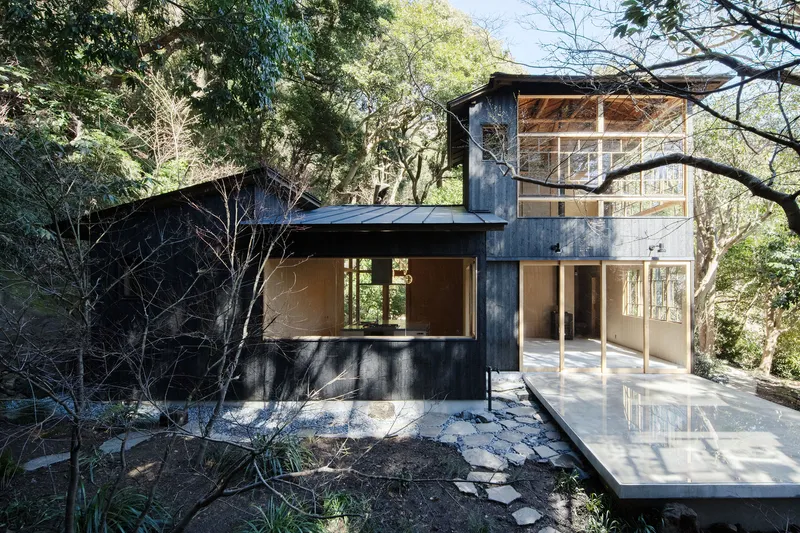
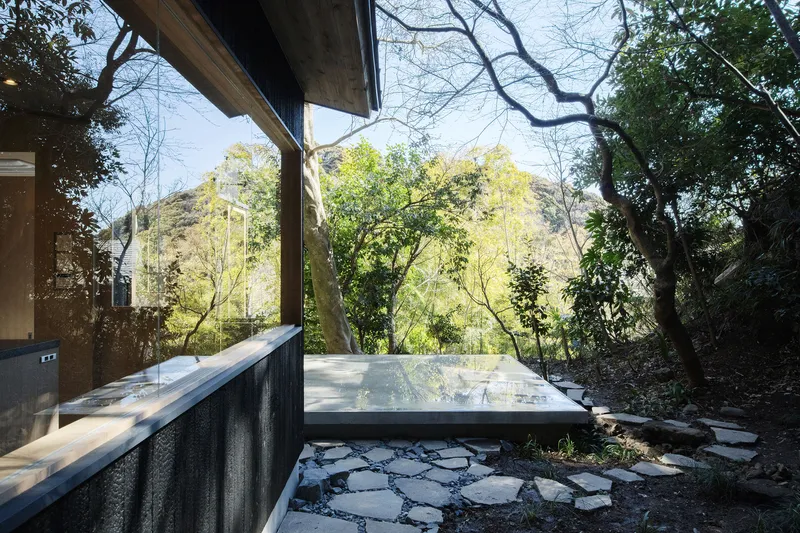
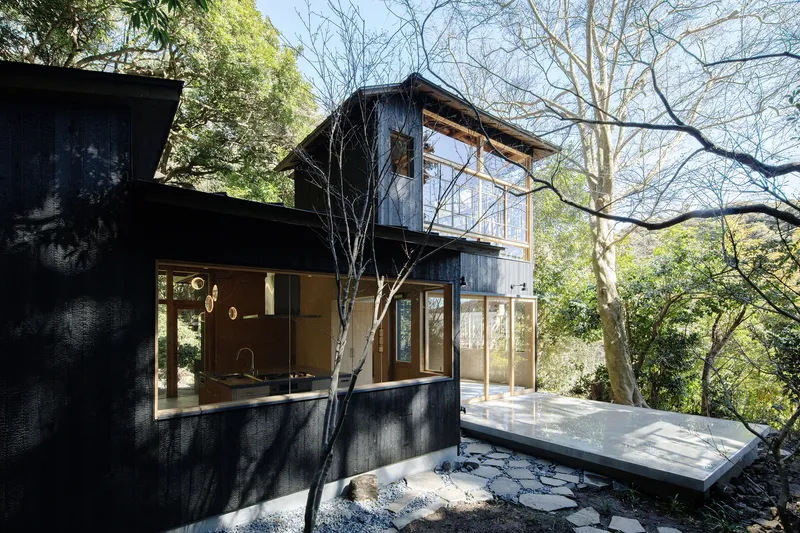
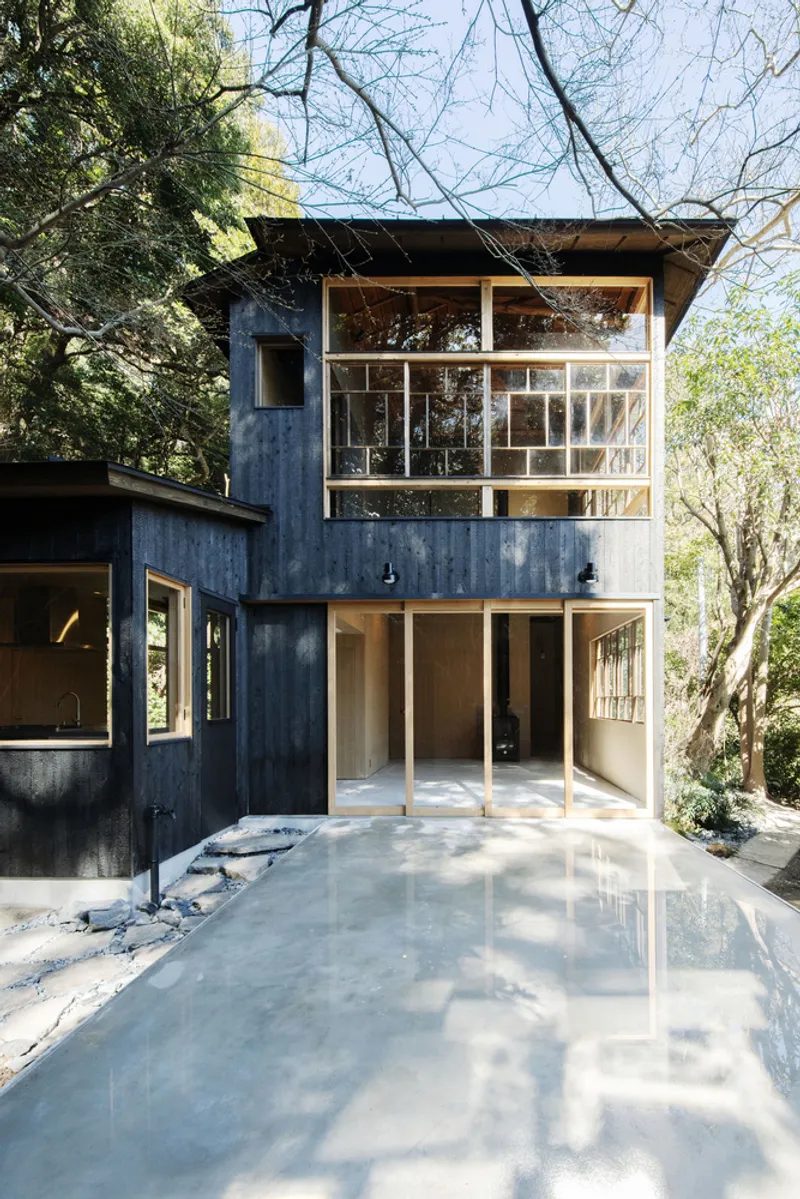
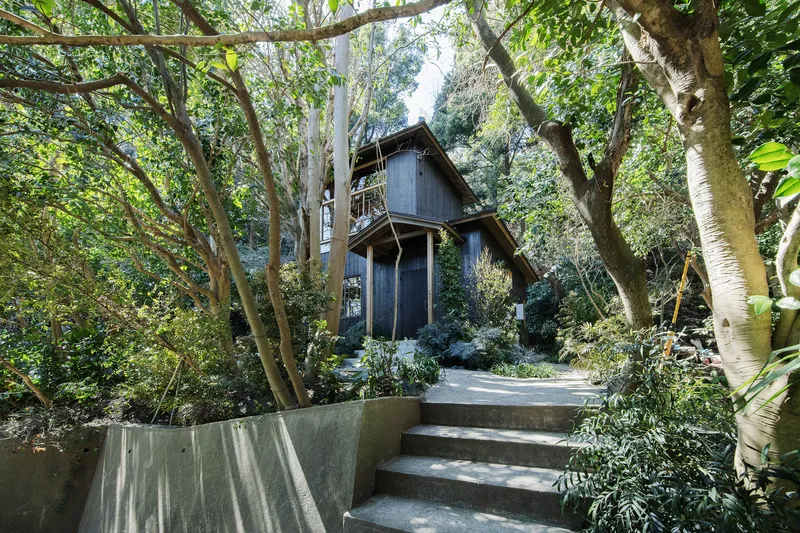
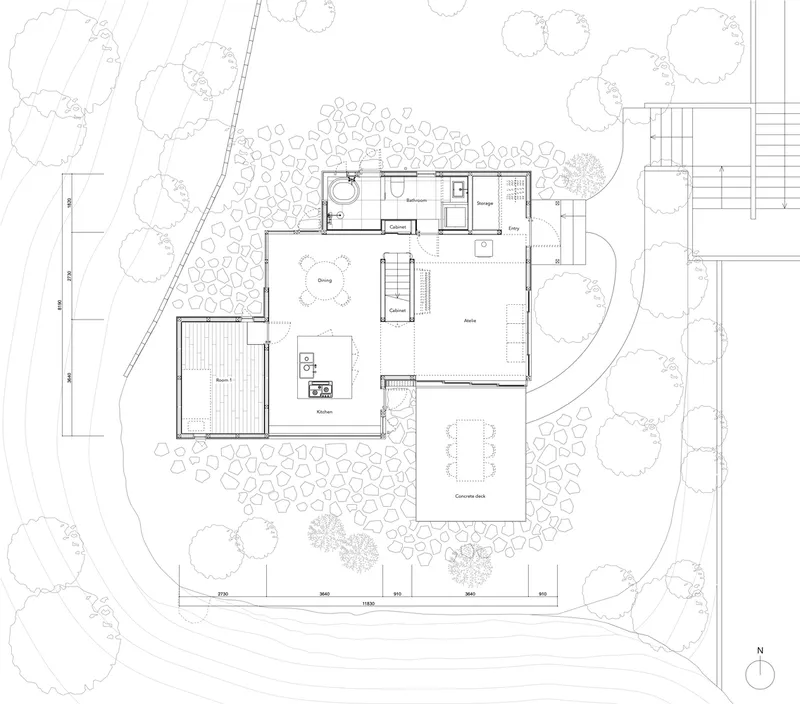
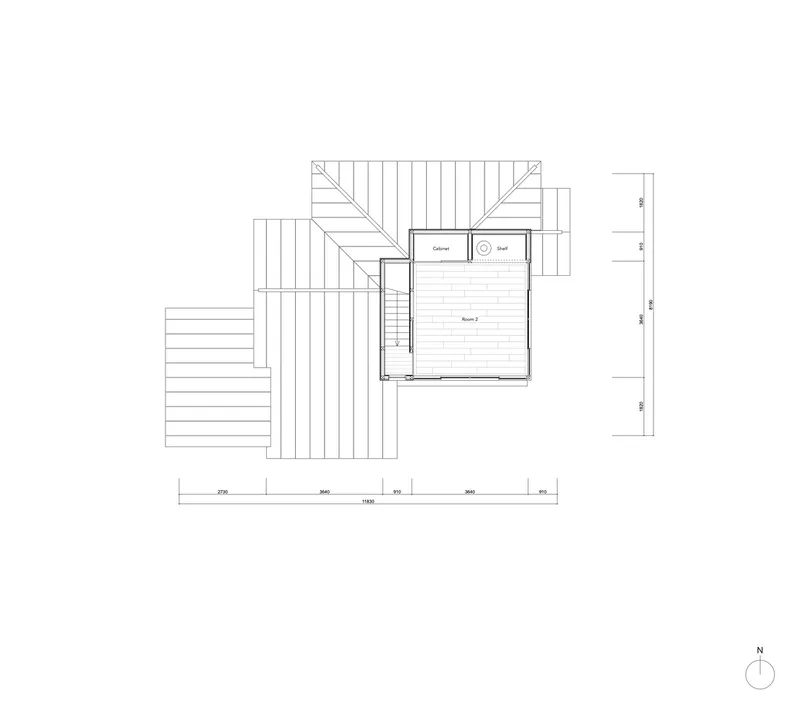
Nestled on the edge of a hillside in Kamakura, Japan, Atelier in Kamakura by Yuji Okitsu exemplifies the delicate balance between tradition and modernity. This architectural transformation breathes new life into a 90-year-old traditional Japanese house, preserving its historical essence while introducing contemporary design elements. Situated on a compact flat site amidst a steep cliff, this atelier serves as an annex to the main house, offering a tranquil retreat that honors its past.
Preserving the Soul of a 90-Year-Old House
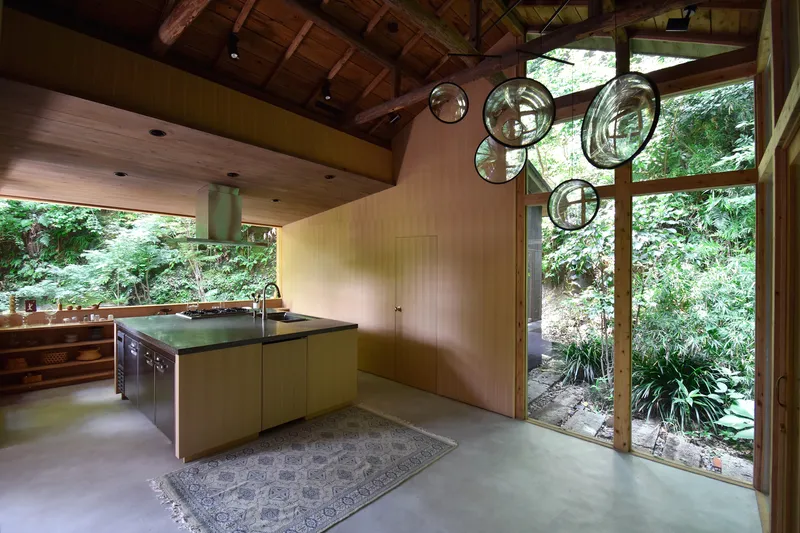
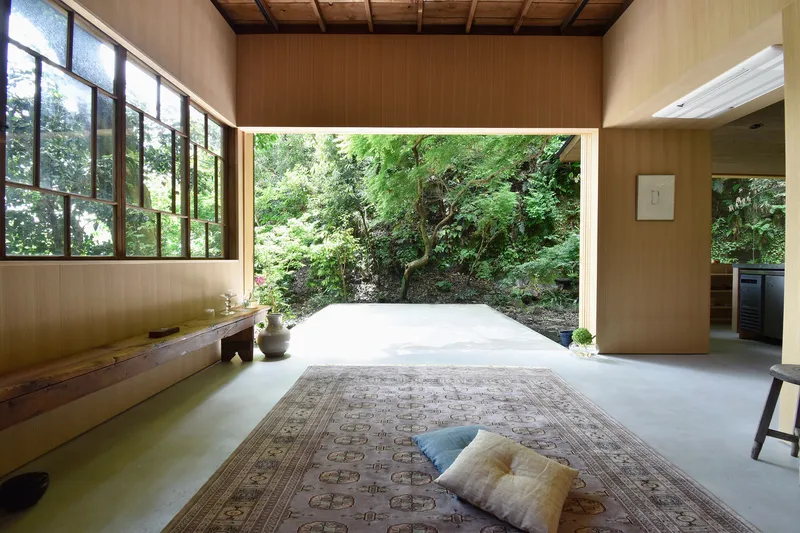
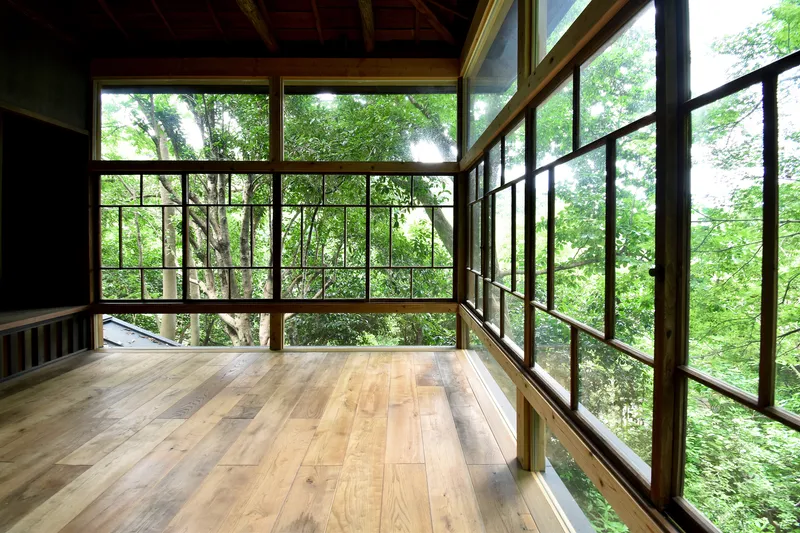
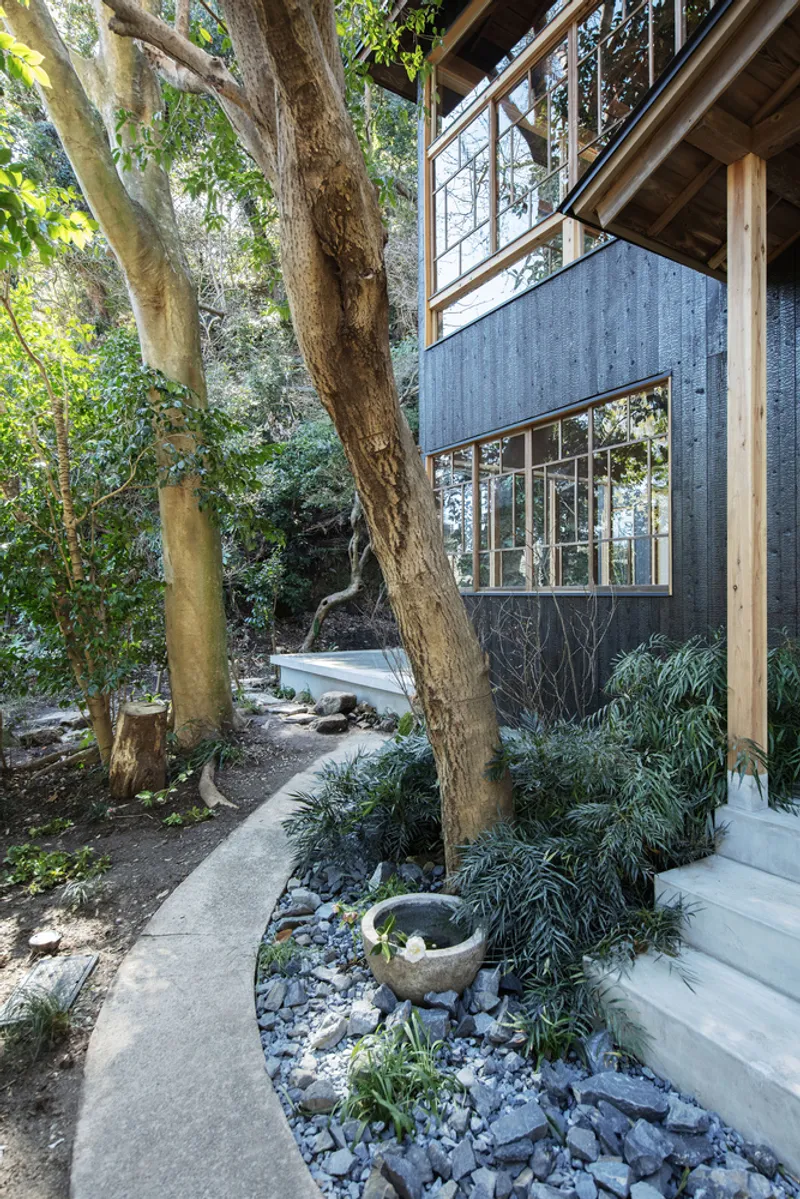
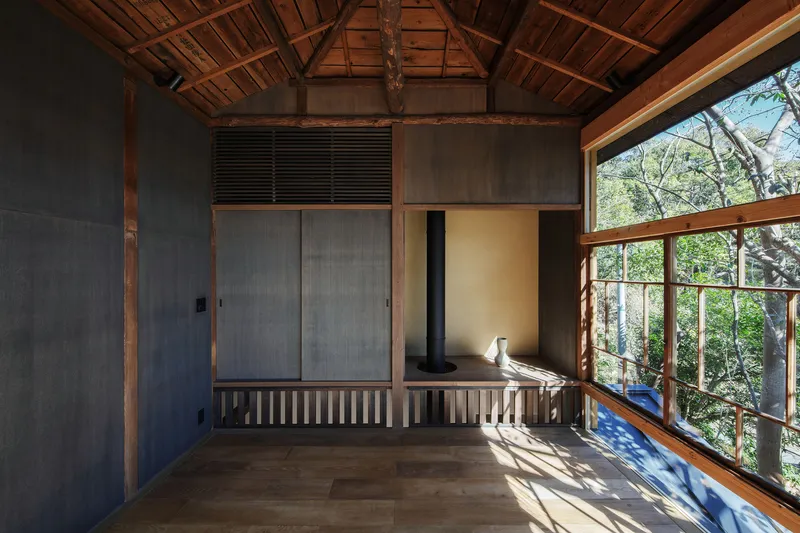
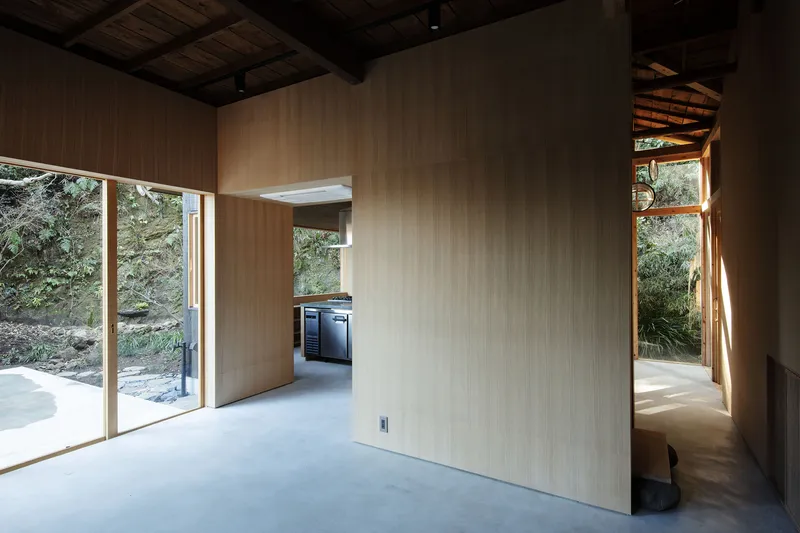
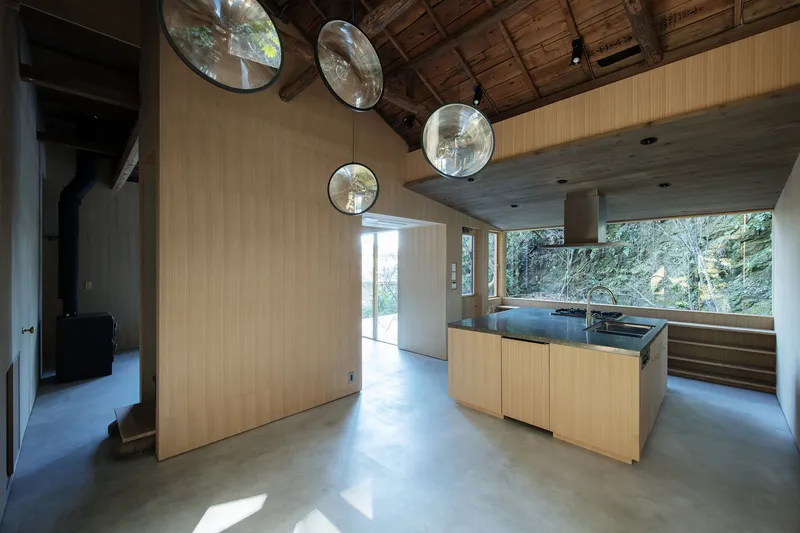
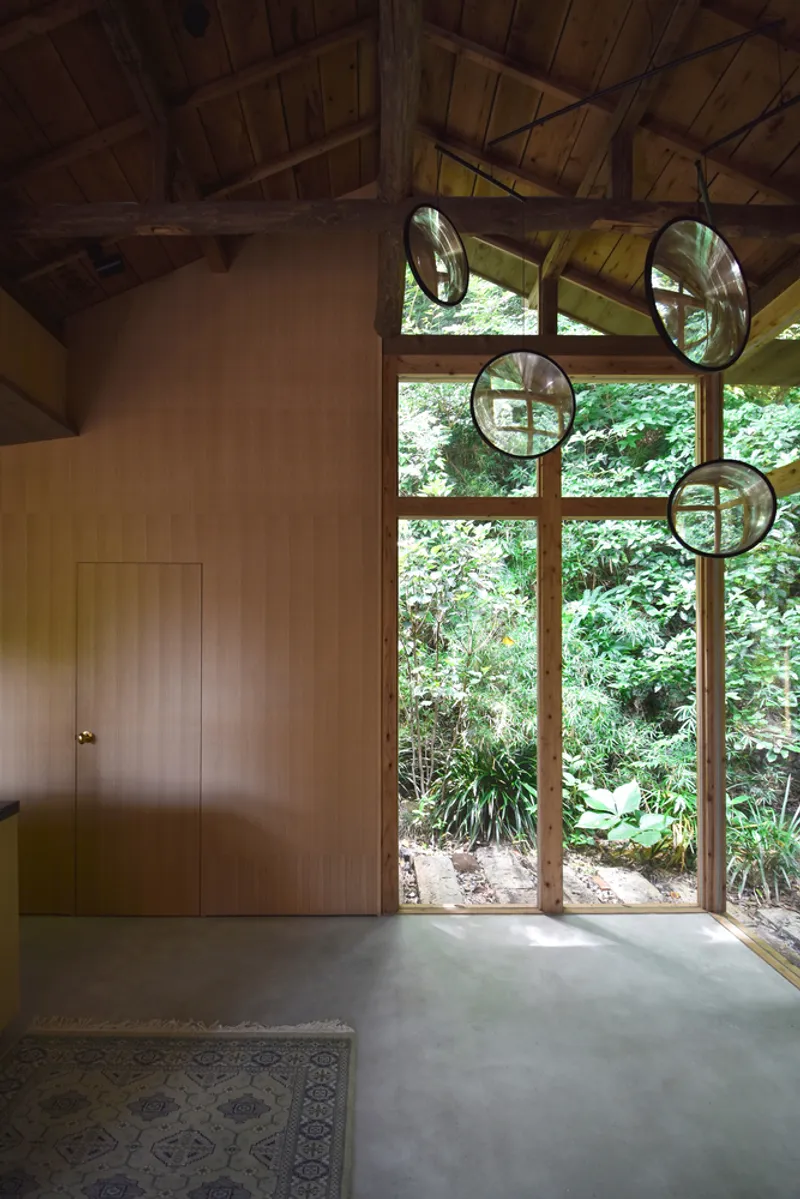
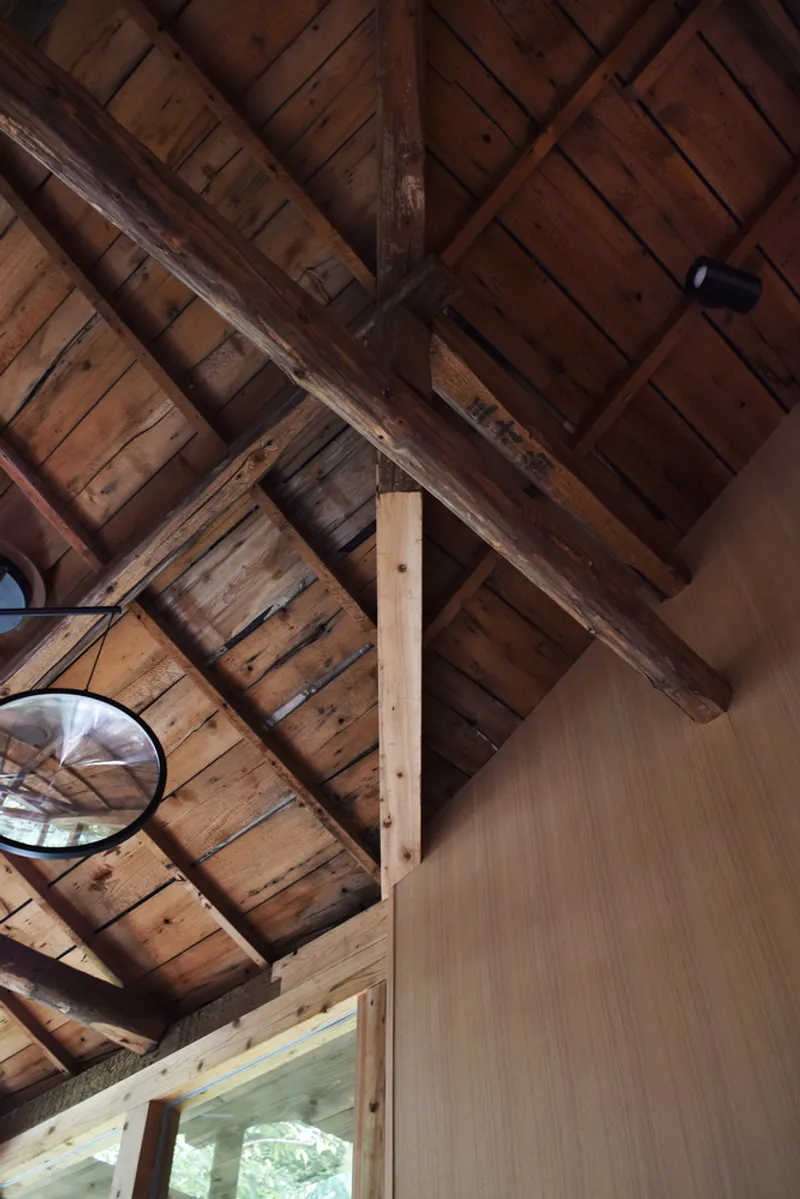
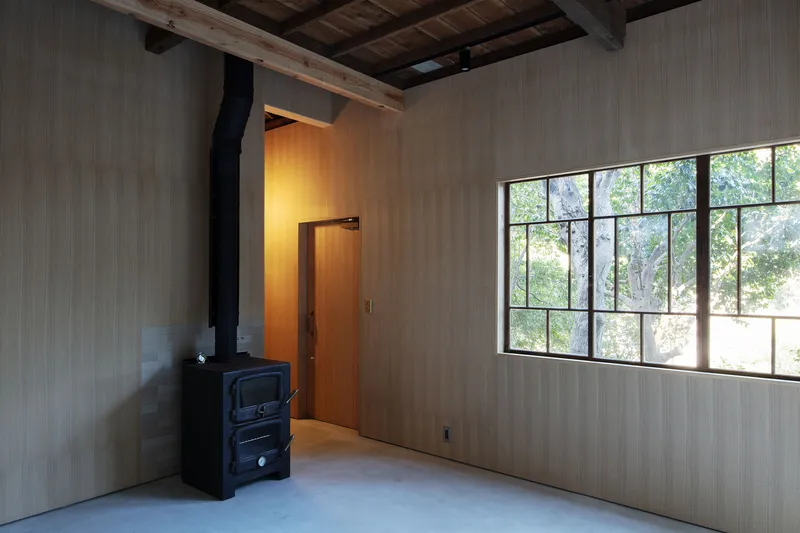
Rather than concealing the marks of time, the renovation embraces the home’s history, leaving the reinforced framework exposed without additional paint. The design philosophy prioritizes the coexistence of old and new, allowing the aged structure to retain its identity. By restoring and reusing original materials—such as the window frames and foundation stones—the project ensures that the house remains deeply connected to its past while being ready for future generations.
Aging Materials with Purpose
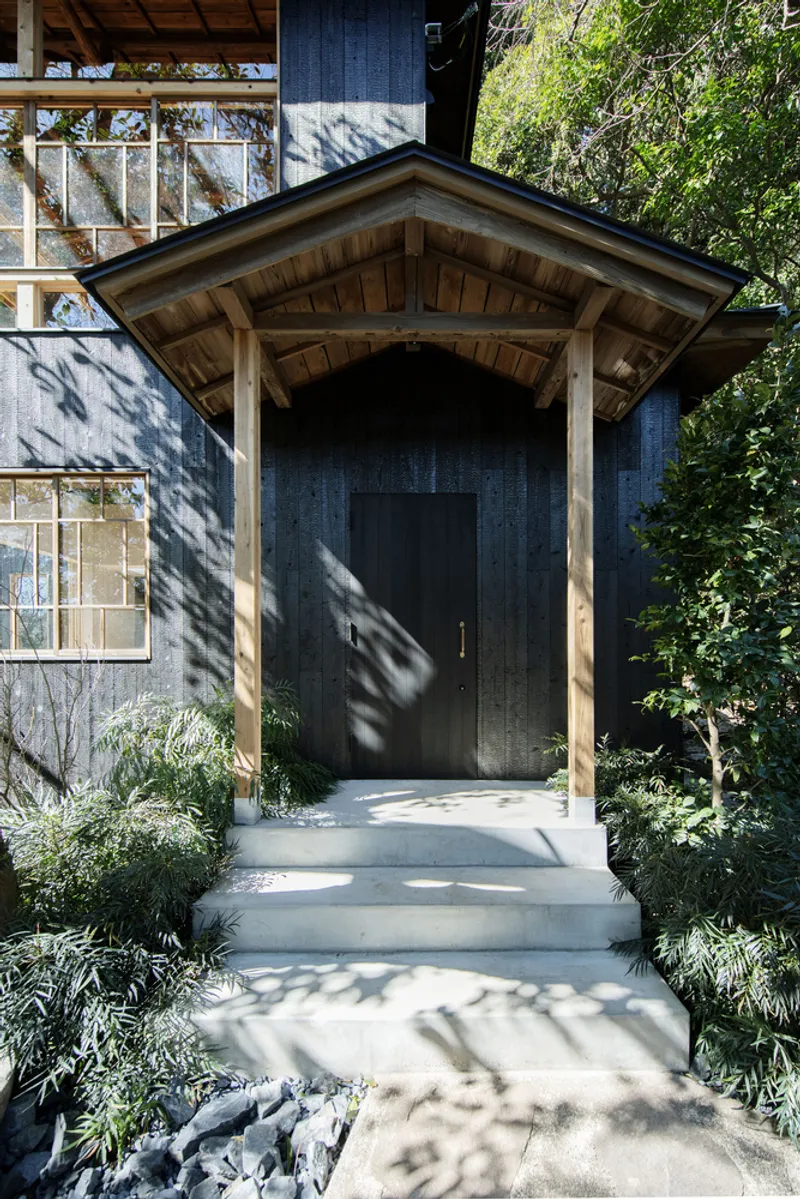
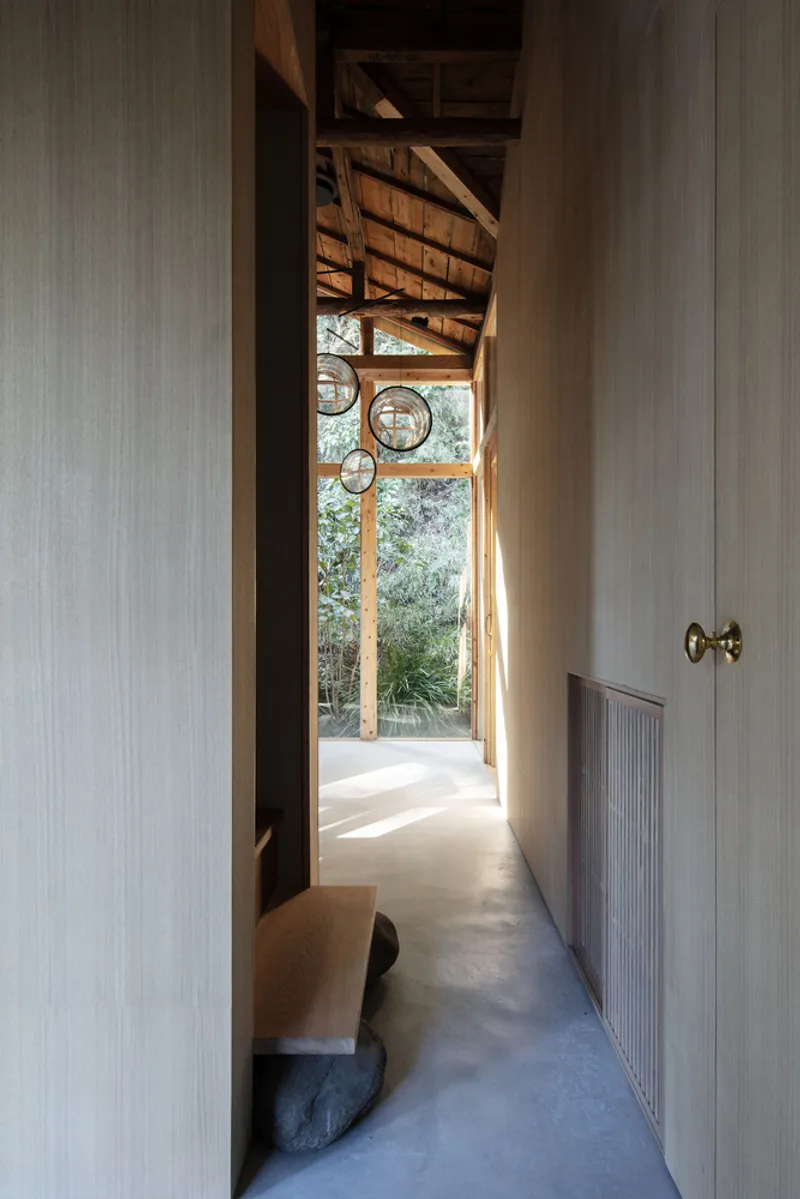
One of the key principles of this traditional Japanese house renovation is the positive perception of aging. To reinforce this concept, the exterior walls are clad in Yakisugi, a centuries-old Japanese technique of charring cedar boards to enhance durability. The entrance is adorned with brass door knobs, which develop a patina over time, further emphasizing the beauty of material transformation. Additionally, solid chestnut wood flooring, repurposed from the client’s previous home, adds a layer of personal history to the space.
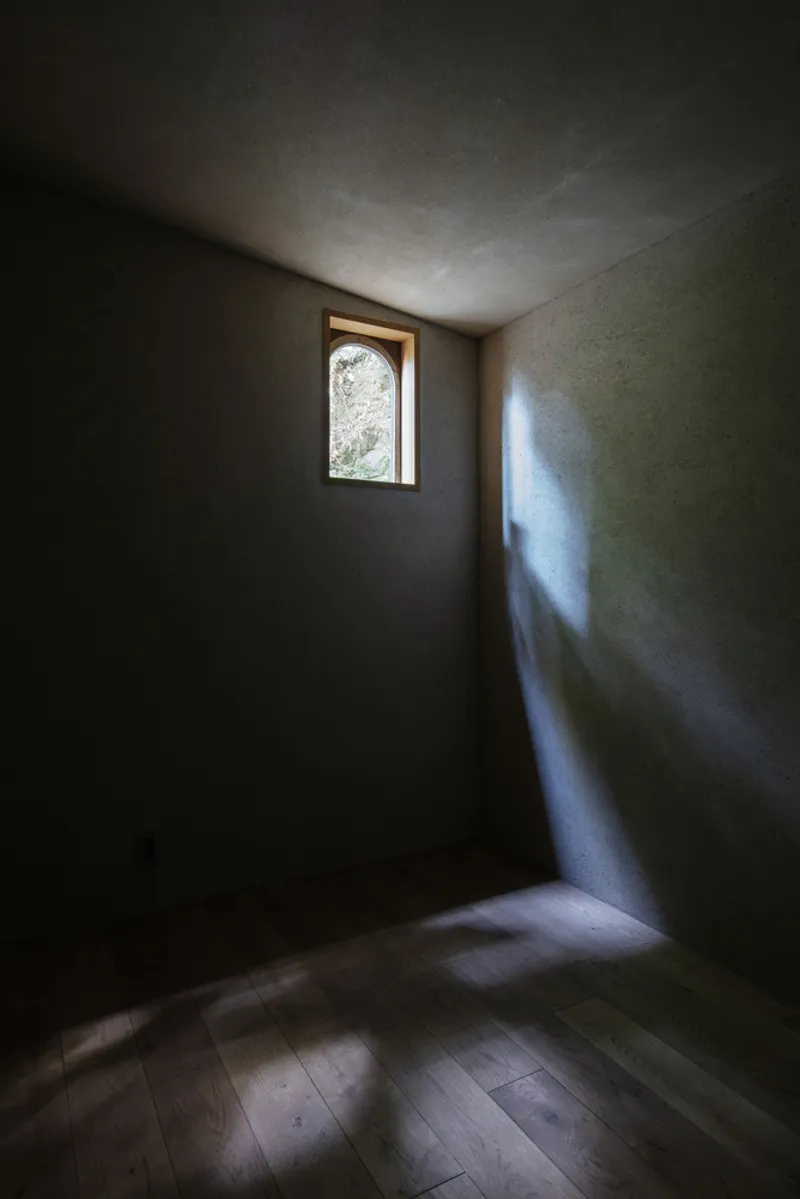
Seamless Integration of Interior and Exterior
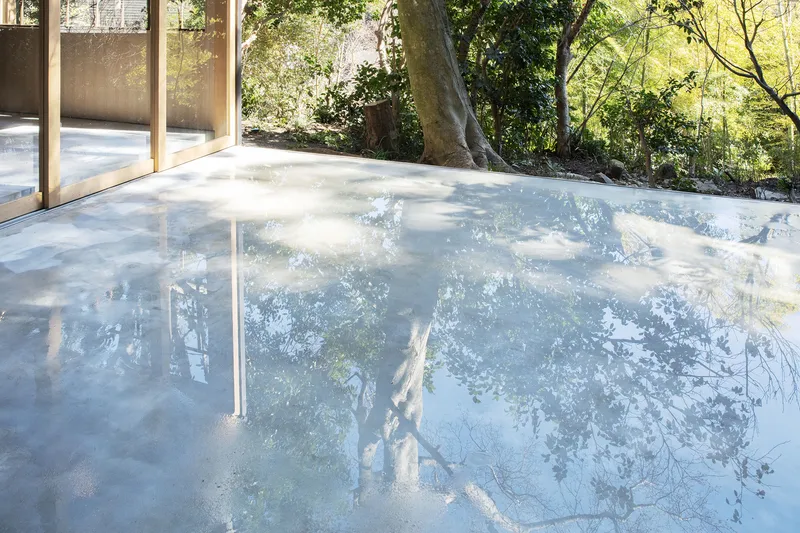
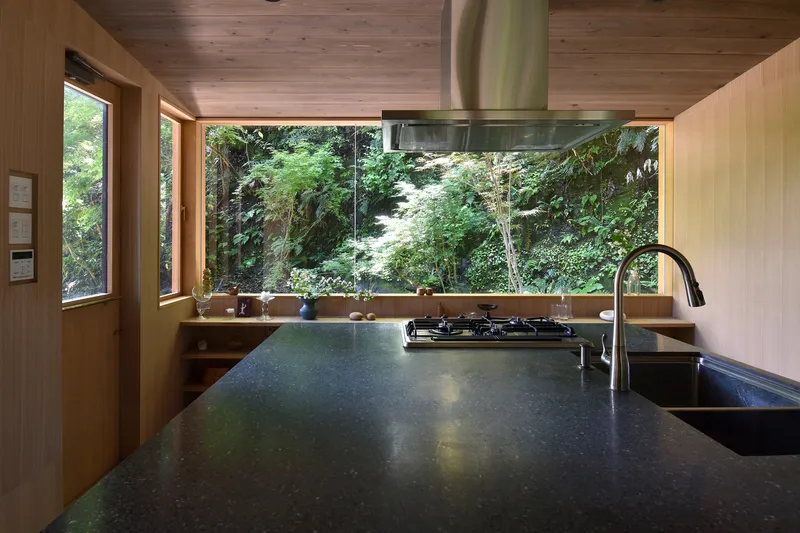
The renovation introduces carefully designed openings that harmonize indoor and outdoor spaces. The atelier’s first-floor concrete flooring seamlessly extends into the outdoor deck, creating a continuous surface that visually merges both spaces. This subtle connection allows natural elements to interact with the architecture, enriching the experience of the home’s inhabitants.
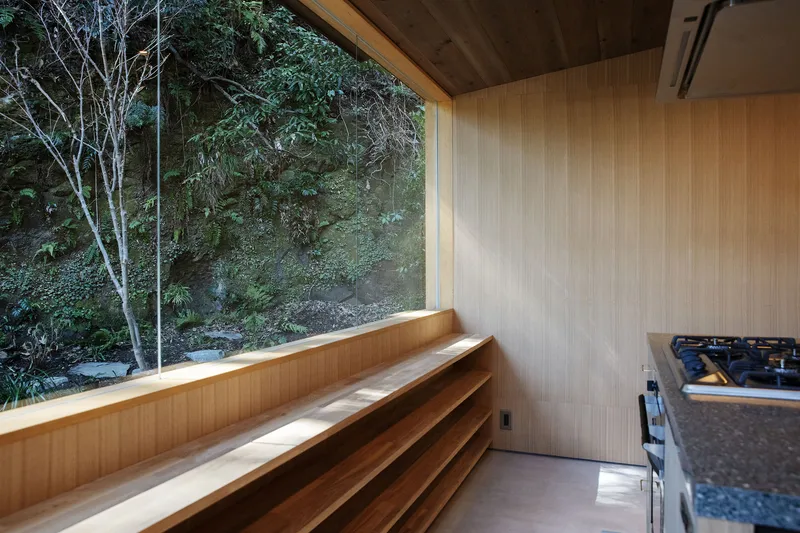
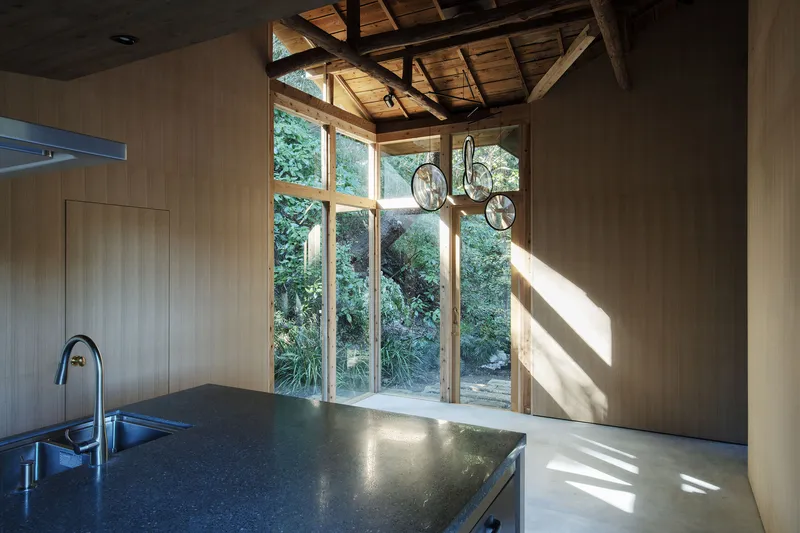
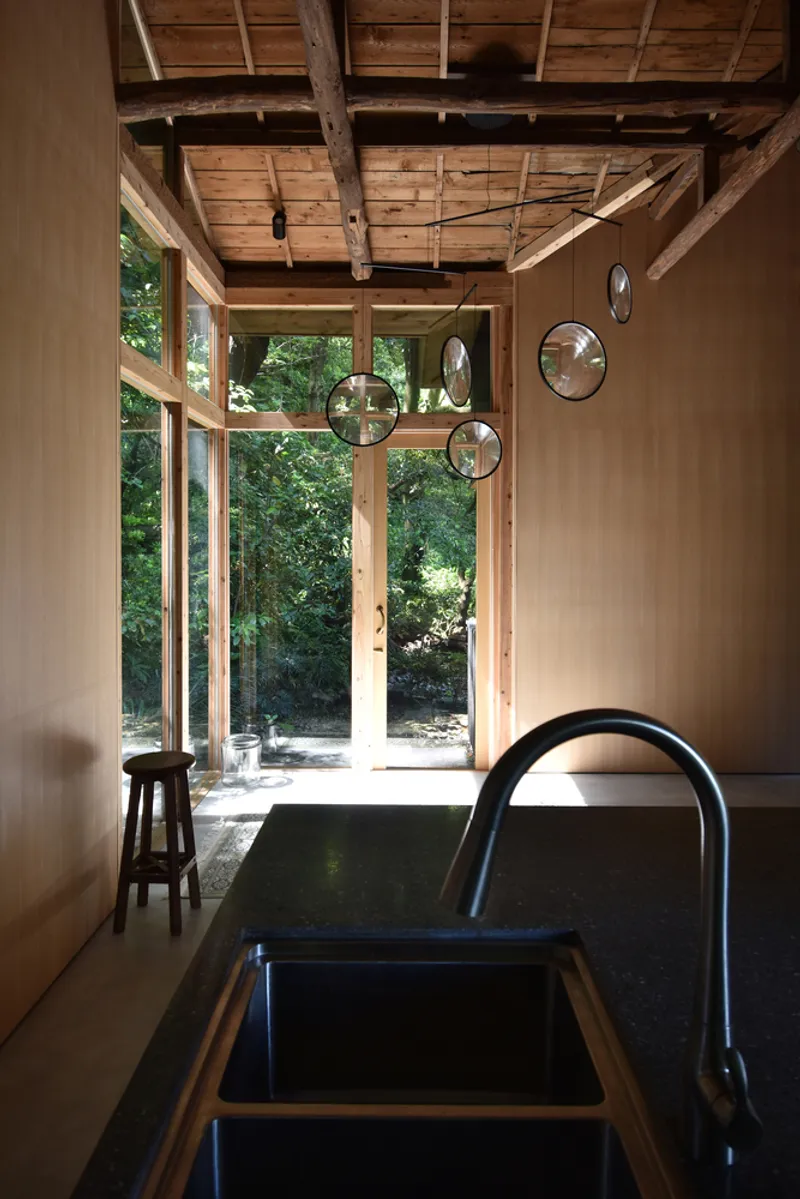
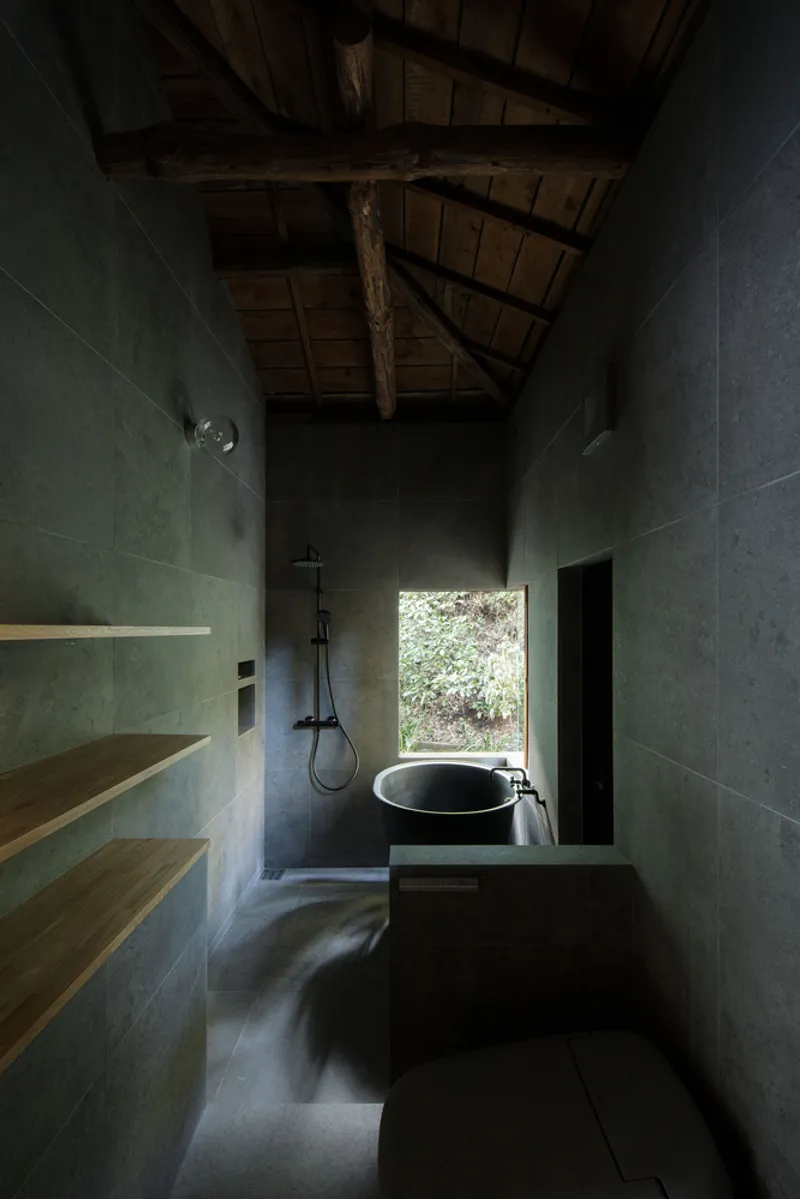
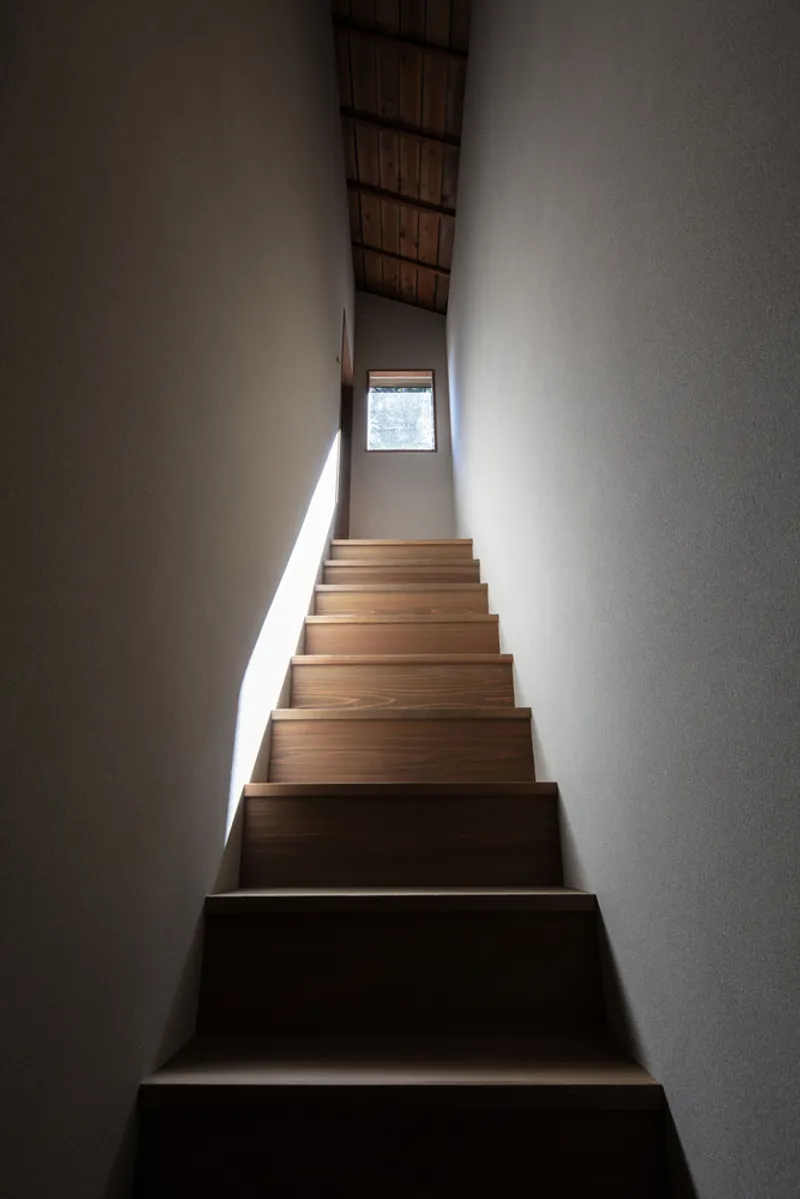
In a unique design gesture, the garden deck transforms into a reflective water feature during rainfall. As ripples spread across the surface, the moving reflections of trees and sky bring the architecture to life, reinforcing a deep connection between built form and natural surroundings.
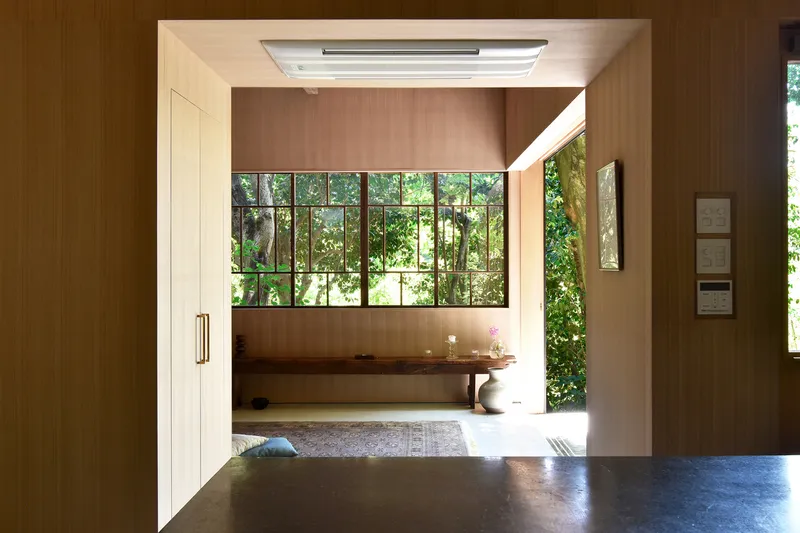
A Philosophy of Timeless Design
Rather than imposing a bold contemporary aesthetic, the renovation adopts a modest and respectful approach. The result is a home that embodies balance—between past and present, built and natural, preservation and transformation. Through this sensitive renovation, the atelier stands as an enduring testament to Japan’s architectural heritage, ensuring that time-honored materials and traditions continue to shape the future.
All Photographs are works of Satoshi Nagare


Popular Articles
Popular articles from the community


The Amber Palace Opera: A Geological Fiction Surfaces on Tallinn's Baltic Waterfront
Pierre Brillard reimagines a Baltic legend as a public landscape, opera house, and waterfront promenade rooted in Tallinn's coastal identity.
Tsunami Convergenics: Turning Catastrophic Ocean Forces into Underwater Housing Infrastructure
A speculative underwater settlement off the coast of Onagawa, Japan, treats tsunamis and typhoons as energy sources rather than threats.

Opera on the Sea: Driftwood Logic Shapes a Timber Opera House on Estonia's Coast
Trevor Orgill's opera house translates the entangled drift of floating timber into a civic building where wood, water, and music converge.
Faces of the Soviet Avant-Garde: Turning Moscow's Street Names into an Open-Air Museum
A network of sculptural installations across a Moscow residential district transforms forgotten architect names into spatial encounters with cultural memor

Similar Reads
You might also enjoy these articles


Hodi-Mandai Geram
Project Function: Preservation and revitalization of the Intangible heritage and socio-spatial identity of the Hodi by Housing, Cultural Memory Center, Sacred Grove, landscape, local tourism economy


Olio Towers: A Mid-Rise for Performers That Fuses Housing, Rehearsal, and Stage
Located blocks from Houston's Theater District, this modular tower stacks living units around a central performance atrium.

Oasis: Modular Green Housing Carved into Dhaka's Urban Fabric
A shortlisted Plugin Housing entry reclaims unauthorized settlements in Dhaka with stepped concrete volumes, green roofs, and ventilation-driven design.

Black Hole: A Floating Megastructure for the Post-Physical Era
Emiliano Mazzarotto envisions a spherical, self-scaling arena where e-sports, digital hotels, and holographic stadiums replace traditional public space.

Explore Traditional Japanese Competitions
Discover active competitions in this discipline

Challenge to reimagine the Iron Throne

Photograph architecture without architects

Illustrate the lost glory of Angkor Wat - Render Challenge

Design challenge to reuse E-waste
Comments (0)
Please login or sign up to add comments
No comments yet. Be the first to comment!