
Bamboo Architecture: The Lumi Shala by IBUKU
The article explores the innovative use of bamboo architecture in the design of the Lumi Shala wellness space in Bali.


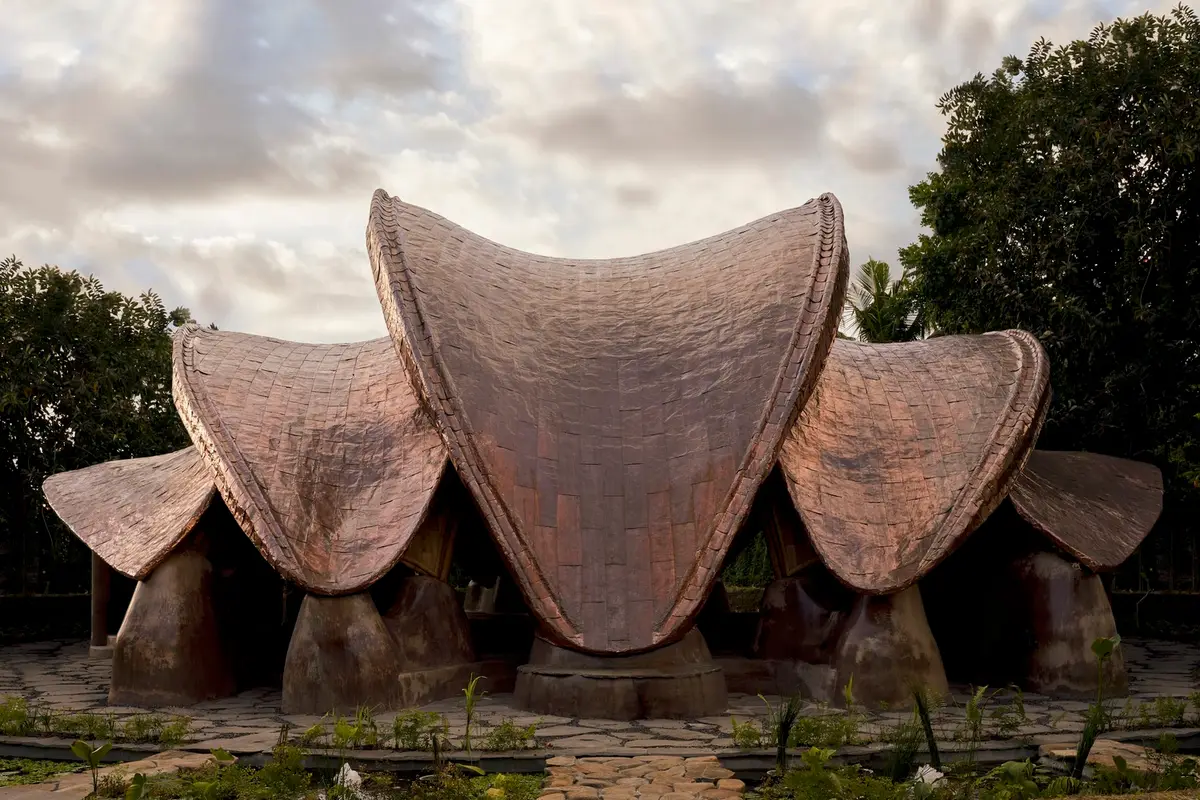
The Lumi Shala, located at the Alchemy Yoga Center in Bali, is a prime example of bamboo architecture that blends sustainability with innovative design. Designed by IBUKU, this wellness space uses bamboo, a sustainable material that is at the forefront of eco-friendly construction, to create a serene environment for yoga practices. Completed in 2023, the Lumi Shala stands as a testament to the potential of bamboo in modern architecture.
What is Bamboo Architecture?
Bamboo architecture refers to the use of bamboo as a primary building material in the construction of buildings and structures. Bamboo is known for its sustainability, strength, and flexibility, making it an ideal choice for environmentally conscious designs. In recent years, bamboo has become a popular material in eco-friendly architecture, offering a renewable resource for construction while reducing carbon footprints.
The Role of Bamboo in Sustainable Design
Bamboo grows rapidly, making it one of the most sustainable building materials available. It’s a fast-growing grass that can be harvested in just a few years, unlike traditional timber, which can take decades to mature. Bamboo's natural strength, combined with its lightweight nature, allows architects to create innovative structures that are both resilient and environmentally friendly.
The Design of the Lumi Shala: A Masterpiece of Bamboo Architecture
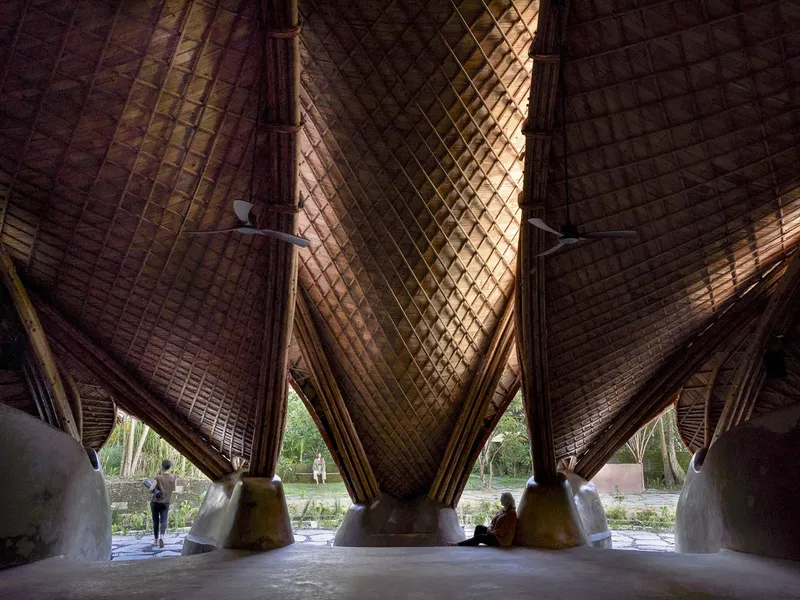
IBUKU’s design for the Lumi Shala incorporates bamboo as a central element of the structure, creating an organic and harmonious space that connects people to nature. The design reflects a deep understanding of bamboo’s properties and demonstrates how it can be used in innovative ways to create large, open, and airy spaces.
Bamboo Arches and Grid Shell Roof
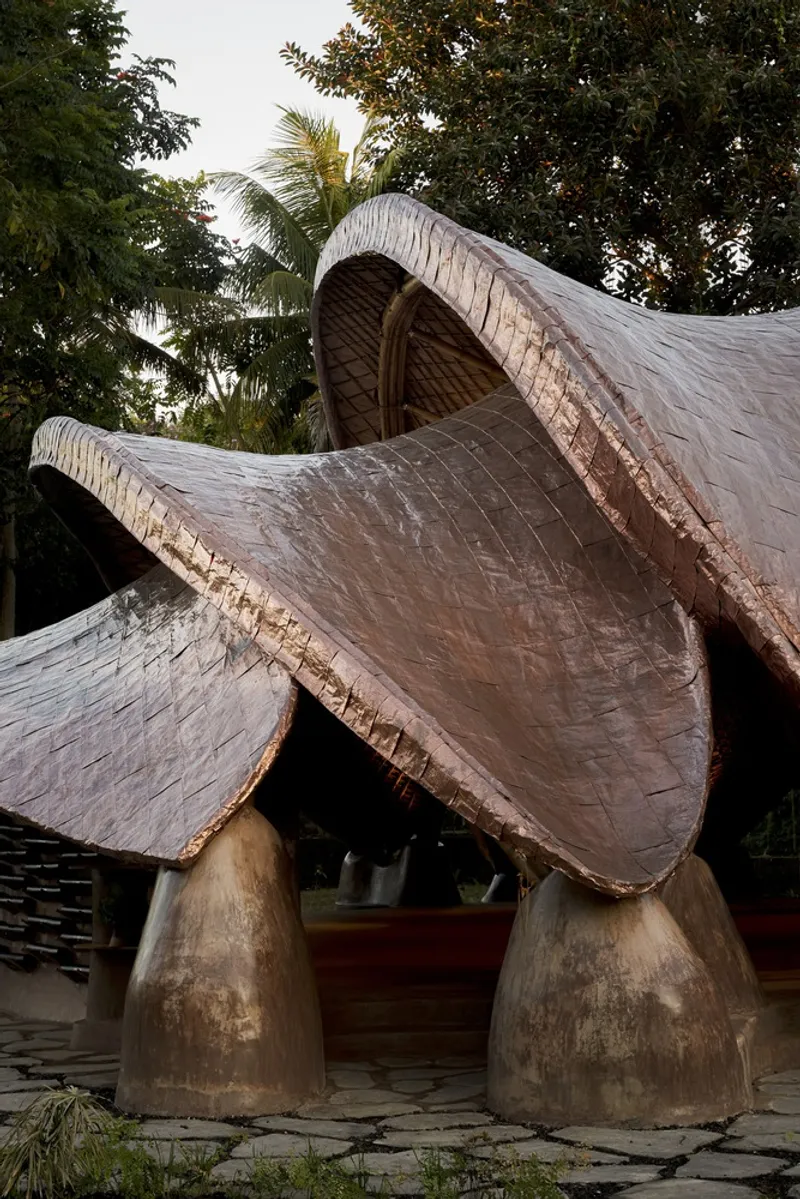
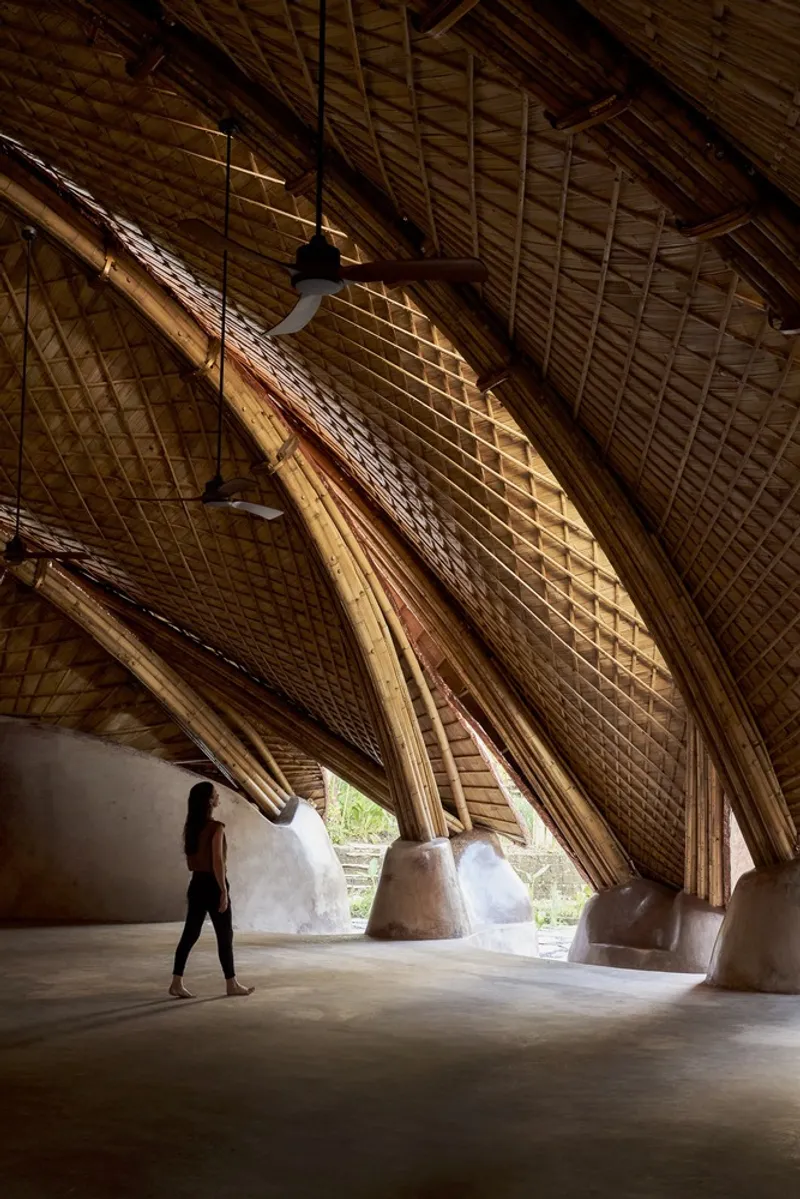
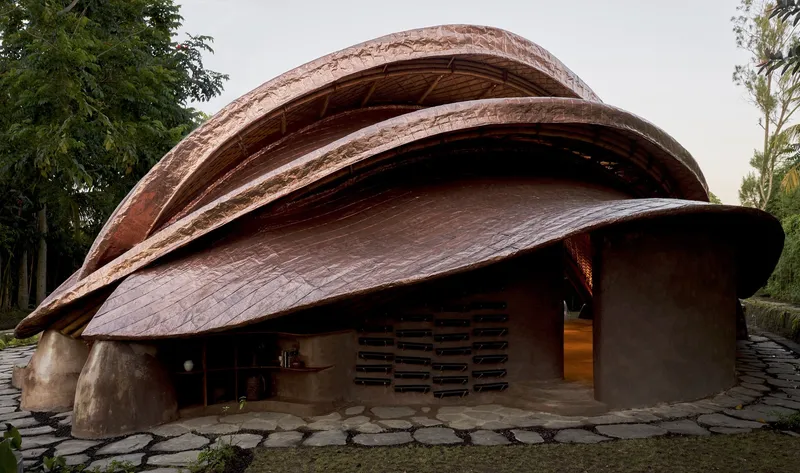
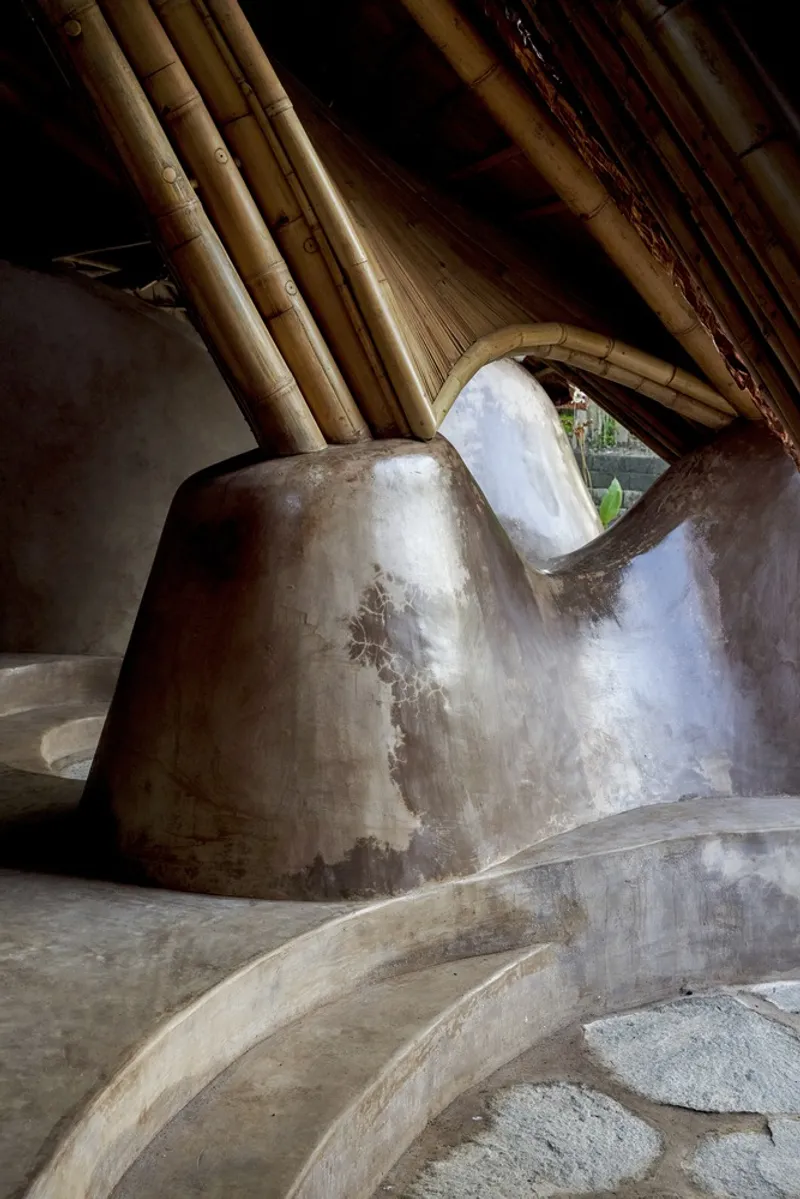
The most striking feature of the Lumi Shala is its bamboo arches, which soar overhead from mounded foundations. These arches are a perfect example of how bamboo architecture can be used to create dynamic, organic forms. The arches are not only visually stunning but also serve as structural supports, holding up the five grid shell roof petals that provide ample natural light to the interior.
The bamboo arches are bundled and tied together using structural grid shells, a groundbreaking technique that allows for clear spans of up to 21 meters. This method of using bamboo in conjunction with grid shells is a great example of the versatility and strength of bamboo in modern architecture.
Integration of Natural Light
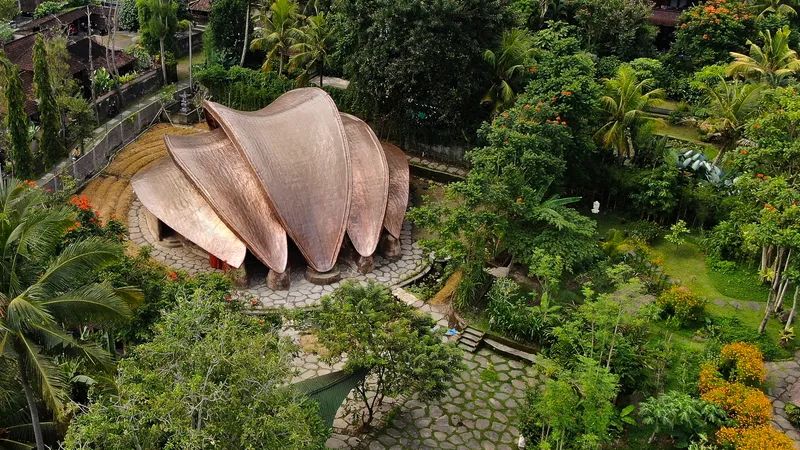
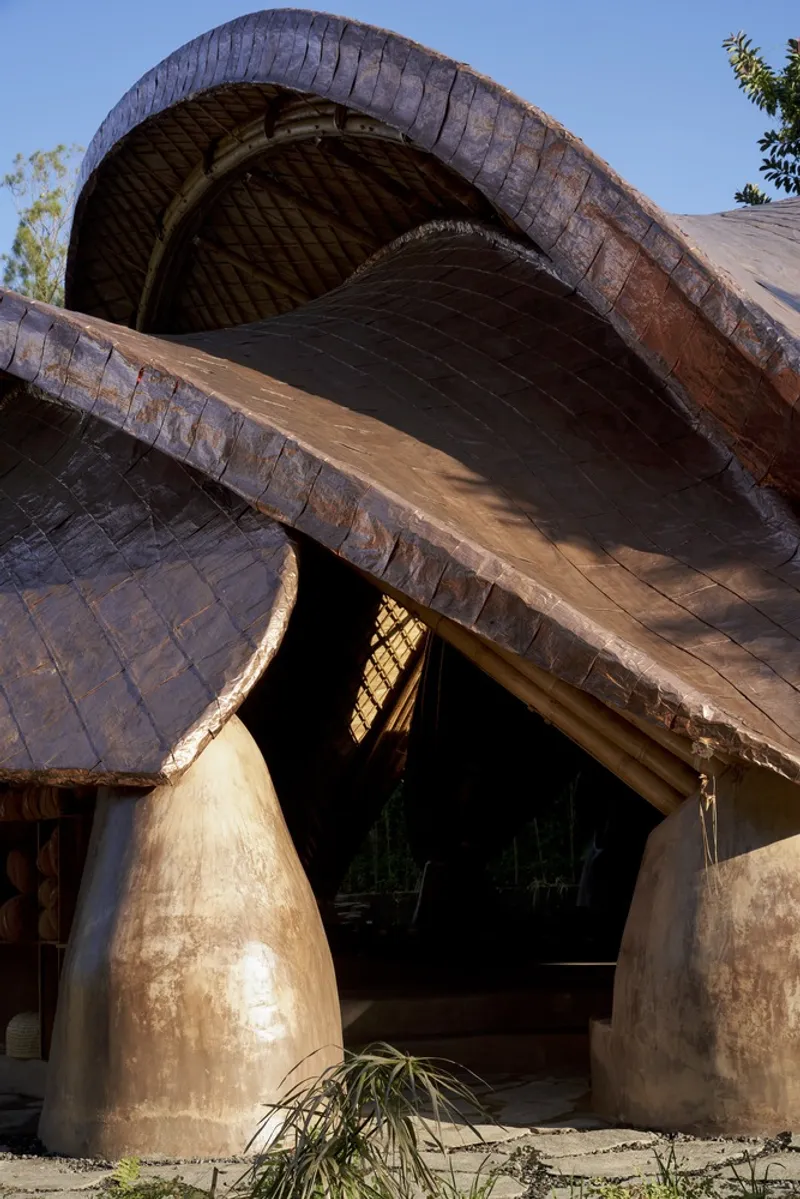
The grid shell roof design is made up of five overlapping petals, arranged to optimize natural light and airflow within the space. These roof petals create a soft, diffused light that floods the interior of the building, creating an inviting and calming atmosphere perfect for yoga practice. The careful consideration of natural light is another example of how bamboo architecture can be adapted to create functional and aesthetically pleasing spaces.
The Structural Innovation Behind the Design
IBUKU’s design for the Lumi Shala builds on the innovative structural techniques used in their previous project, the Arc at Green School. Both projects use bamboo architecture in unique ways, with the Lumi Shala featuring new orchestration of bamboo arches and grid shell elements to achieve the impressive 21-meter clear span. The use of deep trusses, which are artfully angled and hidden from view, gives the structure a light and airy feel despite its large scale.
The Future of Bamboo Architecture
The Lumi Shala is just one example of how bamboo architecture is transforming the landscape of sustainable design. As architects continue to explore the potential of bamboo in modern construction, we can expect to see more innovative and eco-friendly buildings like the Lumi Shala in the years to come. Bamboo offers a solution to the pressing environmental challenges faced by the construction industry, providing a renewable, durable, and aesthetically pleasing alternative to traditional building materials.
Why Bamboo Architecture is the Future
With the growing emphasis on sustainability, bamboo architecture is poised to play a crucial role in the future of eco-friendly construction. Bamboo's strength, versatility, and rapid growth rate make it an ideal choice for architects looking to reduce their environmental impact while creating beautiful, functional spaces.
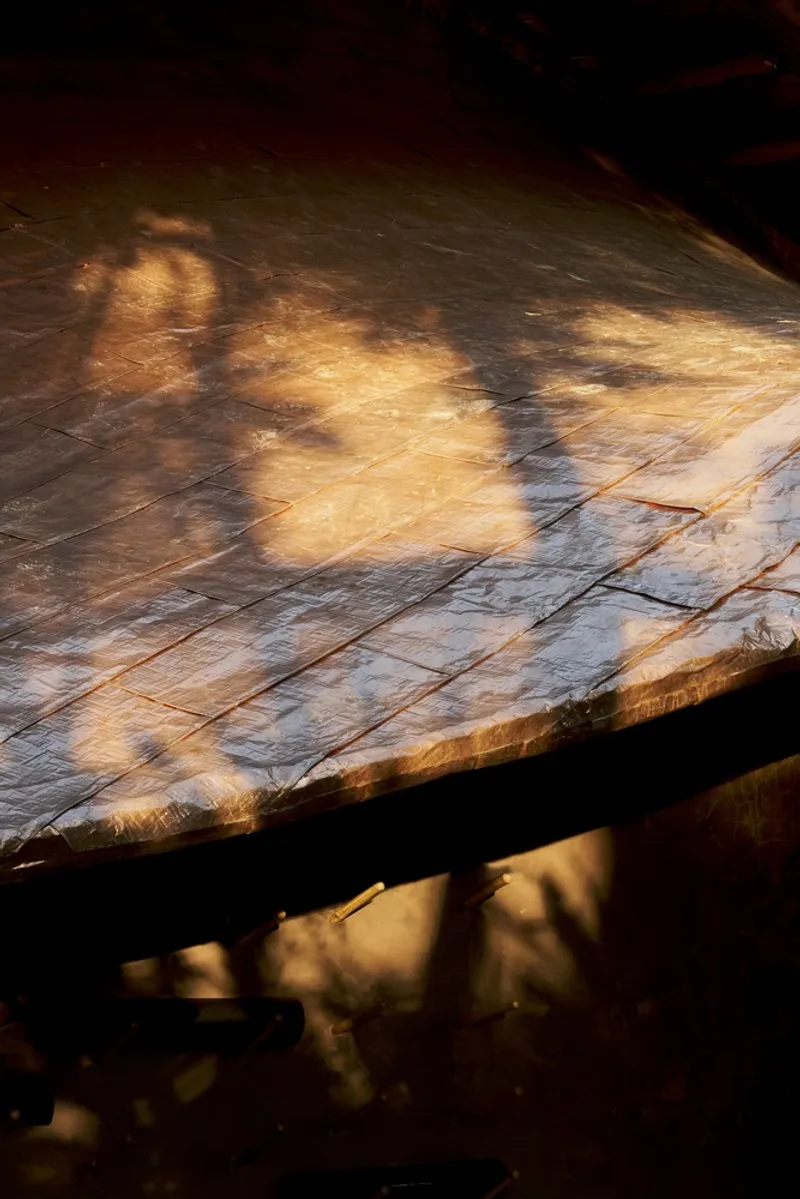
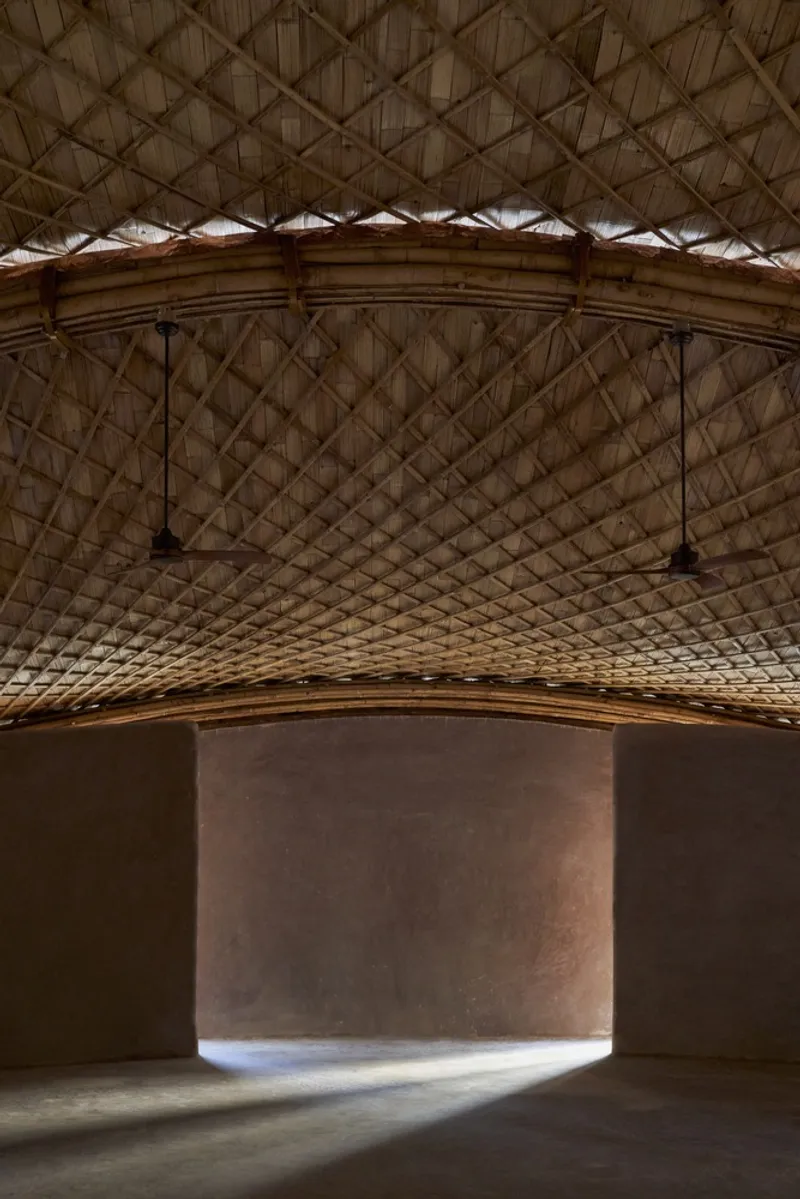
The Lumi Shala by IBUKU is a stunning example of bamboo architecture at its finest. Through innovative design and sustainable building practices, IBUKU has created a space that not only meets the needs of its users but also respects and enhances the natural environment. As the world moves toward more sustainable building practices, bamboo will undoubtedly continue to be a key material in shaping the architecture of tomorrow.
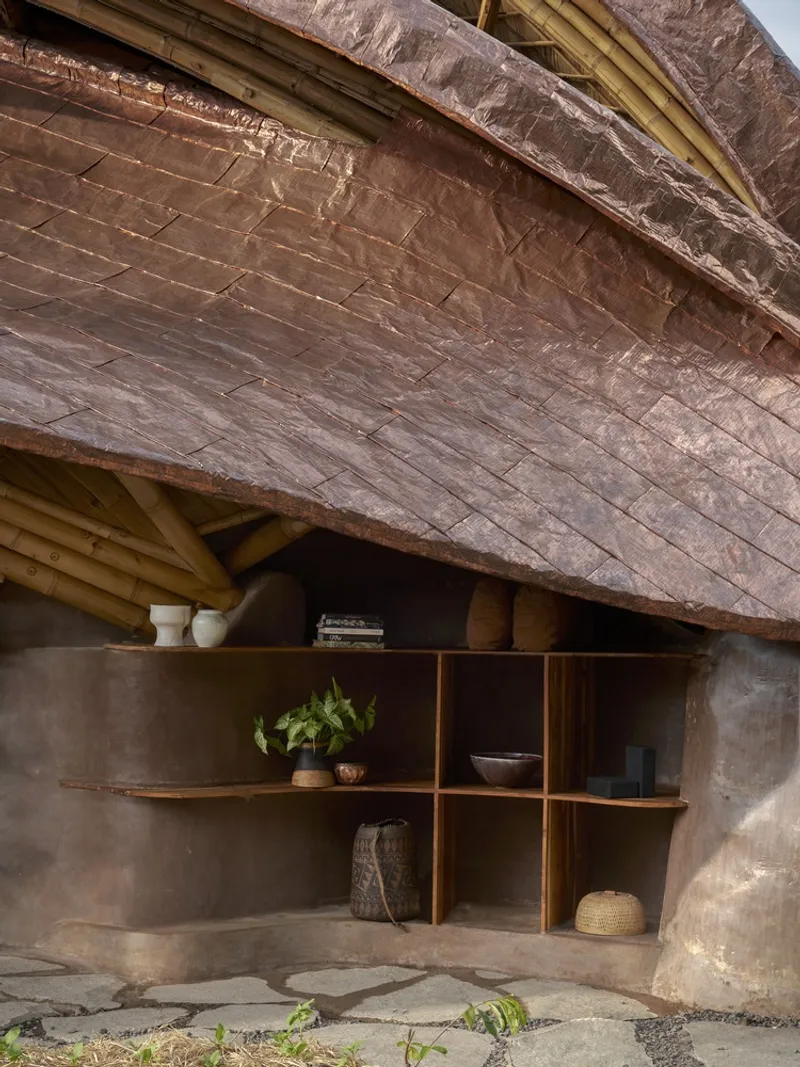
All Photographs are work ofZuñiga Alonso, Putu Aris Sumardiana


Popular Articles
Popular articles from the community


The Amber Palace Opera: A Geological Fiction Surfaces on Tallinn's Baltic Waterfront
Pierre Brillard reimagines a Baltic legend as a public landscape, opera house, and waterfront promenade rooted in Tallinn's coastal identity.


FCC Arquitectura Expands a Portuguese Granite House with a Board-Marked Concrete Wing
In Portugal, JV House pairs a cleaned-up whitewashed and granite dwelling with a timber-shuttered concrete extension, courtyards and a garden pool.

Juan García Correa, John González and Claudia Rueda Sink a Circular Amphitheater into a Manizales Engineering Building
On the La Nubia campus in Manizales, Colombia, the S1 Building folds labs and offices into a hillside of ramped lawns that double as a campus route.

Cube Design Draws an Ecological Corridor Between Two Shenzhen Hills with the Nankai Building
Beside Shenzhen's container docks, the Nankai Building pairs stacked balconies with a climbing green screen to connect two hillsides across its height.

Similar Reads
You might also enjoy these articles


Hodi-Mandai Geram
Project Function: Preservation and revitalization of the Intangible heritage and socio-spatial identity of the Hodi by Housing, Cultural Memory Center, Sacred Grove, landscape, local tourism economy


Olio Towers: A Mid-Rise for Performers That Fuses Housing, Rehearsal, and Stage
Located blocks from Houston's Theater District, this modular tower stacks living units around a central performance atrium.

Oasis: Modular Green Housing Carved into Dhaka's Urban Fabric
A shortlisted Plugin Housing entry reclaims unauthorized settlements in Dhaka with stepped concrete volumes, green roofs, and ventilation-driven design.

Black Hole: A Floating Megastructure for the Post-Physical Era
Emiliano Mazzarotto envisions a spherical, self-scaling arena where e-sports, digital hotels, and holographic stadiums replace traditional public space.

Explore Bamboo Construction Competitions
Discover active competitions in this discipline

Challenge to reimagine the Iron Throne

Photograph architecture without architects

Illustrate the lost glory of Angkor Wat - Render Challenge

Design challenge to reuse E-waste
Comments (0)
Please login or sign up to add comments
No comments yet. Be the first to comment!