

Caropá House by ARKITITO Arquitetura
Caropá House blends modern renovation with preserved heritage, featuring open-plan living, garden integration, natural light, and sustainable materials.


Nestled in the vibrant and leafy neighborhood of Vila Madalena, near Praça Vicentina de Carvalho, Caropá House embodies a sensitive renovation that balances contemporary living with respect for the original character of the home. The architectural intervention by ARKITITO Arquitetura focused on transforming a formerly dark and compartmentalized interior into a bright, open, and fluid space while preserving key historical and structural elements of the residence.

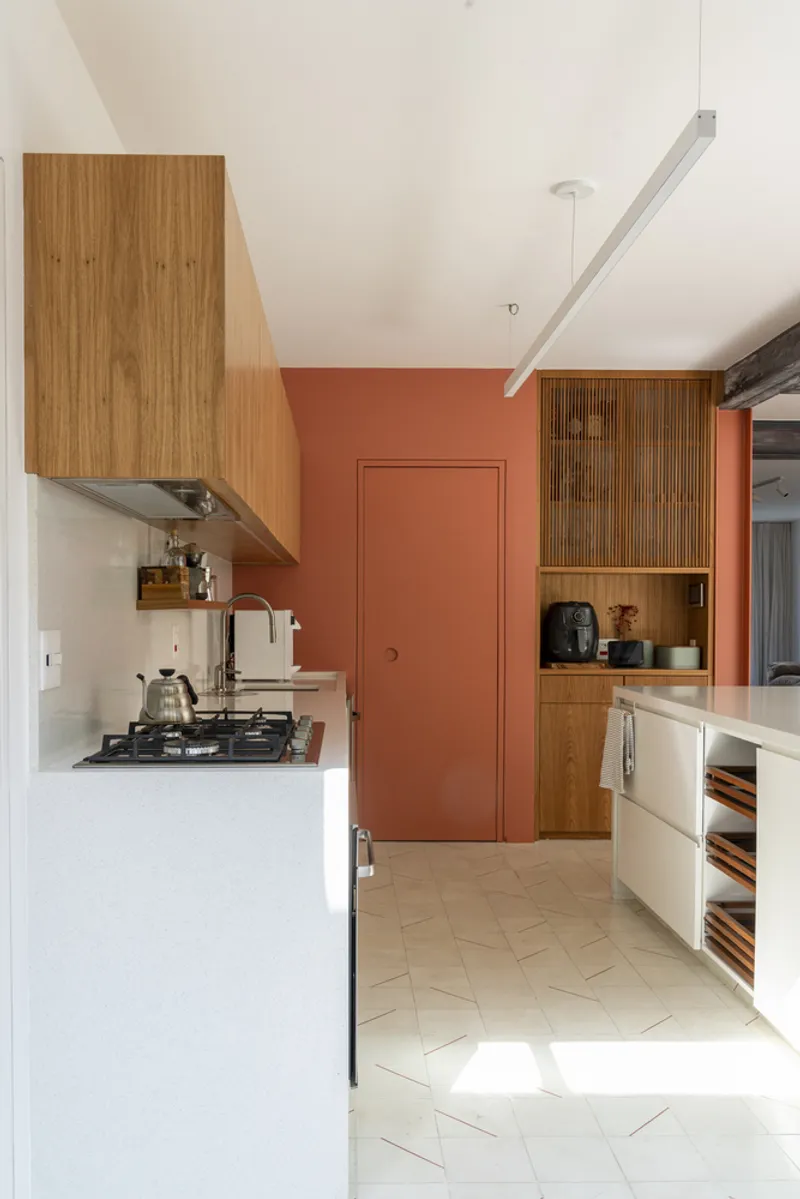
Spatial Reconfiguration and Ground Floor Design
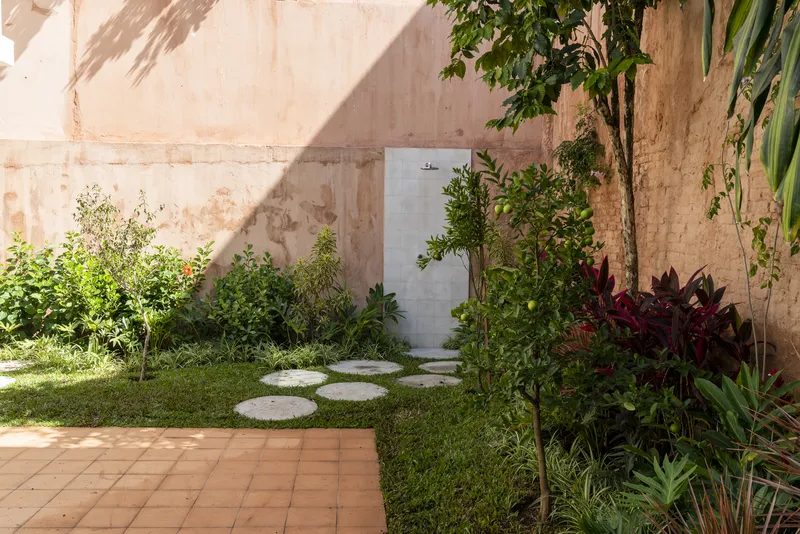
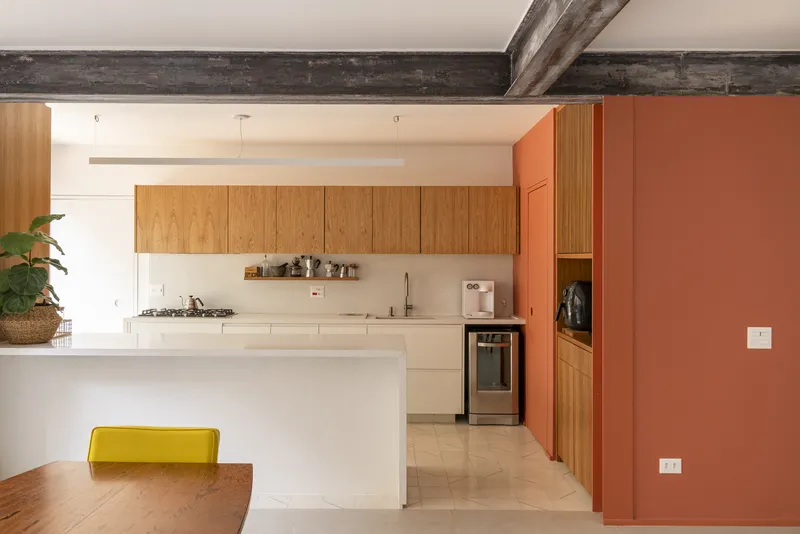
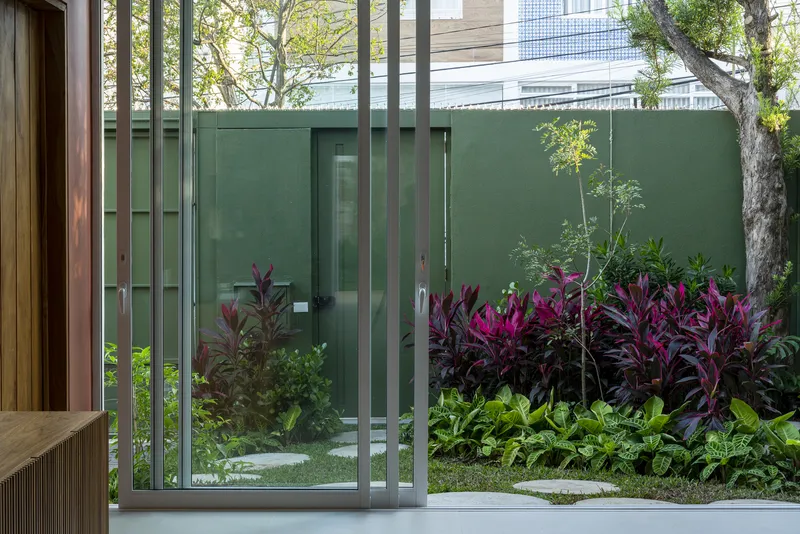
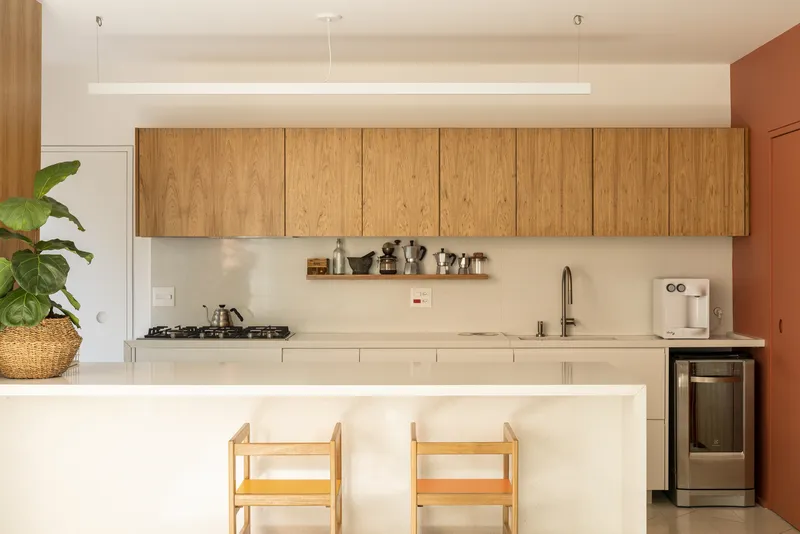
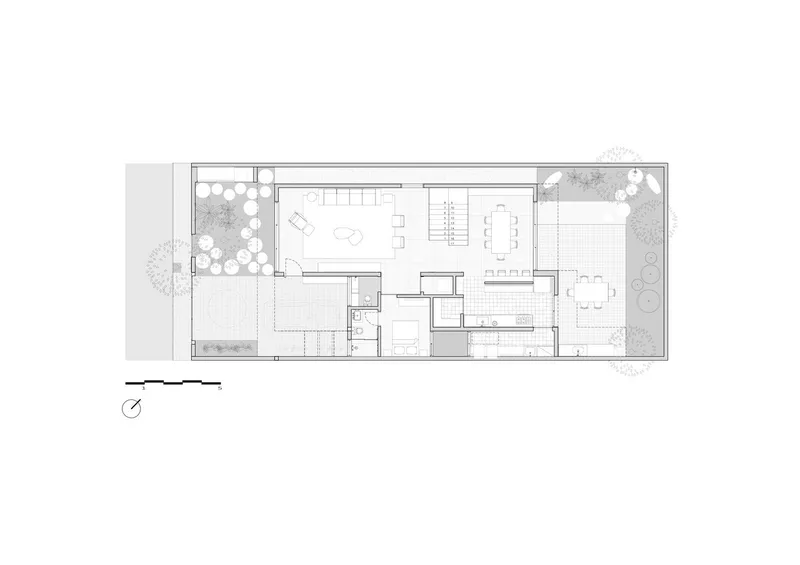
Designed for a young couple and their two children, the 260m² house was reimagined to foster family interaction and outdoor connection. The ground floor was restructured to create a seamless indoor-outdoor flow, placing the main social areas—living, dining, and kitchen—between two lush gardens. A large rear opening connects the interior to a casual barbecue area and a modest yet expressive garden, reinforcing a sense of openness and natural continuity.
The integration of landscape and interior was carefully considered to maximize natural lighting and ventilation, reducing reliance on mechanical systems. The result is a harmonious blend of interior architecture and garden design that enhances the sensory and environmental quality of everyday living.
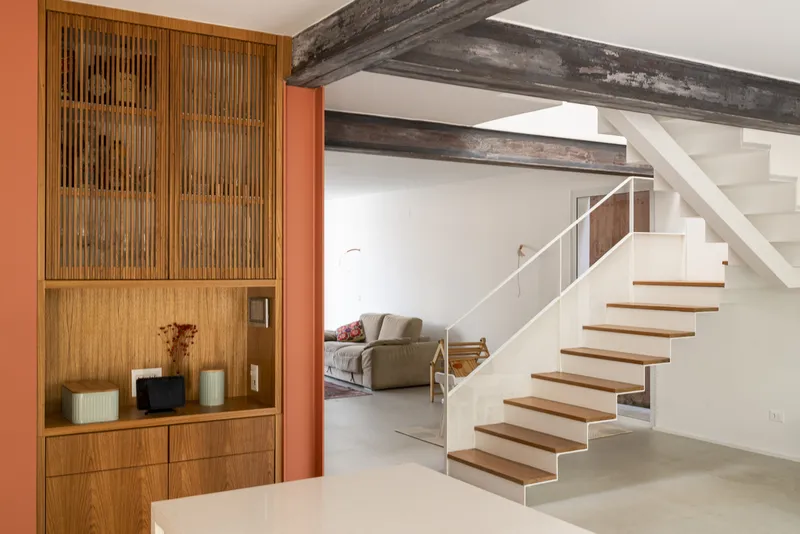
Vertical Connection and Material Expression
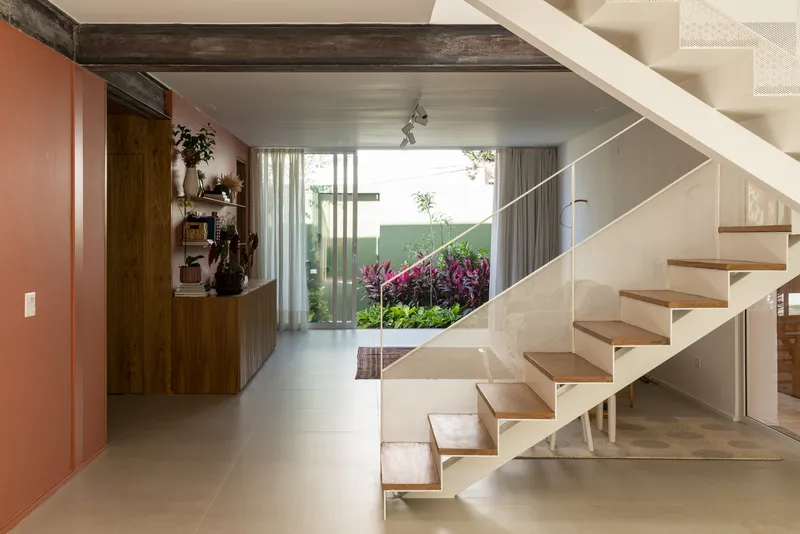
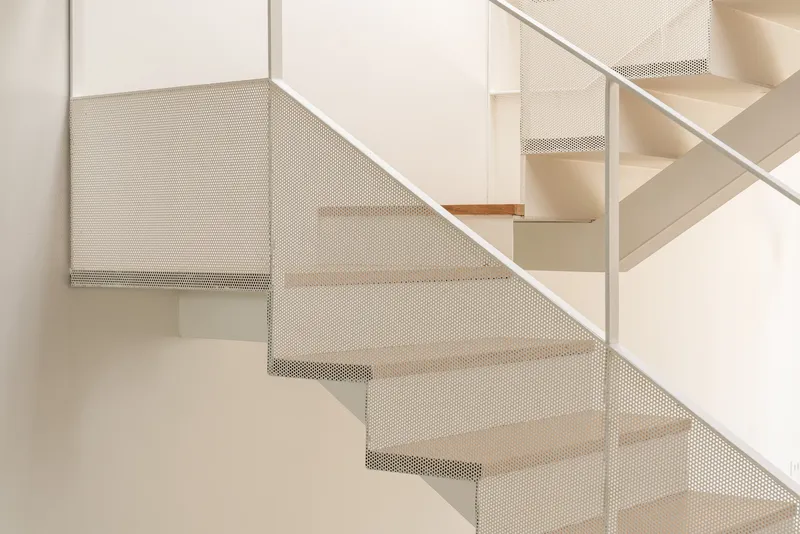
One of the most striking new elements is the metal staircase with cumarú wood steps, which connects the ground floor to the private spaces above. Light, perforated, and visually unobtrusive, the staircase enhances transparency and maintains visual dialogue between the living and dining areas, avoiding the interruption of spatial flow. Its white metal frame and open railing contribute to a sense of levity while maximizing spatial perception.
Upper Floor and Passive Design Strategies
The upper level houses the bedrooms, bathrooms, and a home office. Minimal structural changes were made here, but the architects enhanced natural light by expanding the original skylights and adding new windows in the bathrooms. These strategic interventions increase daylight access and reduce energy consumption, aligning the project with sustainable architectural practices.
In addition, a rooftop solarium was created, transforming the roof into a functional and light-filled space that radiates natural light throughout both floors. This addition not only supports passive thermal regulation but also offers an elevated space for leisure and relaxation.
Materials, Manufacturers, and Finishes
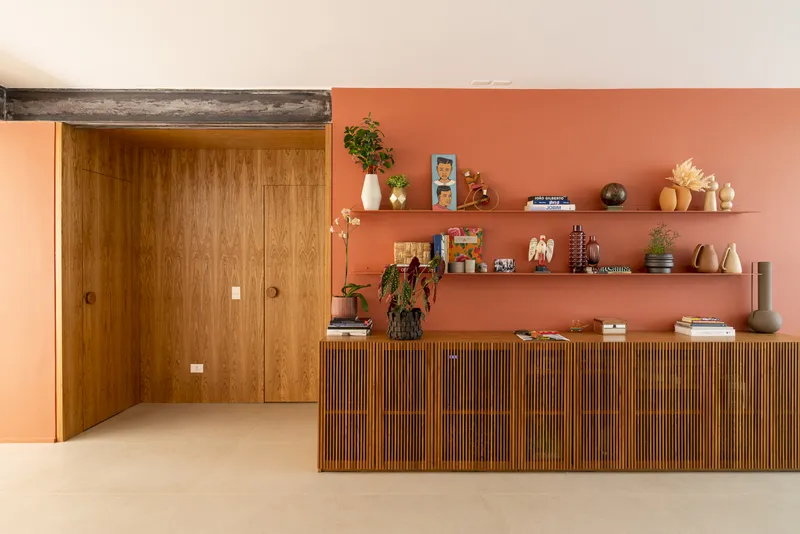
The renovation incorporated high-quality finishes and materials from brands like Lepri Cerâmicas, Deca, Portobello Shop, and Santa Luzia, ensuring durability and aesthetic coherence. The furniture and built-in elements emphasize clean lines and natural textures, contributing to the overall warmth and elegance of the home.
All Photographs are works of Filipe Redondo




Popular Articles
Popular articles from the community


Hill & Cross Opera: Sculptural Opera House Architecture Shaped by Tallinn’s Landscape and Identity
Hill & Cross Opera reimagines opera house architecture in Tallinn through its sculptural hill, civic plaza, glass wave and a luminous cross.

The Ocean Hive: Sustainable Architecture for a Self-Sufficient Civilization at Sea
The Ocean Hive imagines sustainable architecture at sea, where modular habitats, algae, wave power and ocean waste sustain a growing colony.

Co-life: Sustainable Architecture for Age-Friendly Community Living
Co-life reimagines sustainable architecture for seniors through courtyards, rammed earth, shared gardens, and spaces designed for belonging.

Lunar Spiral: Space Architecture Shaped by the Mathematics of the Universe
Lunar Spiral reimagines space architecture through Fibonacci geometry, lunar regolith, levitating habitats, and self-sustaining Moon living.


Similar Reads
You might also enjoy these articles


Hodi-Mandai Geram
Project Function: Preservation and revitalization of the Intangible heritage and socio-spatial identity of the Hodi by Housing, Cultural Memory Center, Sacred Grove, landscape, local tourism economy


Olio Towers: A Mid-Rise for Performers That Fuses Housing, Rehearsal, and Stage
Located blocks from Houston's Theater District, this modular tower stacks living units around a central performance atrium.

Oasis: Modular Green Housing Carved into Dhaka's Urban Fabric
A shortlisted Plugin Housing entry reclaims unauthorized settlements in Dhaka with stepped concrete volumes, green roofs, and ventilation-driven design.

Black Hole: A Floating Megastructure for the Post-Physical Era
Emiliano Mazzarotto envisions a spherical, self-scaling arena where e-sports, digital hotels, and holographic stadiums replace traditional public space.


Explore Architecture Competitions
Discover active competitions in this discipline



Challenge to reimagine the Iron Throne


Photograph architecture without architects


Illustrate the lost glory of Angkor Wat - Render Challenge


Design challenge to reuse E-waste
Comments (0)
Please login or sign up to add comments
No comments yet. Be the first to comment!